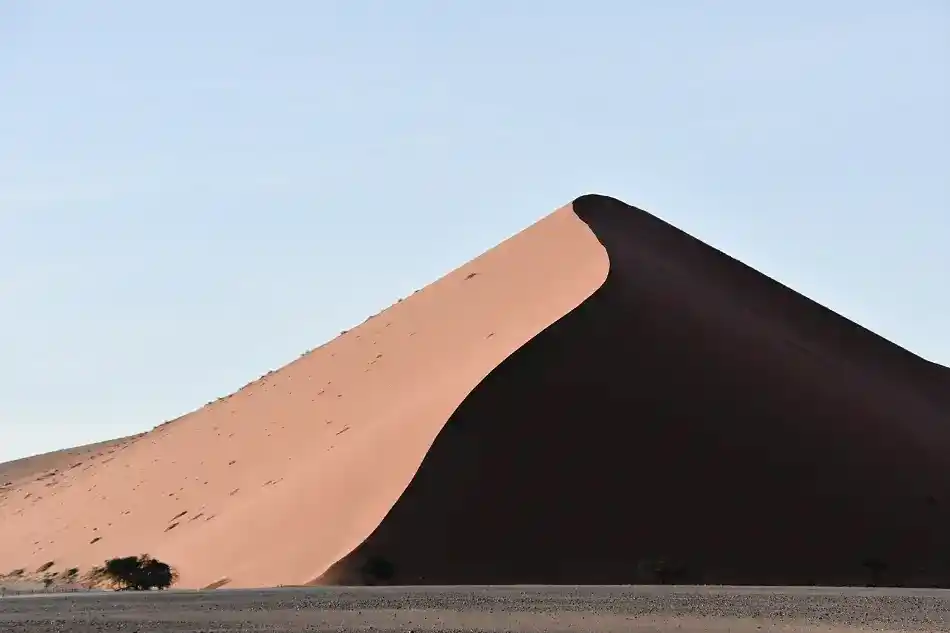
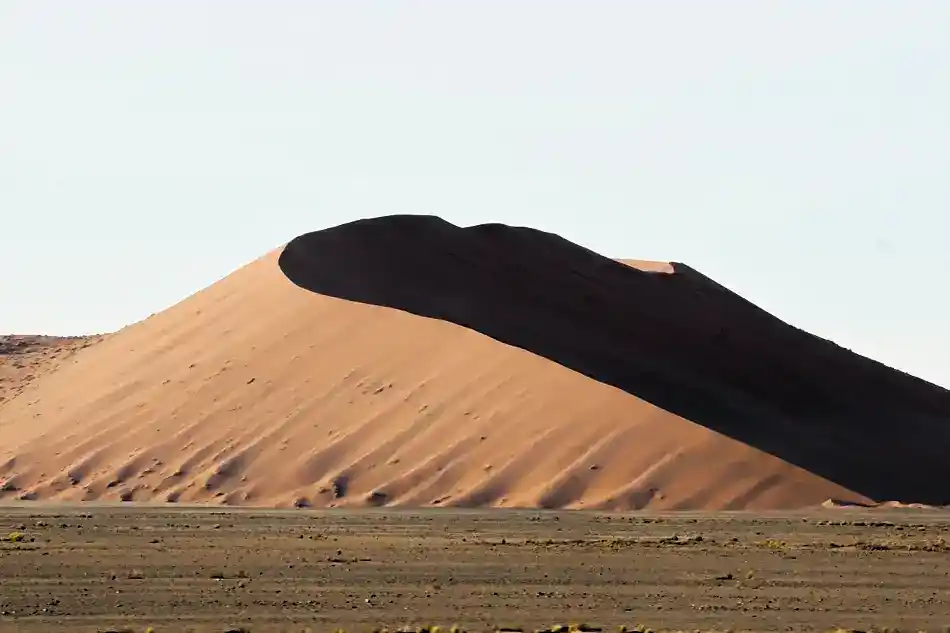
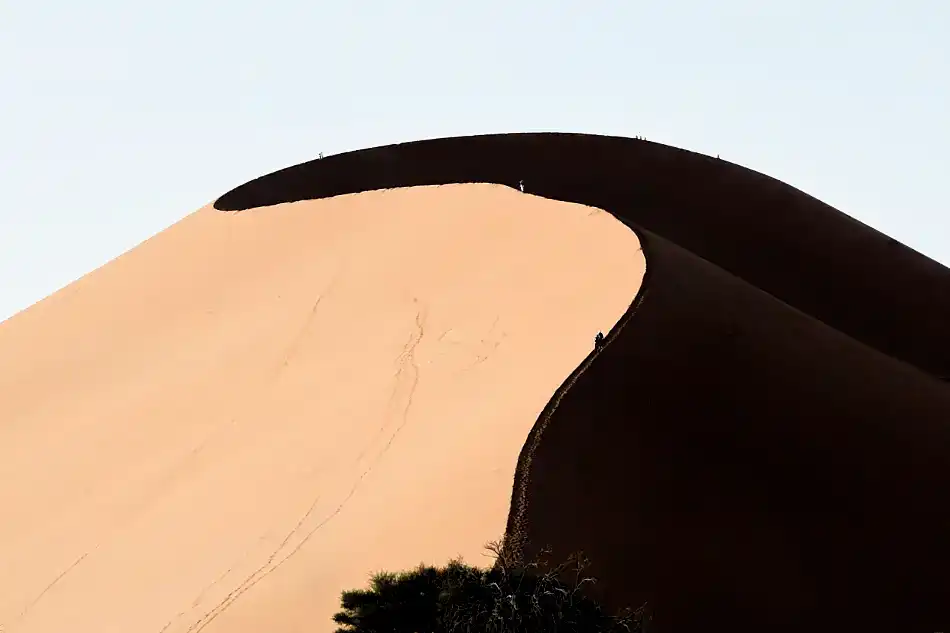
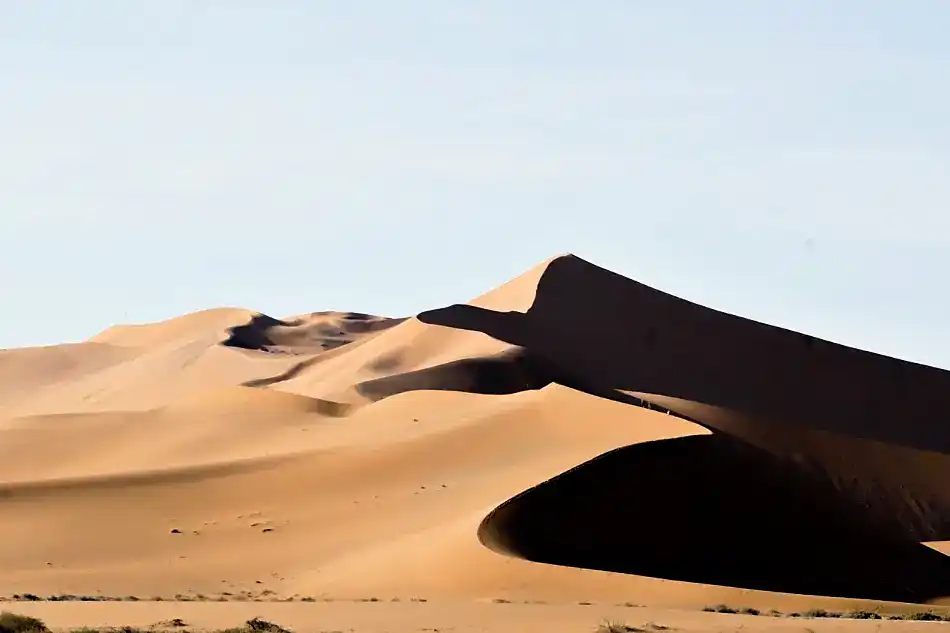
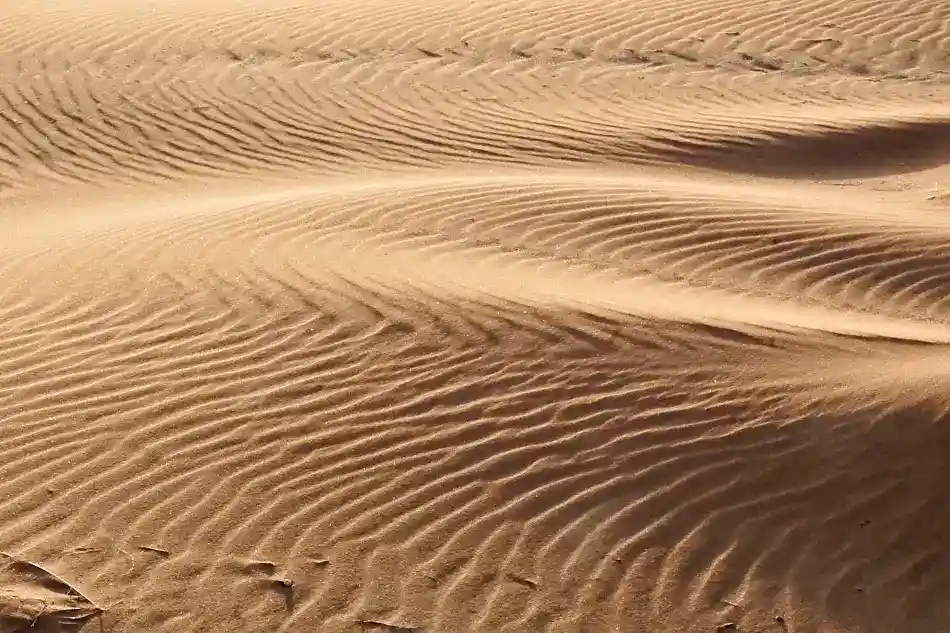
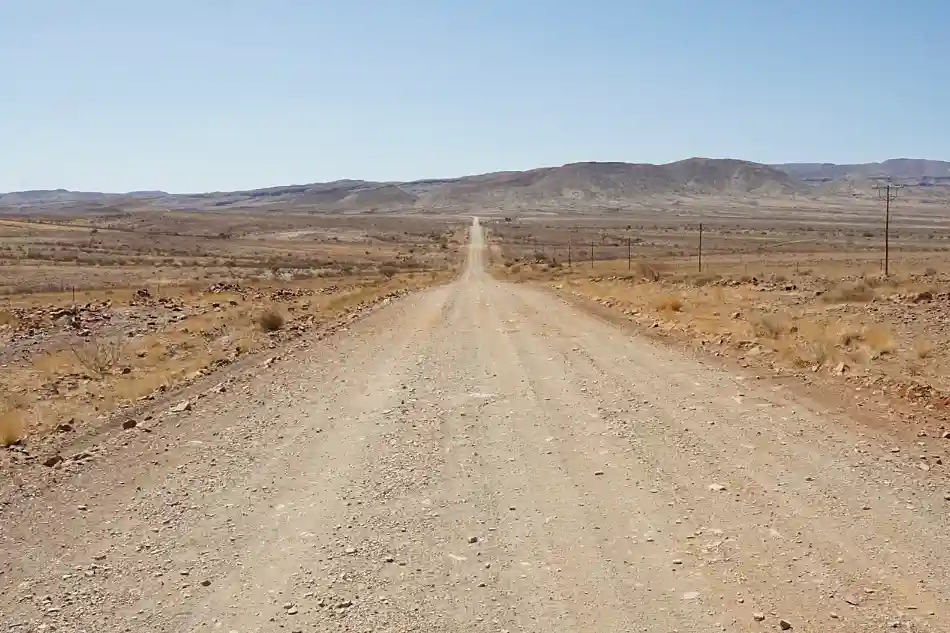
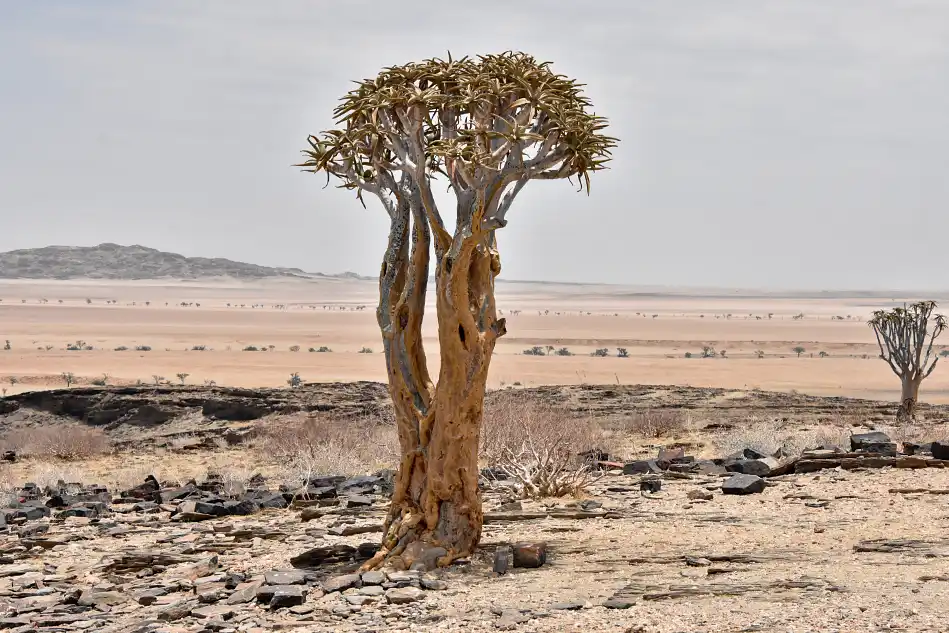
When you leave Solitaire you’re actually almost there. Just a one-hour drive and there it is, Sesriem, the gate to the Namib desert. Where the sand dunes are the highest in the world and probably also the most accessible.
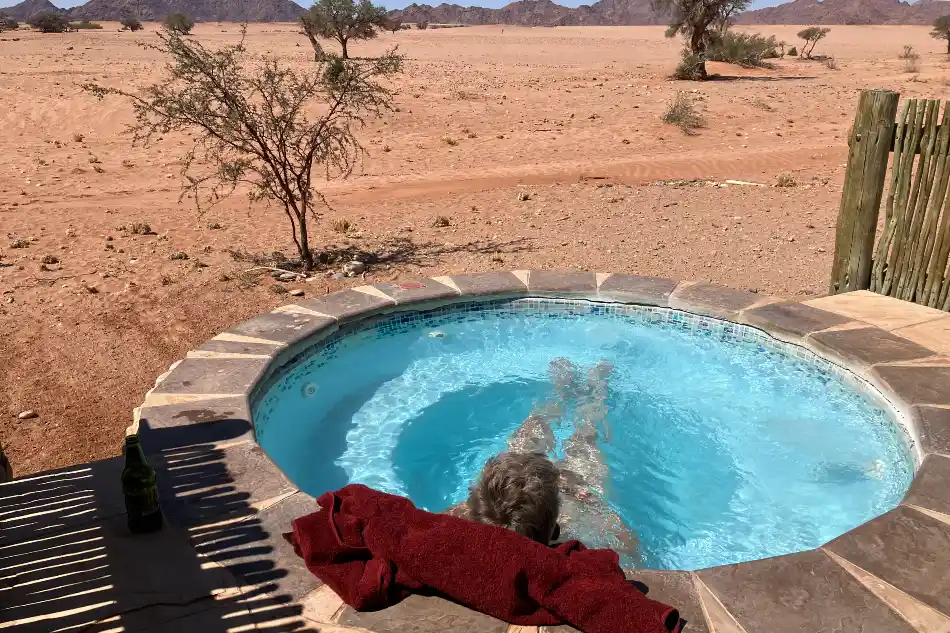
In Sesriem we’re booked into a quite luxurious lodge, and almost by accident we got their most luxurious room . . . A suite with a big bedroom, a huge bathroom and a swell living room, all with a stunning view of the desert outside. The jewel in the crown is outside, a very private cooling pool! Absolutely perfect when you’re home efter a hot hike.
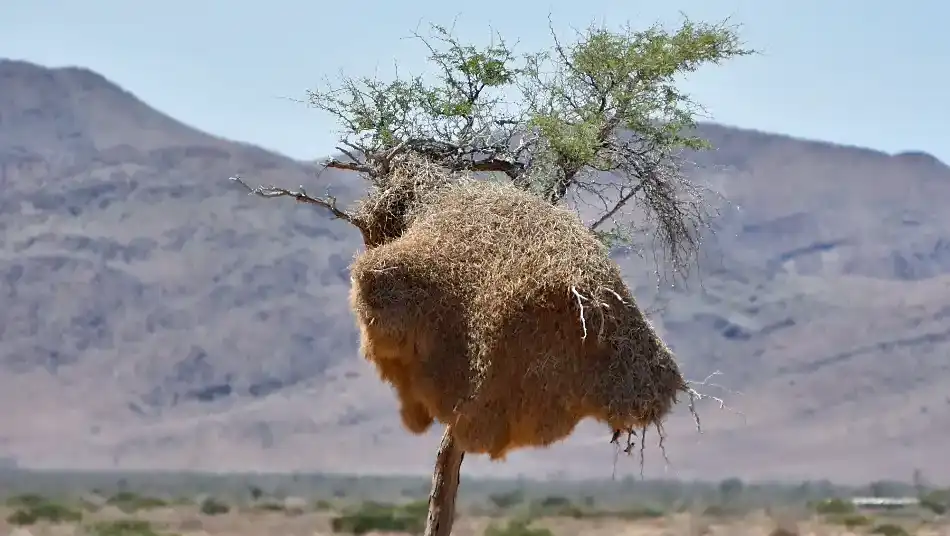
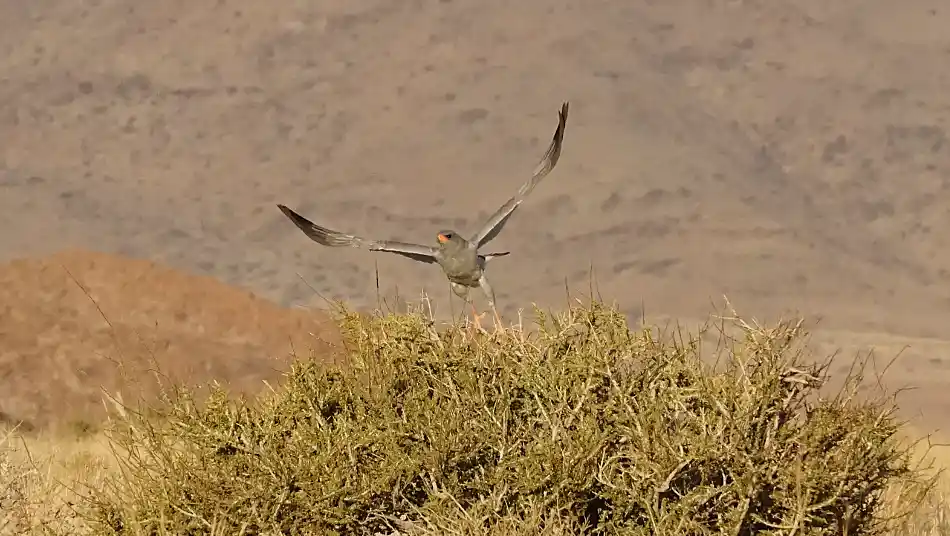
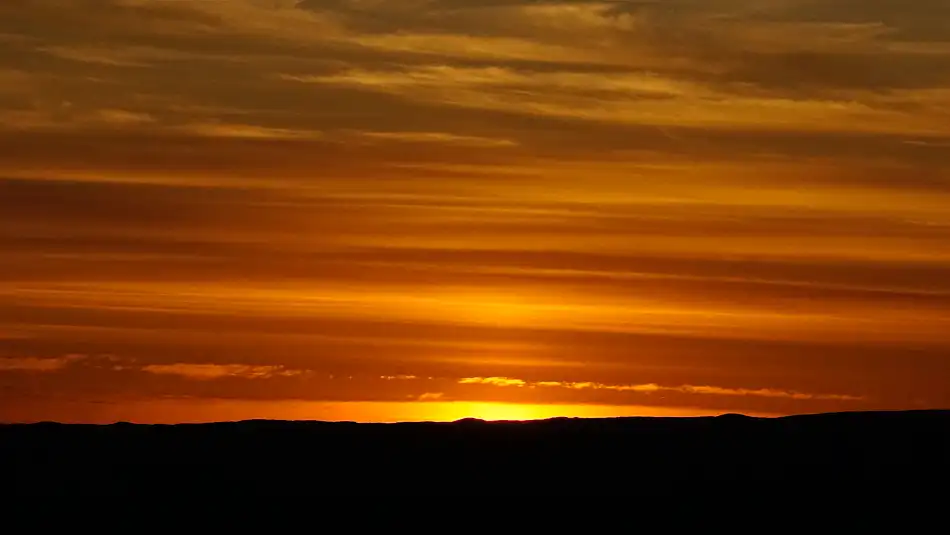
We’re out on our first excursion already that same evening, when we do a sunset drive around the estate. Here oryx antelopes roam and we see falcons and the extreme nests of the social weaver bird. At sunset we stop and a table with snacks and drink is conjured up. This is one good place.
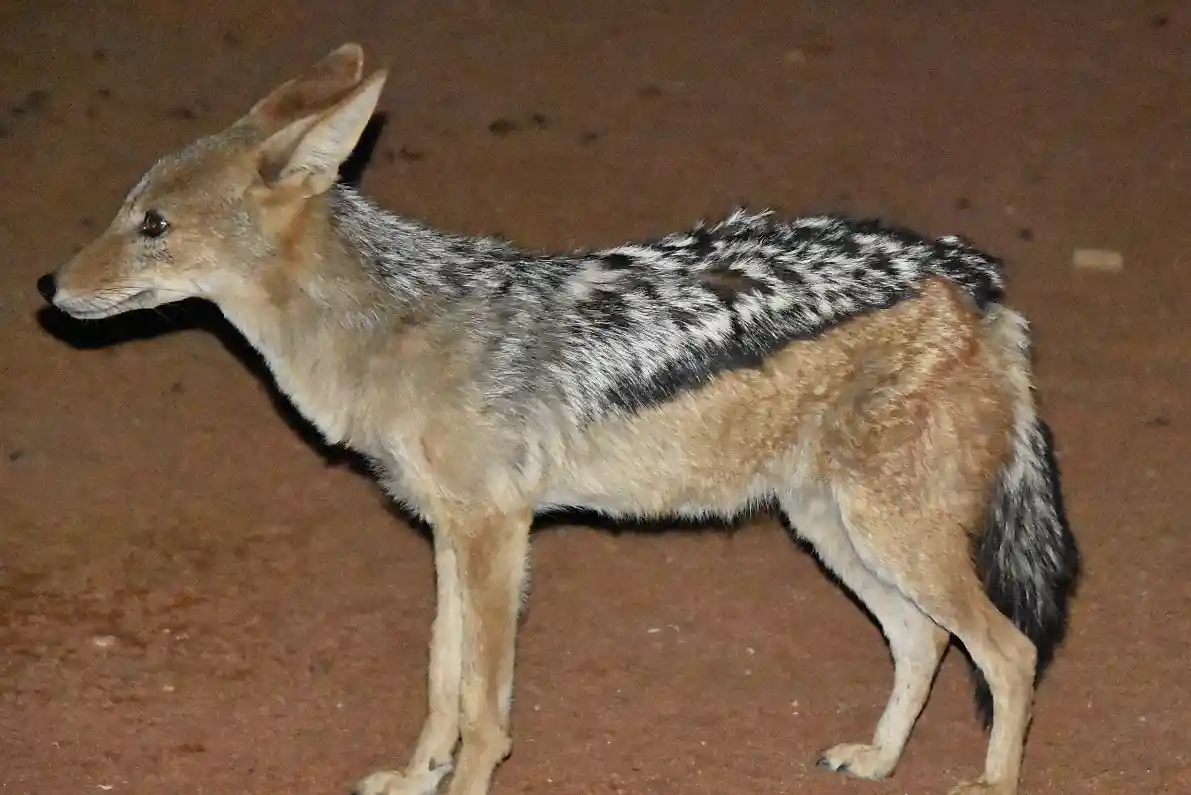
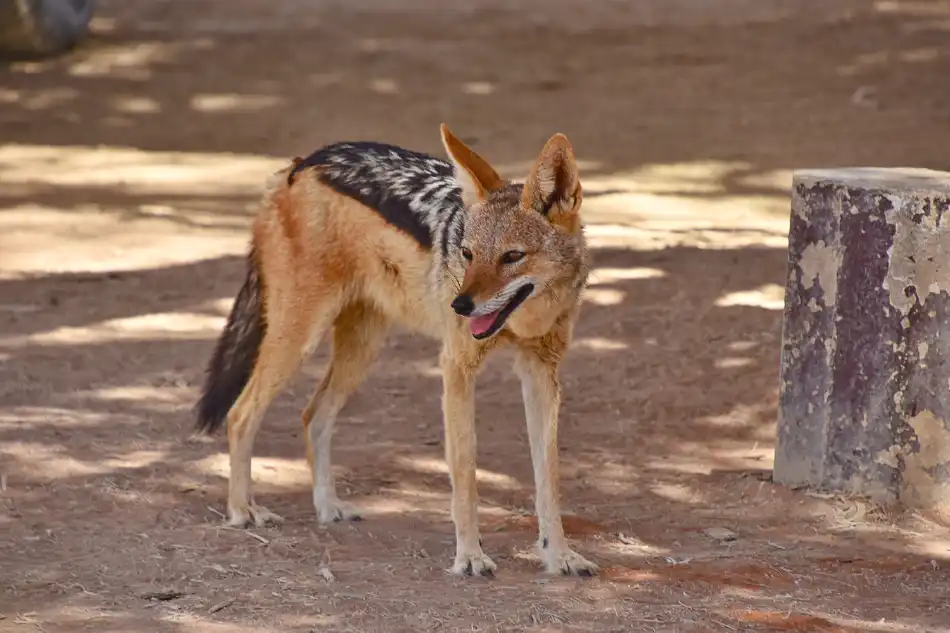
By the time we get back to the lodge it’s already dark, but in the big outdoor dining area a perfect seating, next to the desert, is reserved for us. And that’s why we immediately spot the dark shadow gliding by in the darkness. The light from smartphones reveal who it is, a curious and hungry jackal.
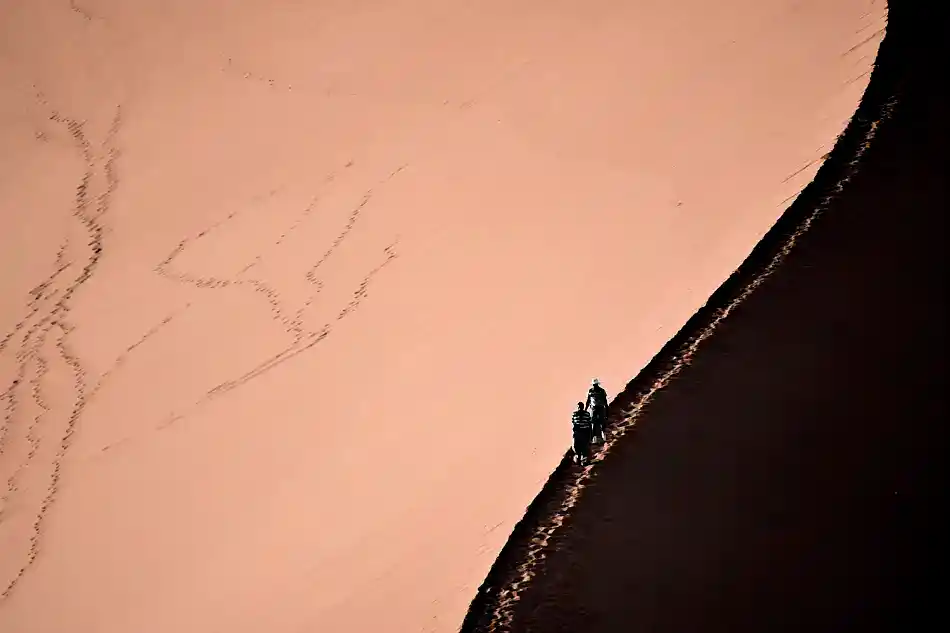
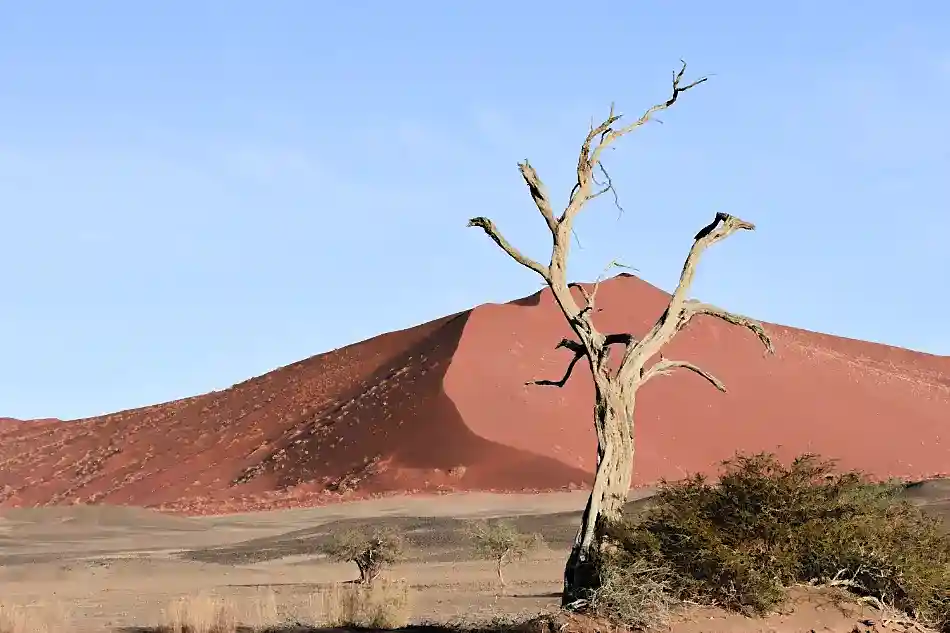
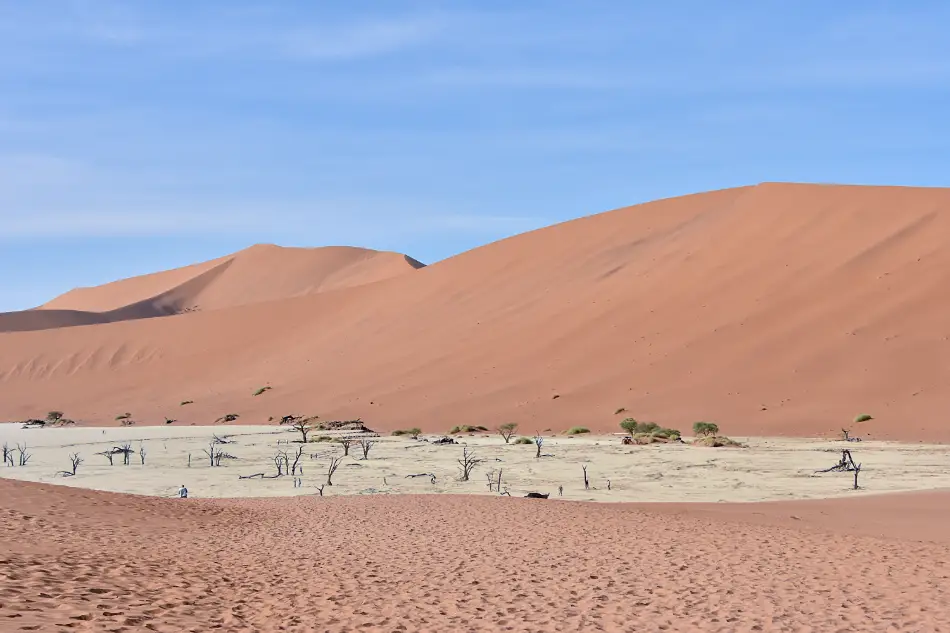
It’s time to face Sossusvlei’s main attractions, and we start early, before sunrise, to avoid the worst afternoon heat. We pass the sand dunes that grow higher and higher as we drive on, and with their sharp ridges they divide the red and the black in the rising sun. We stop by a grove of trees by a dried out riverbed, and with heavy strides we start to walk through the sand.
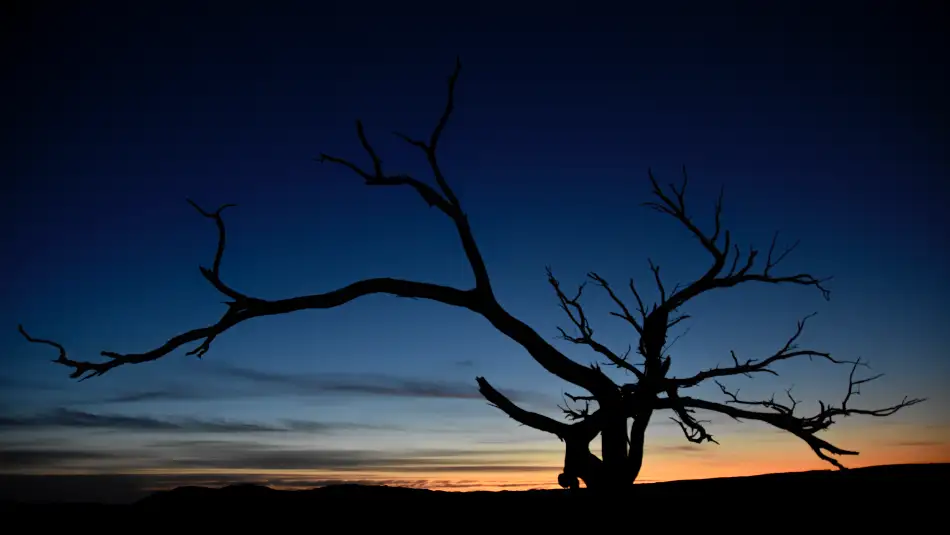
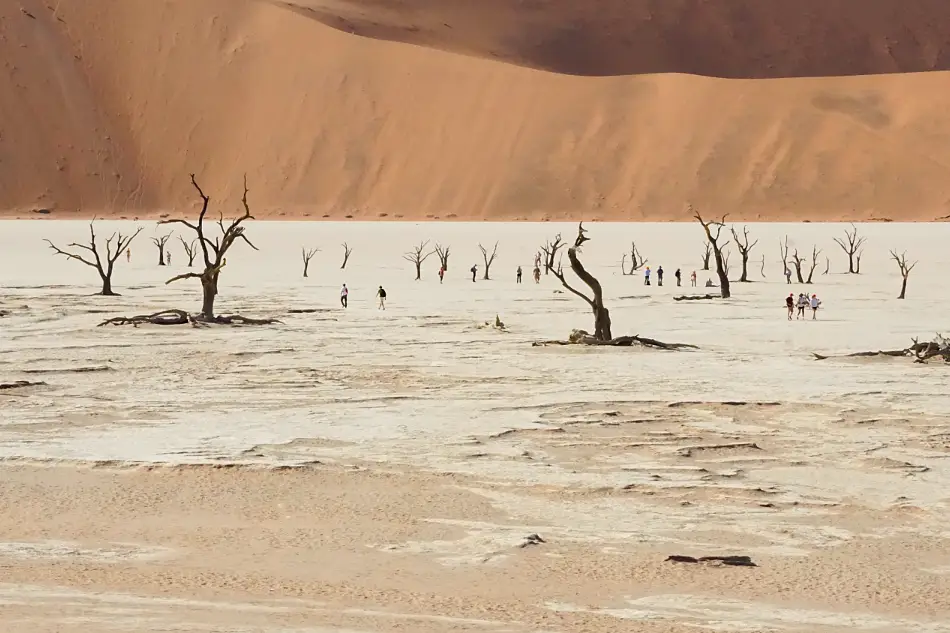
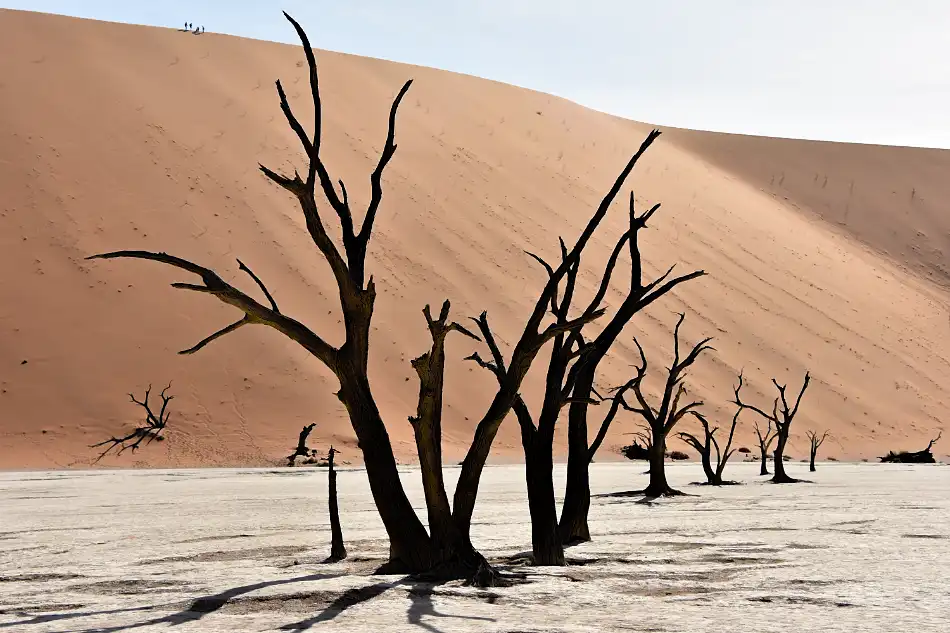
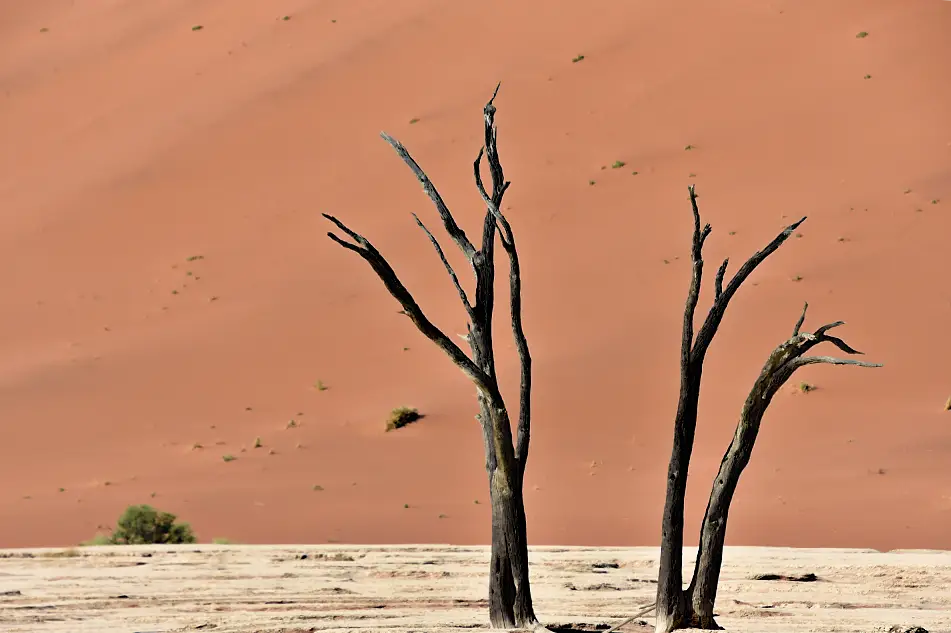
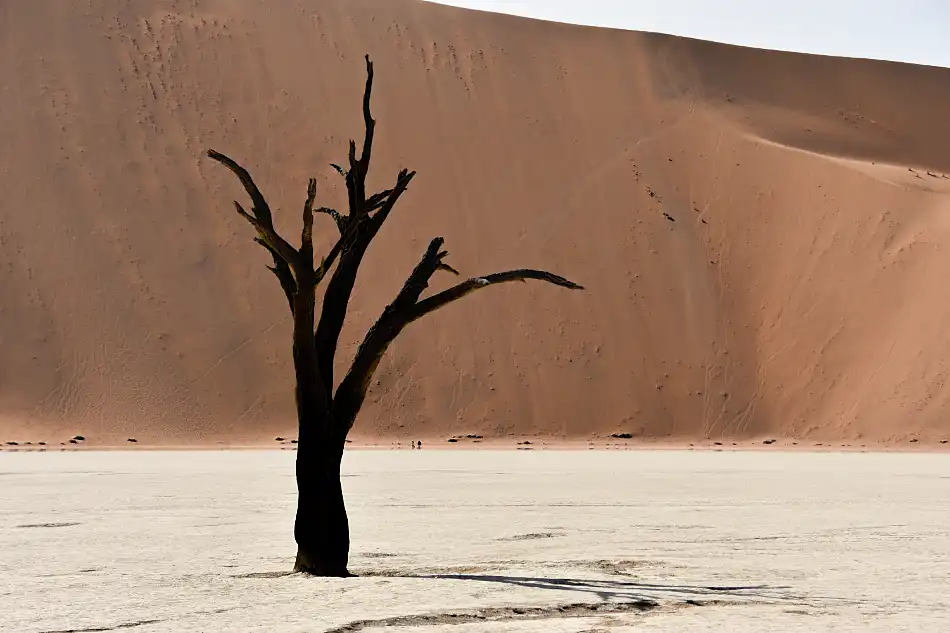
Our goal is the so called “Dead vlei”, a dried out lake between high dunes. In the lake trees that grew when there was still some water or mud left are now dead, and stand with branches outstretched. They’re still standing because the mud turned into cement, and they don’t rot because it’s so dry. There’s a minimalistic beauty to this, the black trees and the red sand, it looks like it’s a drawing.
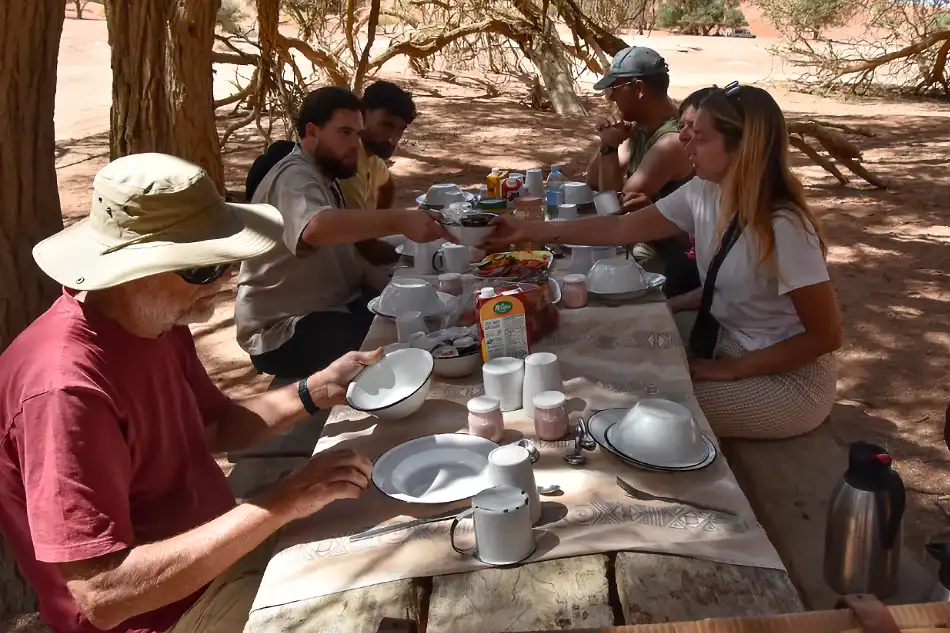
Back in the tree grove we’re having a nice breakfast and suddenly the jackal is there again. Maybe not exactly the same, but this one is just as nosey and hungry.
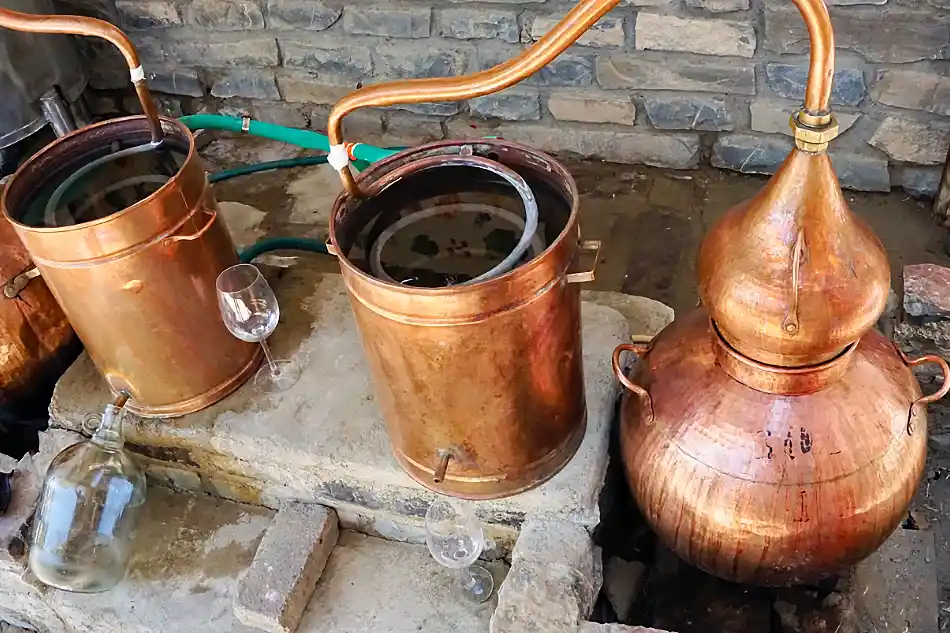
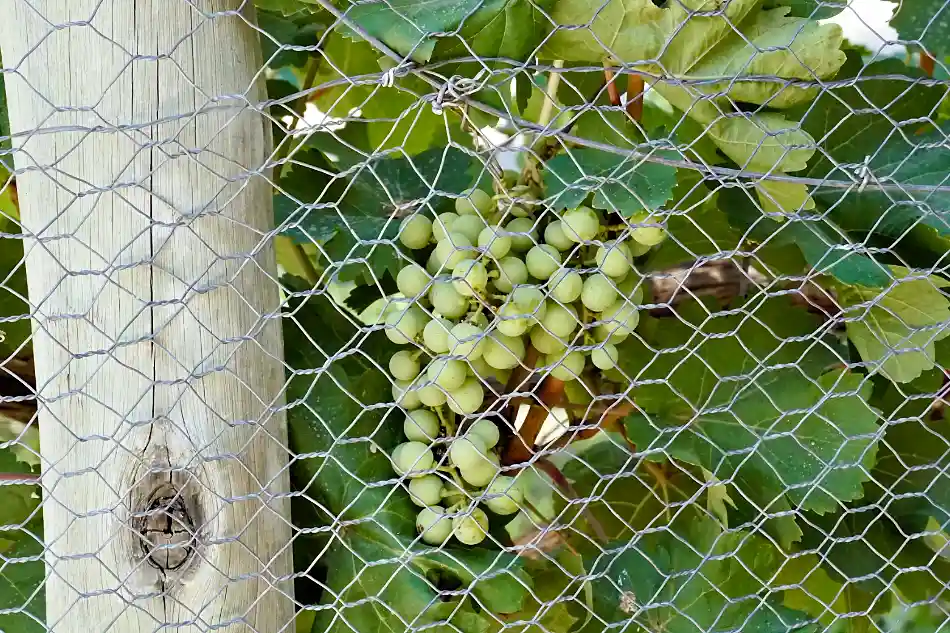
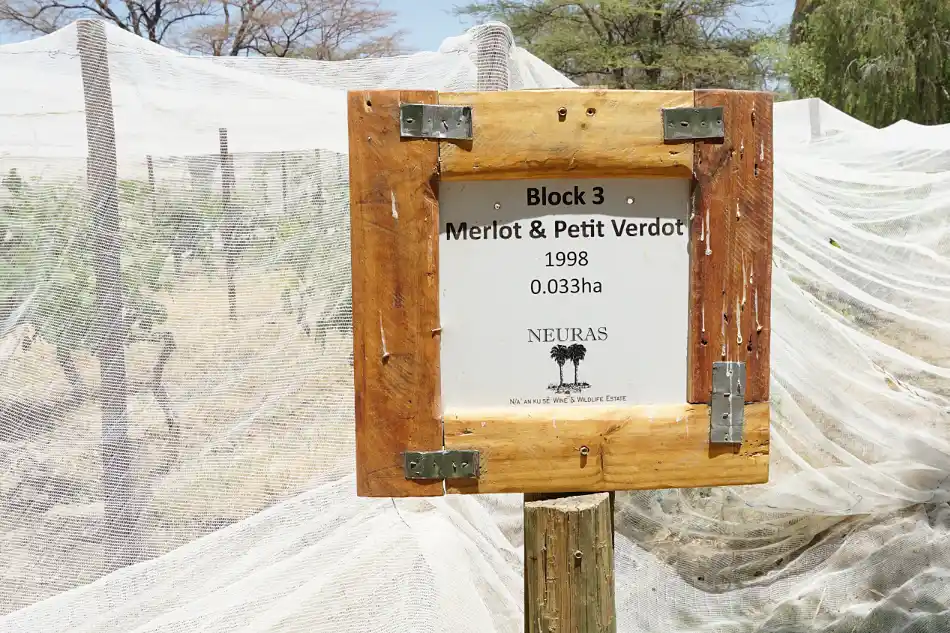
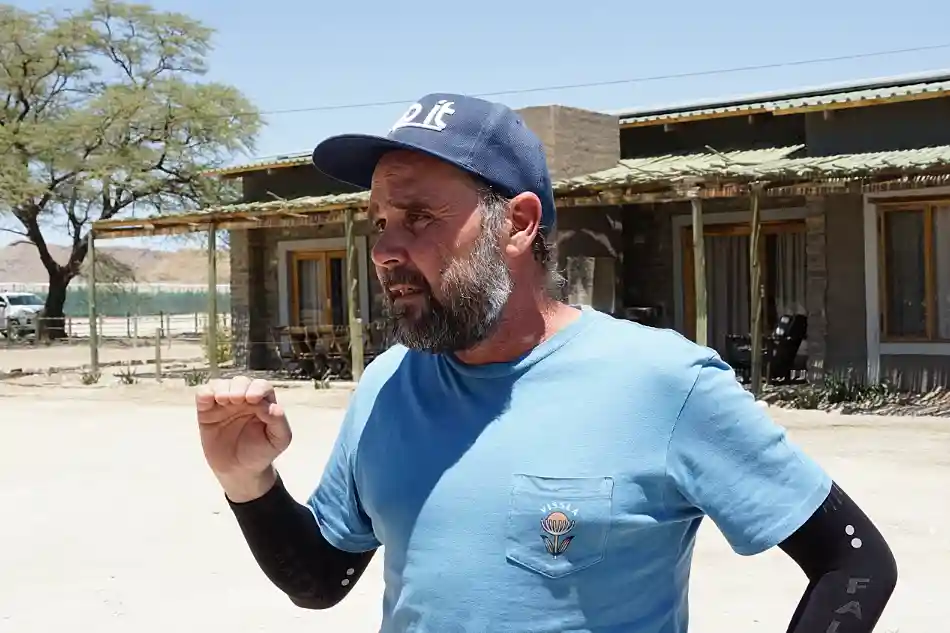
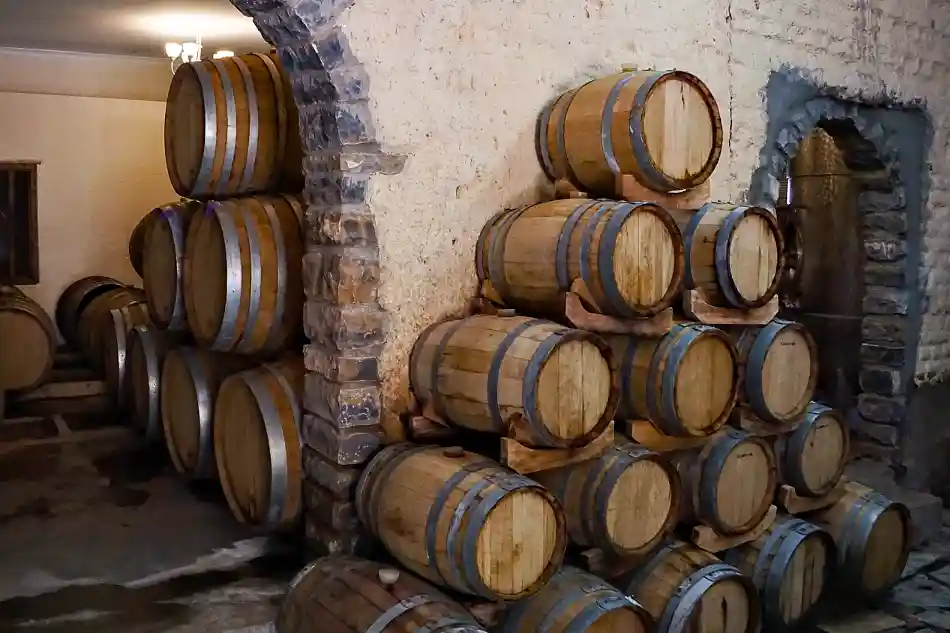
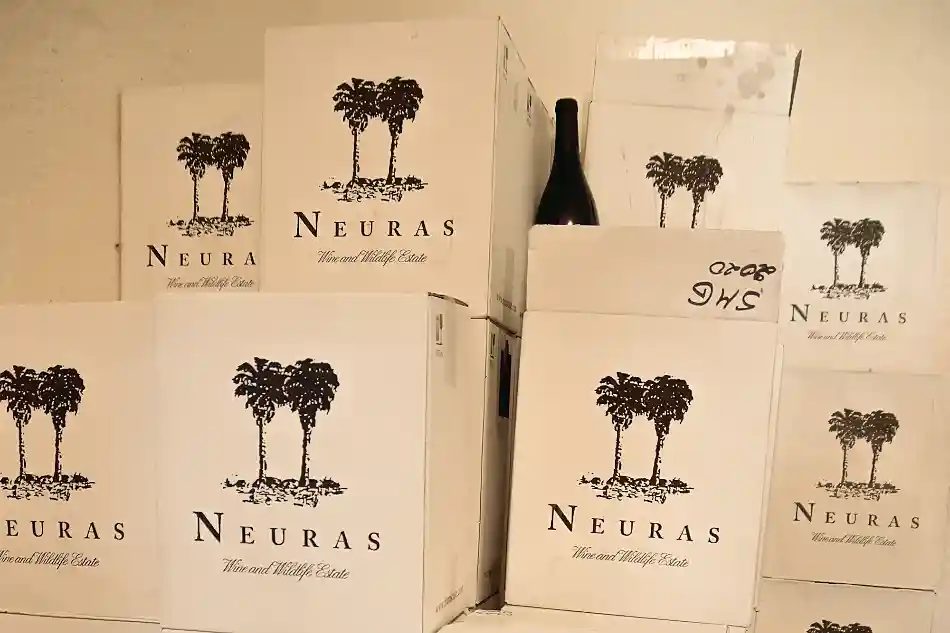
One day we drive off on our own to visit the Neuras Wines & Wildlife Estate, a winery that’s also devoted to preservation of wildlife. And we have learned that they feed cheetahs in the wild. But it turns out this only happens once a day at five in the afternoon. And it’s now an hour before noon. Disappointed we ask instead for a tour of the vineyard. We are guided by the winemaker, Braam, who is from South Africa and relatively new on this job. He has been busy upgrading the formerly not so efficient estate, which is in the second most dry location in the world. He has just made ready a new red blend that we are the first to taste. And it’s great, really lovely!
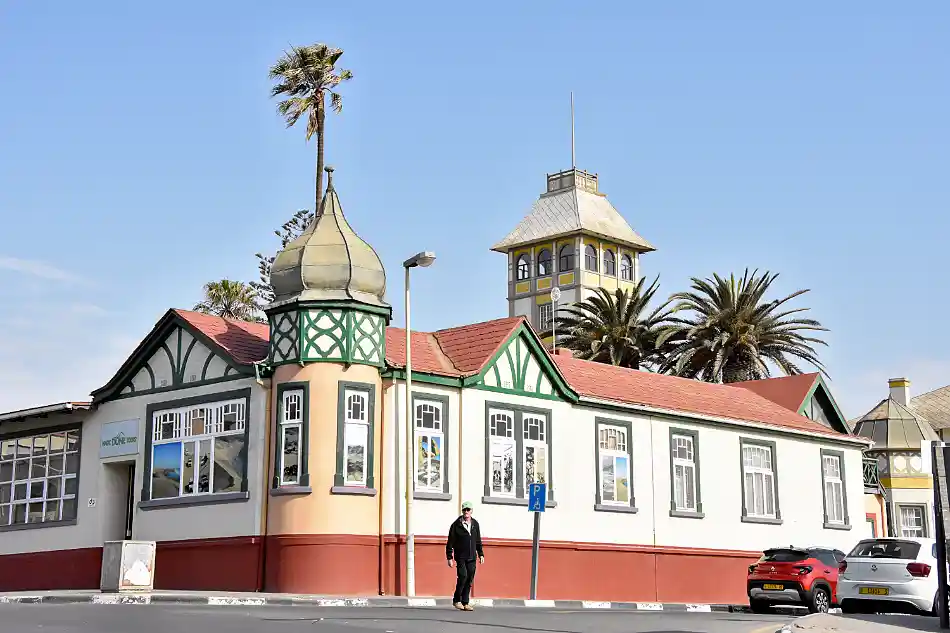
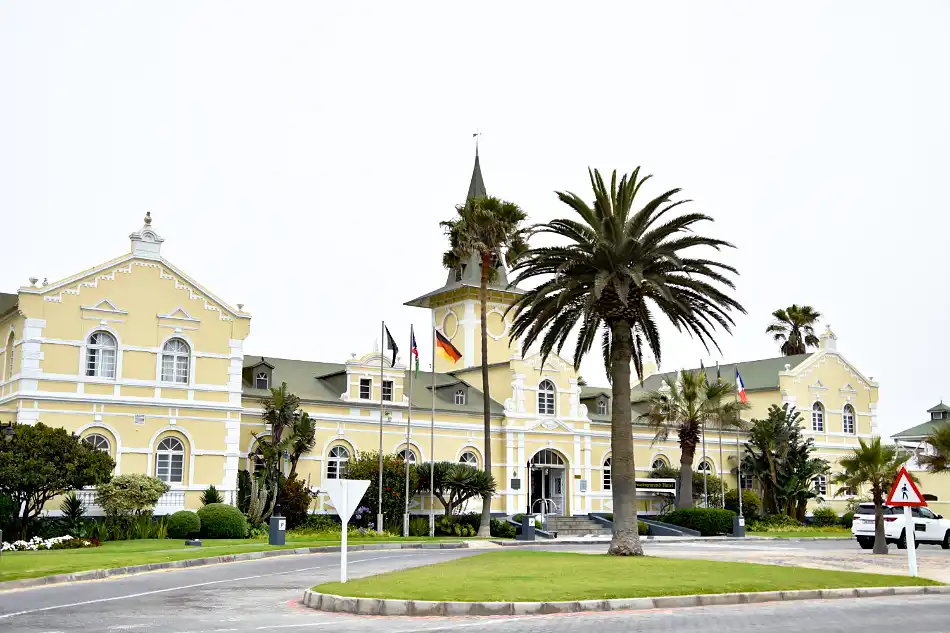
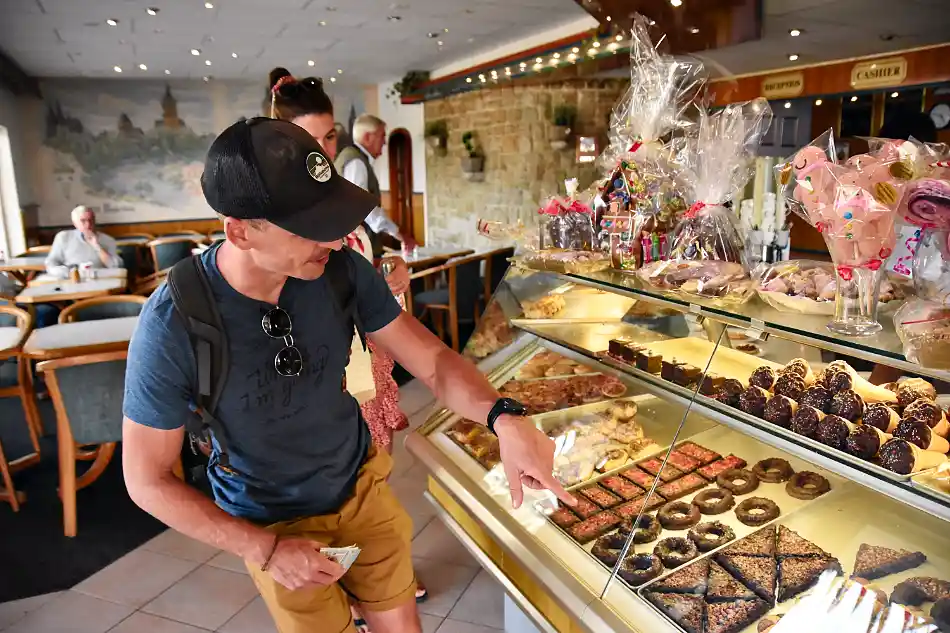
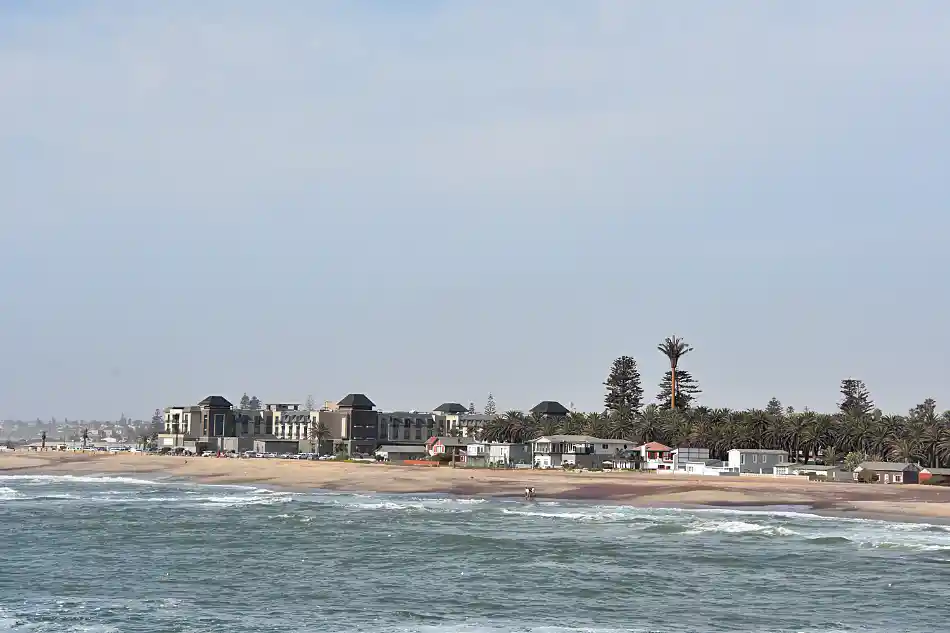
We’re now near the end of our Namibian adventure. But on the way back to Windhoek we stop in the coastal town of Swakopmund. An almost 100% white town living very much on tourism, especially from Germany. The town has a distinct German feel, in the architecture, in the names of houses and streets, and in what’s offered in shops and cafés. One antiques shop sells old German war medals. And we constantly have to answer the same question with: “No, we’re from Sweden”.
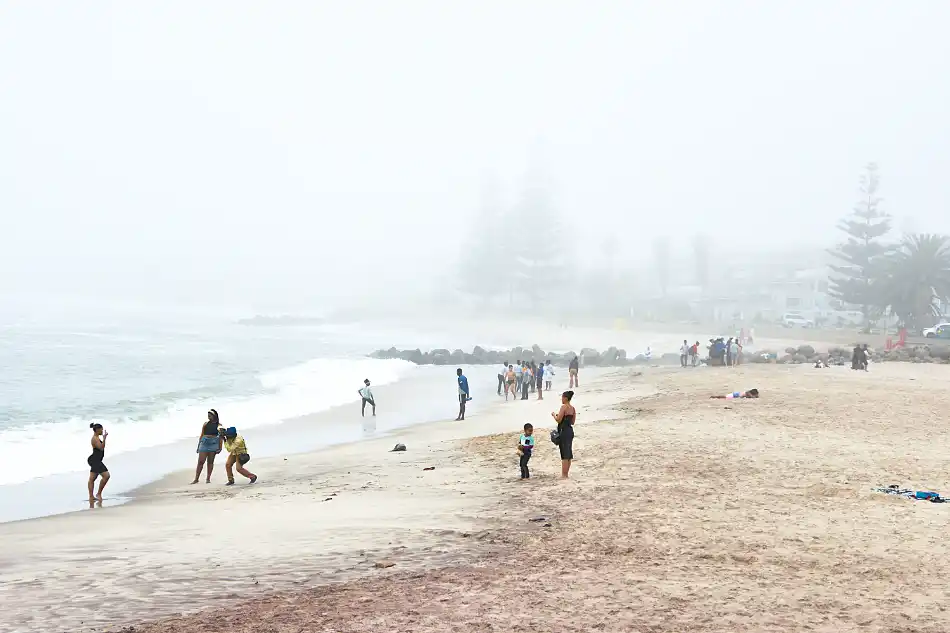
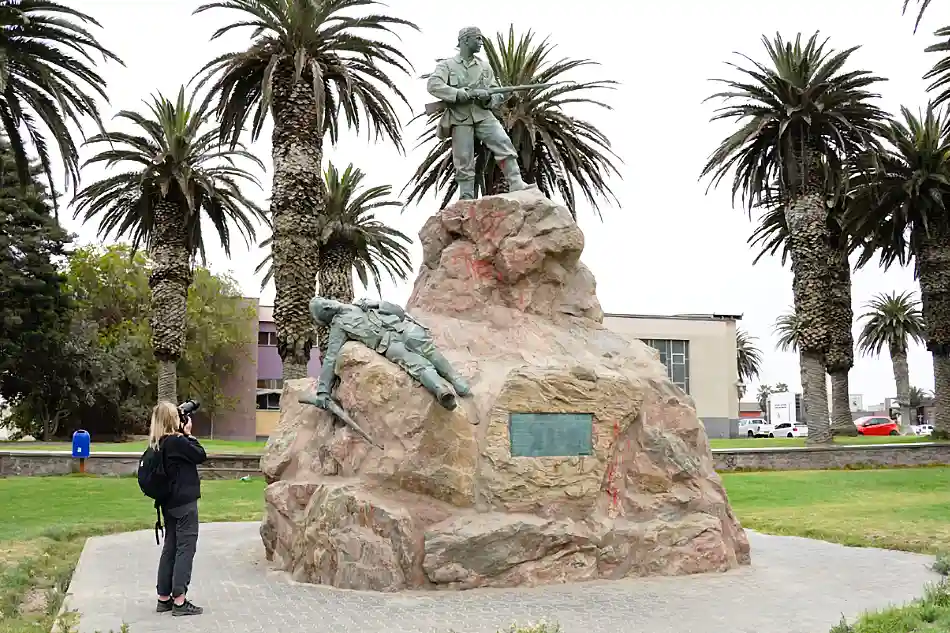
Swakopmund is not so far from Henties Bay, so we are familiar with the fog that rolls in. Sometimes it’s so dense that the sun can’t shine through. The temperature is cool, like a Scandinavian summer. We wander around, grab a coffe and are surprised to find an old German war monument in a park. Why honour an ockupant that actually committed genocide here? It’s as bizarre as it would be to find a statue of Adolf Hitler in Jerusalem.
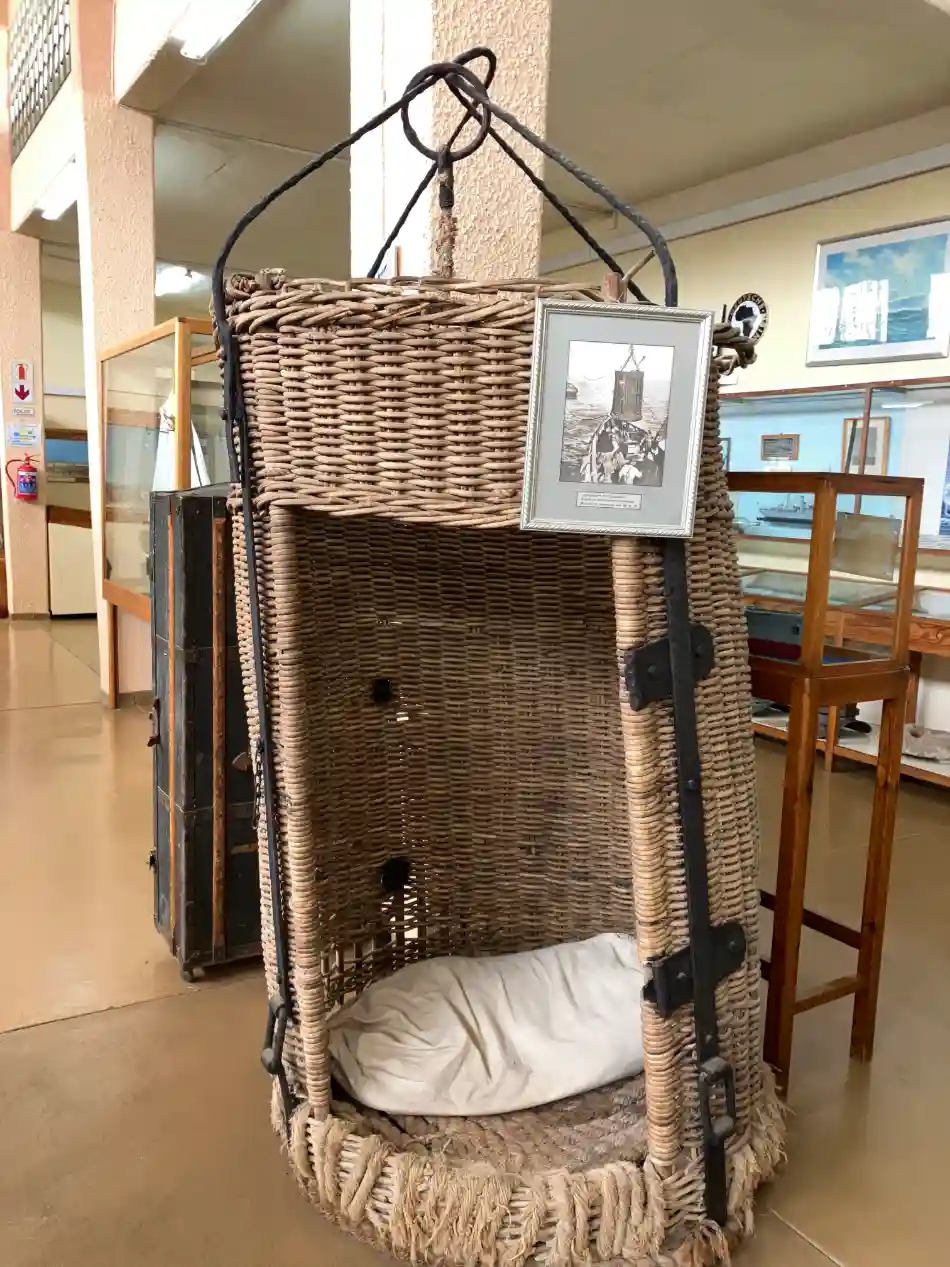
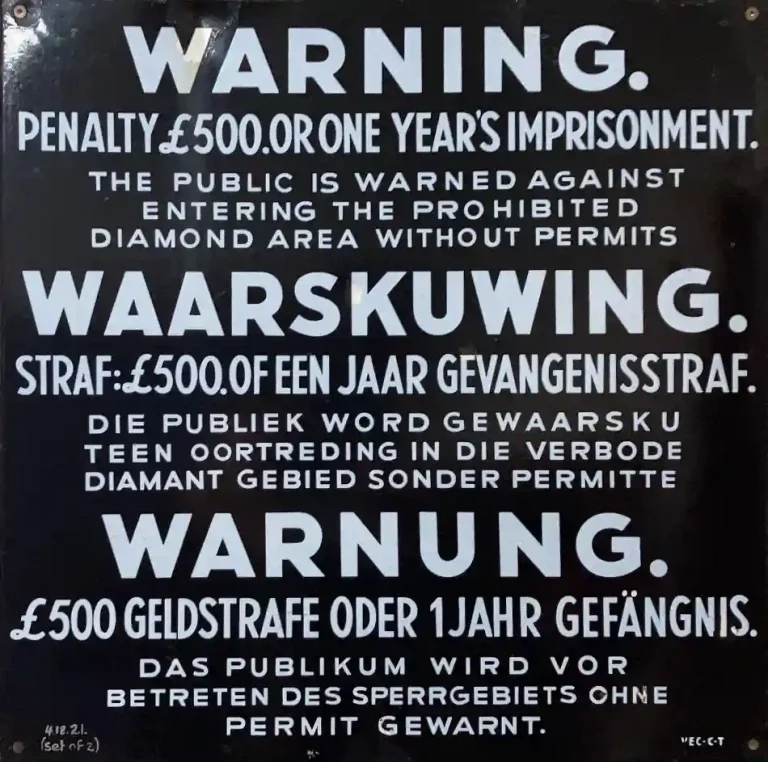
There’s a museum in Swakopmund that tries to tell the stories of nearly everything that ever happened here. It’s unfocused, but in parts it’s actually quite interesting.
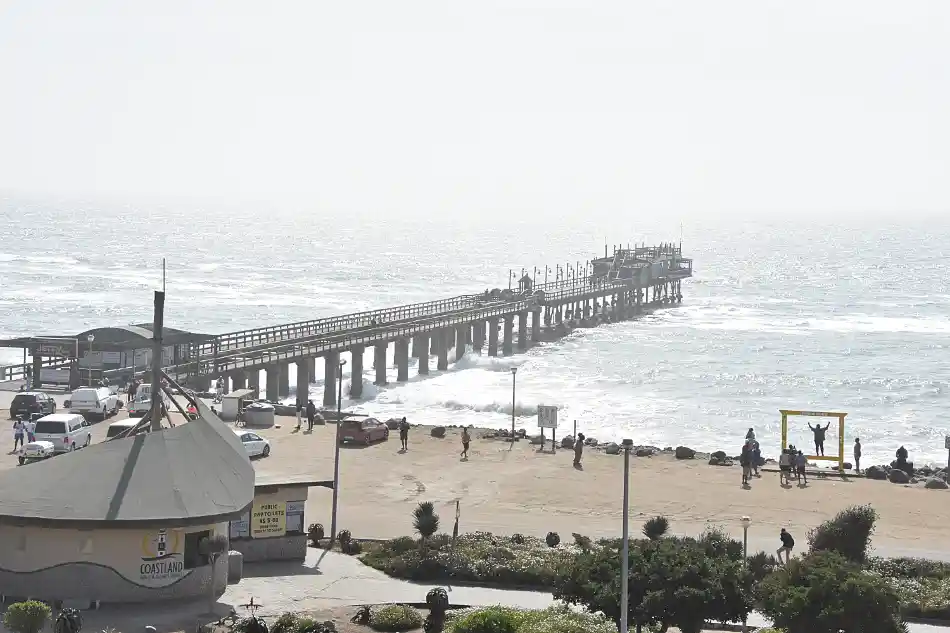
One construction in Swakopmund that is almost iconic is the jetty. The shore was too sandy and shallow for larger boats to approach the beach, so to build a harbour with quays here was impossible. The jetty became the lifeline where relatively big boats could be moored. But these days it’s just a place for amusement, selfies to be taken and maybe a drink in the bar under the jetty. And it’s a resting place for cormorants that dry their wings.
Here is a video animation showing our frantic criss-crossing across Namibia:
And so with heavy hearts we leave wonderful Namibia with it’s great people and amazing landscapes. But we say “we leave for now, maybe we’ll be back someday”. If you’d like to follow us to our next destination, click here.