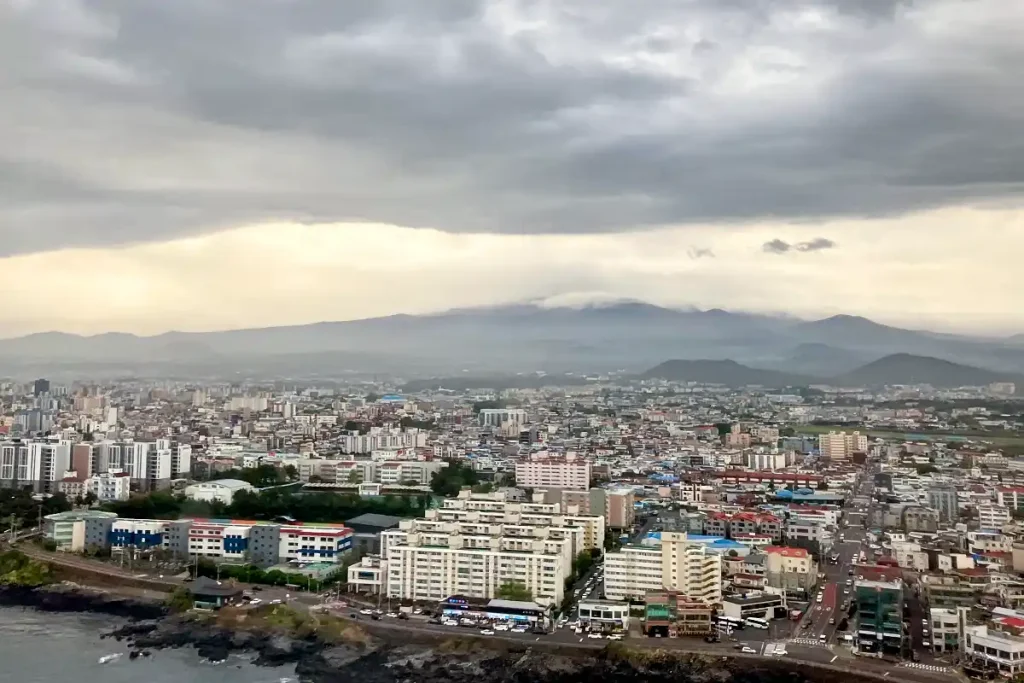
Actually the main point of coming to Busan was to continue by air on to Korea’s largest island, Jeju. It is located south of the mainland, has approximately 500,000 inhabitants, and is a very popular vacation spot. Here we rent a car to get around, and it’s a bit nerve-wracking because from what we’ve seen of Korean traffic before, it’s not entirely according to the rules we recognise from home. But the pace is significantly calmer here, you are never allowed to drive faster than 70 kilometers per hour.
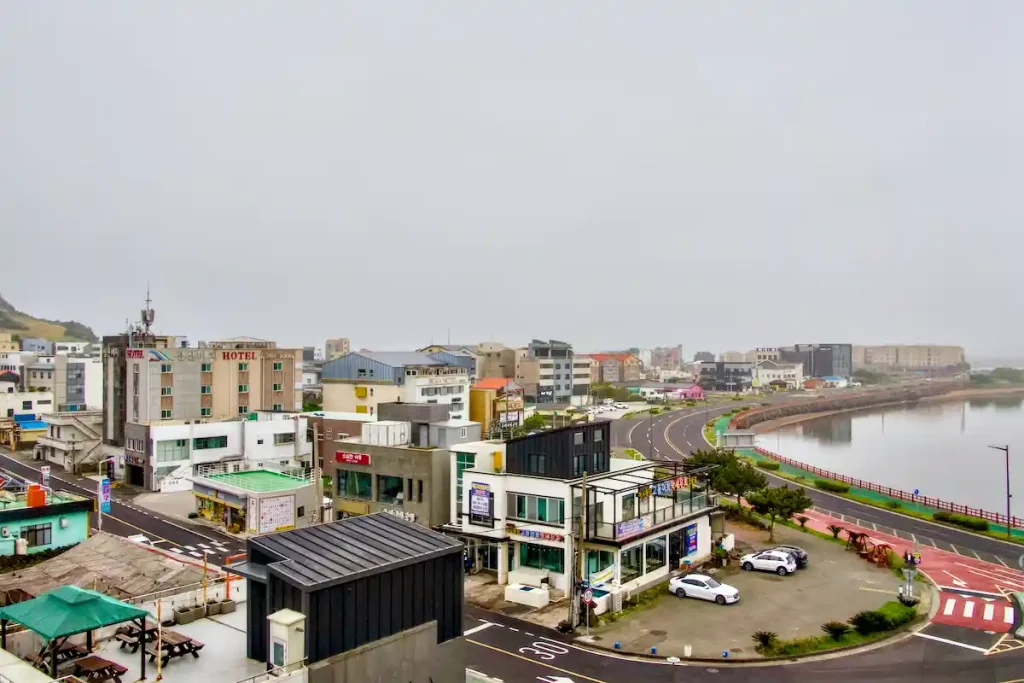
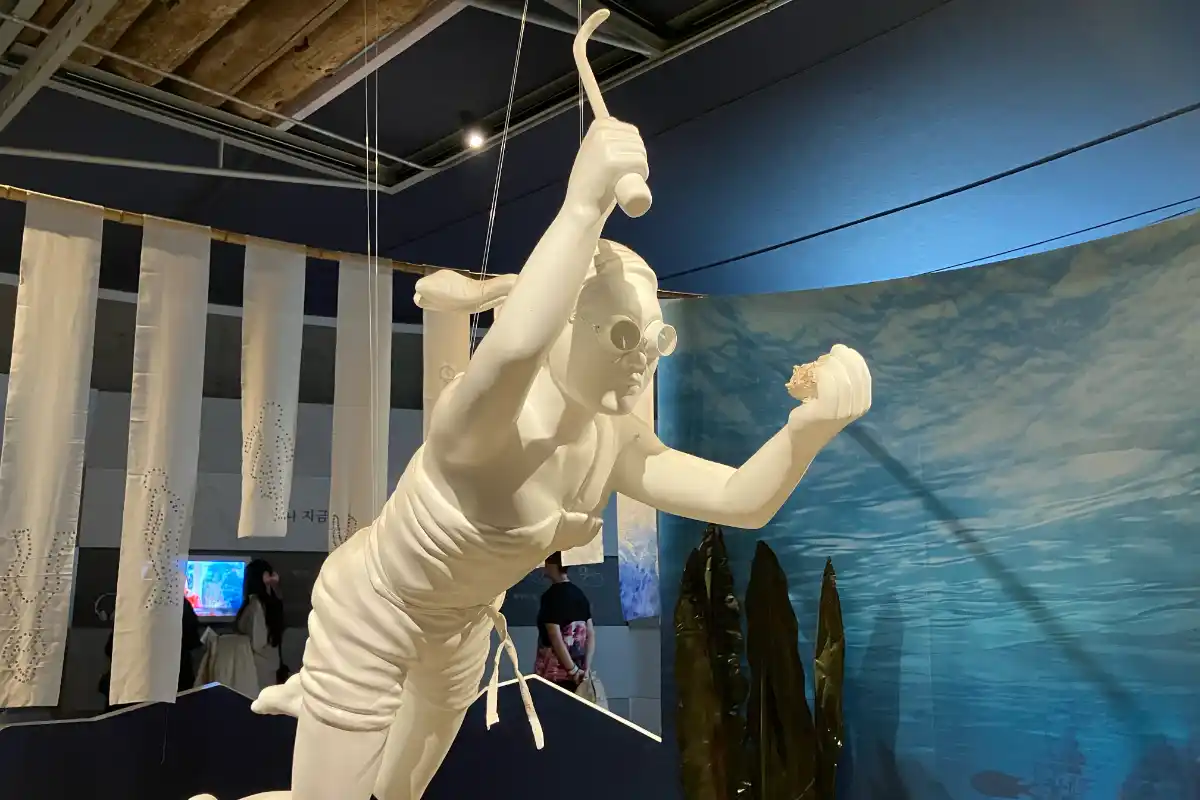
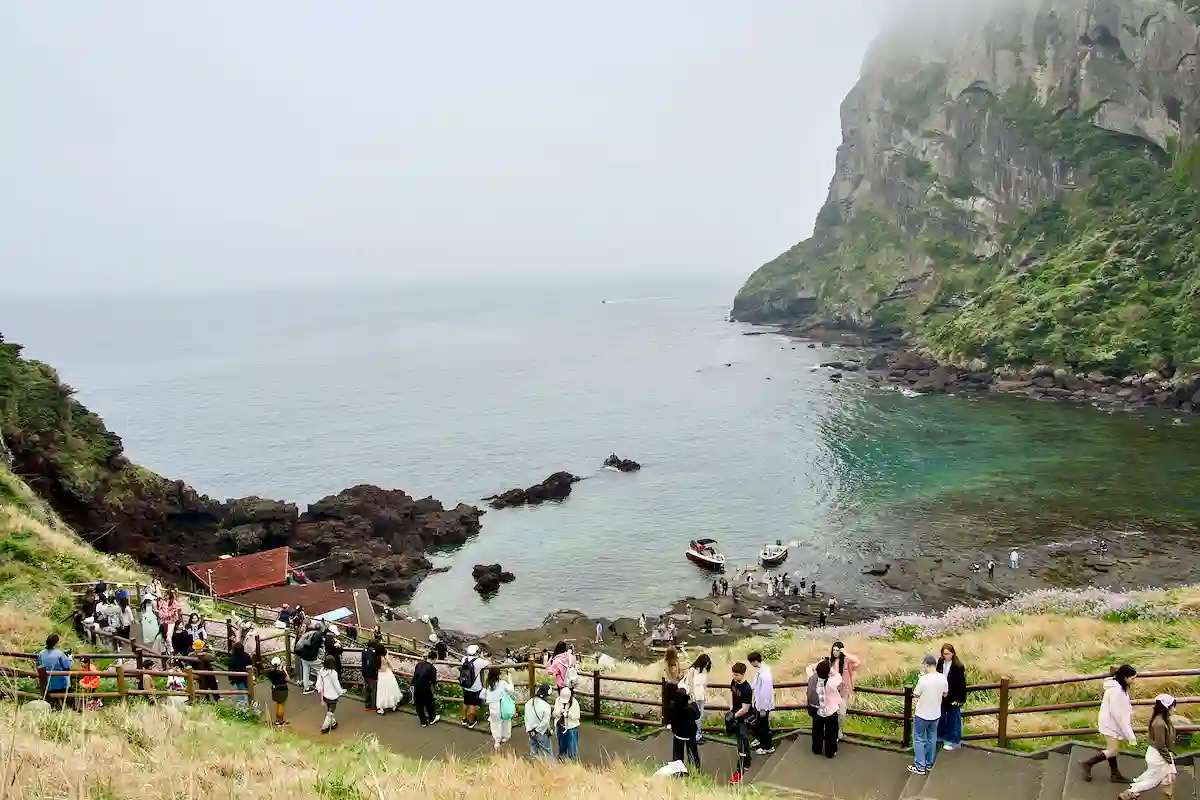
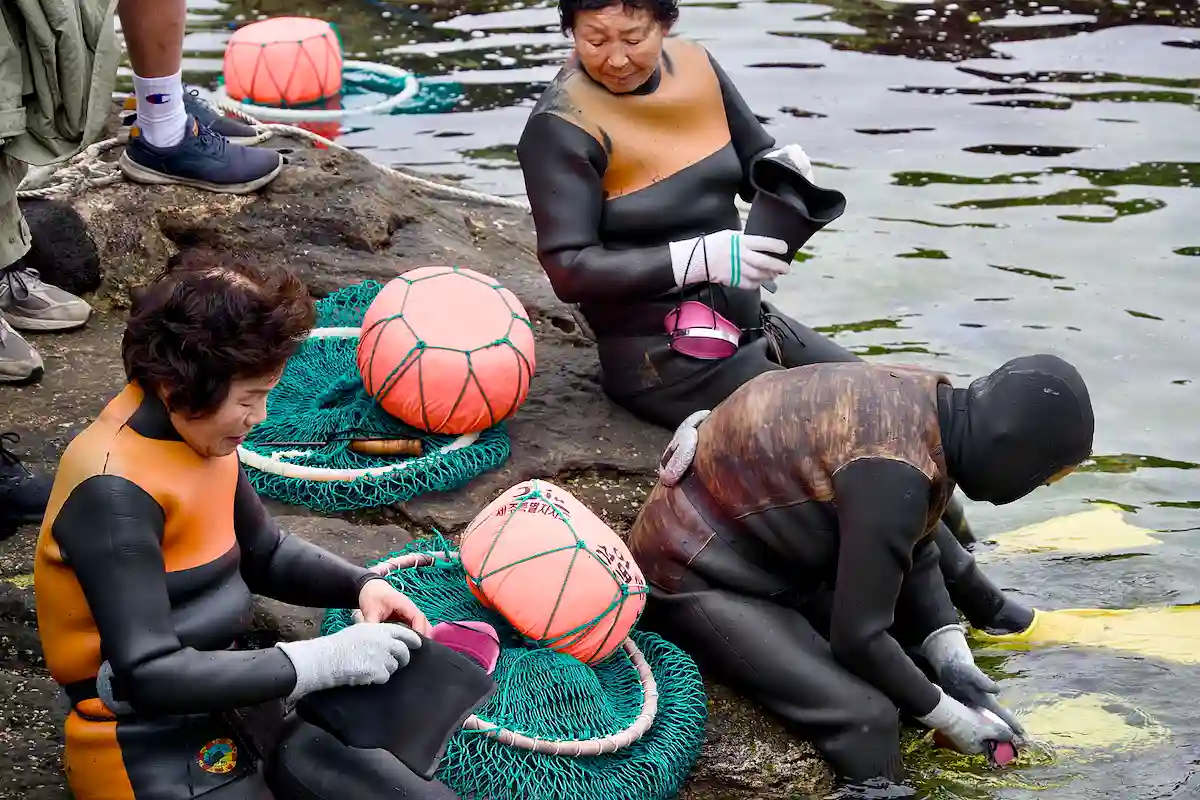
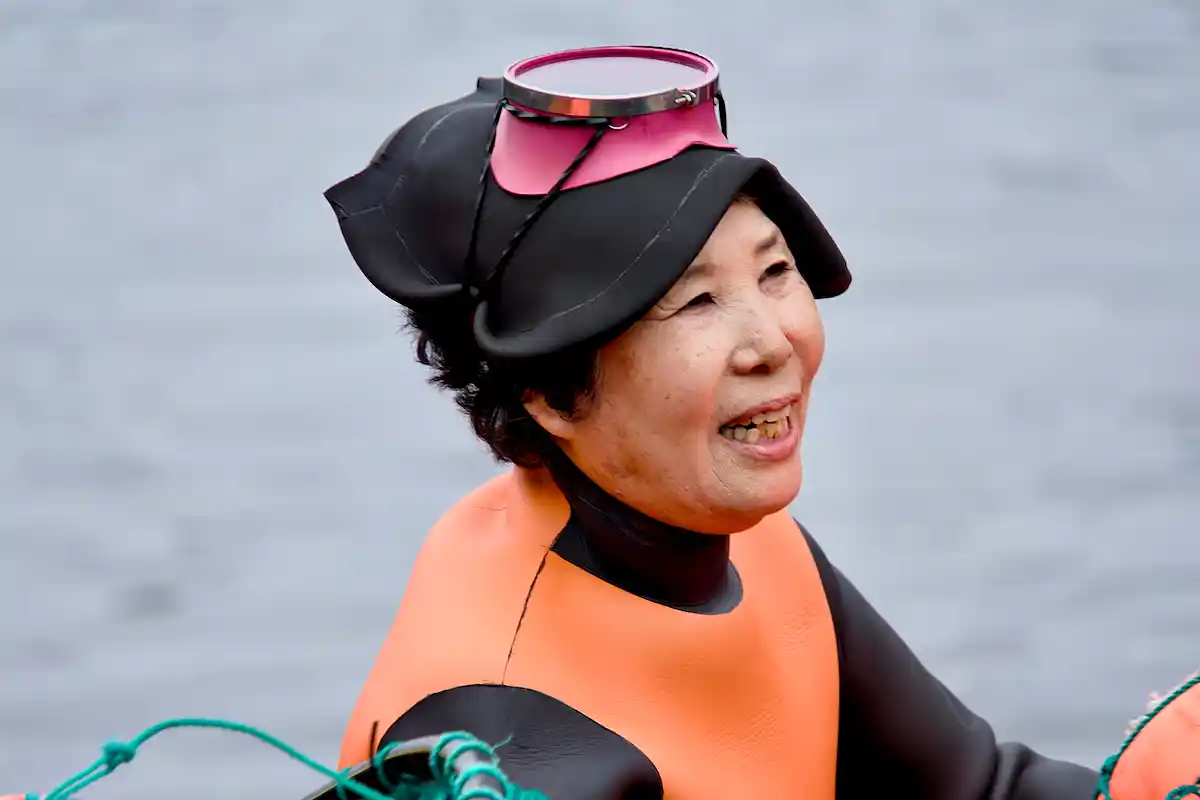
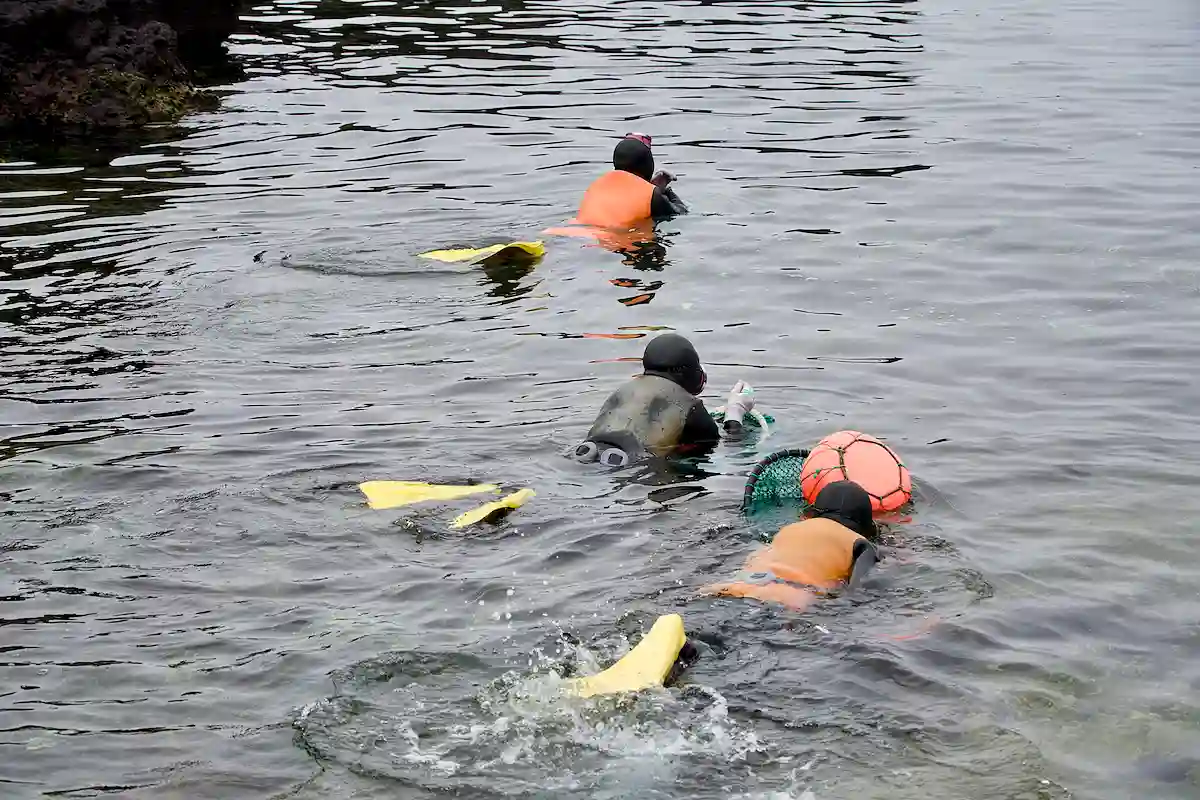
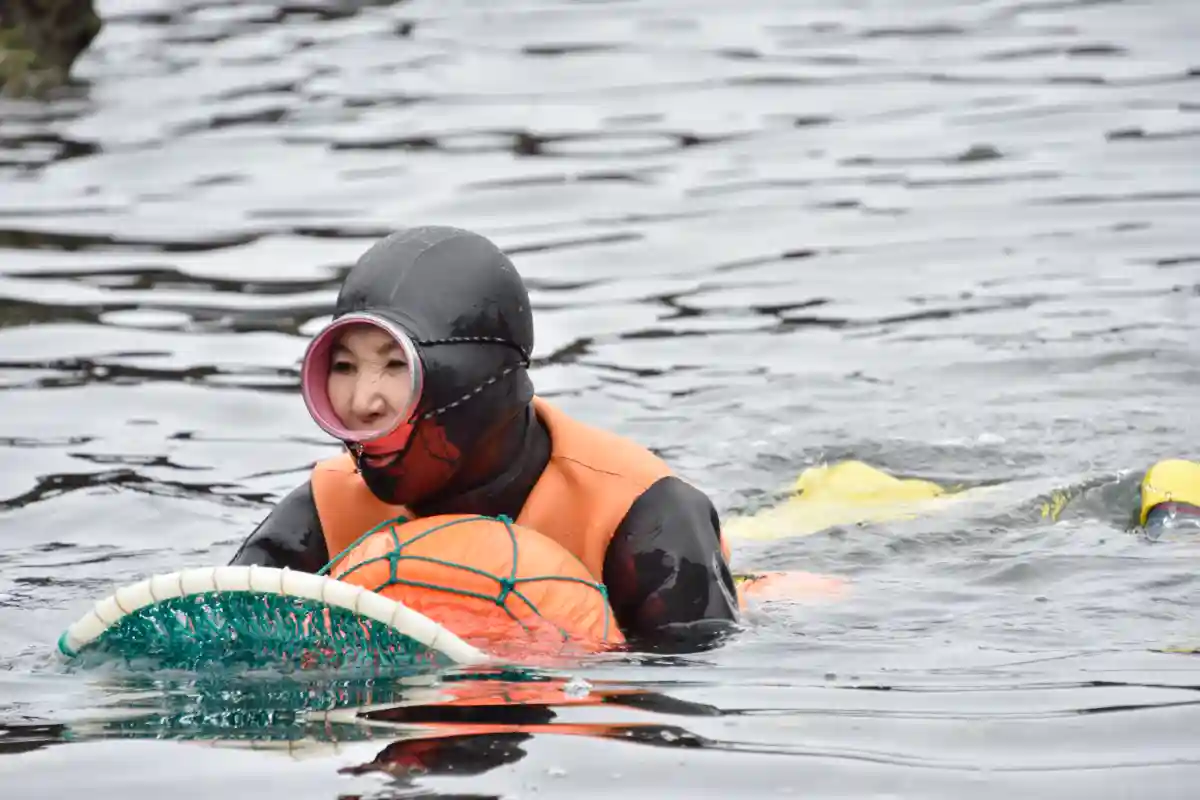
On Jeju, we hope to meet some “Haenyeo,” female divers who live off what they can harvest from the sea, primarily abalone and other sea plants, but also, for example, sea urchins and mussels. They dive year-round without air tanks or snorkels. Haenyeo is a several hundred-year-old tradition that is now UNESCO-protected. One of the Haenyeo divers’ hotspots is Seongsan on the eastern side of Jeju. There they have their own restaurant and there they “perform dives” every day. So that’s where we chose to stay. But first, we visit the Haenyeo Museum a few kilometres north along the coast. A museum that depicts and honours these brave women.
Once ashore, the ladies sit down and cut the catch into pieces. Then they are distributed on plates to the diners at the beach restaurant. No boiling or frying, just raw straight from the sea.
The haenyeo women’s activities are immensely popular, their dives are followed by hundreds of spectators on the surrounding slopes, and their restaurant is very busy.
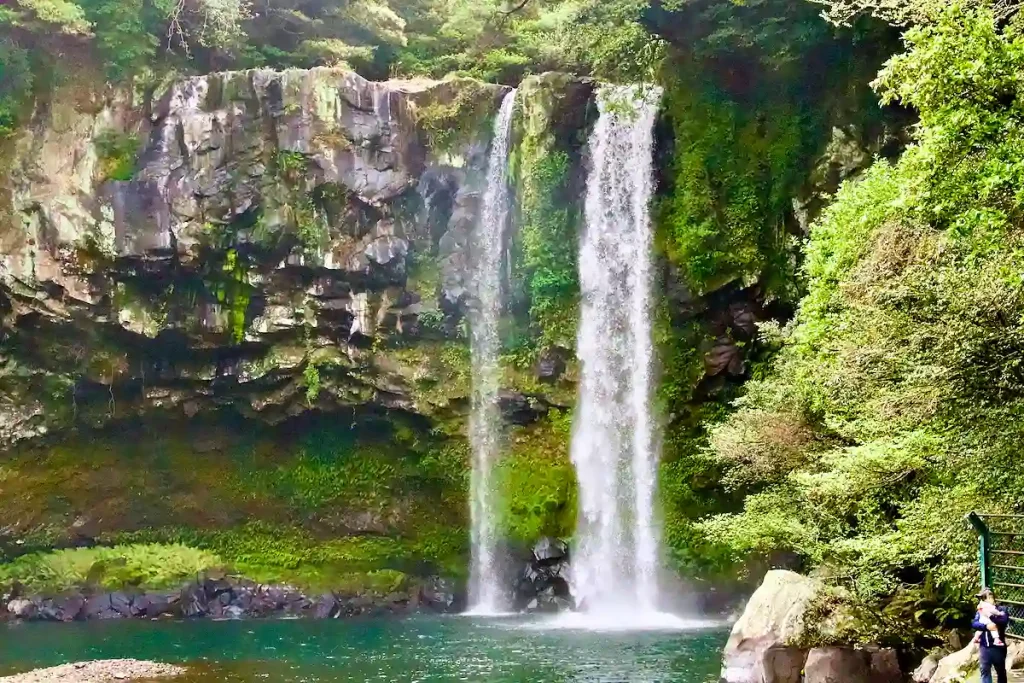
But Jeju has much more to offer, including the “Cheonjiyeon Waterfall,” a 22-meter-high waterfall in the city of Seogwipo on Jeju’s southern coast, which we find after a winding search in a gigantic park.
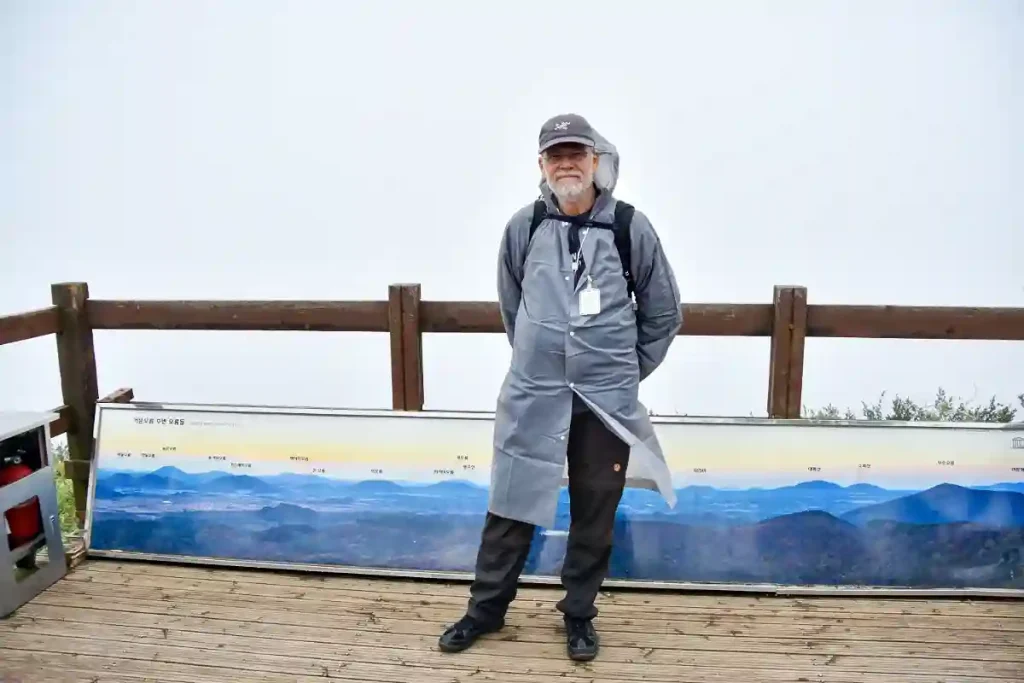
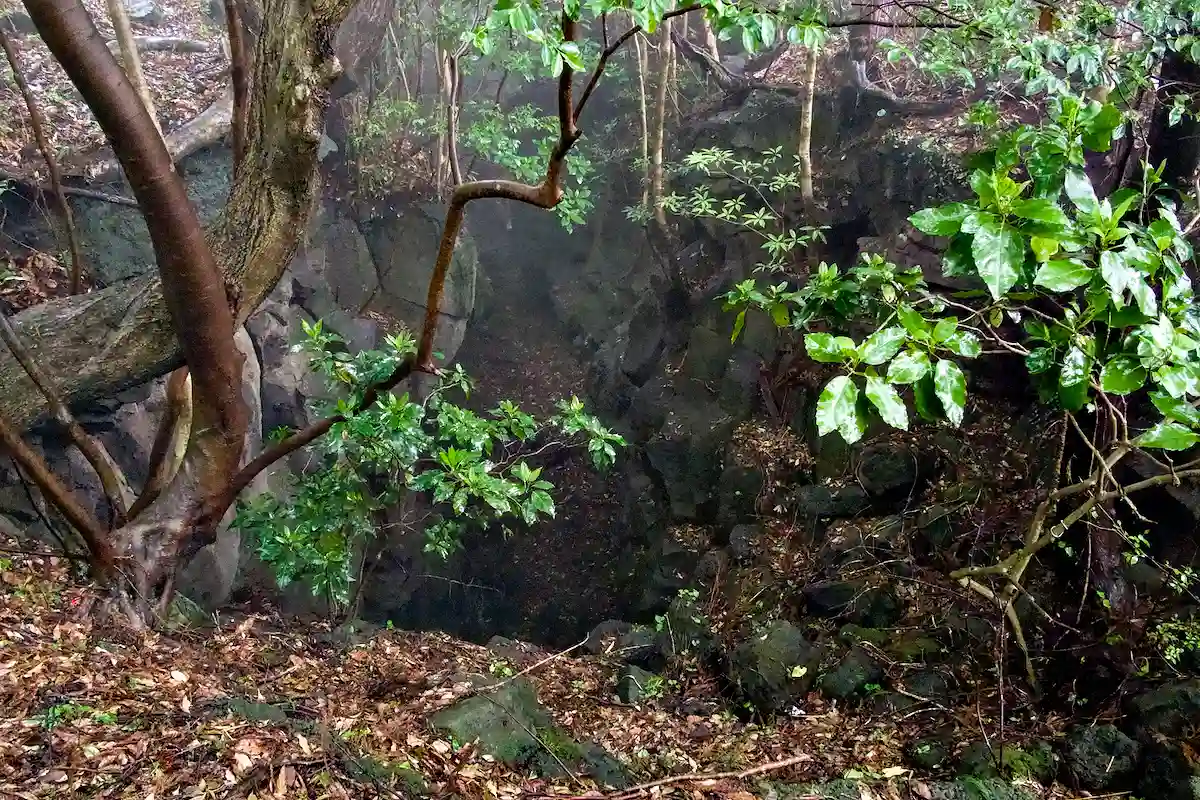
Jeju is a volcanic island with lots of visible volcanic peaks. In the middle lies the main volcano Hallasan, the one that has built up much of the island. There are large lava tunnels there that used to be open for hiking, but they are now closed due to rockfalls. But in another volcanic crater, Geomunoreum, we follow a hike that takes us both along the crater rim and down into the crater itself. The first part becomes a bit of an anticlimax because the fog (actually, it’s clouds) is so thick that we can’t see anything.
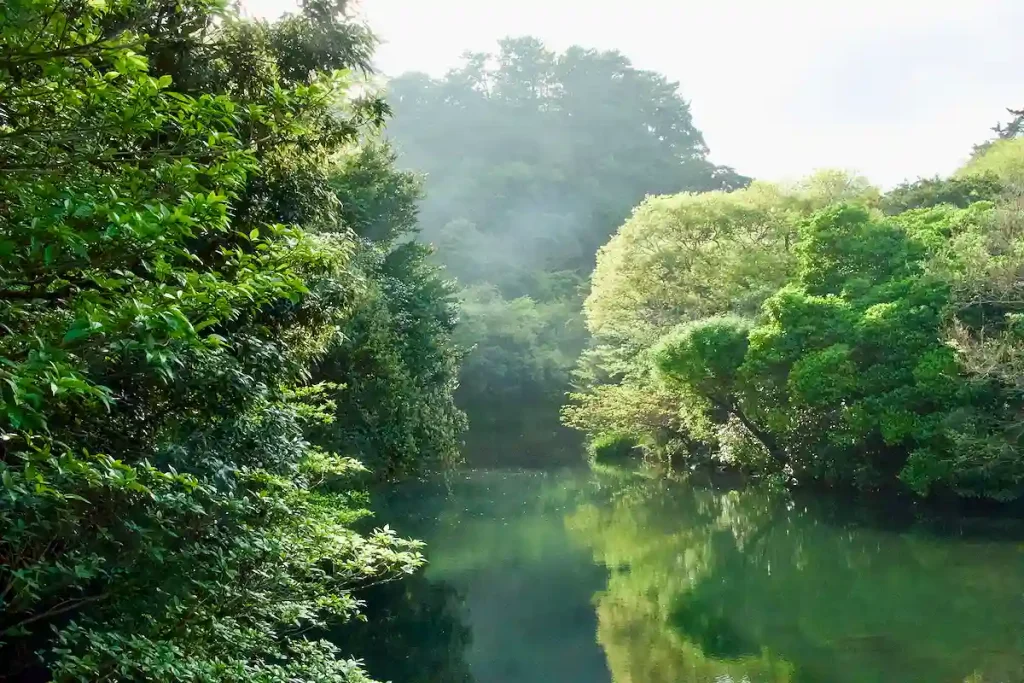
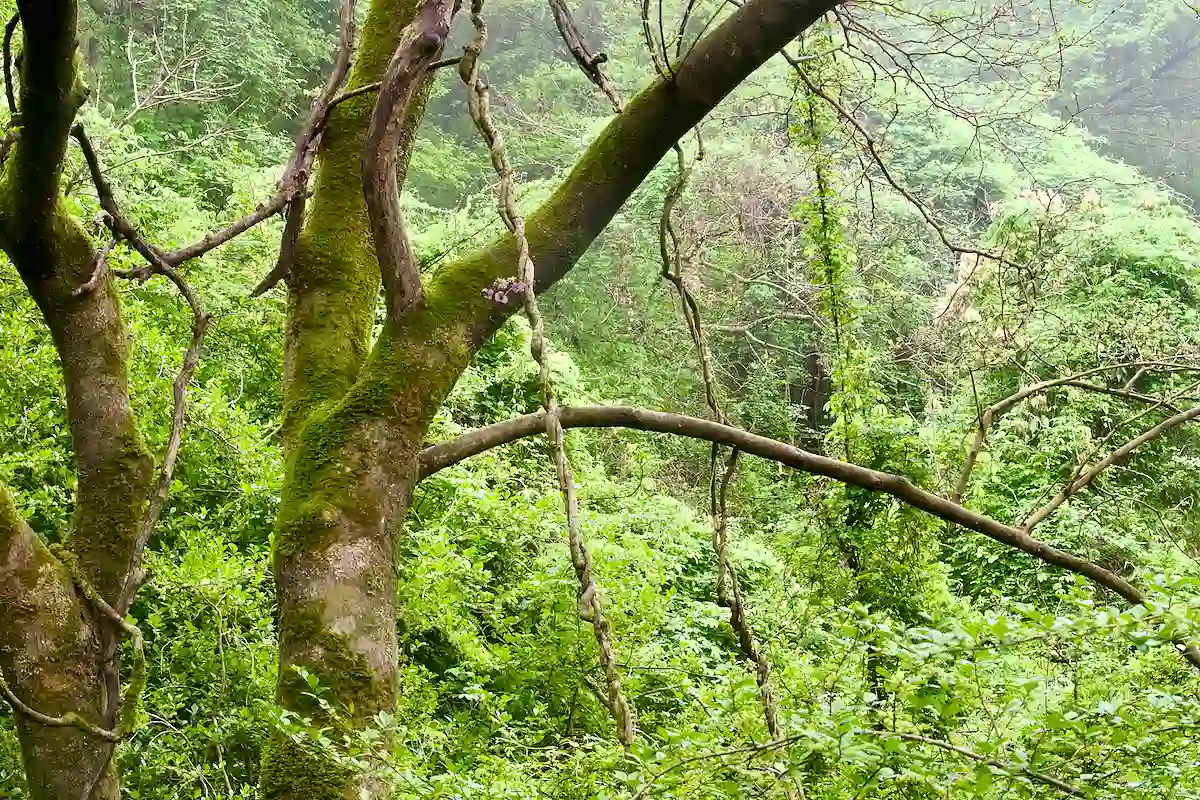
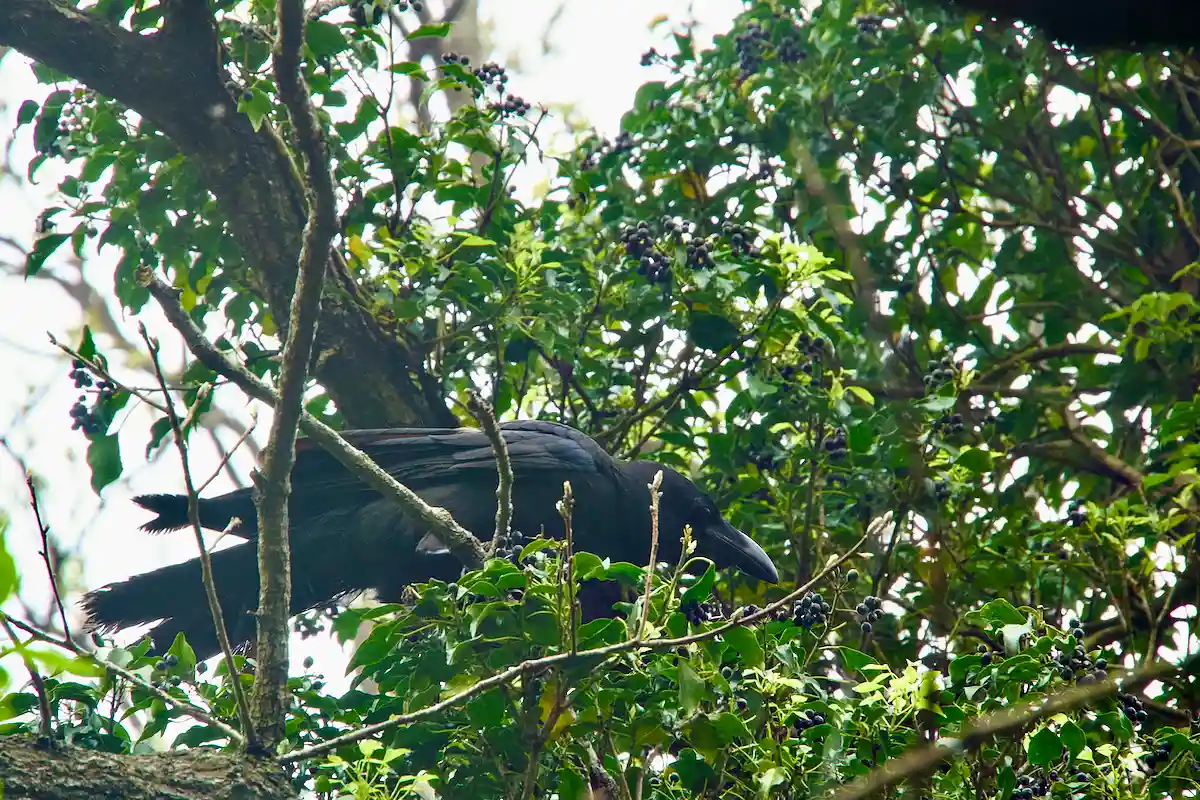
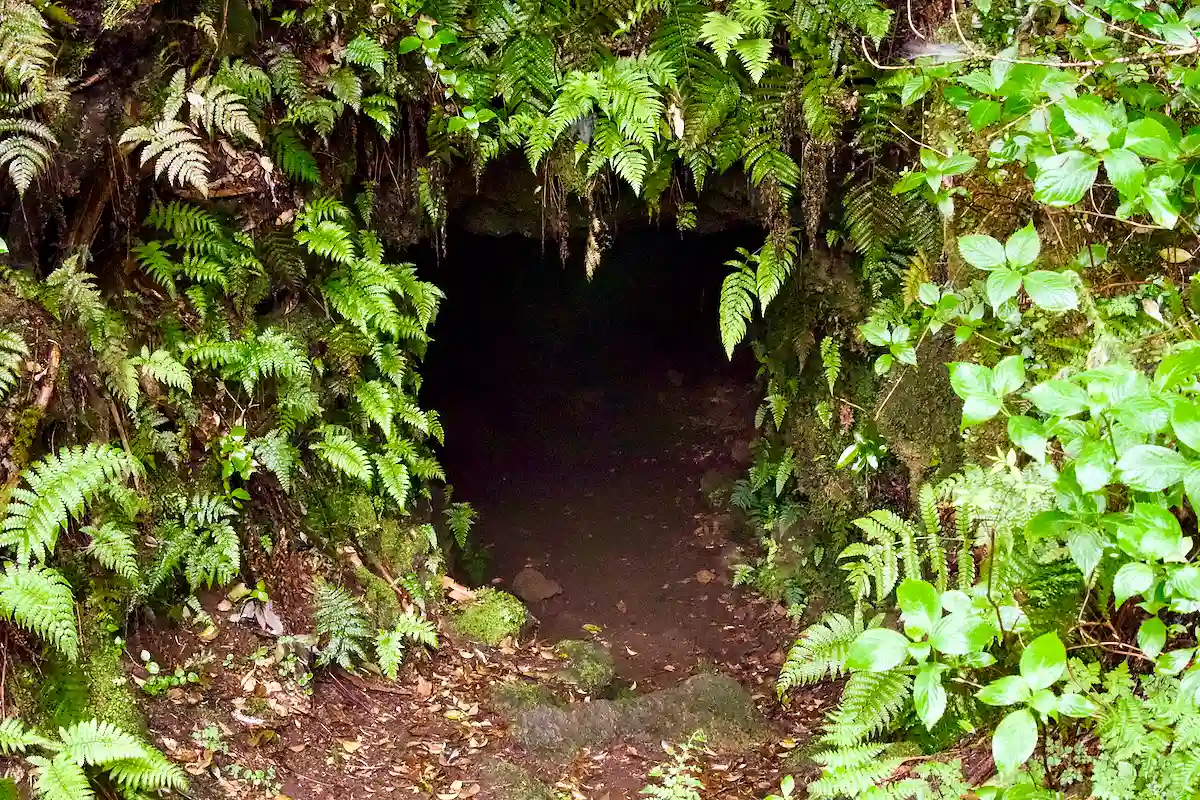
But then we go down into the crater and it is a completely wonderful experience. Lush vegetation, lots of birds, and several lava tubes where the eruptions once flowed. During the colonial period, Japanese soldiers were stationed here, and they used and extended some of the lava tunnels to move unseen. And during the dictatorship in the 1950s, revolutionaries took shelter and hid in the lava tunnels.
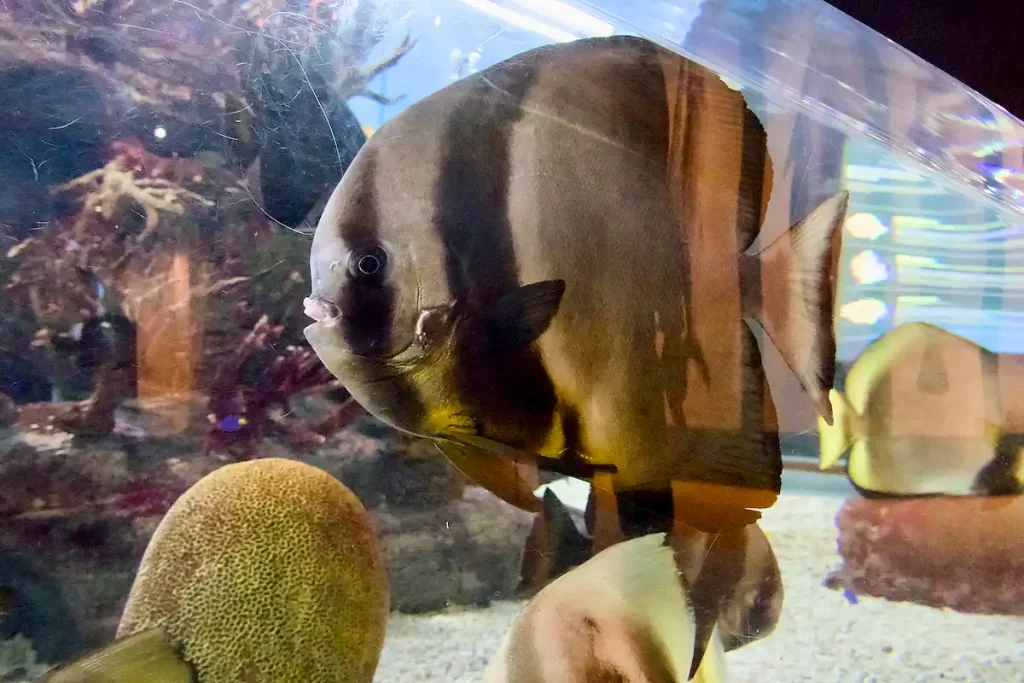
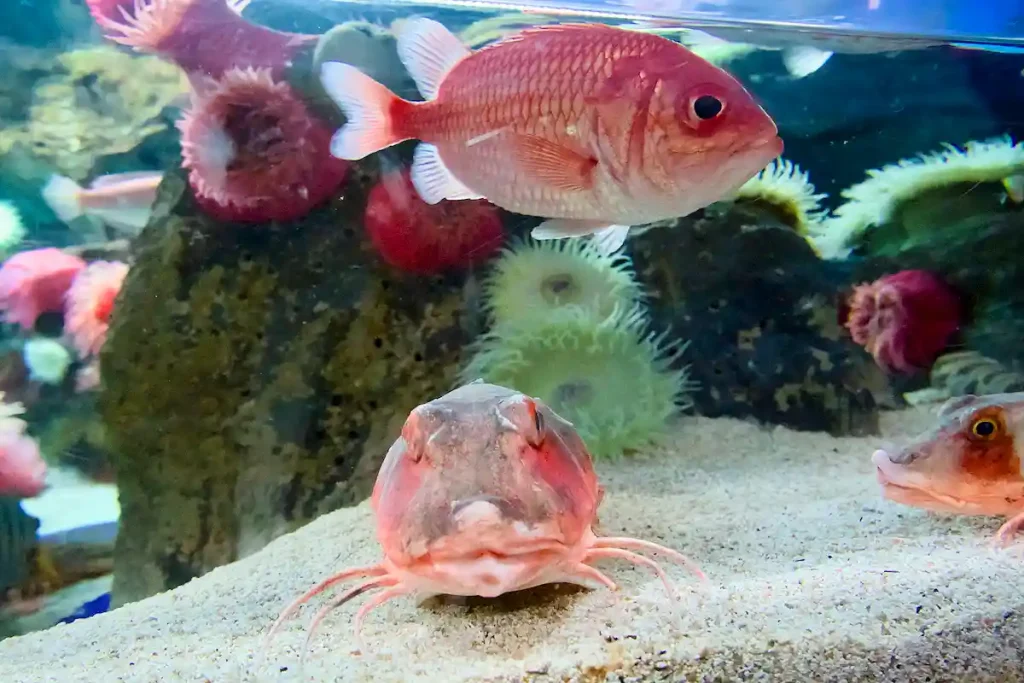
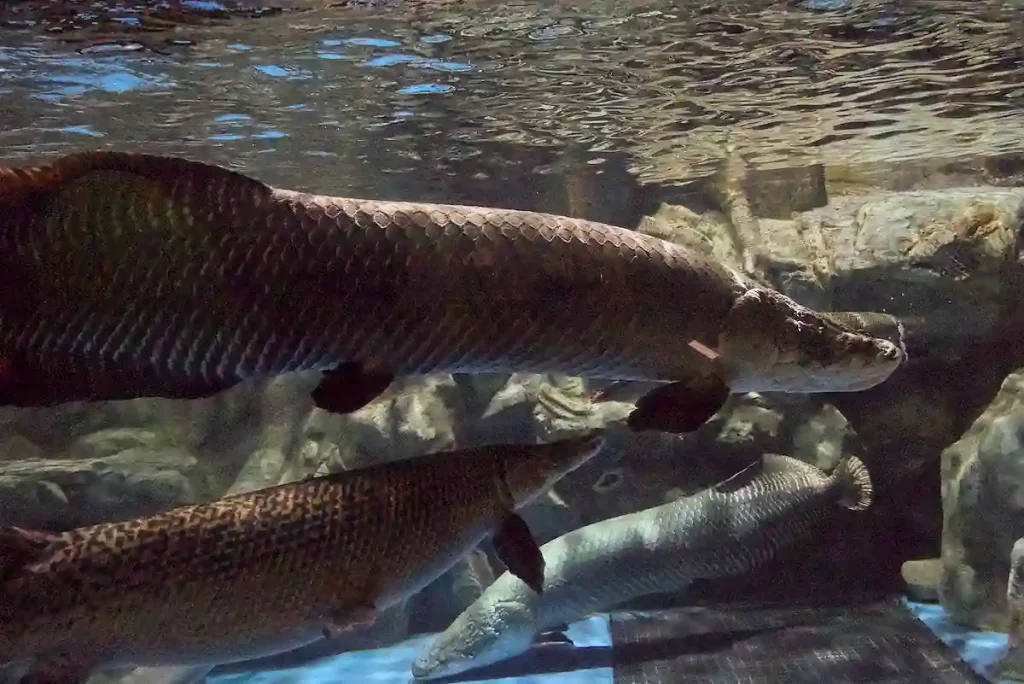
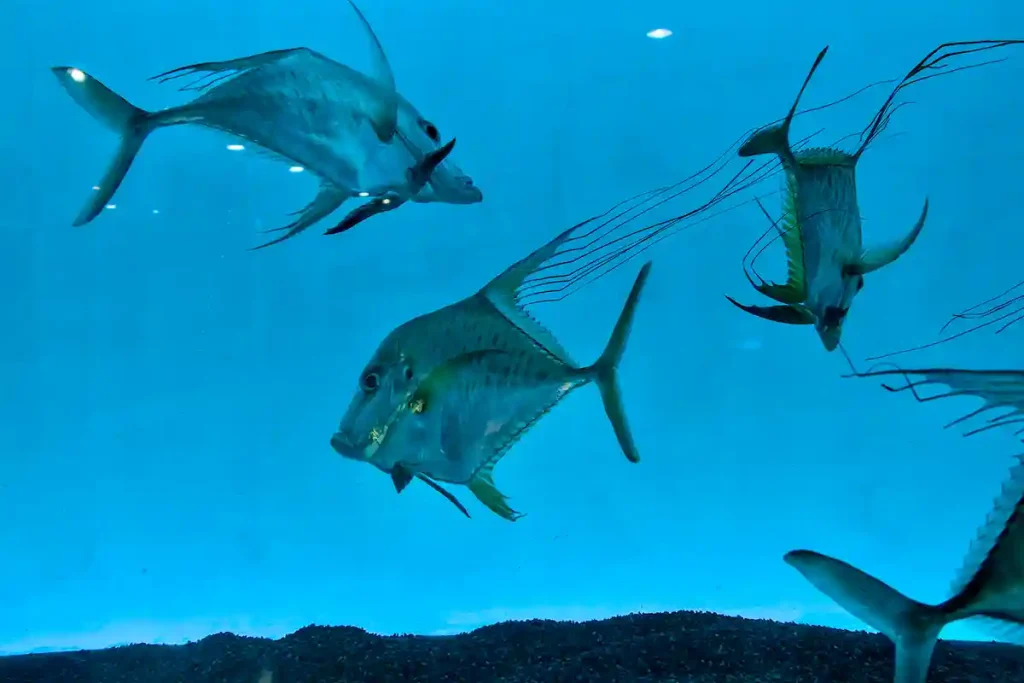
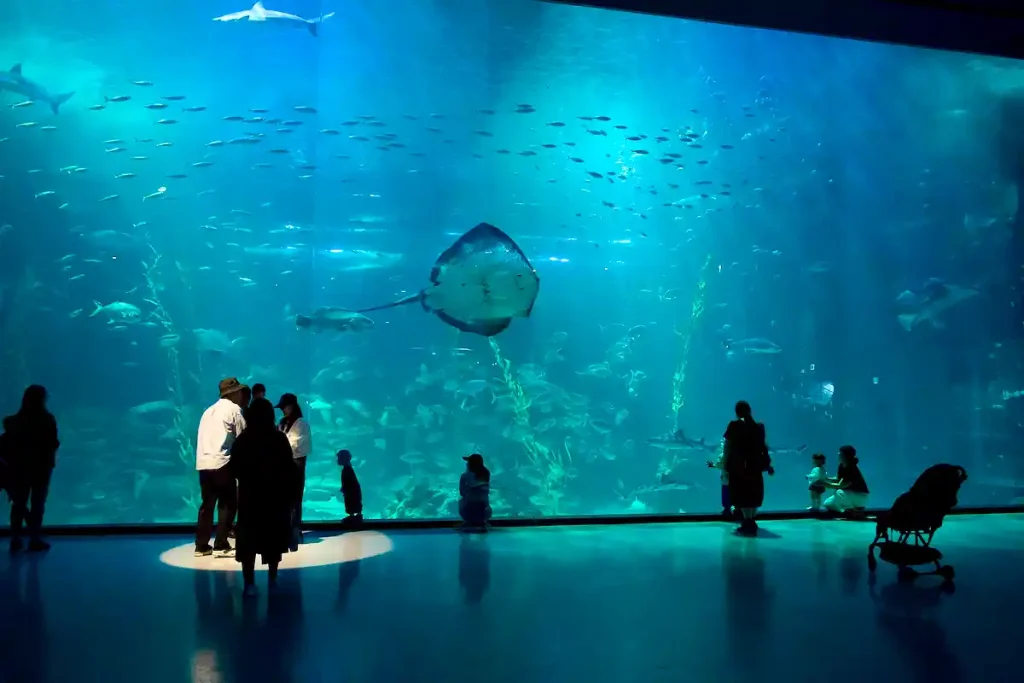
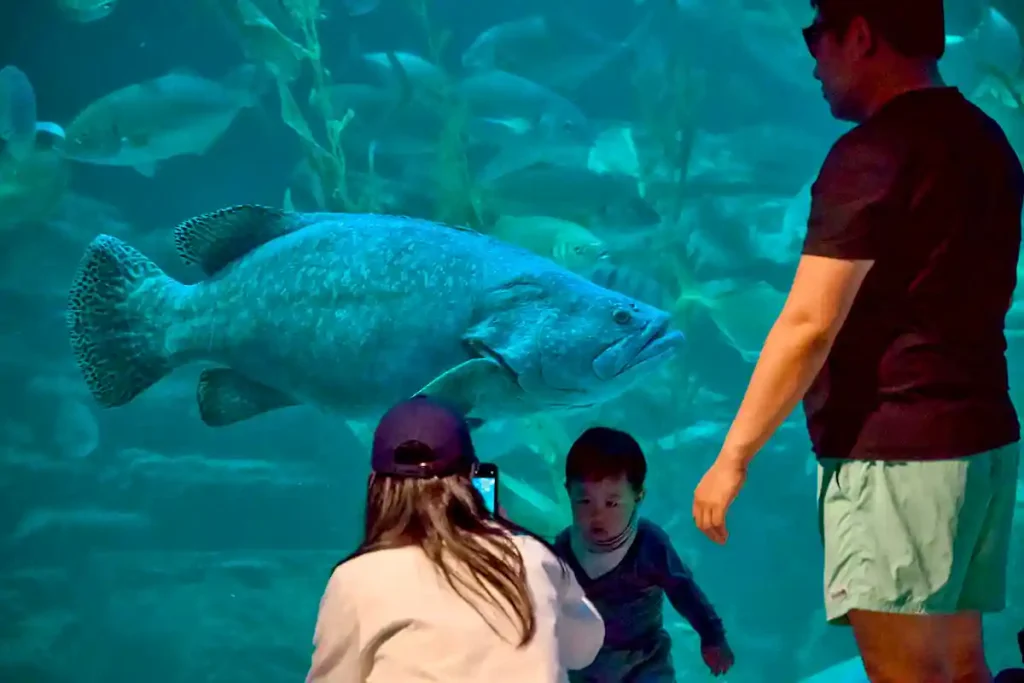
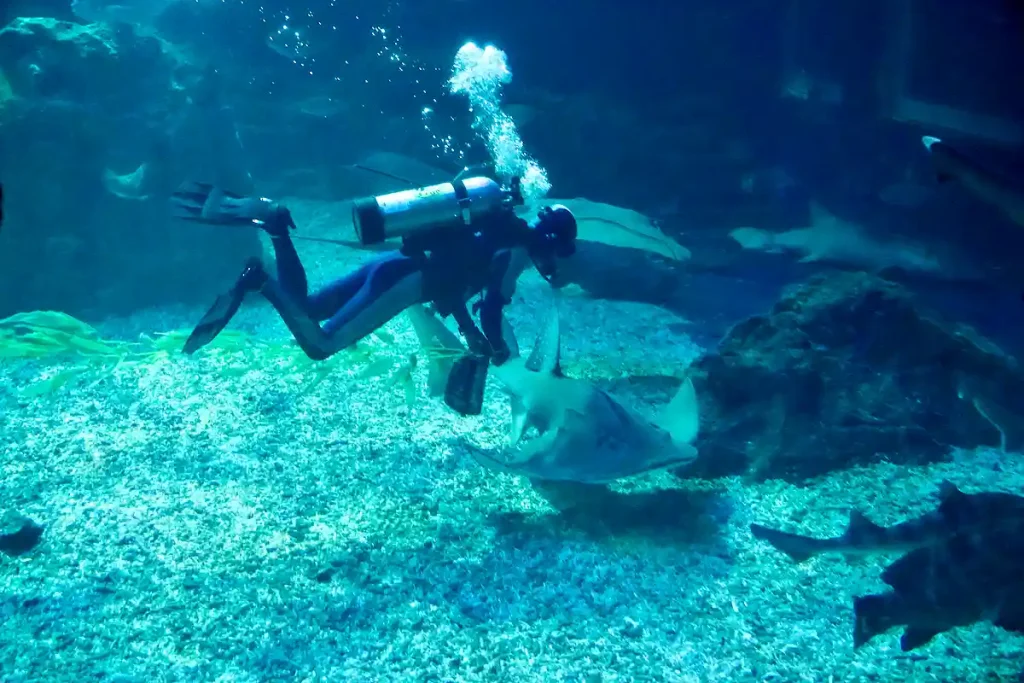
Jeju has naturally been shaped by fishing and marine life, and it’s no wonder that we find the largest aquarium we’ve ever seen here. Aqua Planet Jeju is located on a peninsula just south of Seongsan, and there you can find not only fish, molluscs and crustaceans but unfortunately also seals, squirrels, penguins, and other animals that we don’t think belong in aquariums. But the large tank with sharks, rays, and other big fish is magnificent We even see a diver in it(!).
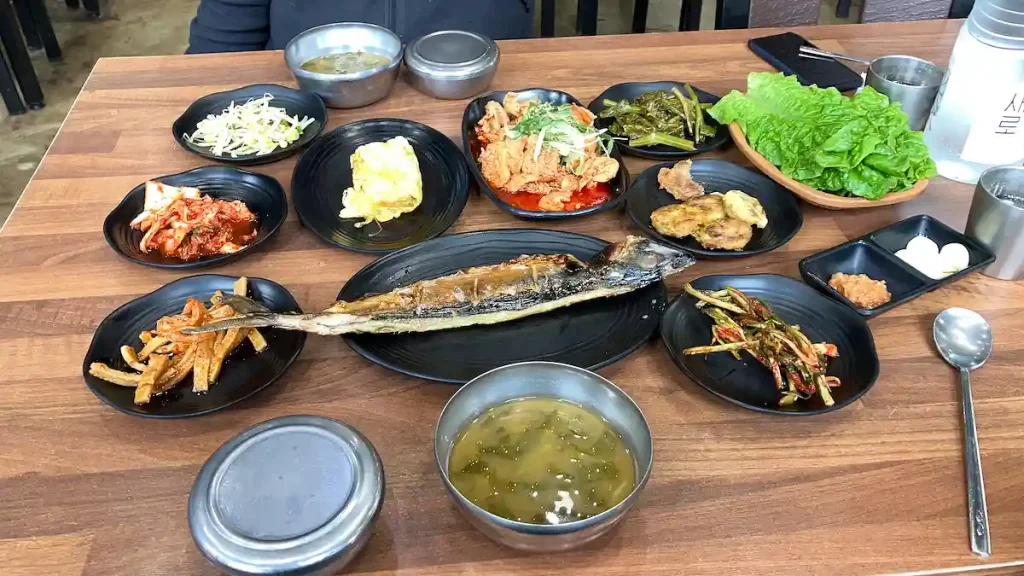
Lastly, something about the food in Jeju. Of course, it was mostly fish restaurants that attracted us and which were also the most common. But perhaps we got the biggest surprise on the way back from the hike in the volcano. We stopped in a small village and entered a rustic little establishment where we (as usual) were the only guests. We ordered salted mackerel, a very common dish in South Korea. And it was good and pleasant, but the sensation was the small dishes you always get, six to eight bowls of kimchi, pickled vegetables, bean sprouts, salad, and other spreads. And at this little roadside diner, everything was fantastic!
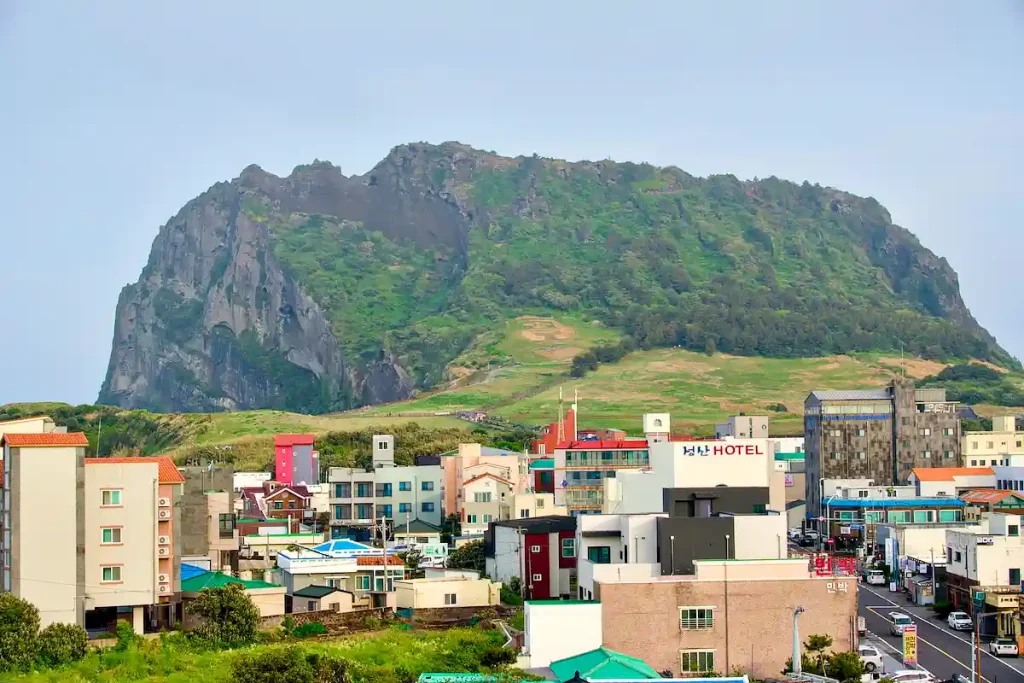
In the last days on Jeju, the fog sometimes clears enough for us to see the entire magnificent volcanic cone Seongsan Ilchubong. It is a mountain of great significance for the island, where people pilgrimage to see the first sunrise on New Year’s Day. Here, a “sunrise festival” is also held, featuring, among other things, shamanistic rituals. The mountain is actually on UNESCO’s World Heritage List!
Korea was probably the part on this trip that we knew the least about in advance. But the country has given us many exciting and fun experiences. It is a safe country with excellent opportunities to get around by train and bus. Now Vietnam awaits!