Edit Template
Edit Template

Who are we?

This travel blog is created by me, Lars Aldman, a Swedish journalist and traveller, always in the company of my wonderful wife V. who is also a journalist and a fantastic photographer.

I worked for many years for the Swedish National Radio and Television, as a reporter/producer/studio host and a bunch of other roles.but now I’m retired and do whatever I like.

We love to visit foreign countries and cultures and meet people all over the globe. So far we have been to Asia, Africa, South America and the Caribbean and of course Europe. And we’d like to share with You, dear reader, what we have experienced and seen. We hope You want to join us and possibly find ideas for Your own adventures.

PS. To see more of my photos from journeys far and near, head over to aldmangallery.com 

To contact us via mail: info@resormedv.se


Edit Template

More results…

Generic selectors
Exact matches only
Search in title
Search in content
Post Type Selectors
Search in pages

Edit Template
Edit Template

Who are we?

This travel blog is created by me, Lars Aldman, a Swedish journalist and traveller, always in the company of my wonderful wife V. who is also a journalist and a fantastic photographer.

I worked for many years for the Swedish National Radio and Television, as a reporter/producer/studio host and a bunch of other roles.but now I’m retired and do whatever I like.

We love to visit foreign countries and cultures and meet people all over the globe. So far we have been to Asia, Africa, South America and the Caribbean and of course Europe. And we’d like to share with You, dear reader, what we have experienced and seen. We hope You want to join us and possibly find ideas for Your own adventures.

PS. To see more of my photos from journeys far and near, head over to aldmangallery.com 

To contact us via mail: info@resormedv.se


Edit Template

More results…

Generic selectors
Exact matches only
Search in title
Search in content
Post Type Selectors
Search in pages

Travels with V

Cambodia

Travels with V

Cambodia

Edit Template

next

round-line-right-arrow
Edit Template
round-line-right-arrow

Into the heart of Cambodia

Siem Reap & Angkor Vat

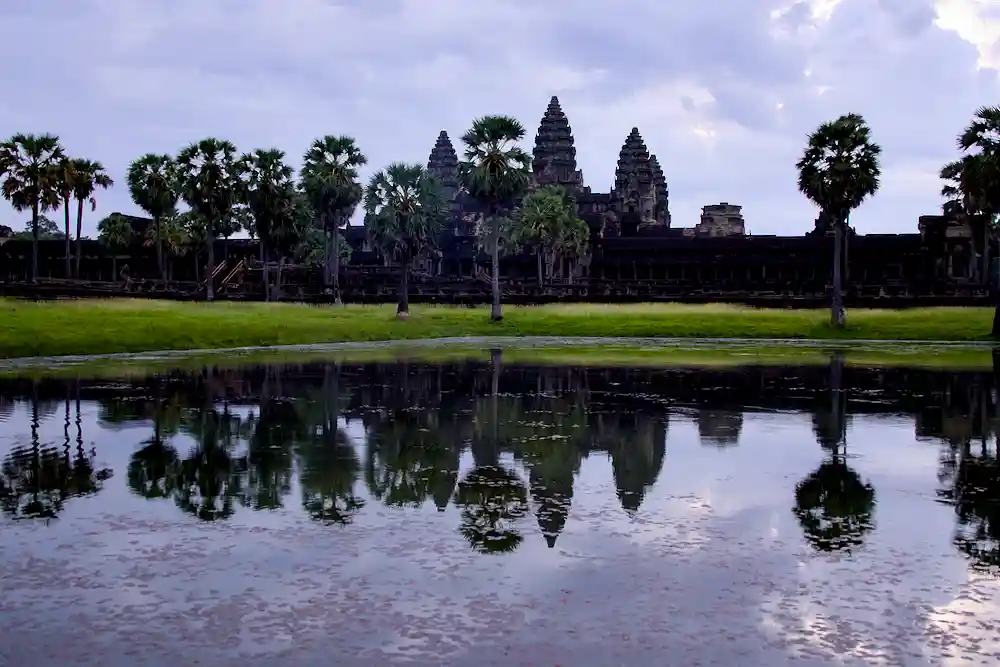
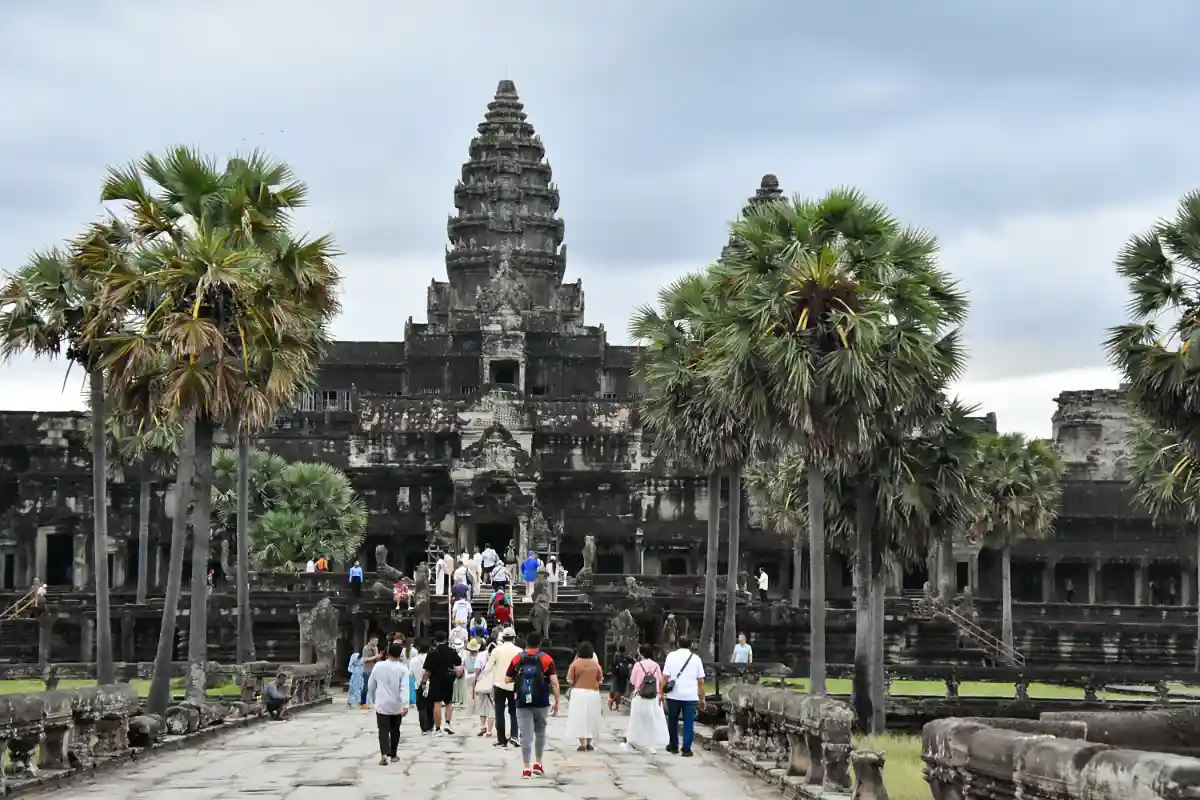
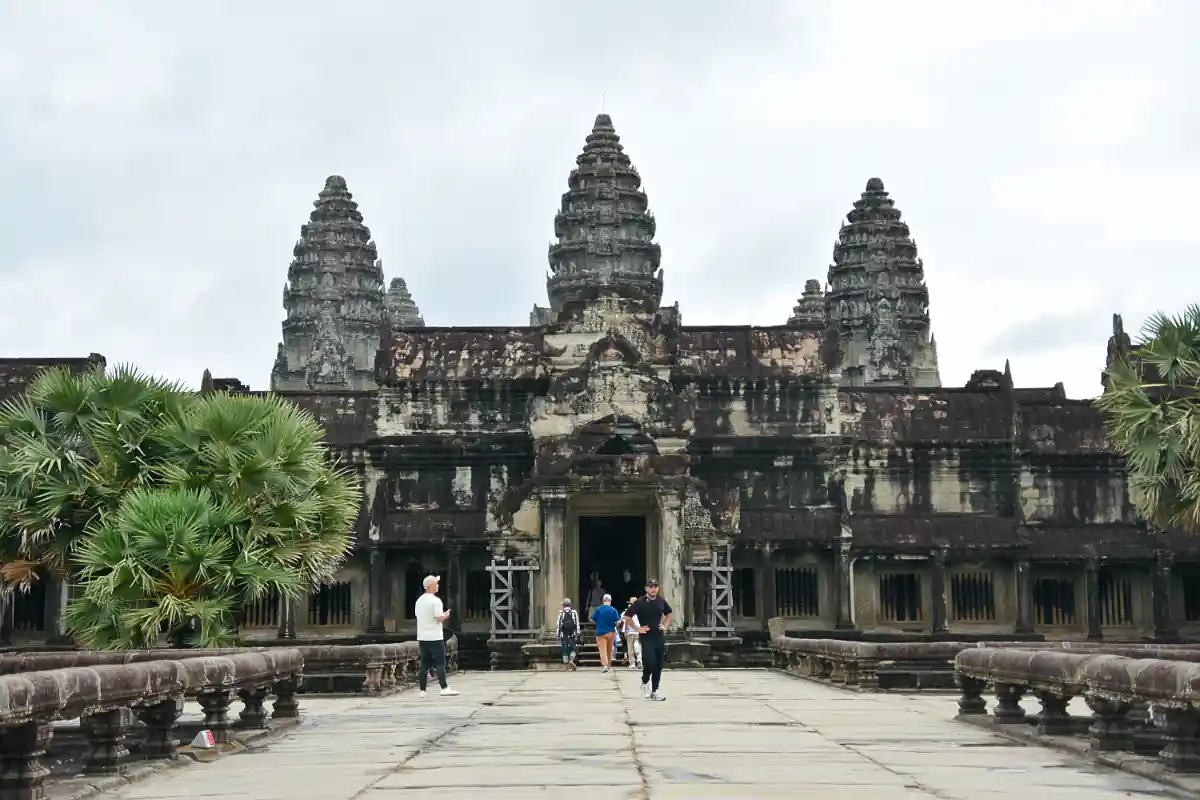
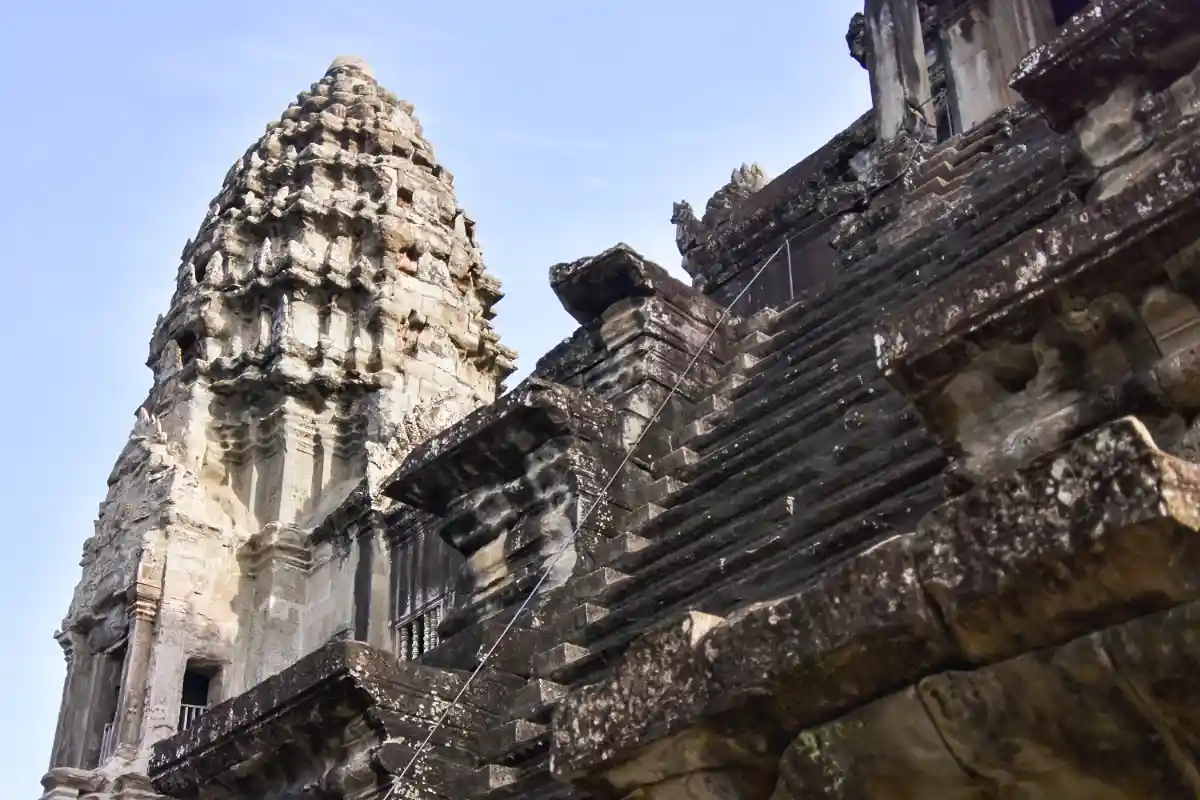
Early one morning just before sunrise we stand before the majestic final destination of the trip, the magical temple area Angkor Vat outside Siem Reap. It is a powerful feeling, reminiscent of the one you experience before Machu Picchu in the Peruvian Andes. The iconic silhouette of the five towers of the main temple has been seen in hundreds of photos, but as usual, it’s nothing compared to the real thing. It’s a Cambodian national symbol and even takes centre stage on the Cambodian flag.

We share this spiritual moment at the ancient temple ruins with a lot of other tourists, but it is a quiet and reverent atmosphere that prevails. Unfortunately, a cloud bank prevents the sun from breaking through with its first rays, but at least we get the picture with the upside-down Angkor Wat in the pond’s reflection.

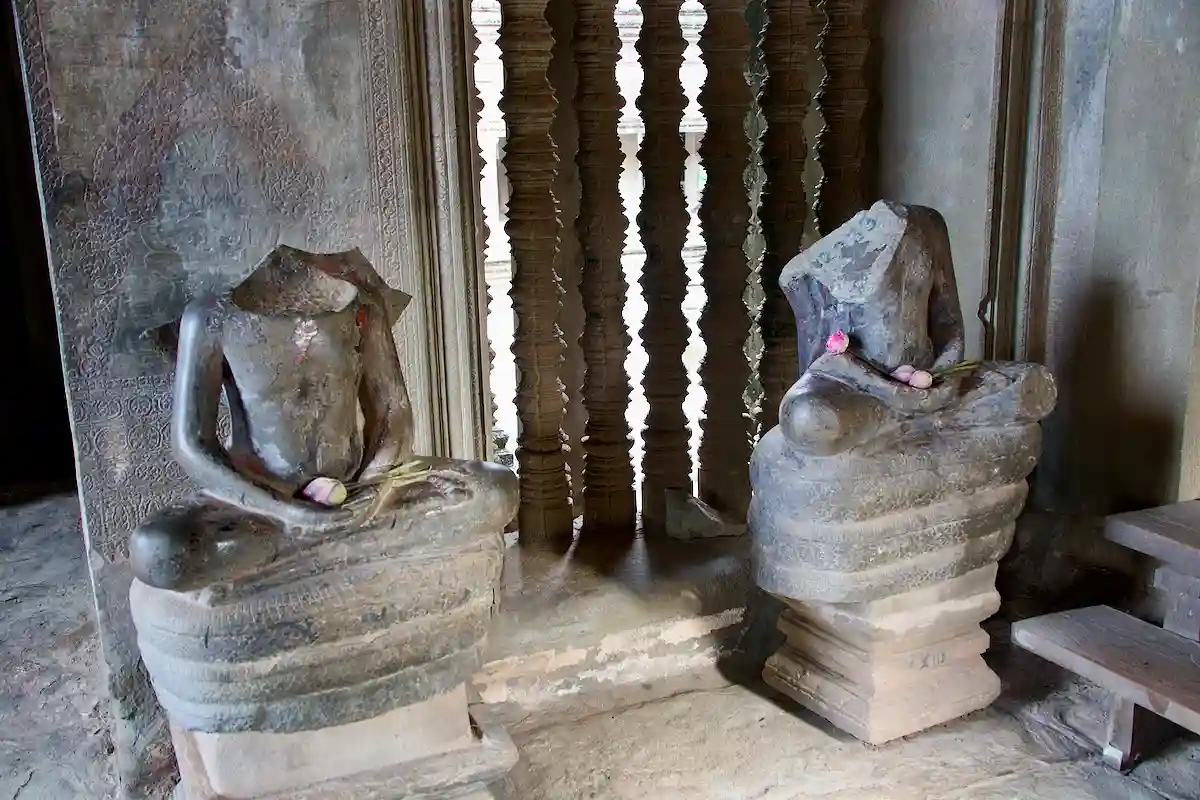
It is not known exactly when Angkor Wat and the neighbouring city of Angkor Thom were built, but it is widely believed to have been during the reign of King Suryavarman in the 12th century (AD). It was built as a Hindu temple dedicated to the god Vishnu, but later it was converted into a Buddhist shrine. Not without controversy it seems, looking at the beheaded buddha statues.

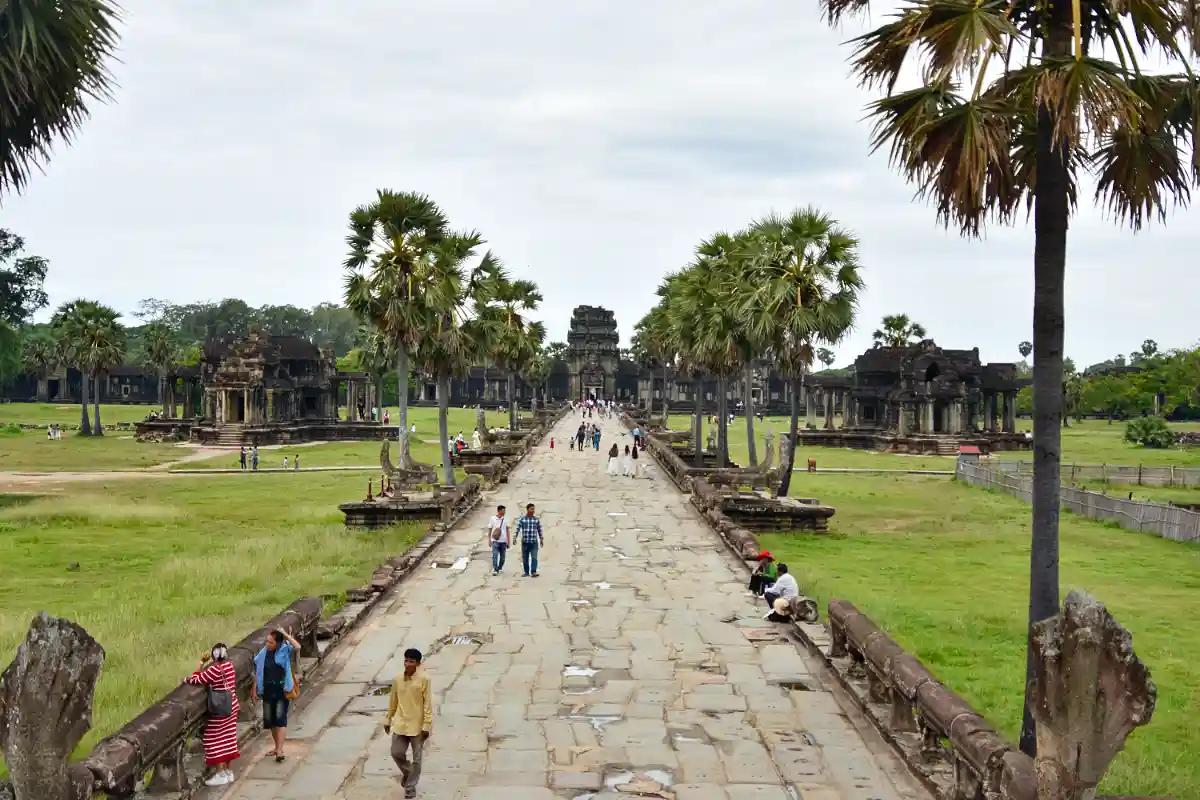
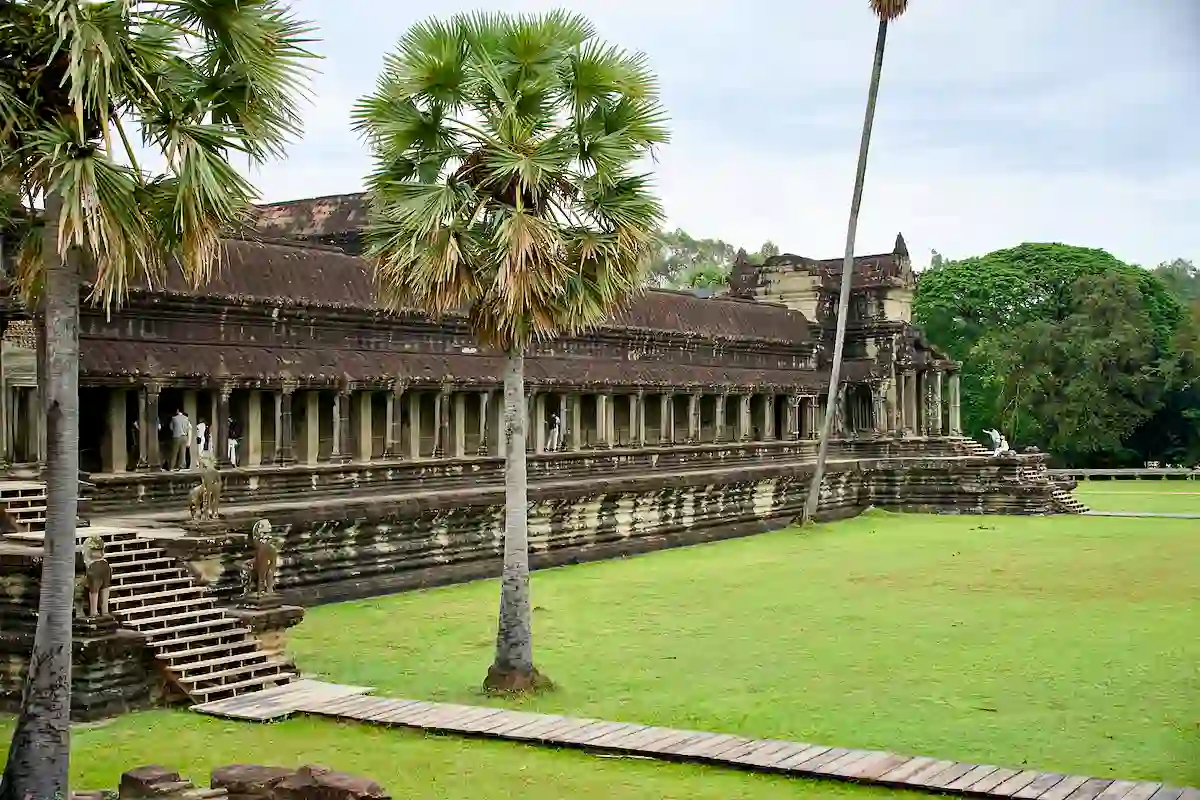
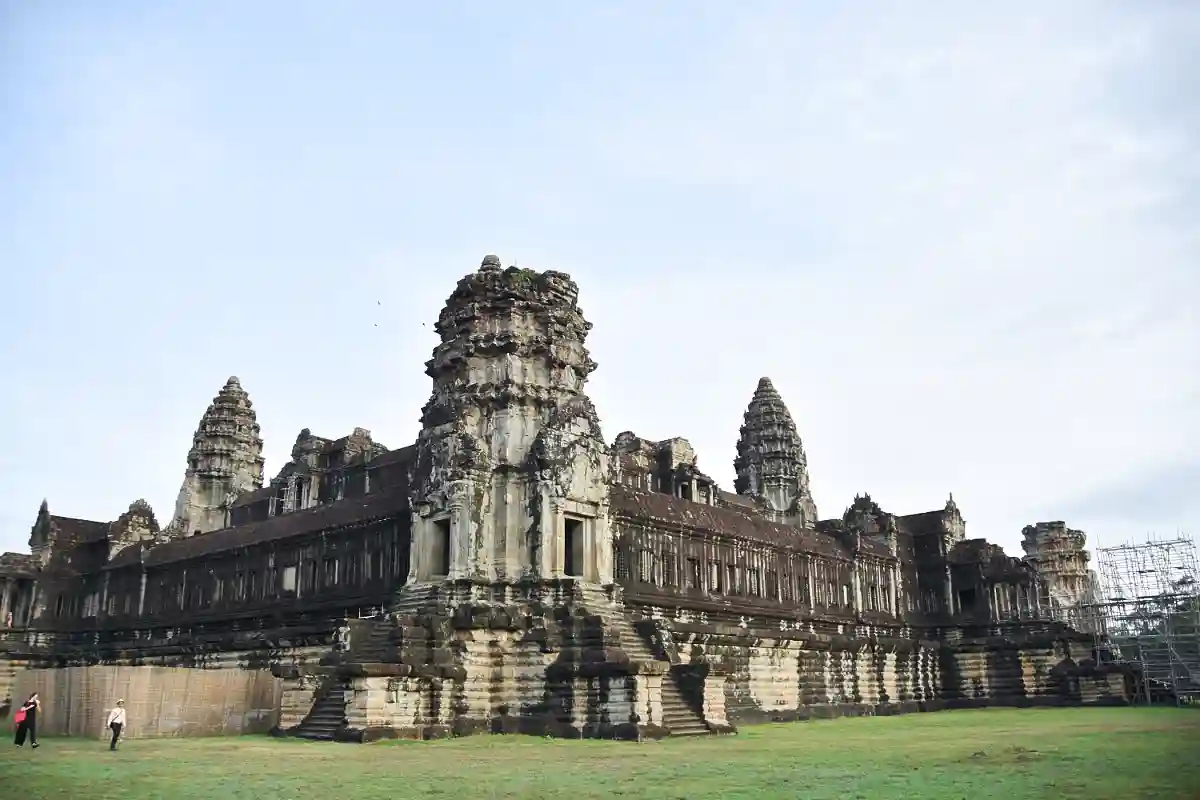
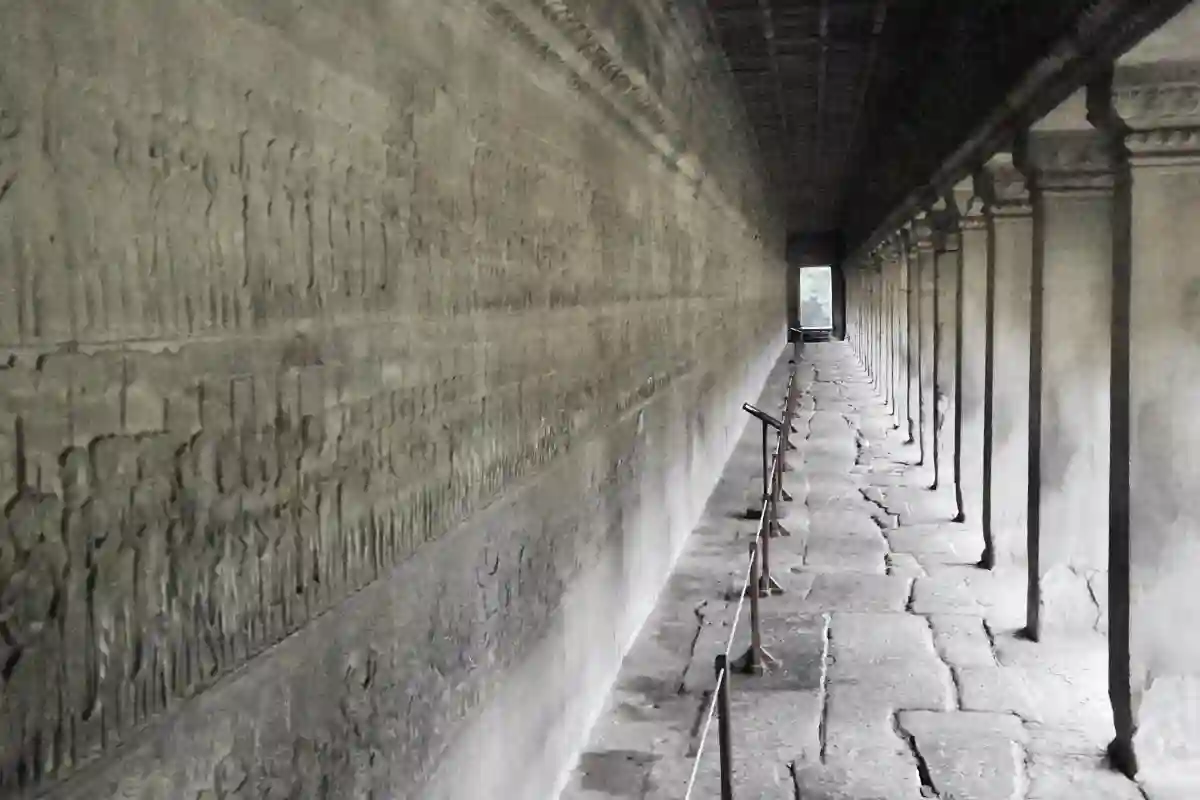
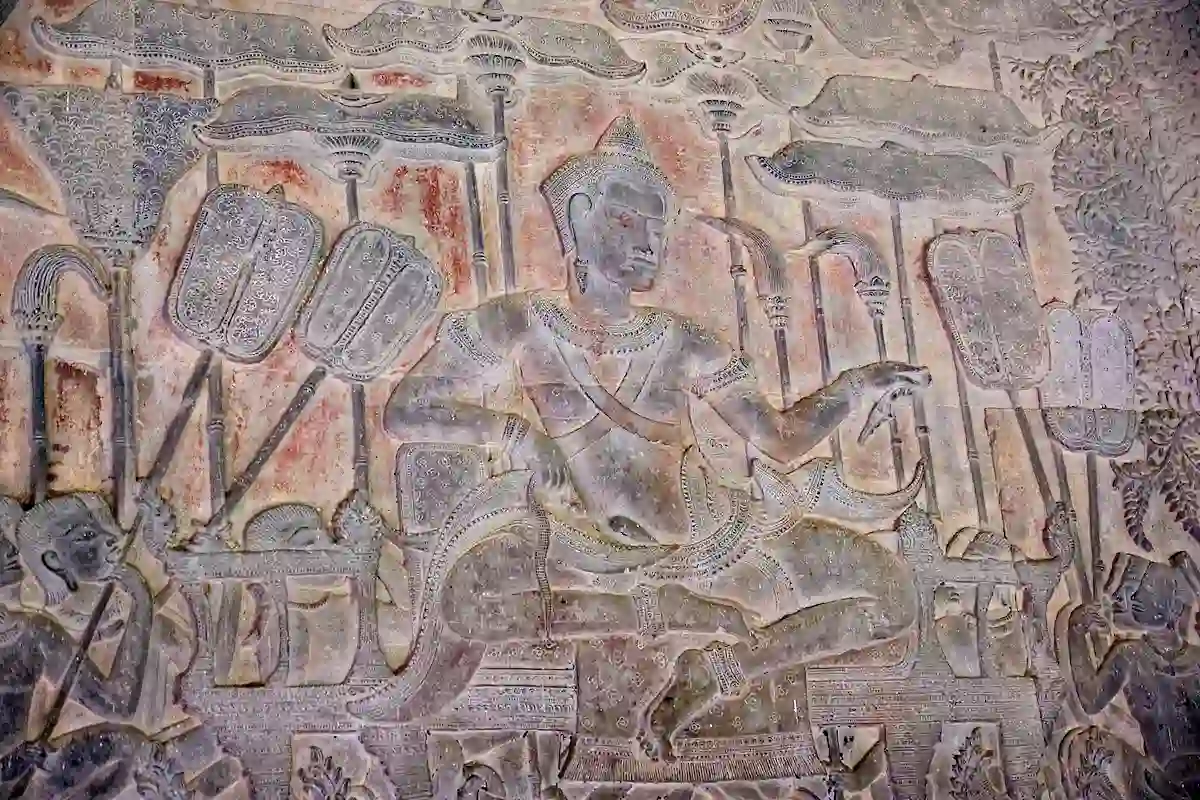
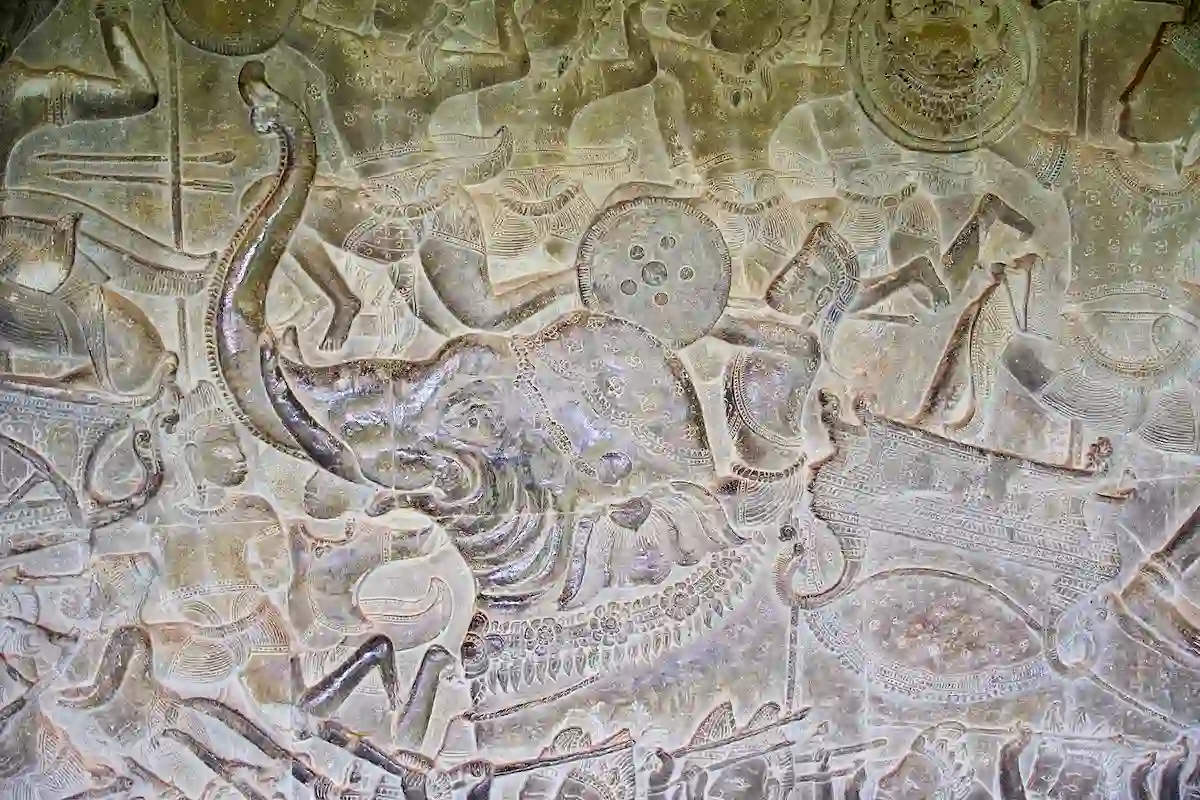
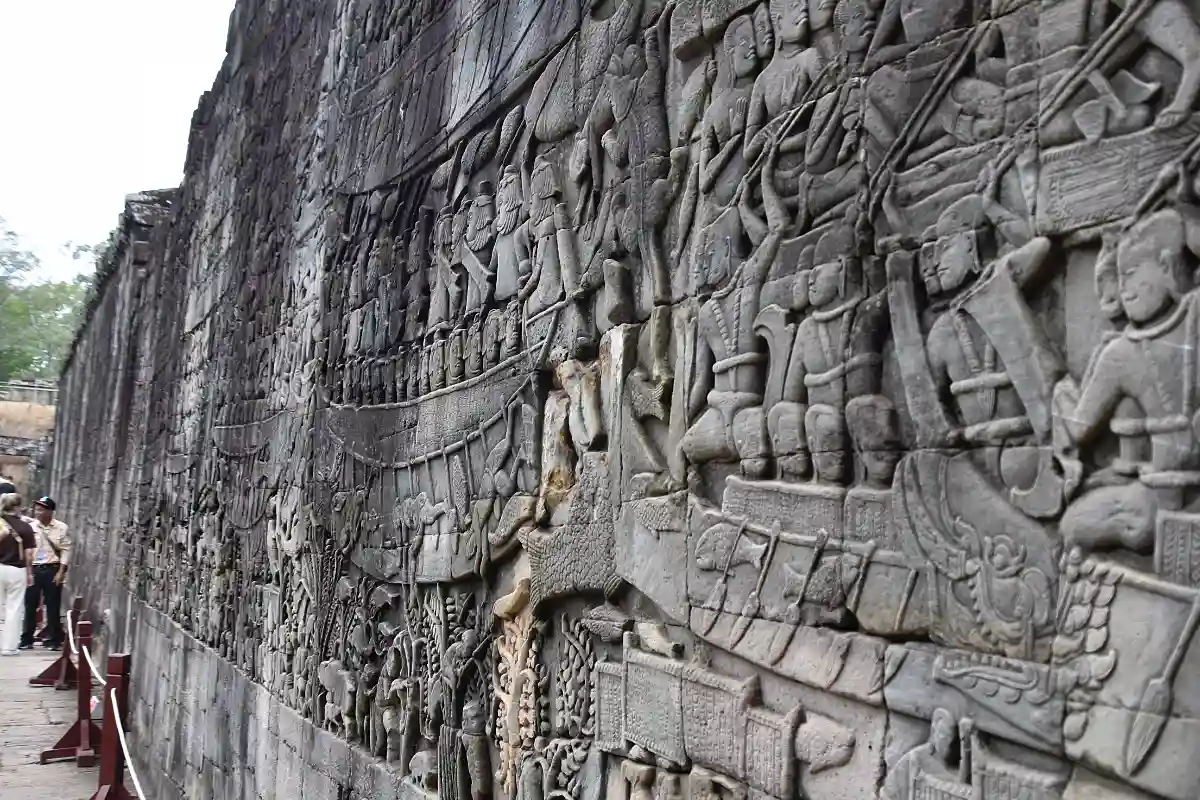
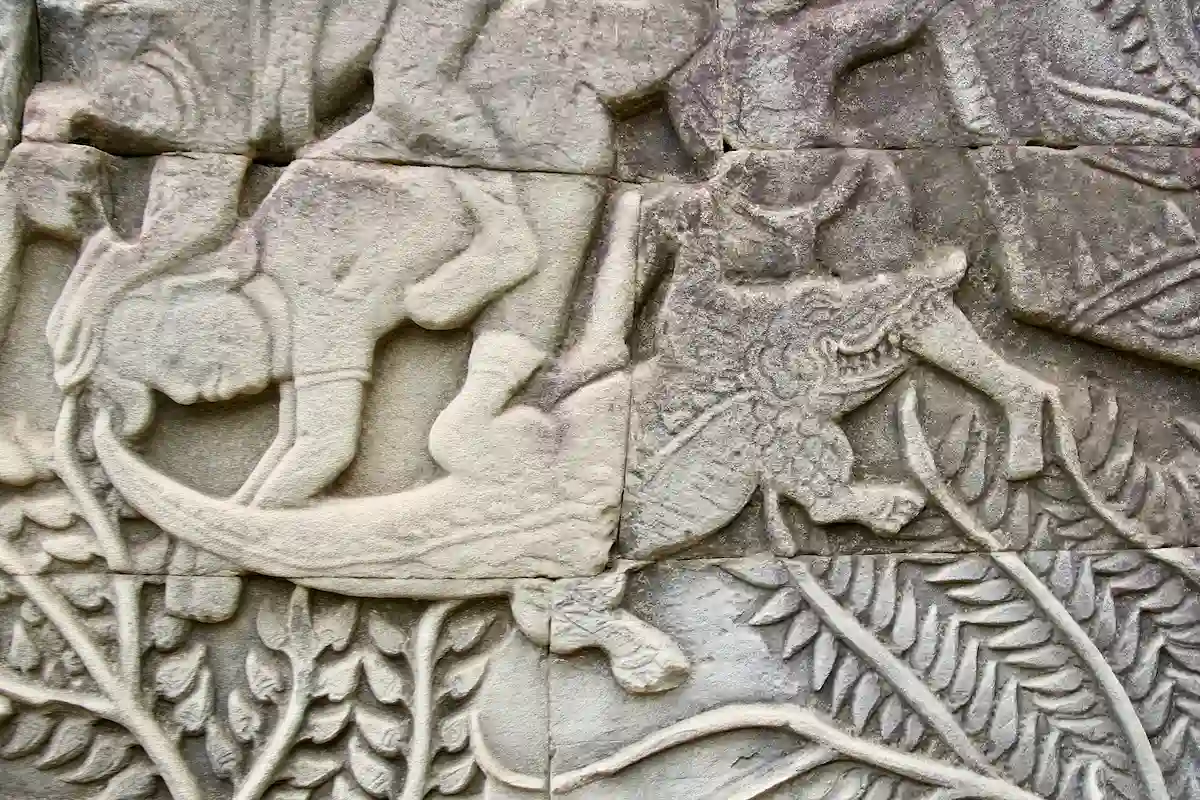
The Angkor Wat area consists of a large surrounding moat, a high wall and, behind it, the main temple with five towers within a square of long galleries. The “backs” of the galleries are covered in beautiful and vibrant reliefs illustrating Hindu myths and royal history.

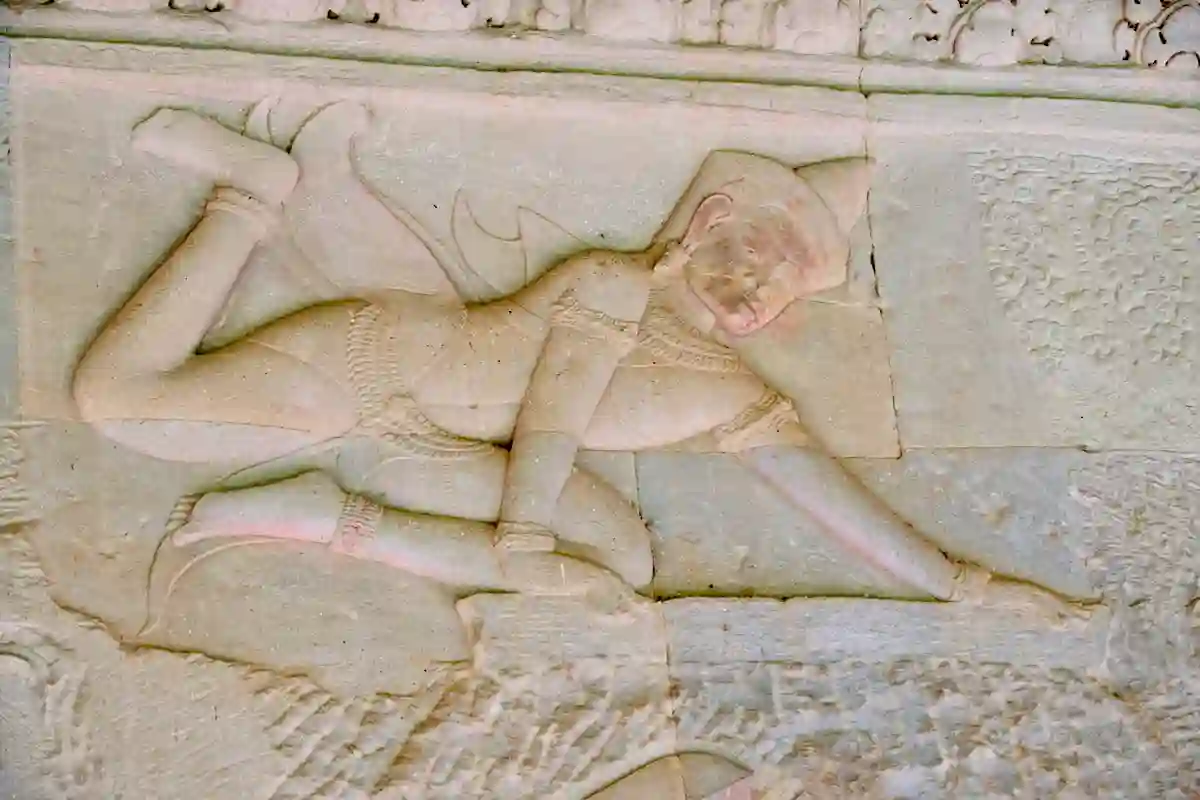
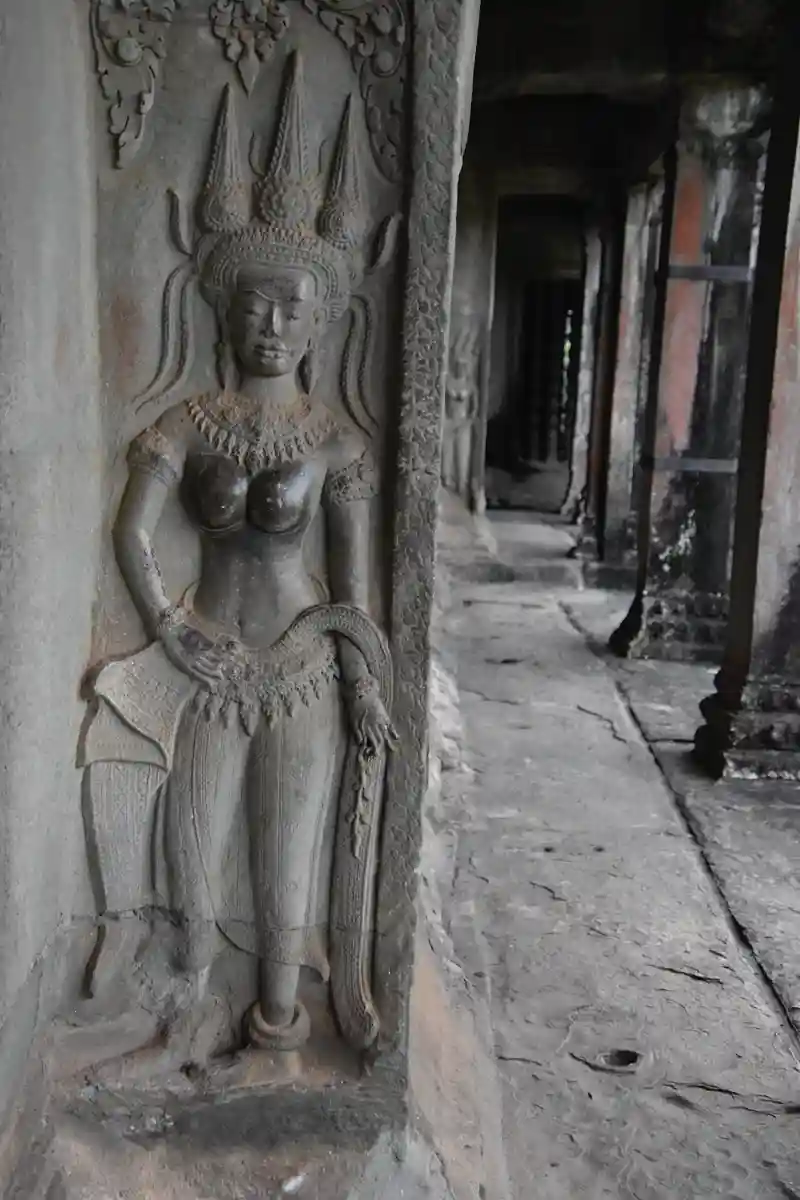
Throughout the temple there are reliefs of young bare-breasted women. These are so-called “apsaras”, nymphs or temple dancers who have a kind of godlike status in Hinduism. They are beautiful, seductive and excellent dancers. Many of the apsara reliefs bear traces of having been touched, something that is now forbidden after it has given the reliefs a kind of glossy surface. On apsaras, it is clear which parts have been touched the most…

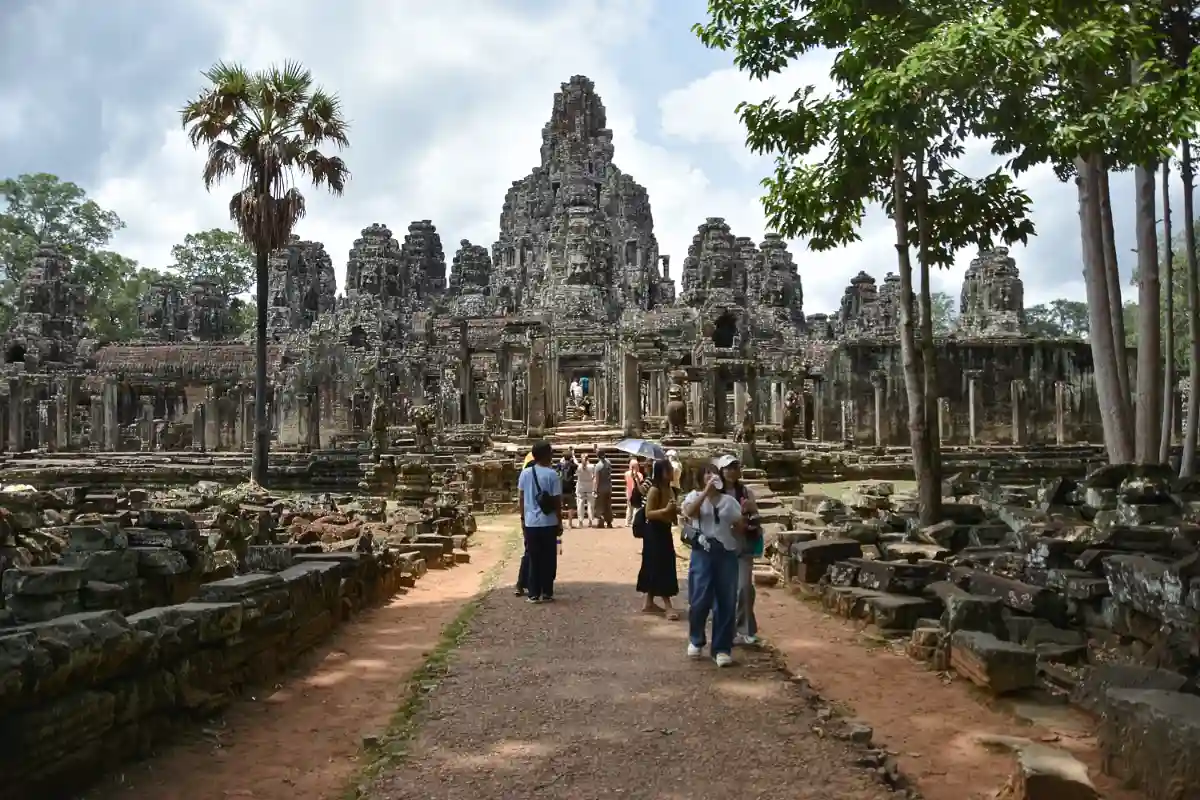
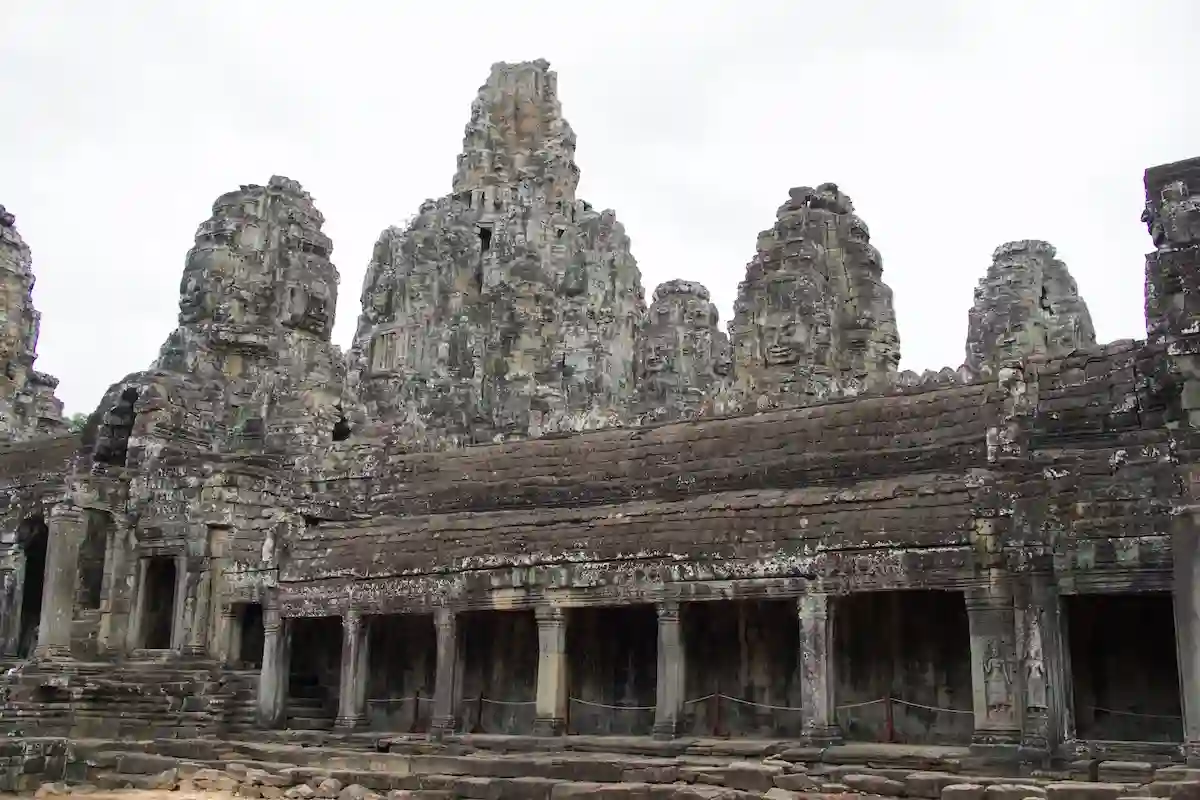
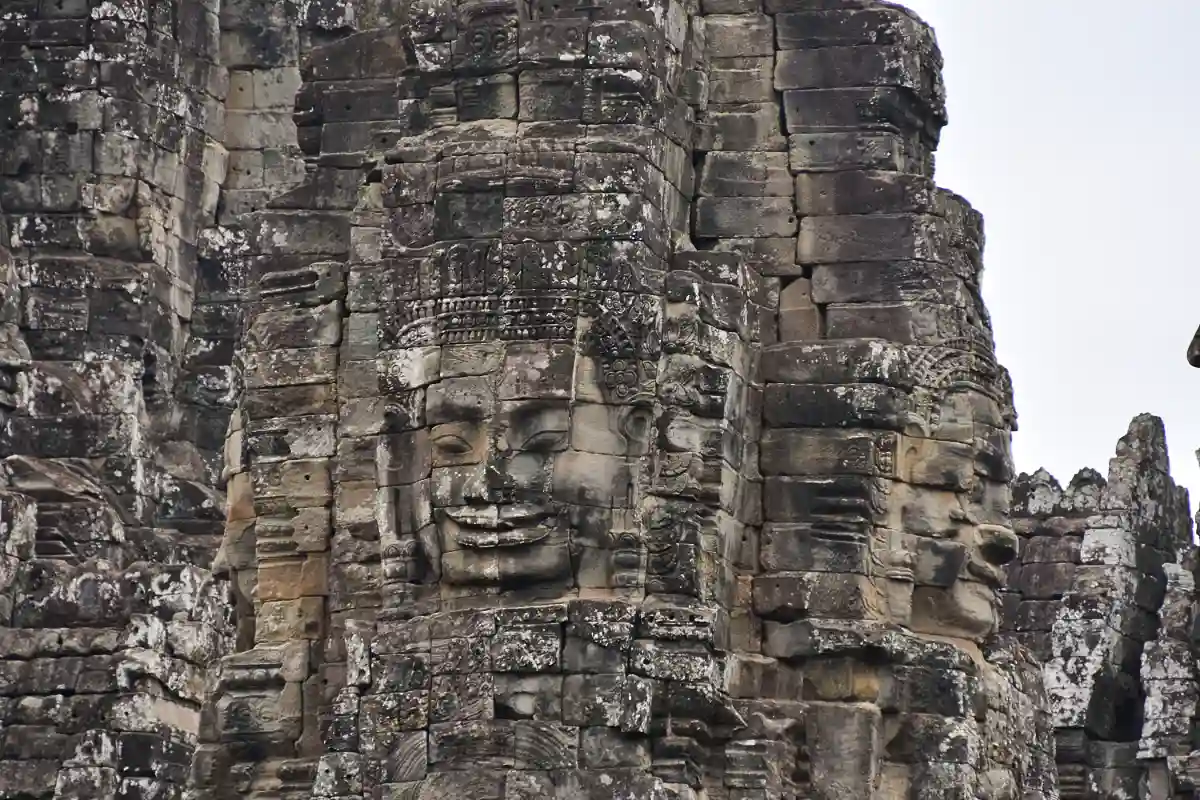
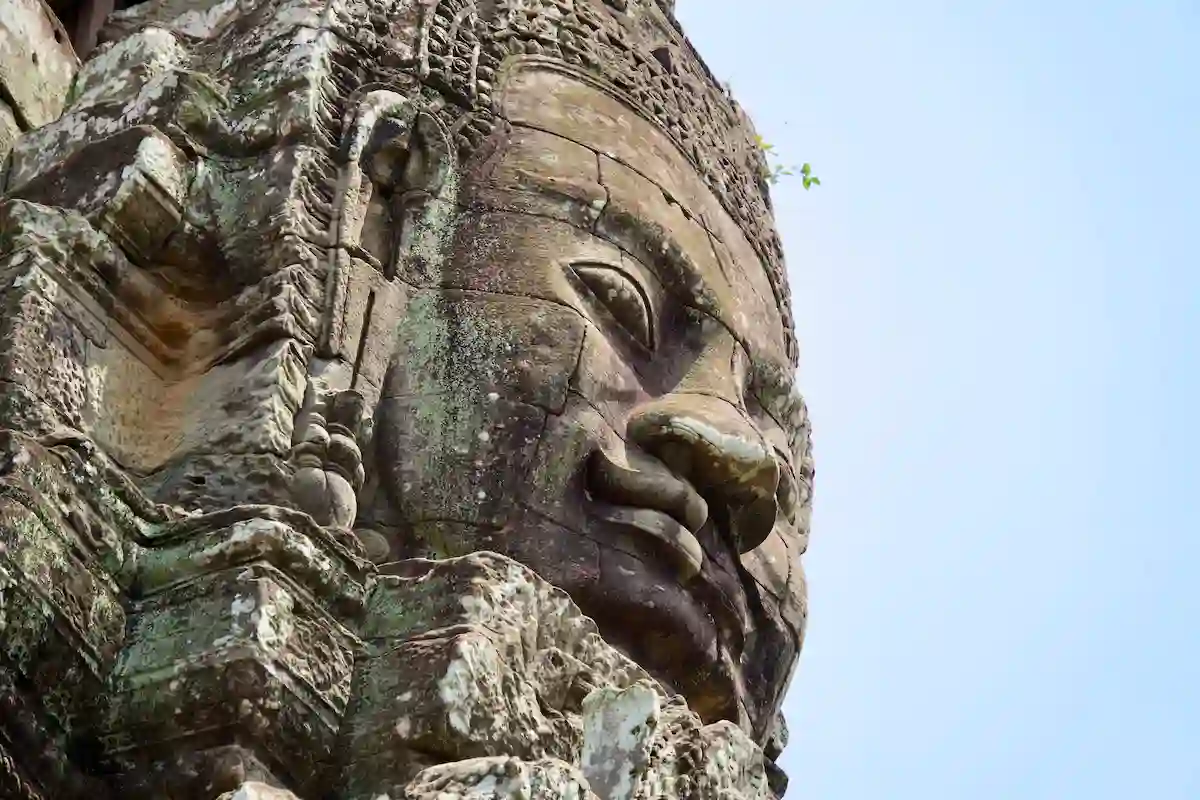
Just north of Angkor Wat is Angkor Thom, a royal city built by King Jayavarman VII. There are several temples here, most famously the Bayon where all the towers bear the face of the king looking in all directions. In total there are 200 faces here.
The churning of the sea of milk

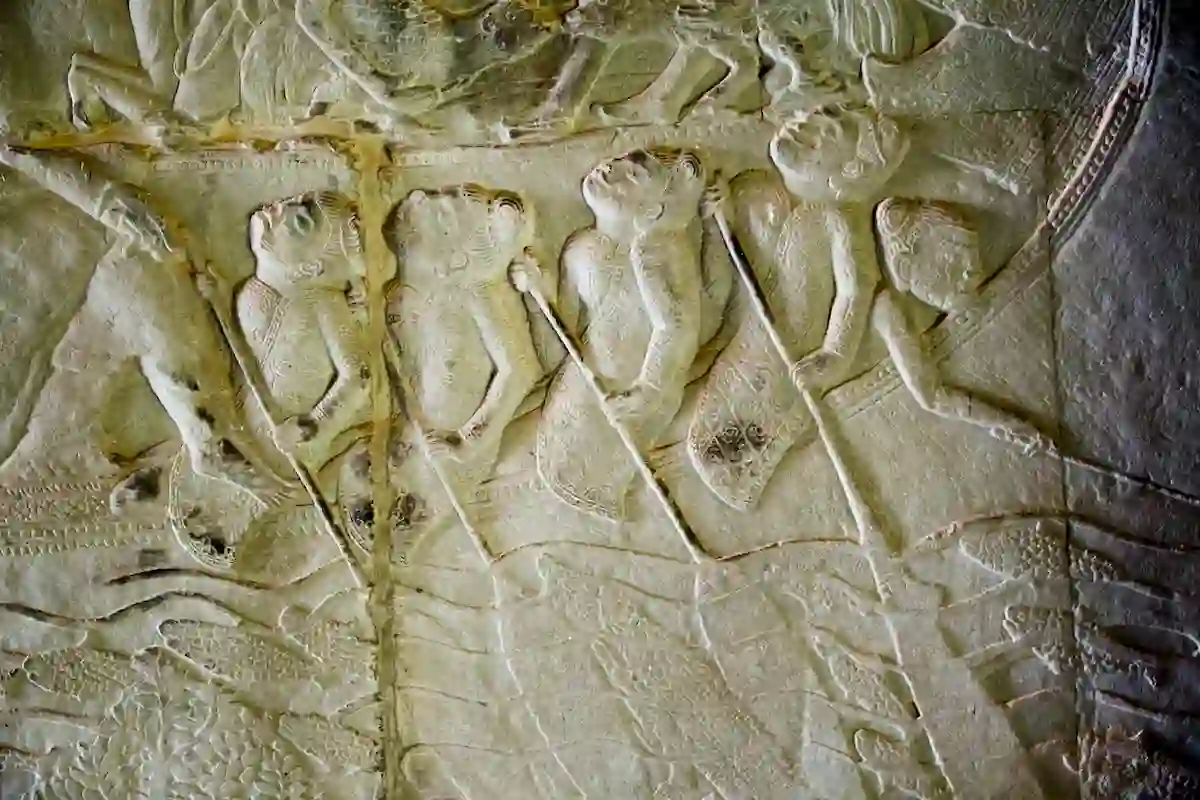
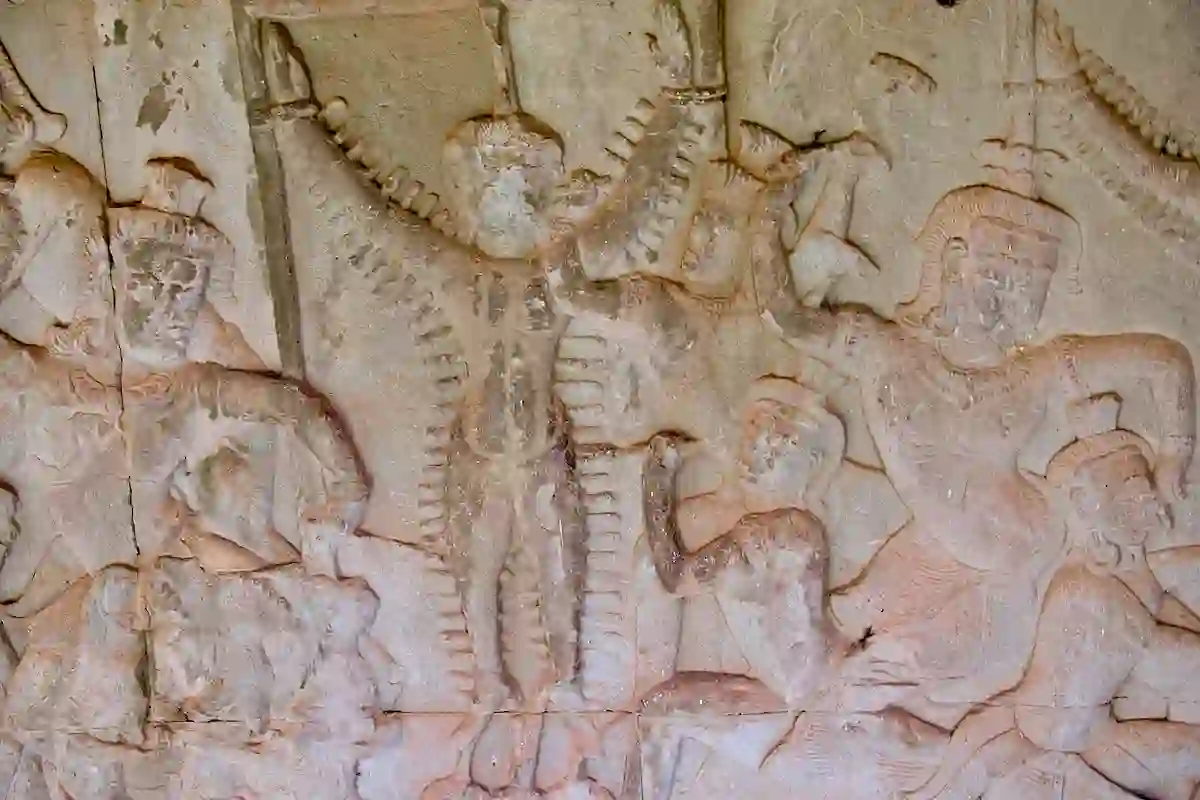
In many temples in Cambodia, you can see depictions of a fantastic story recounted in ancient Hindu texts. The episode is called “The Churning of the Ocean of Milk.” It is a long and convoluted story, but essentially it is about the demigods “devas” and the demons “asuras.” They fight against each other but are forced to cooperate in order to produce an elixir of immortality. The only way to do this is to “churn” an entire sea of milk, which they do with the help of a mountain that is moved and lowered into the sea of milk.

To be able to churn, the devas grab one end of a “naga,” a serpent god, and the asuras grab the other end. By pulling alternately, they make the mountain spin, and after a thousand years, they have churned out “amrita,” a drink that makes one immortal. Naturally, a quarrel breaks out between the devas and asuras over the elixir, but the devas have already drunk from it and win. They banish the asuras to the underworld.

The bridge leading over the moat to the temple city of Angkor Thom is flanked on one side by benevolent devas holding their end of the serpent, and on the other by grinning asuras holding the other.

Edit Template

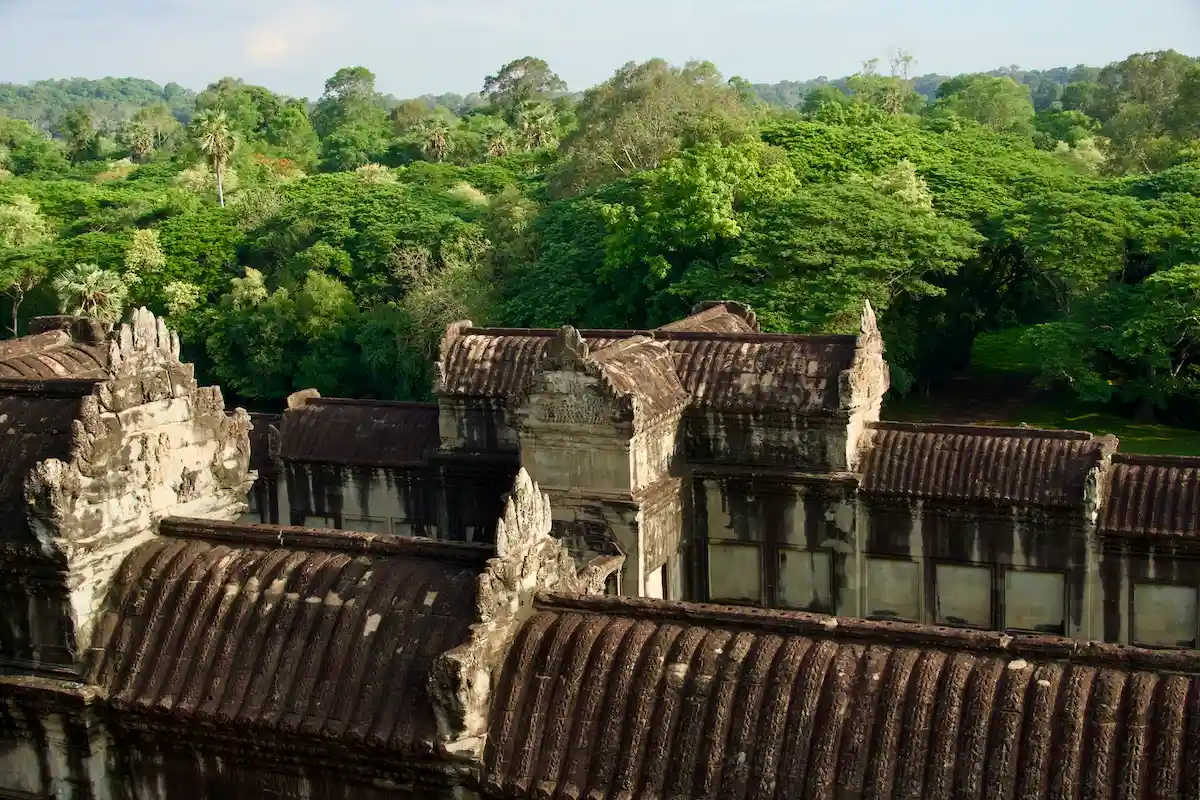
Angkor Wat was more or less abandoned in the 16th century and the jungle vegetation took over. However, restoration of the temple began a century ago and has continued into modern times.

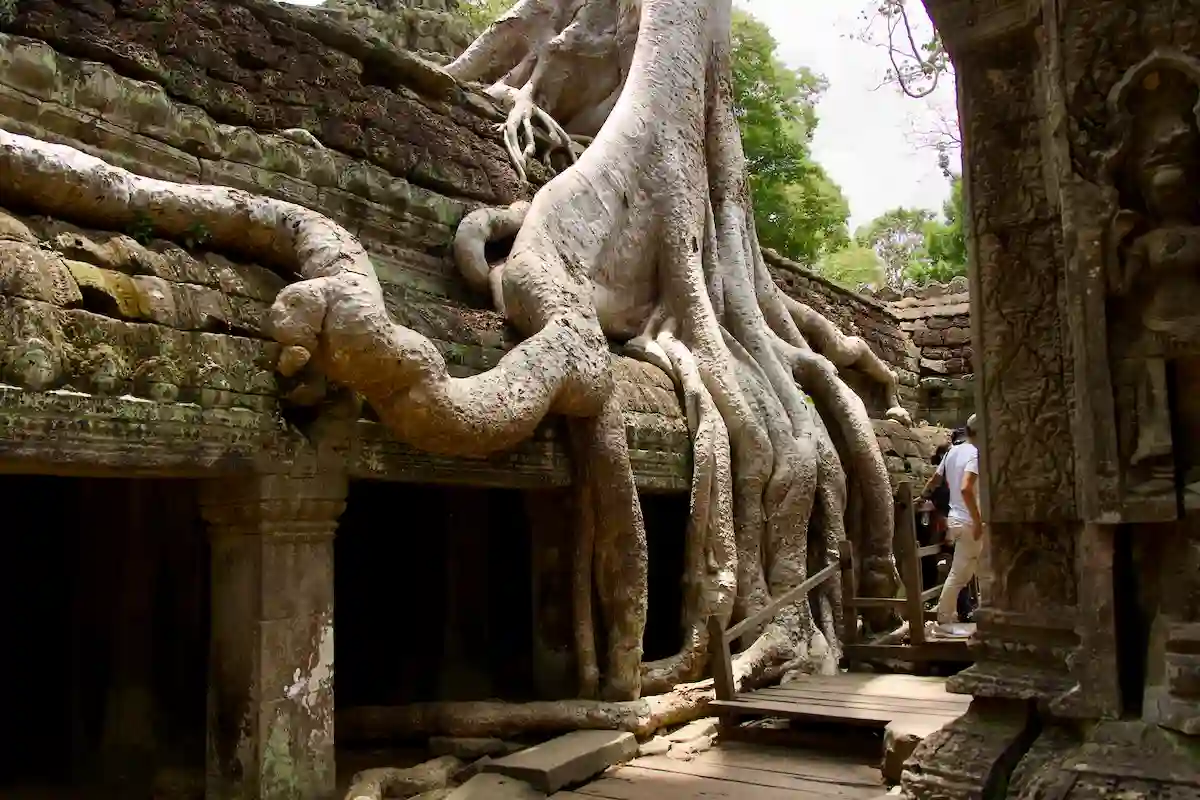
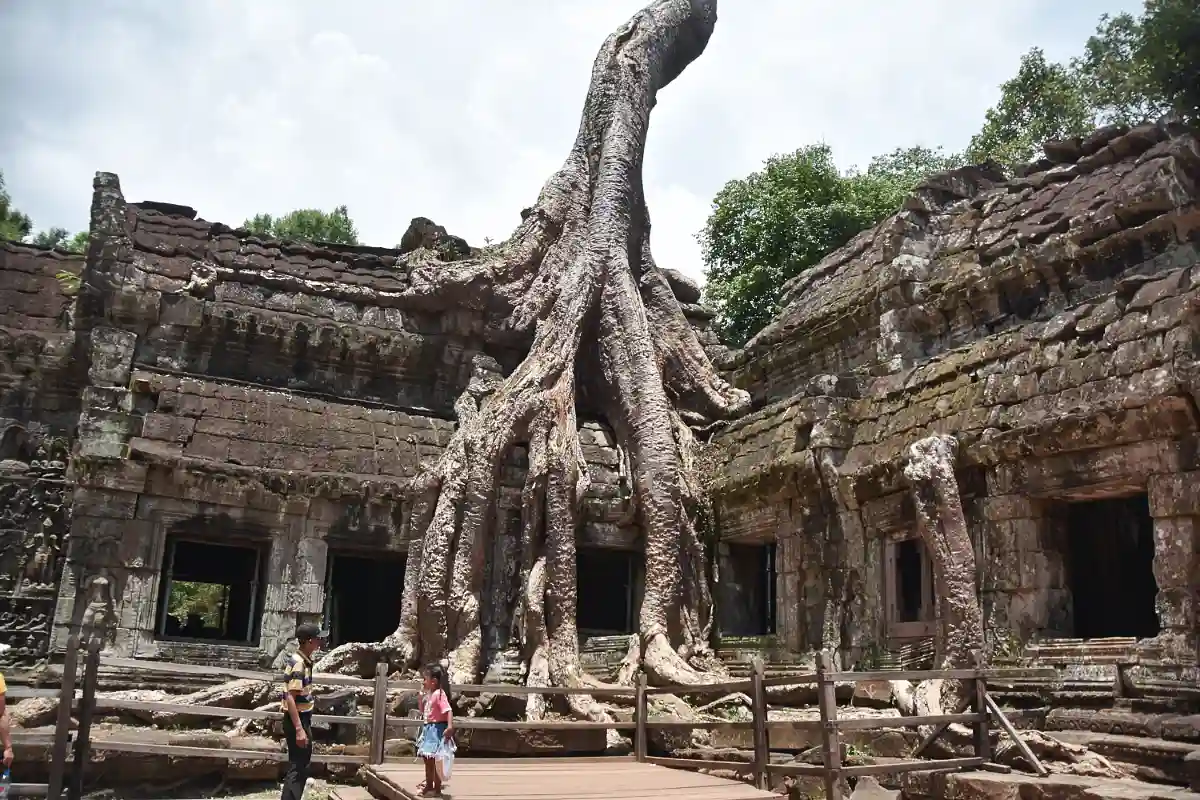
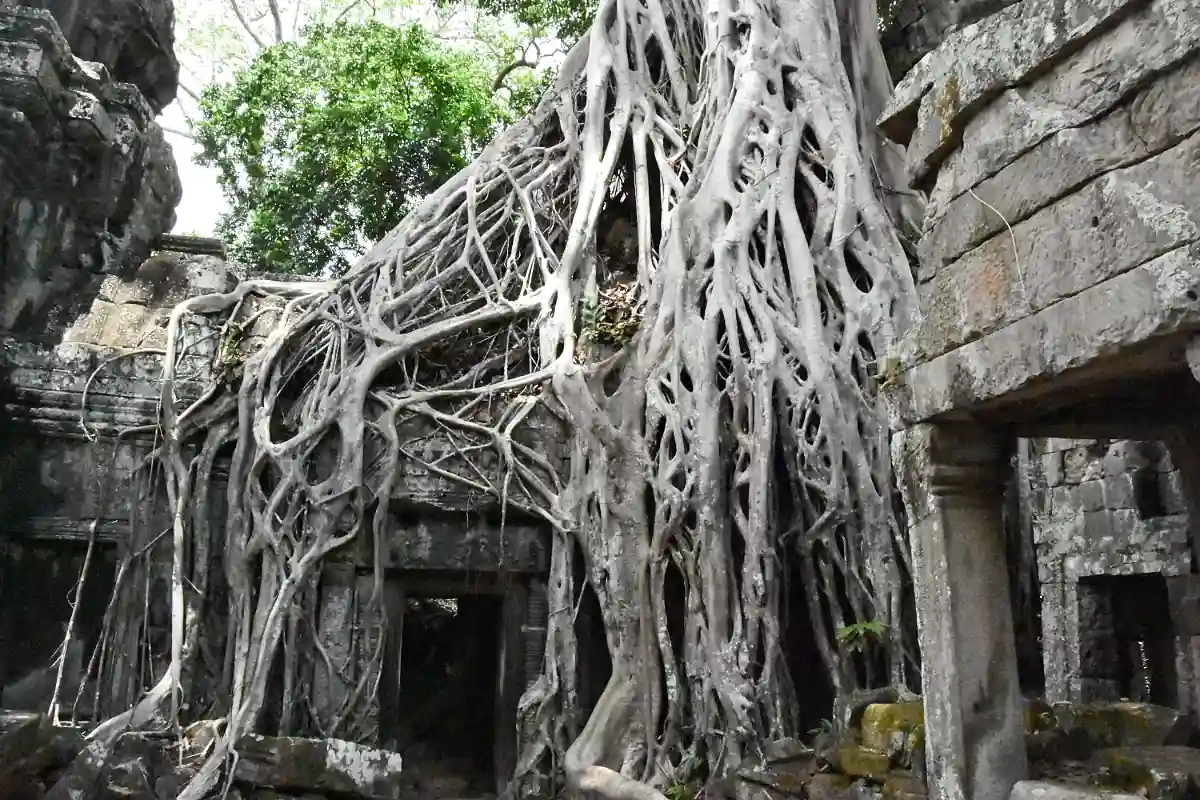
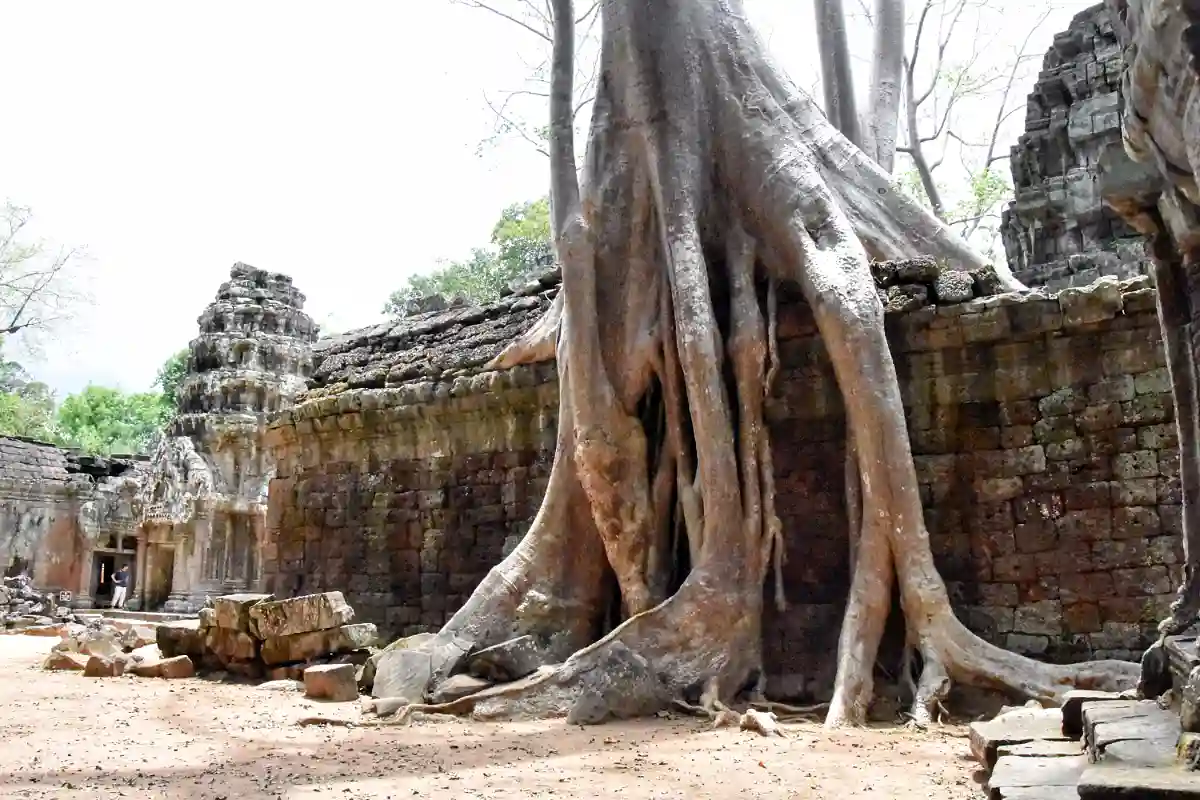
In Angkor Thom there are buildings so damaged by trees that they are beyond repair. The most famous is Ta Promh, which was the setting for the film ‘Lara Croft – Tomb raider.’ It looks as if aliens have invaded there. But it’s a tree called ‘spong’ that develops long and thick roots that burst their way through the stone.
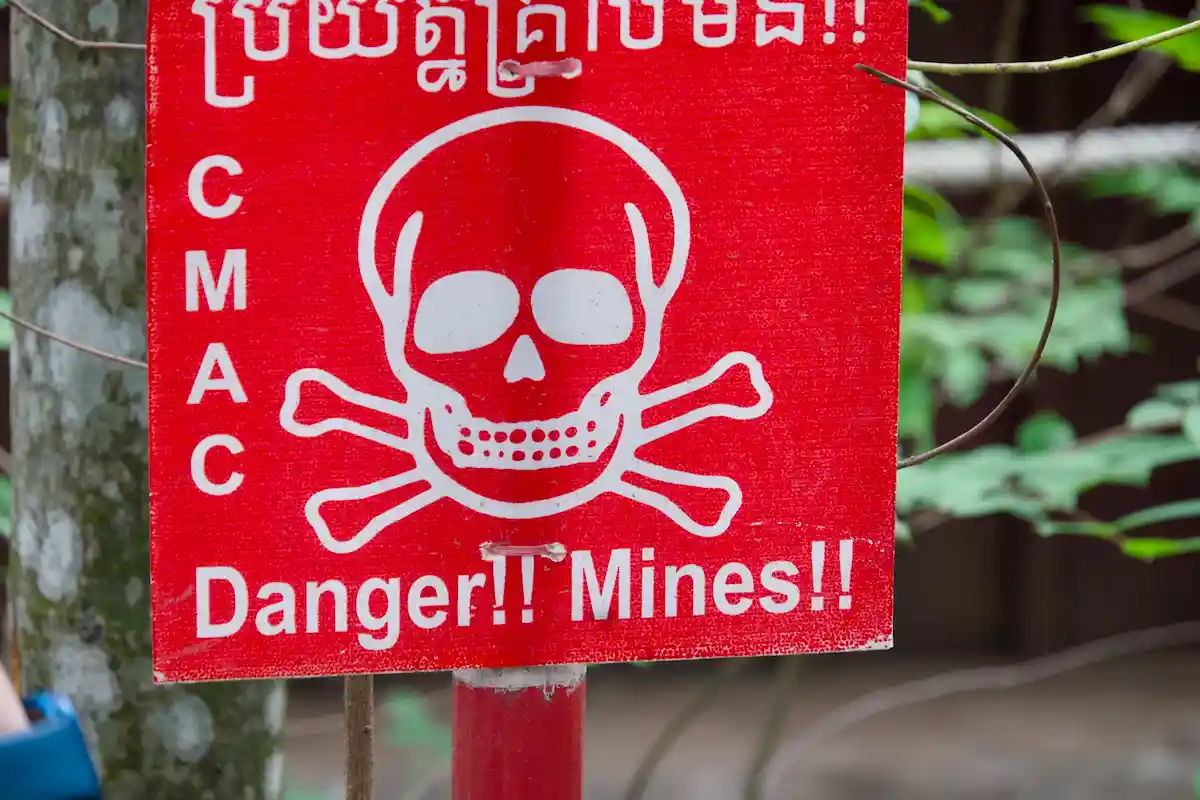
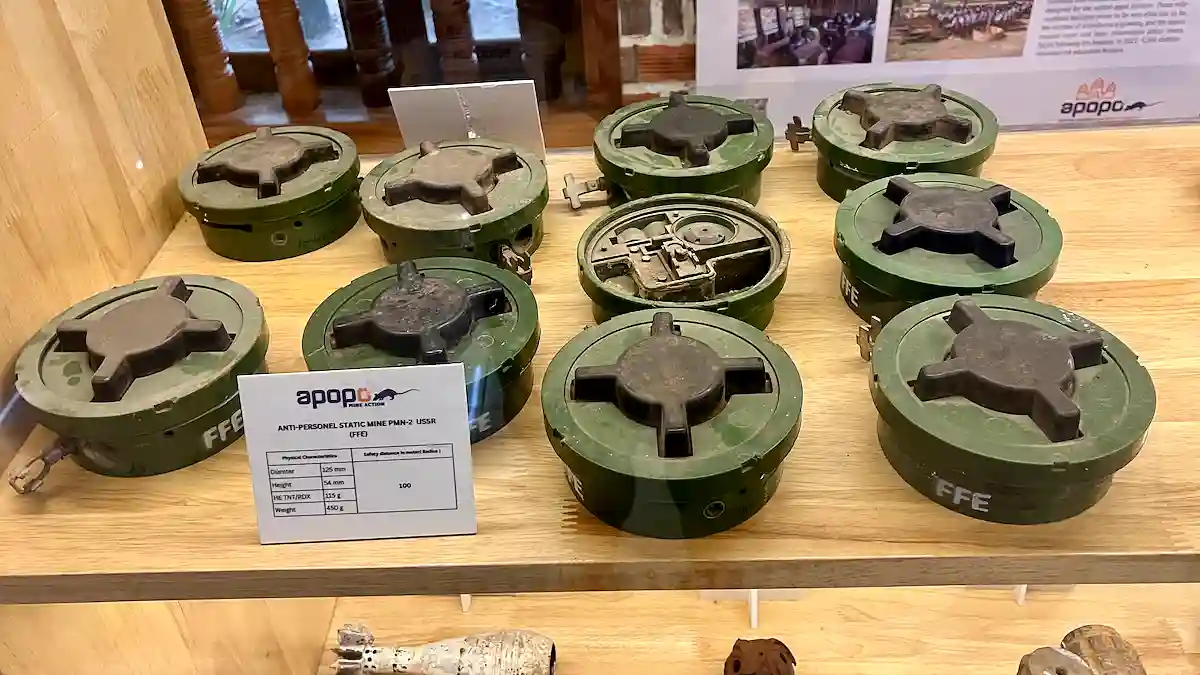
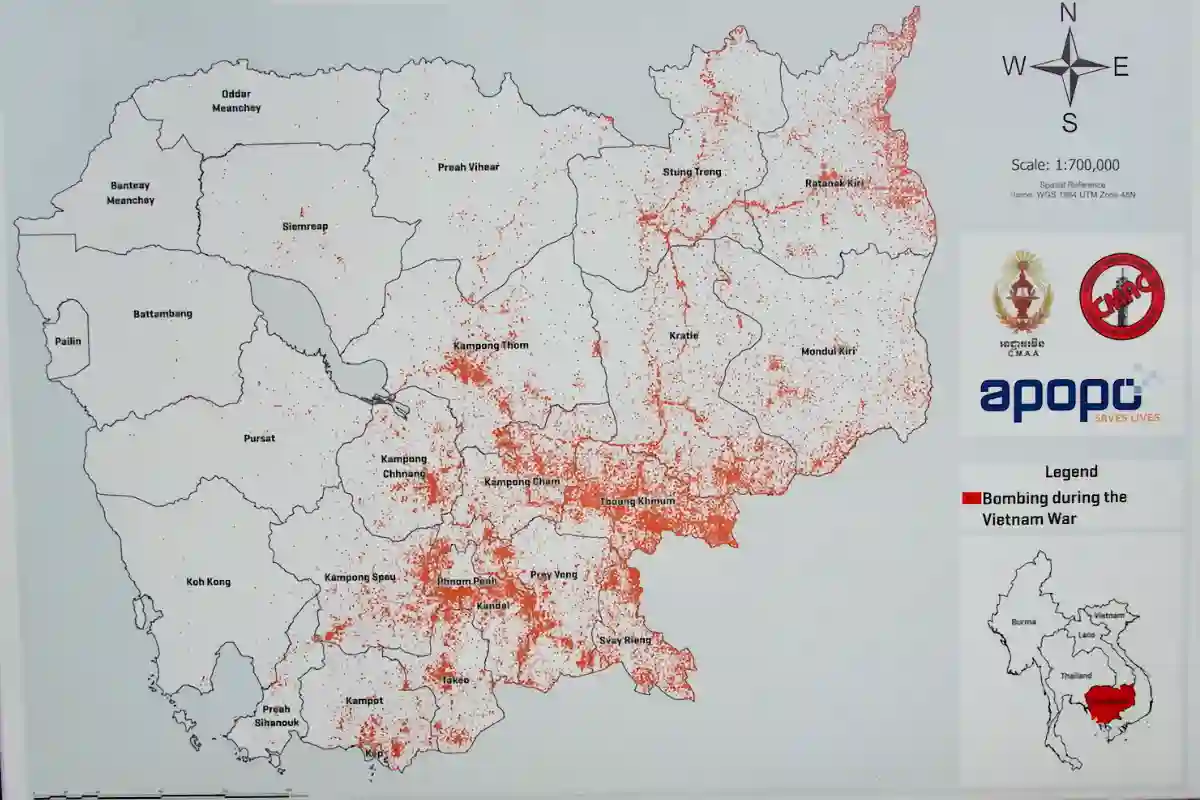
In a small, unassuming building on the outskirts of Siem Reap, we find something we have dreamed of experiencing for years. It houses the “hero rats”, small rodents trained to find the deadly remnants of war, buried mines and old bombs that still maim and kill people, especially children.

A WARNING YOU SEE HERE AND THERE IN CAMBODIA
ANTI-PERSONAL MINES DUG UP IN CAMBODIA
EACH RED DOT MARKS AN AMERICAN BOMBING IN CAMBODIA

It was Belgian Bart Weetjens who came up with the idea that this rat, which is virtually blind in daylight but has remarkably sensitive olfactory organs, could be used in mine clearance.

You can see how it works in the clip below. Once the rat has sniffed out an explosive object, the trainer clicks a metal moj and the rat goes off to get a reward.

In Cambodia, where there are large areas of landmines and many unexploded bombs from the Vietnam War, African giant pouched rats have been helping to clear large areas since 2014. They are known as hero rats for a reason, and they have even been trained to detect early stages of tuberculosis in humans. They really are little heroes!

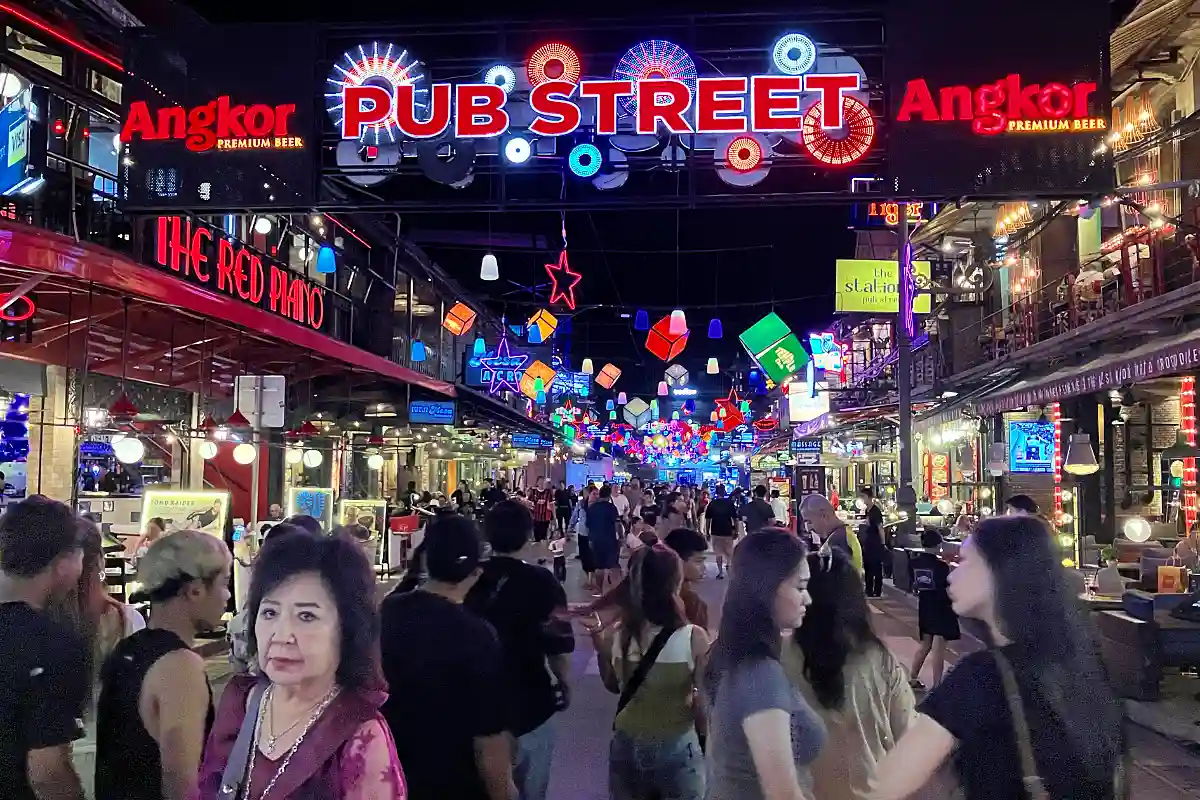
The town of Siem Reap itself, which is the starting point for visiting Angkor Vat and Angkor Thom, is a somewhat anonymous small town but with elements of tourist traps. One such is ‘Pub Street’ a wide pedestrian street that with adjacent blocks most resembles something borrowed from Bangkok. We only pass it when we walk home from Embassy, the sister restaurant to Sombok in Phnom Penh. Just as brilliantly good, with a slightly different profile.

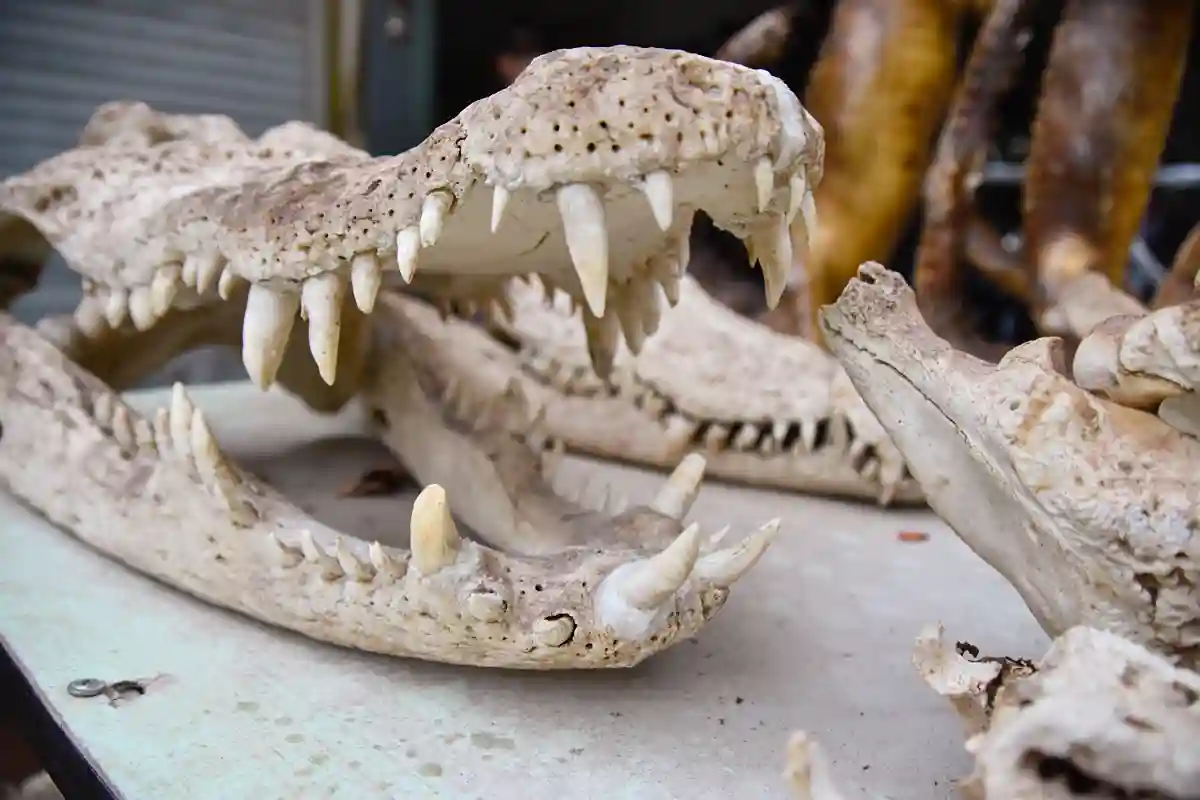
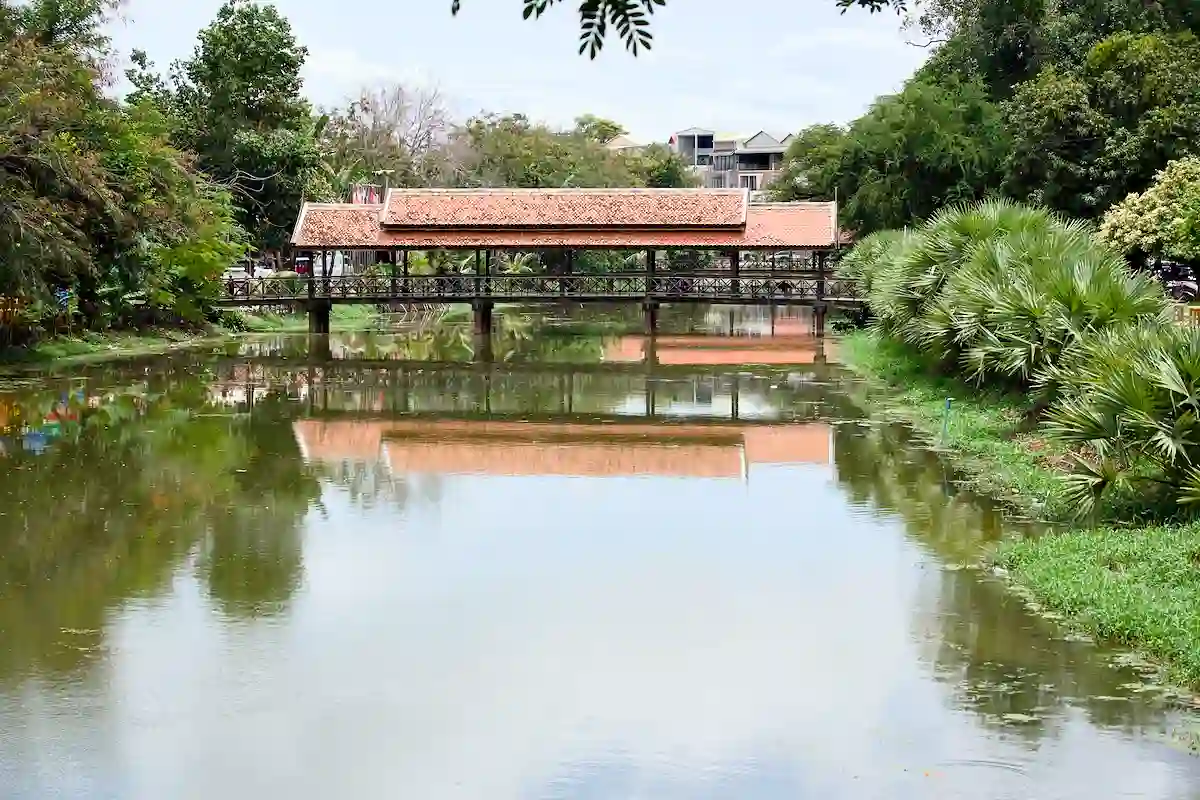
Here are some final pictures from Siem Reap:

This is the final part of three that describes our journey in Southeast Asia. To read more about the dramatic and somewhat similar history of the three countries, go here.