




Edit Template
Edit Template

Who are we?

This travel blog is created by me, Lars Aldman, a Swedish journalist and traveller, always in the company of my wonderful wife V. who is also a journalist and a fantastic photographer.

I worked for many years for the Swedish National Radio and Television, as a reporter/producer/studio host and a bunch of other roles.but now I’m retired and do whatever I like.

We love to visit foreign countries and cultures and meet people all over the globe. So far we have been to Asia, Africa, South America and the Caribbean and of course Europe. And we’d like to share with You, dear reader, what we have experienced and seen. We hope You want to join us and possibly find ideas for Your own adventures.

PS. To see more of my photos from journeys far and near, head over to aldmangallery.com

To contact us via mail: info@resormedv.se

Edit Template

More results…

Generic selectors
Exact matches only
Search in title
Search in content
Post Type Selectors
Search in pages

Edit Template
Edit Template

Who are we?

This travel blog is created by me, Lars Aldman, a Swedish journalist and traveller, always in the company of my wonderful wife V. who is also a journalist and a fantastic photographer.

I worked for many years for the Swedish National Radio and Television, as a reporter/producer/studio host and a bunch of other roles.but now I’m retired and do whatever I like.

We love to visit foreign countries and cultures and meet people all over the globe. So far we have been to Asia, Africa, South America and the Caribbean and of course Europe. And we’d like to share with You, dear reader, what we have experienced and seen. We hope You want to join us and possibly find ideas for Your own adventures.

PS. To see more of my photos from journeys far and near, head over to aldmangallery.com

To contact us via mail: info@resormedv.se

Edit Template

More results…

Generic selectors
Exact matches only
Search in title
Search in content
Post Type Selectors
Search in pages

Travels with V

Vietnam

Travels with V

Vietnam

round-line-left-arrow
back
Edit Template
round-line-left-arrow
Edit Template

High spirits for dramatic anniversary

Hanoi part 1

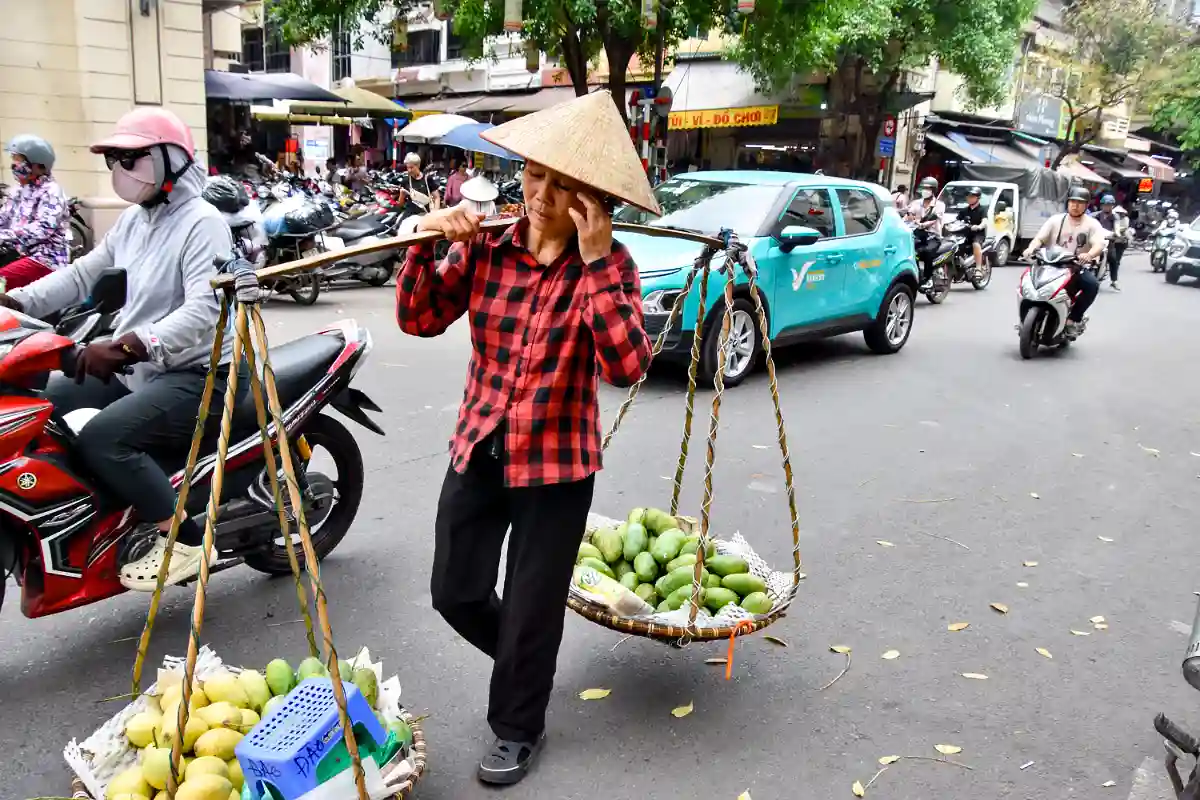
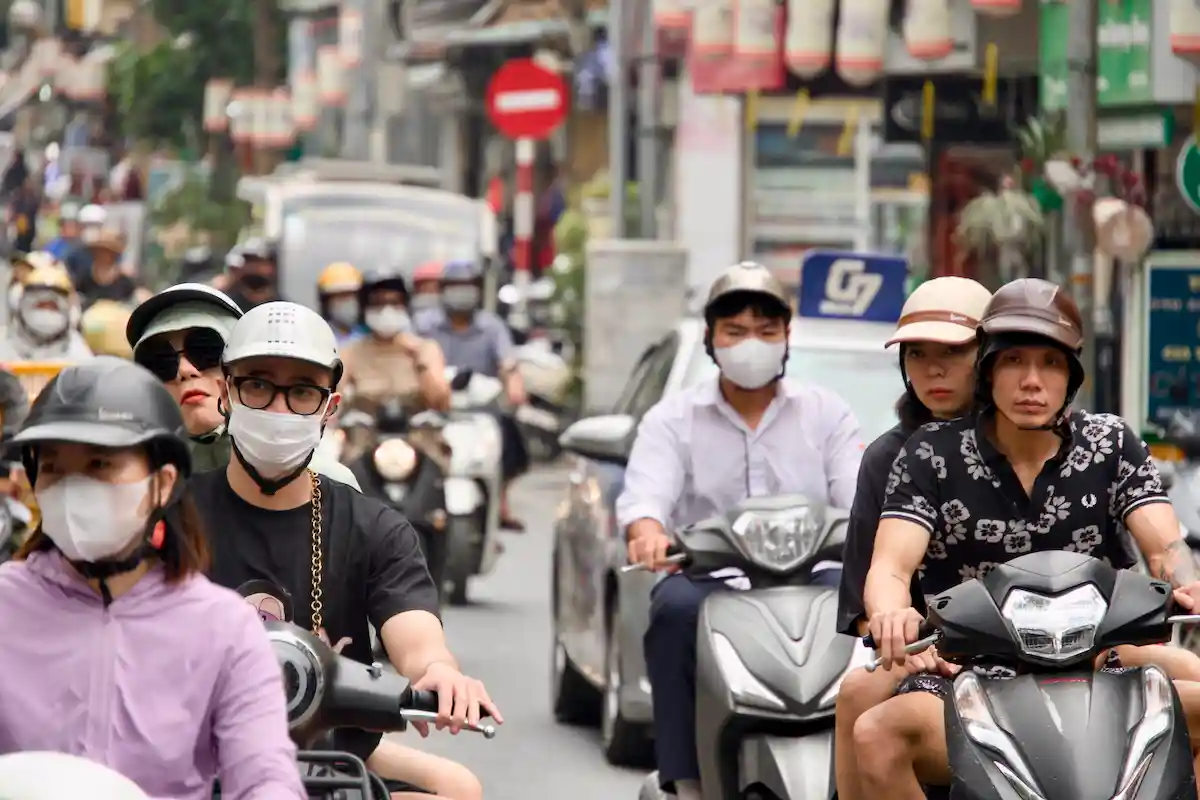
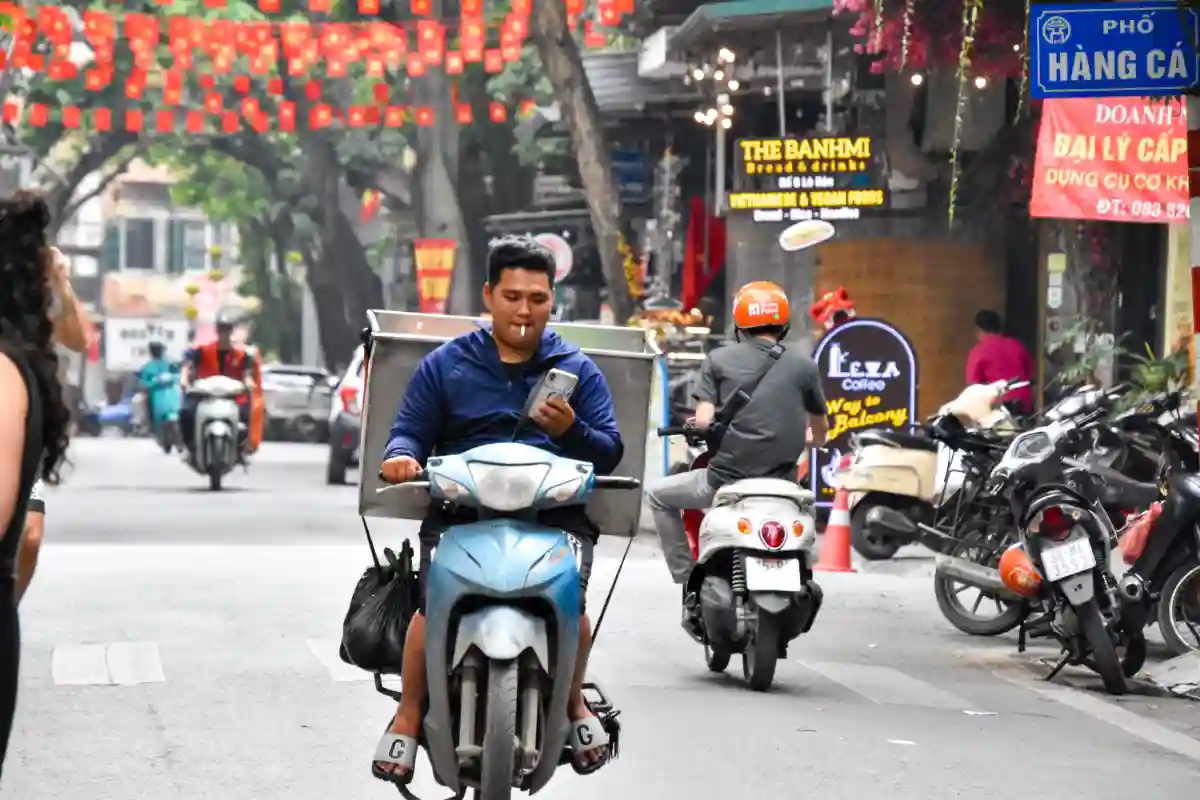
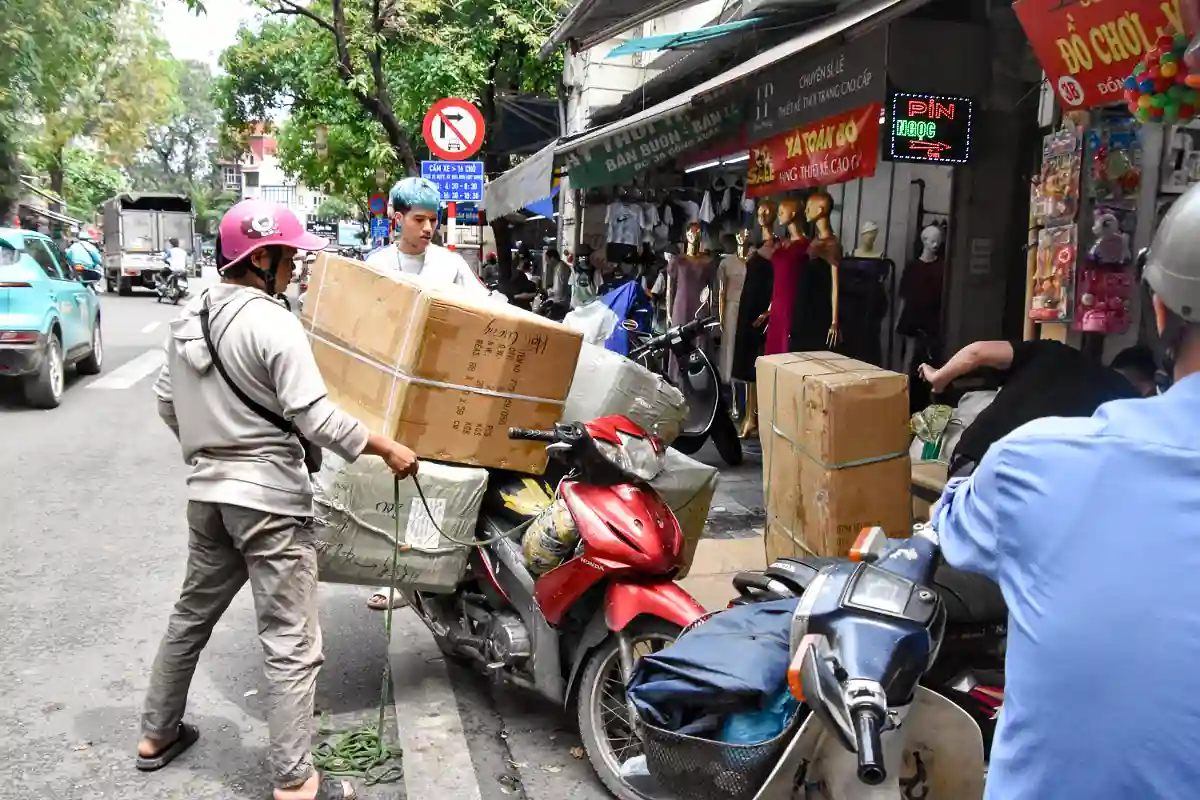
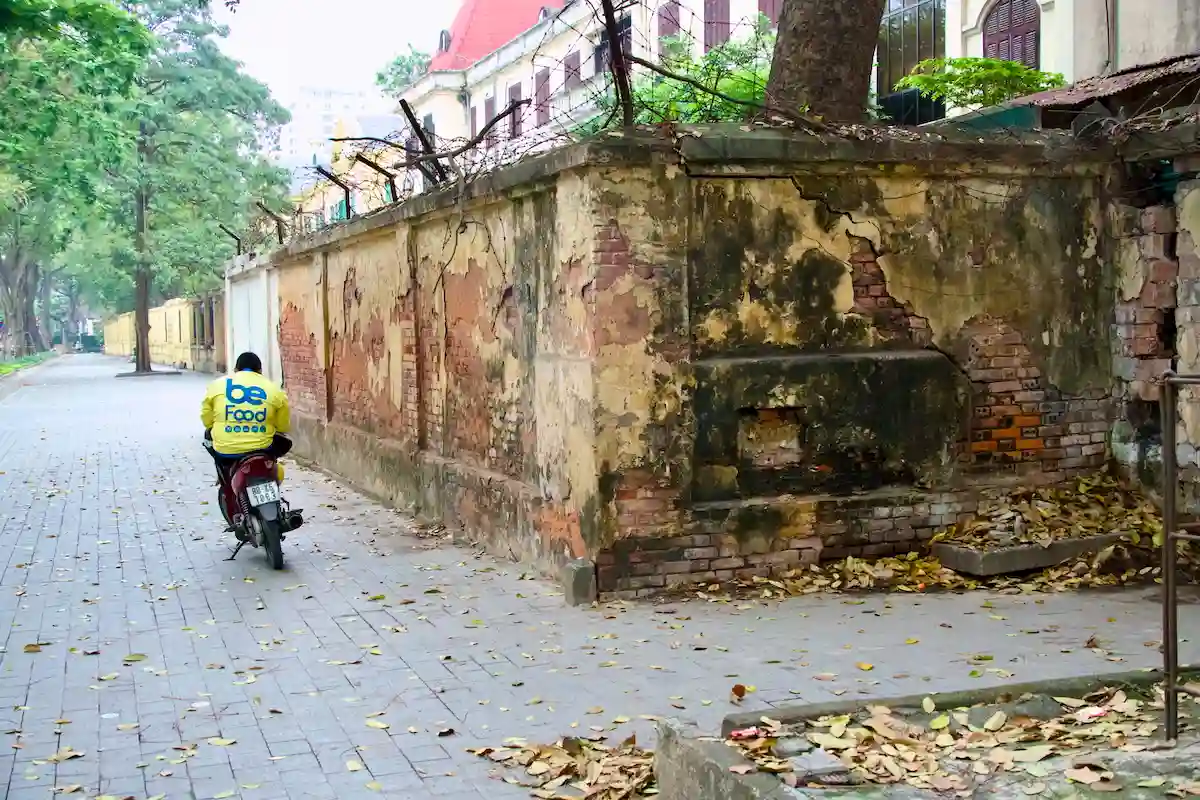
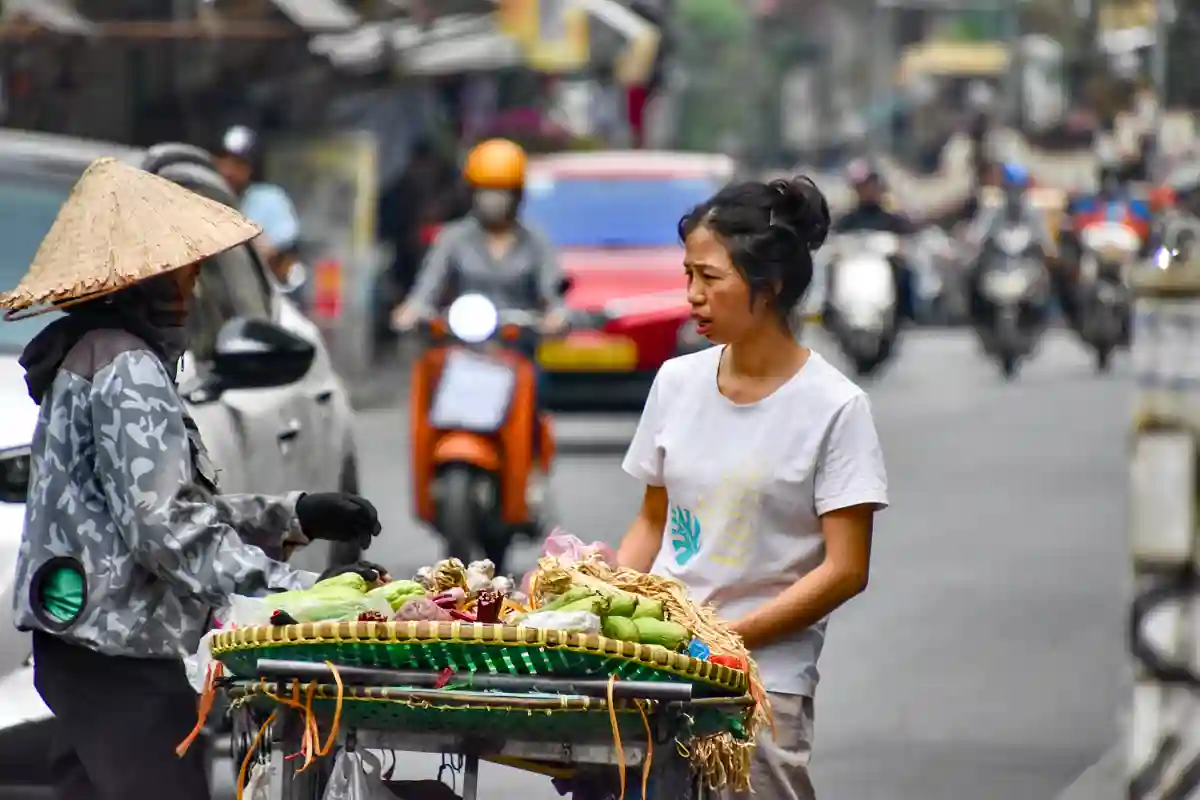
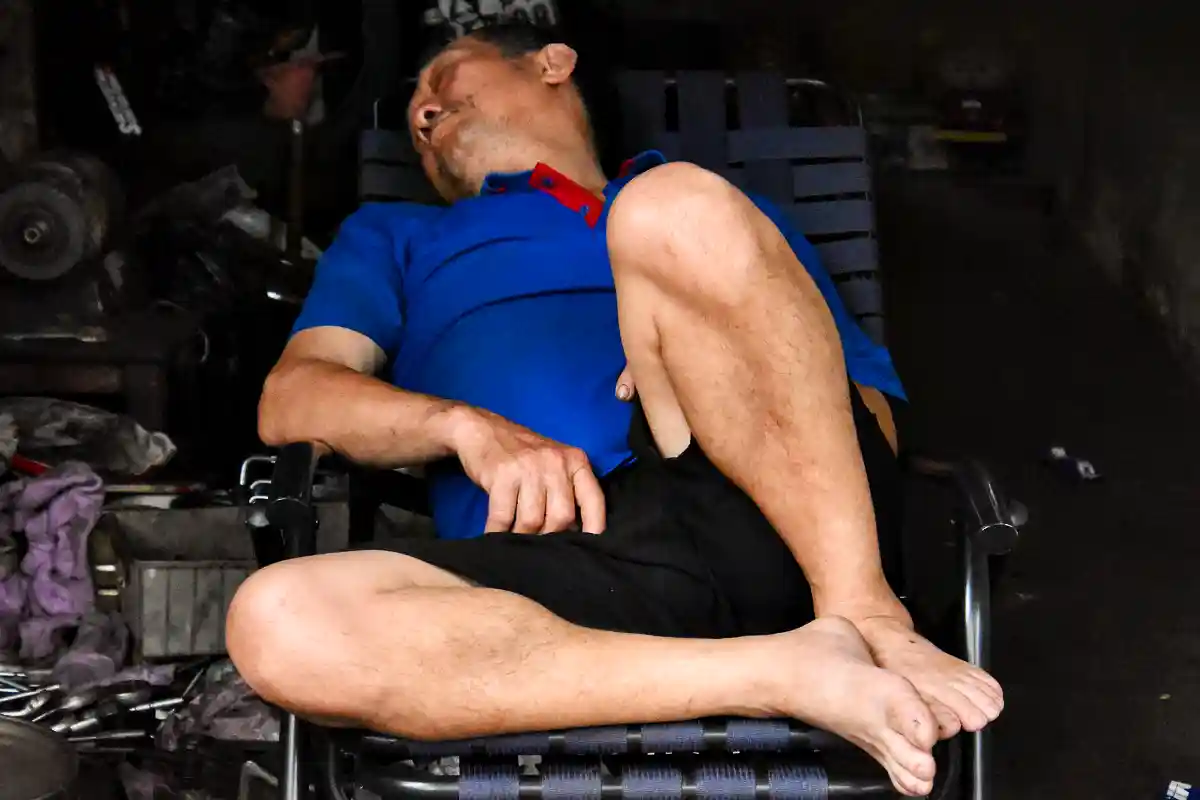
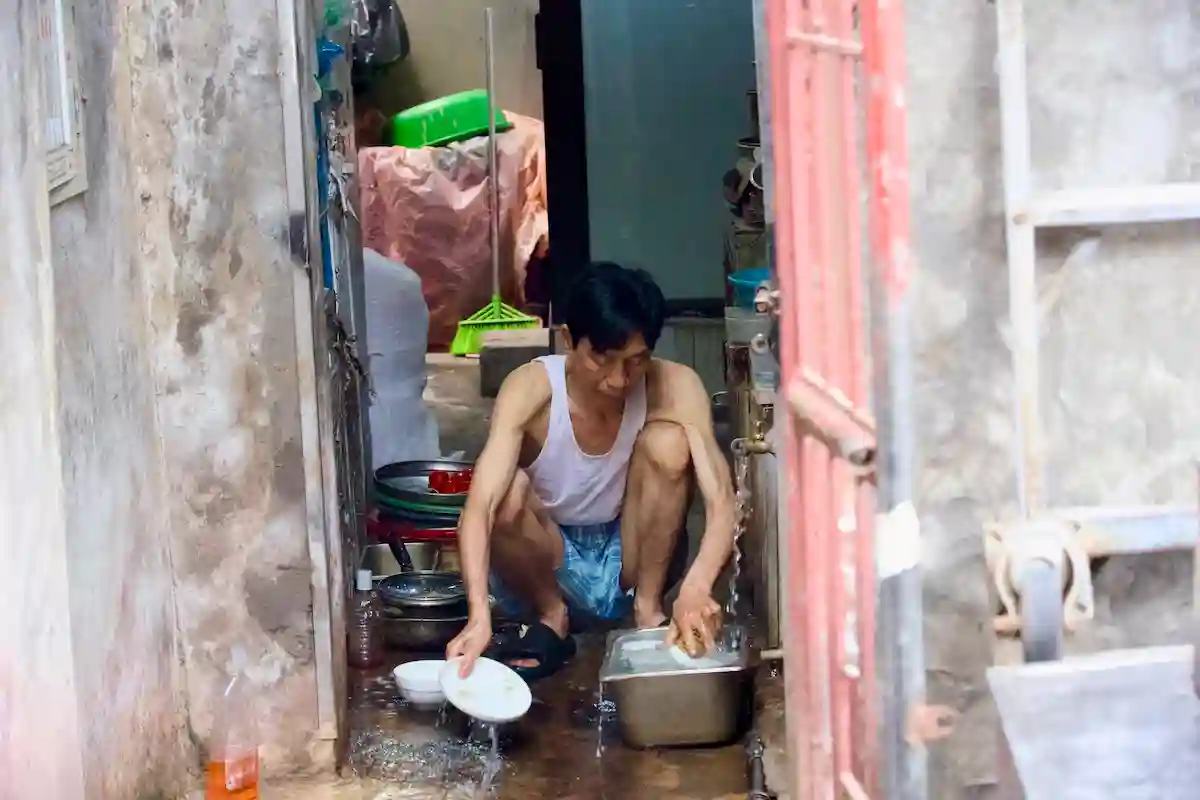
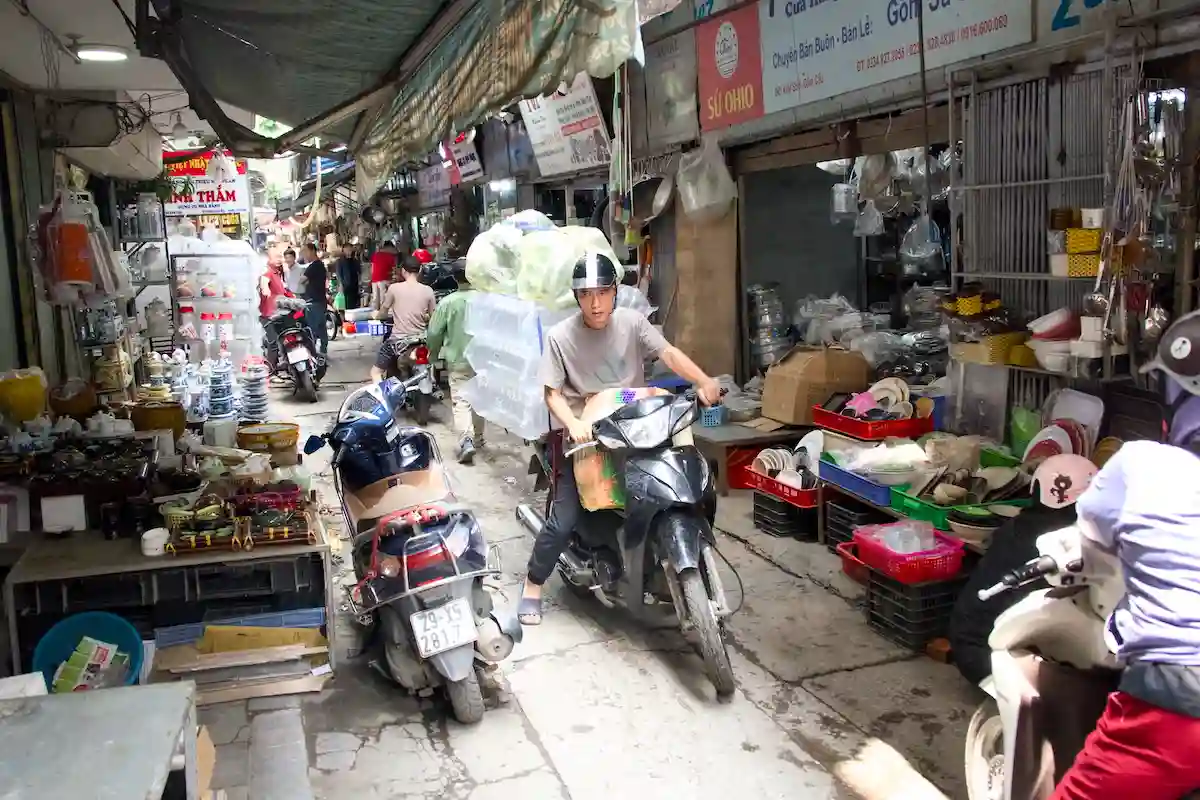
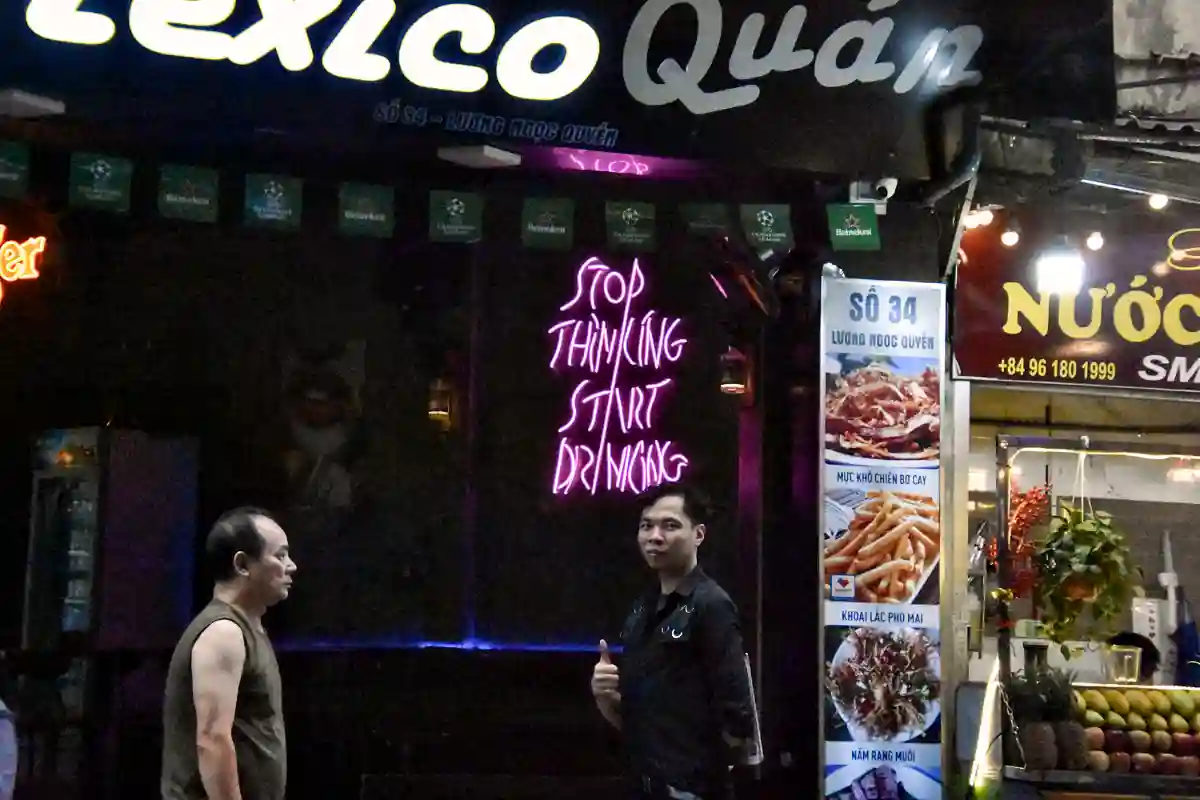
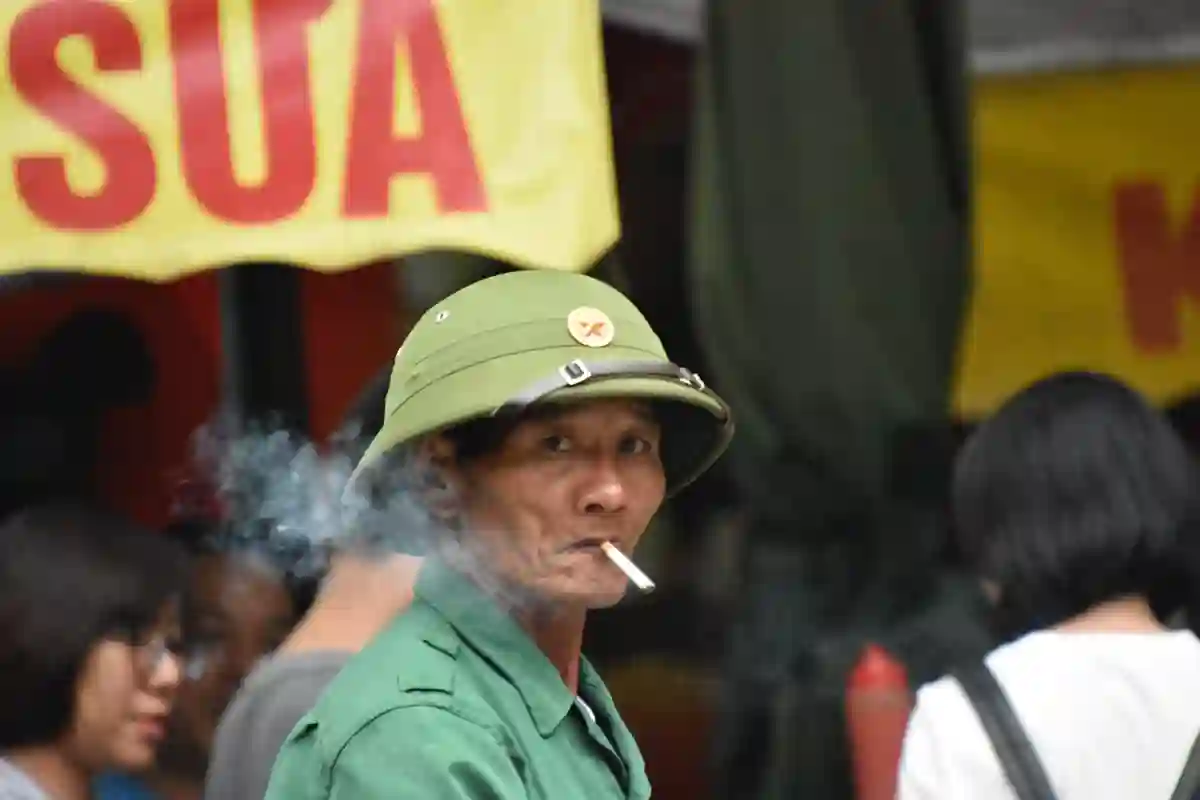
The contrast between the mellow, polite Korea and our next destination, Vietnam, could hardly be greater. Hanoi, our first stop, proves to be a hectic and impatient city with totally anarchic traffic, where by far the most used vehicle function is the signal horn.

You honk and drive, with the traffic or against it. Or across it. If there is a traffic light (not so common) you ignore it. You park everywhere and anywhere, preferably on the pavement. Walking the streets in a city in Vietnam is like playing roulette with the devil, you are constantly forced out into the traffic because the pavement is jammed with motorbikes or cars. The art is to cross the street calmly and methodically. It is hard and dangerous to learn.

The Vietnamese language is perfectly suited to this restless pace. All words are monosyllabic, containing only one vowel or at most two together. This creates short words that are spat out at breakneck speed. This machine-gun language is often spoken loudly, roared or shouted.

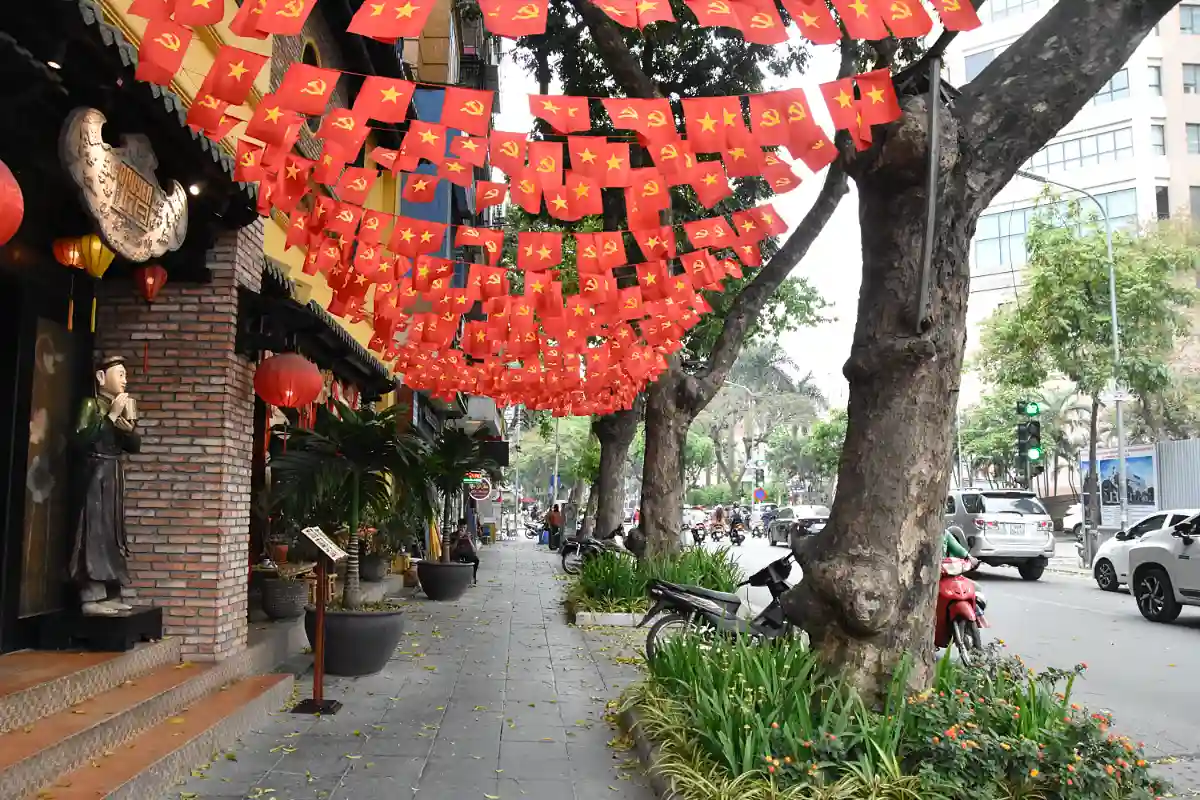
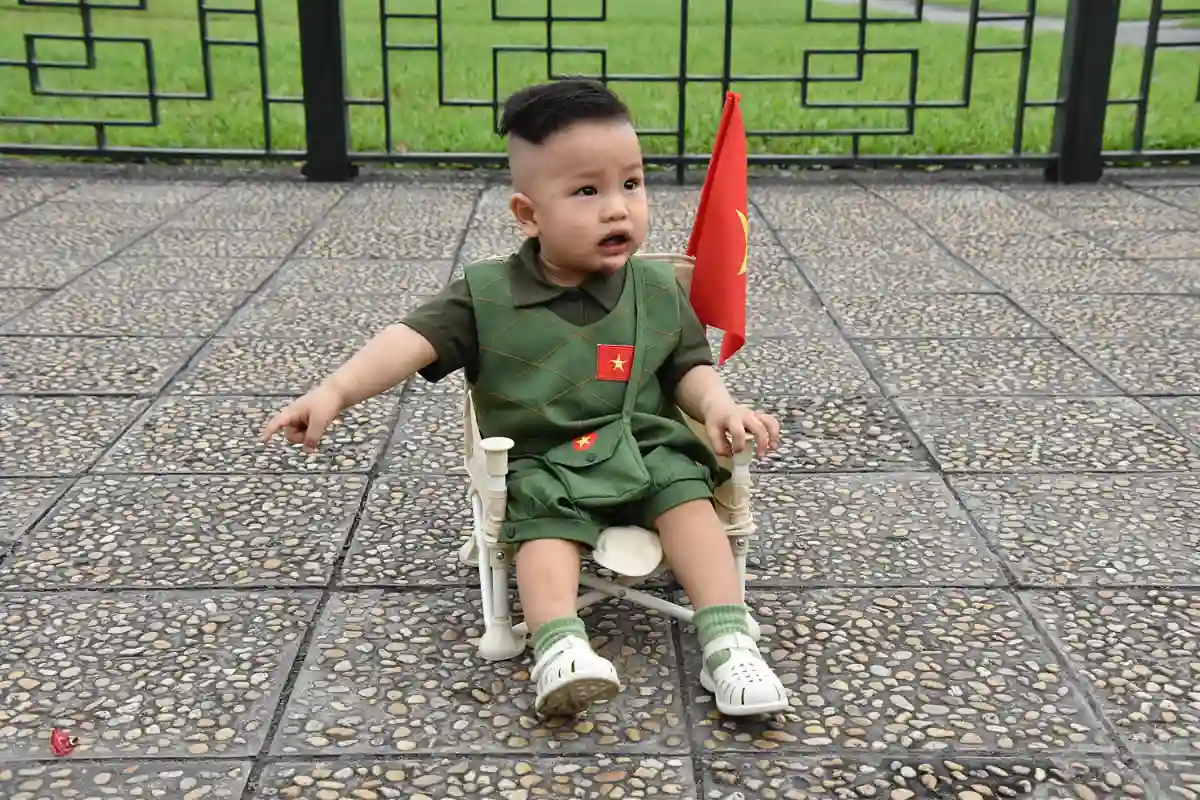
In the capital city of Hanoi, the mood is upbeat these days at the end of April. The celebration of the fiftieth anniversary of Reunification Day, when the United States left South Vietnam and the country was unified, is approaching. The city is decorated with red banners, bunting and thousands of small, bright red paper flags with the yellow star or hammer and sickle on a red background.

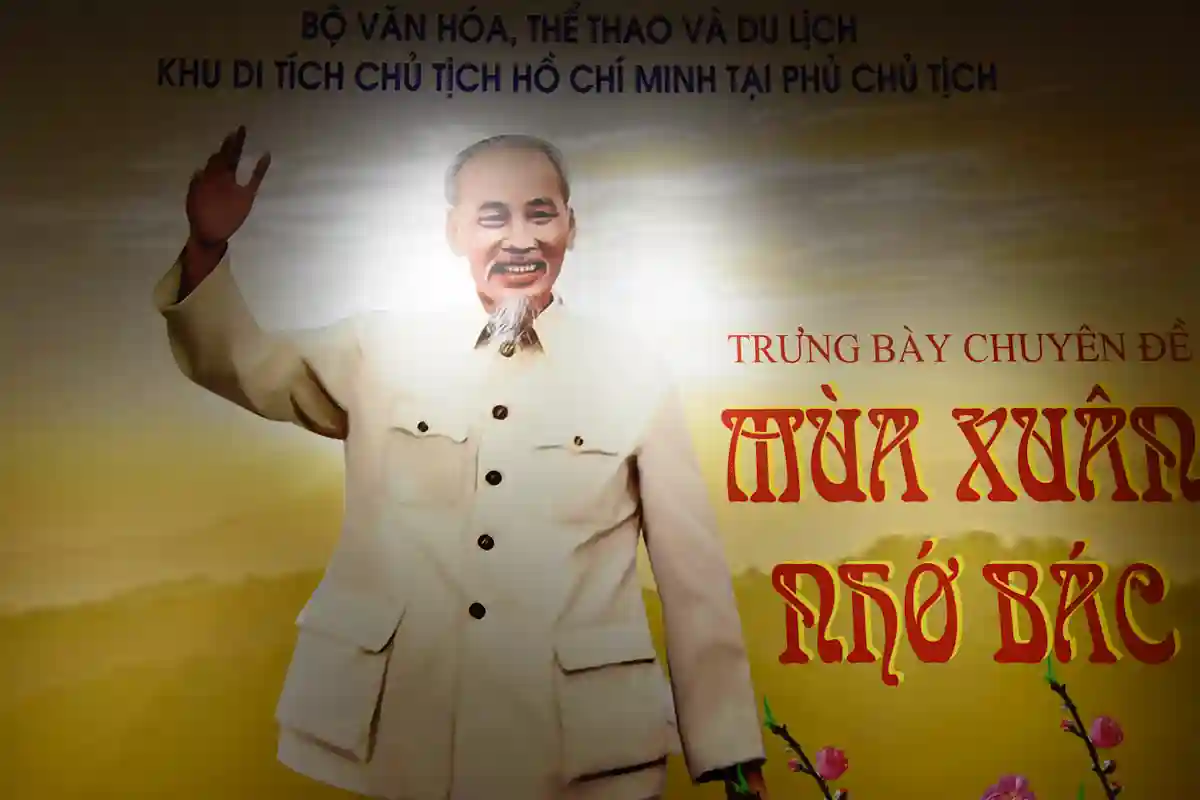
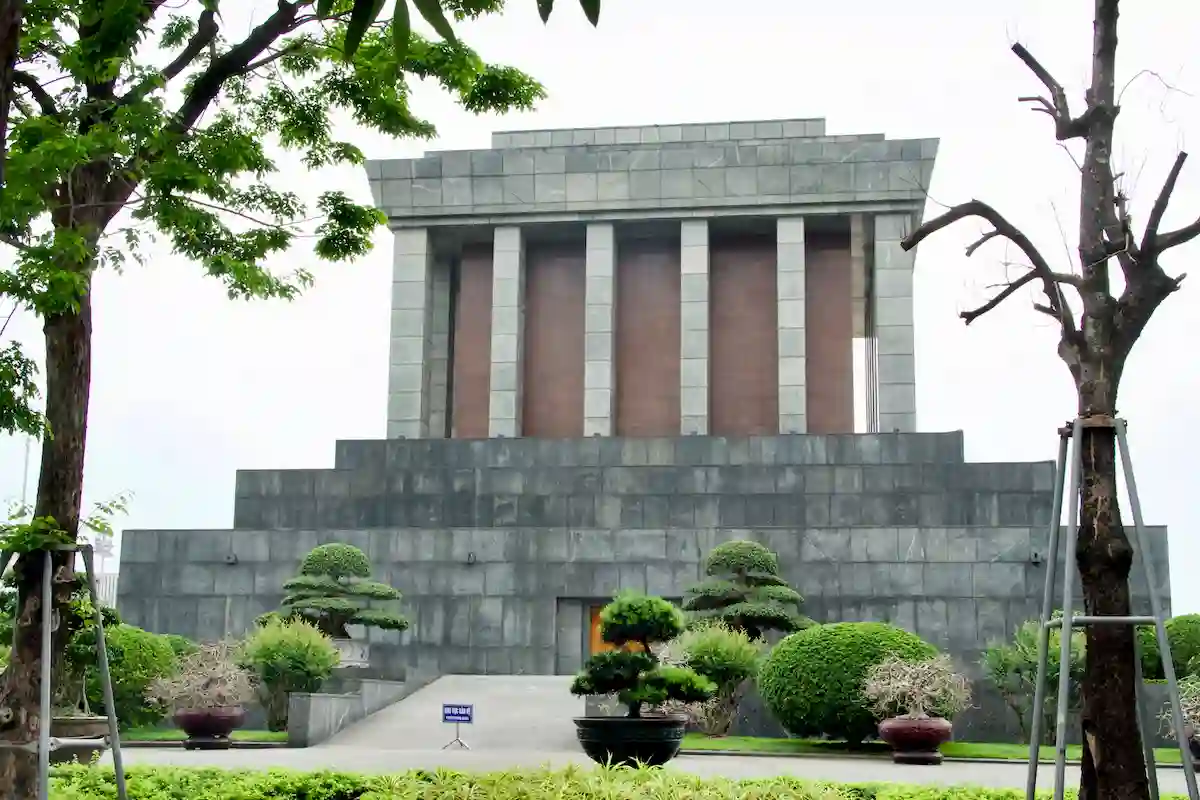
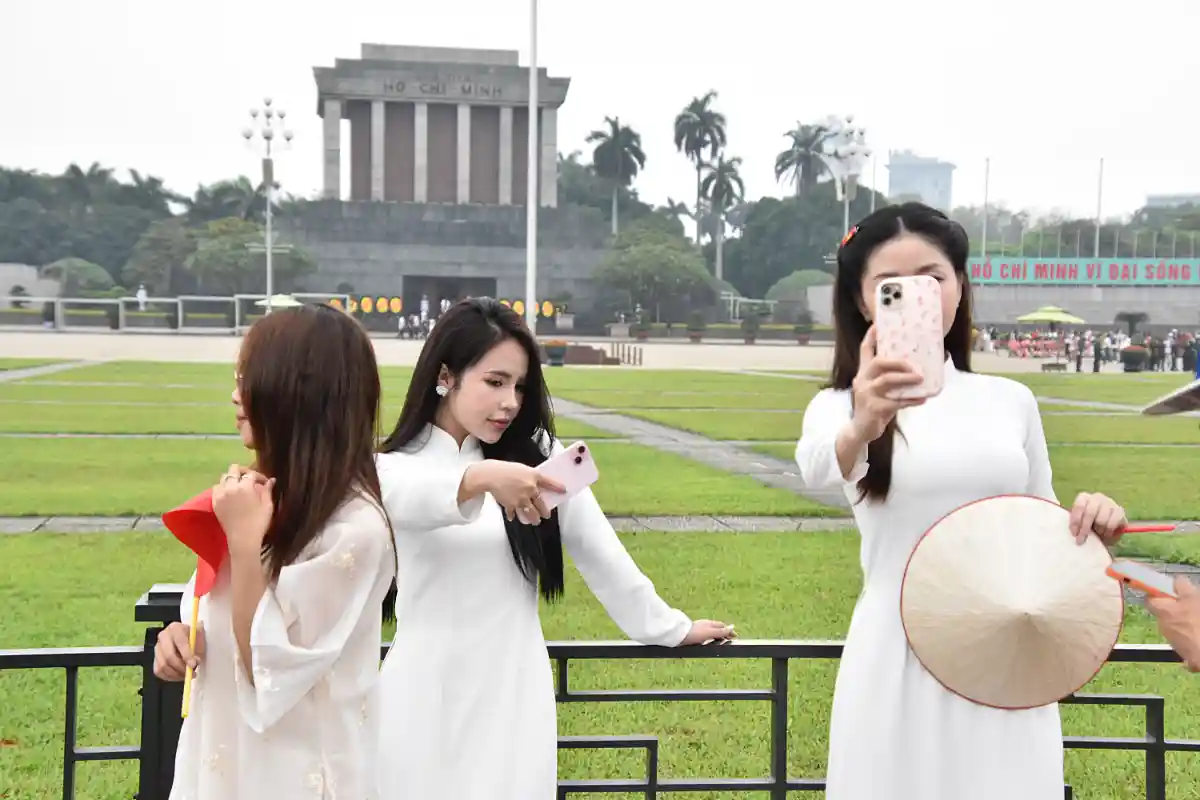
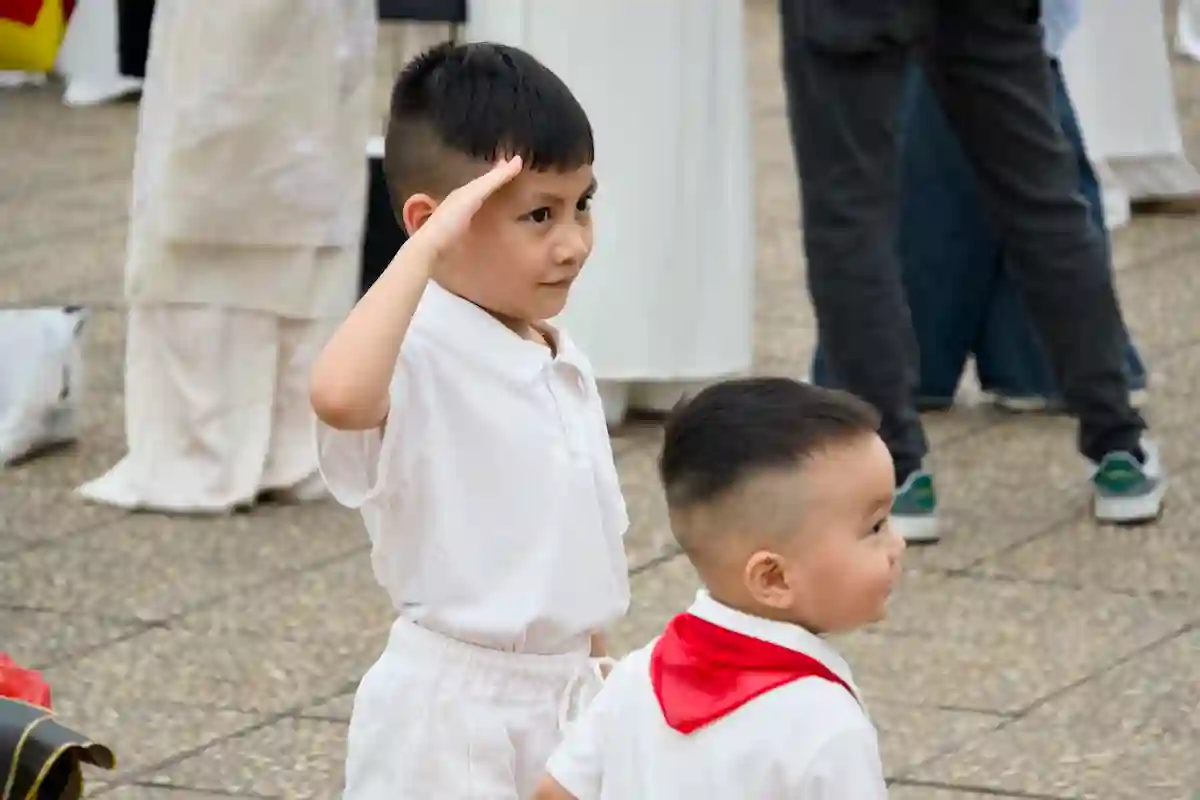
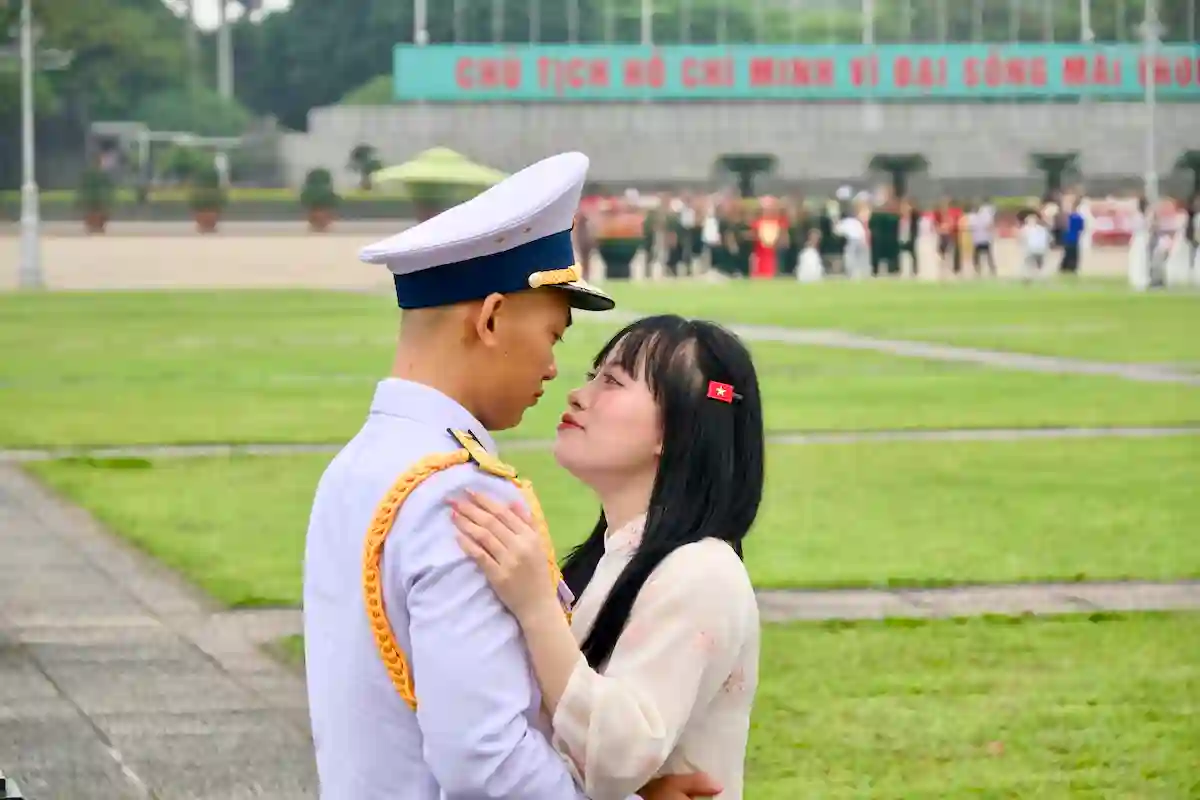
In a large park in Hanoi there is a big cubic grey building on a grey stepped rise. It’s a mausoleum where the embalmed body of the legendary Ho Chi Minh lies in a glass coffin. We are there joined by groups of small children, soldiers and ordinary vietnamese tourists. We have to hand over our cameras and phones at a series of checkpoints along a long walk from the entrance down to the mausoleum. Once inside, we have to walk around the glass coffin at quite a brisk pace. The mood is quiet and serious, with armed guards everywhere.

But Ho didn’t really want it to be like this. His explicit wish was that after his death he would be cremated.

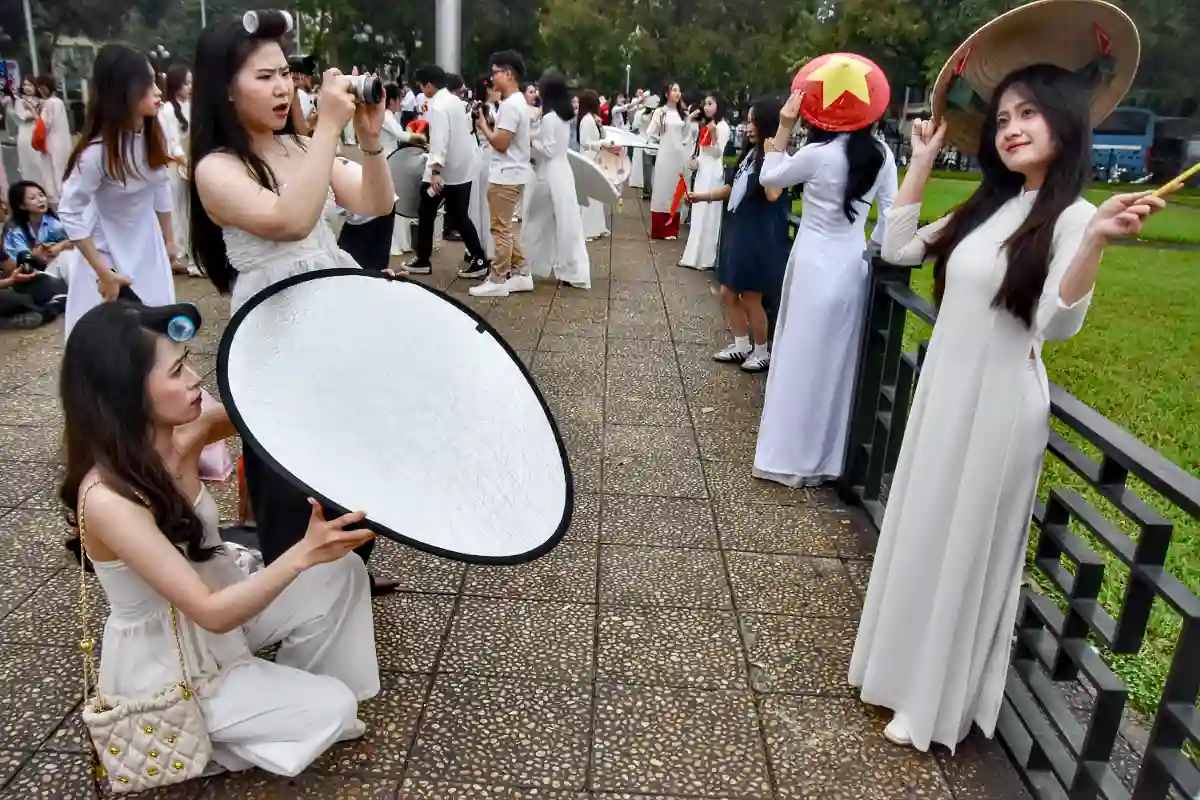
Hundreds of people are gathered on the street that runs alongside the park, most of them young women wearing the “ao dai”, the long white dress that is Vietnam’s national costume. Well made up and with their hair up, they pose for an army of photographers with tripods and reflective screens. Some salute the mausoleum in the background, many hold the Vietnamese flag.

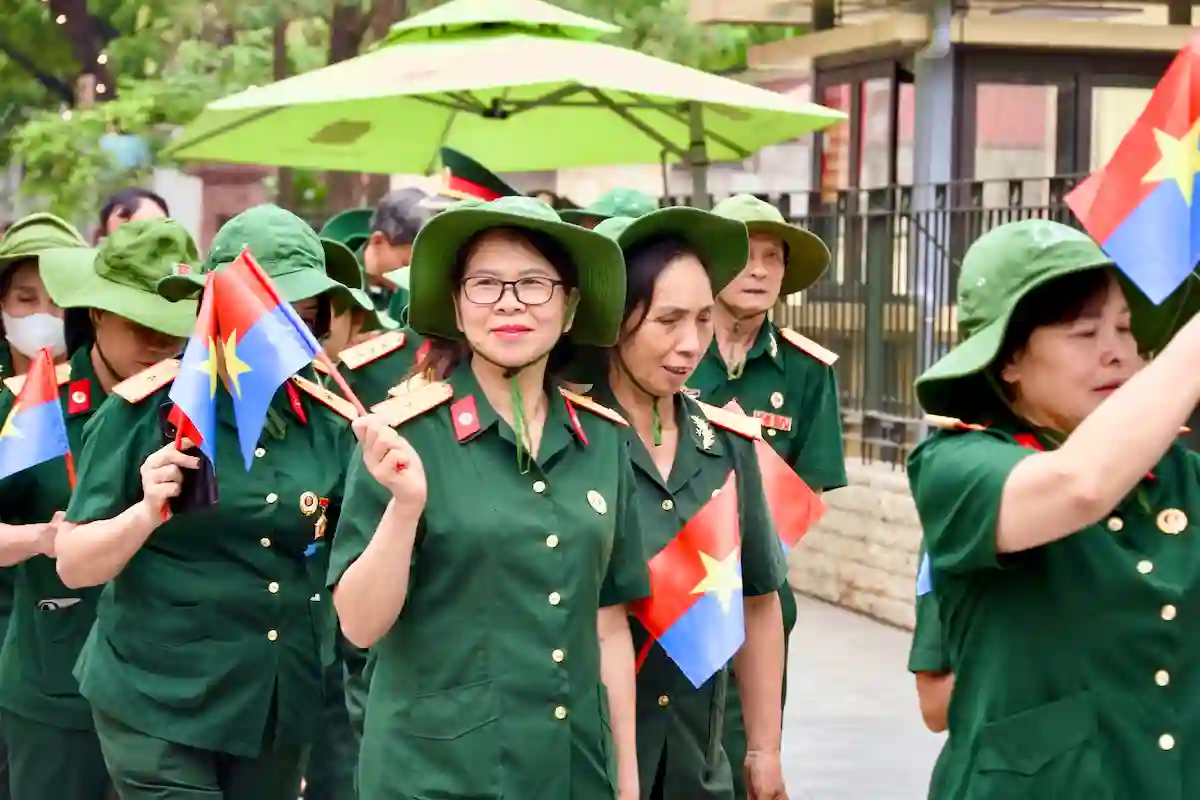
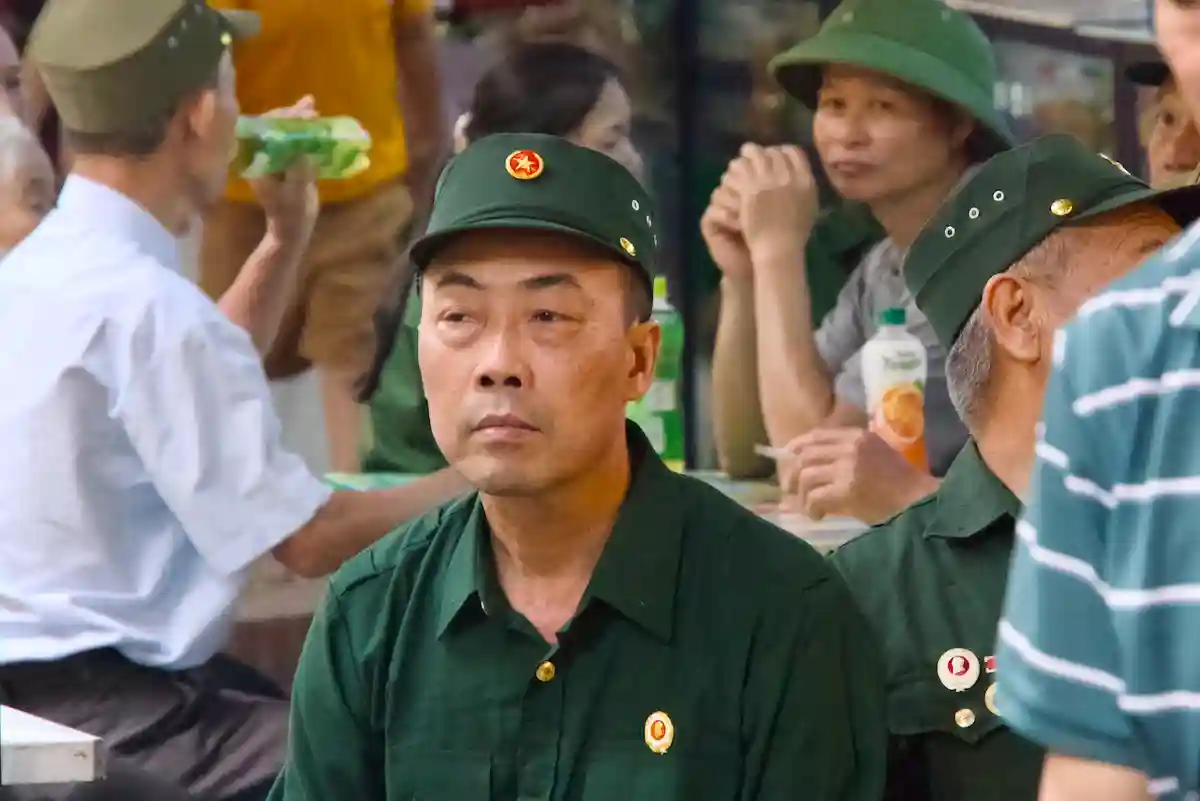
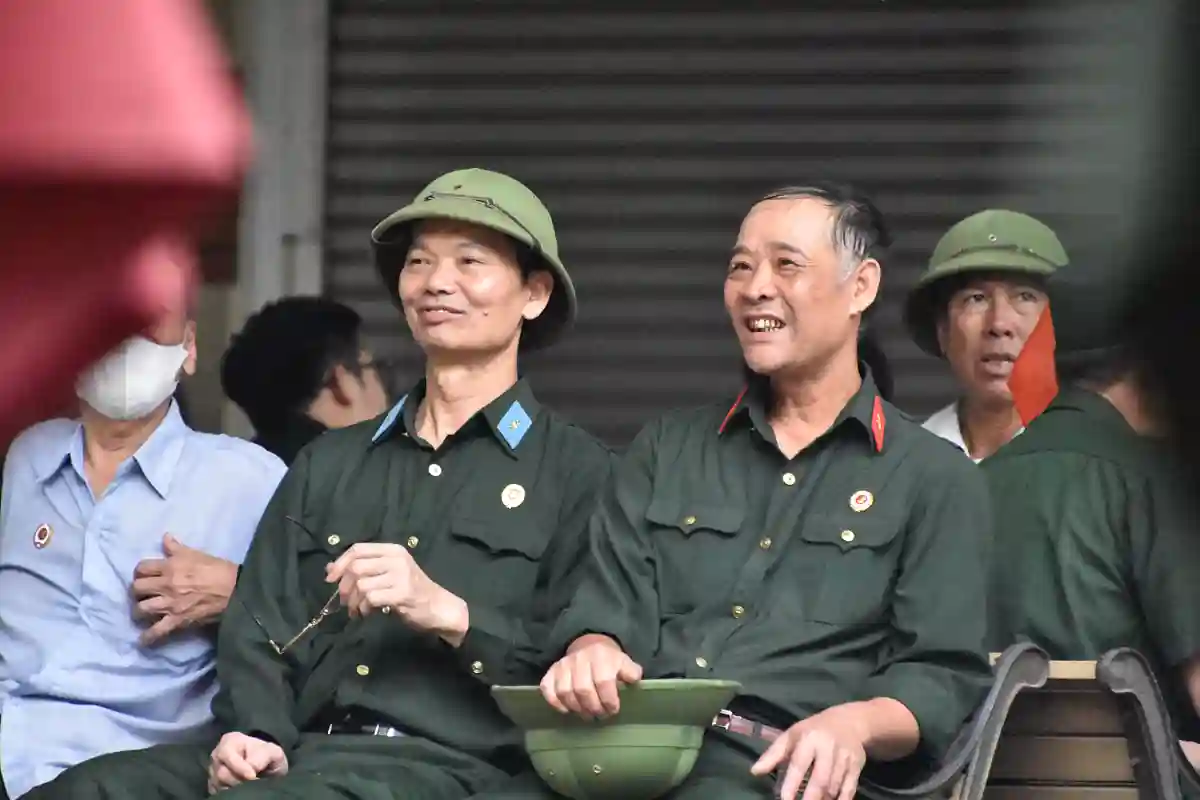
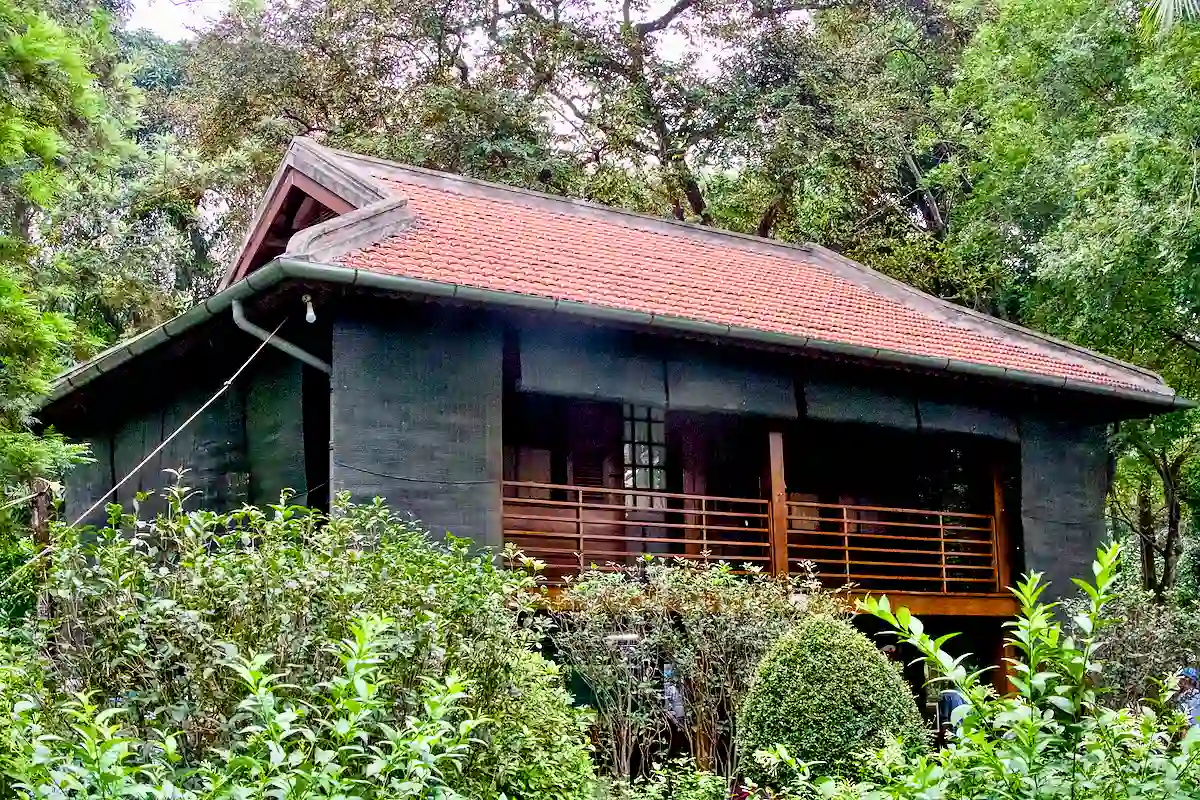
In the park where the mausoleum is located, there are also buildings where “Uncle Ho” lived and worked. At one of them, the ‘House on stilts’, we are walking up a narrow staircase when a group of uniformed older men are coming down. To my utter amazement, they all stop in front of me, and one by one they smile kindly and shake my hand. Then they move on.

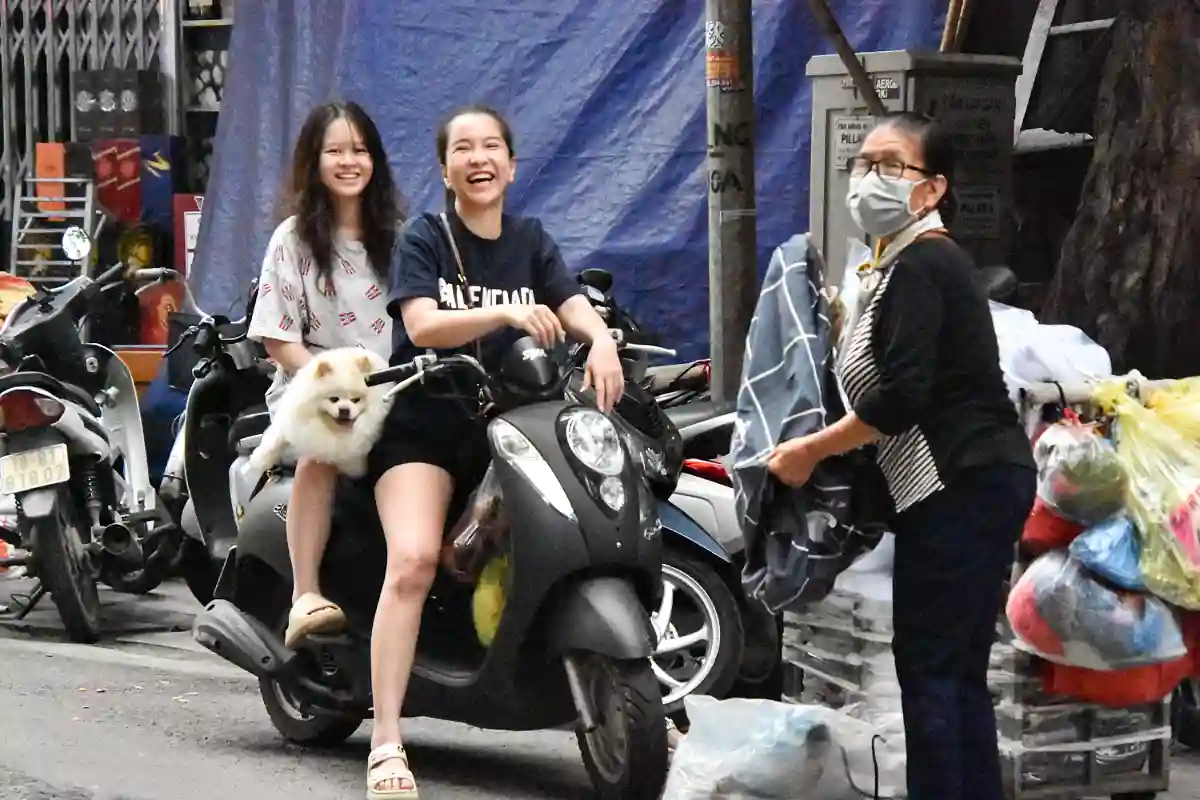
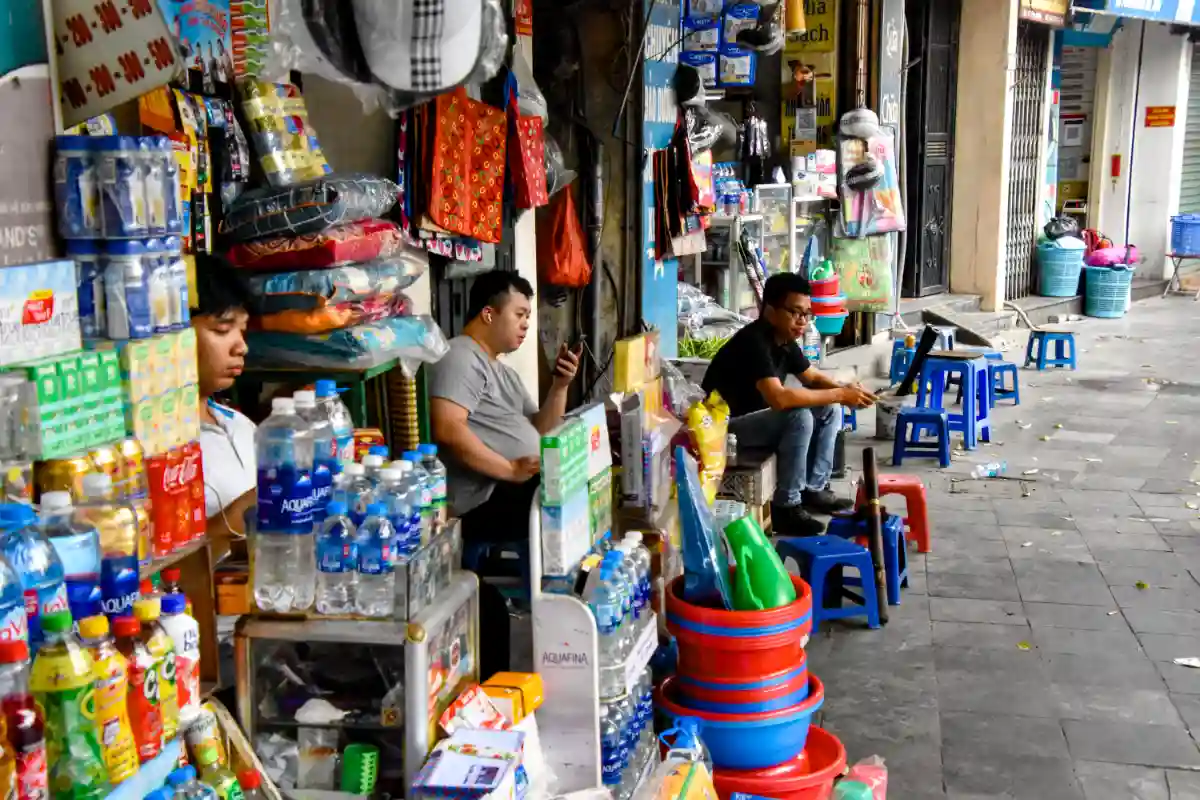
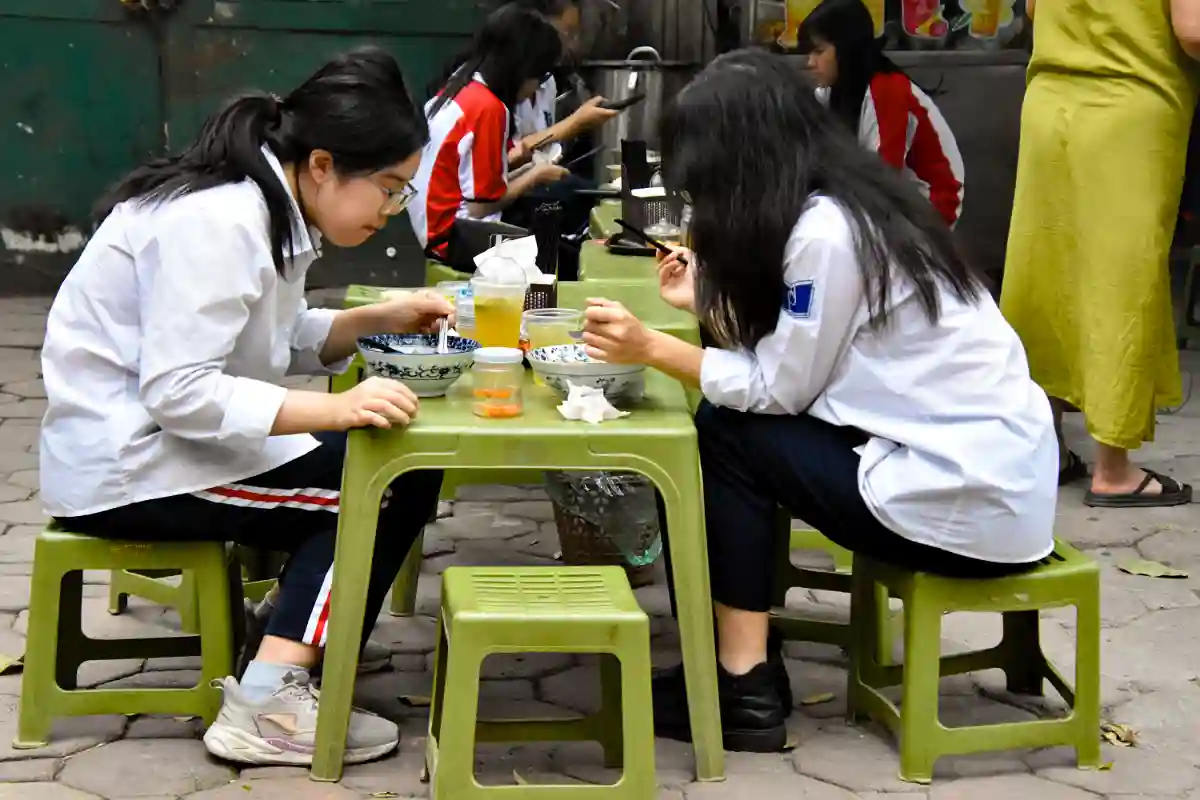
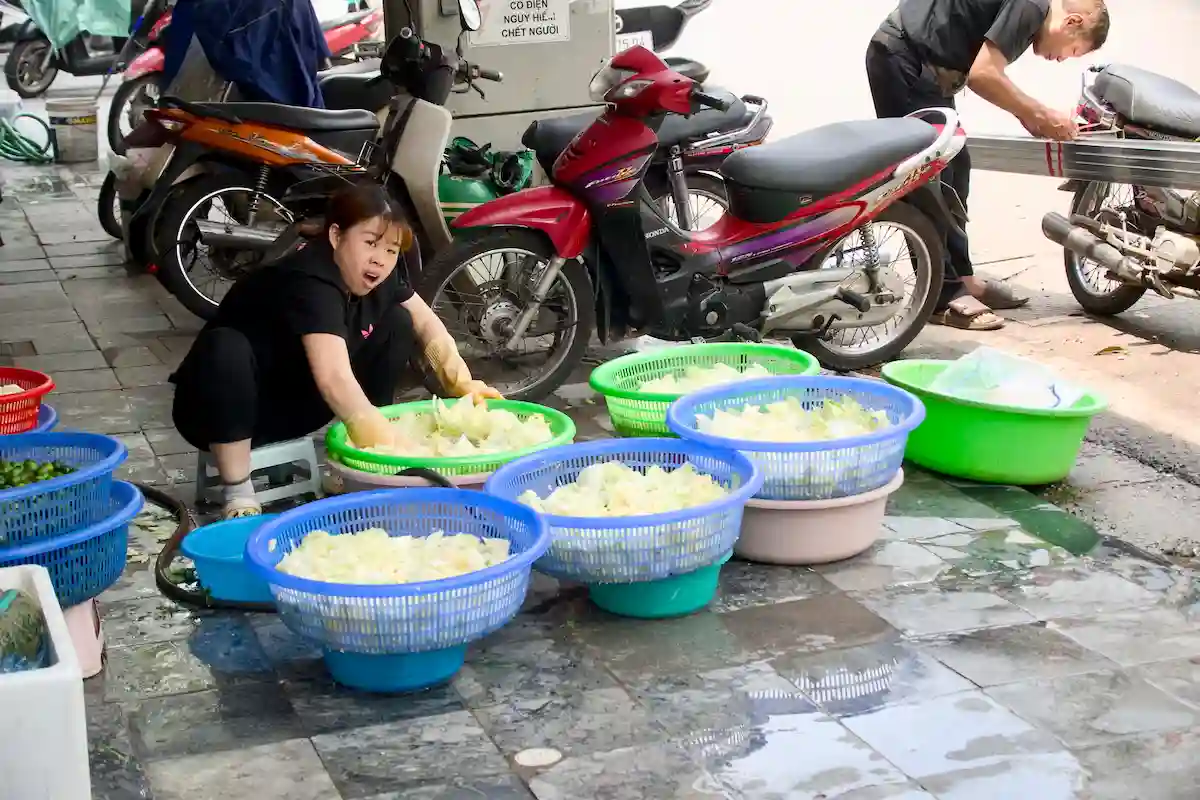
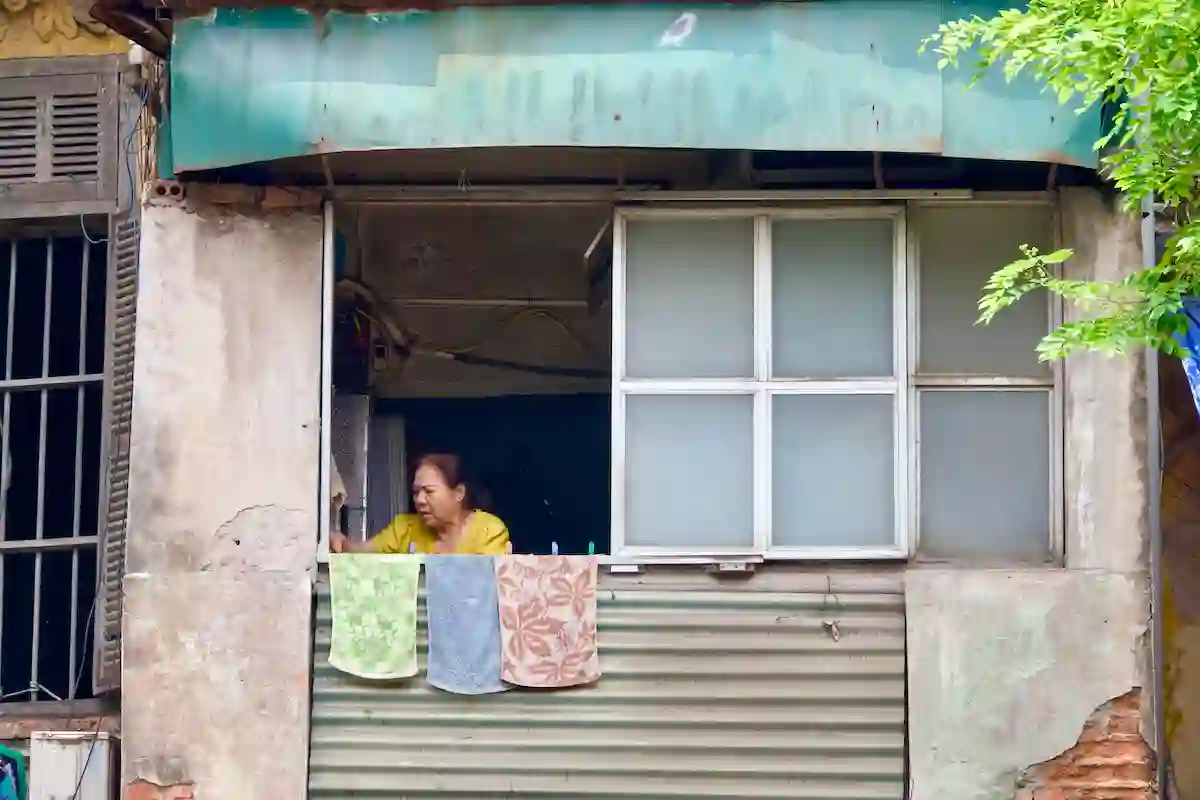
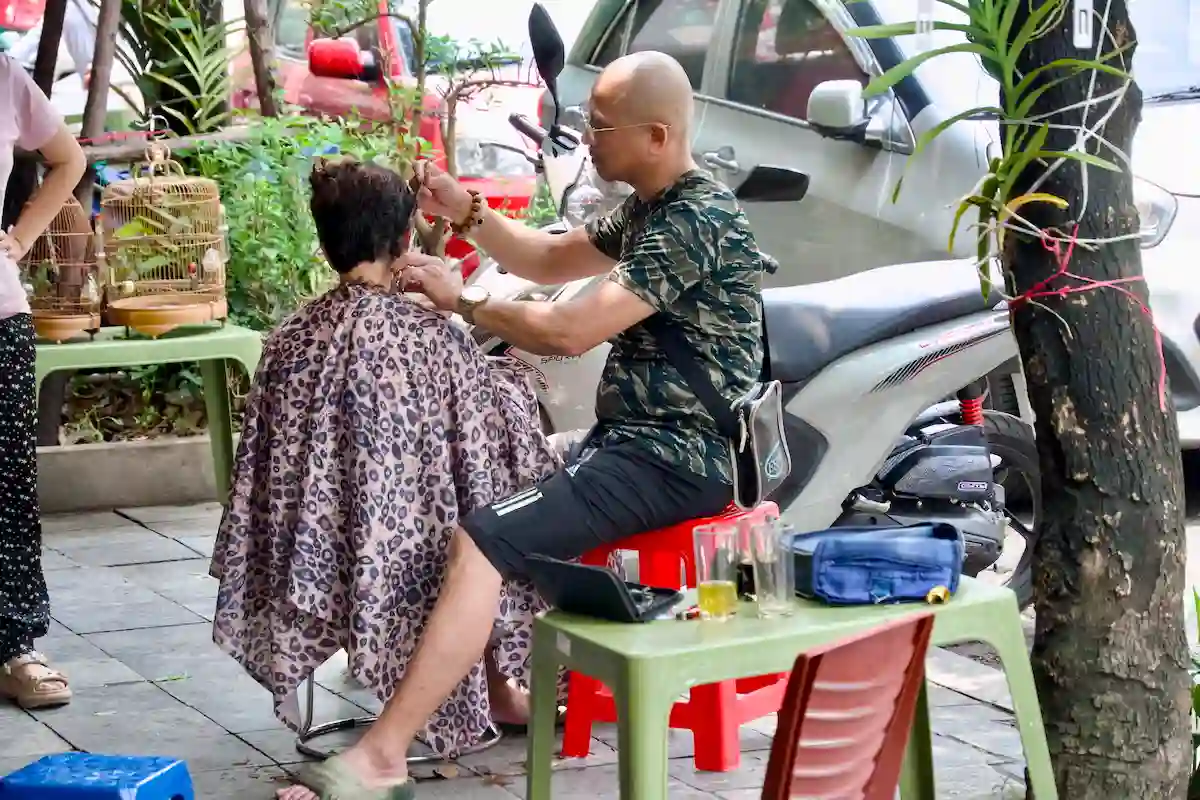
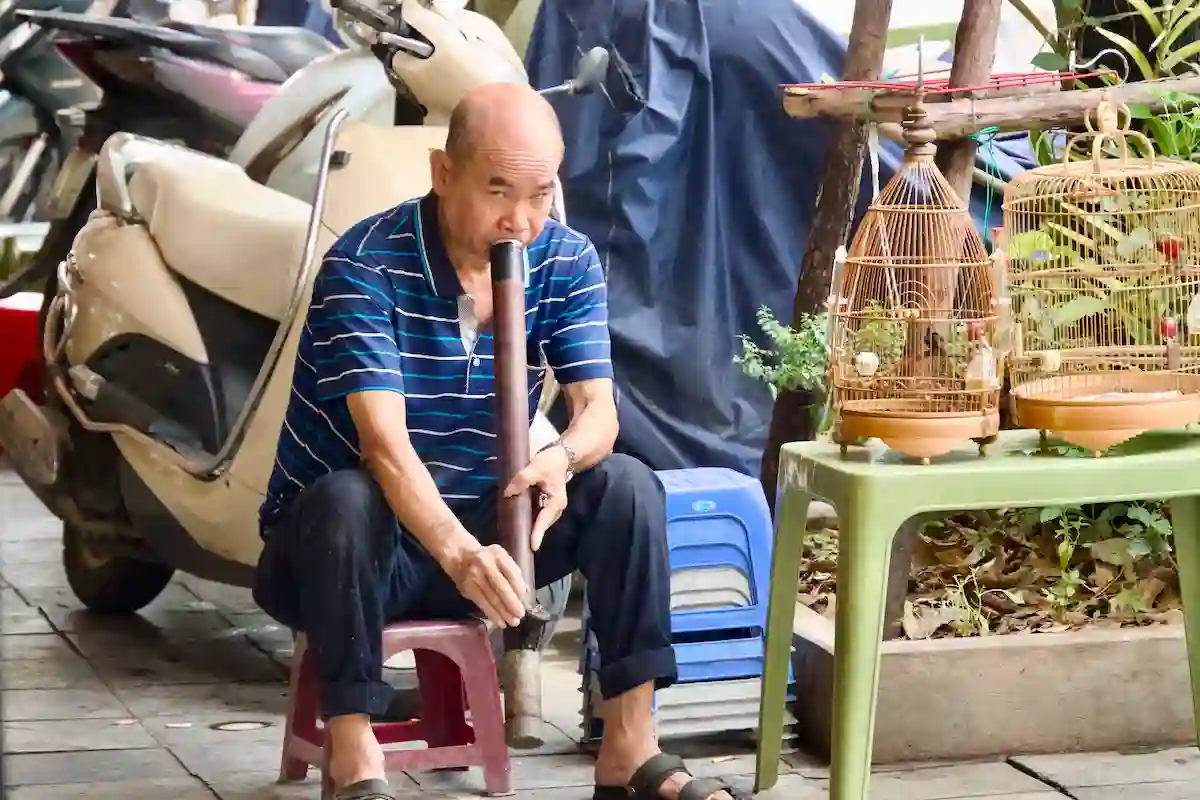
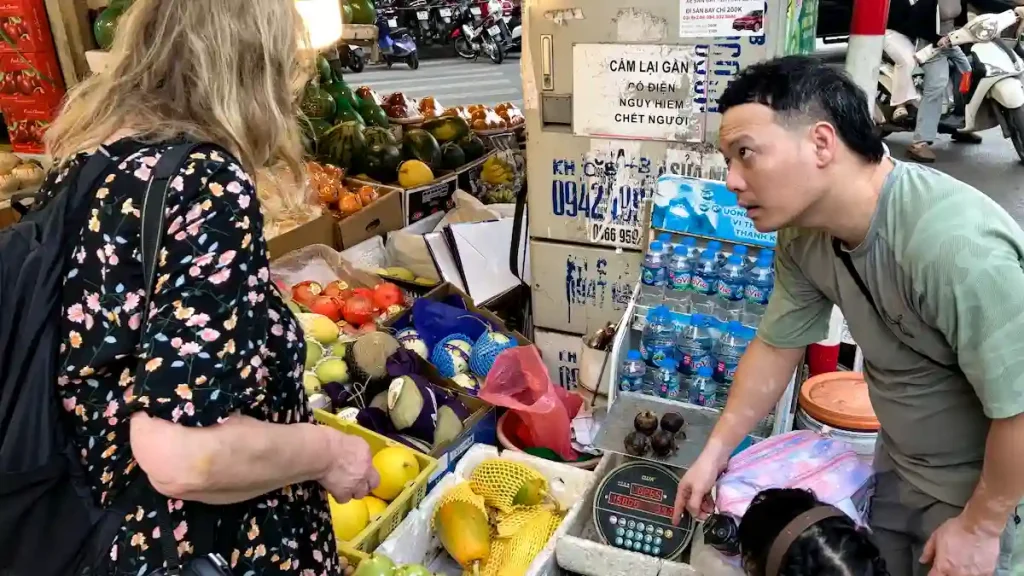
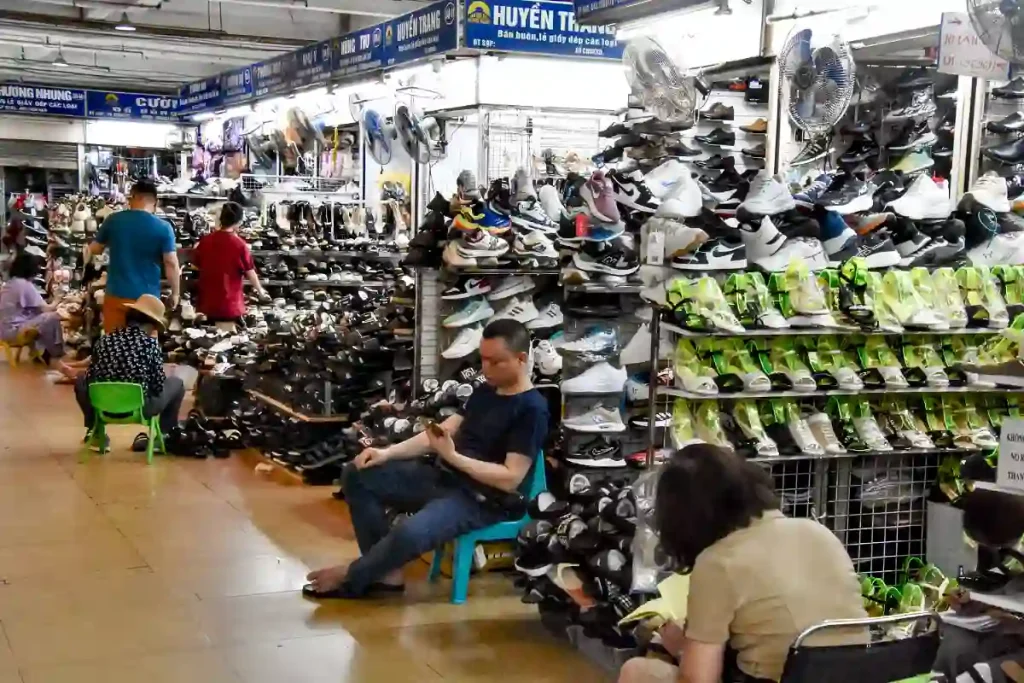
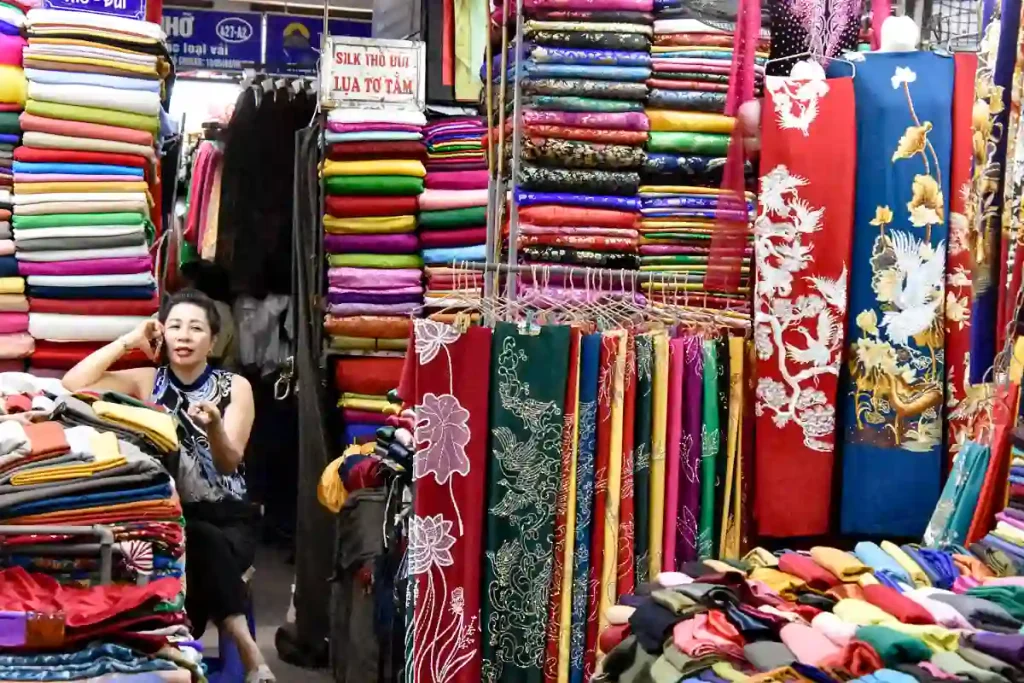
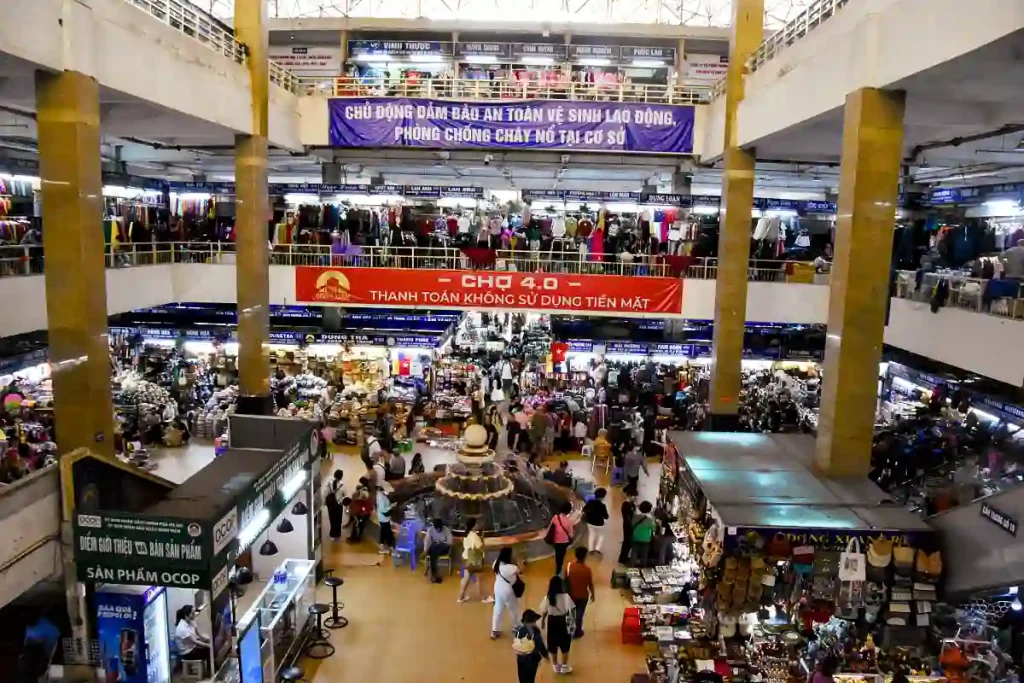
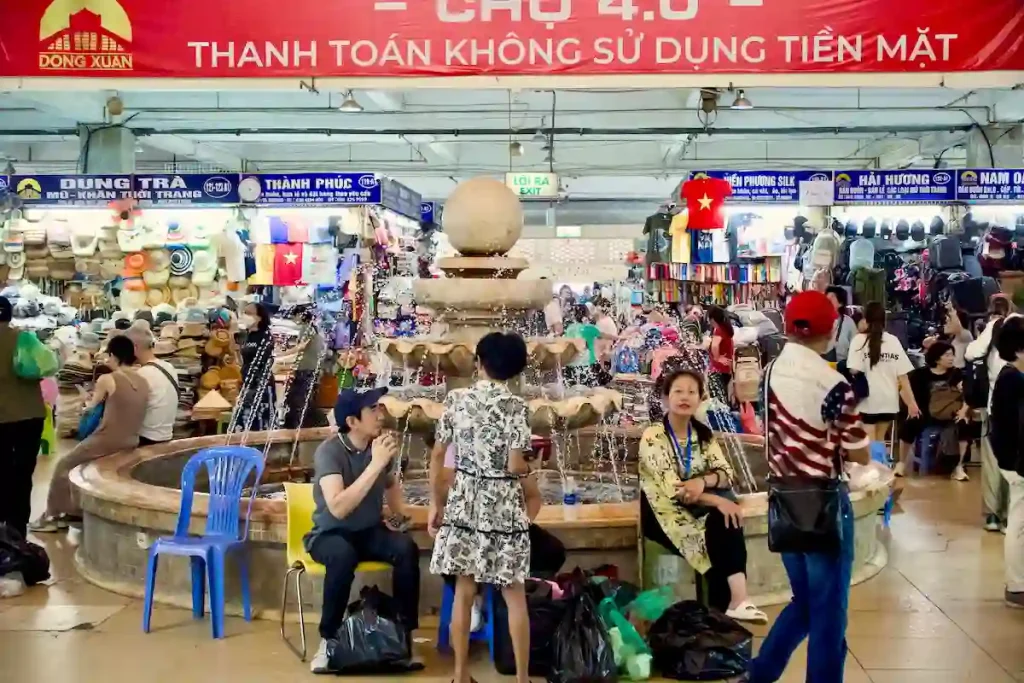
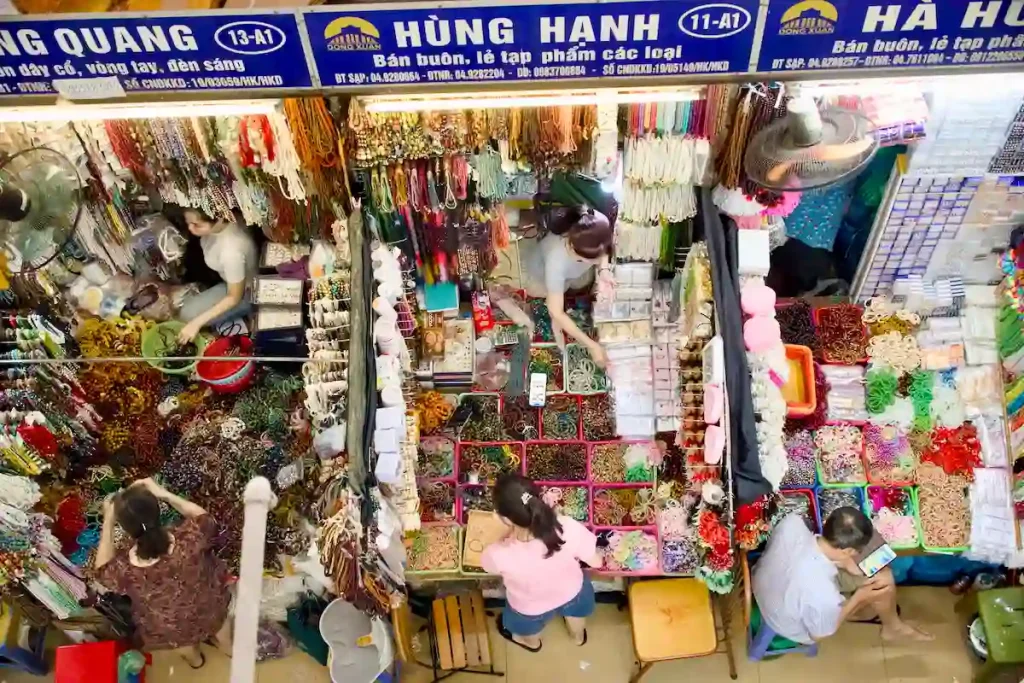
The market in Hanoi old town and the neighbourhoods around it are extremely busy, and several of the traffic photos at the beginning of this chapter were taken there. As a visitor, you are surprised by the enormous variety of vendors selling exactly the same things. The customers seem to be no more than perhaps one per every ten vendors.

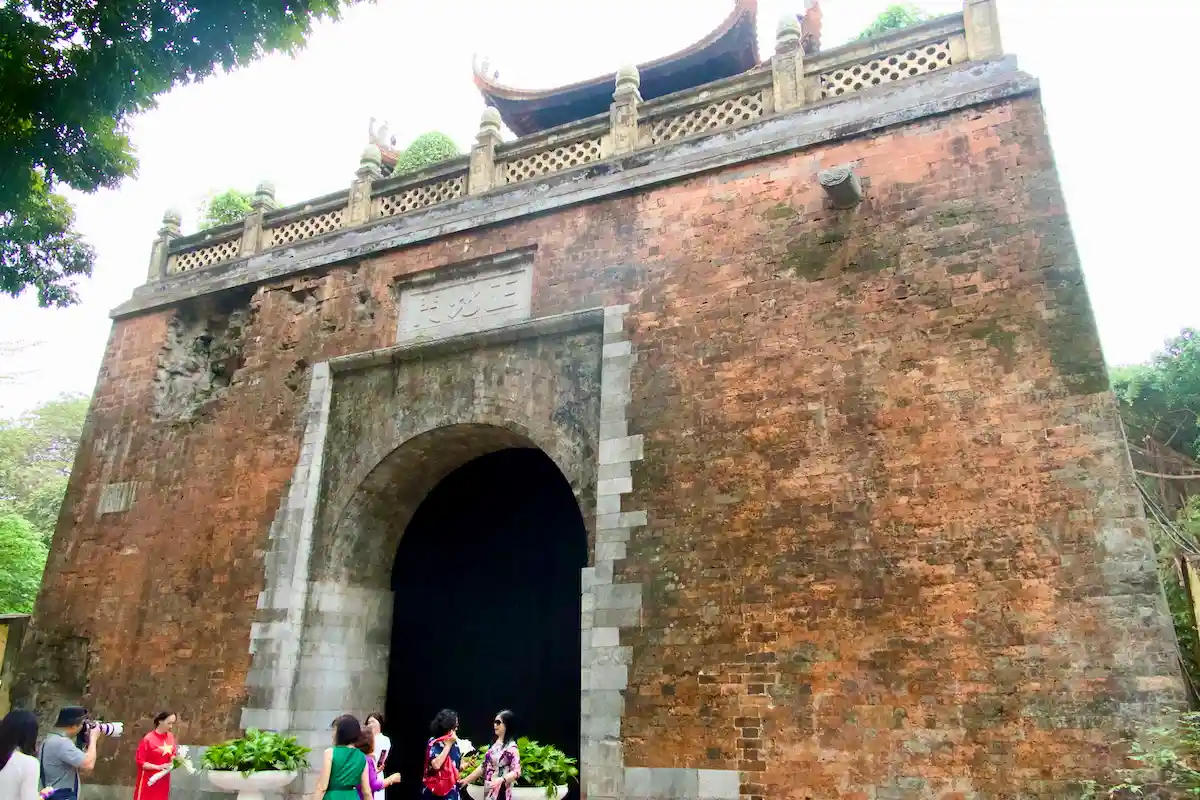
We also visit a beautiful old merchant’s house. And Buddhist temples where bottles, fruits and cakes are stacked on each other in skilful balancing acts. And we see where the cannonball smashed into the North City Gate in 1882 when French troops took Hanoi.

NORTH GATE, THE DENT TOP LEFT.

Now we make our way to an iconic landscape, the sugarcane-shaped islands of the Halong Bay archipelago. And step into the biggest cave we’ve ever seen!

Top 5 in Vietnam:

  1. The Ho Chi Minh-mausoleum in Hanoi. An experience more in the bizarre genre. A long winding footpath with several checkpoints leads to a large stone cube where the great founding father’s body lies embalmed in a coffin behind glass. But is it really him? Or a replica?
  2. Halong Bay. The archipelago with its one thousand six hundred jagged islands is truly unbelievably beautiful. Most excursions here stop at the enormous Sung Sot Cave and also at the small island of Titop.
  3. Hoi An. A picturesque little town roughly in the middle of Vietnam’s long coast. An incredibly lively town with a lot of traffic, even on the streets in the centre that are supposed to be free of motor vehicles. But here, all of Vietnam’s cuisine is within walking distance, and there are more clothing stores and tailor shops than one can imagine.
  4. My Son has been called “Vietnam’s Angkor Wat,” a temple complex near Hoi An that dates back to the ancient Champa Kingdom. Large parts of the temples were destroyed during the Vietnam War, but many of them have since been restored.
  5. Cu Chi. In a forest outside Ho Chi Minh City, there is an experience park built around the tunnel system that the Viet Cong dug out to hide as close to the then-capital Saigon as possible. Here, in addition to the tunnels, there are exhibitions with traps, weapons, underground ammunition factories, and more. If you want, you can shoot with automatic rifles.