“This one is for tomorrow!”
The impeccably dressed waiter standing guard at the entrance to the breakfast room looks displeased. We have paid for the hotel room and breakfast, and received two coupons to prove this. And then we have the audacity to show the coupon for the next day! No wonder there are problems. This is South Korea, so I have to go up to the room and get the right coupon. And order will be restored.
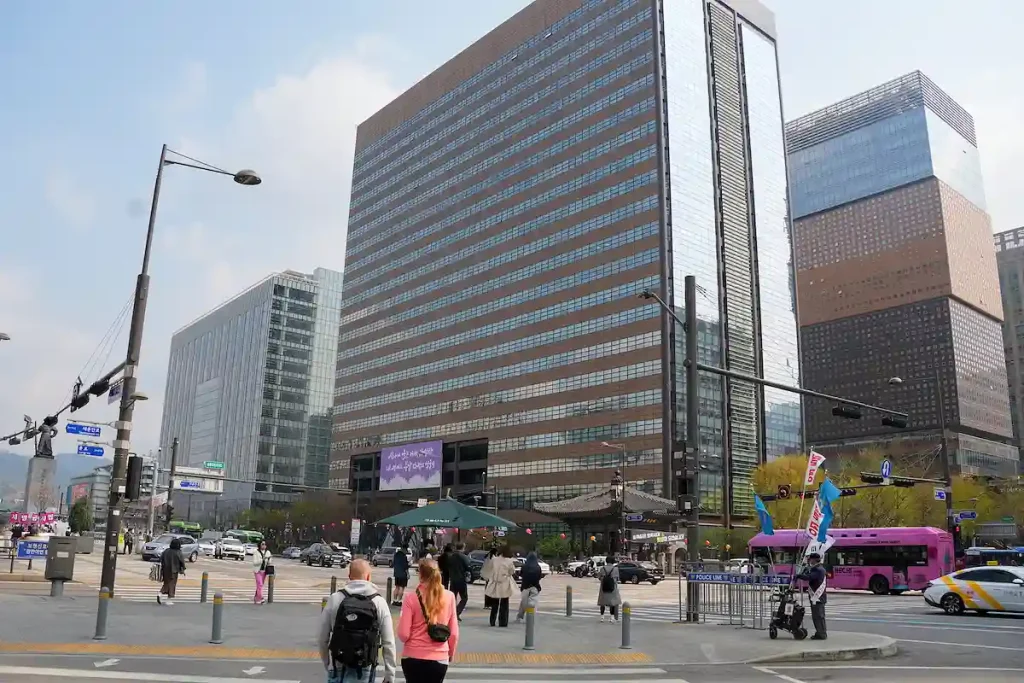
Order and cleanliness, those are two key words to describe this country. A high-tech sensation and a people who are polite, diligent, and endlessly helpful. And incredibly self-conscious. We have probably never experienced a country, not even in the poorest parts of Asia, where so few understand English, and even fewer can speak it. Perhaps it is due to the rapid industrialisation, that there is full focus on their own achievements, the world-leading conglomerates in advanced technology, Samsung, KIA, Hyundai, and so on. The world outside is not that important.
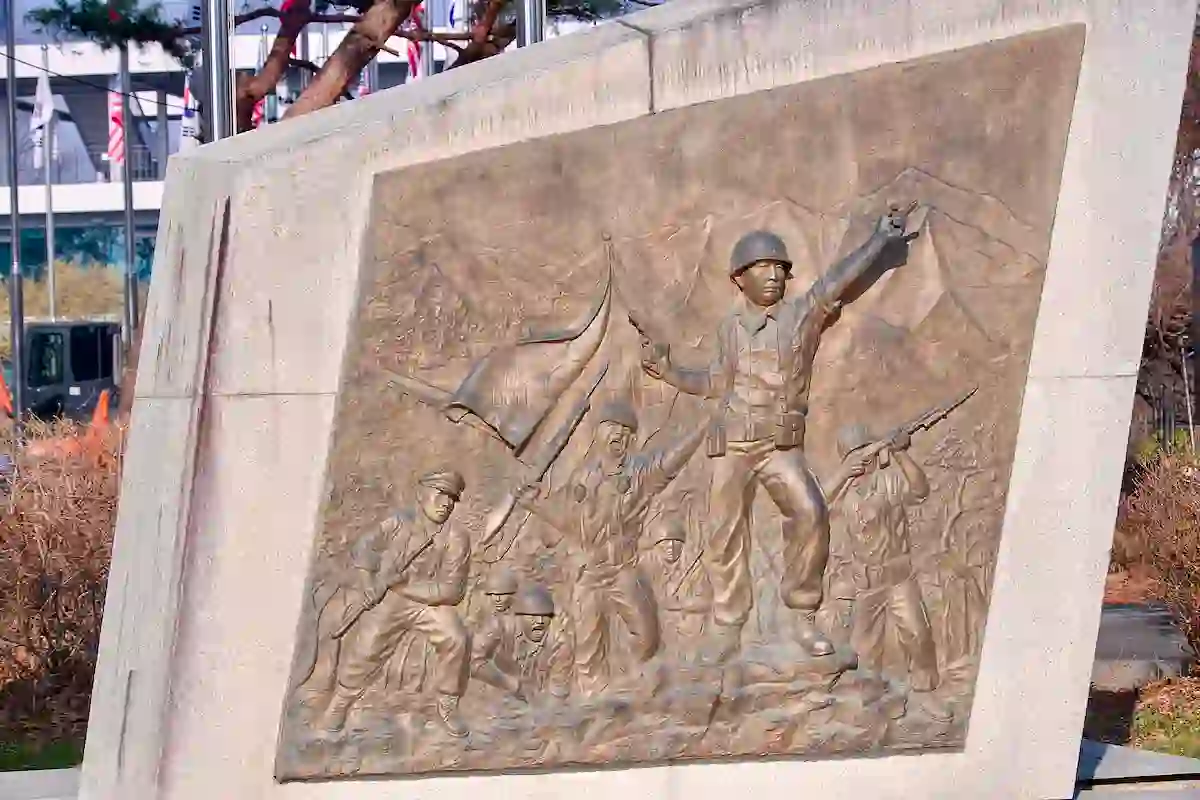
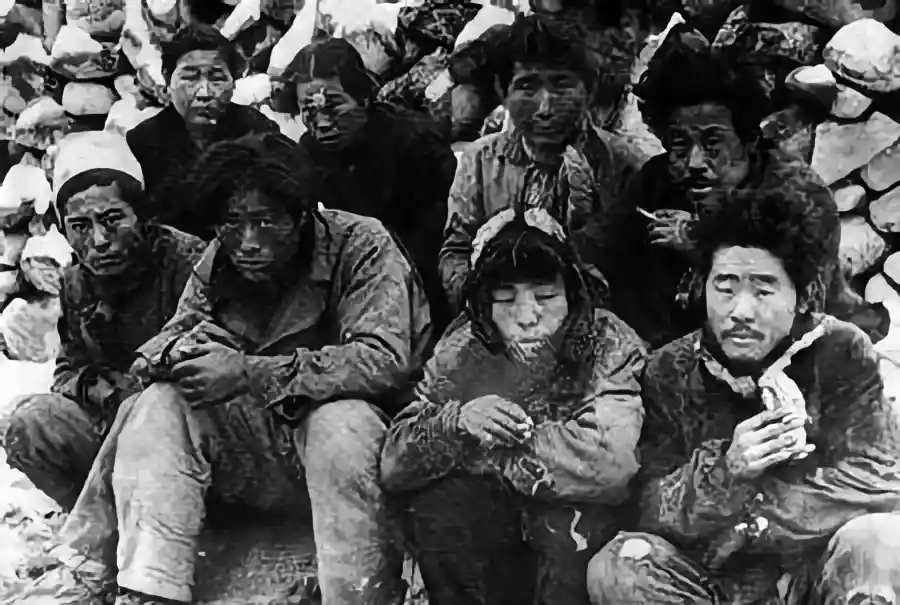
And nowhere else have so few people been curious about who we are and where we come from. Koreans might be preoccupied with their own tangled history, where two thousand years of relatively stable kingdoms in the early 20th century were replaced by a nearly 50-year-long Japanese occupation, a colonial and humiliating period that, when it ended in 1945, tore the country apart in a proxy war between the USA and the Soviet Union/China. When the armistice was reached in 1953, South Korea was a half-nation, devastated and bleeding.
And it didn’t end there; the democracy that was promised was put on hold. Now it was the Cold War period and USA wanted secure barriers against communism. So they supported a military coup and the dictator Syngman Rhee launched a violent campaign against his own countrymen to eradicate the red plague.
Especially hard hit were the people on the southern island of Jeju, where between 30,000 and 100,000 people were killed, estimates vary. The vast majority were killed by the military and police, but twenty percent were killed by the revolutionaries who demanded independence and an end to the American presence.
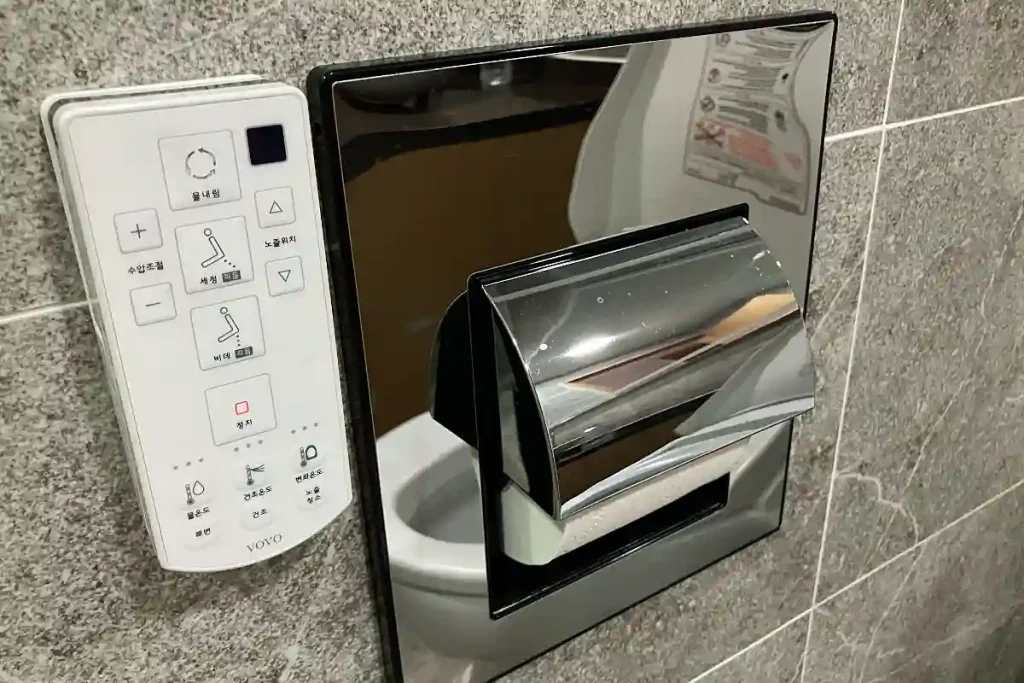
It wasn’t until the mid-1970s that industrialisation gained momentum, and development took leaps that in many ways made South Koreans world leaders in prosperity. The high level of technology is noticeable everywhere in society, from the gigantic advertising video screens in city centres to the fully automatic toilet seats that spray water and blow air on the backside. And free wi-fi is everywhere.
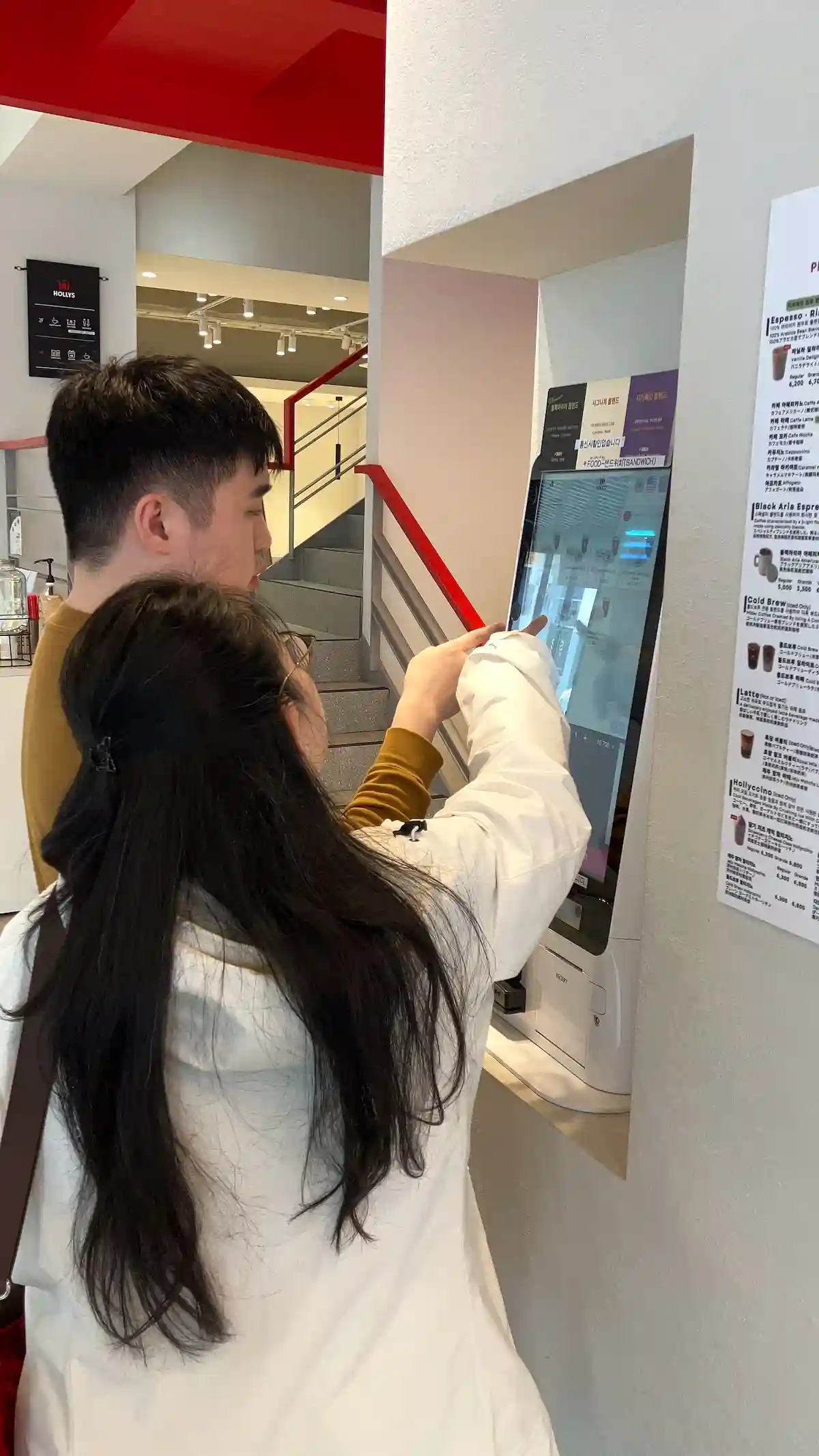
In practically all restaurants and cafés, you make your order on a computer touchscreen. It takes much longer than looking at a menu and talking to a waiter. But it’s hi-tech, and it saves on labour costs.
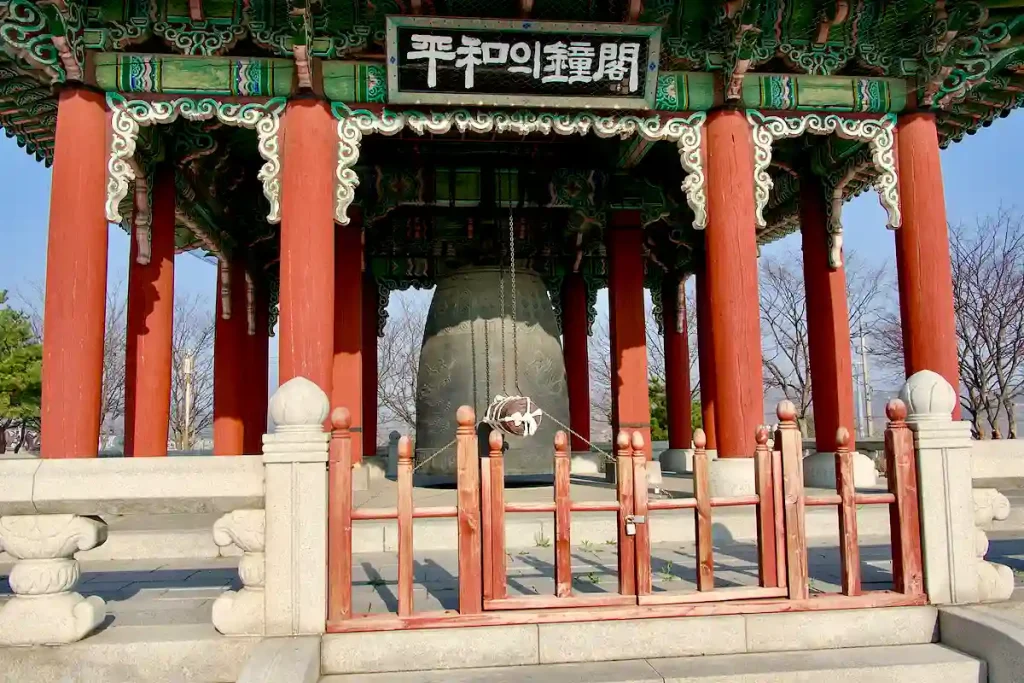
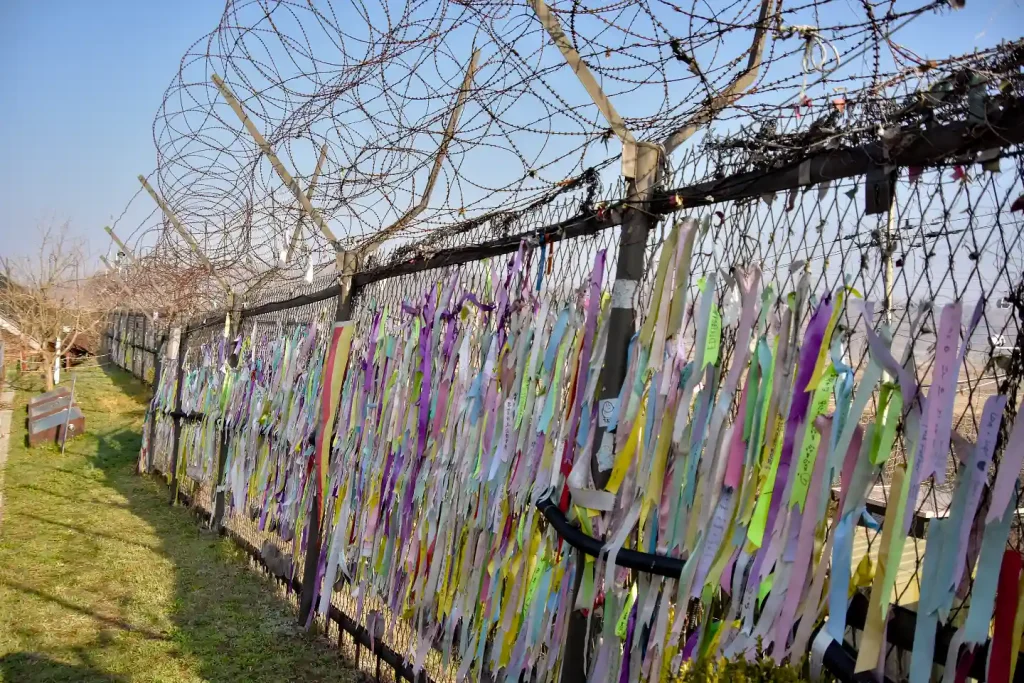
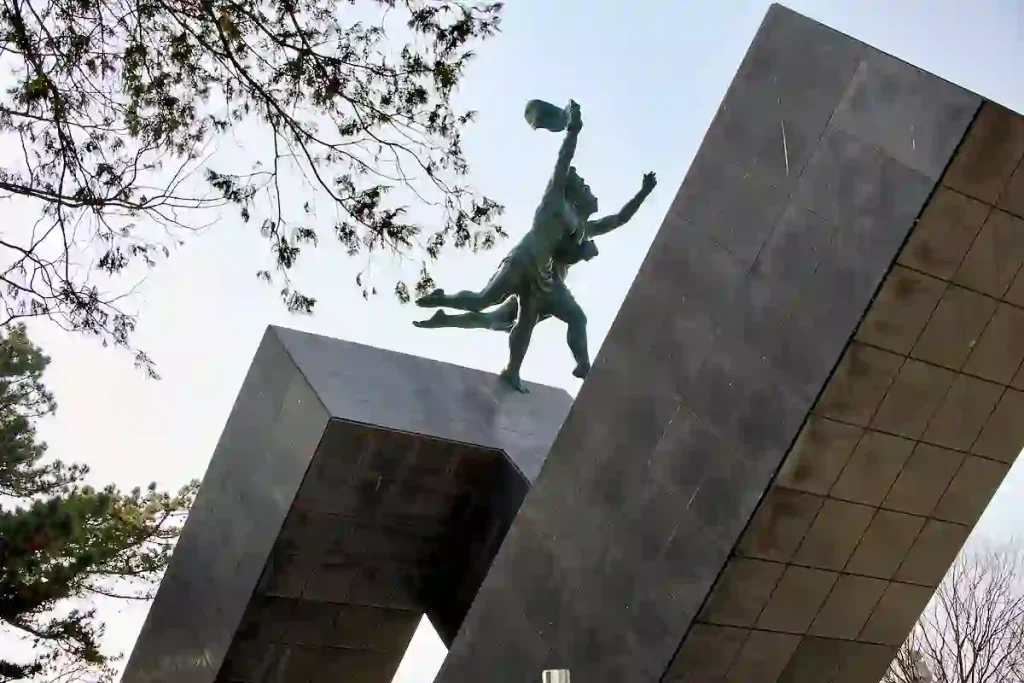
South Koreans always call their country “Korea.” There is a mental barrier against accepting the division, and the manifestations and monuments that celebrate unity are numerous. Yet, we meet no one who seriously believes that reunification is possible. From the South Korean authorities, countless attempts have been made to soften relations with the North. At one point, large numbers of cows were transported across the temporarily opened border to feed the starving people in North Korea. However, that did not lead to any gratitude from the leaders in the north.
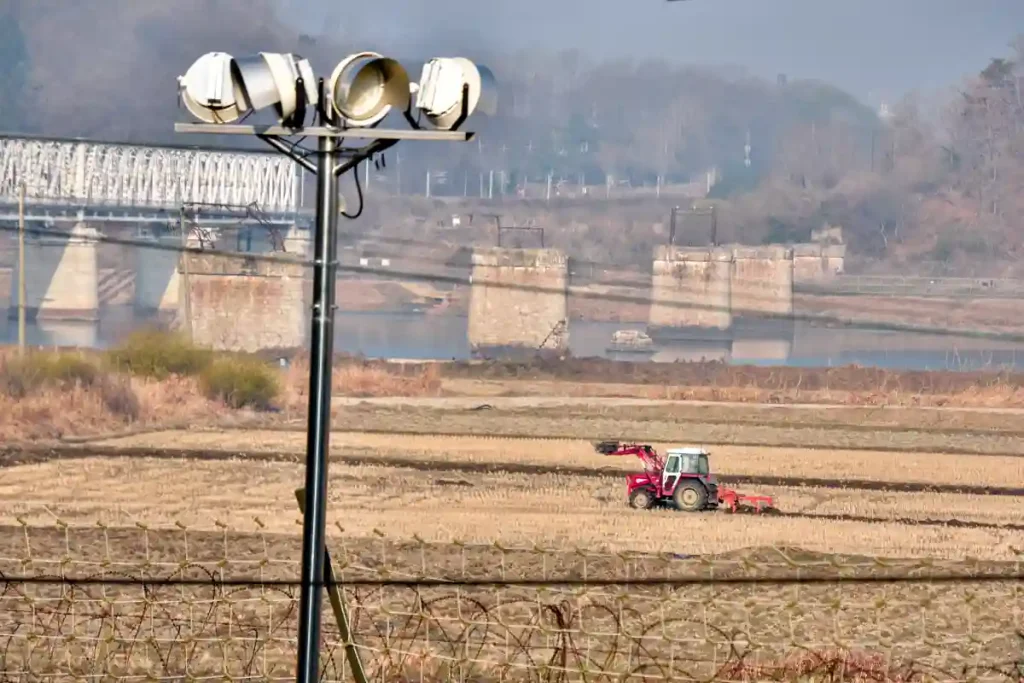
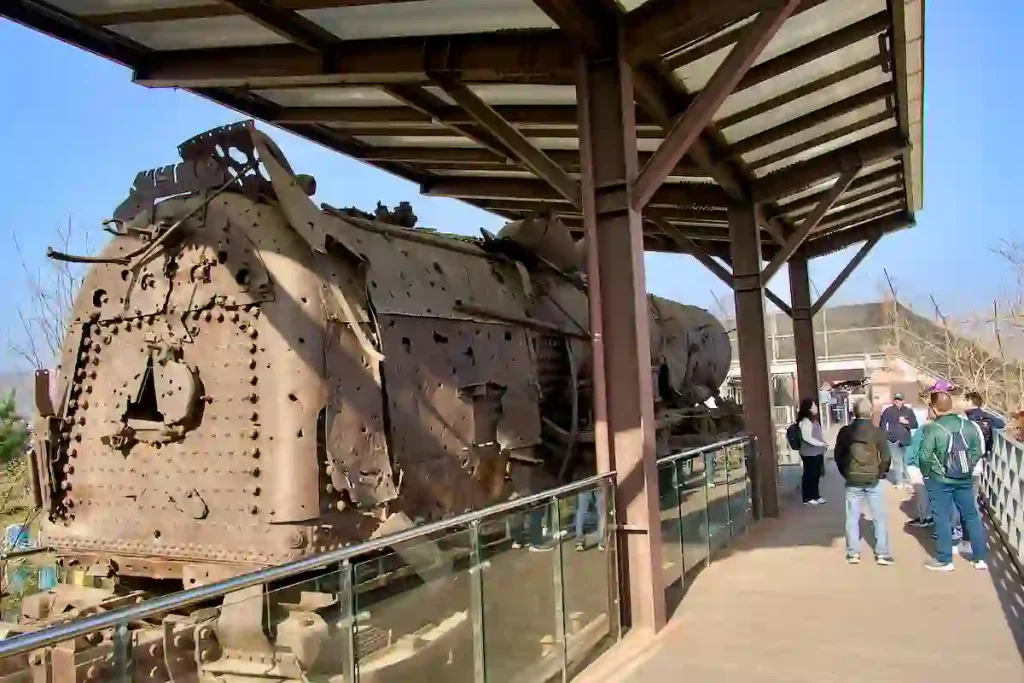
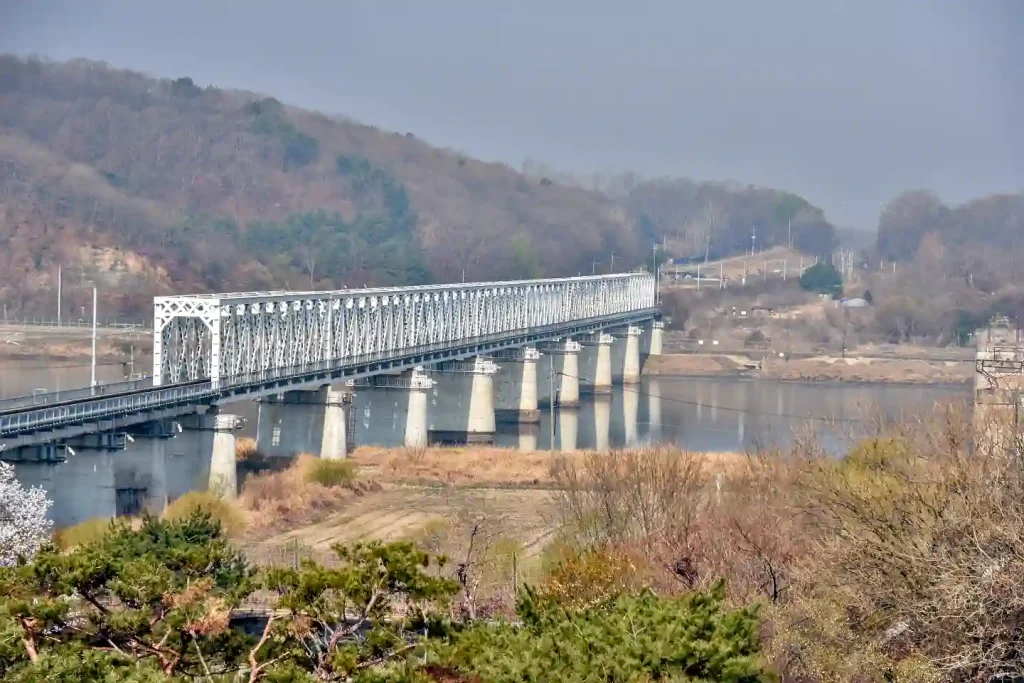
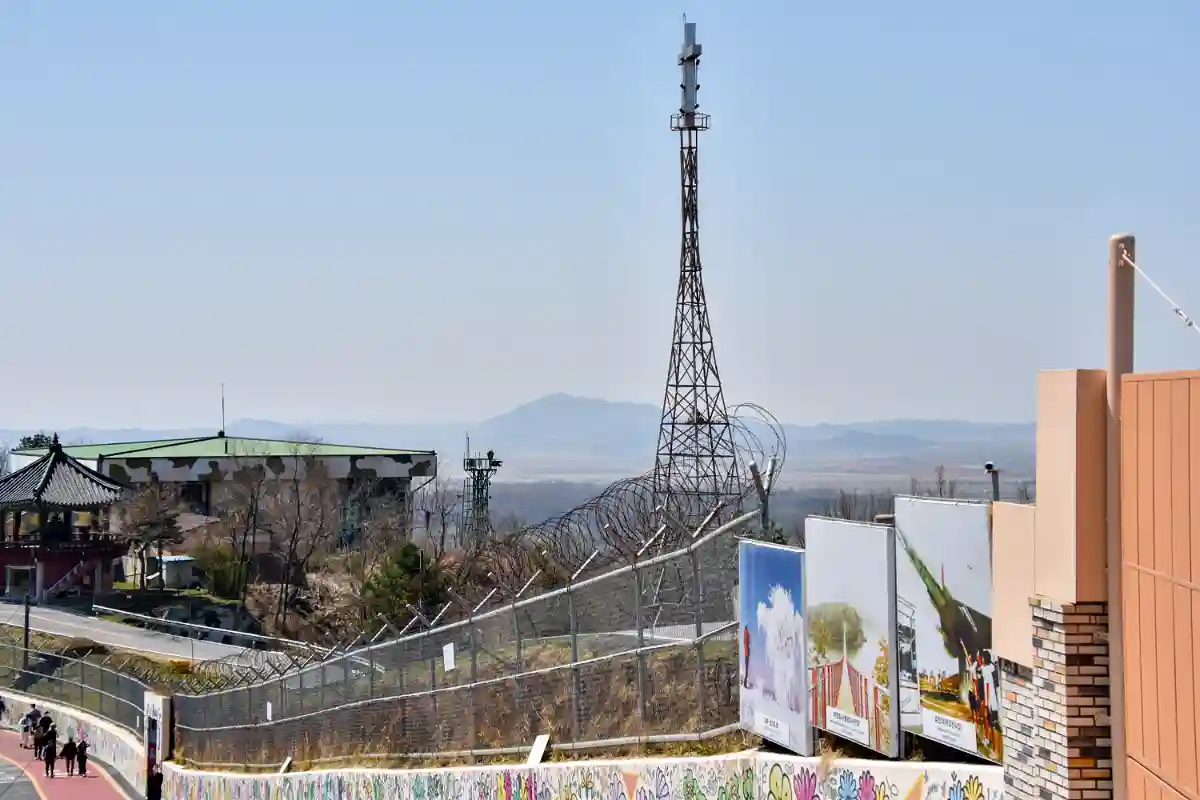
And what prevails today is not peace, it is still a ceasefire that has lasted for 70 years. From Seoul, popular guided tours go to the demilitarised zone, DMZ. It extends two kilometres north and two kilometres south of the border with North Korea. Further south there is a six-kilometer-wide zone where civilians are not allowed to enter except with permission from and in the company of military personnel.
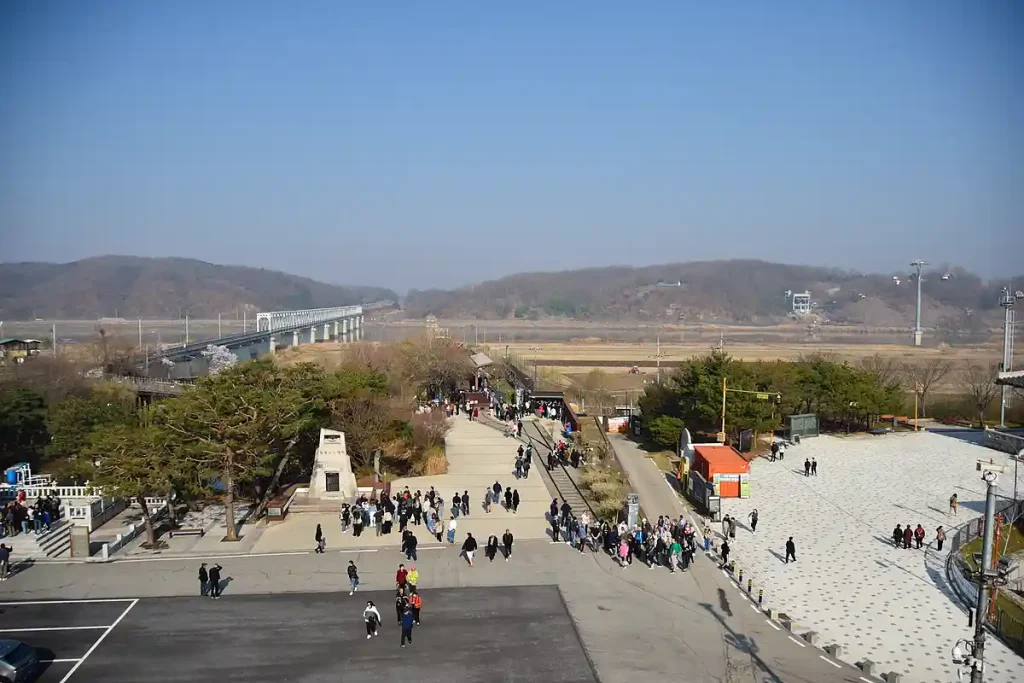
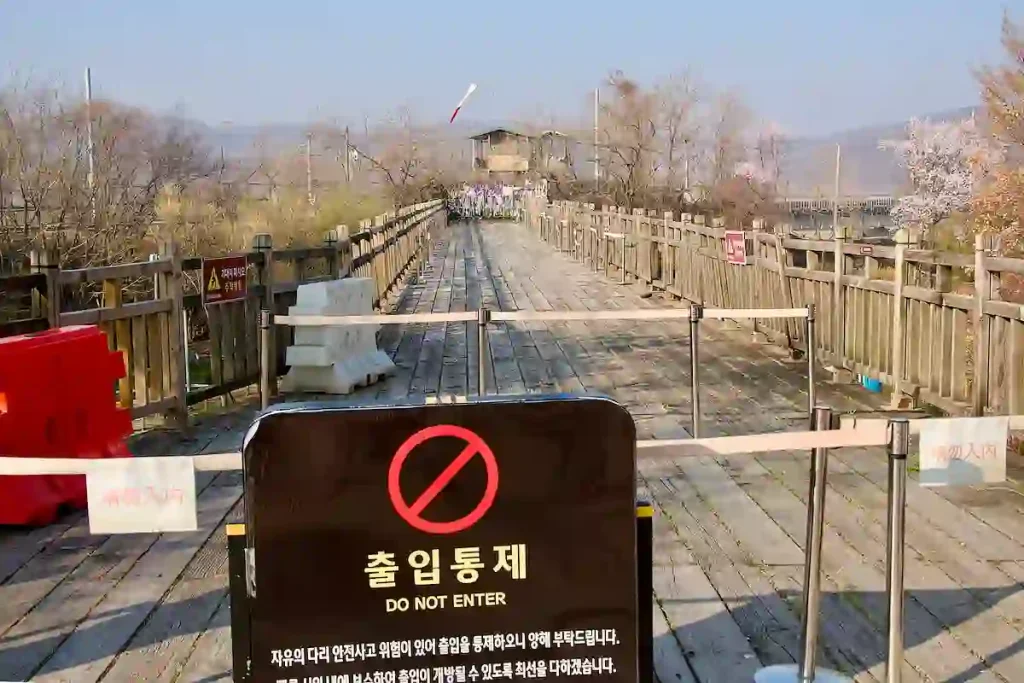
You cannot cross the border, but there are a couple of viewpoints where you can see over to the other side. There is also a joint area called the Joint Security Area where talks between the parties take place. It used to be open to visitors, but since an American soldier rushed over to North Korea in 2023, this area has been closed to the public.
Incidents still occur from time to time at the border. In 2008, a South Korean tourist accidentally stumbled into the demilitarised zone and was shot dead by a North Korean soldier. And more recently, a “garbage war” has been fought where South Korean balloons with propaganda material were sent north and North Korea responded by sending balloons south loaded with stinking garbage.
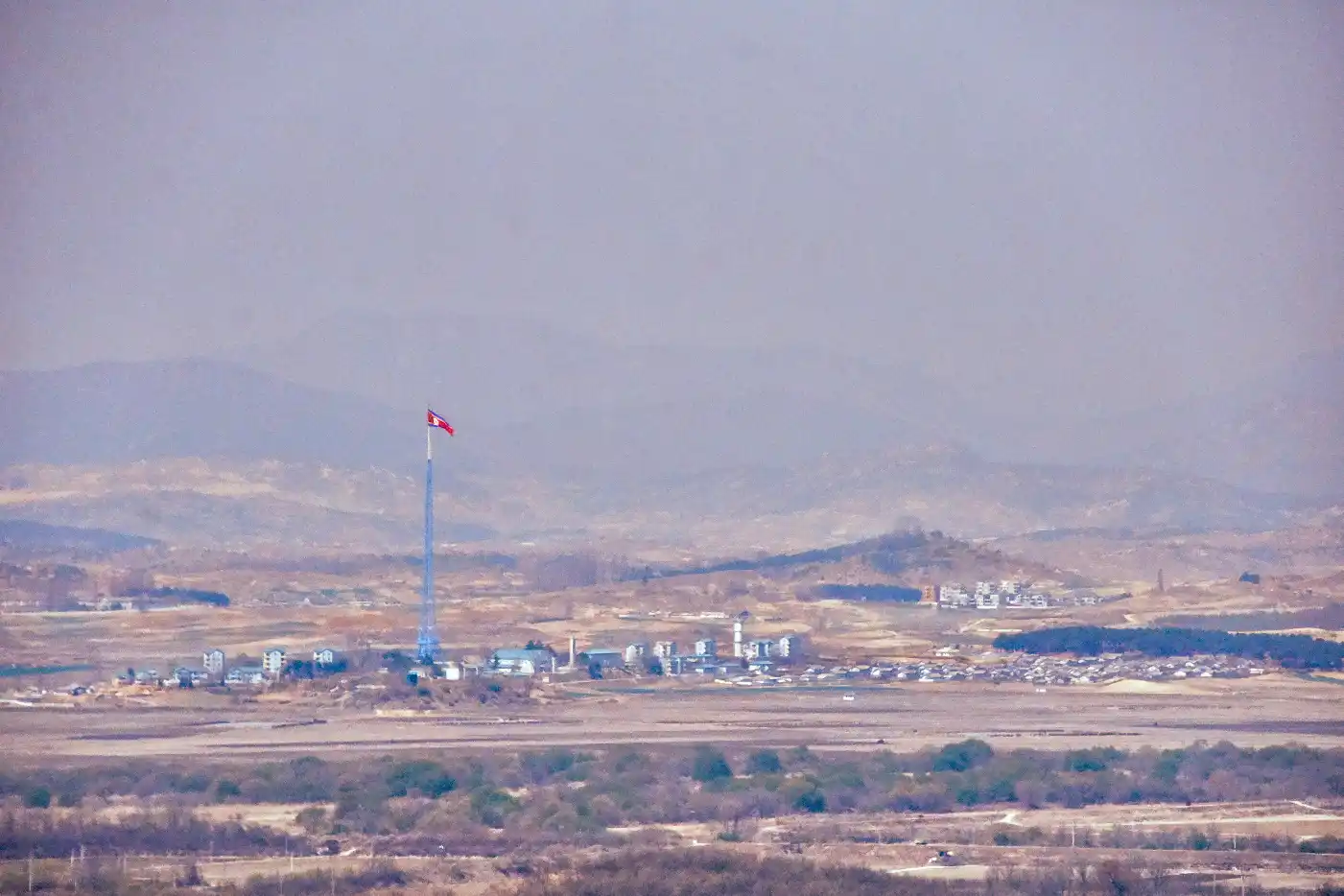
Both countries play music and speeches day and night through powerful speakers directed at the other side.*) And in the south, a tall tower with a gigantic South Korean flag on top has been built in the village closest to the border. North has responded by building a village on the opposite side, with an even taller tower. But the north village is a facade where no one lives. Observers have not been able to see the slightest sign of life there.
*) Recently the south have silenced their loudspeakers.
It is quite surreal to stand in a so-called “observatory” in the south and gaze out over the wasteland that is North Korea. But most real, albeit incomprehensible, is the ban on photographing anything on the other side of the border. Guides protest loudly if you even just raise the camera to look through the telephoto lens.