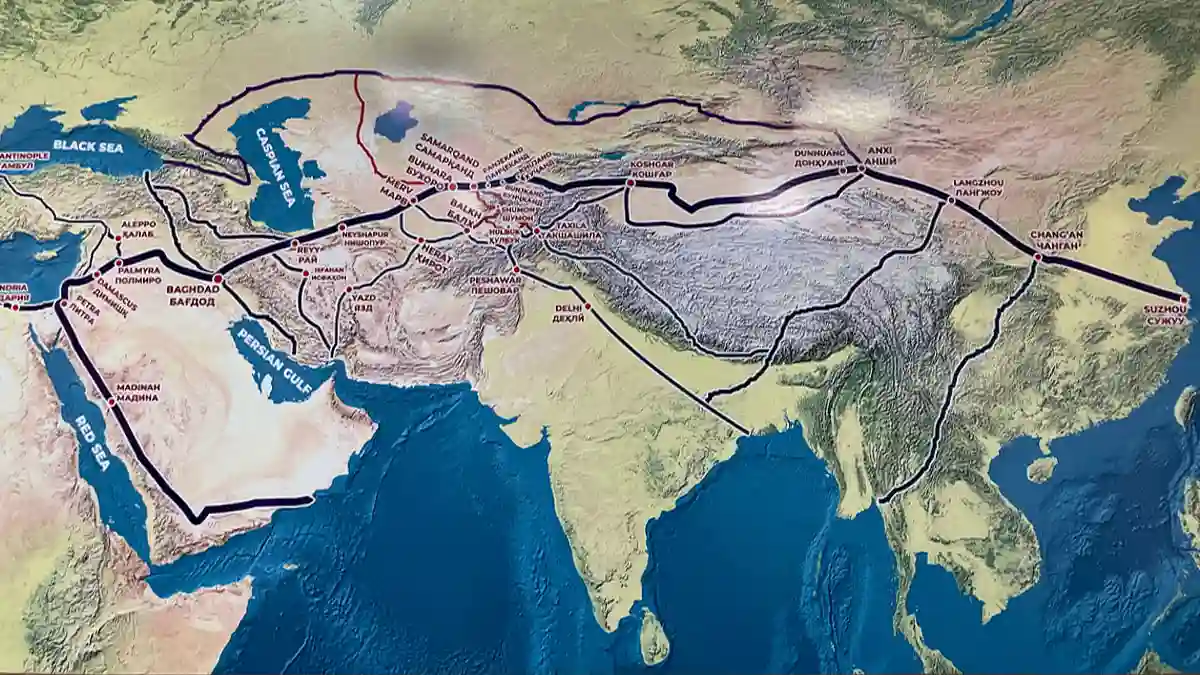
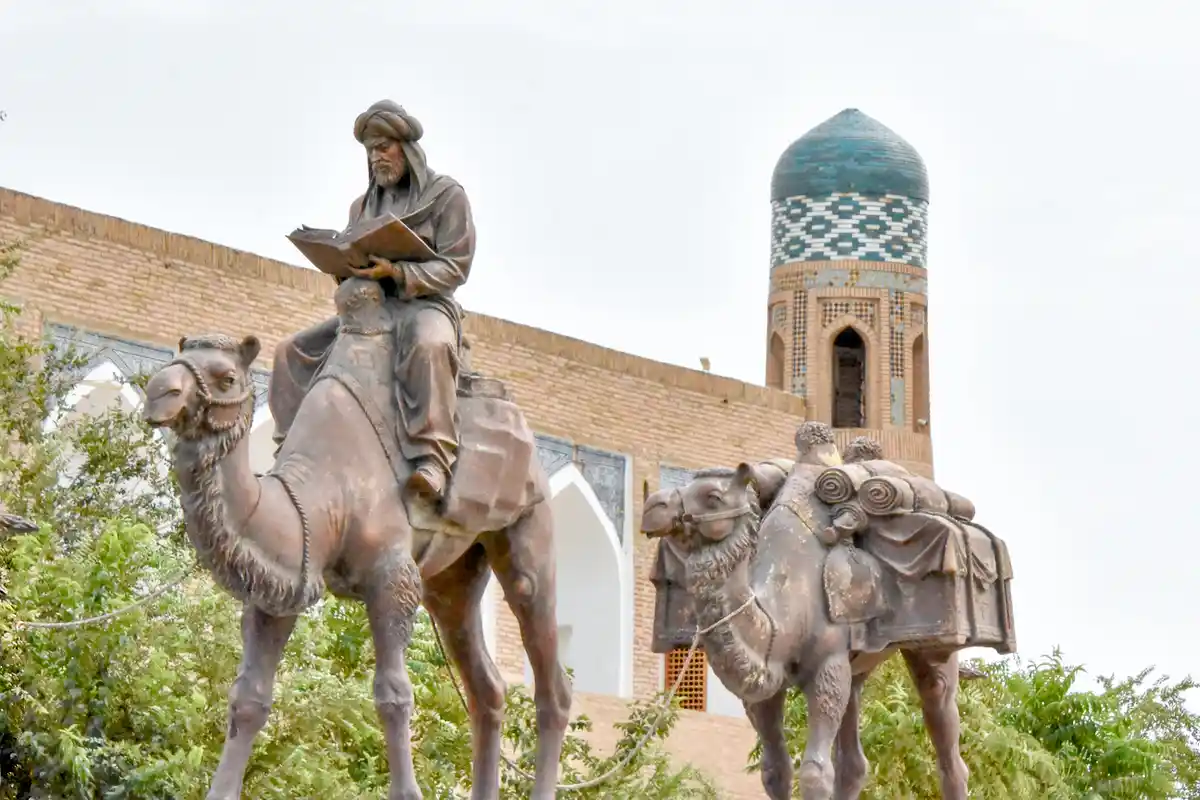
Now one of Central Asia’s historically most important cities awaits our visit. Khiva, which for centuries was a powerful khanate—that is, a kingdom ruled by a khan, the king of the Turkic-Mongols. The land was rich, irrigated by the Amu Darya River, and Khiva’s location on the Silk Road meant substantial revenues from the trade in textiles, gold, and spices.
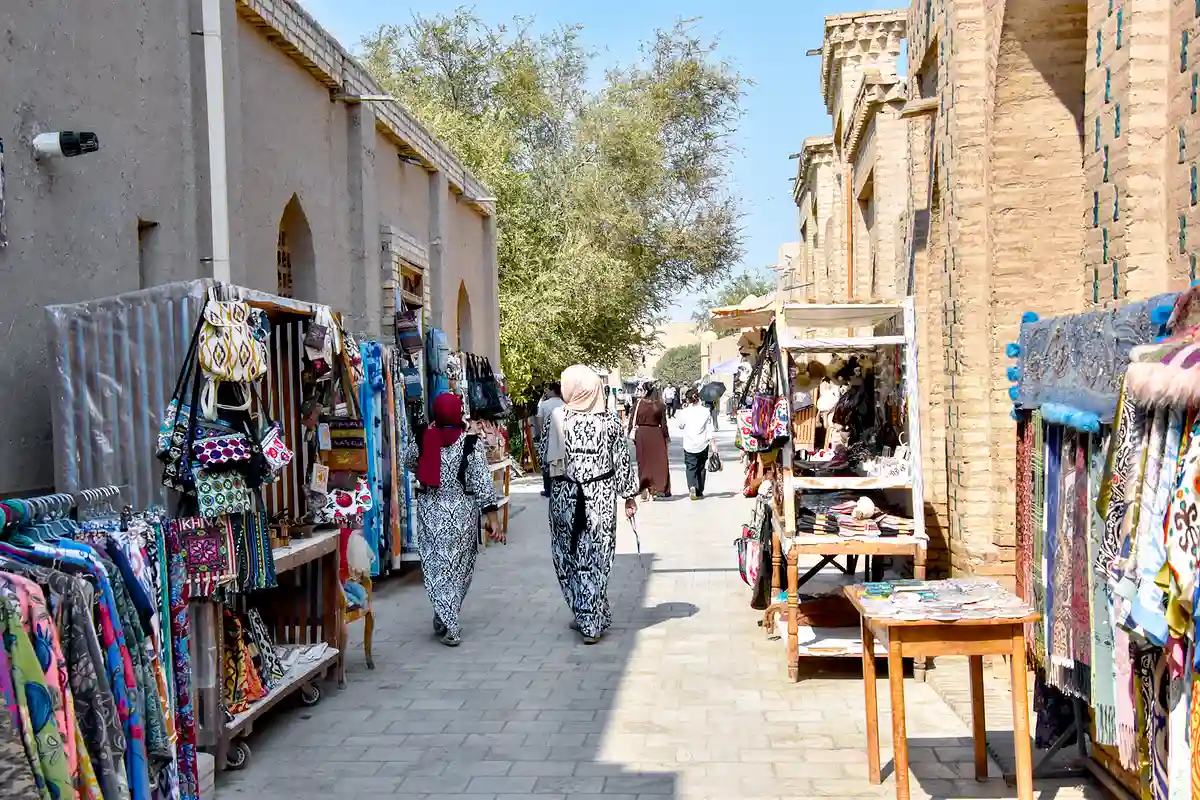
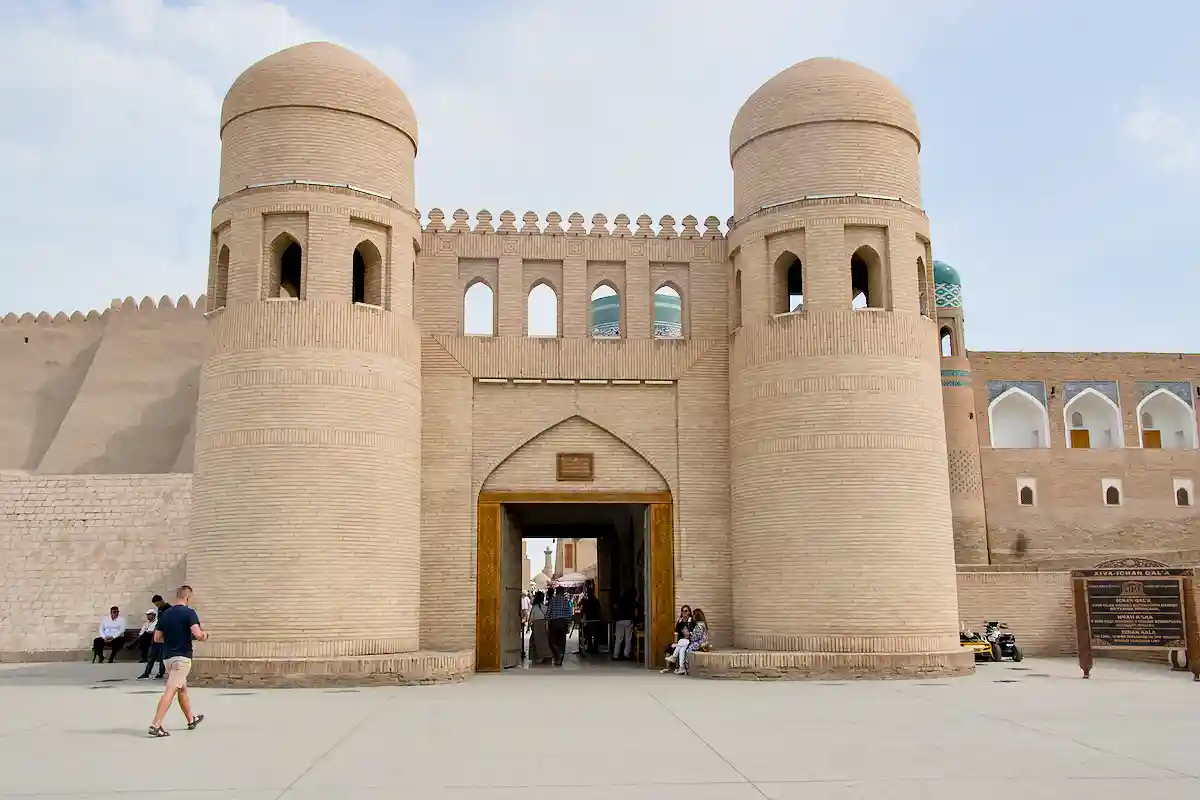
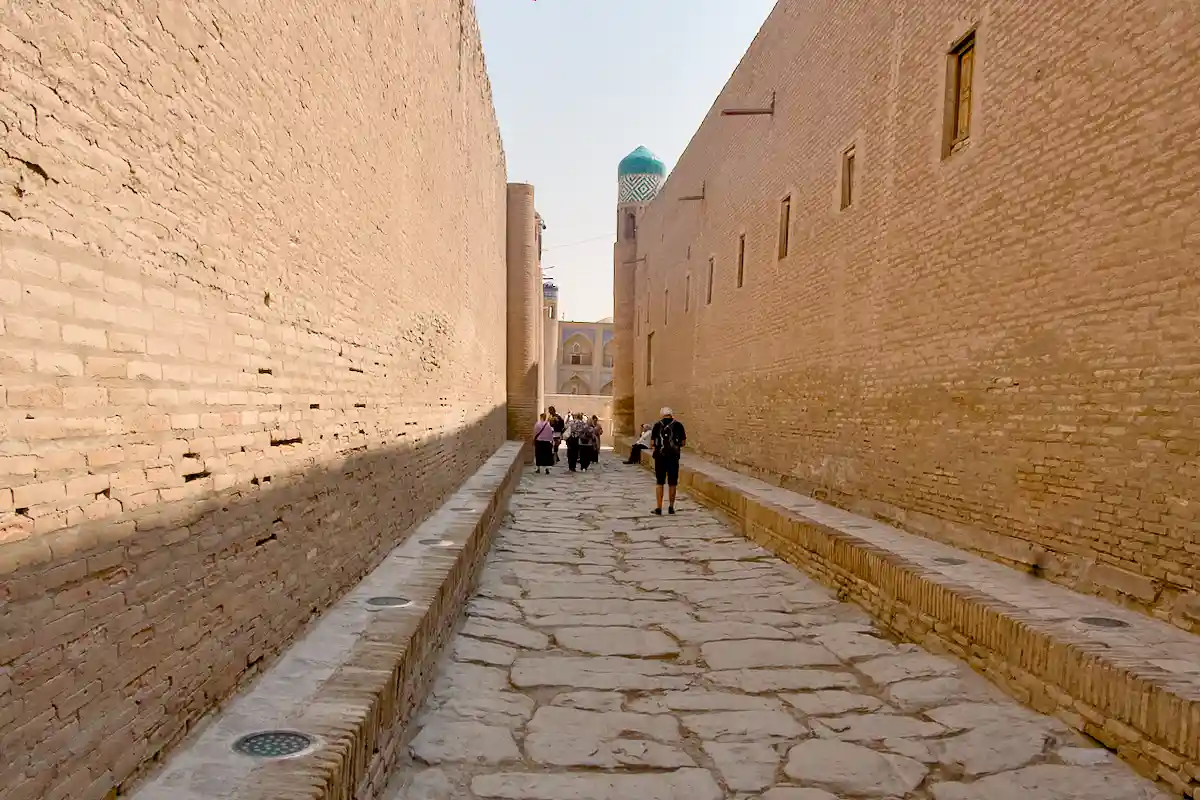
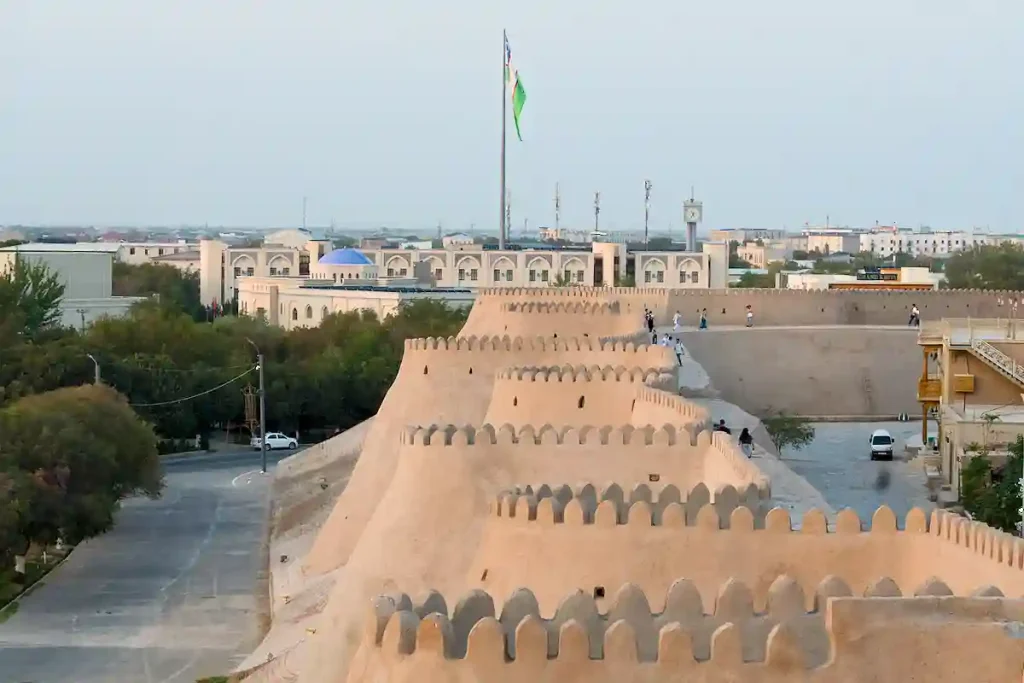
Today’s Khiva consists of two cities: the modern city and the UNESCO-protected “Itchan Kala,” the historic city within the imposing city walls you see in the photo on top. Itchan Kala is a kind of open-air museum with impressive religious buildings that now mostly house museums, restaurants, and souvenir shops.
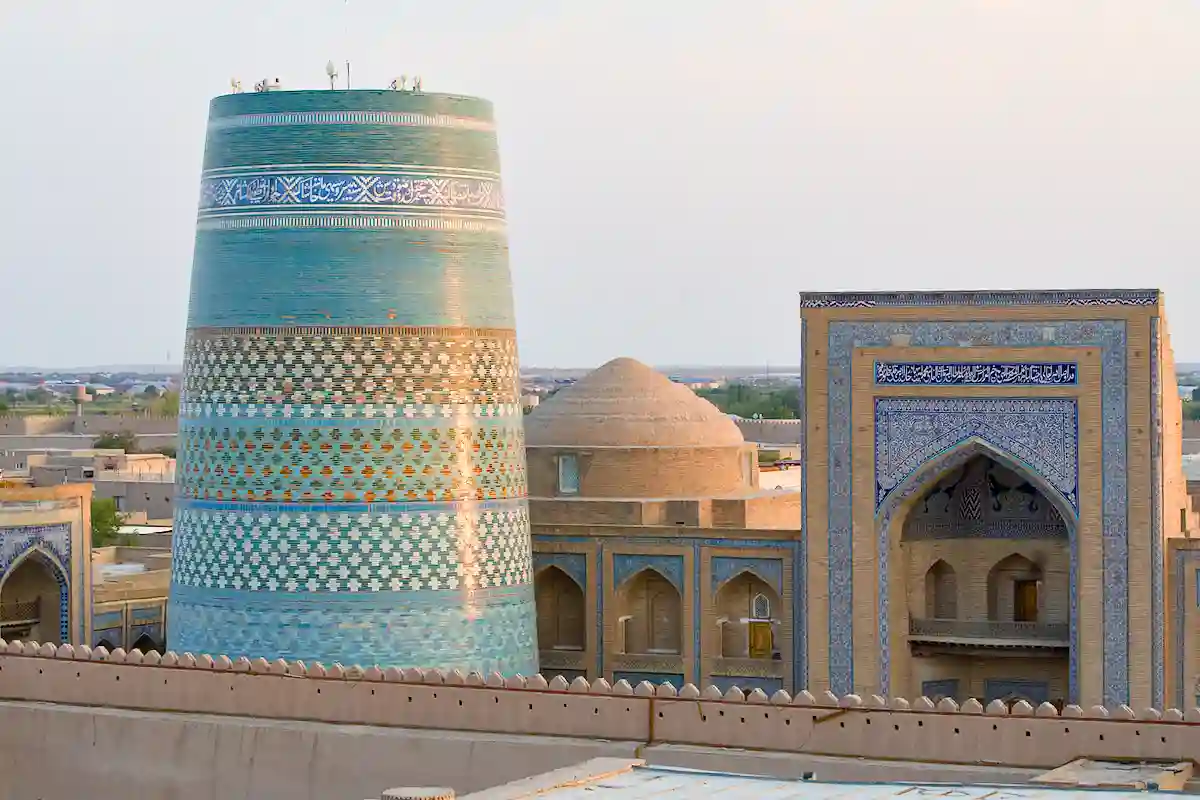
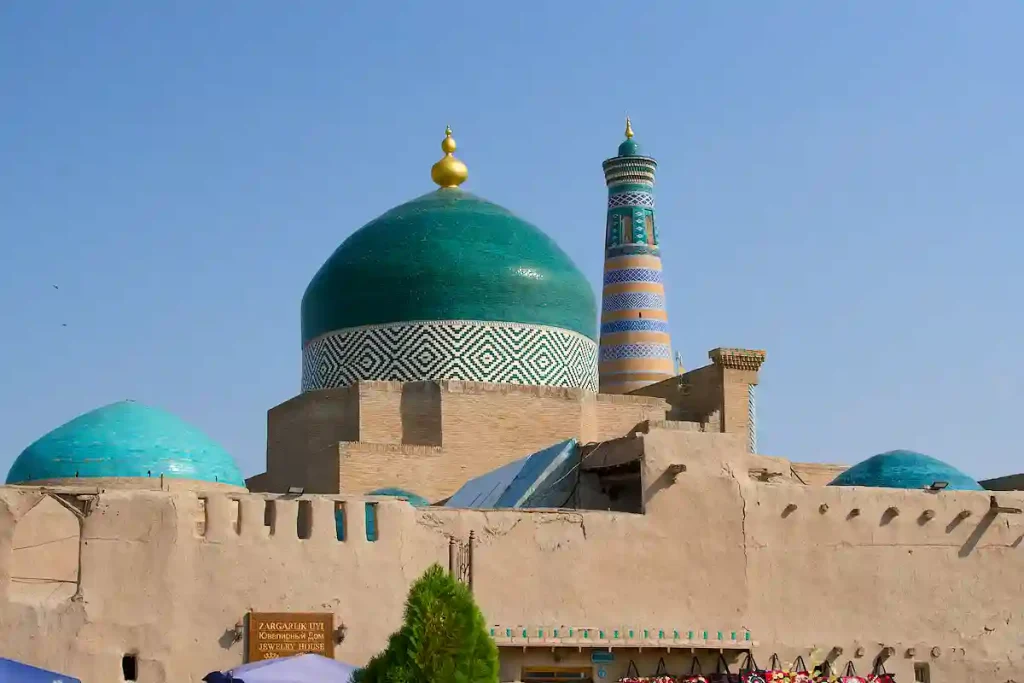
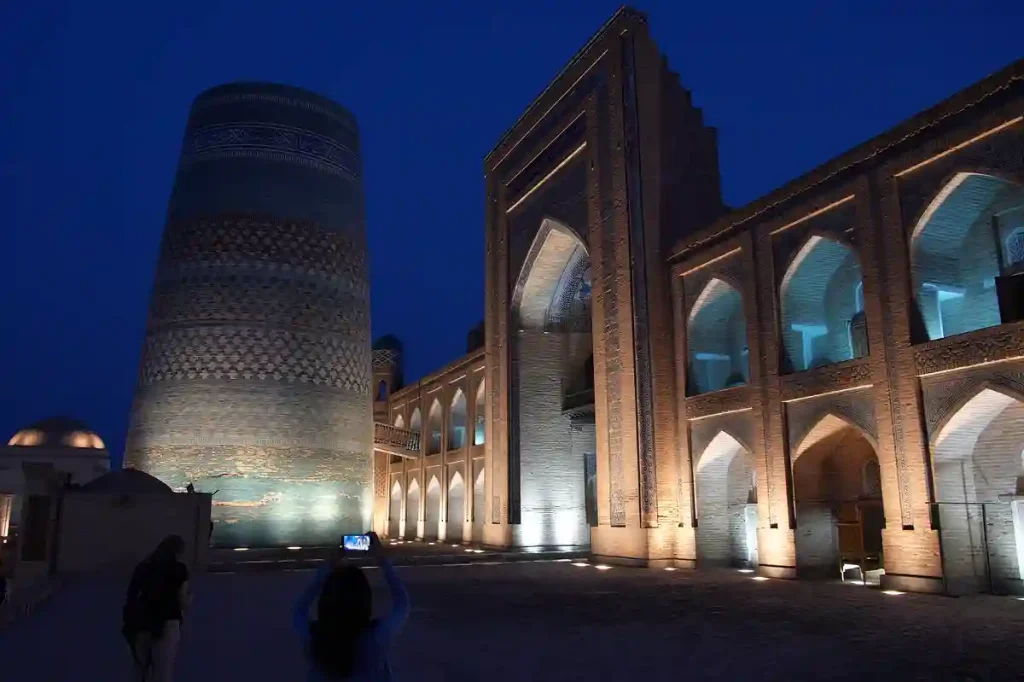
One of the most iconic buildings here is the Kalta Minar, a wide, conical tower clad in shimmering blue and green tiles. It was actually intended to be the world’s tallest minaret, with a height of about 100 meters. The builder, Amir Khan, is said to have wanted it to be possible to see Bukhara, 400 kilometers away, from the top of the minaret. Unfortunately, the khan died in battle against the Persians in 1855, at which point construction came to a halt, and it was never completed.
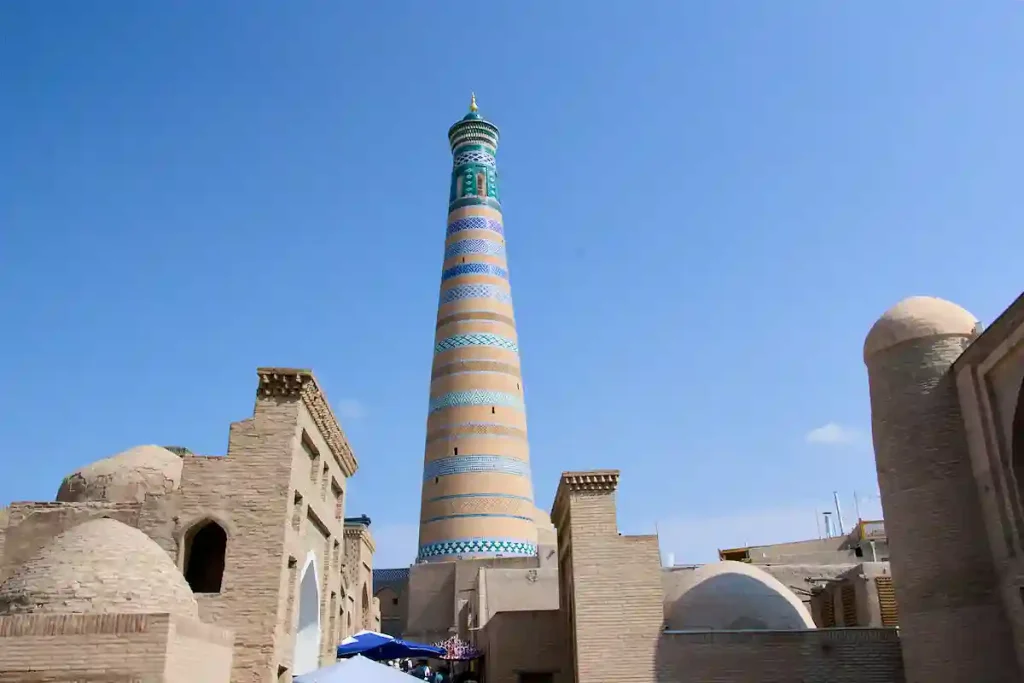
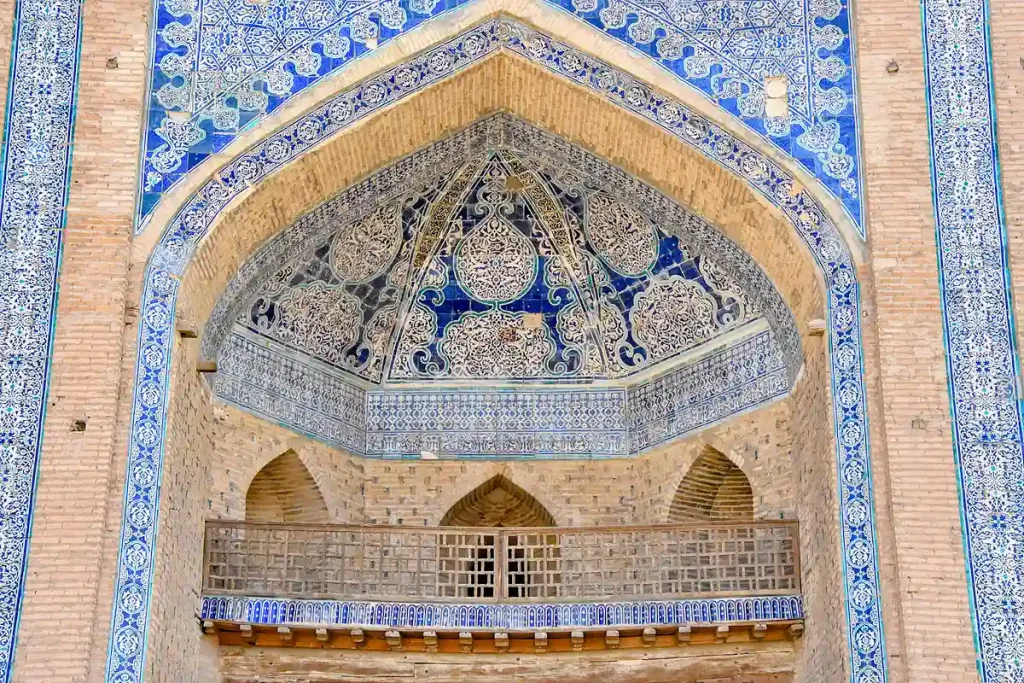
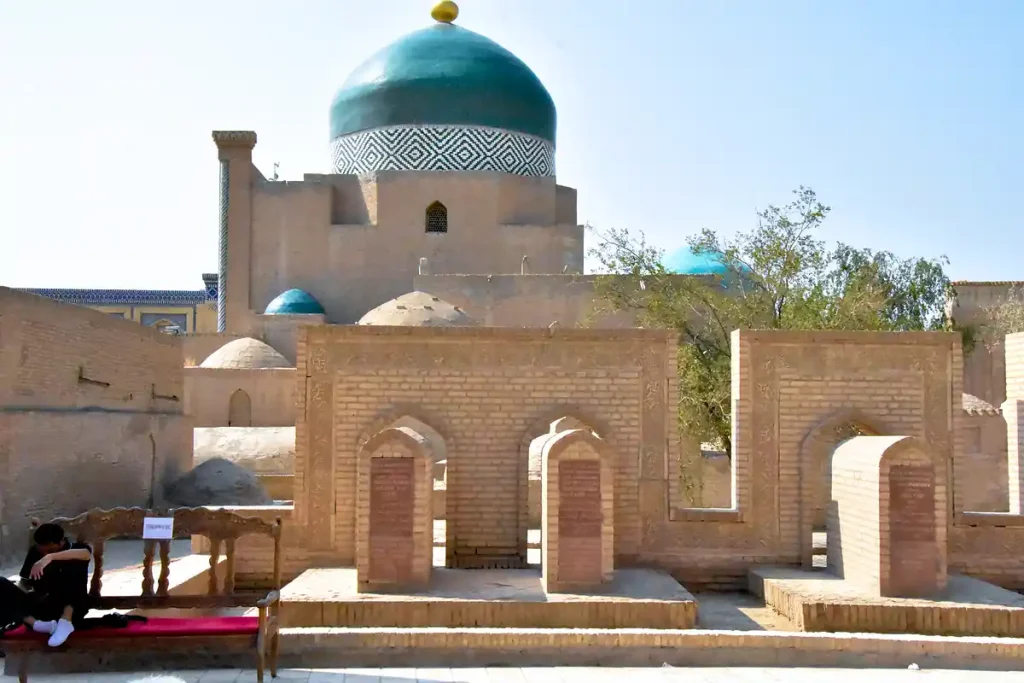
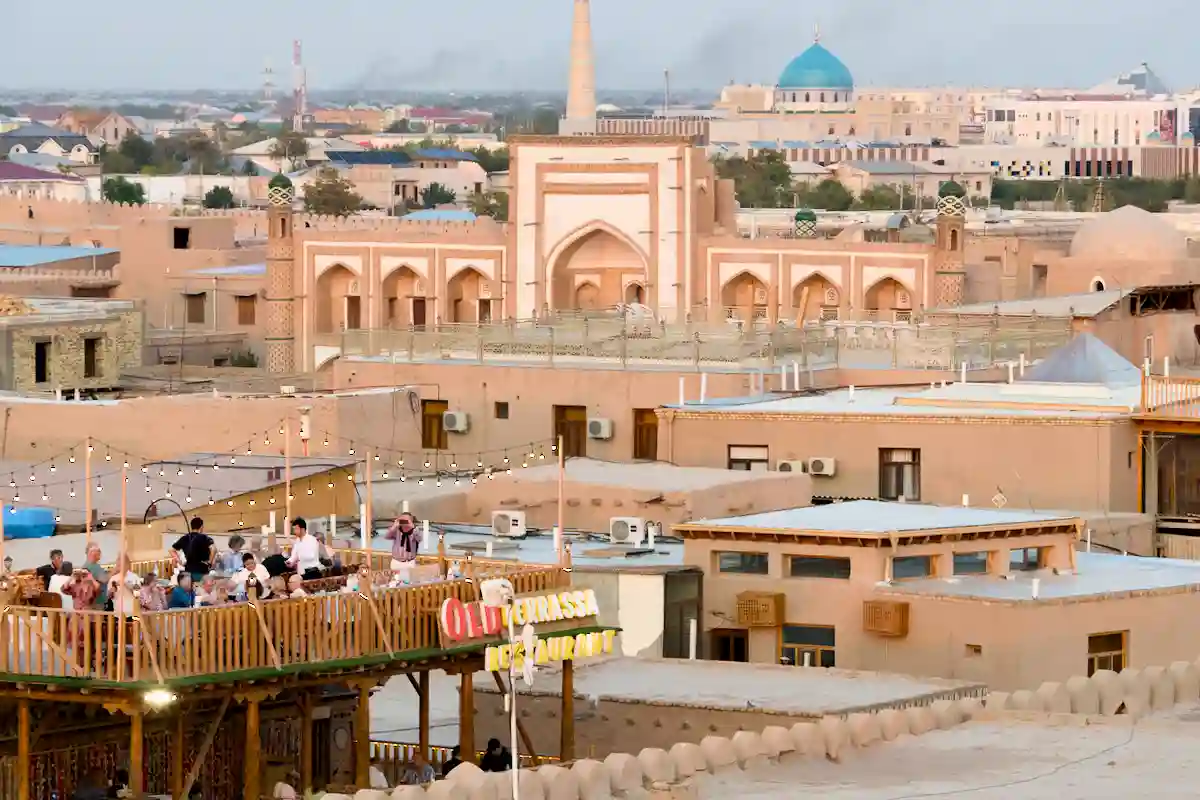
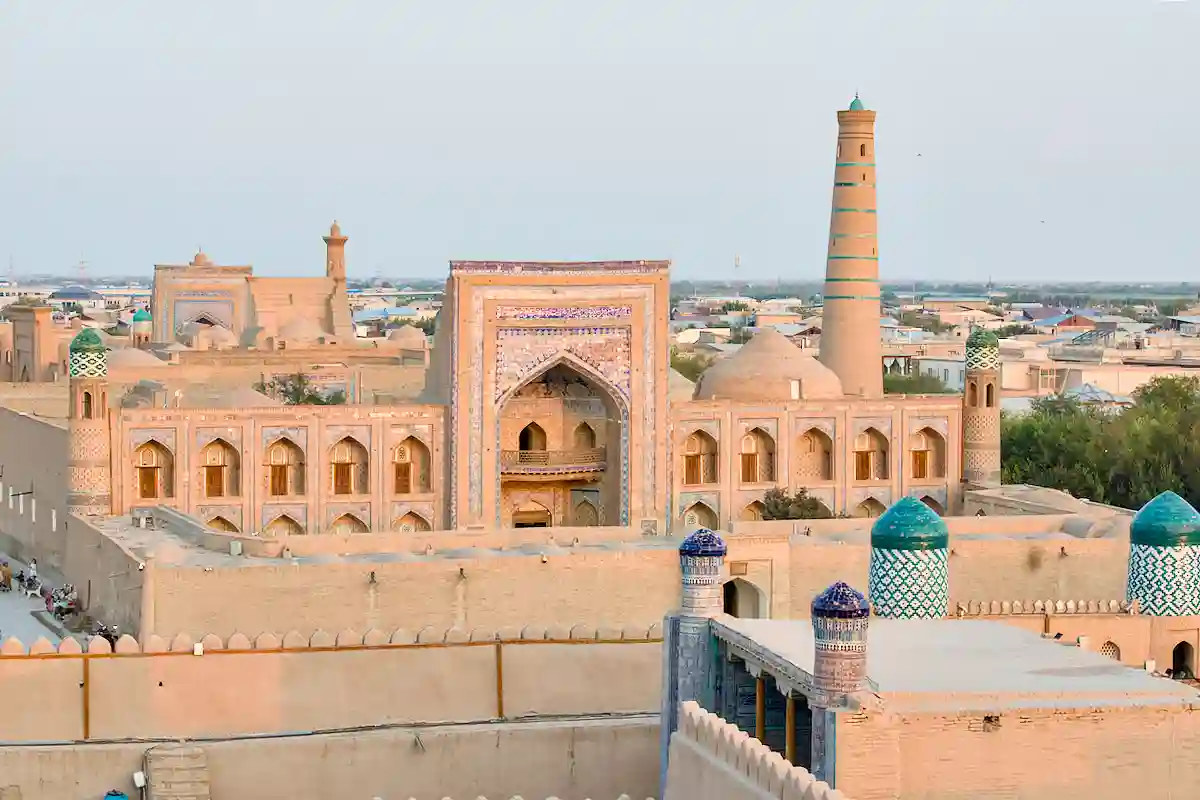
Wherever you look in Itchan-Kala, there’s an iconic tower, roof, or minaret in view. Here are a few of them:
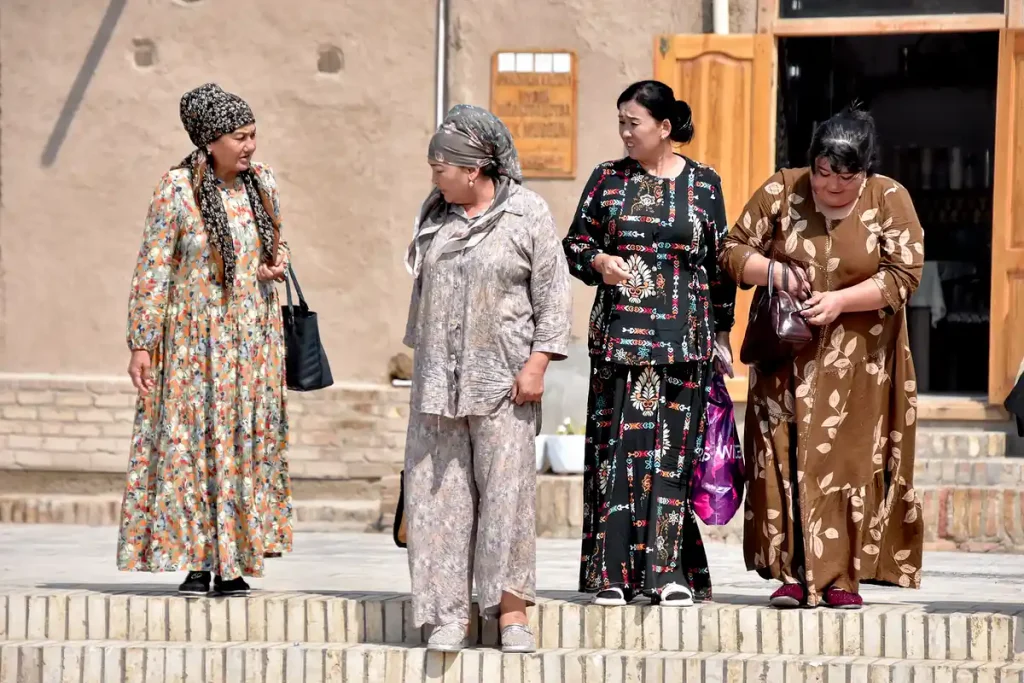
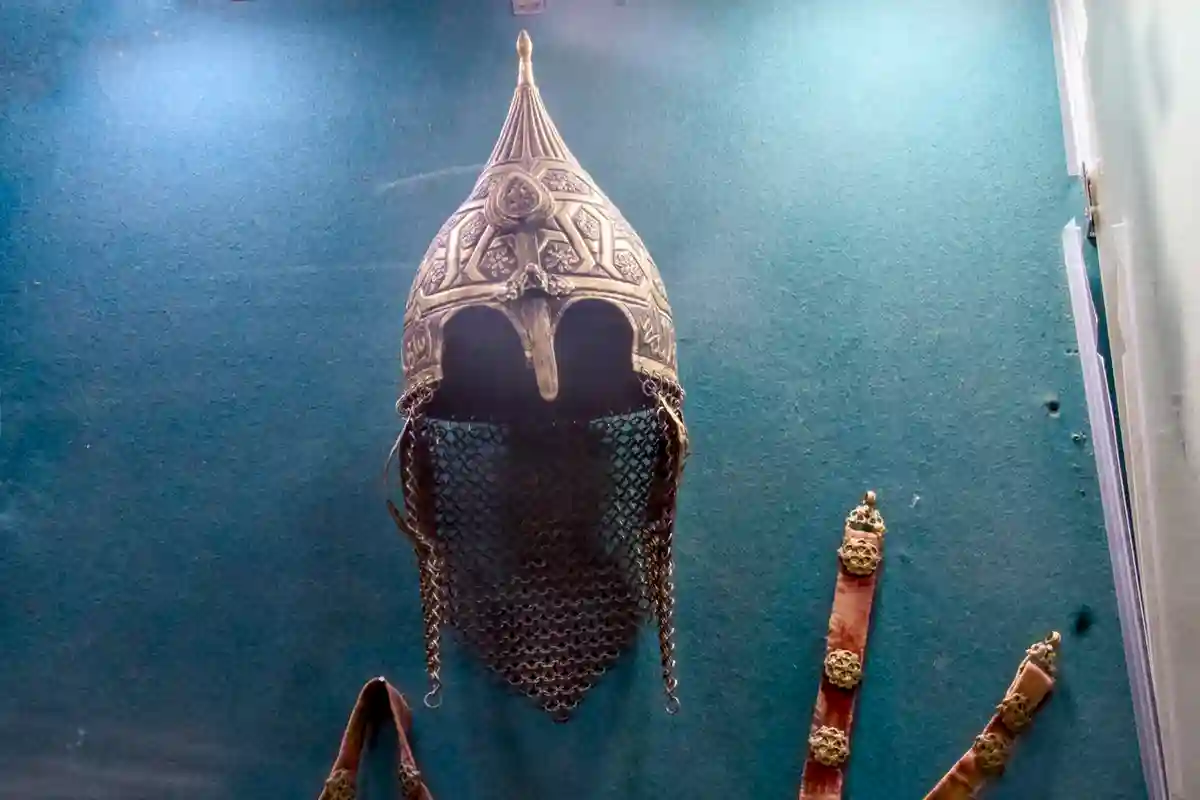
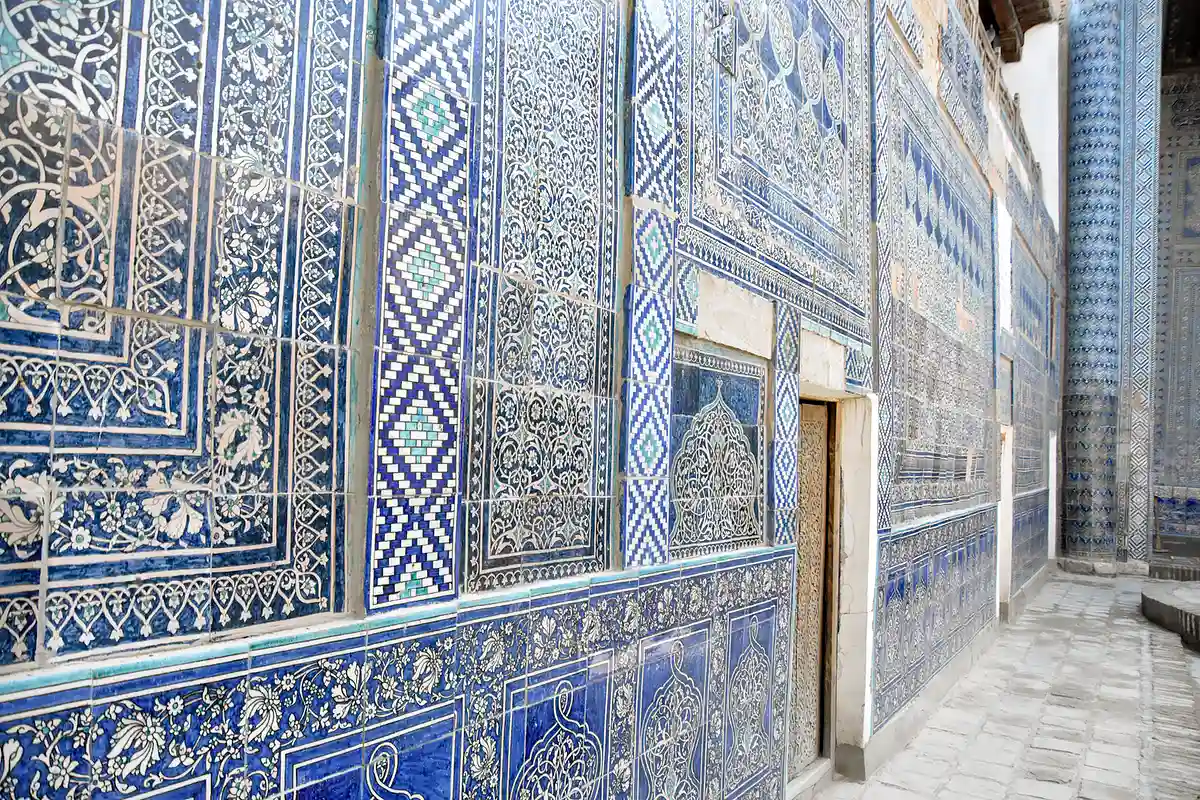
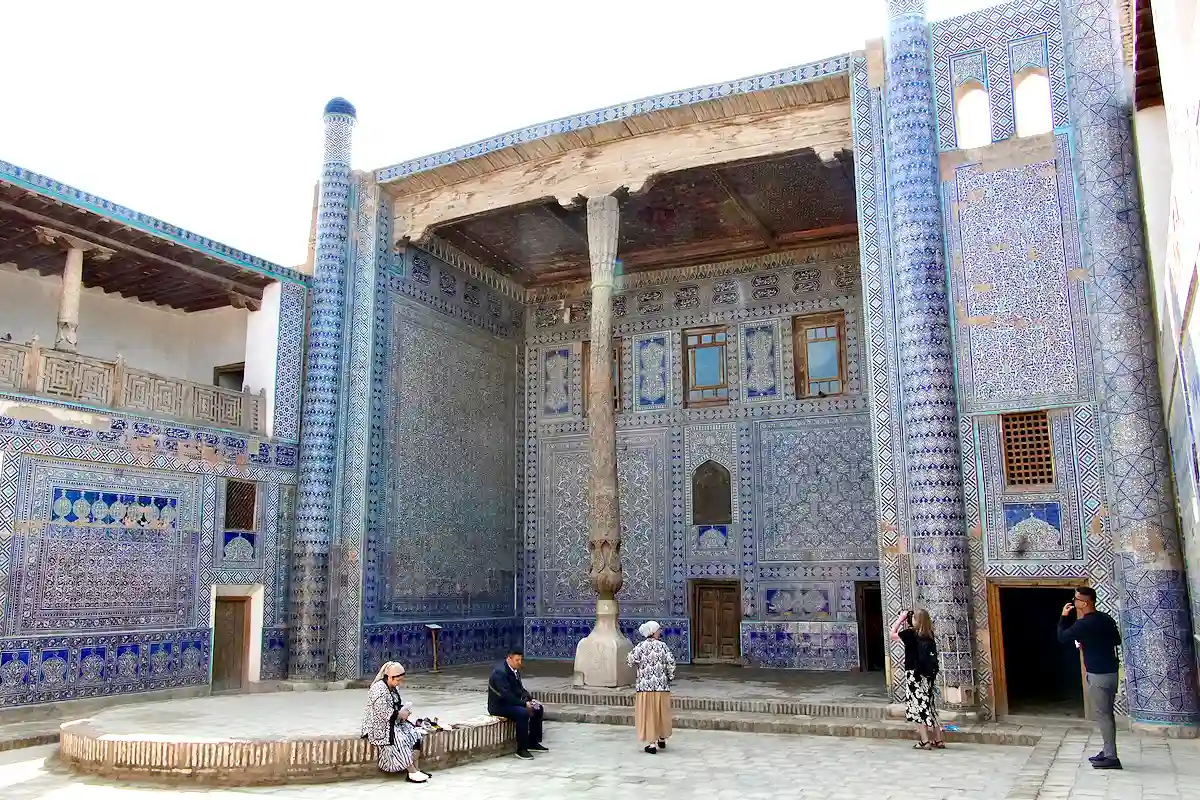
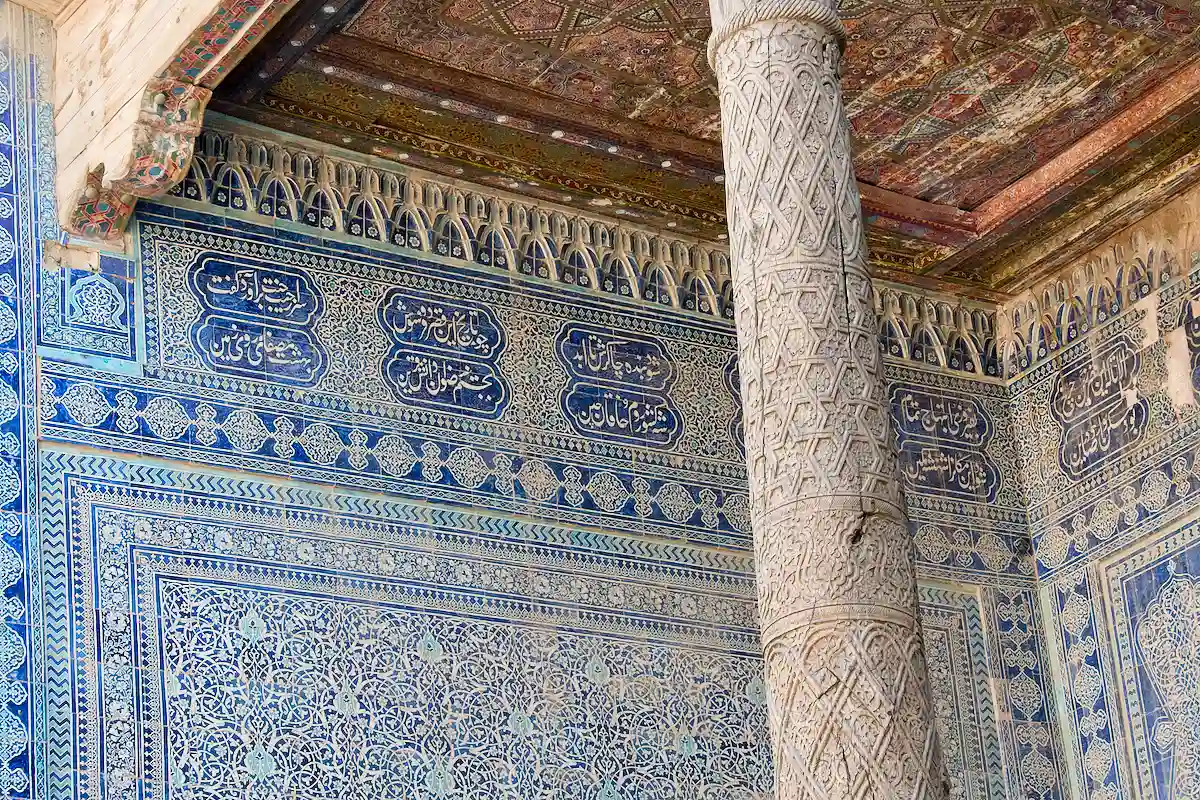
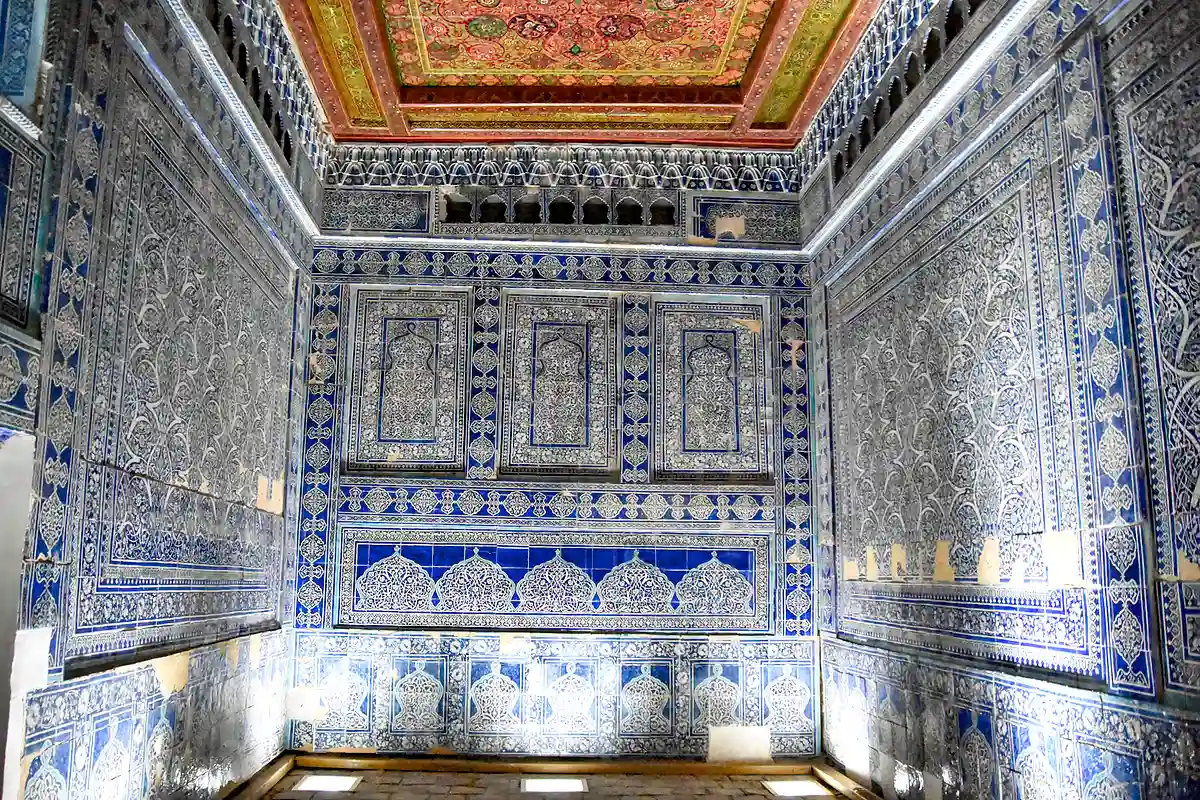
Itchan Kala is home to two royal palaces. The newest one, Tash Chauli, is the most interesting. It features incredibly beautiful walls covered in blue tiles, ornate columns, and halls where every single millimeter is adorned with decoration. The building also contains a harem where Uzbek traditional costumes are on display, as well as a museum featuring period military equipment and weapons.
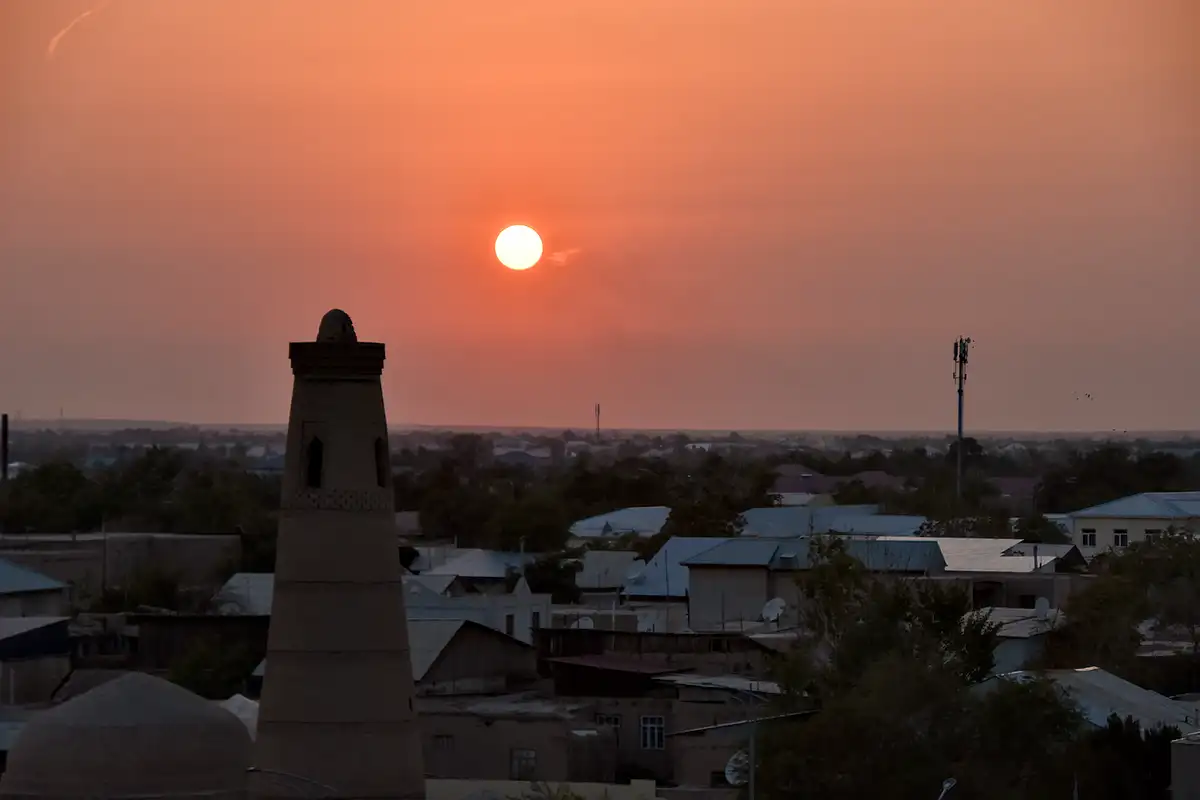
Itchan Kala is a red city, the red mud brick dominates completely. And it becomes especially red at sunset:
But Itchen Kala actually feels a bit like a stage set. In old photos, you can see how the city was a hodgepodge of stalls and small houses nestled among dilapidated mausoleums and madrasas a hundred years ago. Now, the local street life is gone, and the large buildings were all restored back during the Soviet era. Tourism has taken over and turned the city into a sort of Muslim Disney World. It’s beautiful but devoid of substance.
Definitely interesting and worth seeing, but two days are enough for a visit here. We do, however, find a fascinating craft in a workshop where they weave silk rugs—that is, using thin silk threads. It’s an incredibly slow and patience-testing process. A larger rug takes about a year to weave; the smaller ones, several months.
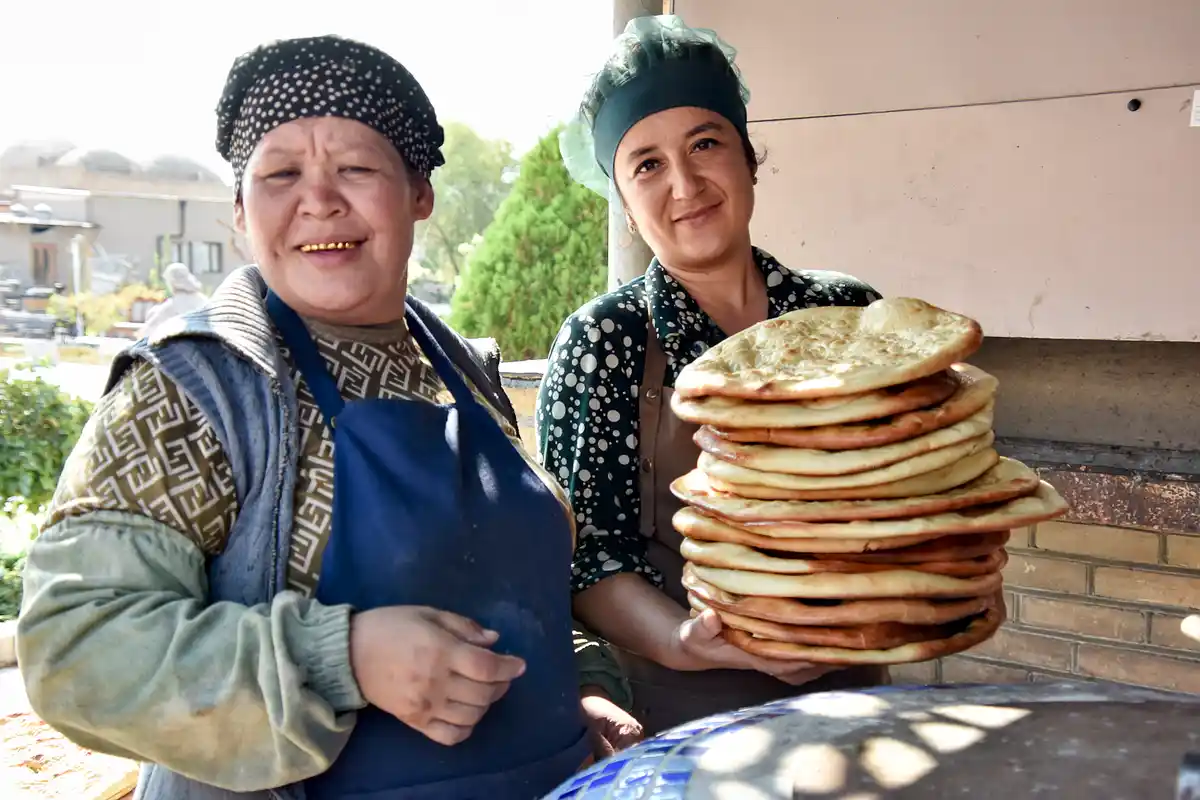
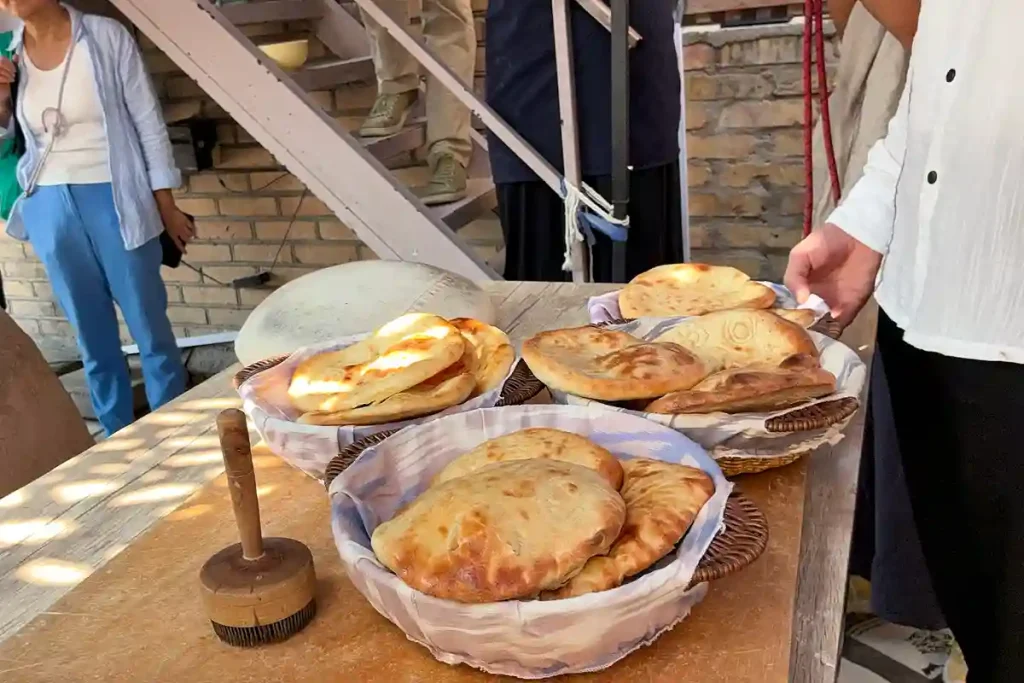
In Khiva, we’re going to learn how to bake Uzbek bread, so we’re taking part in a “master class.” It’s basically simple: you just mix together flour, salt, yeast, and milk as the liquid for the dough. You work it with your hands and knead it into a ball, which is then rolled out into a round flatbread. This is something our Italian participants are best at.
Finally, the bread is baked in the traditional “tandyr” oven—a round clay oven with a fire at the bottom and a hole at the top. The baker places the bread on a sort of cushion and shoves it into the hole so that the loaves stick to the inside of the oven. After a few minutes, they’re done baking. These breads are found everywhere in Central Asia, and they taste wonderful when fresh out of the oven. But once they’ve cooled, they become hard and dry.
A popular activity among tourists is walking along the parapet of the city wall at sunset. We’re content to climb up to the “lookout” and watch the sun set over Khiva. Afterward, another spectacle awaits as the lights come on along the facades.
Finally, a few words on where we’re staying. It’s a small former madrasa where the rooms have been renovated to varying degrees. It’s incredibly basic; the beds are rock-hard, and the room is tiny. The electrical wiring would never be approved in our country, and the breakfast is just weird. We buy some extra yogurt, but someone steals it from the communal fridge.
Two younger guys run the place as best they can, while the owner—an older man—mostly sits around getting drunk in the evenings. The hotel, which is really a hostel, gets rave reviews on the booking site. One guest even writes that the beds were “fantastic”. We leave the place with aching backs.