Now let’s go back a week in time and focus on something very special that happened then. From the start, we had actually planned to skip one of the Central Asian countries – namely, Turkmenistan. The reason was its unusual and expensive entry requirements.
Turkmenistan stands out in that it doesn’t exactly encourage tourism in the country. Rather, it makes it difficult, primarily through very unusual visa rules. To be allowed entry, you must be able to present a so-called “LOI,” or Letter of Invitation. In other words, you must be invited by someone in the country.
You’re also not allowed to travel without a guide. According to some sources, they don’t let in more than 10,000 foreign visitors per year into the country. This is resembling countries like North Korea or Albania under the dictator Hoxha. But if you go, as we did, with an organized tour operator, you get both a guide and an LOI included in the package.
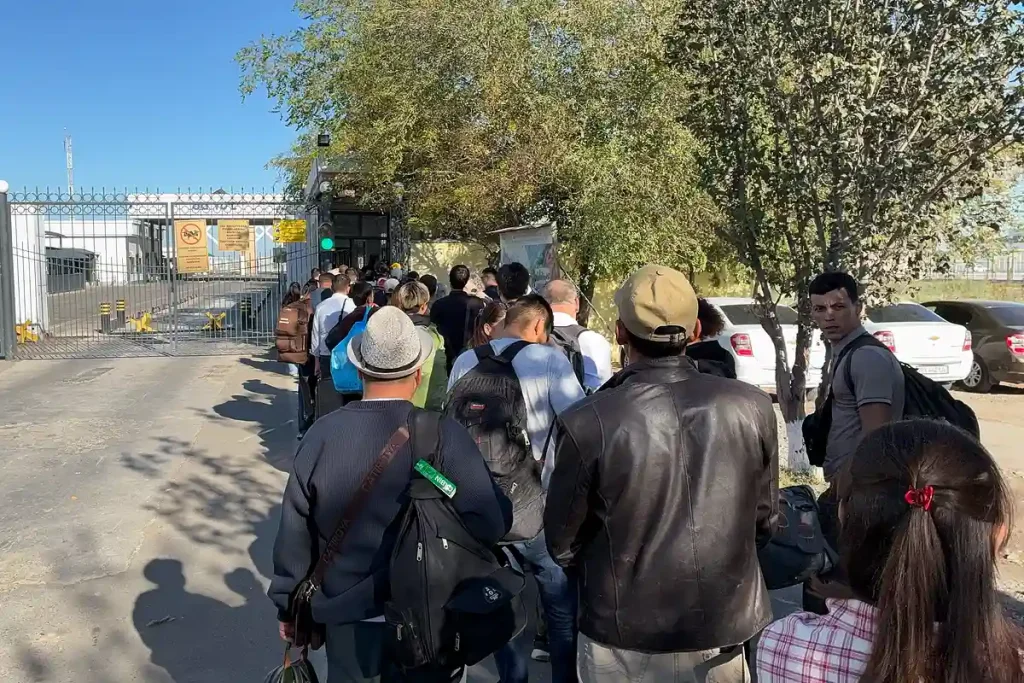
There’s an extremely complicated procedure at the border, and having a guide to help you makes all the difference. It’s almost total chaos – you’re sent all over the place without understanding where or why, because no one speaks English.
One strange part of the border regulations is that you have to pay (in dollars!) for a COVID test. No one knows why; Turkmenistan has never officially reported a single case of COVID. A man in a white coat, known as “the doctor,” quickly swabs your nose. Then you’re sent on to passport control and to purchase a visa. No one knows how much it costs; supposedly there are different rates for different countries, but no one has ever seen such a list.
It’s definitely expensive—official websites list prices between $50 and $120 for a visa, and for some obscure reason, it’s most expensive for British citizens.
We paid…zero dollars (!) for our visas. Our guide “knew the girl at the counter,” so we just slipped right through…
Finally, our luggage is scanned—nothing unusual about that. It’s done at every border crossing in Central Asia. What’s special here is that no one bothers to look at the scanner screen. Eventually, we pick up our luggage, and just like that, we’re in Turkmenistan!
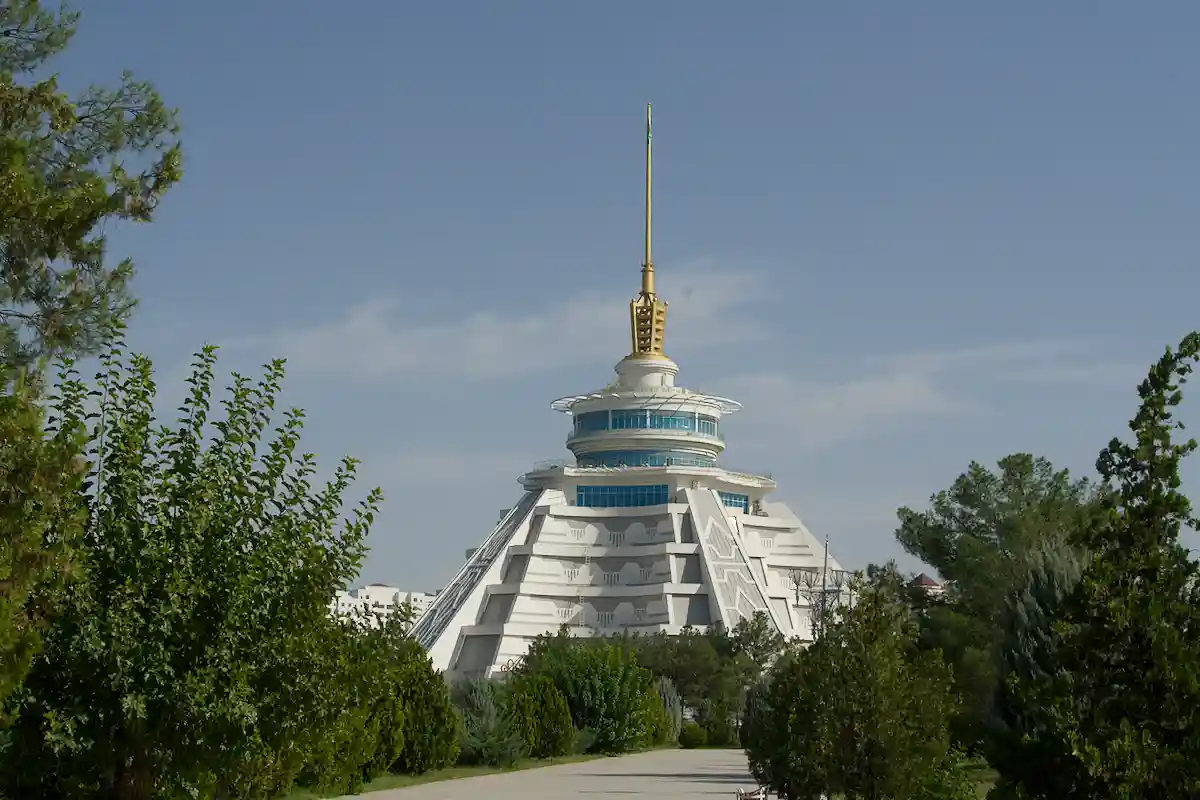
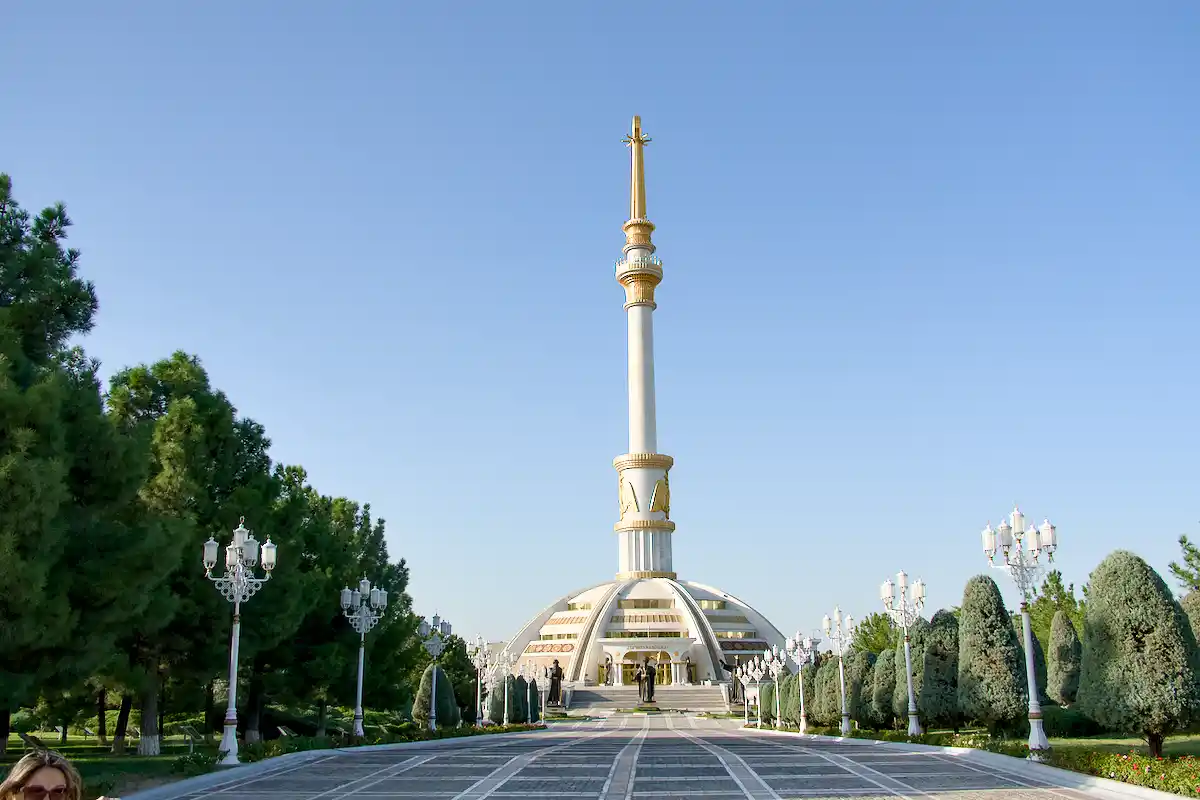
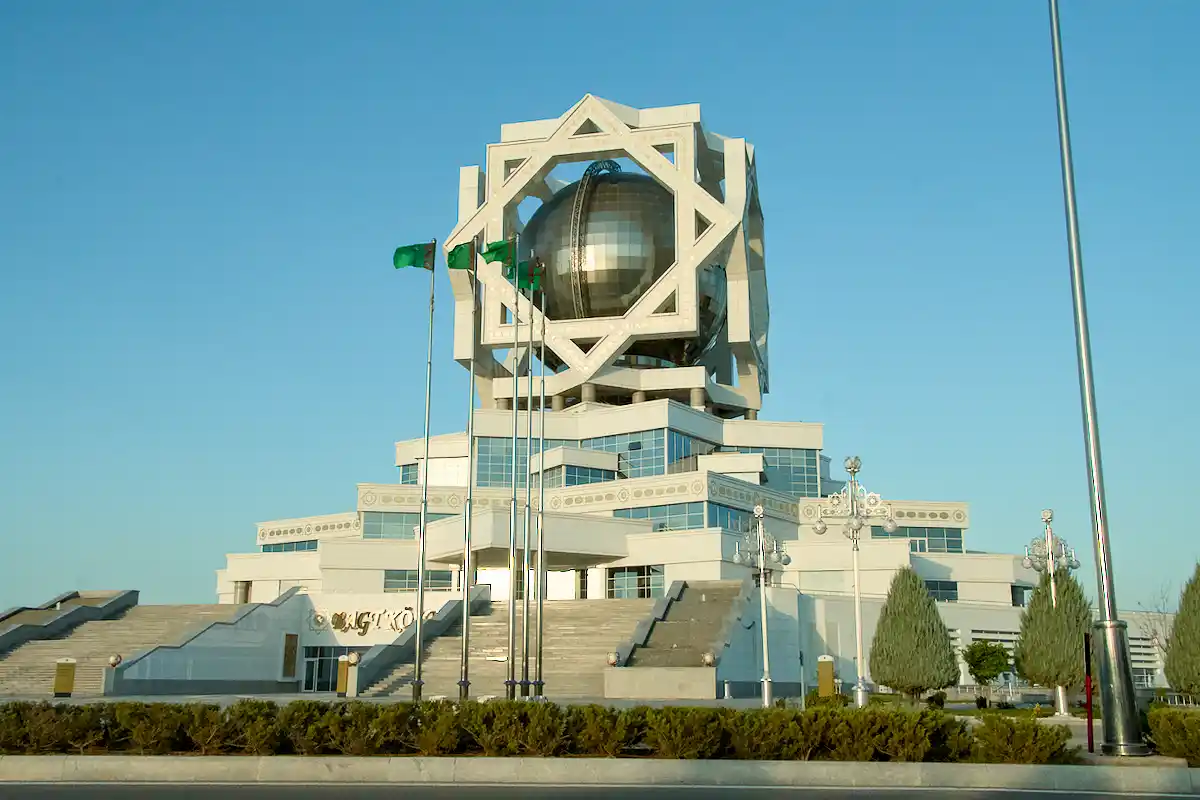
The first thing we see in the middle of nowhere is this:
The guide mutters something about a ceremony having taken place here. Not even Google Images can identify the building. Mysterious and abandoned.
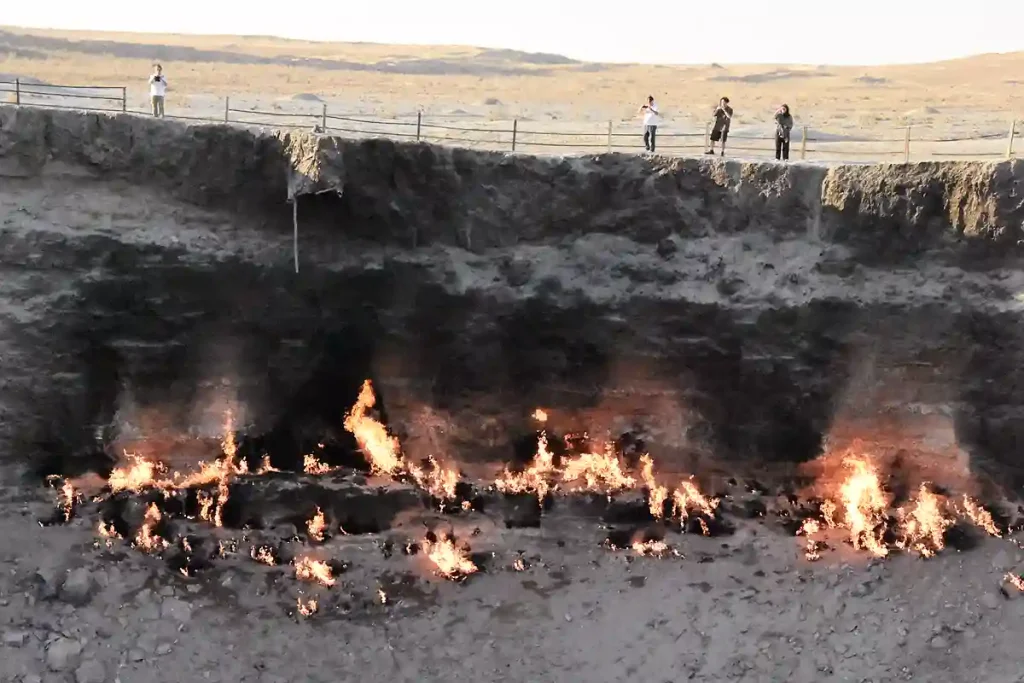
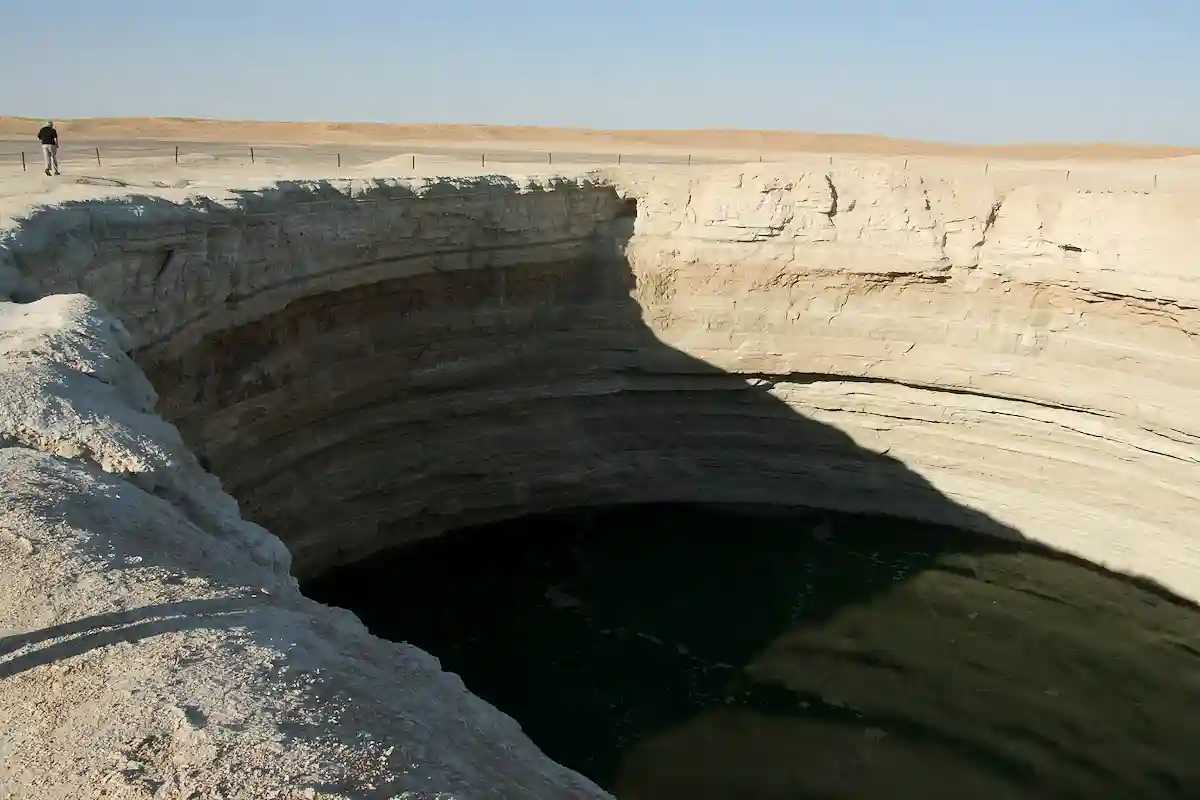
The first stop on many trips here is the so-called “gas crater” Darvaza, also known as the “Gateway to Hell.” That’s quite an exaggeration. Turkmenistan sits on one of the world’s largest sources of methane gas, which has long been extracted and used in gas-fired power plants and as fuel for cars. Sometimes a gas pocket like this lies very close to the surface, and what happened in Darvaza was that the ground collapsed, opening a crater from which methane seeped up. Livestock grazing nearby fell ill, so authorities decided to set the gas on fire. It’s still burning, 60 years later—though not quite as fiercely as before.
It’s quite impressive, especially after dark (the photo at the top of the page), and it’s one of the few official tourist destinations in this country. So, nearby, they’ve set up several tent camps with traditional round yurts where visitors can spend the night. It wasn’t ideal—the beds were hard, and the yurts, which are very close together, lets you hear every neighbour’s noises.
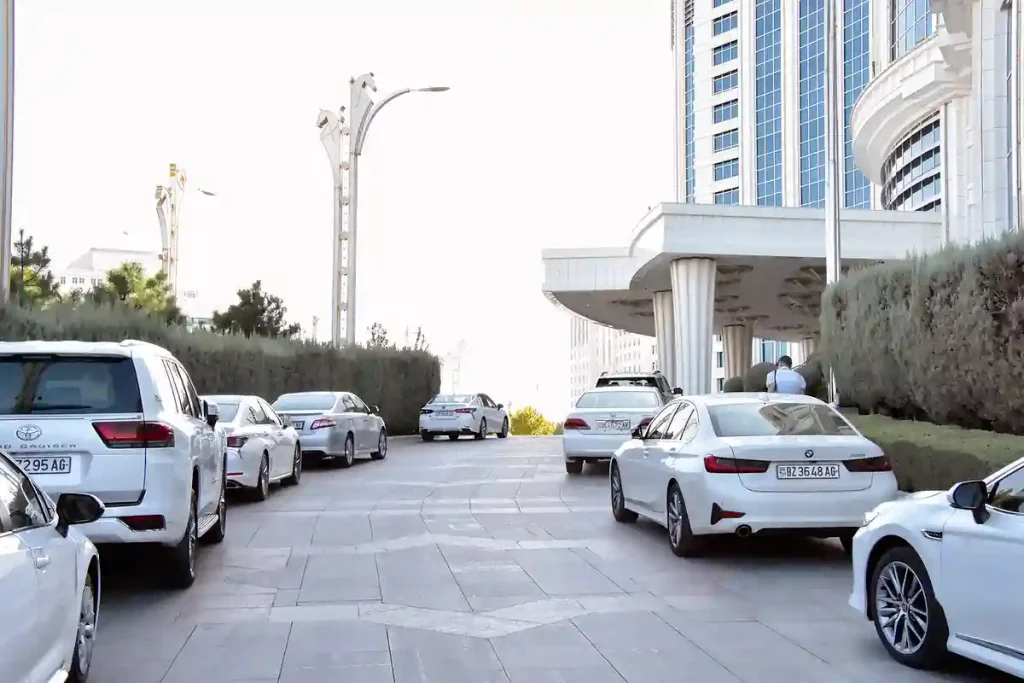
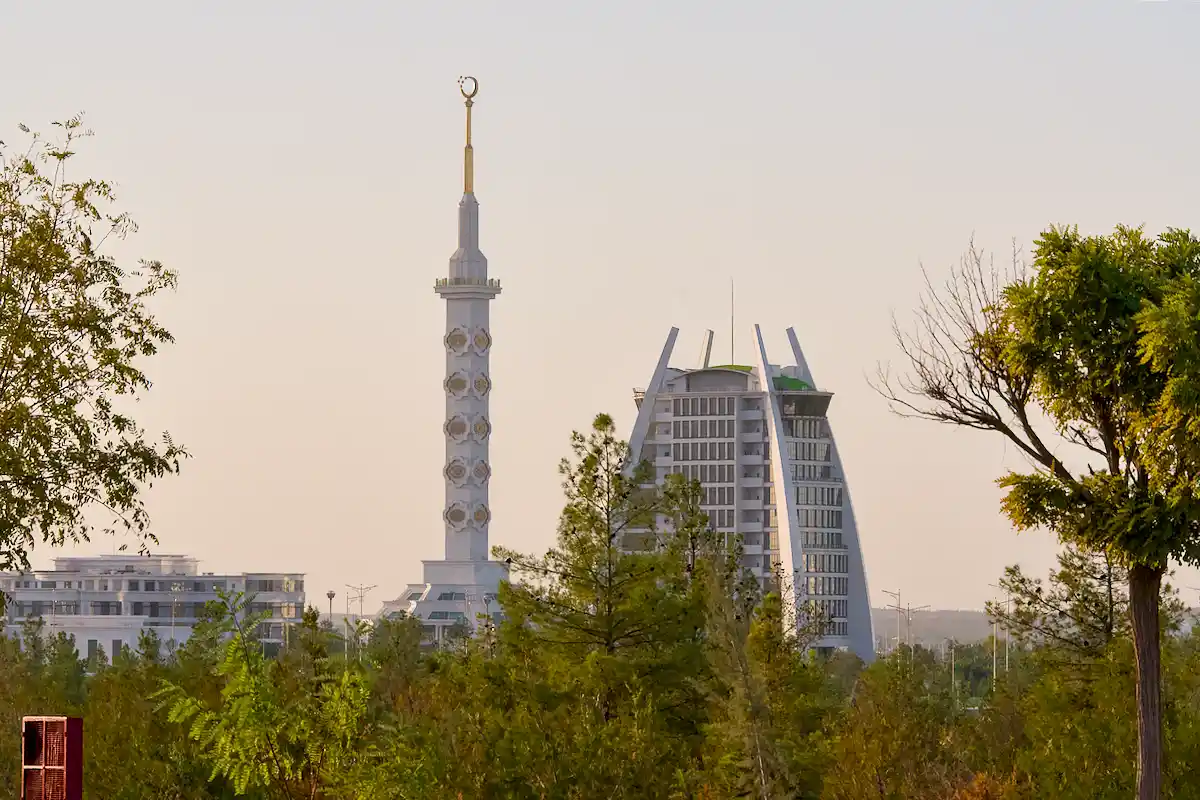
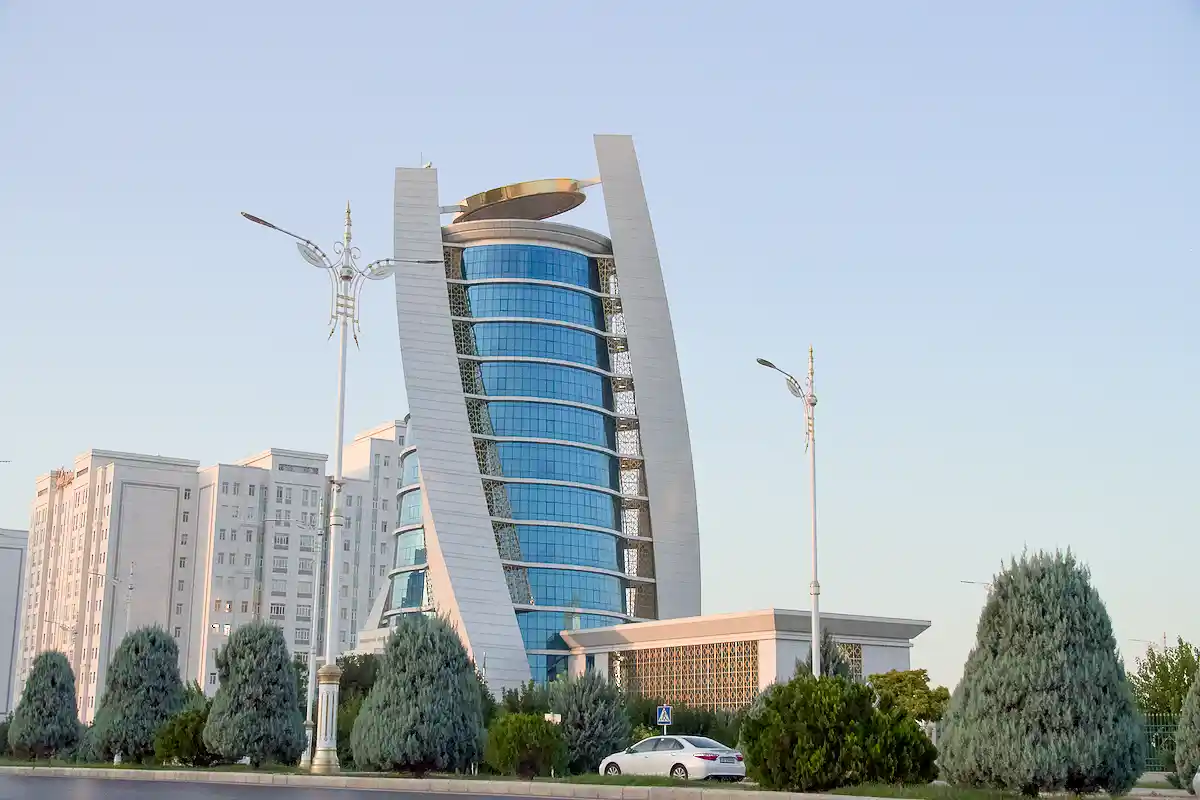
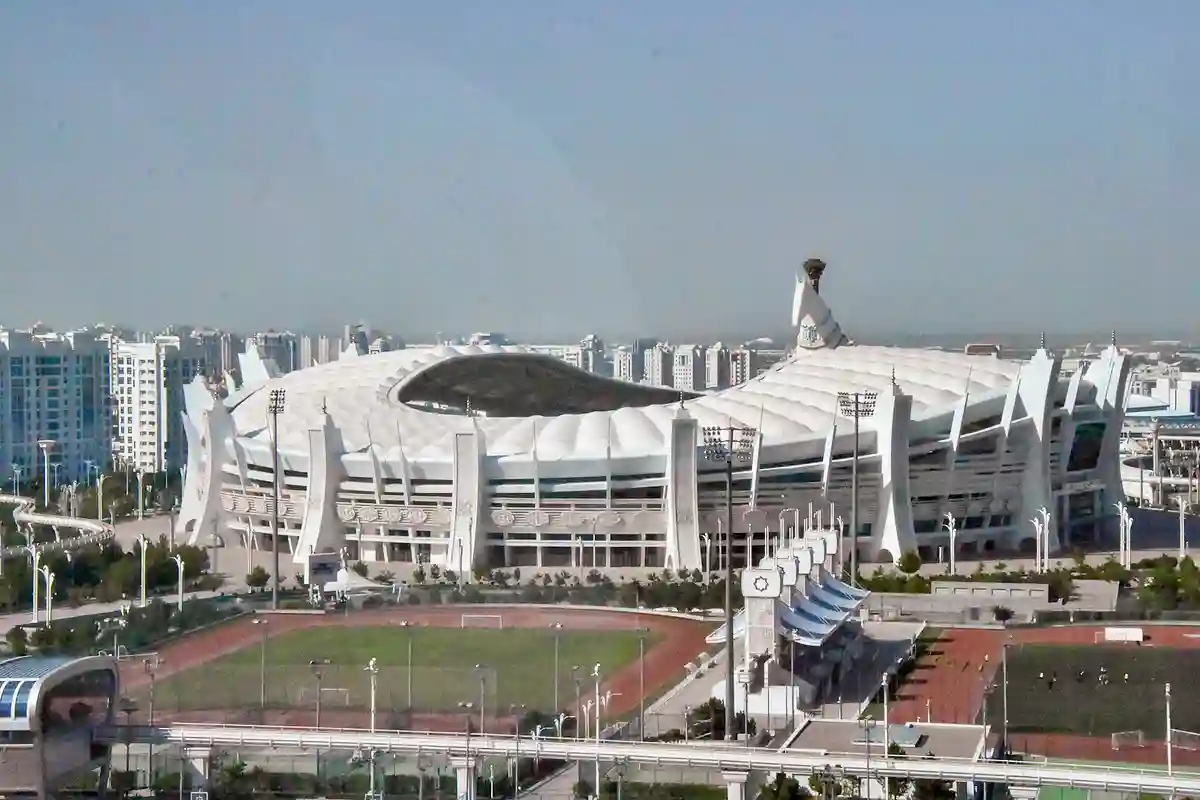
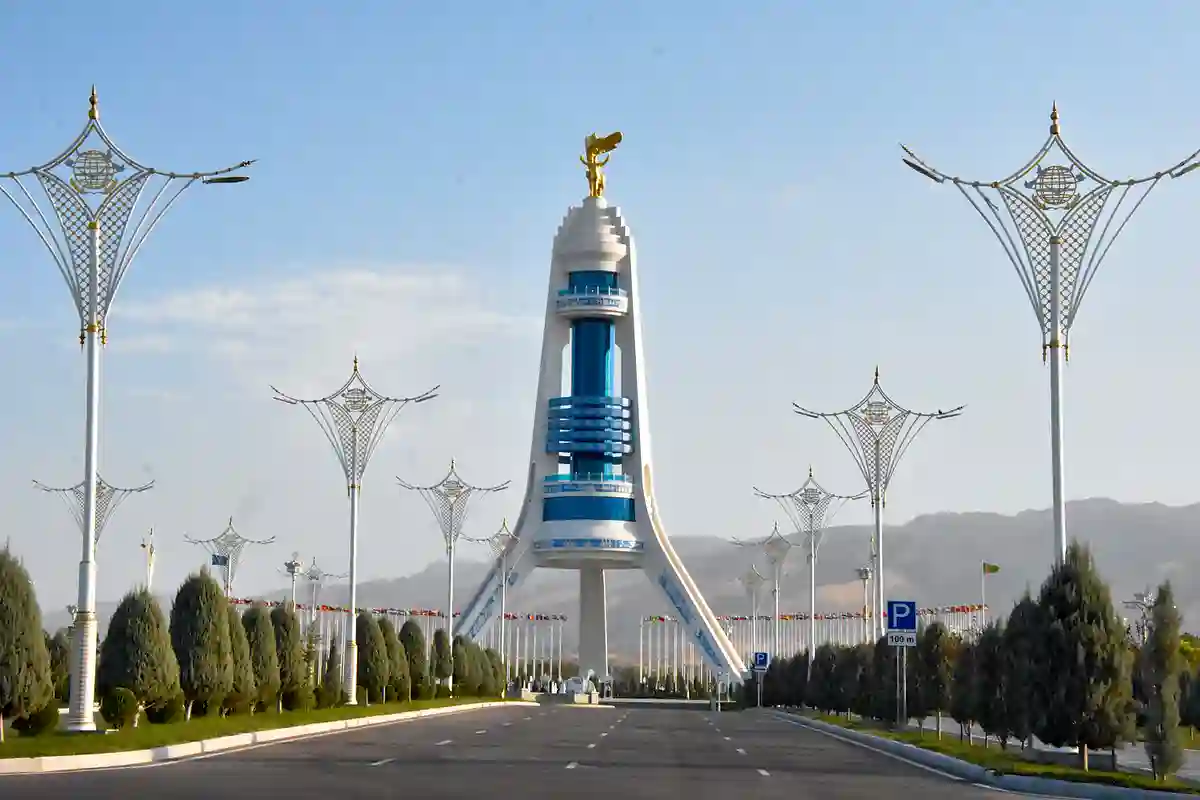
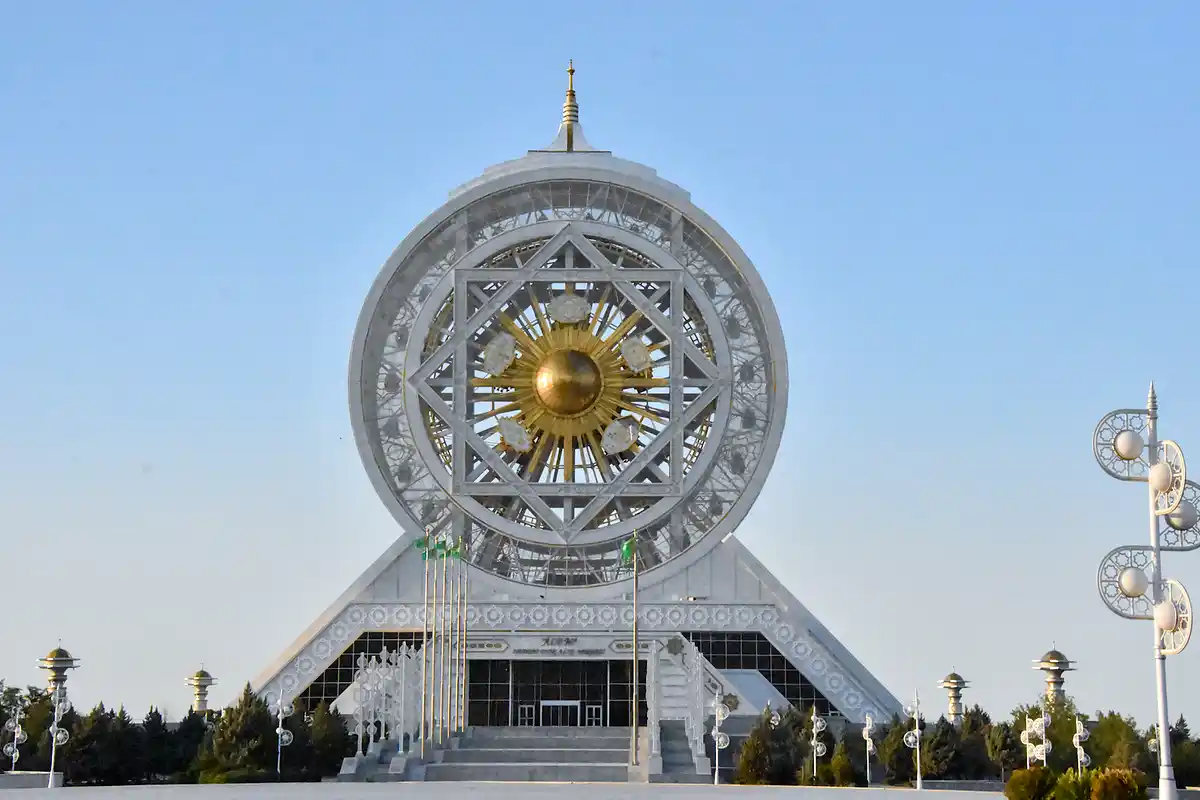
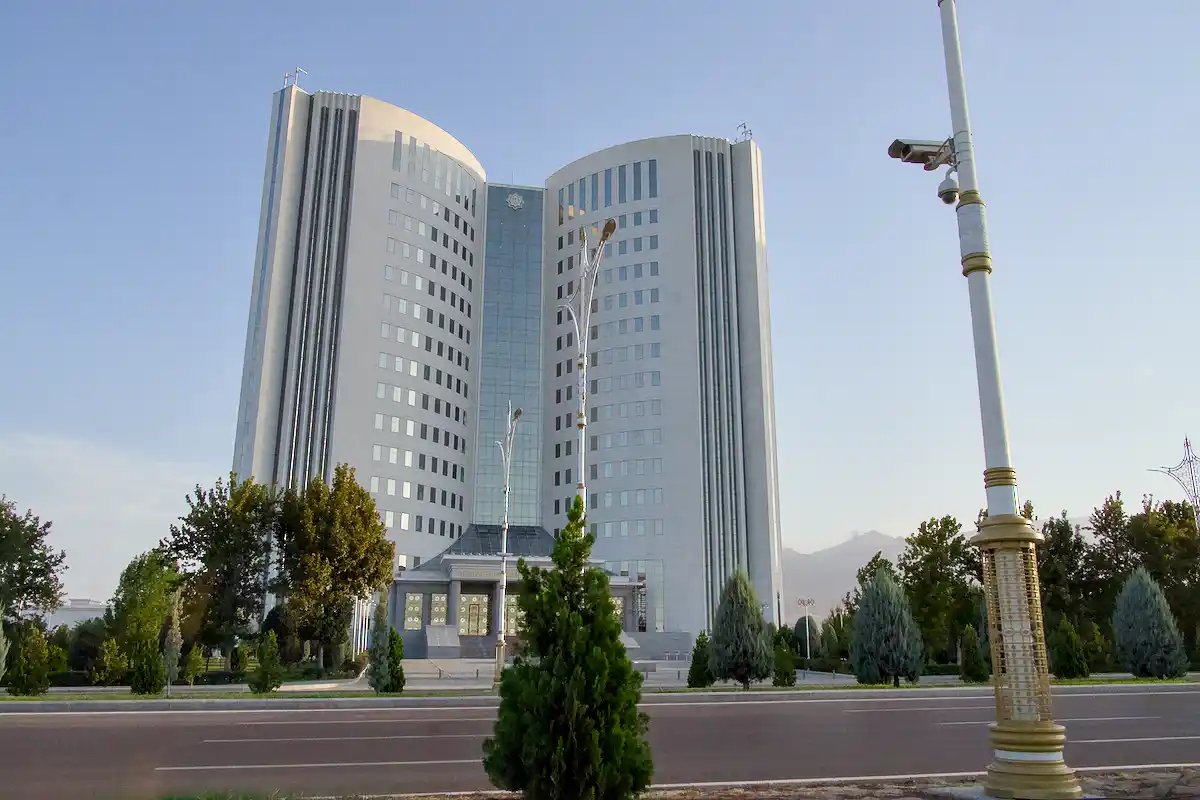
If you search for “Turkmenistan” on YouTube, you’ll find several videos featuring cocky American guys describing how strange things are in the capital, Ashgabat. The streets are empty, dogs are banned because they smell bad, and everyone has to drive white cars, and so on. Some of this is outdated, and some is exaggerated. What is true is that all the buildings in the capital are white. And all the cars are light-colored – most often white.
But they don’t have to be pure white; they can be, for example, light metallic, like the car right under the pole in this picture:
Ashgabat was largely destroyed by an earthquake in 1948. Due to Soviet censorship, information about the extent of the damage, the number of fatalities, and so on could not be reported. So we simply don’t know. But the Ashgabat we see today is an entirely new city, built with a certain social vision in mind; it is a city of the future for the elite.
If you go out in the city during the day, you’ll see very few people. The traffic, on the other hand, is heavy. We get the impression that it’s a city built primarily for cars. And those cars are driven by people who live downtown—an administrative or commercial elite. They drive new, light-colored cars. The less well-off—people who work in industry and similar fields—earn an average monthly income equivalent to US$ 130 and live in the suburbs or in the countryside. If they need to go into the city, they take the white public buses.
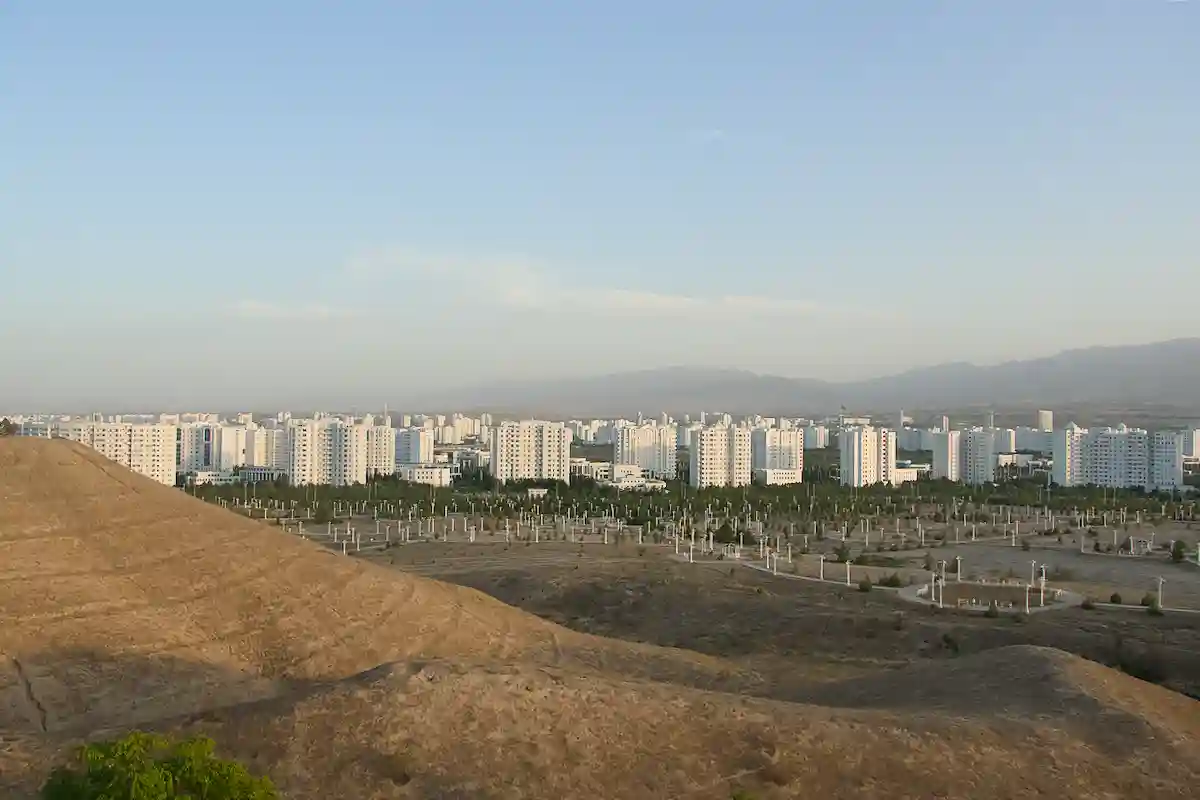
This is how empty the city’s parks are:
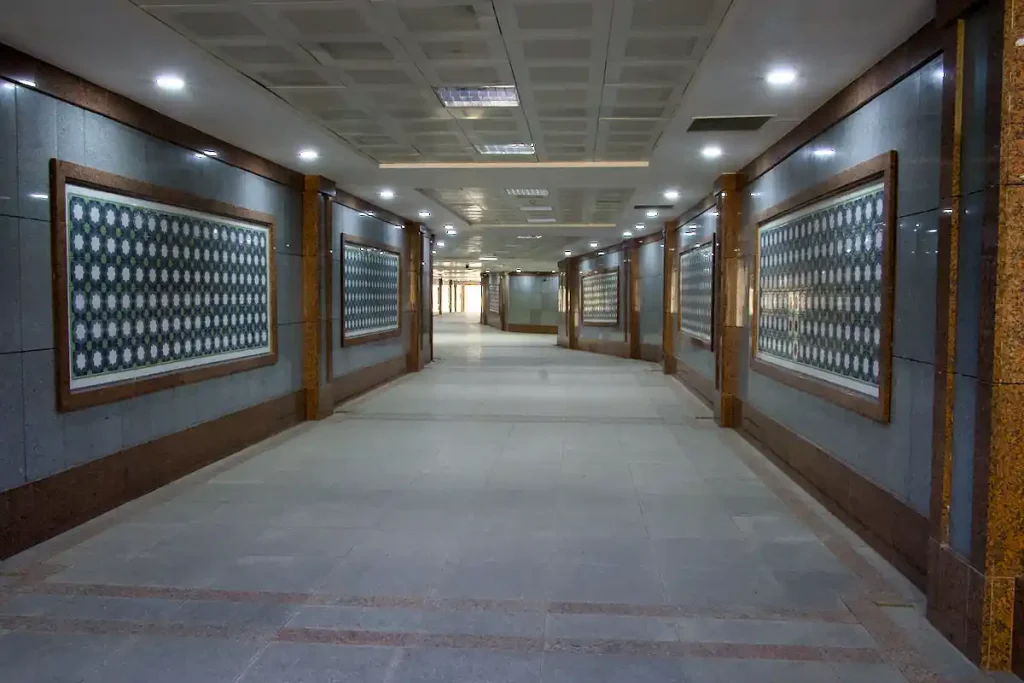
For pedestrians to cross the wide boulevards, there are underpasses at the intersections. There’s space here for stores, but not one is open. And no one walks here.
Turmenistan is in a cronic state of inflation, but since the exchange rate is fixed the general public is poorer and poorer. People with money work the black market and benefit from it.
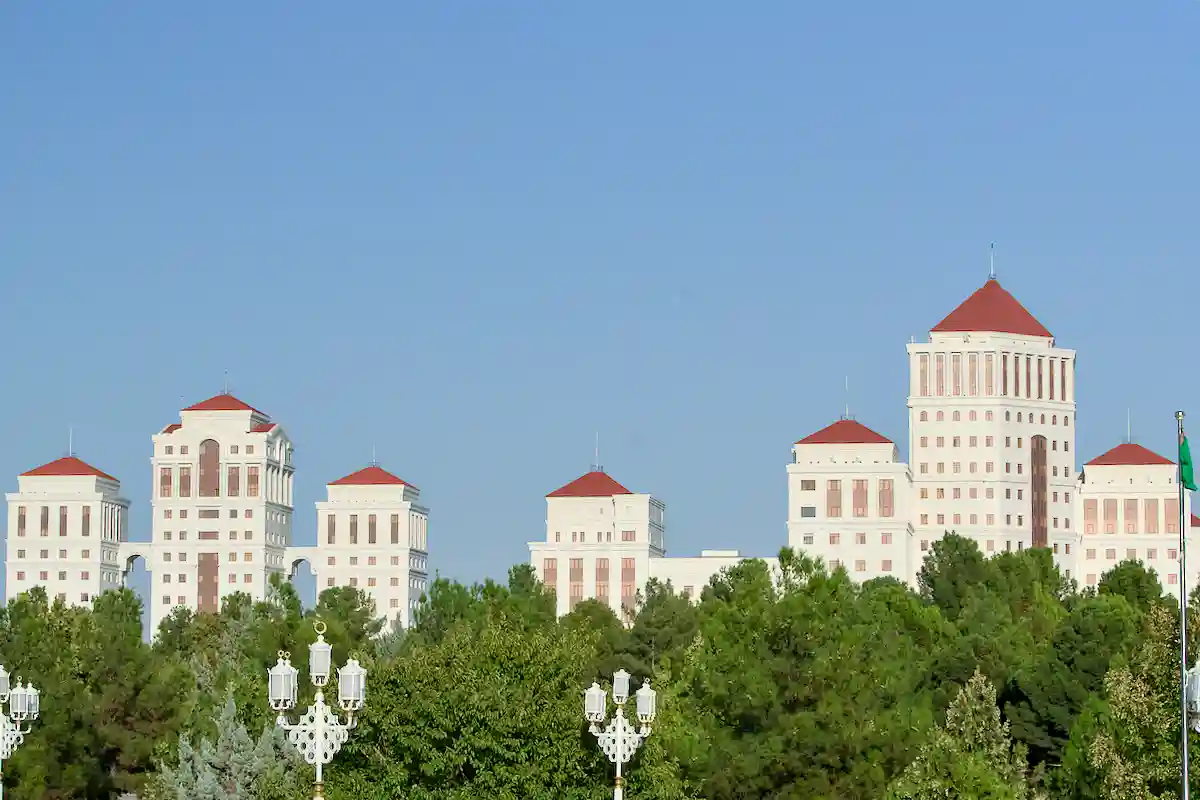
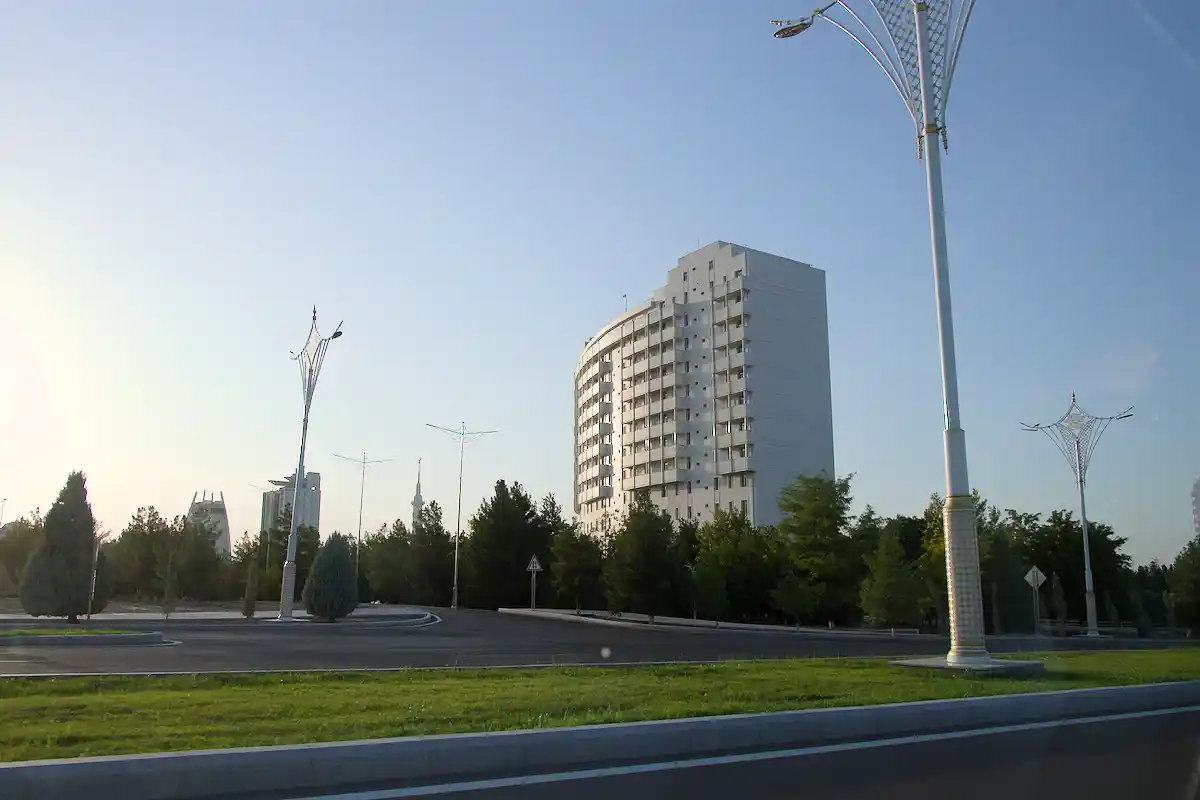
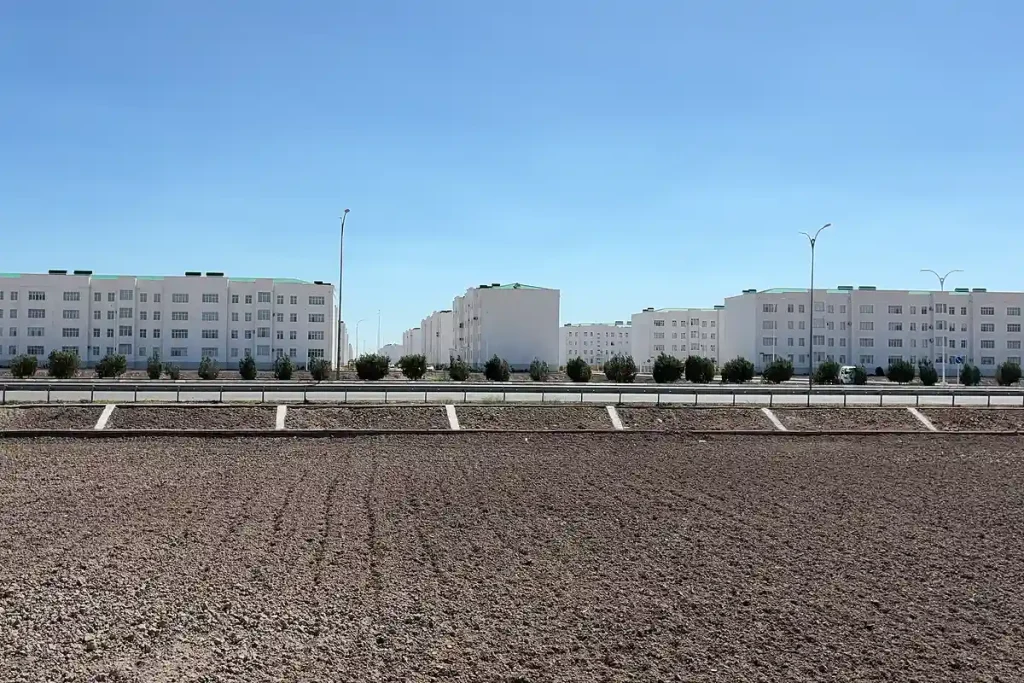
The houses in the city center are like palaces, while the new residential areas we saw on the outskirts of the city, on the other hand, are more like our “Million Program” housing projects—row after row of identical white boxes. Everywhere we look, we see new, stylish buildings for office and retail spaces. But they are all empty and deserted, both in the countryside and in the cities.
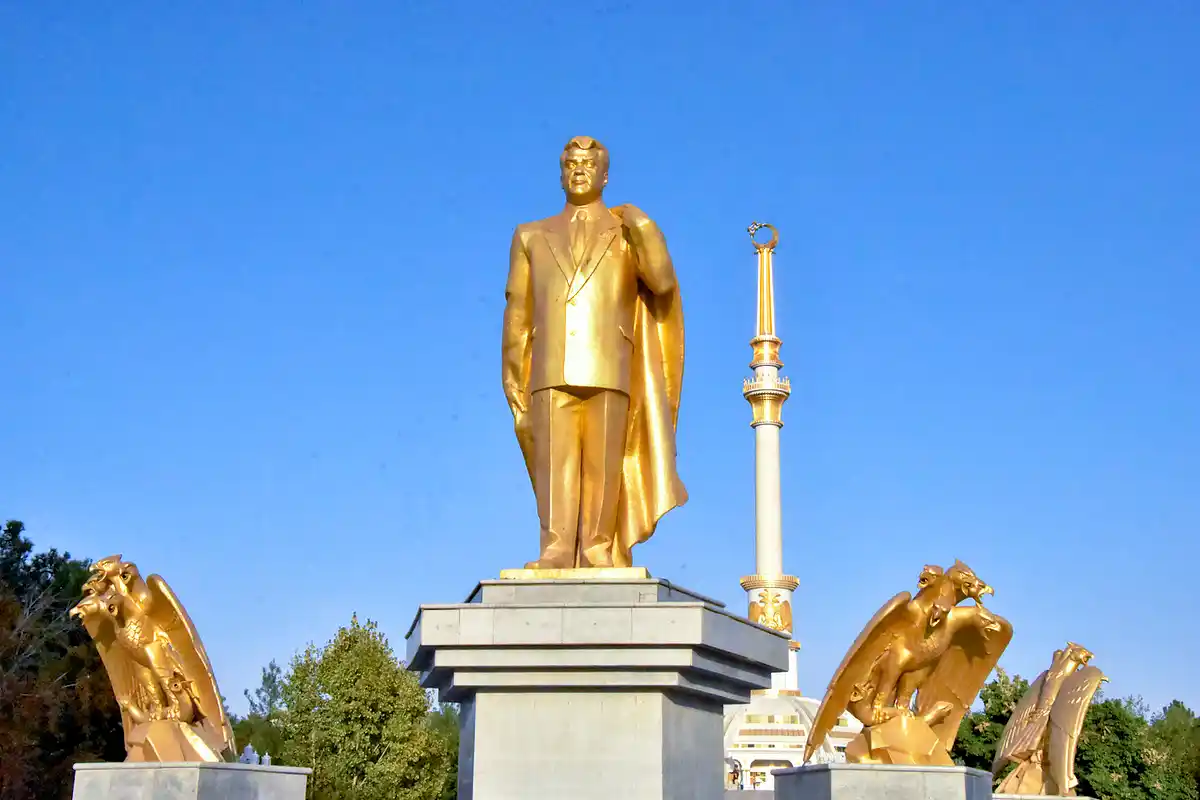
Most stories about Turkmenistan revolve around the strange decisions made by the country’s first president, Saparmat Niyazov. He ruled the country as a dictator for fifteen years, fostered a cult of personality around himself, and spread bizarre ideas.
For example, he closed all libraries and hospitals outside of the capital, where half the population lives. He renamed the days and months after members of his family and banned all books from schools because he believed his own autobiography was the only thing people needed to read. Furthermore, he suddenly halted pension payments to one-third of the country’s retirees.
He also banned lip-syncing at concerts, in recordings, and on TV. He banned dogs in the capital because they “smelled bad.” He abolished the Turkmen word for “bread” and replaced it with his mother’s name. He banned opera, ballet, the circus, and symphony orchestras. TV hosts and news anchors were not allowed to wear makeup. He banned car radios because he thought they were “pointless.” And so on.
After his death, many of his bizarre decisions were repealed. But two of them remained in place: his party continued to be the only one allowed, and there were restrictions on Internet access. Only the state-owned telecommunications company is permitted to provide Internet service, which is why tourists in the country cannot access the Internet, not even via Wi-Fi. We were there just as the election in Sweden was taking place, so we had to wait several days to find out the election results.
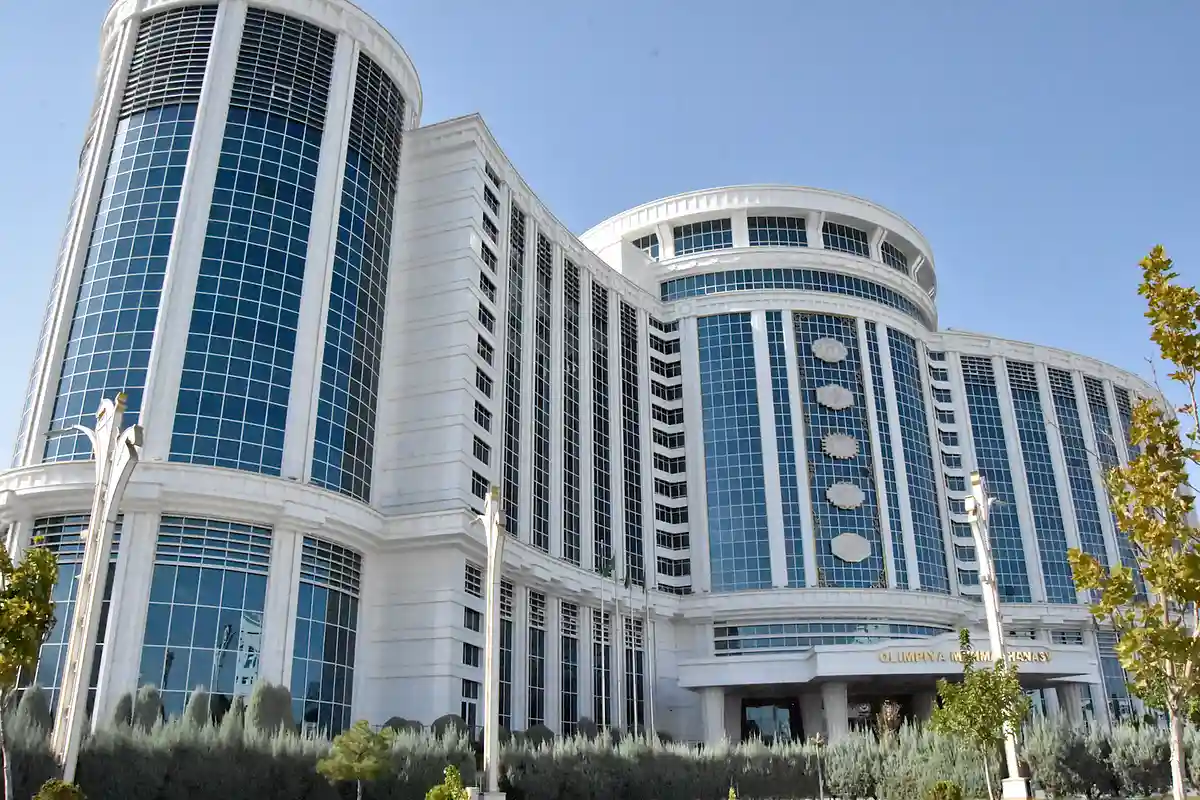
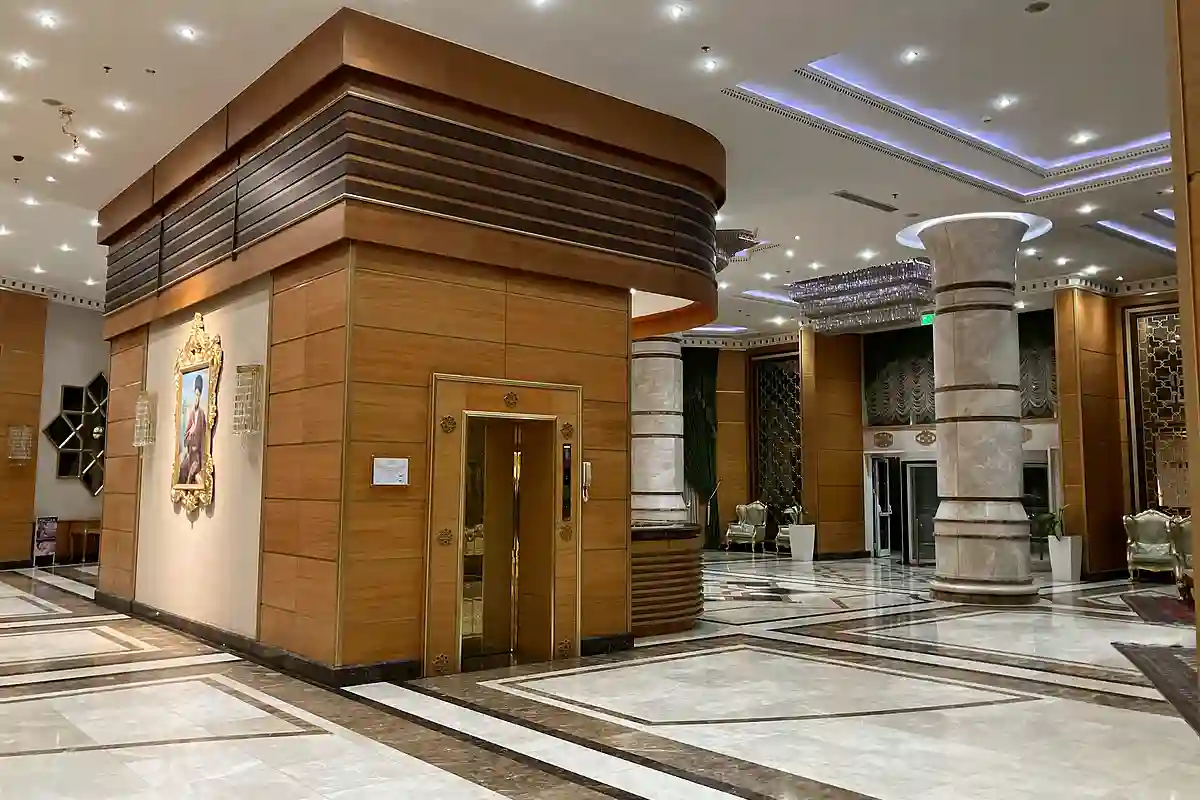
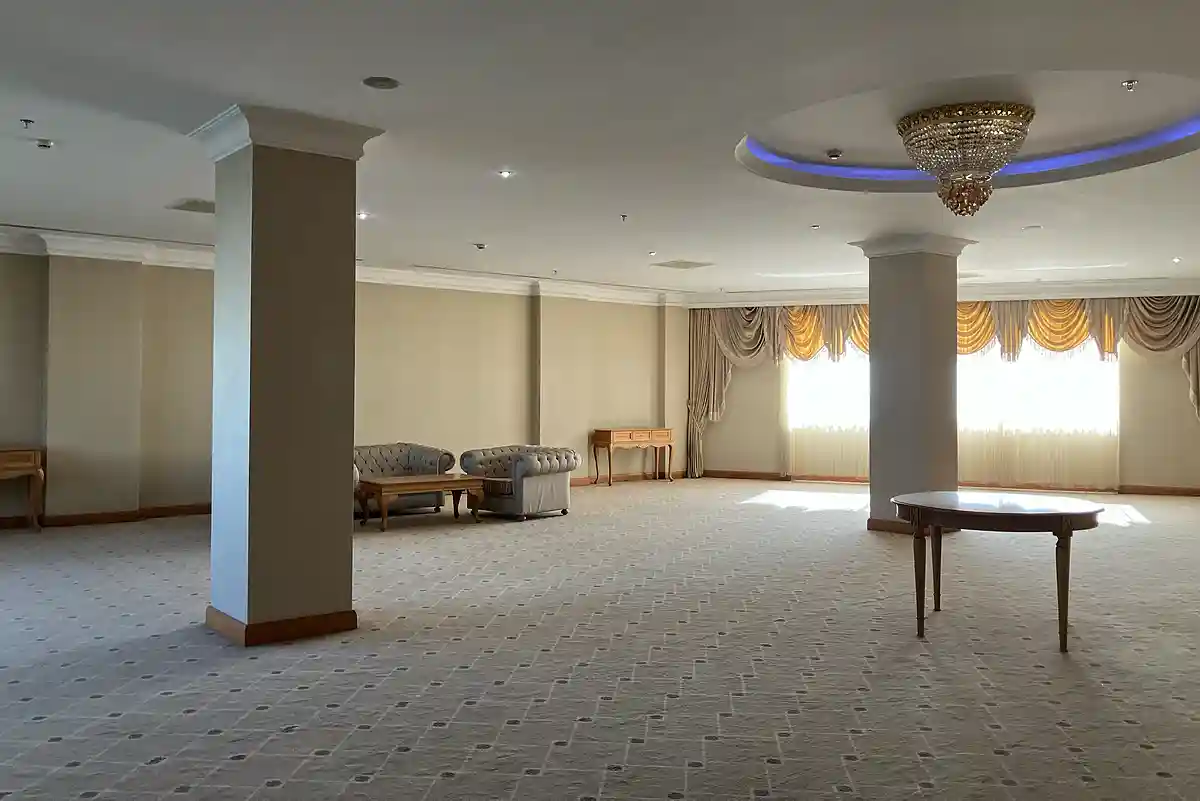
Our hotel, the Olimpiya, deserves a special mention. It’s a massive building whose exterior seemed to fit right in among the other gaudy palaces. But inside, it was as desolate as in *The Shining*.
Before we leave Ashgabat, here’s a short video clip showing what the capital can look like in the evening. As you can see, they’re trying to create a modern atmosphere with lighting effects—just like in all the other major cities in the region. But there are still very few people out and about.