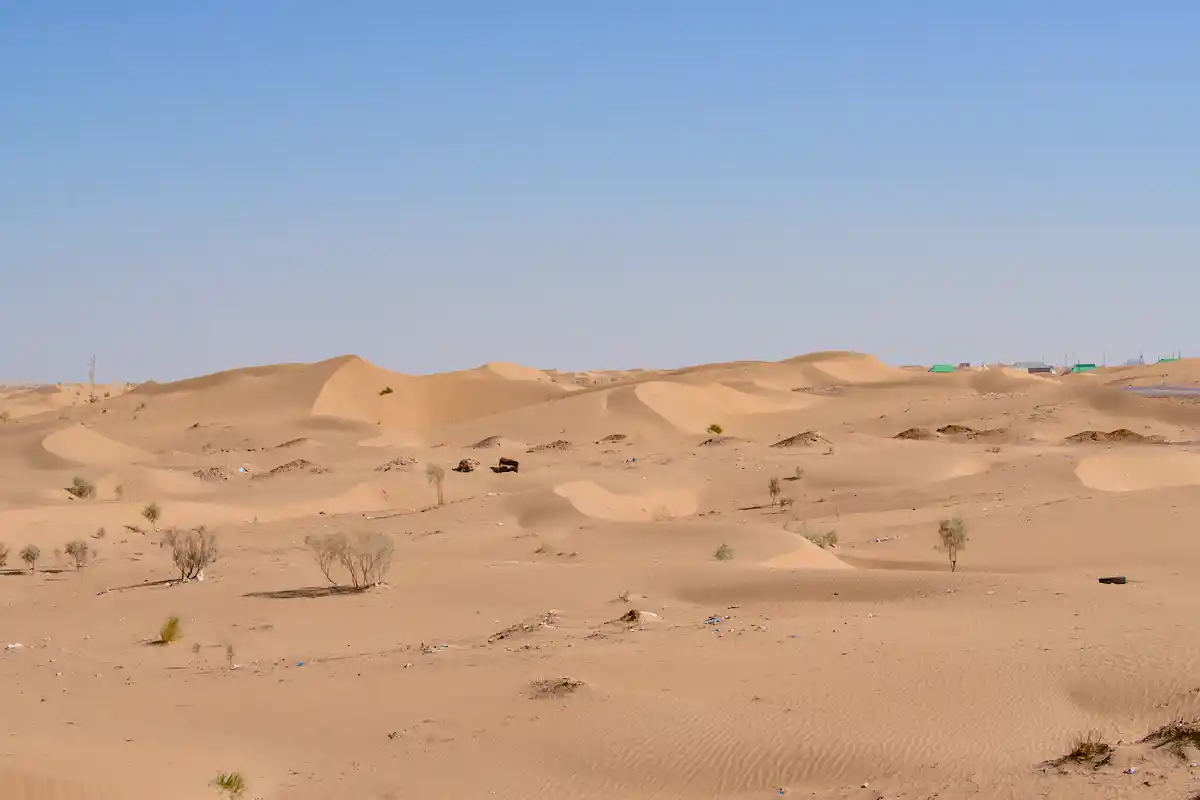
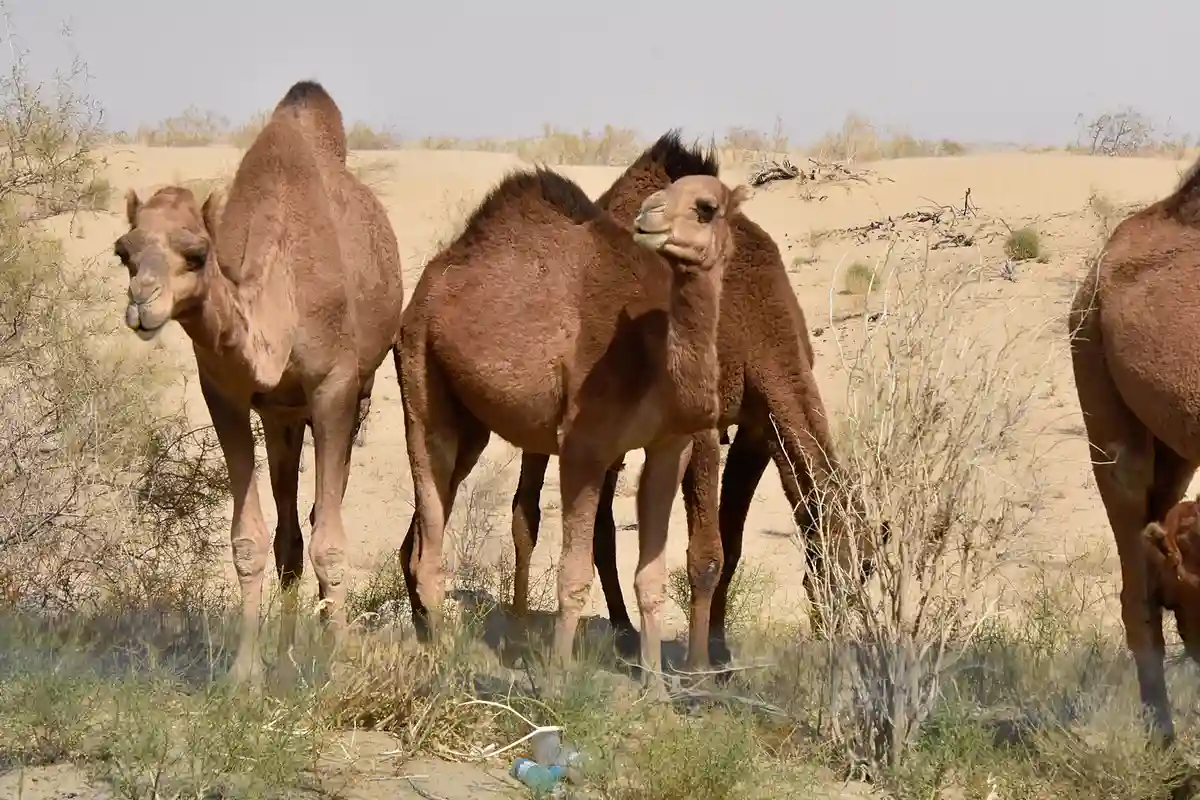
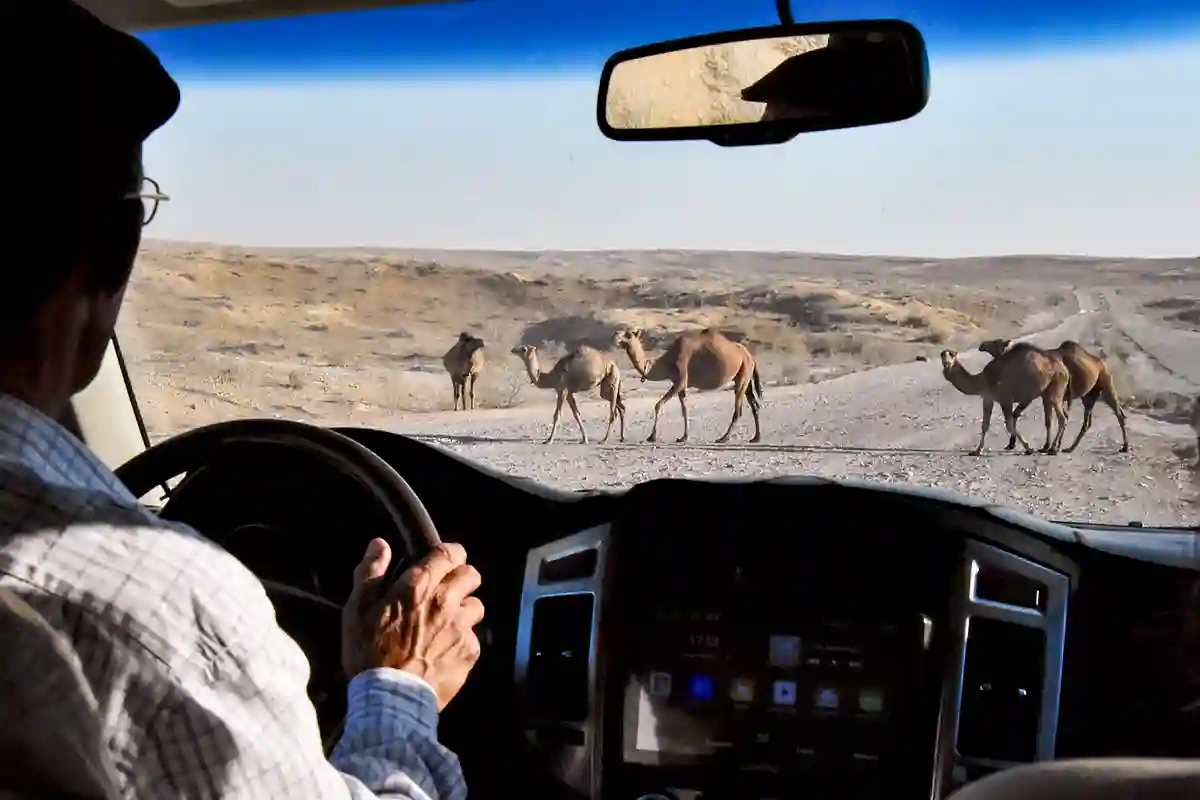
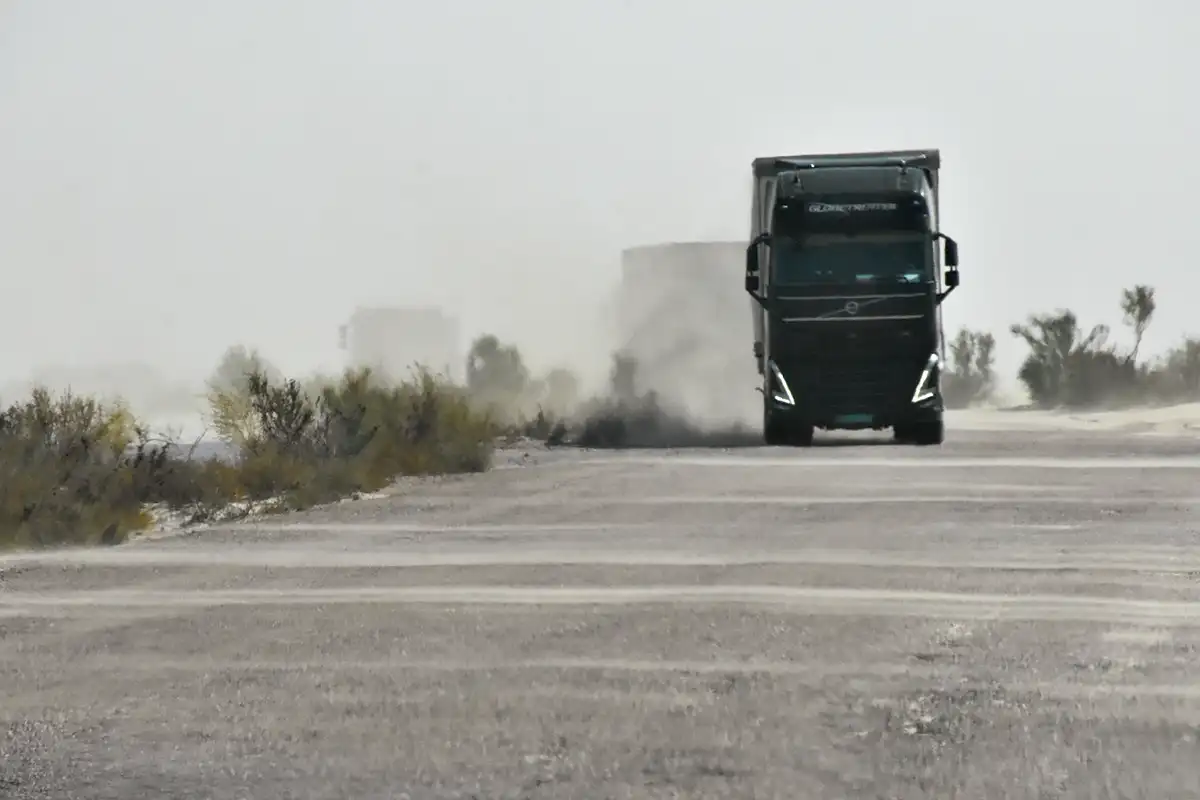
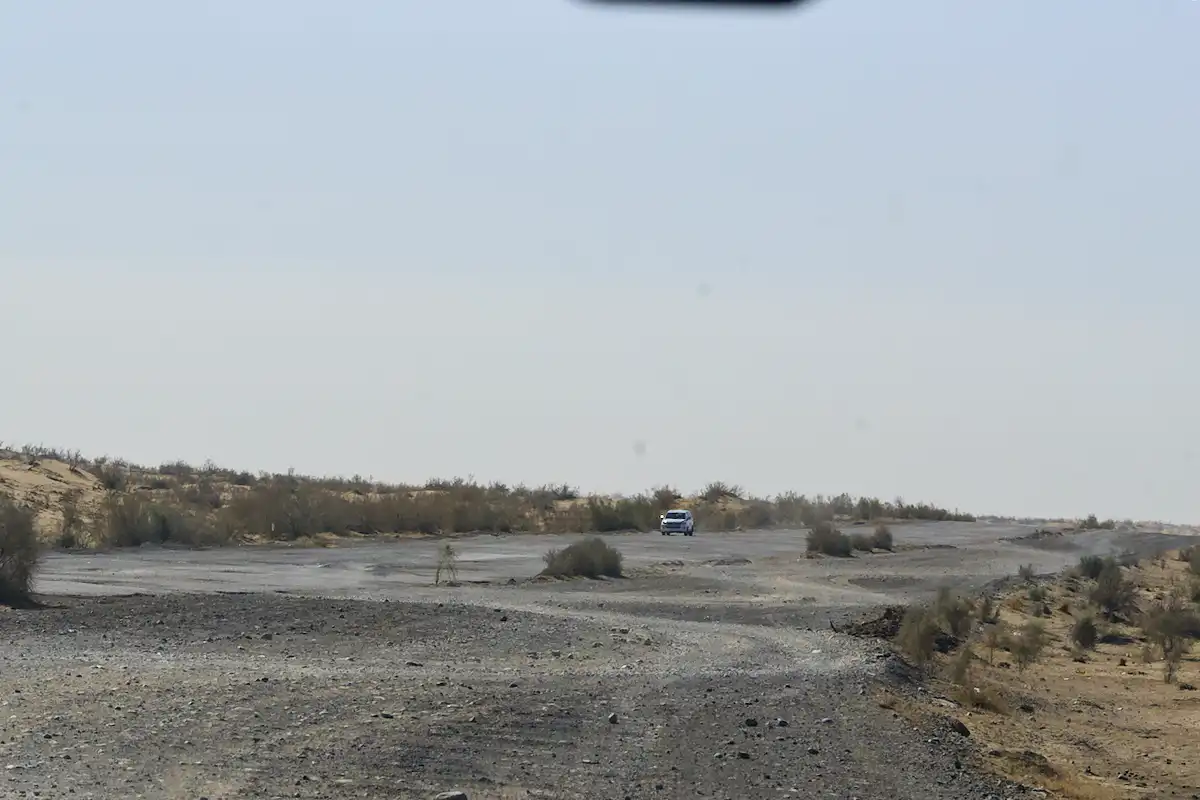
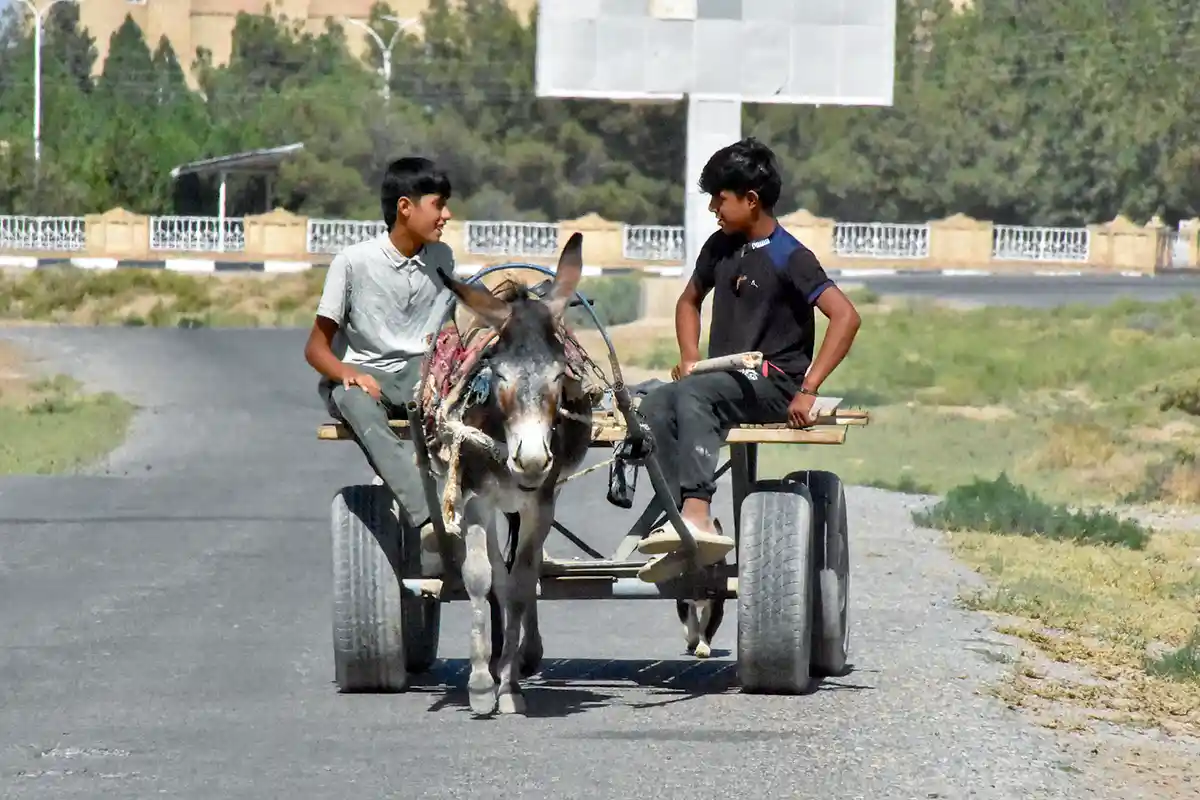
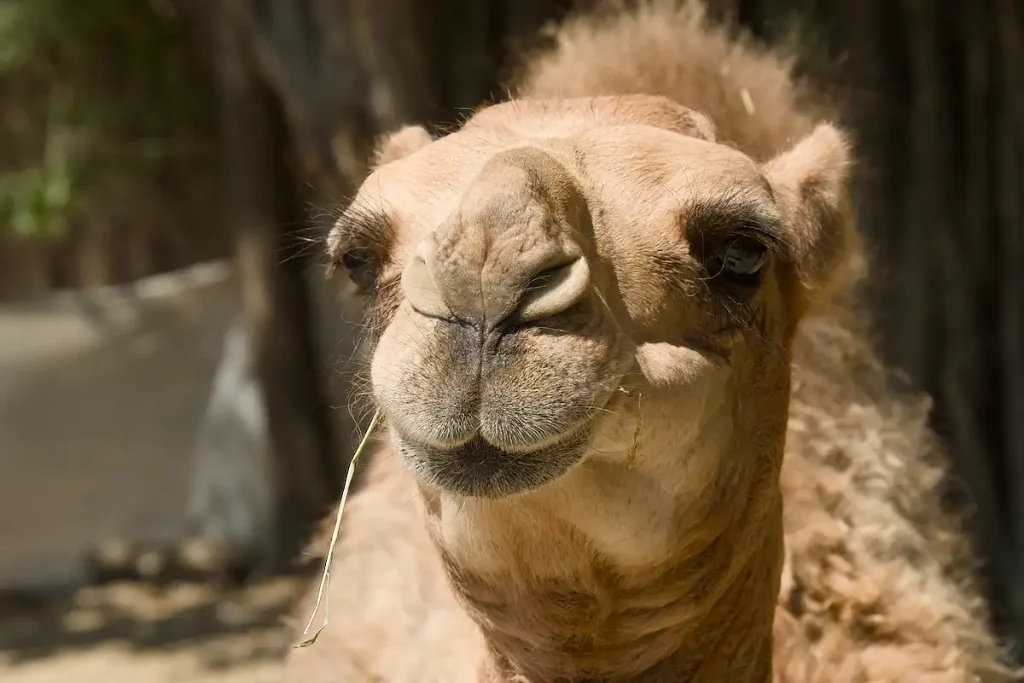
Driving on the roads in Turkmenistan is quite dangerous. As soon as you leave the capital, the road conditions are practically disastrous. At any moment, you might also come across a herd of camels blocking the road. The camels are raised for their meat and milk, and they roam completely freely, grazing on whatever little they can find in the desert. Because Turkmenistan is nothing but desert. Almost.
Outside the capital, Ashgabat, it seems as though all road maintenance has come to a halt. The roads here are among the worst we’ve seen. They’re basically just a bunch of potholes with a little asphalt in between. On the main road east of Ashgabat, there’s an unpaved road and a paved road side by side, and cars and trucks are weaving back and forth on both. Sometimes they’re forced to drive into the ditch.
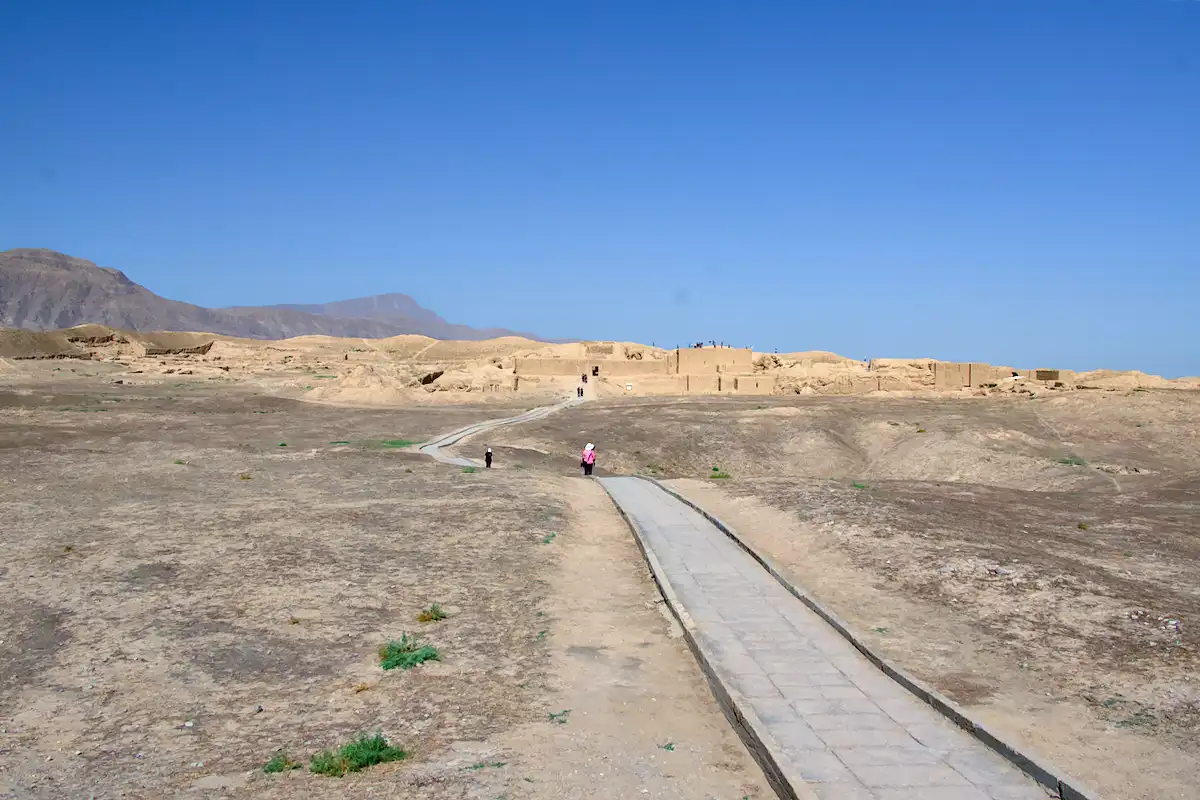
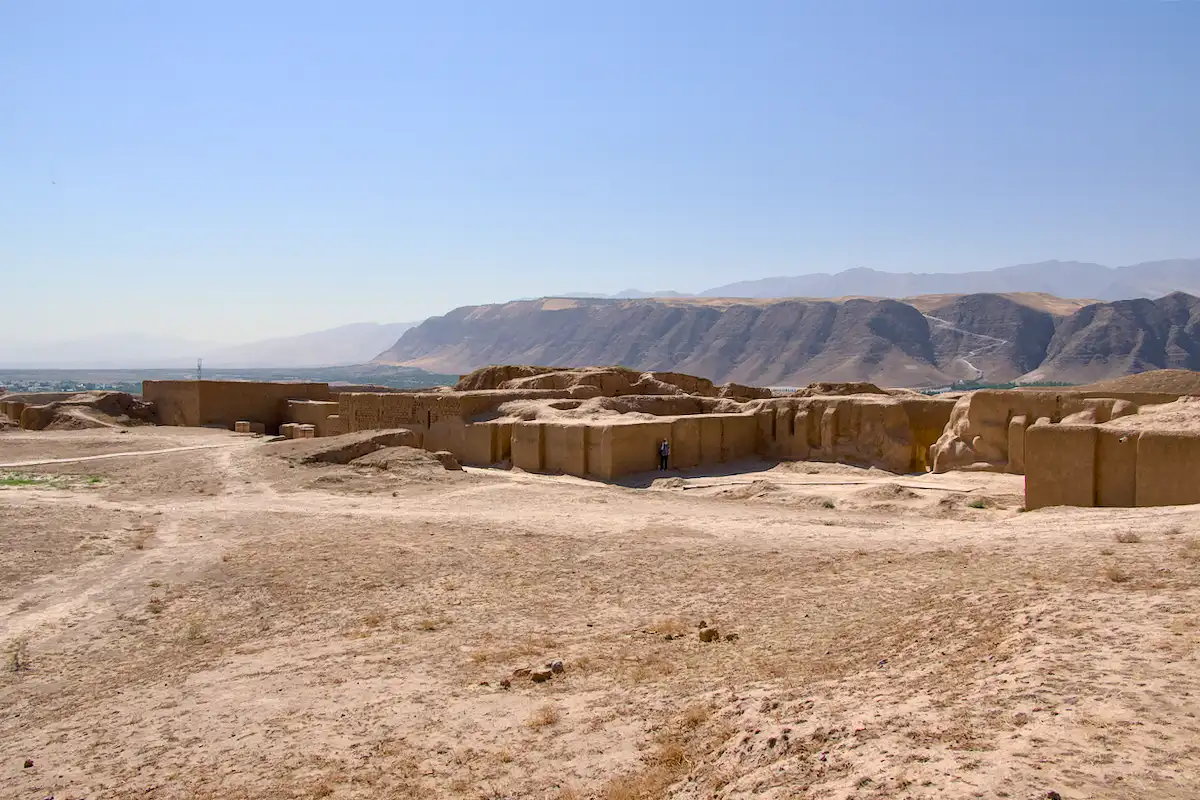
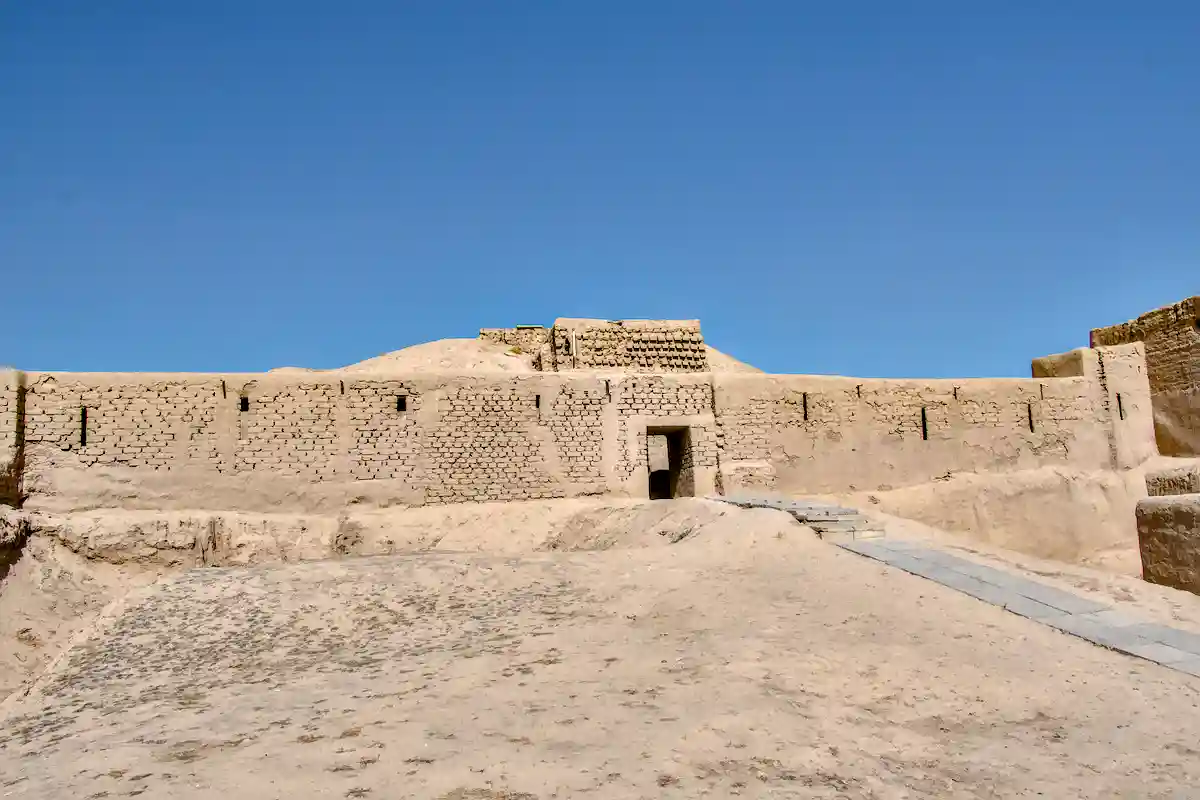
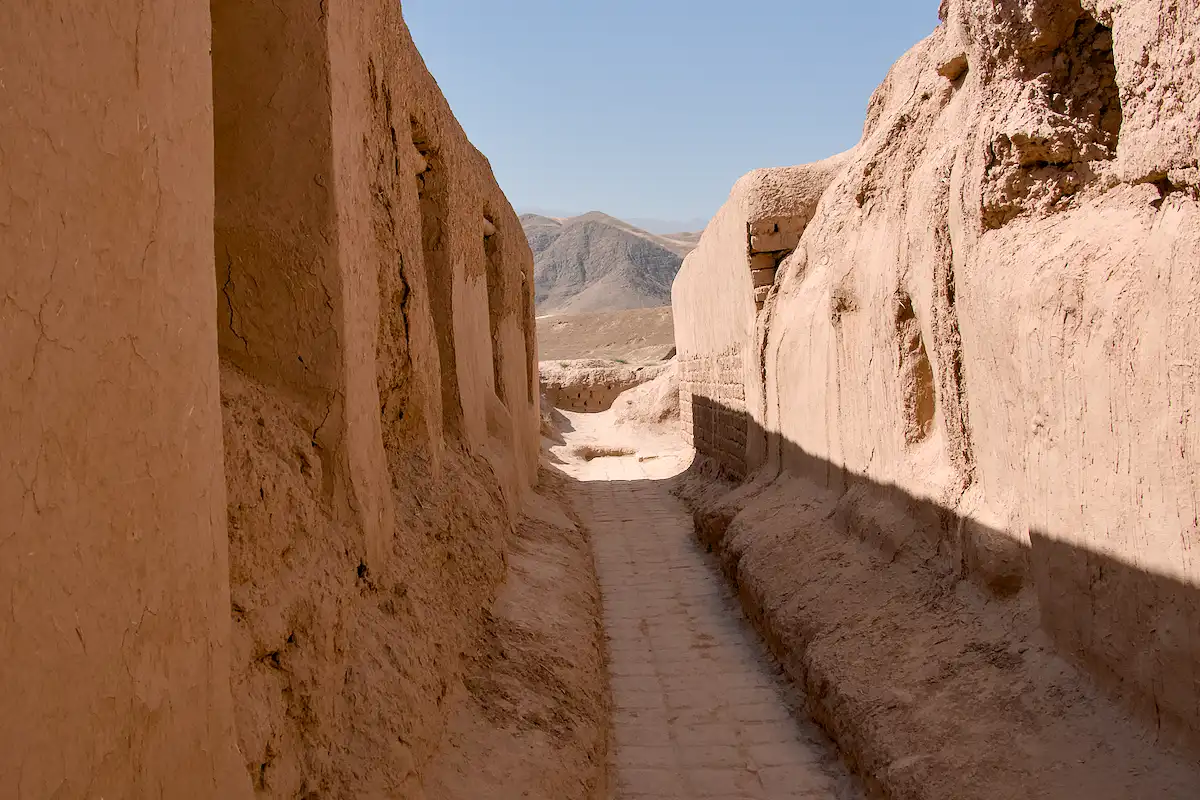
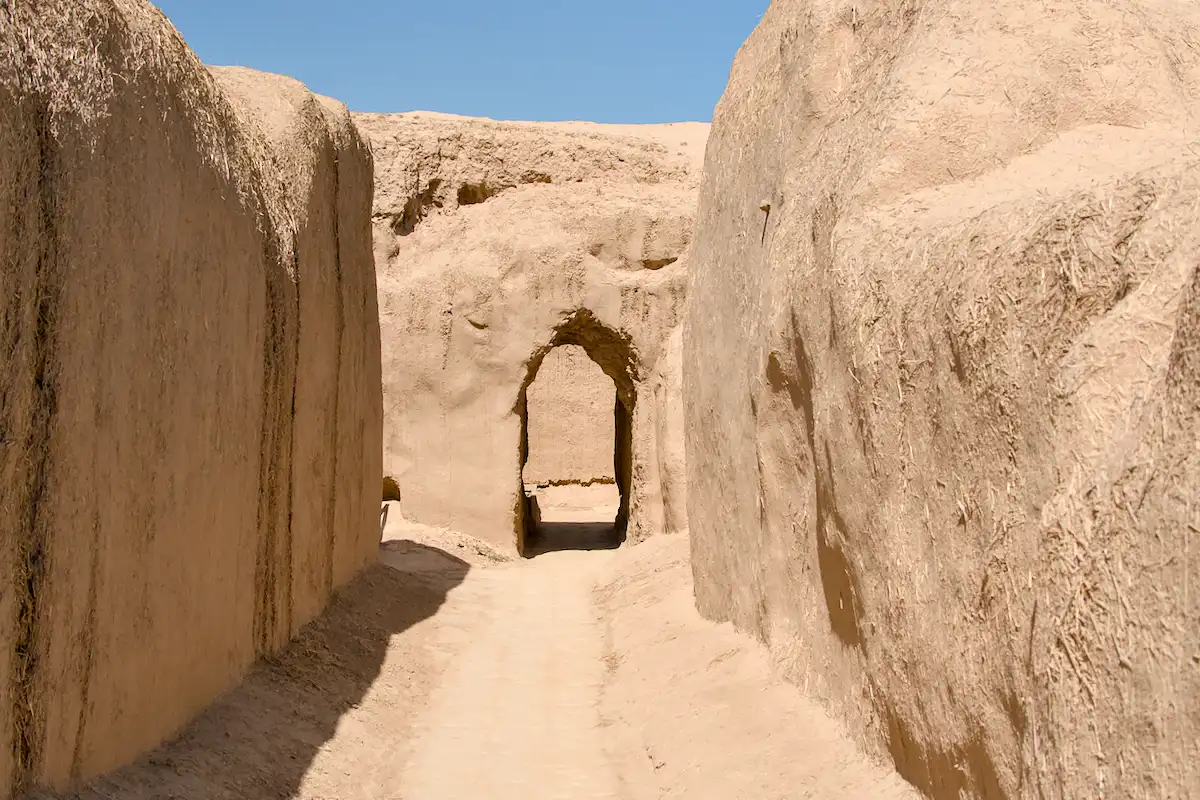
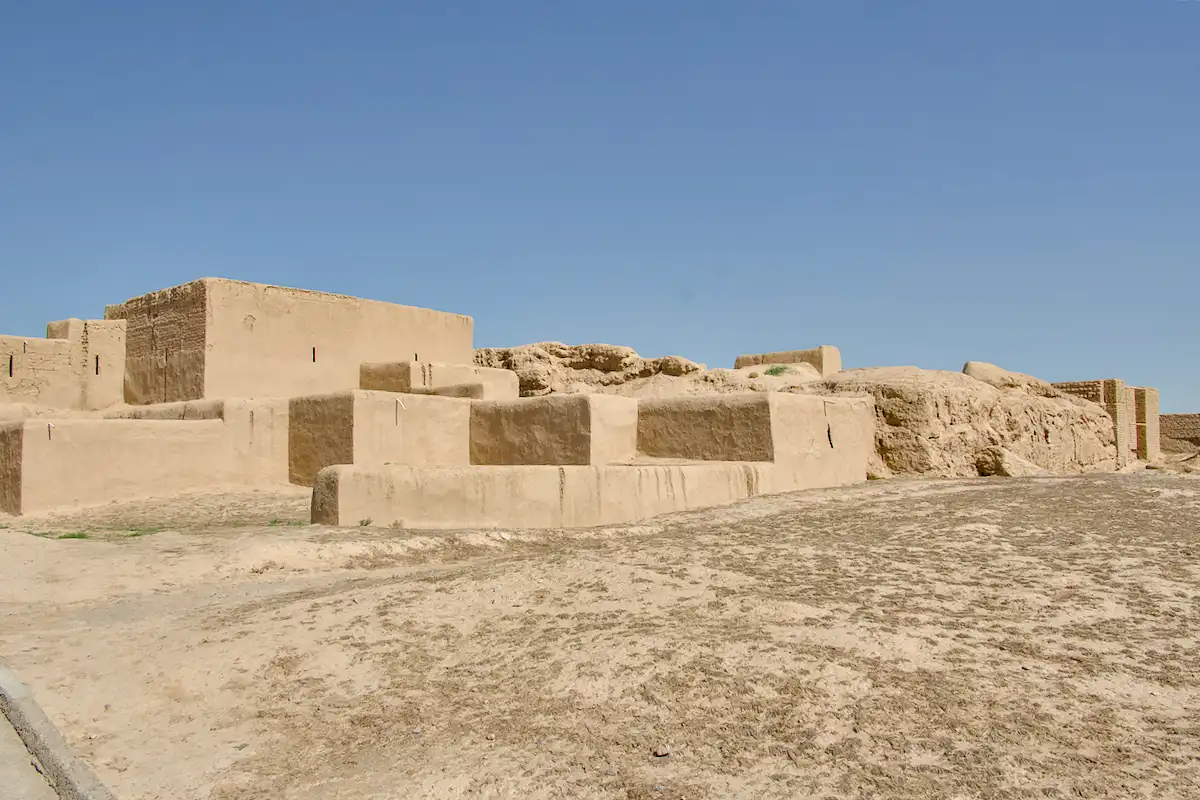
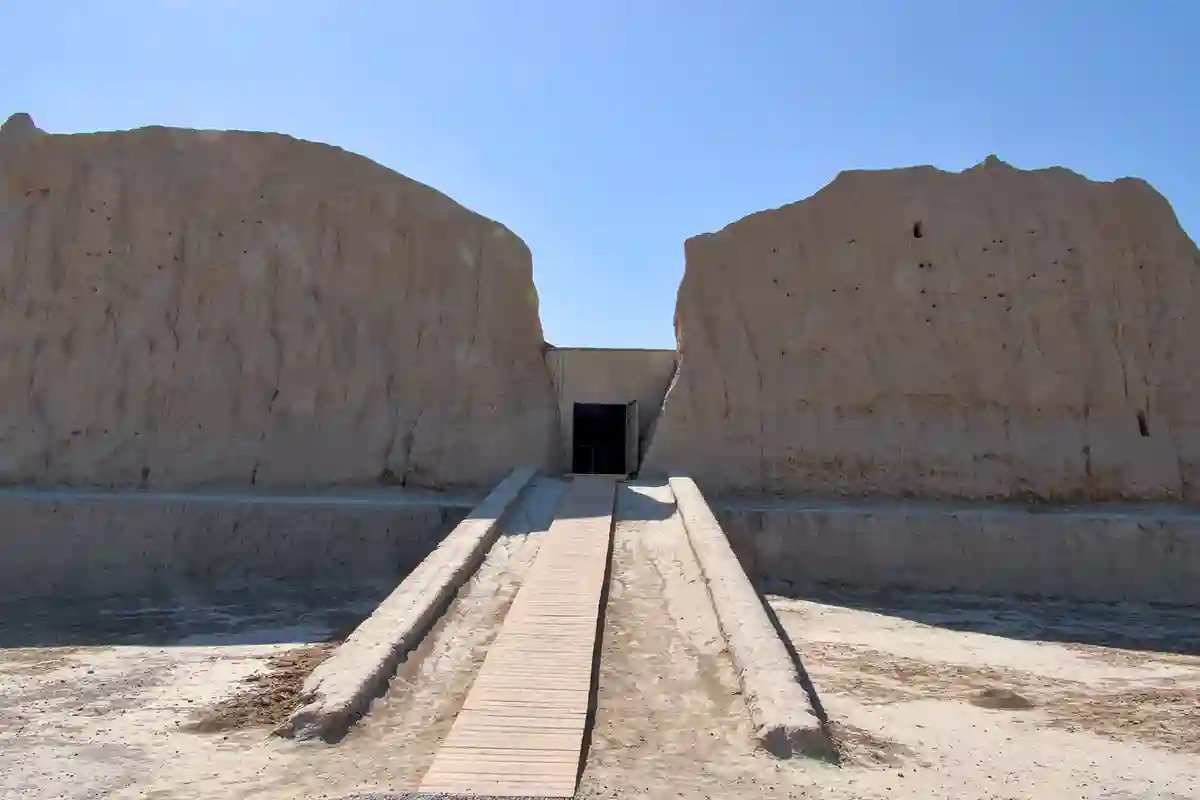
But Turkmenistan, too, is rich in historical remains from civilizations that are now forgotten. Take the city of Nisa, for example—once the capital of the Parthian Empire, an Iranian kingdom that was as powerful as Rome in its day. The city was built in the 300s B.C. and was destroyed by an earthquake in the first century A.D..
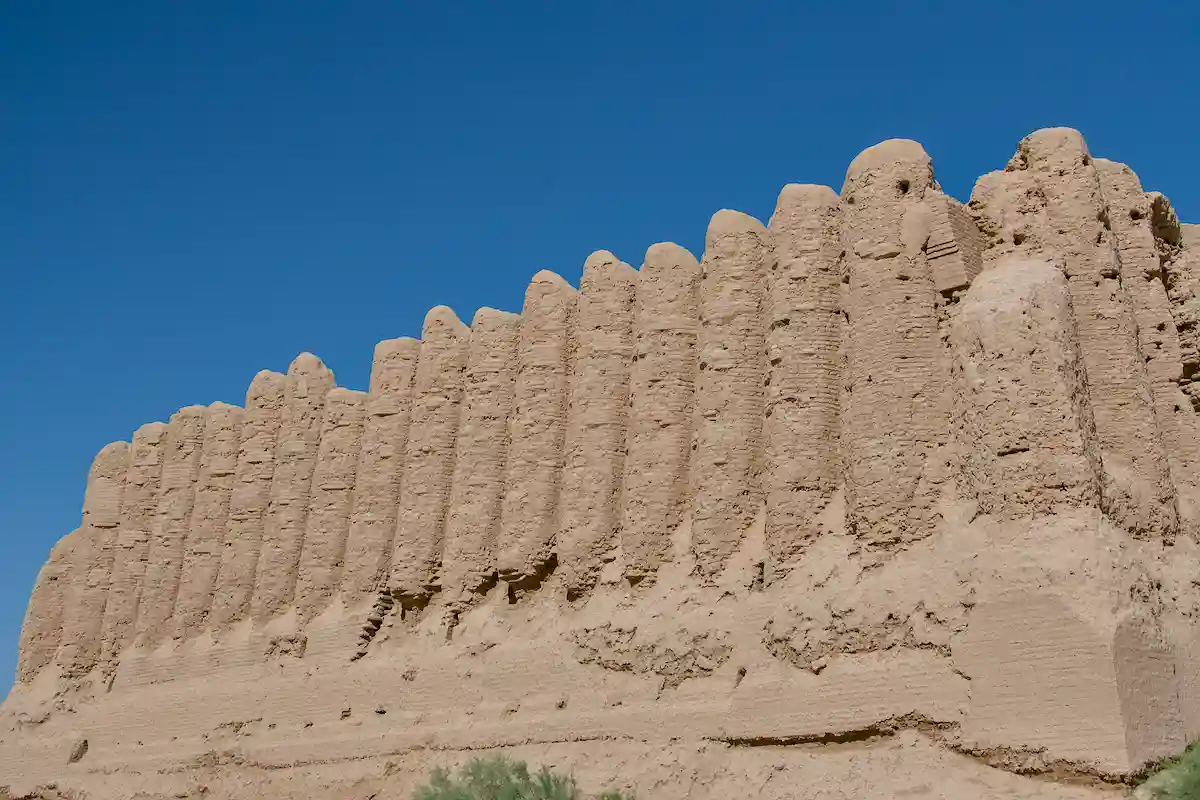
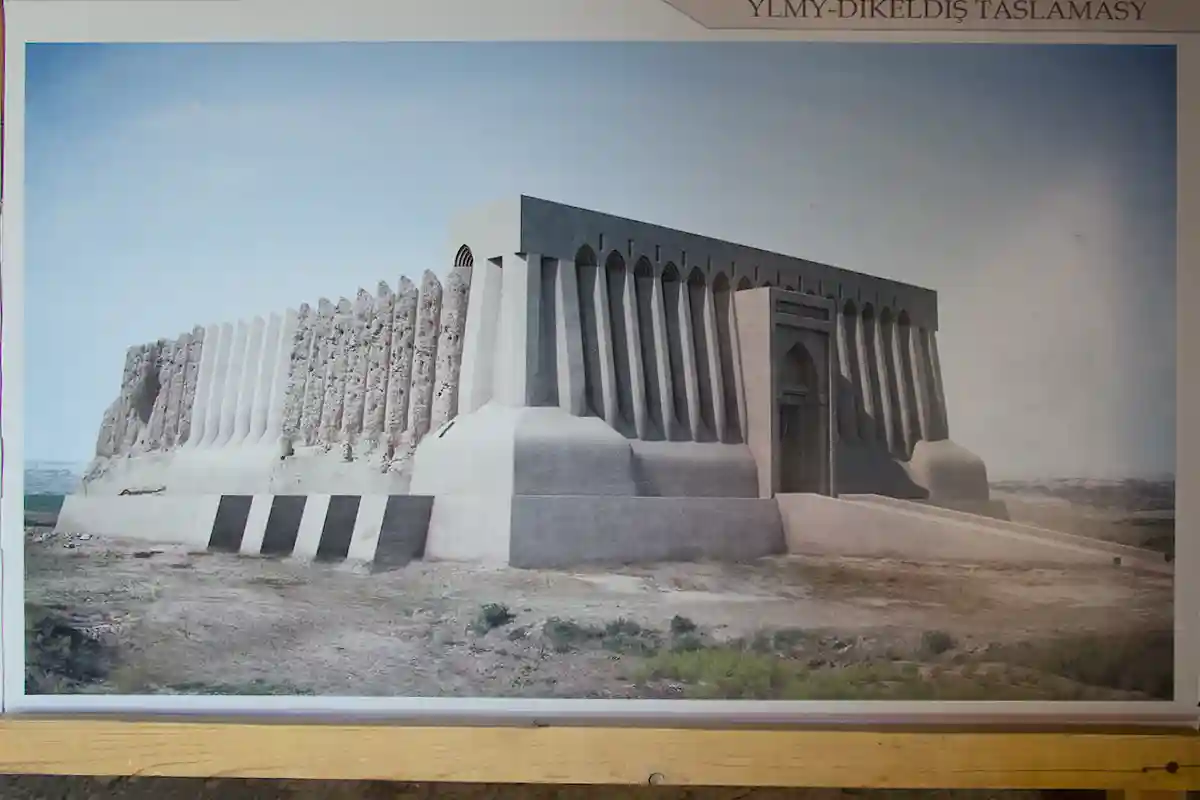
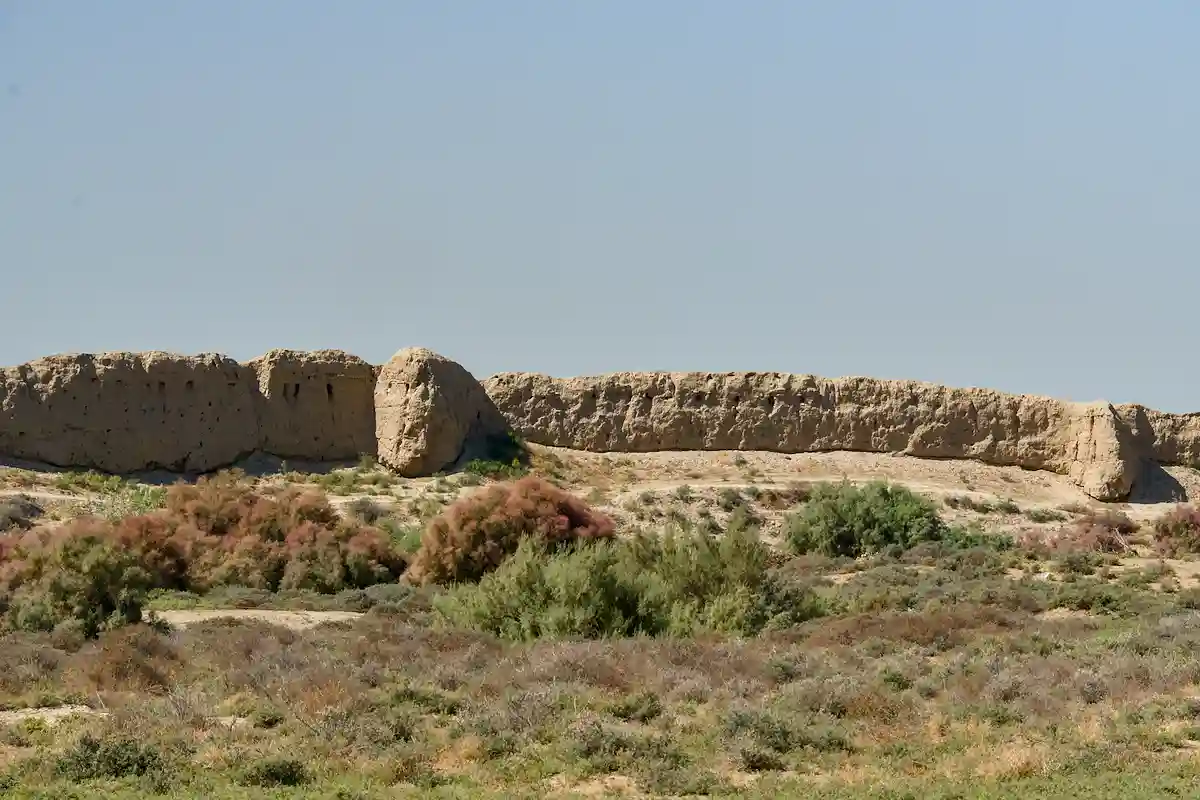
The country’s most famous and extensive historical site is Merv in the southeast. It is actually a couple of cities from different eras, the oldest dating back 4,000 years. But first and foremost, it was one of the oldest and most important oasis hubs along the Silk Road. Crumbled city walls enclose vast areas, but not much remains of the buildings. The largest and most impressive structure is Great Kyz Kala, which is said to mean something like “the princesses’ fortress.” It has a distinctive pleated facade that has largely withstood erosion. Inside, there is an open hall surrounded by smaller rooms on two stories.
Nearby is Little Kyz Kala, which is said to have looked similar, but today it has almost completely crumbled away.
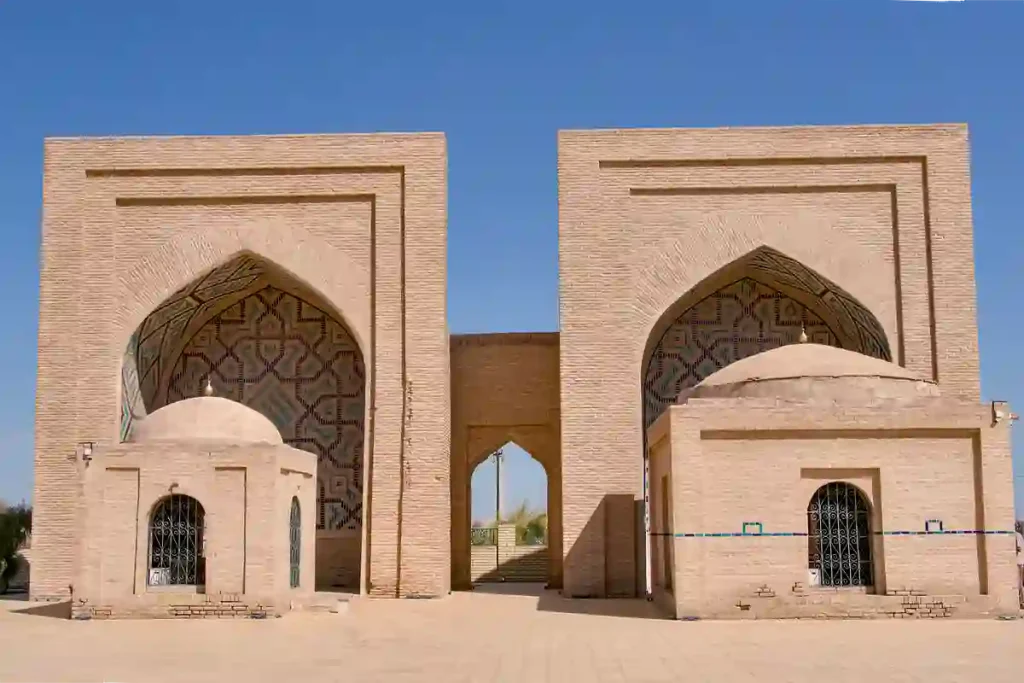
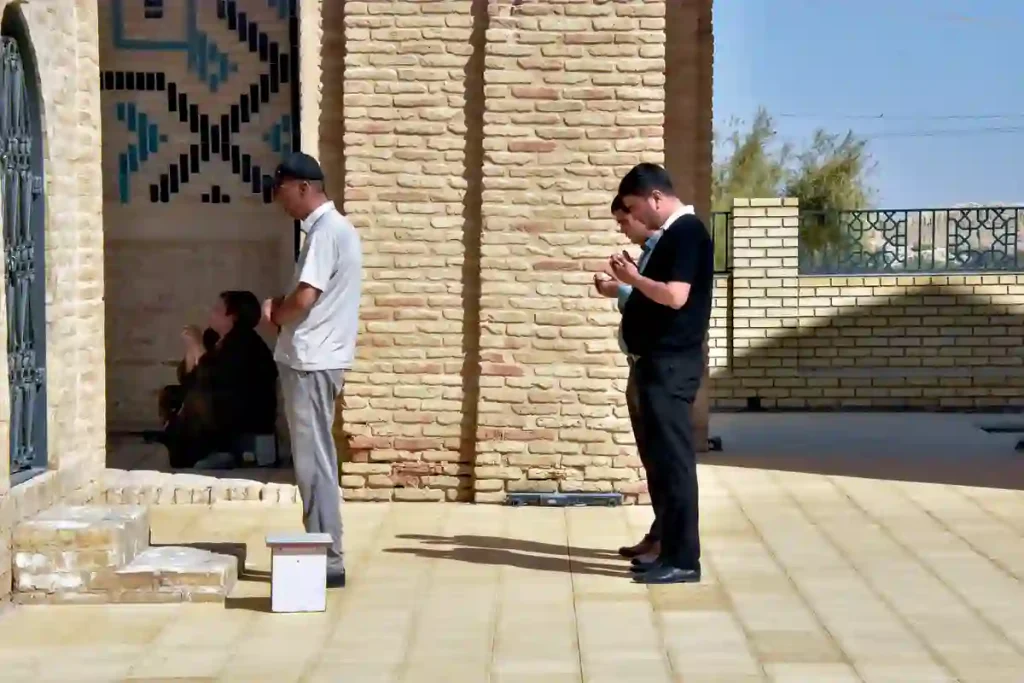
It’s a privilege to be able to wander around these ancient ruins with virtually no one else around—there are no busloads of tourists here. In contrast, there’s more activity around the Ashkab brothers’ mausoleum, the burial site of two Muslim missionaries from the 7th century. But it’s locals who come here to pray. The two portals, called iwans, were built much later—unusually, behind the tombs themselves. The decorations are considered to be of a Persian style.
As we have stated, Merv is, in fact, a collection of cities from different eras, but they are largely contained within a large area surrounded by sturdy walls. Most of it appears to have been untouched by archaeologists, so there’s a great deal of fascinating history waiting to be discovered under ground.
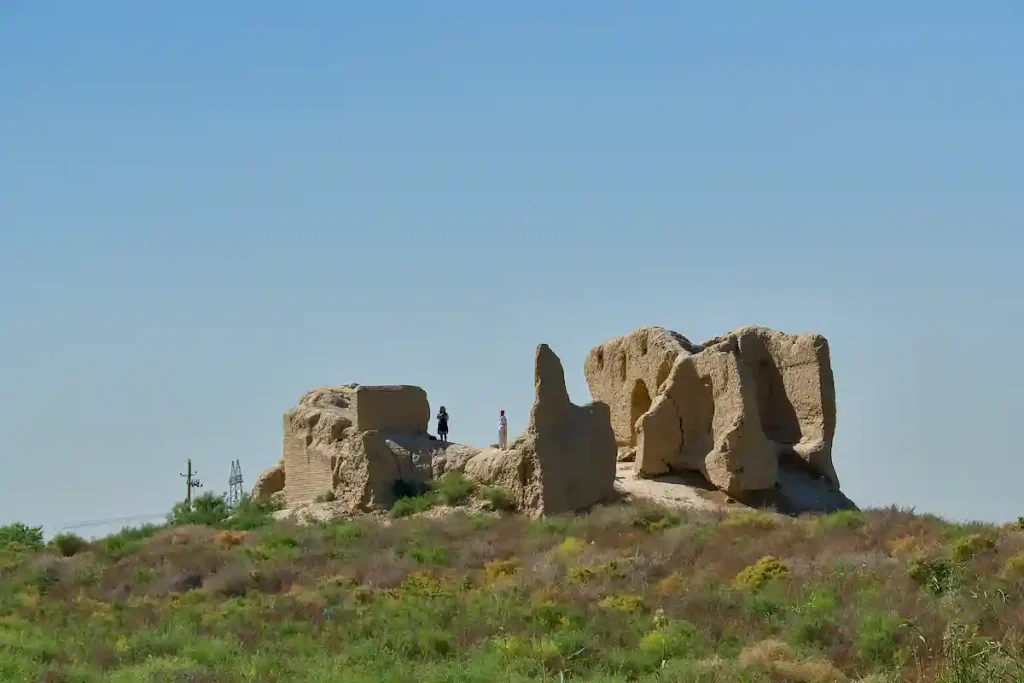
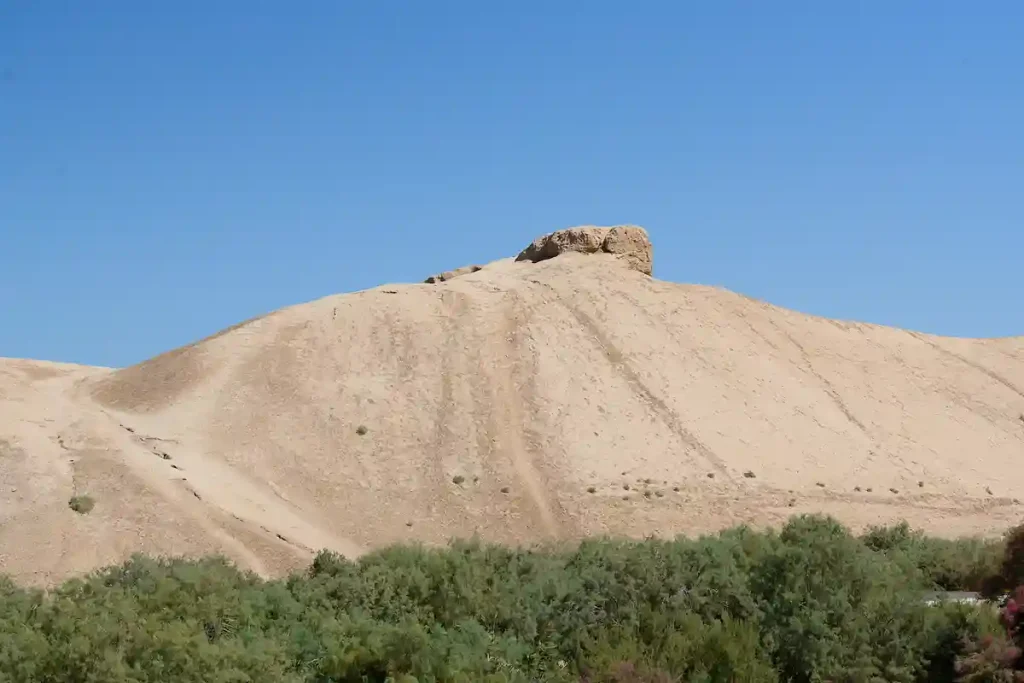
The central fortress in Merv, Erk Kala, is located on the highest hill in the area and doesn’t look particularly impressive today. Death-defying visitors climb up its steep slopes to get a good view.
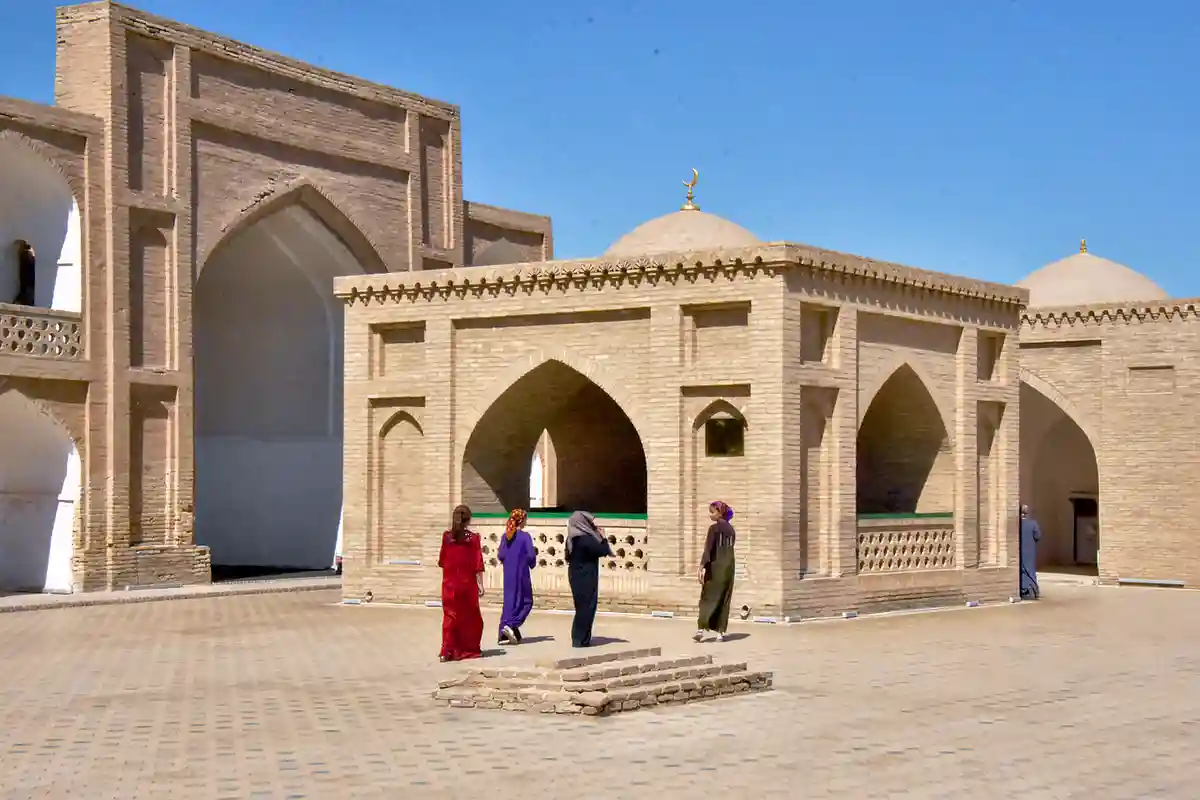
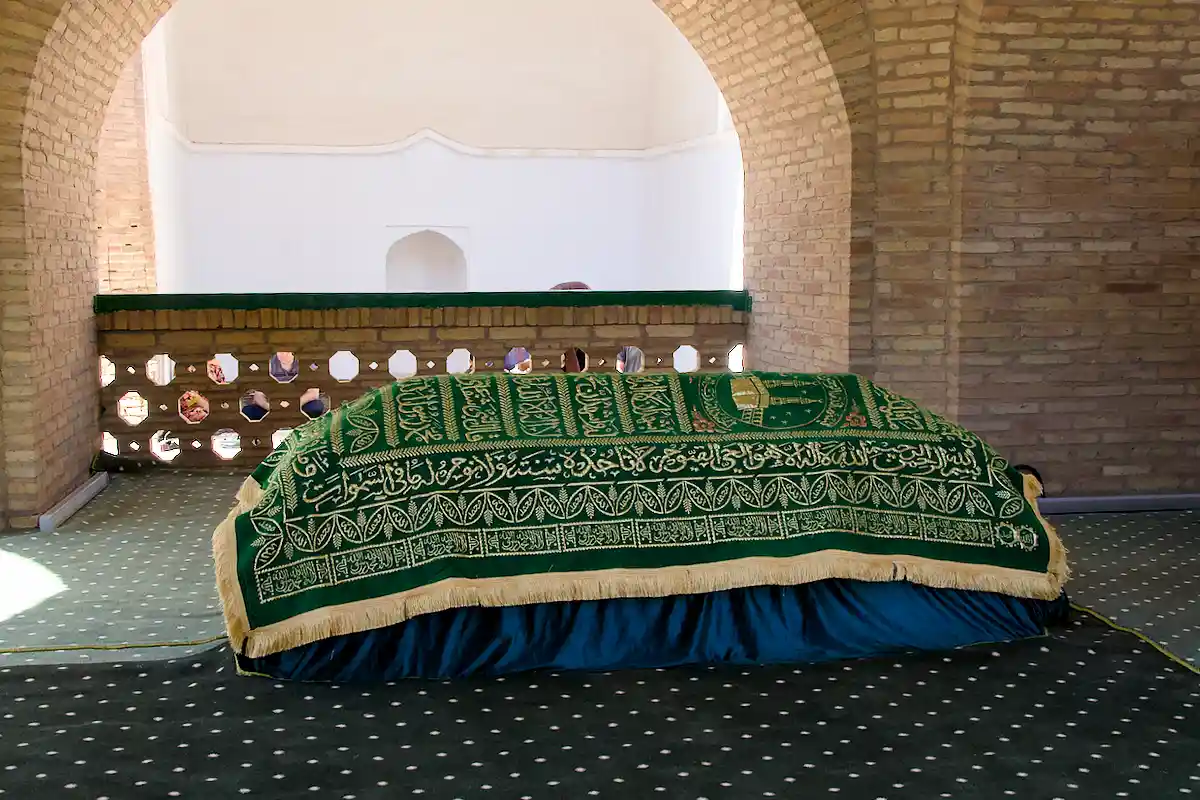
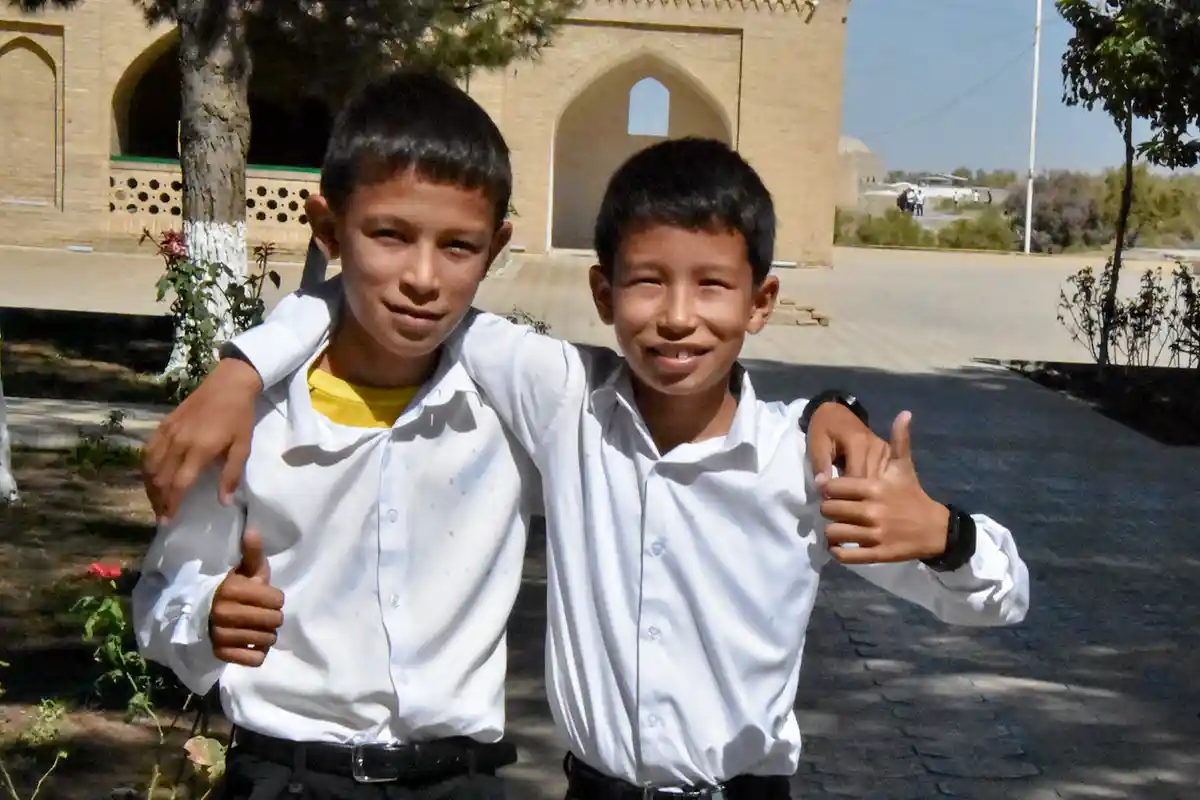
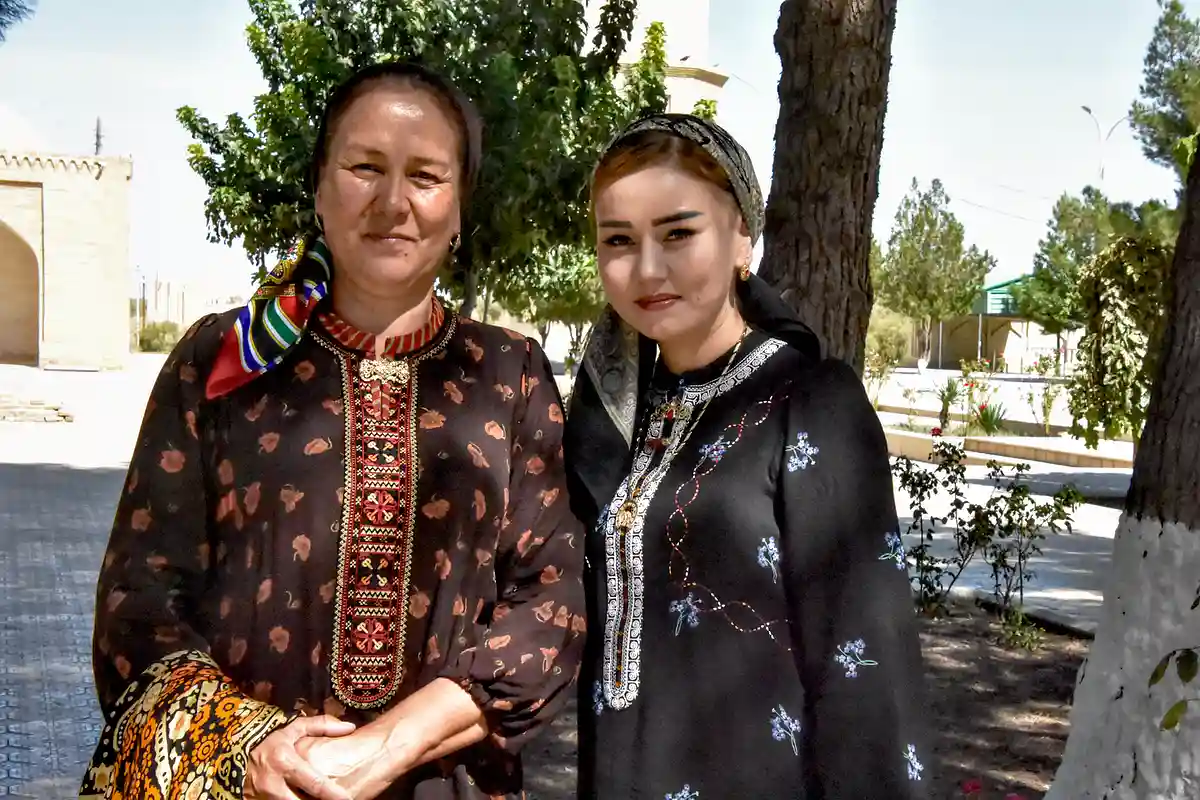
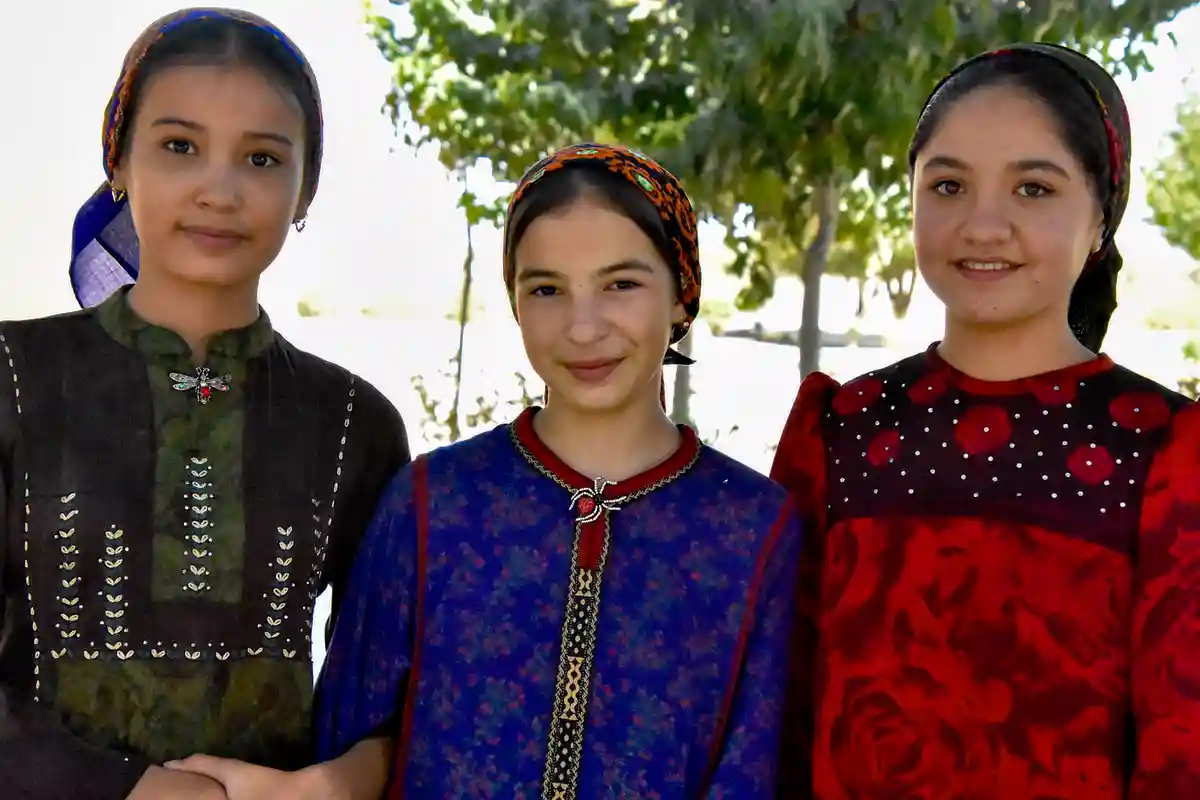
In the neighboring village of Bayramali, we stop at the Sultan Sanyar Mausoleum in a small square next to a mosque. The sultan said to rest in the coffin was a ruler of the mighty Seljuk Empire in the 12th century. A mother with three daughters walks several times around the tomb while we hear a voice, almost a whisper, that turns out to be an incredibly discreet call to prayer. Then we’re surrounded by curious locals who wonder where we’re from and want us to take their pictures. Tourists are probably quite rare here.
In Turkmenistan, people have a special relationship with their horses and follow a strict breeding tradition. Mares are allowed to roam in semi-wild herds and forage for their own food, while stallions are fed a protein-rich diet. The result is a very slender horse that is nonetheless strong and enduring.
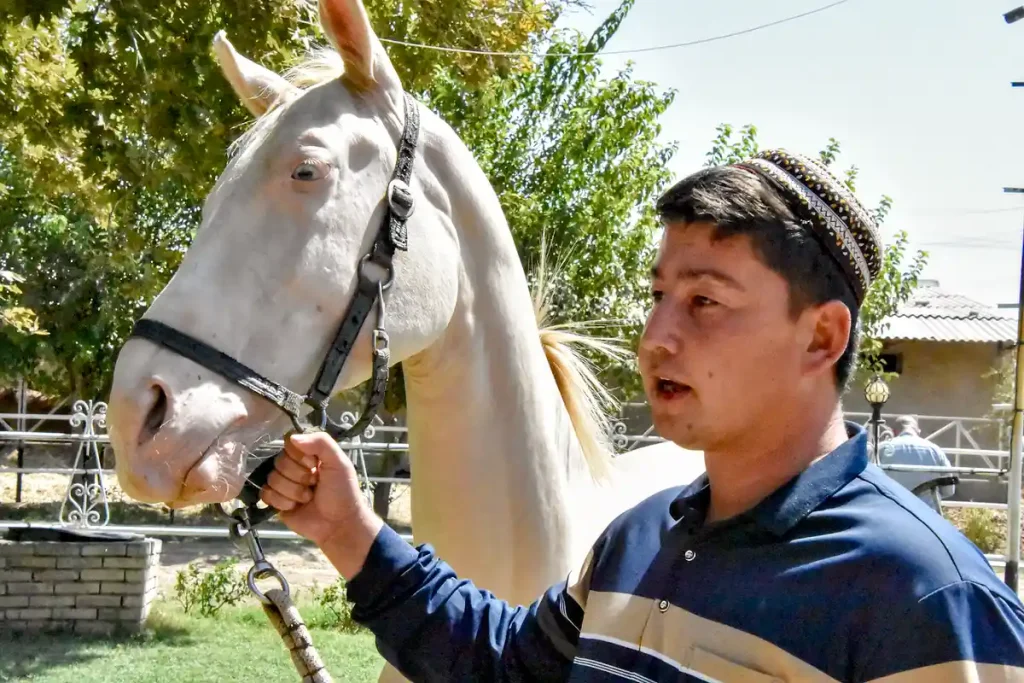
People sometimes talk about a specific Turkmen horse, origin of the English throughbreeds. But in reality, that is an extinct breed. The horses we see here today is a thoroughbred called the Akhal-Teke, which comes from the Akhal region of Turkmenistan. They are primarily used as a racehorses. To the layman, they resemble Arabians in both temperament and physique.
In other Central Asian countries, people often eat horse meat, which is considered blasphemous and completely unthinkable in Turkmenistan. “We don’t eat our friends,” say the Turkmen. Here they are showing off a horse with an unusual appearance. “Blond and blue-eyed,” they say proudly.
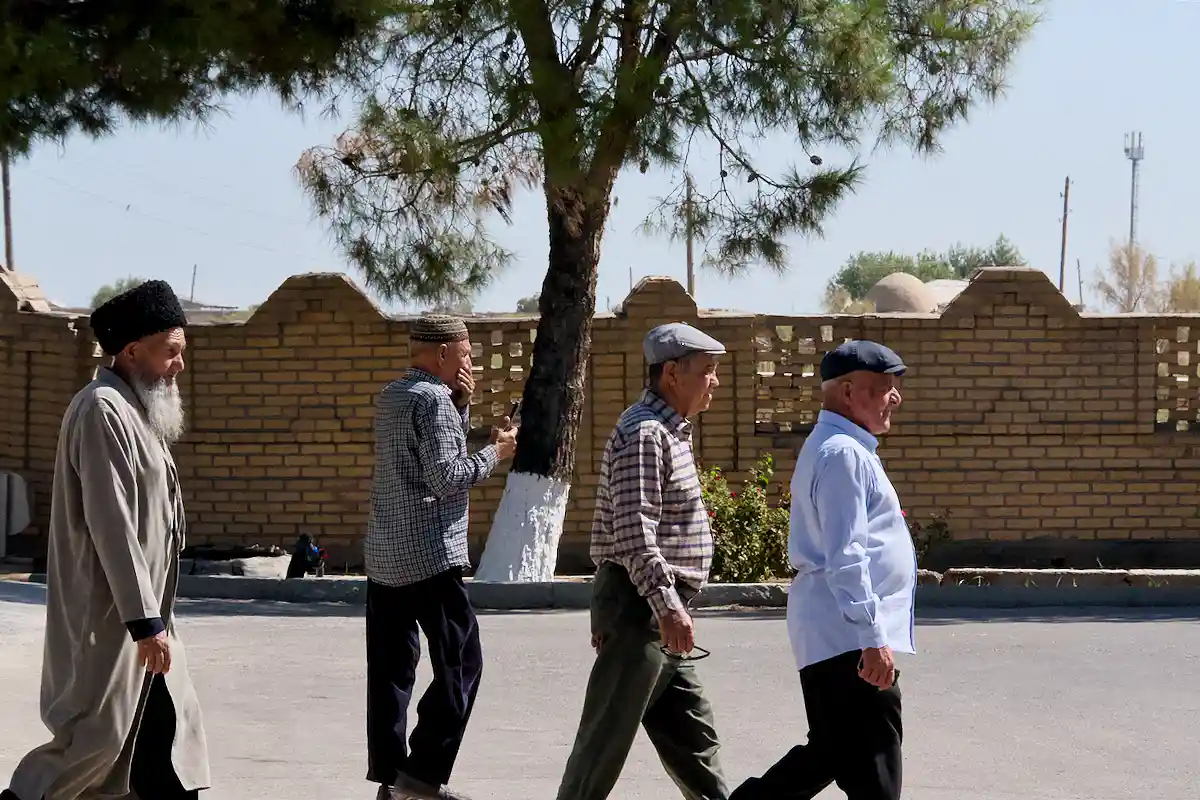
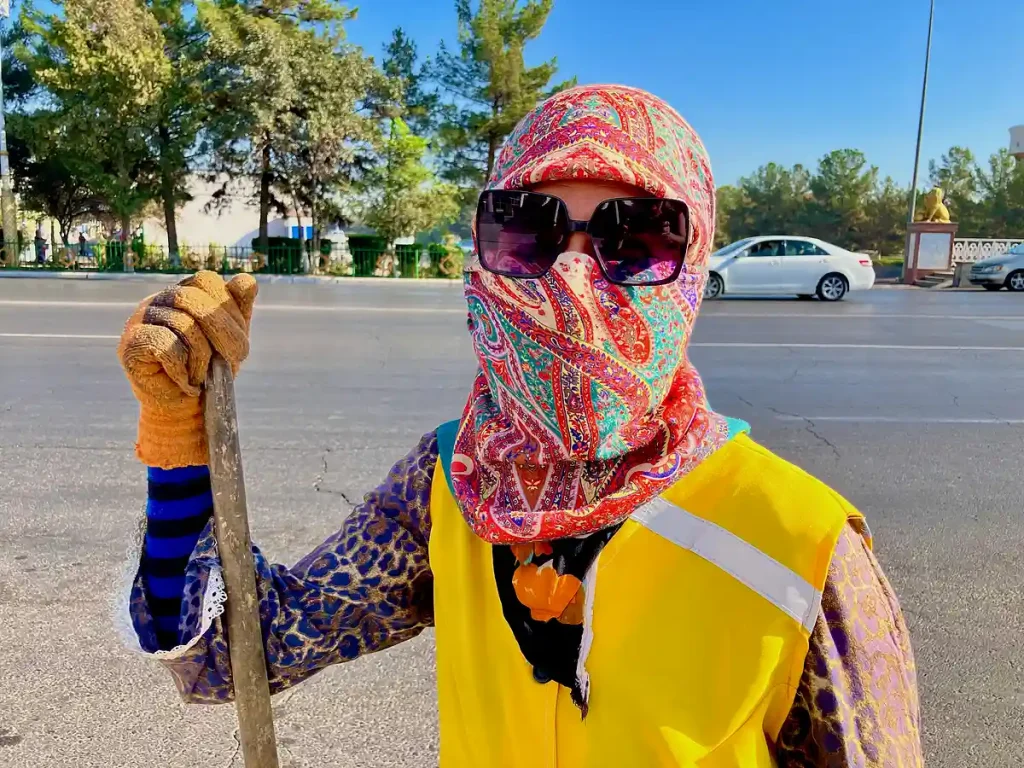
What impressions do we leave this country with? We found the people to be friendly and very curious about us as foreigners. Children came up to us and were eager to have their pictures taken. You realize that their world is small; after all, the country is incredibly sparsely populated due to the desert climate.
For their sake, we hope that a new government will focus more on the needs of rural areas instead of building expensive, ostentatious palaces in Ashgabat.
Finally—a word of caution about money. The Turkmen currency, the “manat,” has not one but two exchange rates. One is ridiculous, and the other is illegal. If you change money in a bank or withdraw cash from an ATM, you’ll get the official rate, 3,5 manates for one dollar. It’s so outrageously overvalued that if you go to a restaurant, you’ll end up paying the equivalent of US$ 100 for a bowl of soup. And you can’t pay by card, they’re not accepted anywhere.
When you leave the country, old women sitting in wicker chairs at the border will exchange your money back at the “real” rate, about 20 manates for a dollar. And oops, you’ve lost almost everything you exchanged for manats. Our guide thought we were idiots for withdrawing money from an ATM when we could have exchanged it on the black market through her. “But that’s illegal,” we said. She just shrugged.
Now we’re changing countries again, heading to the mountainous and beautiful Tajikistan. Come along!