The bus between Bukhara and Samarkand drives very fast and stays in the passing lane almost the entire time. But suddenly, a large semi-truck swerves out, and the bus driver slams on the brakes, sending water bottles and bags flying through the air. At the next red light, a confrontation breaks out; both drivers are yelling and gesturing wildly. Then we’re off again, and everything is calm. We’re in Uzbekistan, Central Asia
Central Asia, or the “Stan countries” as we call them, consists of Uzbekistan, Kazakhstan, Tajikistan, Kyrgyzstan, and Turkmenistan. All were former “republics” of the Soviet Union and gained independence following its dissolution on New Year’s Eve 1991. Young nations, then, but with quite a bit of Soviet legacy still lingering.
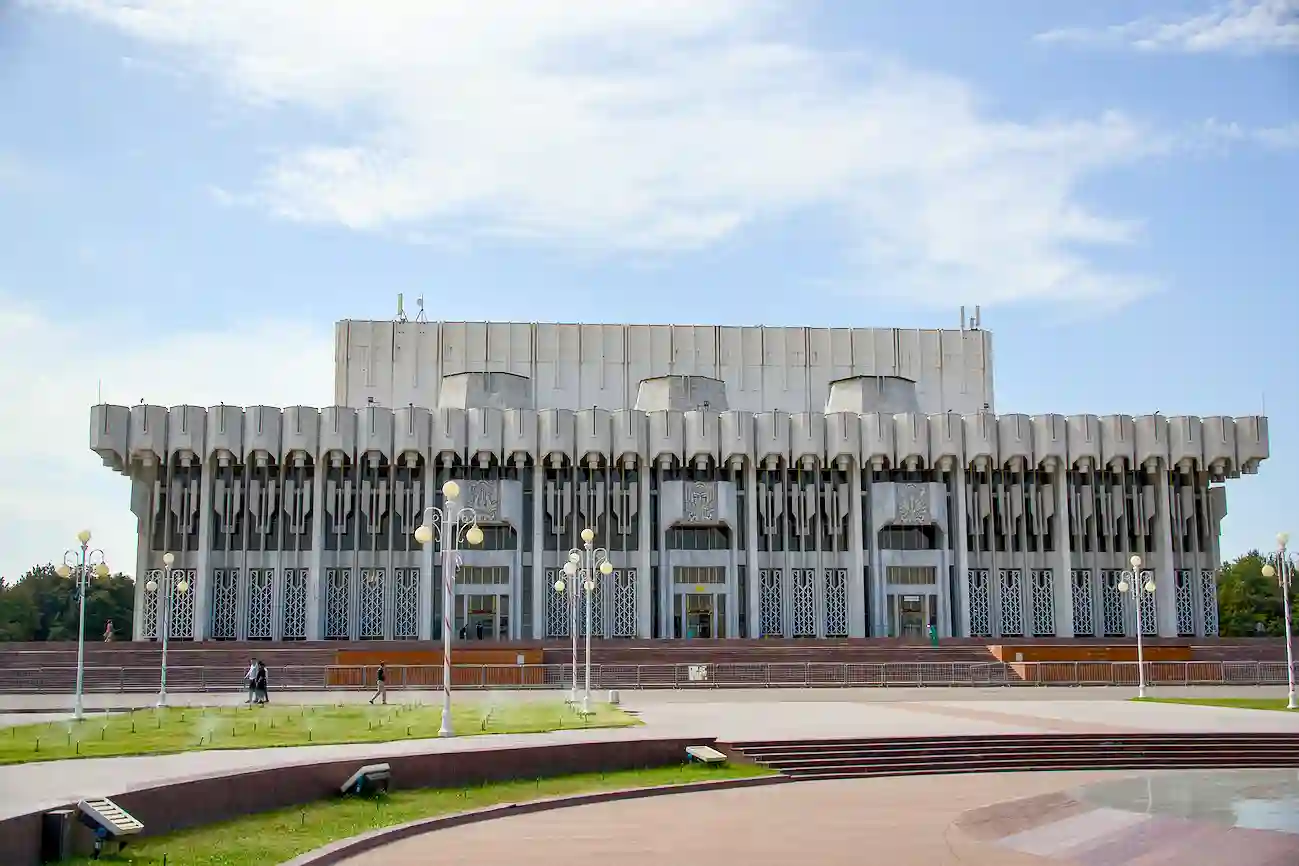
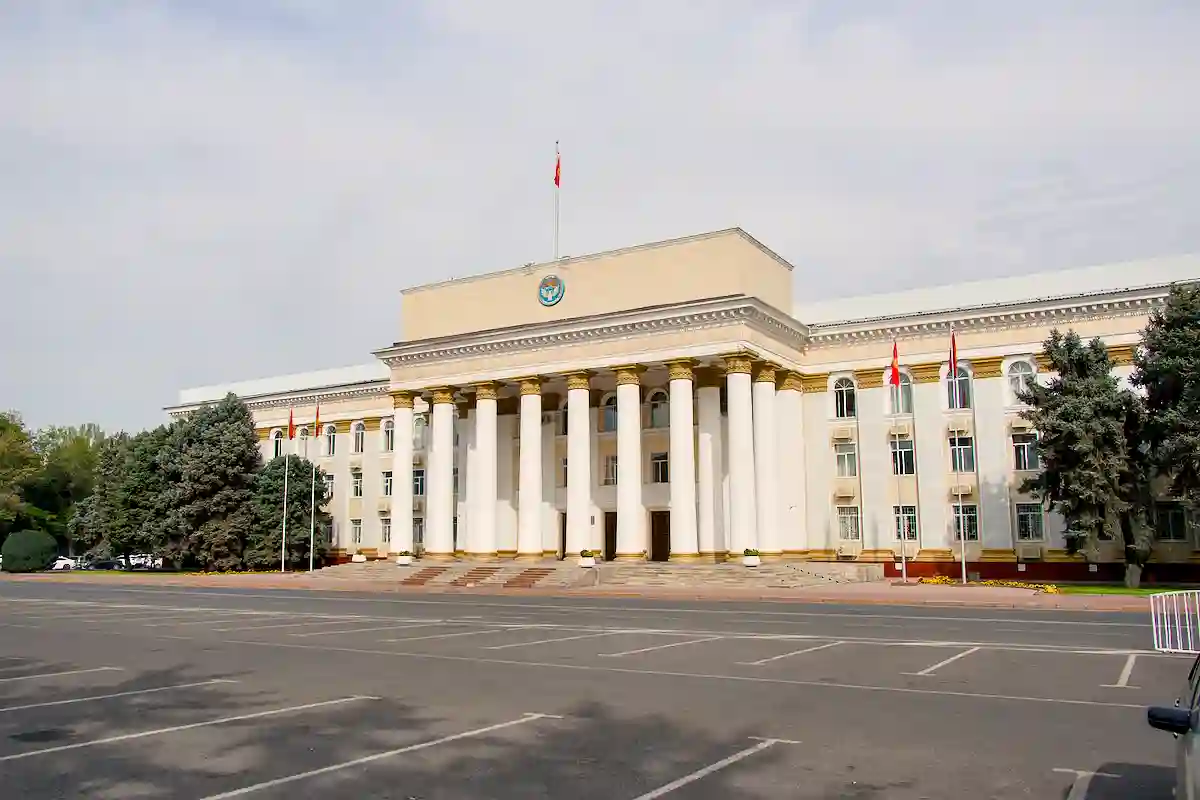
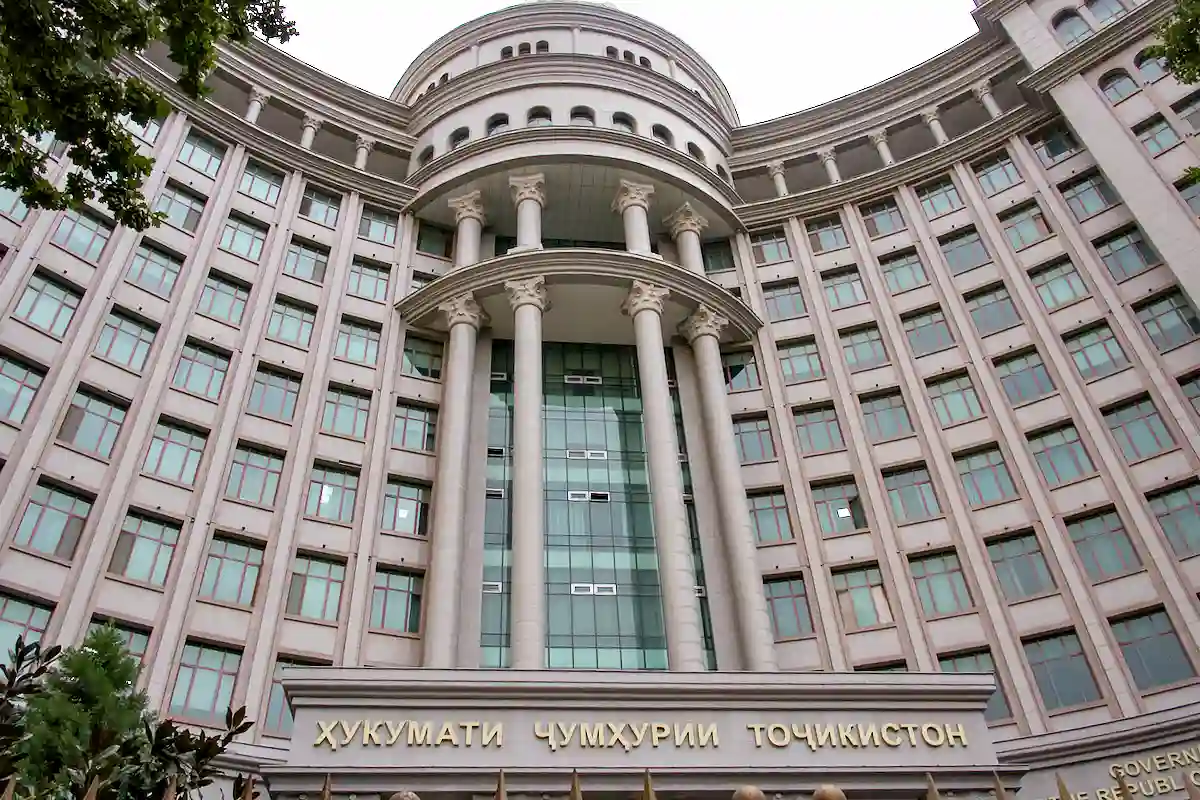
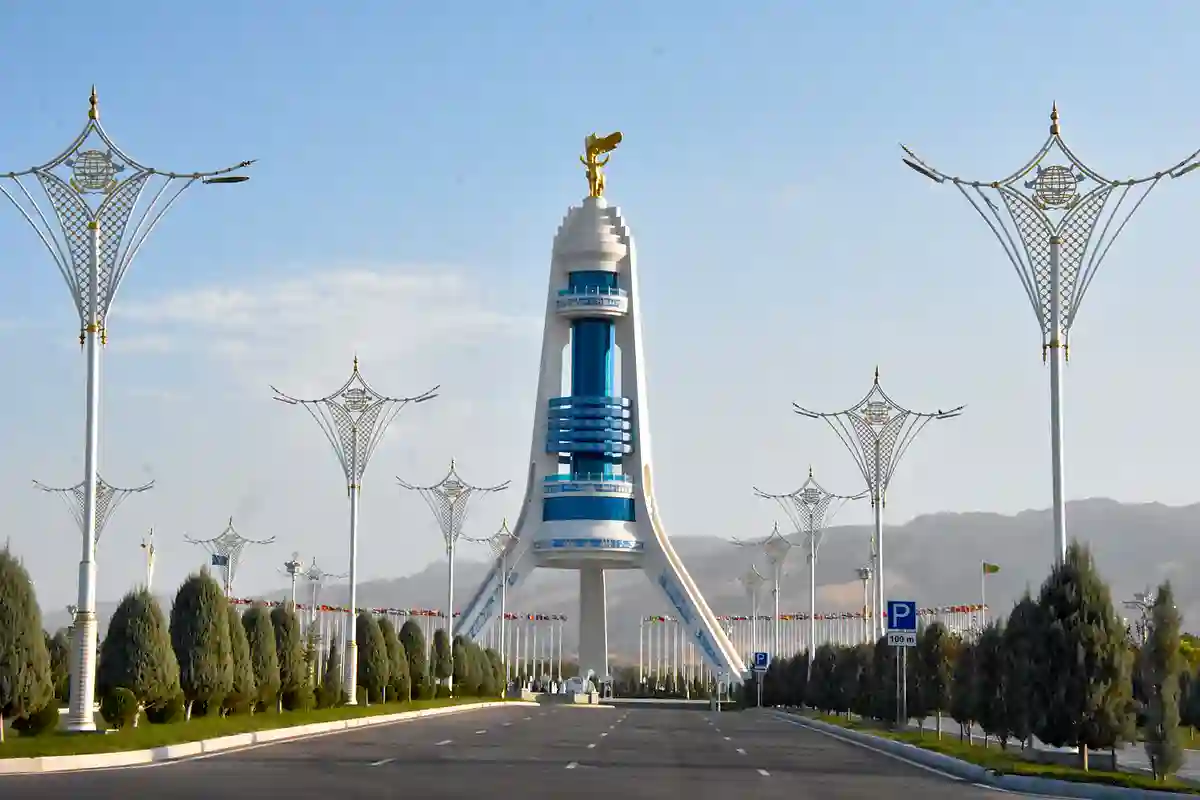
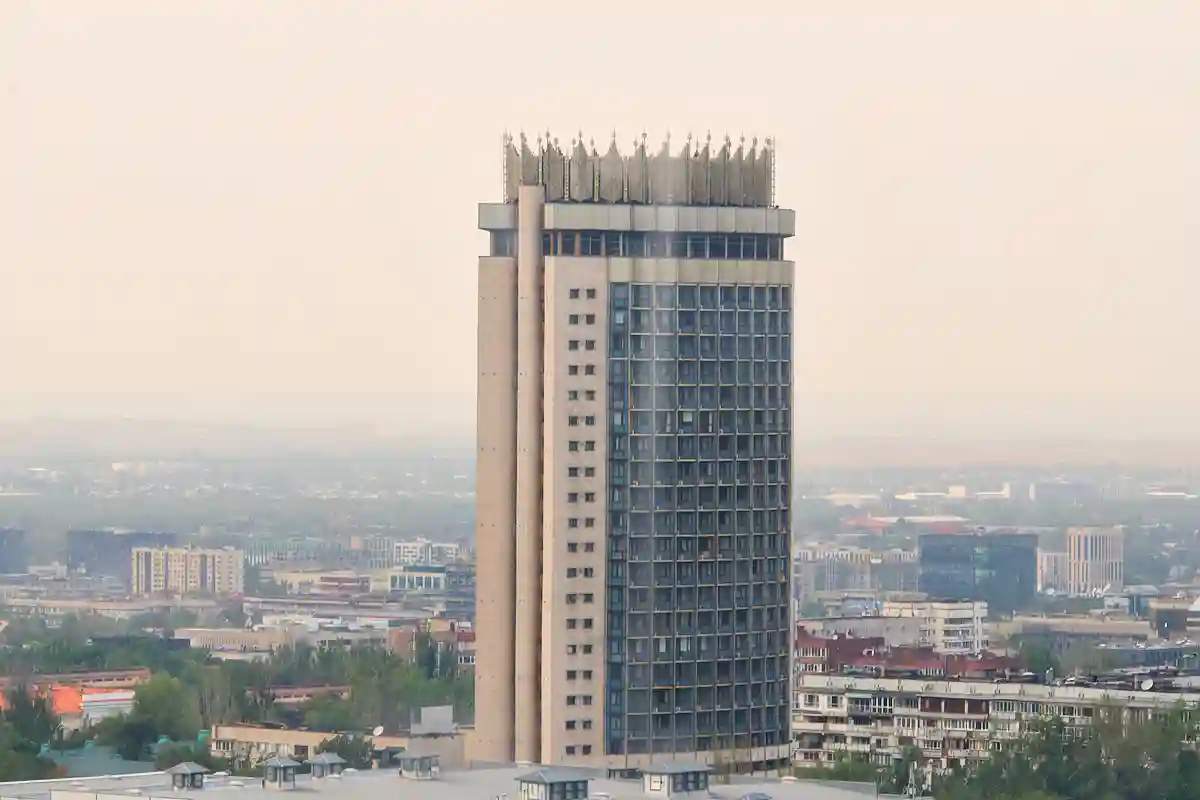
This is evident in the architecture—bombastic concrete palaces, patriotic memorials, and strange futuristic monuments. And in the form of government: several new states retained their former Communist Party leaders and continued with one-party systems and rigged elections. The worst offender is Turkmenistan, which stands out as a modern-day successor to Albania or North Korea—a closed dictatorship without morals or friends.
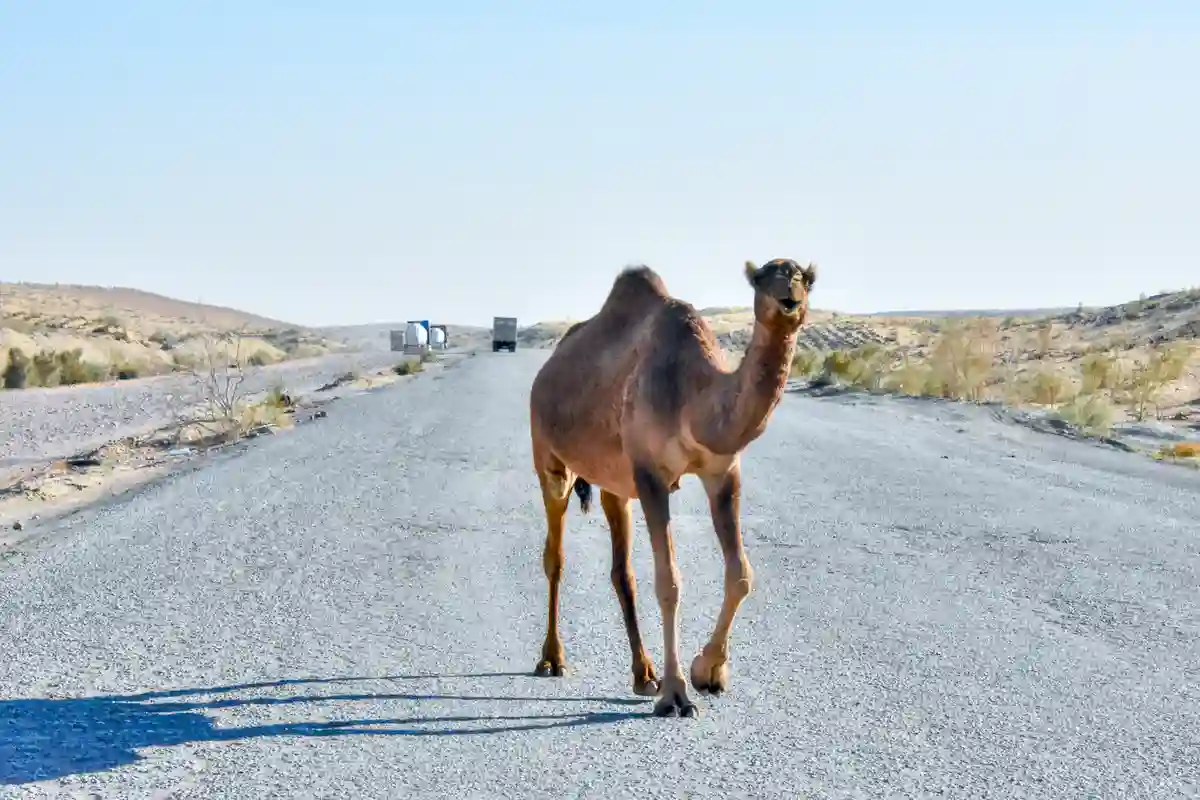
Geographically, these countries share very similar conditions: there is a great deal of arid steppe, deserts, and barren mountain ranges. Several cities—such as Bukhara, Samarkand, and Merv (today’s Mary in Turkmenistan)—emerged as oases and hubs for the camel caravans along the Silk Road. And they flourished thanks to the riches—gold, spices, and silk from China—that were transported westward over the course of a thousand years.
With one exception, the peoples of the steppe countries originally came from Siberia and Mongolia and spoke an ancient Turkic language. Later, they migrated south to Central Asia, and still later on to what is now Turkey. The exception is Tajikistan, where the inhabitants speak a Persian language. This makes no practical difference to us, since we don’t speak either language. Furthermore, the Cyrillic alphabet is traditionally used here, so travelers need phones with both a camera and a translation app to understand information and communicate.
But even though efforts have been made in recent years to transition to the Latin alphabet, the language remains difficult to understand. We didn’t manage to decipher this sign on a bus in Uzbekistan until we got home:
And what does it say? Well:“DEAR PASSENGERS
It is not permitted to board the bus while intoxicated, to crack peanuts inside the bus, to sit without shoes, or to bring a large bag or an animal into the bus.”
We spent a month traveling around Central Asia, mostly in Uzbekistan, which offers the best conditions for tourism in terms of transportation, the locals’ English skills, and, of course, some of the most sought-after destinations. But every country has its surprises, and we’d naturally like to share those with you as well.
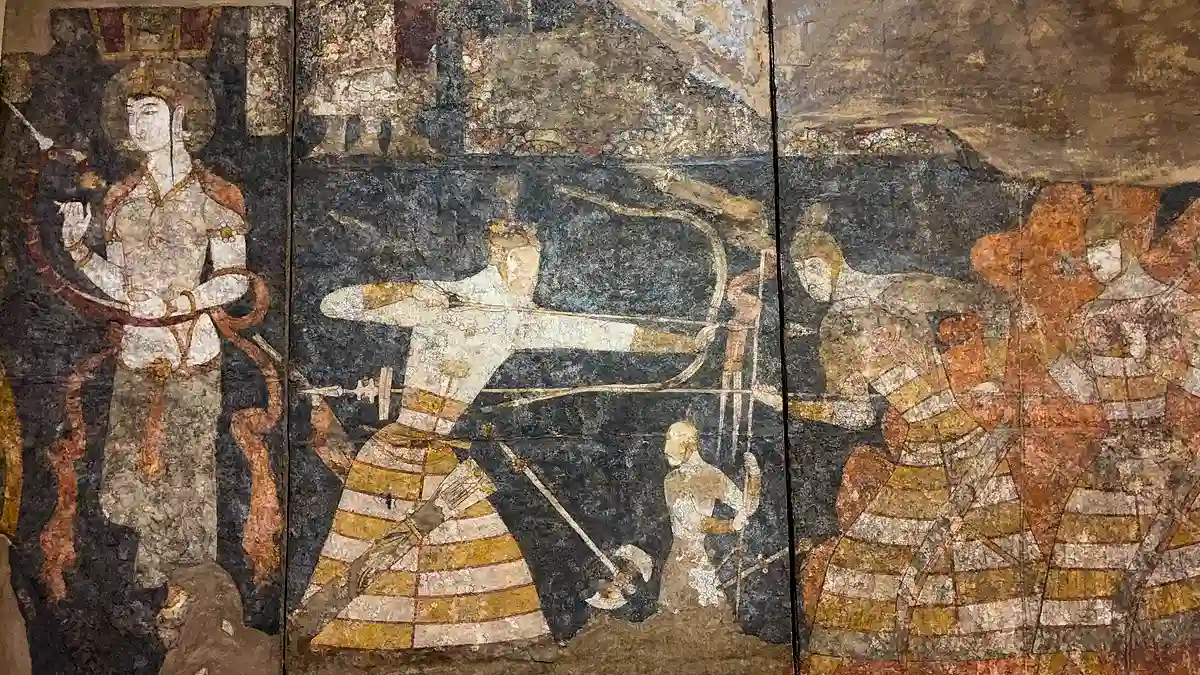
Trying to make sense of the history of the Central Asian countries is incredibly confusing. Dynasties rise and fall, battles are fought in every direction, kings are assassinated—sometimes by their own children. In reality, there are only a handful of common points of reference: Alexander the Great’s conquests in the 300s, the Arab conquests in the 700s and 800s, the Mongol invasion in the 1200s, Timur Lenk’s ravages in the 1400s, and the Russian conquests in the 1800s. In between, a host of other atrocities took place.
On the next page, we begin our journey in Tashkent, the capital of Uzbekistan—our first encounter with grandiose Soviet architecture, plov, and men in blazing ovens.