From Tashkent, we continue westward, across the entire length of Uzbekistan to its western end and the small town of Nukus. Coming from the big city to this backwater felt like ending up in a dead end. Low-rise buildings lined dusty streets that, strangely enough, were mostly flanked by a never-ending array of clothing stores. There were a few scattered cafés, but almost no restaurants at all.
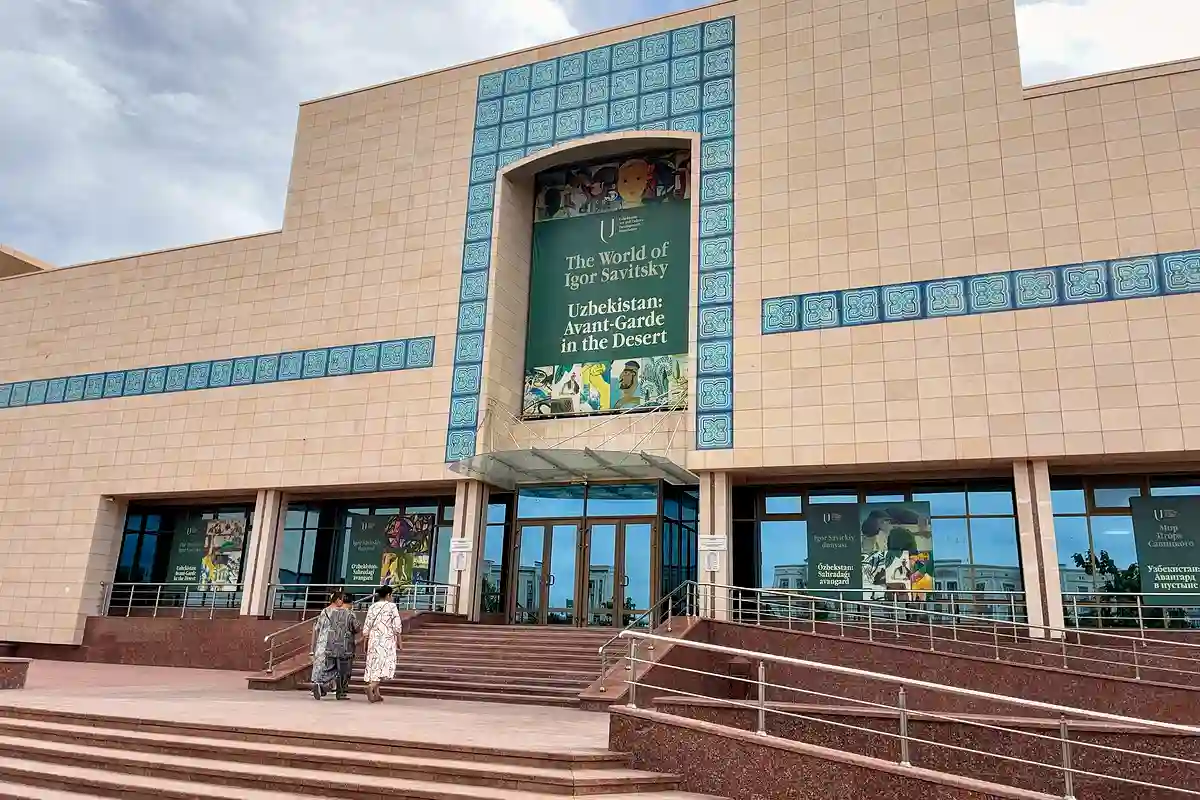
As a tourist here, you feel a bit like an endangered species, but there are two things about Nukus that definitely make it worth spending a couple of days here. The first is the Savitsky Art Museum, an unlikely cultural treasure that ended up here by pure chance.
Igor Savitsky was a Russian archaeologist, painter, and collector who, after participating in an archaeological expedition near Nukus, moved to the town and began collecting jewelry, rugs, coins, and traditional clothing from the region. He managed to persuade local authorities to open a museum and he became its first curator.
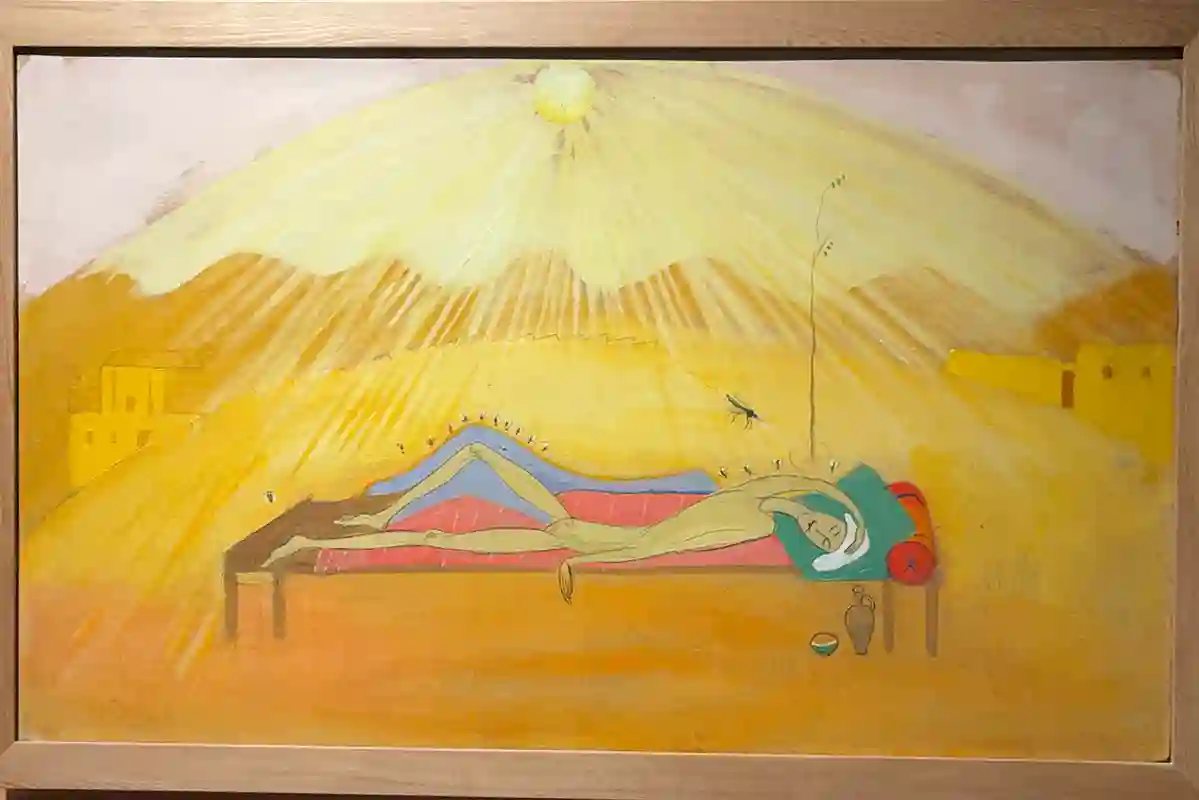
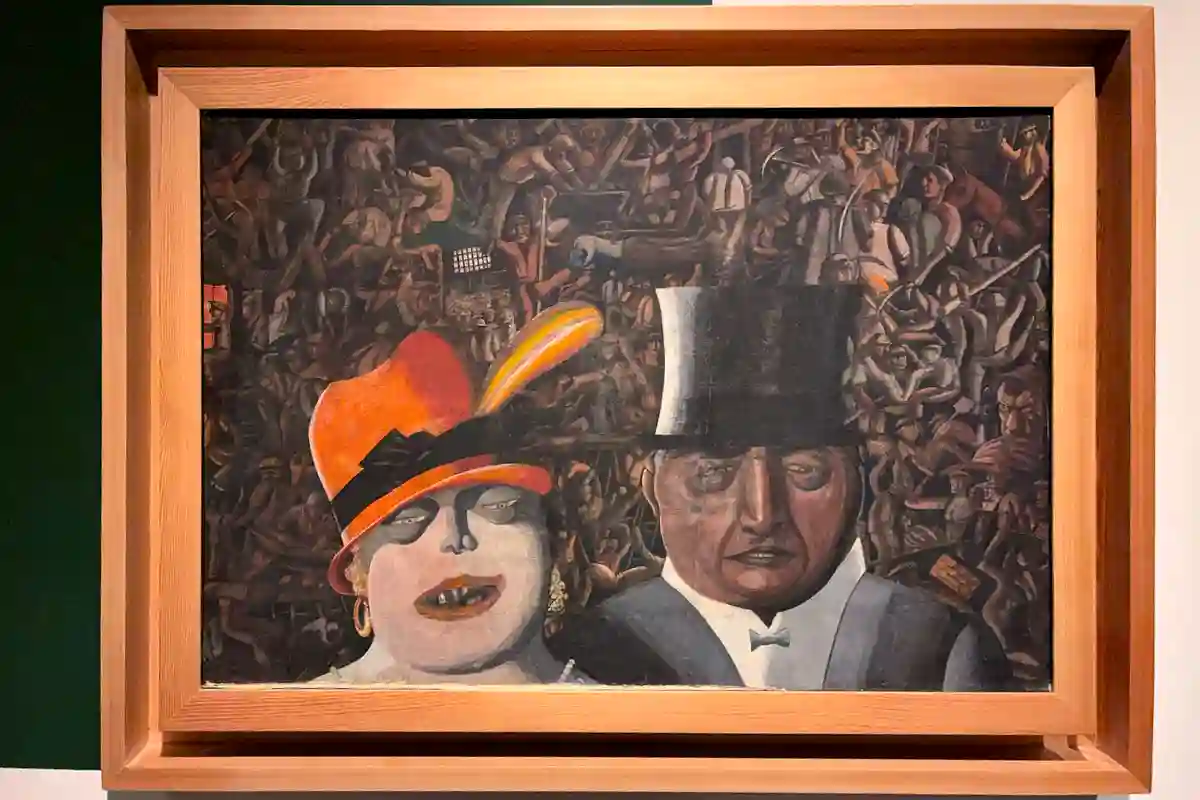
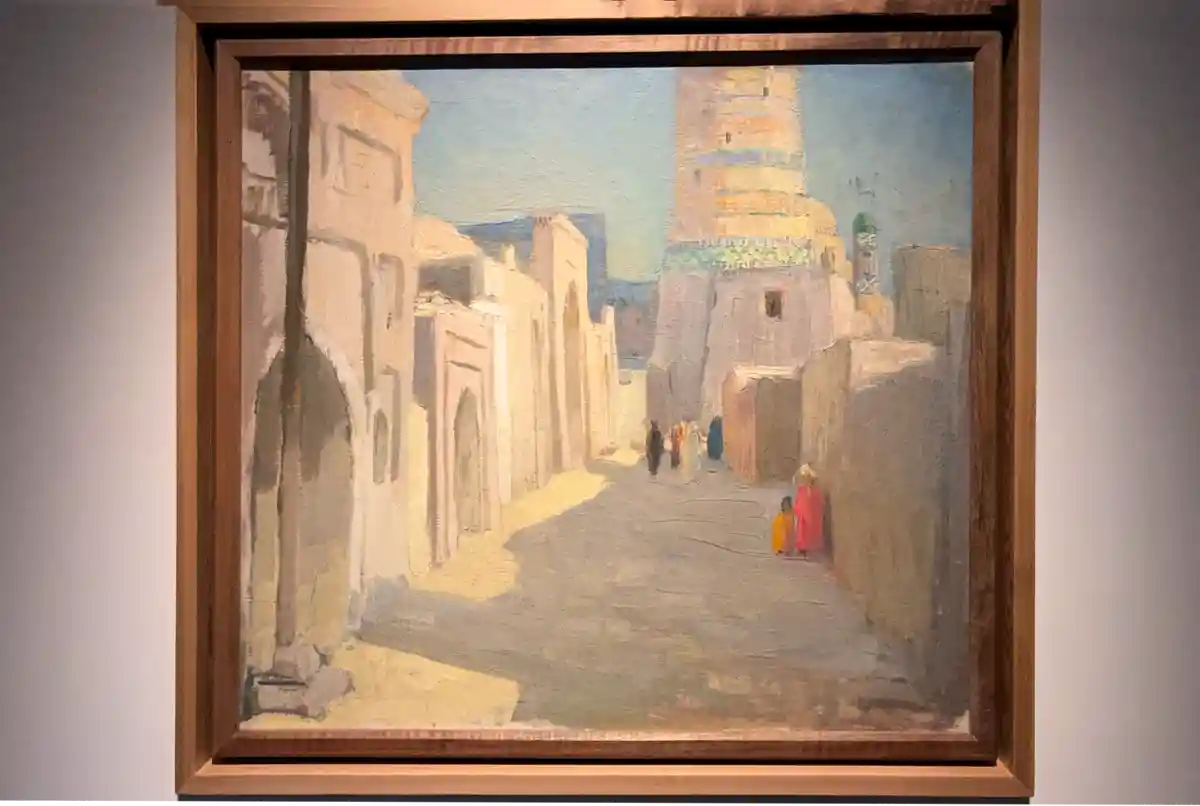
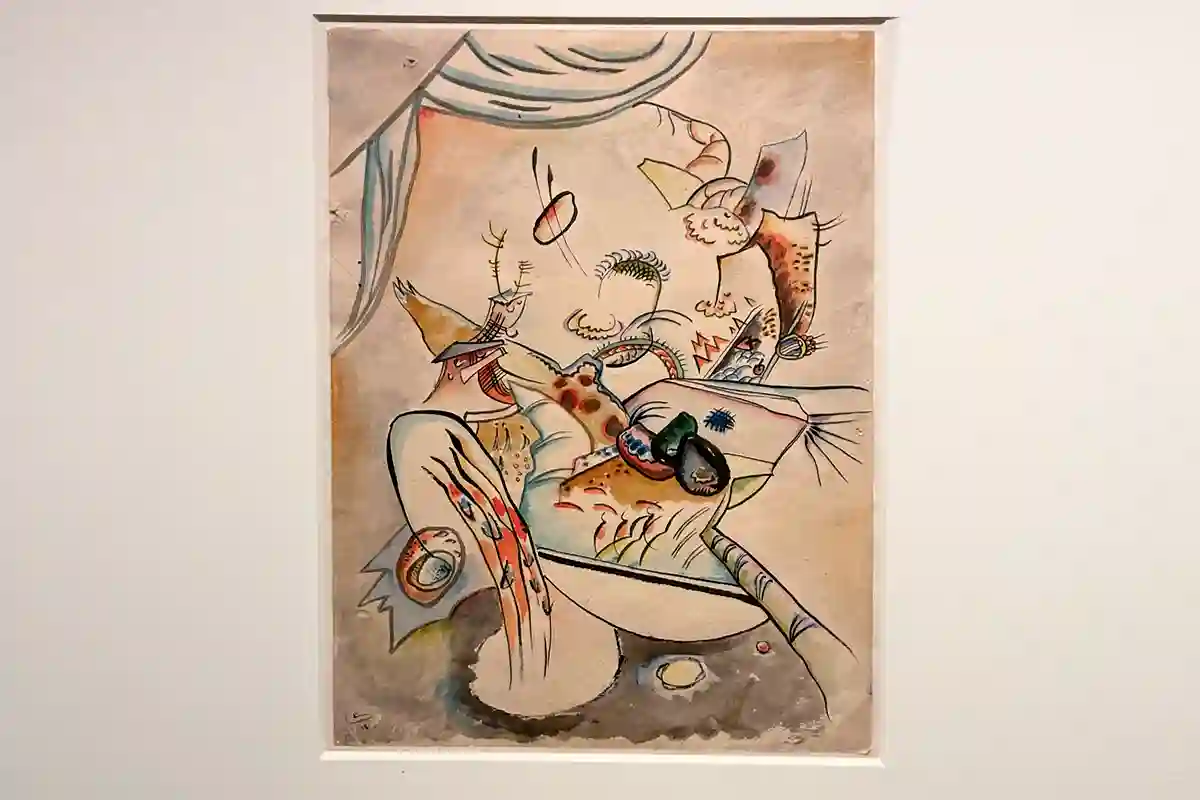
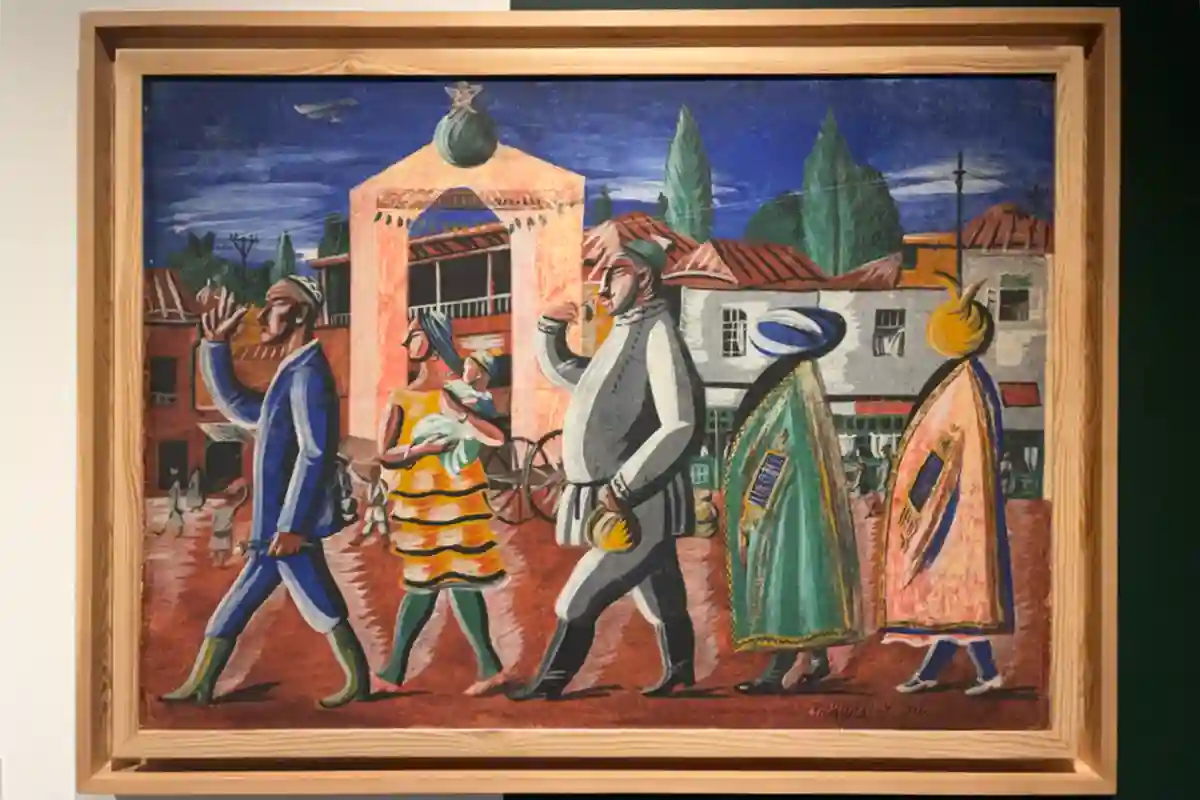
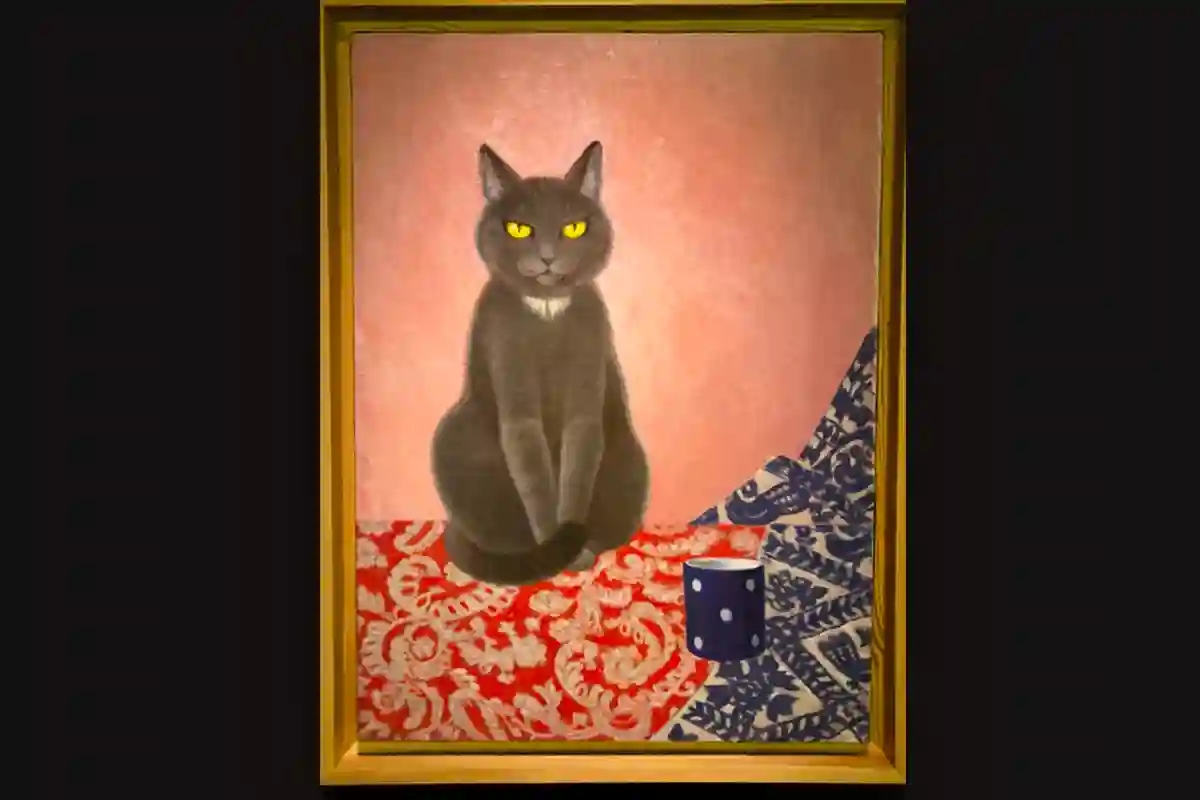
He then started to collect works by avant-garde artists from across the Soviet Union. But it was a risky endeavor, as he wanted to promote modern art. Styles such as Cubism, which were popular in the West, were considered bourgeois and counterrevolutionary in the Soviet Union.
It was not until Gorbachev’s perestroika that Savitsky’s museum was able, in 1985, to exhibit all these previously banned works of art and live up to the epithet “the Louvre of the East.” When we are here, we perceive it as a truly unique museum with incredibly fascinating art – art and artists that are of course, completely unknown to us.
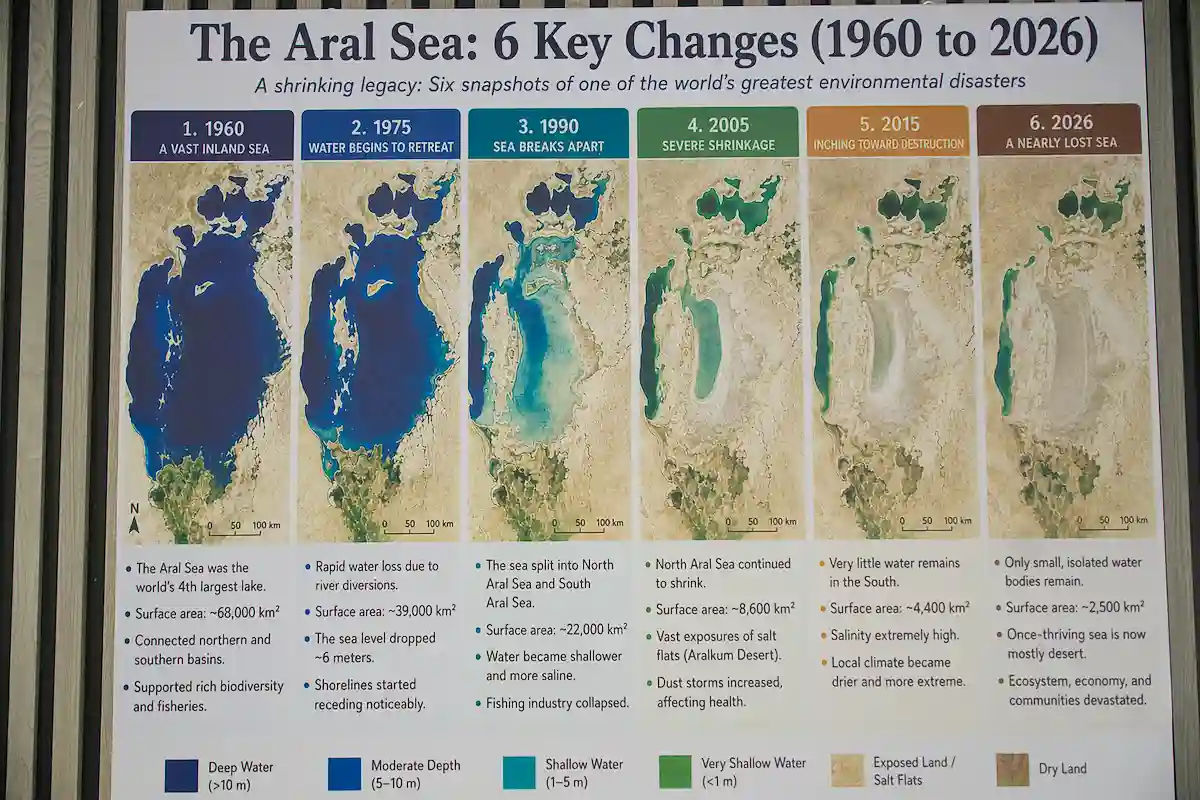
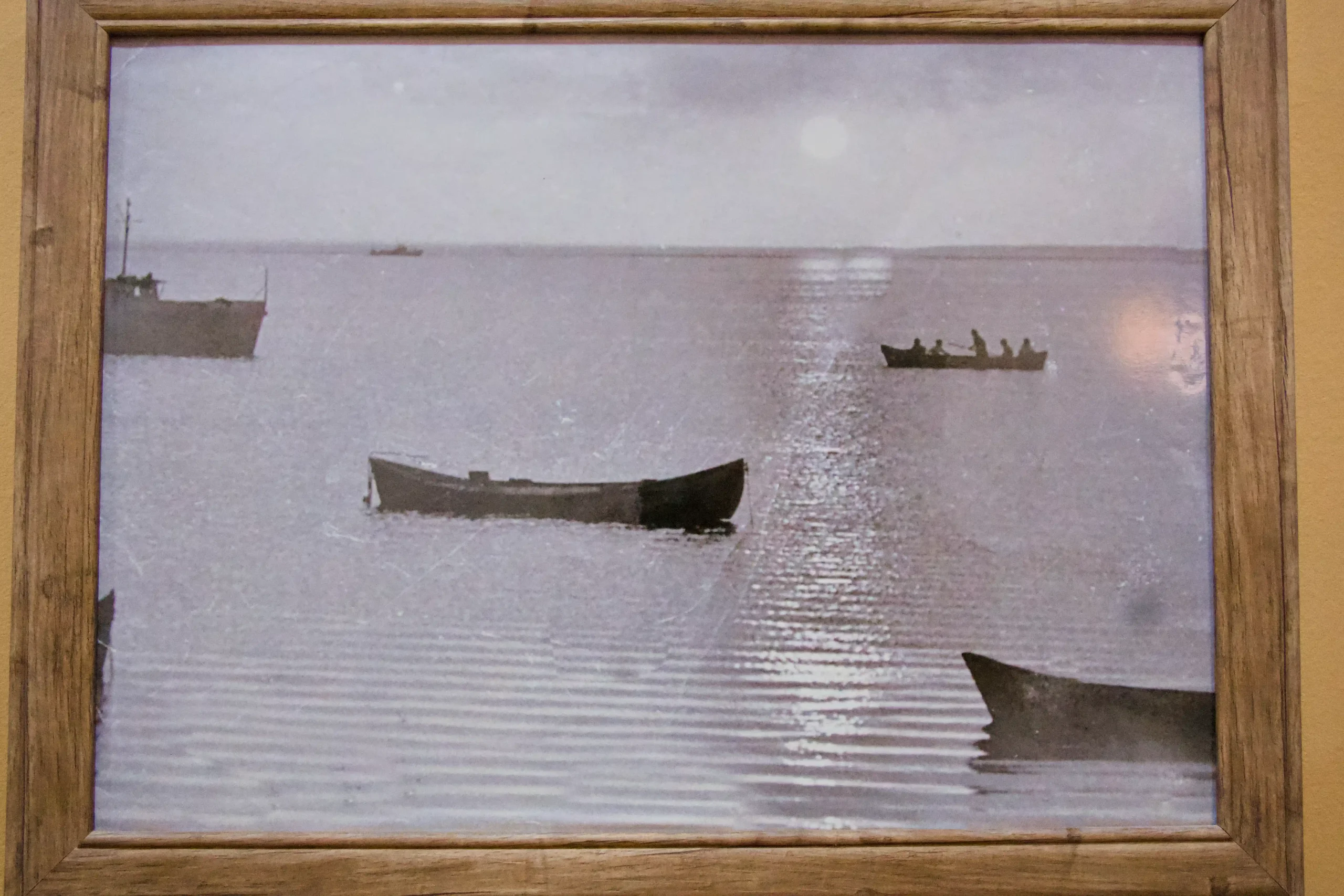
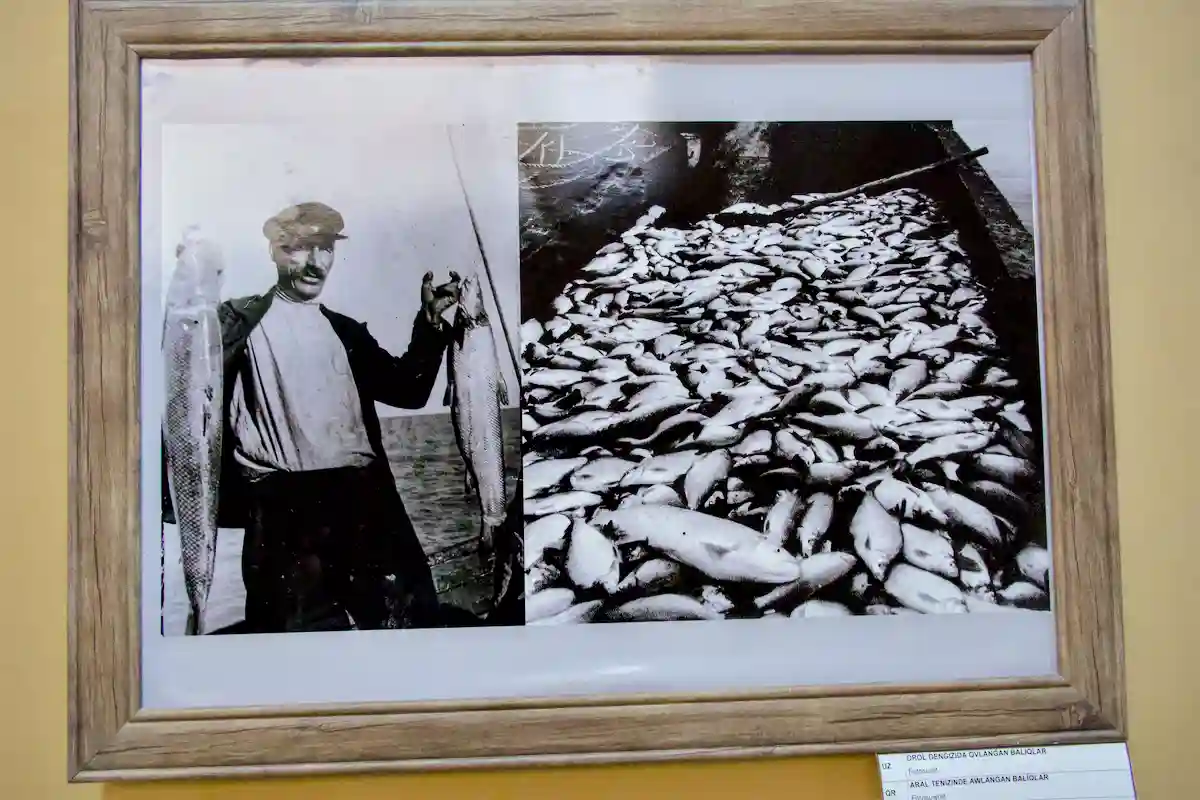
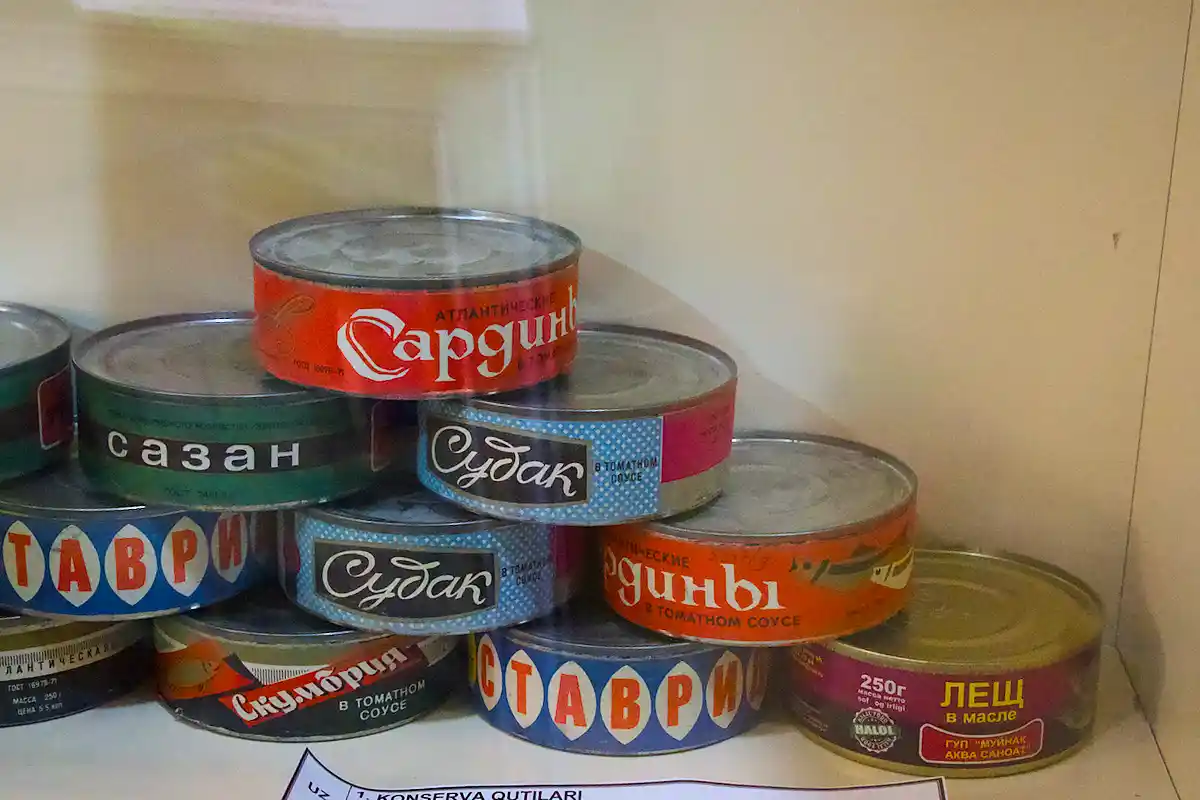
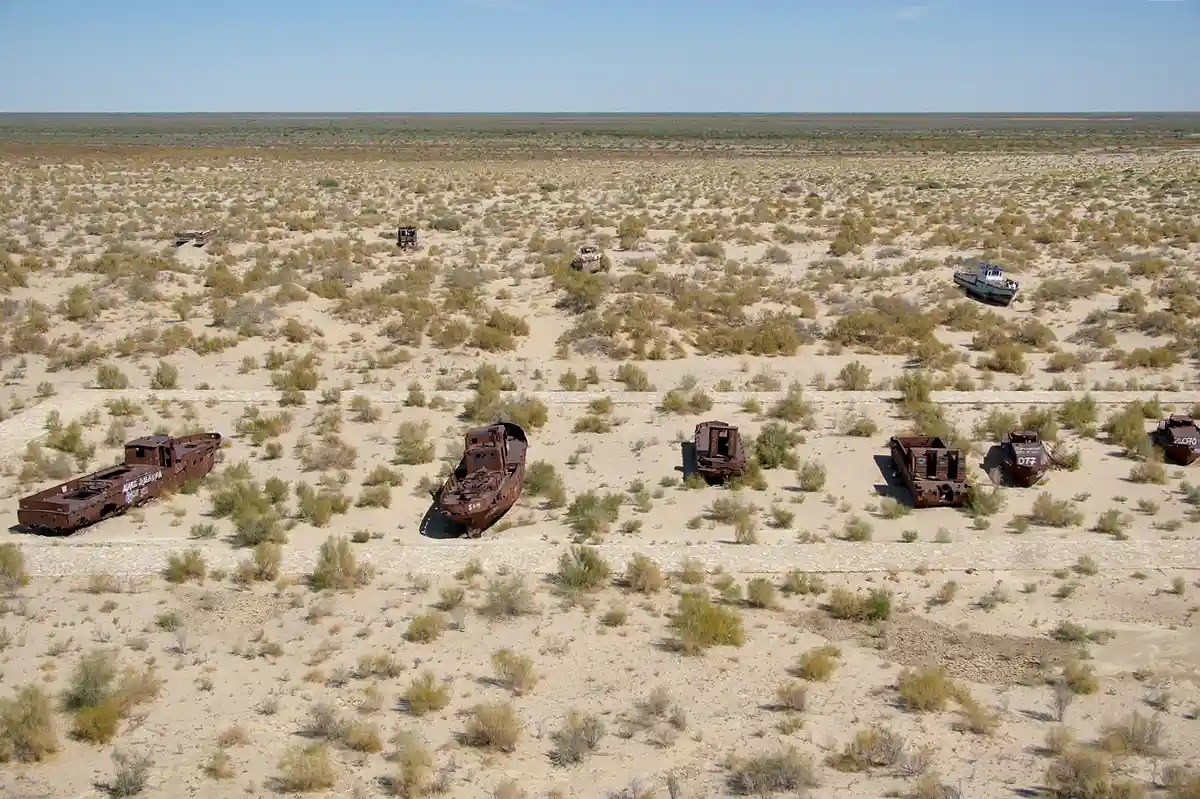
The second reason to visit Nukus is that it serves as a gateway to the Aral Desert – a brand new desert, created entirely by human hands. Once upon a time, the Aral Sea, the world’s fourth-largest inland sea, stretched across this landscape, flanked by thriving communities that prospered from fishing. But as early as the 1920s, in the then-newly formed Soviet Union, it was decided to use the Aral Sea’s tributaries—the Amu Darya and Syr Darya rivers—to artificially irrigate vast cotton fields that would generate export revenue for the country.
In the 1960s, people realized that something had gone wrong. The water level of the Aral Sea began to drop and continued to fall so much that today almost the entire lake has been transformed into a sandy, salty desert. Some lake remnants remain in Kazakhstan, where various successful efforts are underway to restore water quality and fishing.
But in Uzbekistan, the fish disappeared, and the fishing communities were forced to move away elsewhere with their boats. Restoring the lake is considered impossible, so efforts are focused on planting hardy shrubs to prevent sand drift.
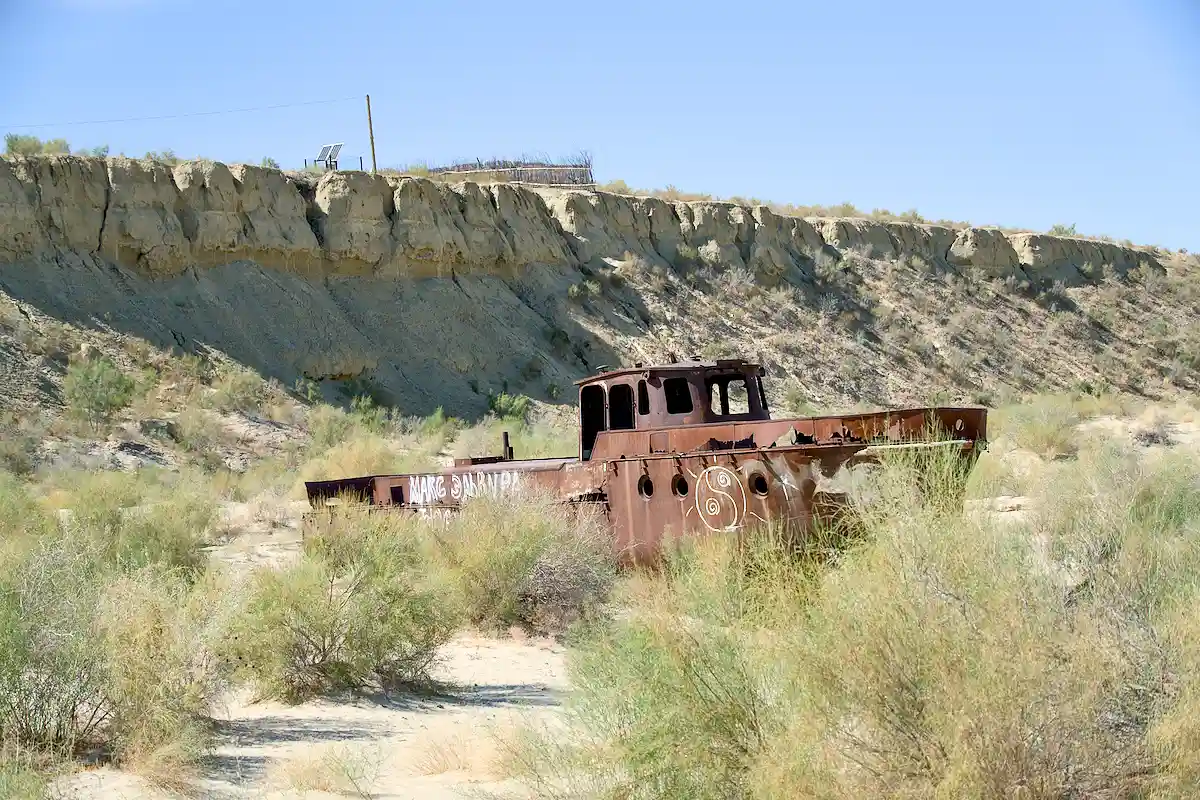
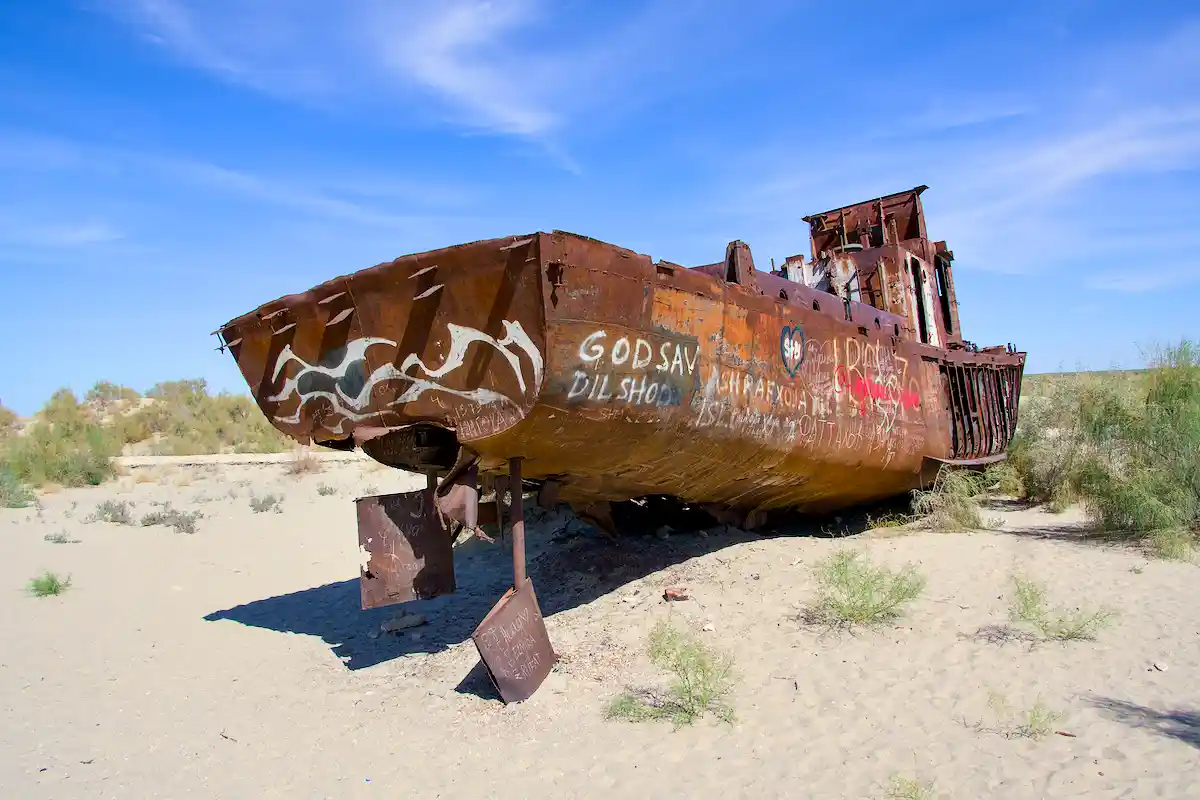
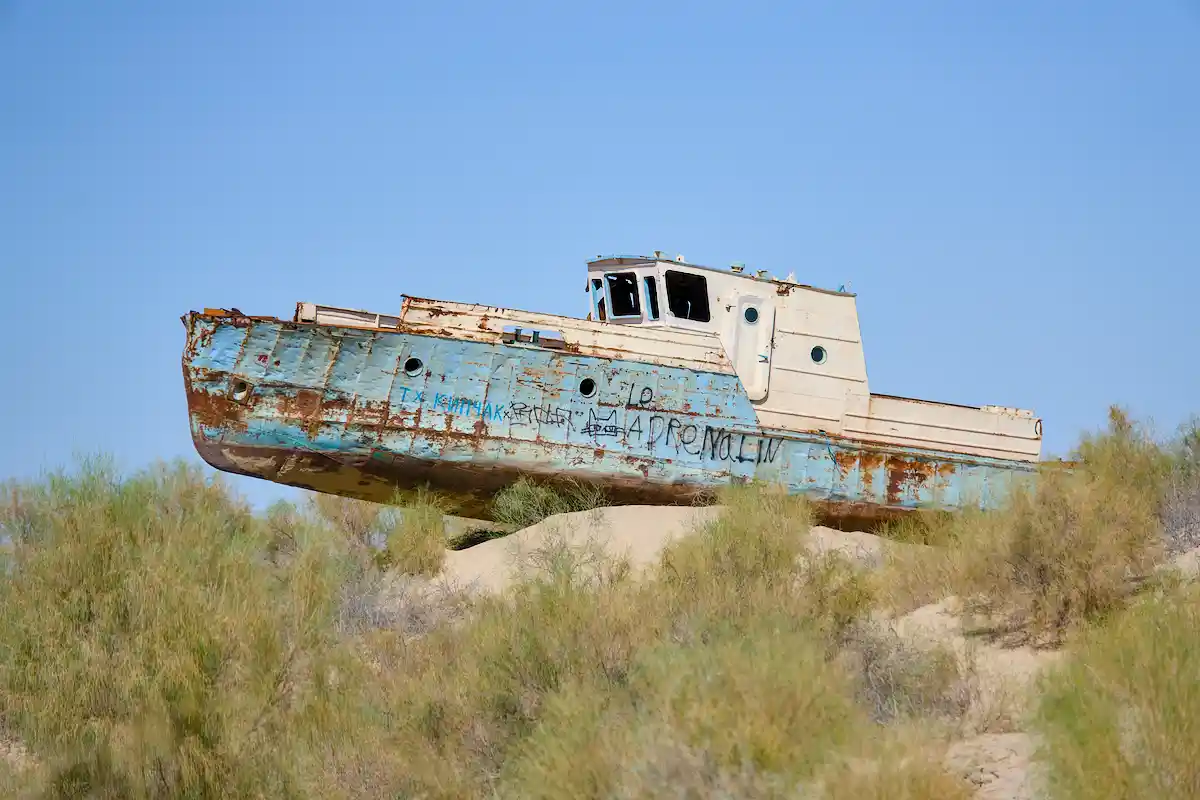
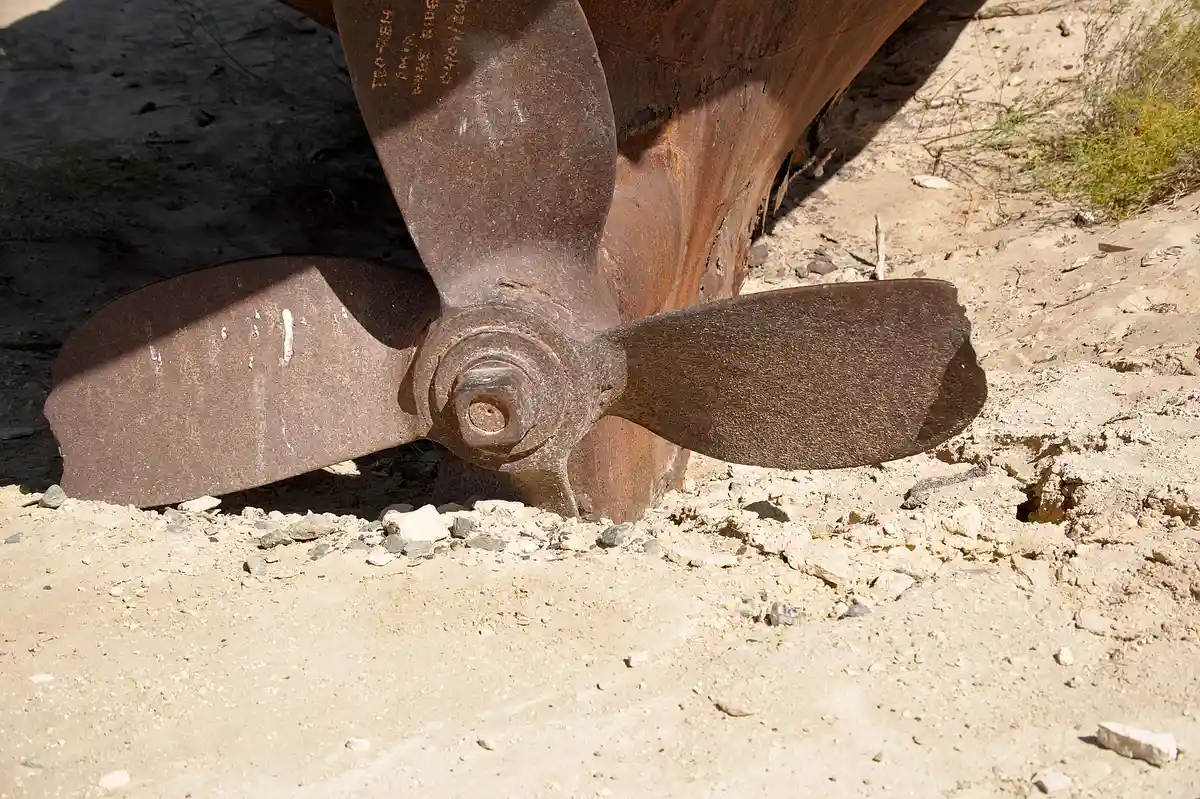
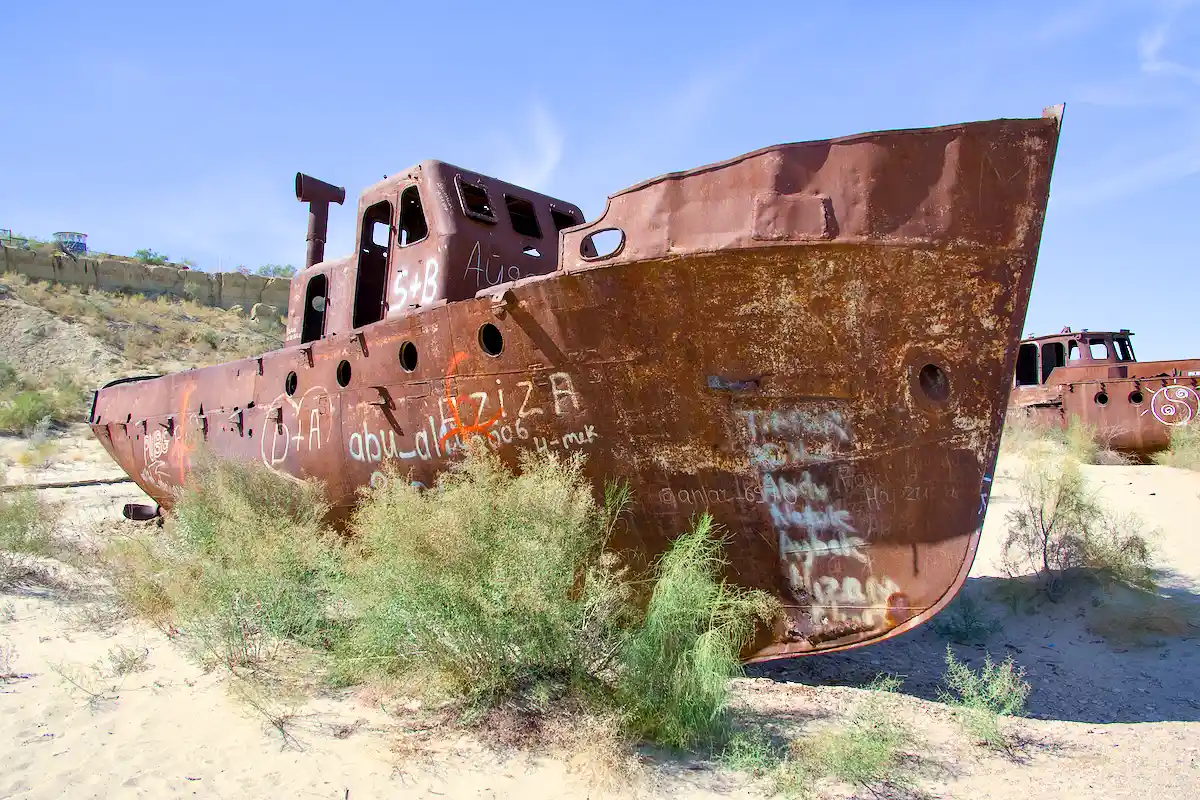
Today, it feels surreal and spooky to walk on the old lake bed among rusting boat hulls, to look up at the high cliffs and imagine the water surging up there.
But there are also invisible consequences of the disaster. Salt, heavy metals, and residues of fertilizers and pesticides drift from the arid ground and poison crops near the lake. The infant mortality rate in the area is among the highest in the world.
Traveling between Nukus and the Aral Sea is a grueling ordeal. A 4-wheel drive car is the only viable means of transportation, and the roads are the worst we’ve ever seen anywhere in the world. Millions of potholes make the road a car shaker. For long stretches, there’s no asphalt at all, and all cars have to slalom around the deepest holes. But it’s a long drive so we have to go fast, and at times we actually fear for our lives.
Small Nukus is actually the capital of the Republic of Karakalpakstan, an autonomous region that is part of Uzbekistan. It was once a thriving agricultural region, but the disappearance of the Aral Sea has turned Karakalpakstan into what is essentially a semi-desert, and today it is one of the poorest parts of the country.
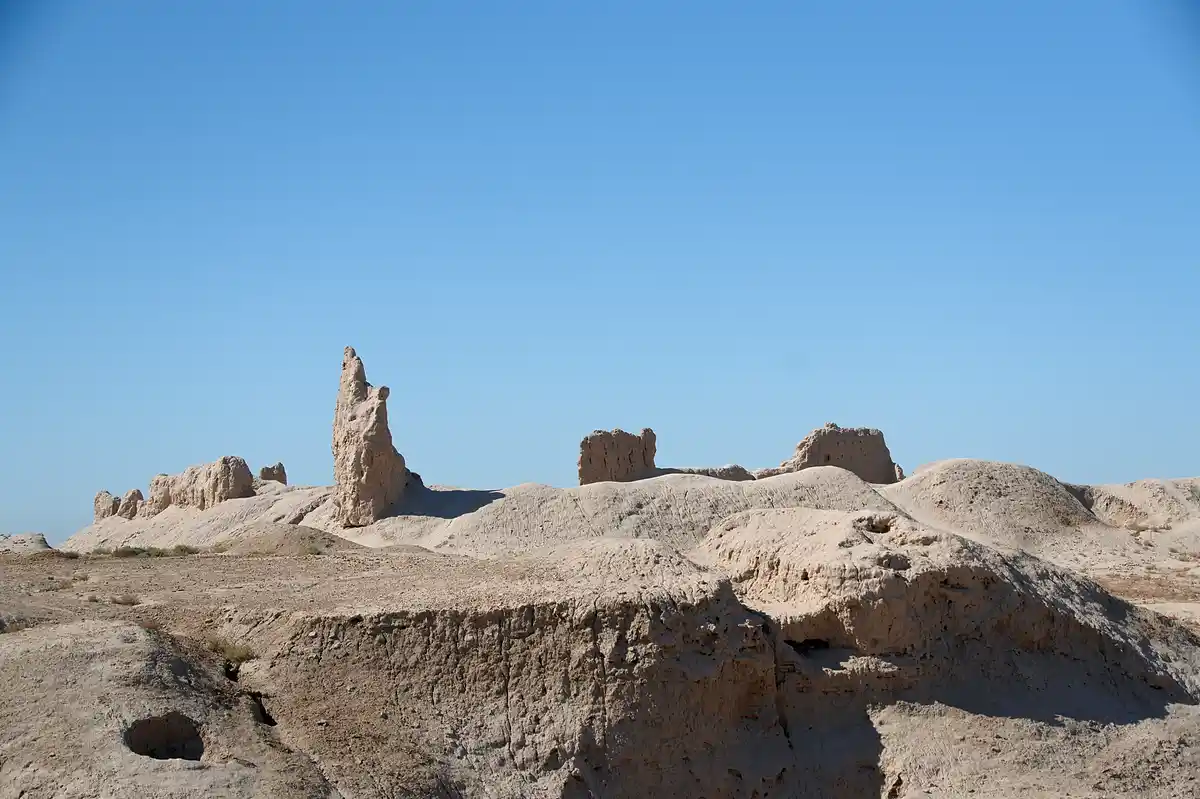
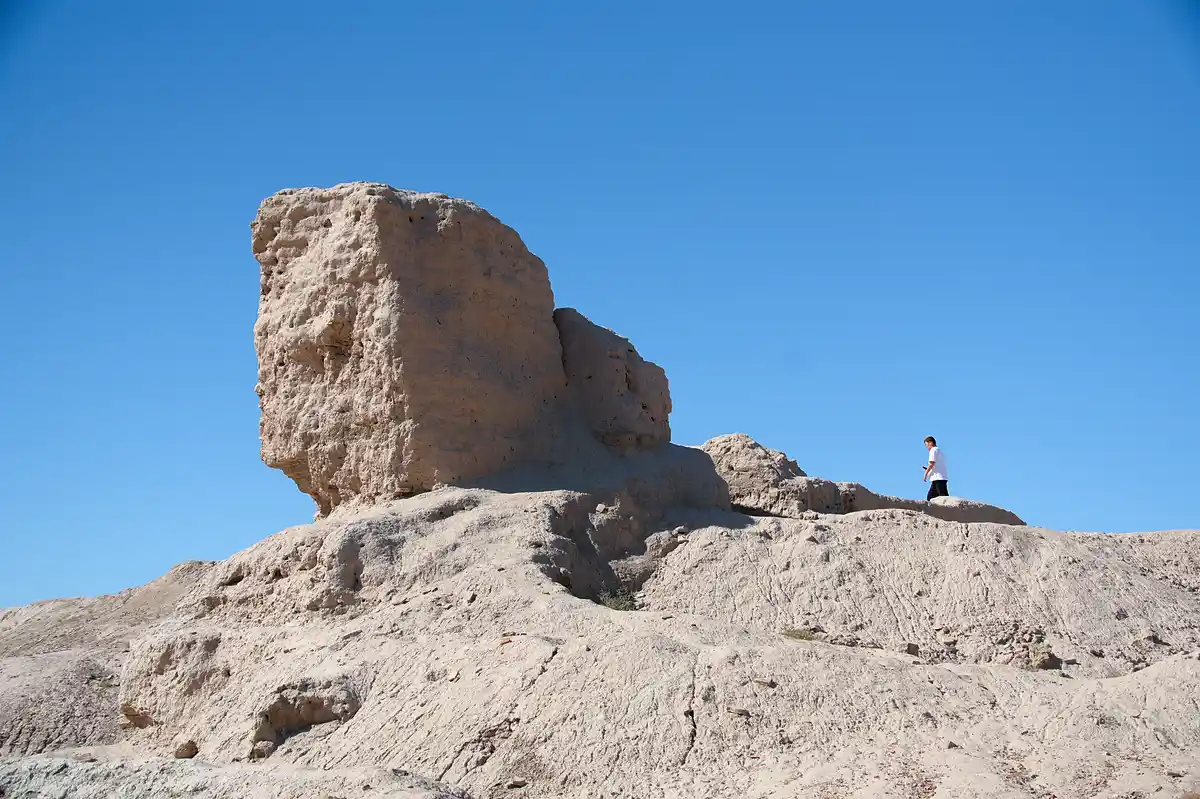
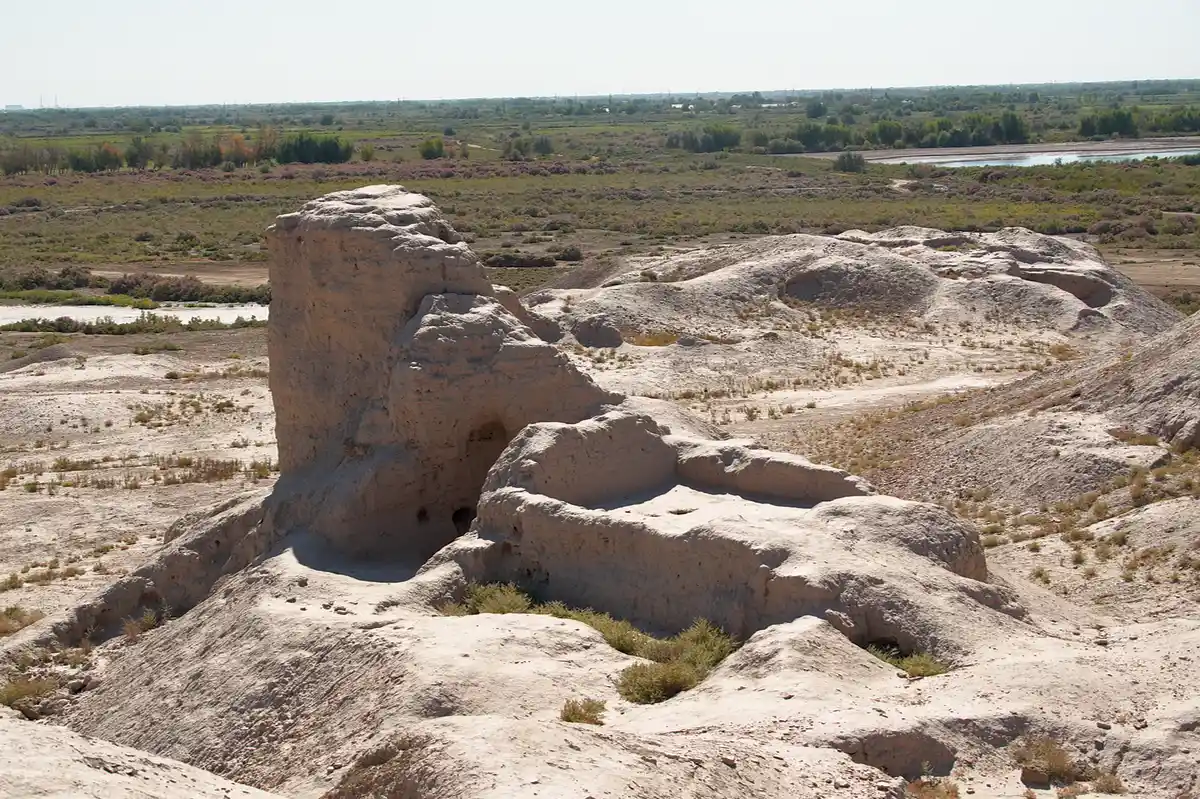
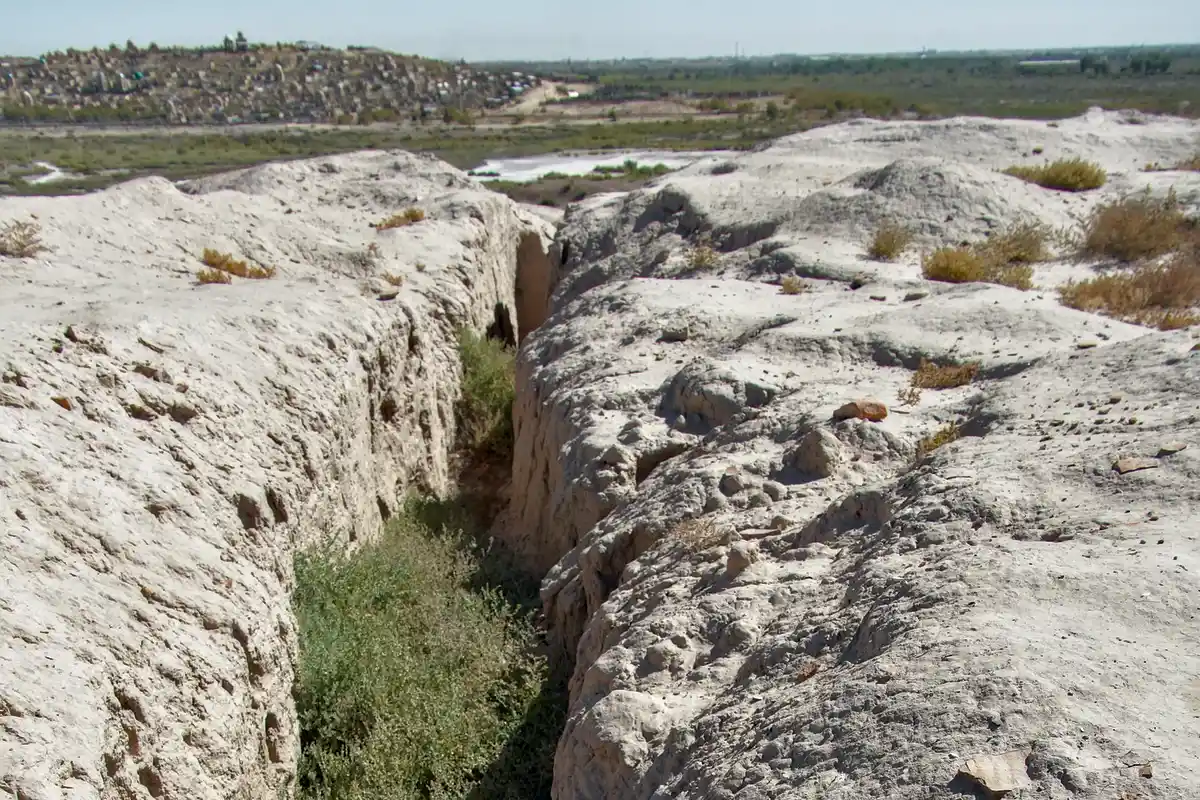
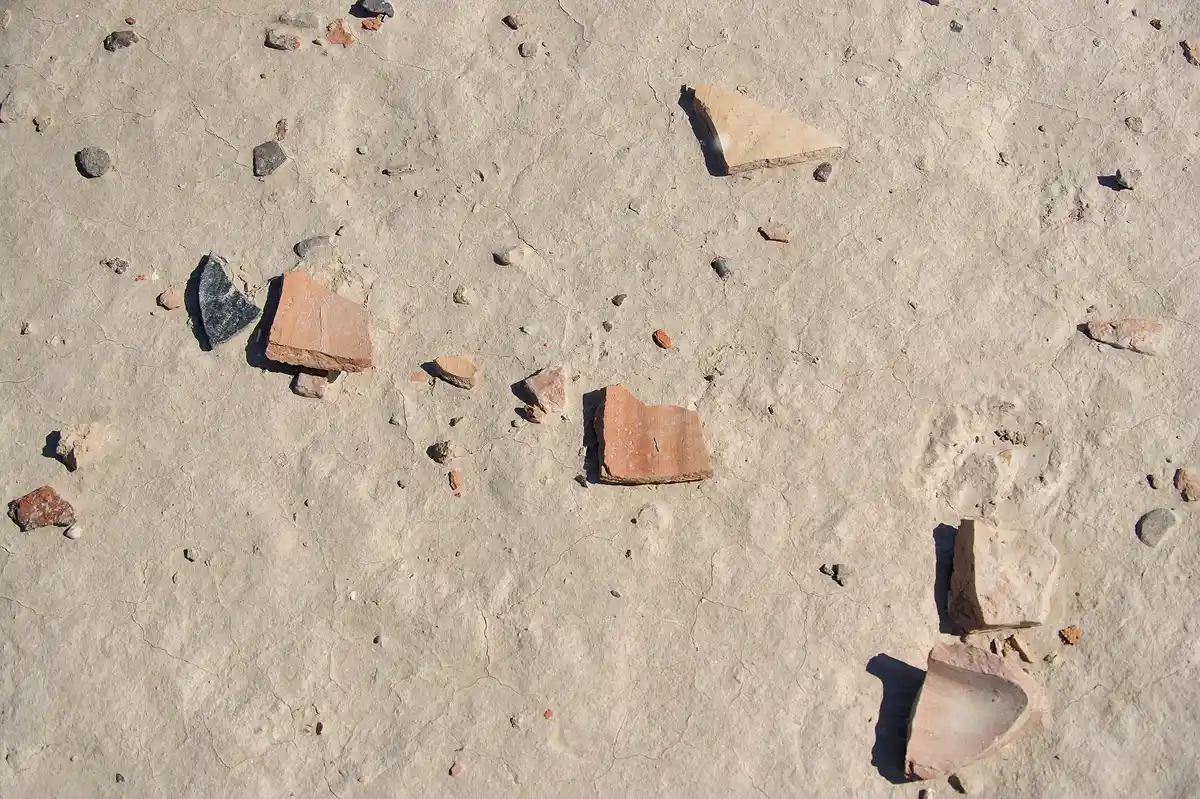
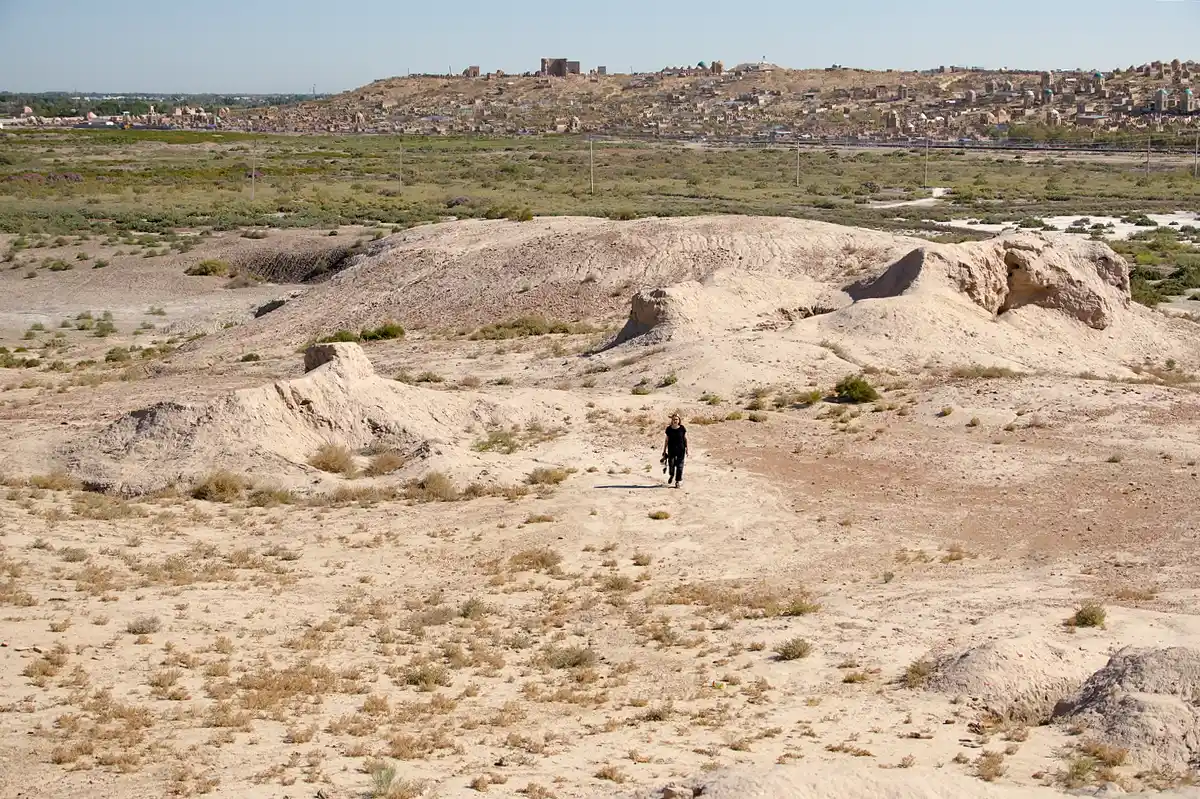
A short distance outside Nukus, a high hill with a jagged crest rises up. This is the ancient fortified city of Gyaur-Kala, which was inhabited from the 3rd century B.C. until the 13th century, when invading Mongols completely destroyed it. The plain below is strewn with pottery shards.
In the next chapter we find ourselves in the first of the three legendary cities along the Silk Road, the trade route from China during the first millennium A.D.