We’re on the road again an after hours of ascending and descending serpentine roads we arrive in the city of Ollantaytambo. And here we board a little train that runs through a variety of gorgeous sceneries. Agriculture in green valleys, forests, rivers and rapids between huge and steep mountains.
Finally the train rolls into a village that used to be known as Aguas Calientes, the Hot Springs. But these days it goes more by the name Machu Picchu City. The town is scenic but littered with cheap tourist furbelows. Hundreds of bars, souvenir shops, massage parlours and b&b:s. We’re staying in an icy cold hostel so we take an evening walk, get something to eat and then it’s straight to bed.
Early next morning when it’s still dark outside, we get up, but there’s no hot water in the shower. We eat a pointless omelette with some dry loaves of bread and weak coffee, and then rush out to catch an early bus. But there’s something not right here. There’s a one hundred meters long queue on the street before us. We realize that this is the bus queue and almost abandon all hope of going to the top. But somehow the que rattles down the street and finally we’re on our way up to the city in the clouds.
The trip is 20 minutes of fear and desperation. When the bus going up meets a bus going down there are only a few centimeters to the abyss. But we arrive safely and even before we pass the ticket control we have negotiated with and hired a guide.
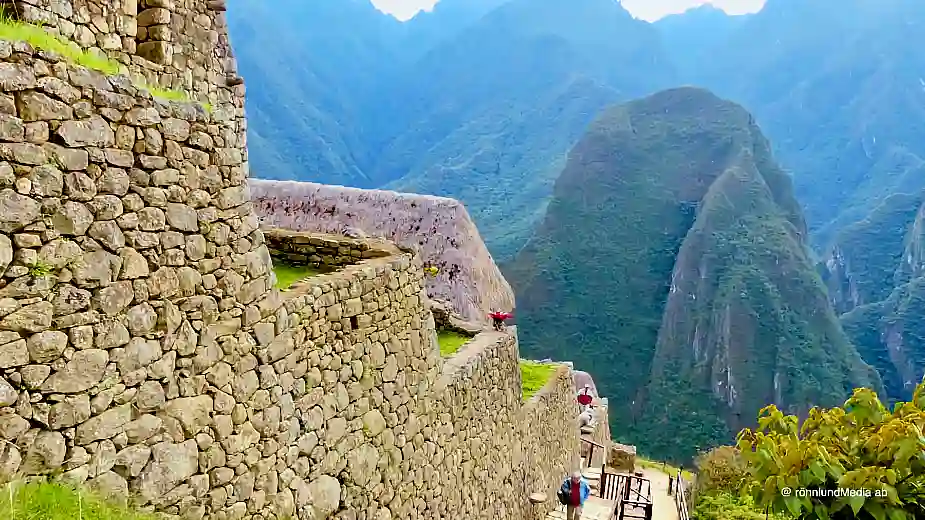
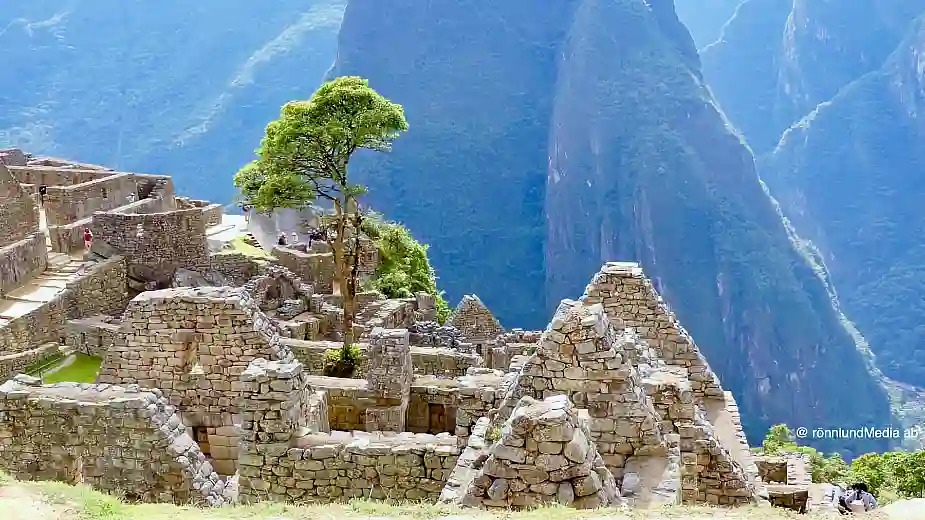
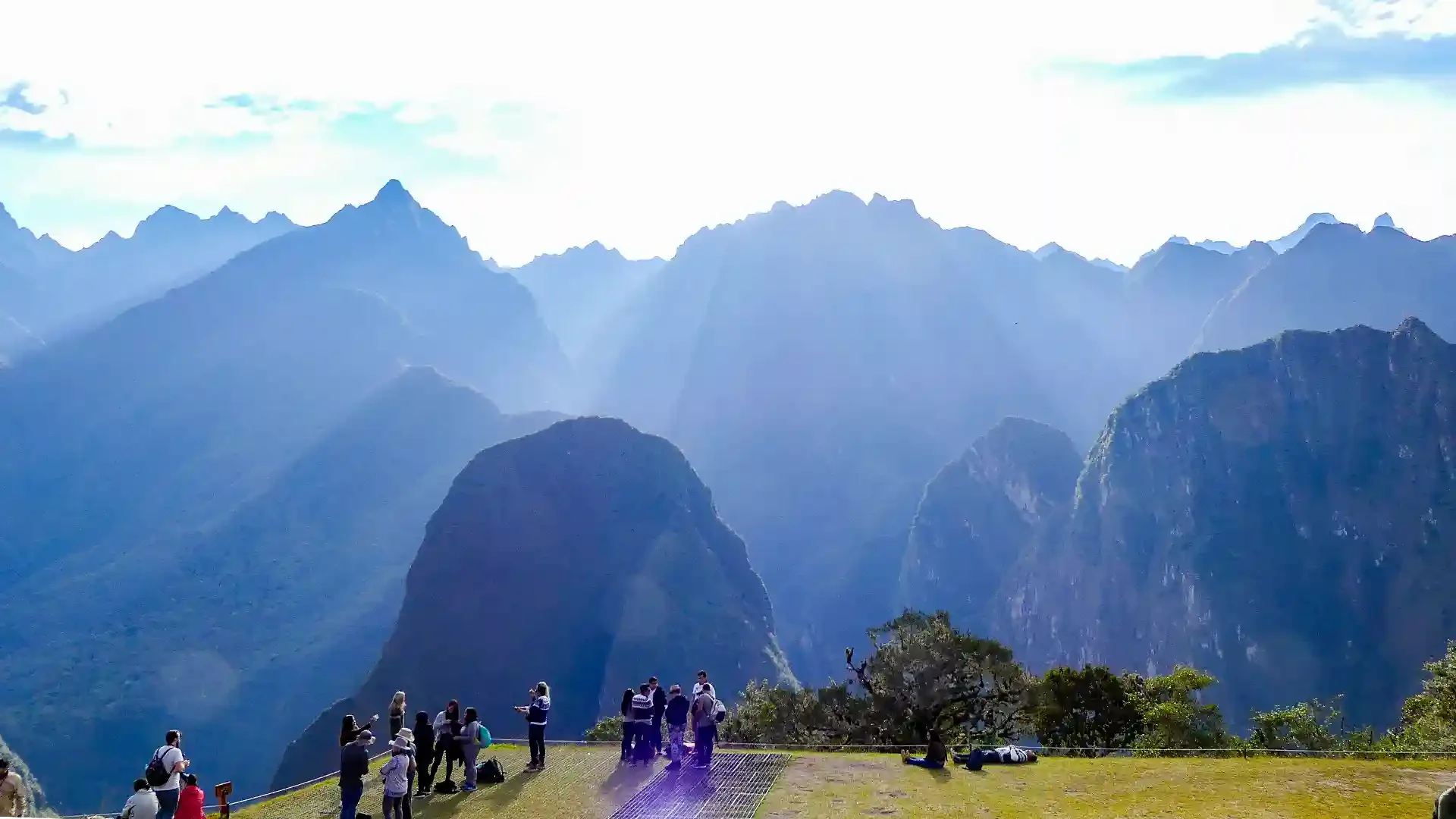
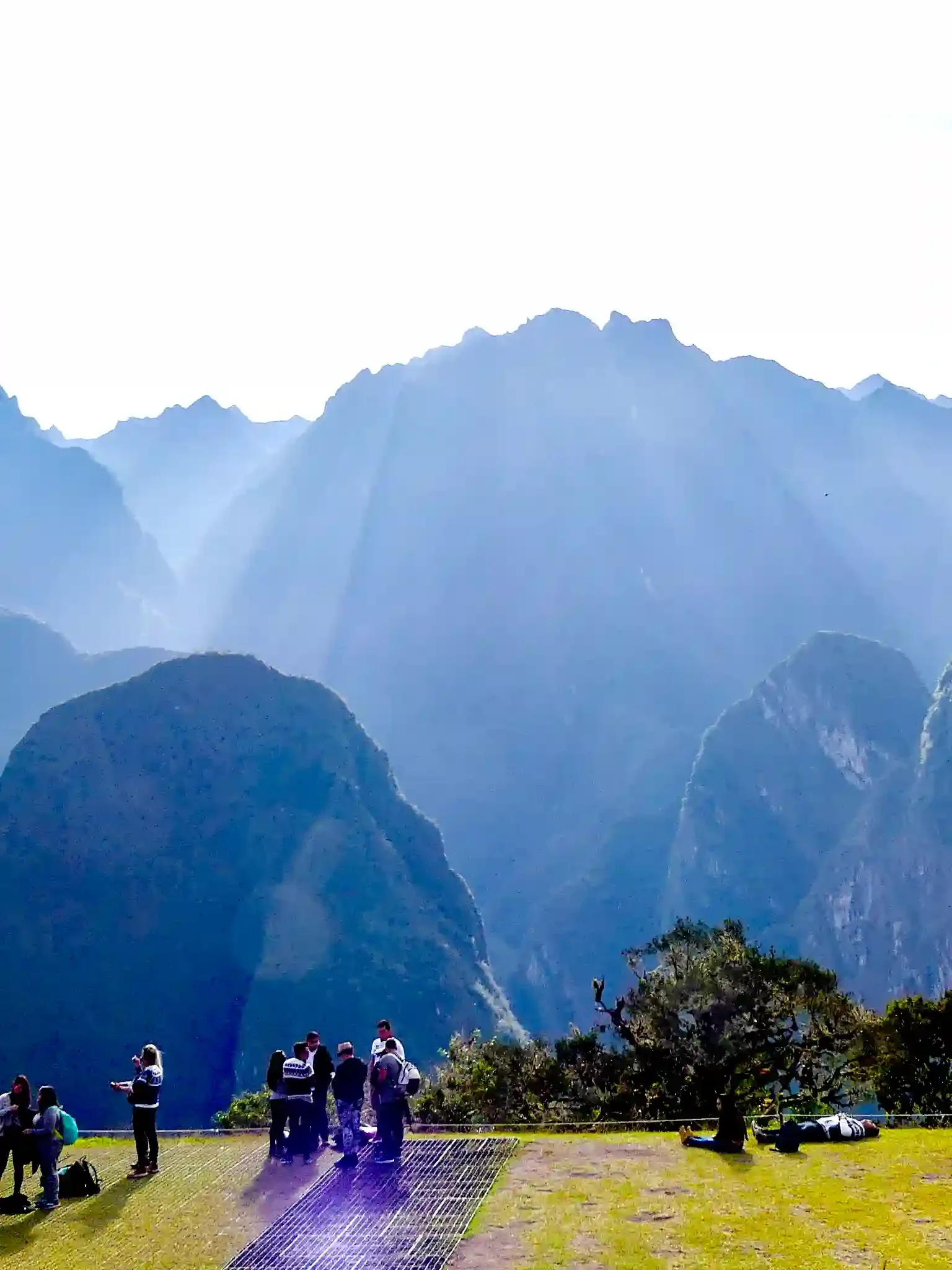
Everybody has seen Machu Picchu. On posters, pictures, historic TV programmes etc. Looking so grand with its grey stone walls amid the green grass and the pointy high mountains all around. In reality it’s also exactly that, but the effect is overwhelming. It’s stunning, almost unbelievable. How did they manage to build this mountaintop city, how were they able to find food and clothes and life’s other necessities? How could they live here and why was it all abandoned and forgotten?
The first thing we learn is that these hilltop Inca settlements were not towns, they were reserved for the societies’ elite. The common people, the farmers stayed in the valley below. Except when they were needed in the construction teams, then they worked up here for six months and spent the rest of the year farming.
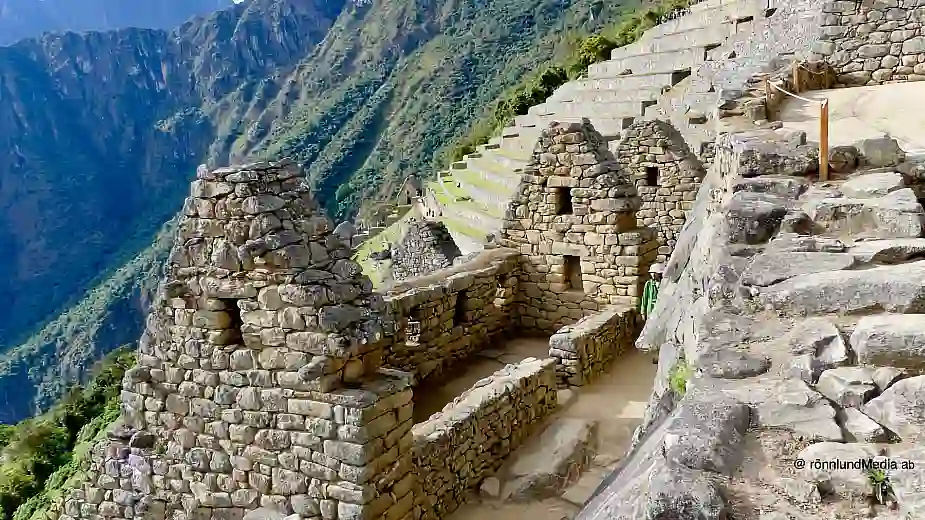
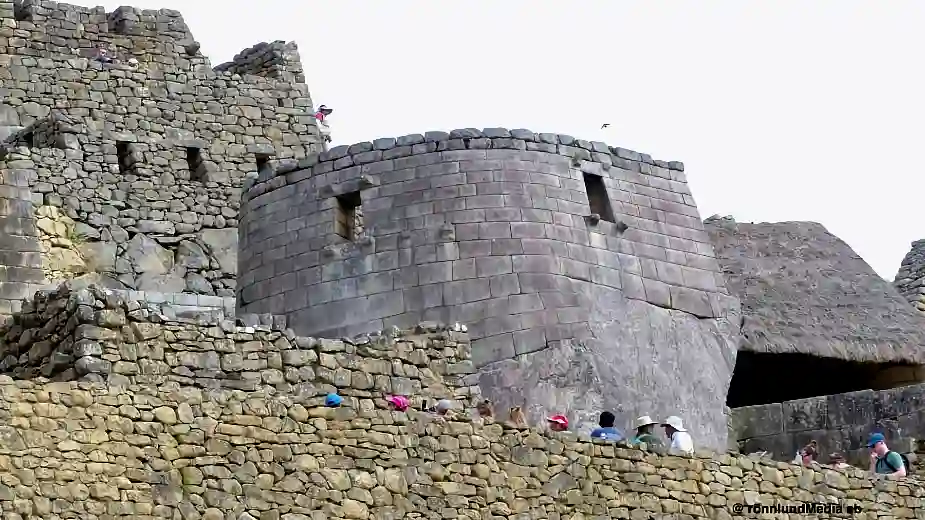
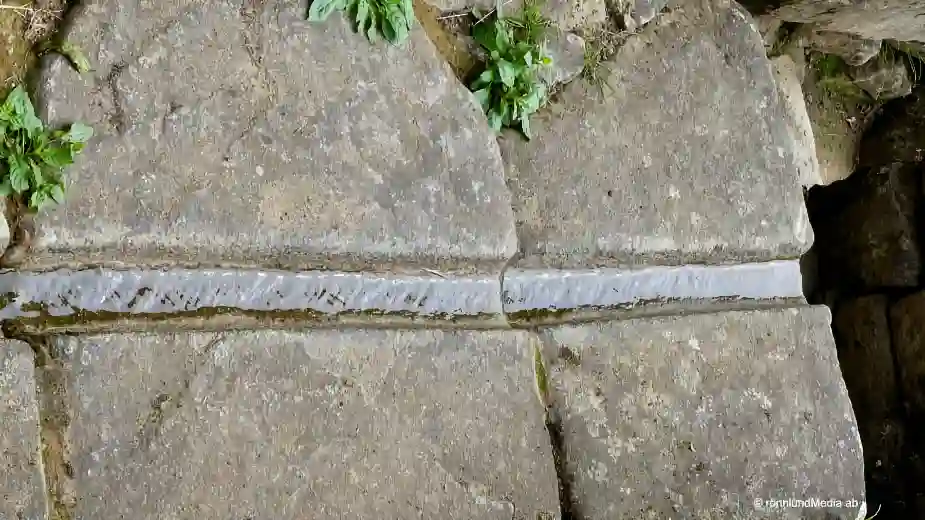
The Incas were masters of architecture with a great knowledge about materials and structures. On the slopes below the hilltop settlements they built impressive terraces that had a double purpose. One was to grow plants, the other to stabilize the ground. Earthquakes are common here, but Machu Picchu has no visible damages from such activities.
Most of the destruction seen on other Inca hilltop settlements were caused by the Spanish invaders. But Machu Picchu is intact because it was actually abandoned a few years before the conquistadors arrived. Why? Nobody knows. Maybe some epidemic disease wiped them out, maybe climate changes. The Incas didn’t have a written language, so there are no direct sources.
We climb the various levels in Machu Picchu and try to picture what life there could have looked like. Unfortunately there are no artifacts here, just the building walls. Everything that could be carried away was seized by an American adventurer called Hiram Bingham III (his father was Hiram Bingham II), the prototype for Indiana Jones. He claimed he had rediscovered Machu Picchu (but that was a lie, others had been there before him), and Bingham shipped everything he could get his hands on to Yale University, where it still is. Colonialism once again at work, and the likeness to Indiana Jones is even more striking.
In the next chapter we are joyous after watching and listening to TV and radio reports from the WC Fotball games. And we get a closer look at the Inca’s advanced technology.