Icaria – where history is alive
In the summer of 1912 the last ottoman soldiers were driven out of their post at Icaria, and 400 years of occupation came to an end. But at that moment the Greek state hadn’t yet been formed, so for five months Ikaria was a sovereign state, with its own flag (pictured below), its own money, and even its own national anthem!
In 1946, civil war broke out in Greece and anyone with suspected leftist views were imprisoned and deported to Icaria, where the population was considered sympathetic to communism and leftist views. And it must have been true, because the new arrivals, including composer Mikis Teodorakis, were reportedly welcomed with open arms in Icaria.
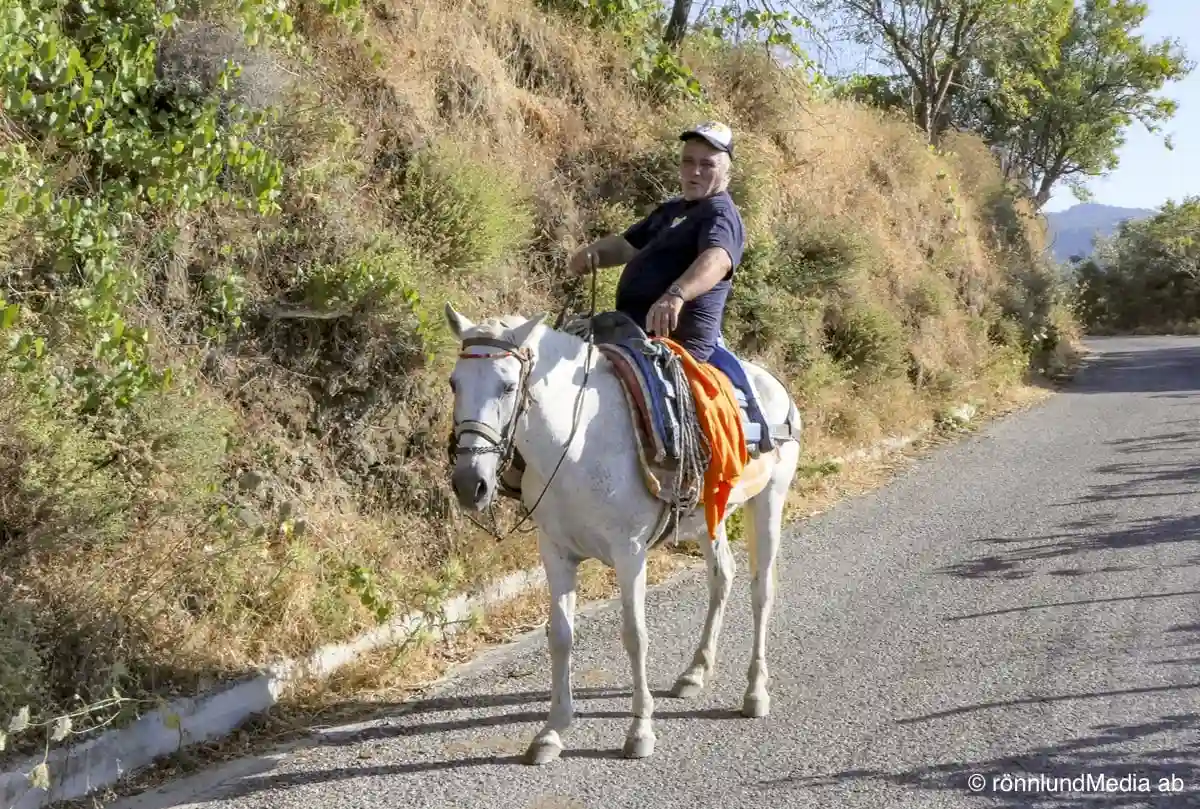
And history repeated itself 28 years later, when the Greek military seized power in a coup. After that, the left-wing islanders were penalised by Athens for many years with little or no financial support. Some say this is still going on today. The Icarians have always been largely left to their own devices, becoming a resourceful, proud and industrious people.
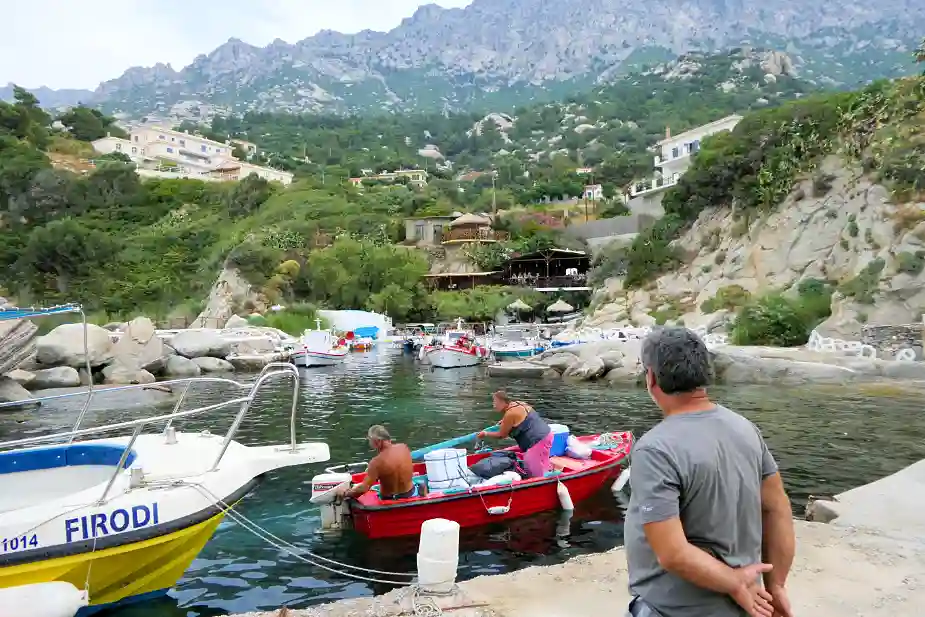
We stay in Maganitis, a small village on the south-west coast were people once relied on fishing for their survival. These days most fishing vessels stay on land and most village houses are populated by exiled Icarians from Athens and overseas. Those who have had to leave the island to find jobs elsewhere now return with new wealth to inhabit the old family homes.
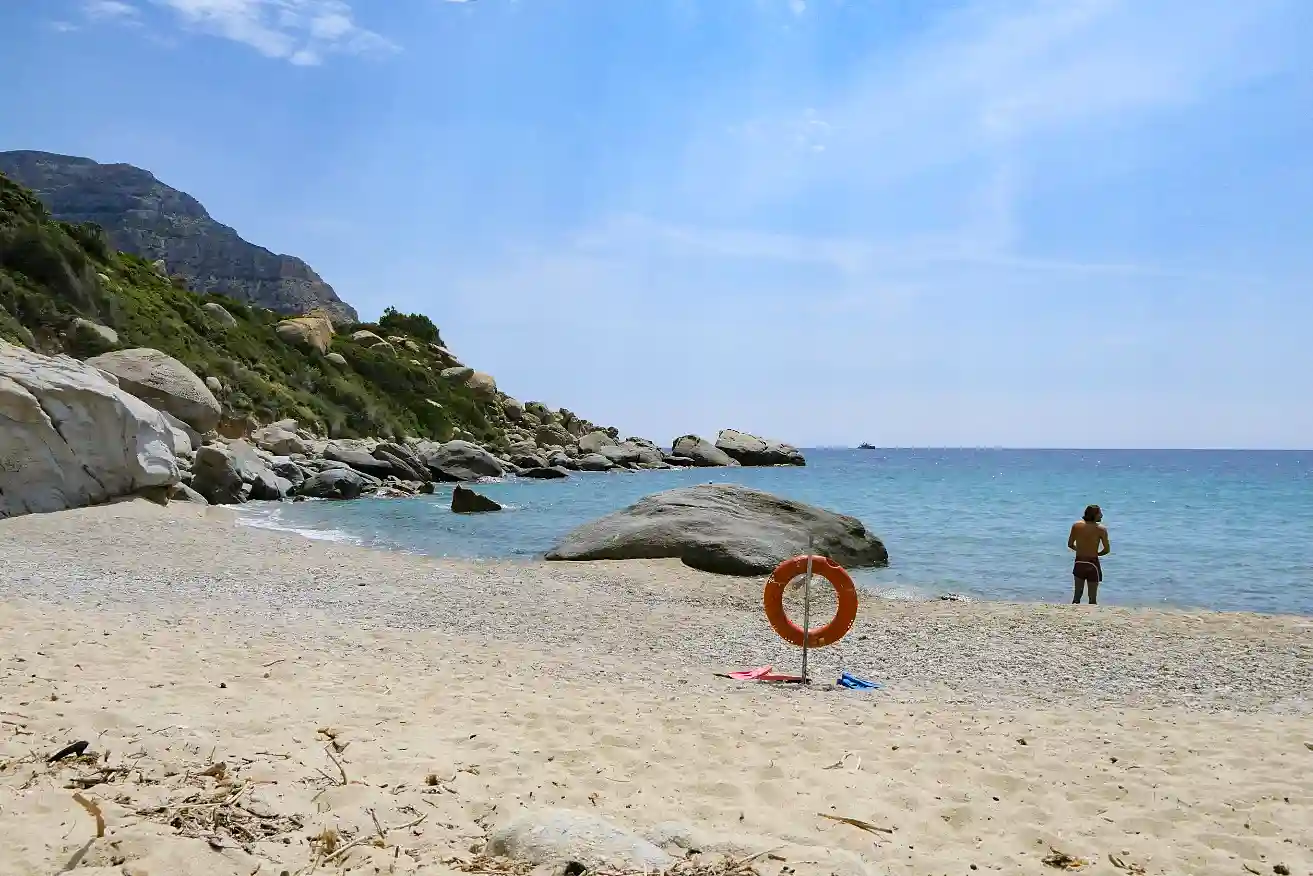
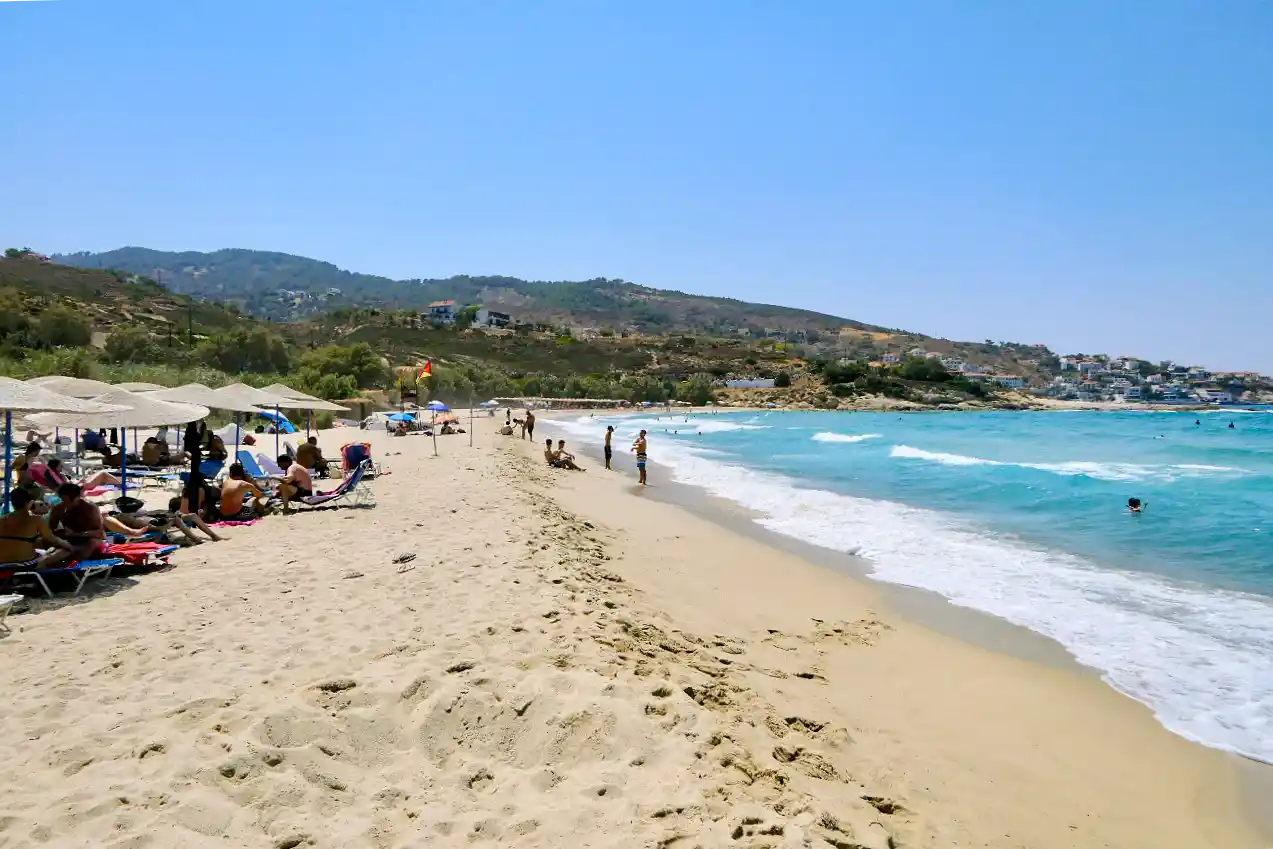
After all, there are plenty of beaches on Ikaria, and many of them are much better than elsewhere in the greek archipelago. Those who like sand between their toes often dislike the normally rocky beaches of the Greek islands, but on Ikaria there are wide sandy beaches too, and several others with both sand and stone.
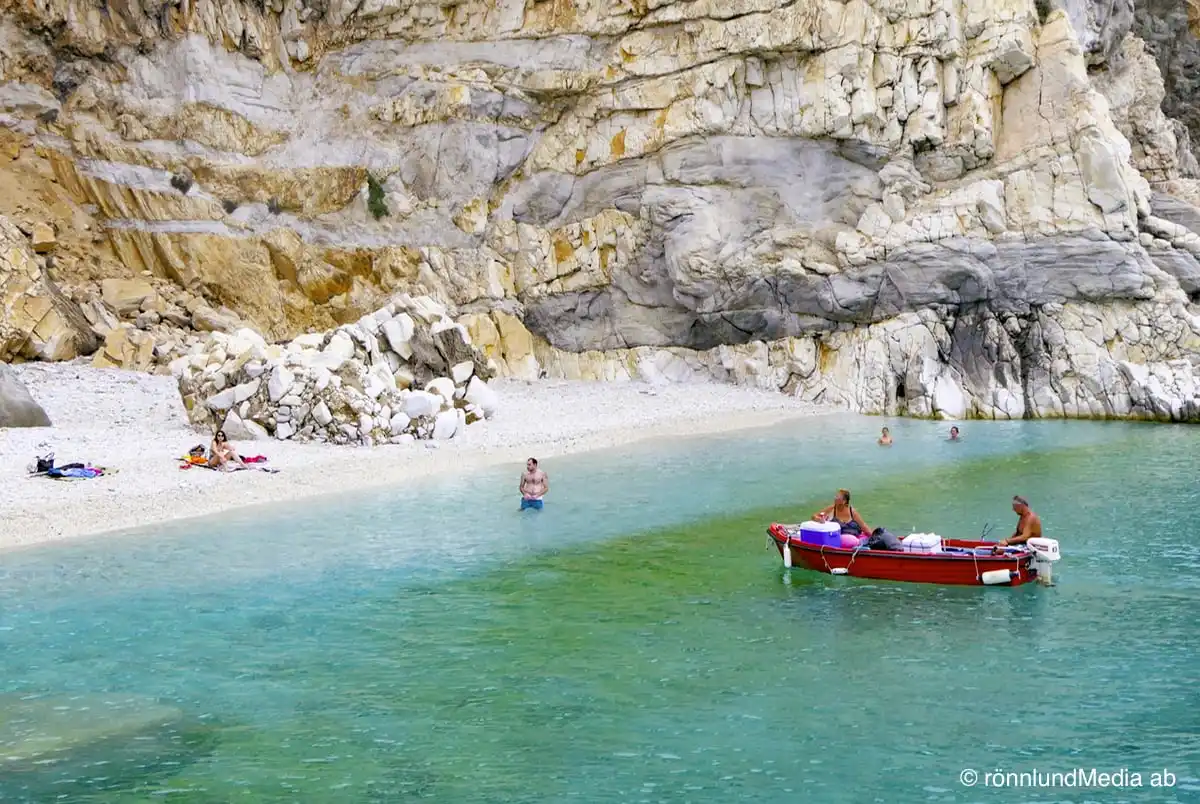
Not far from Maganitis we find one of the most talked about and well visited beaches, deceptively called ‘Seyschelles beach’. A beach with rather large white stones that create a fantastic light in the green water. It is almost always crowded at all hours of the day, and inventive ikarians also come here to sell cold drinks and sweets on the beach.among the first to arrive in the morning are some locals who sell cold drinks and sandwiches on the beach.
Maganitis also has a nice little sandy beach, only visited by the villagers themselves and therefore usually quite sparsely populated. You’ll often see a bunch of ladies in the water, splashing and talking for hours, and it’s quite cosy.
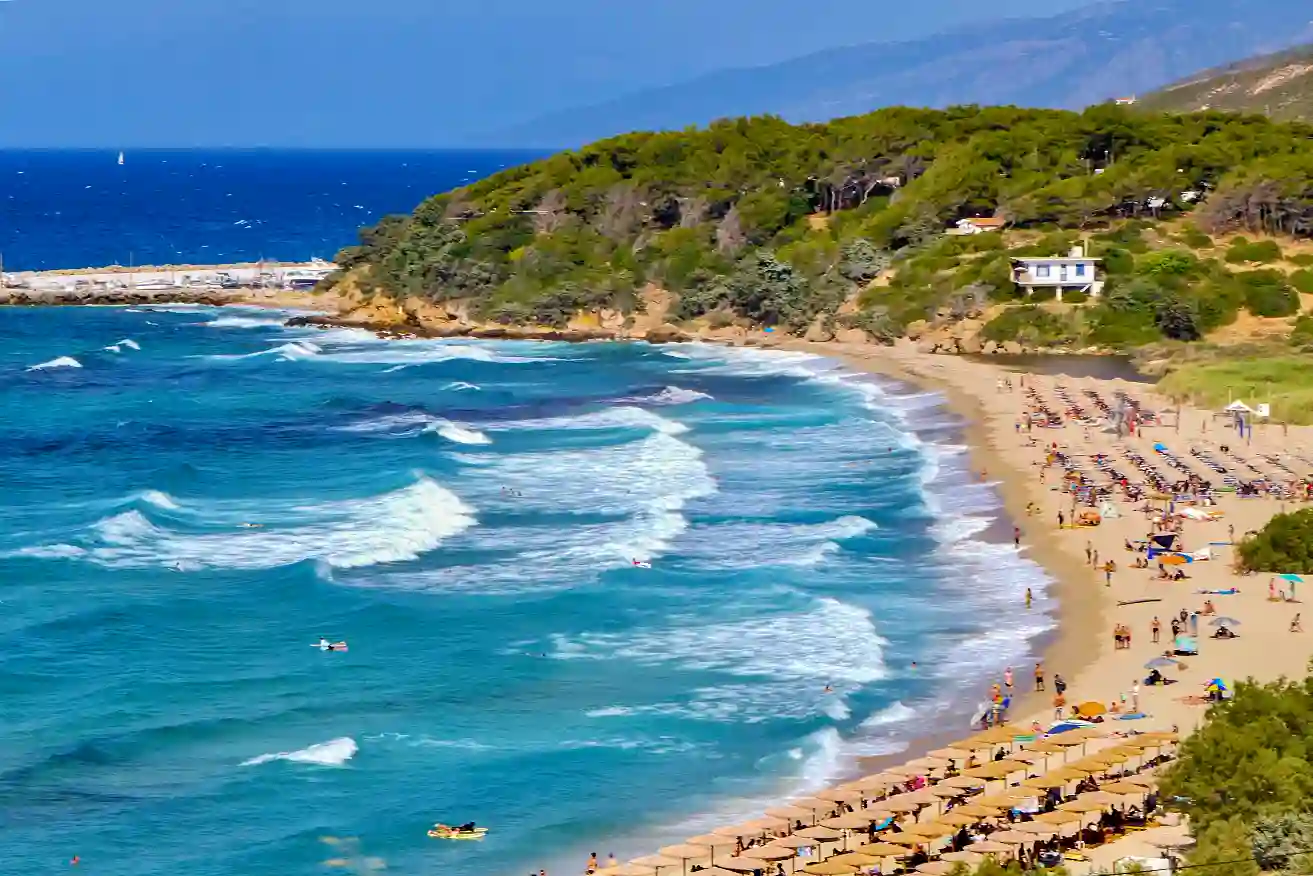
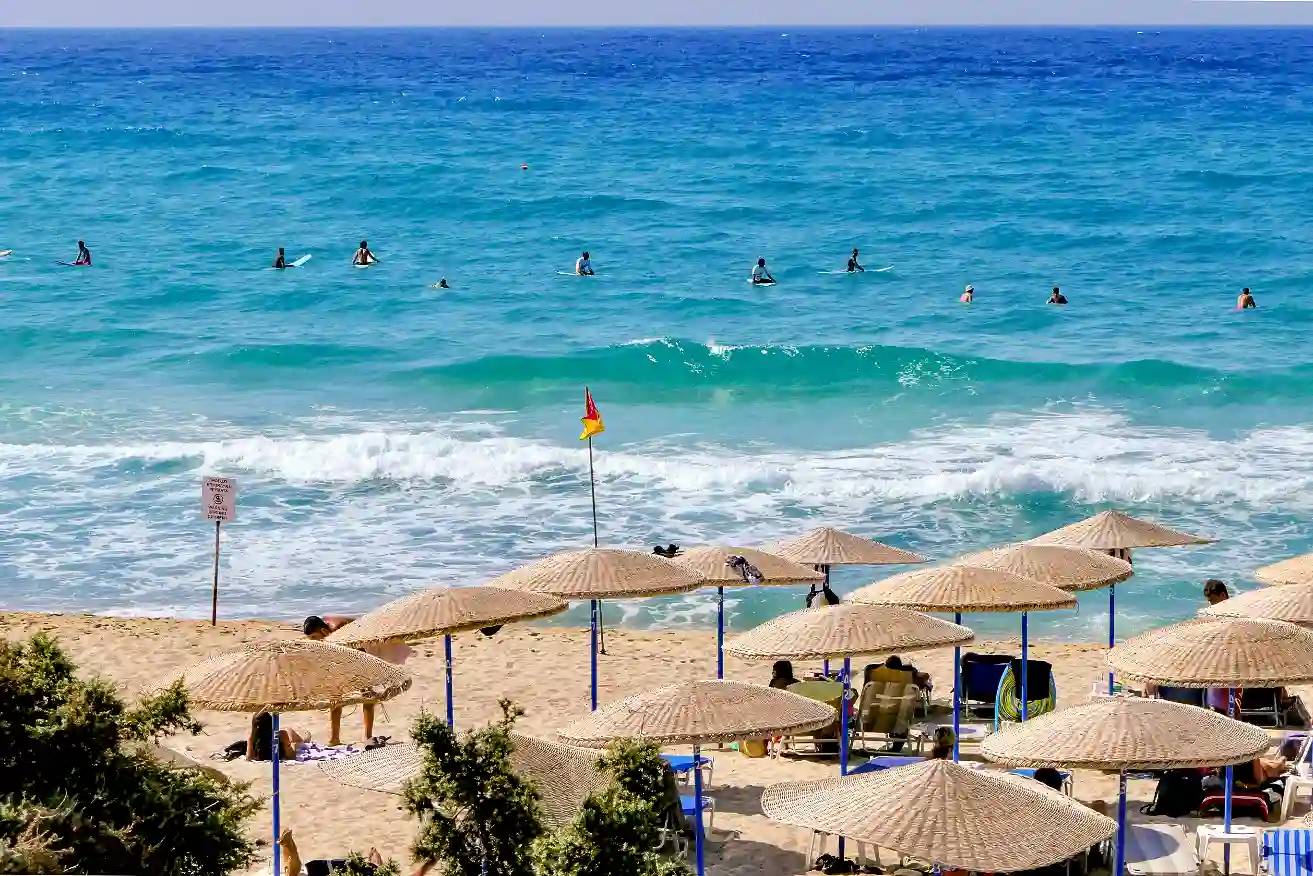
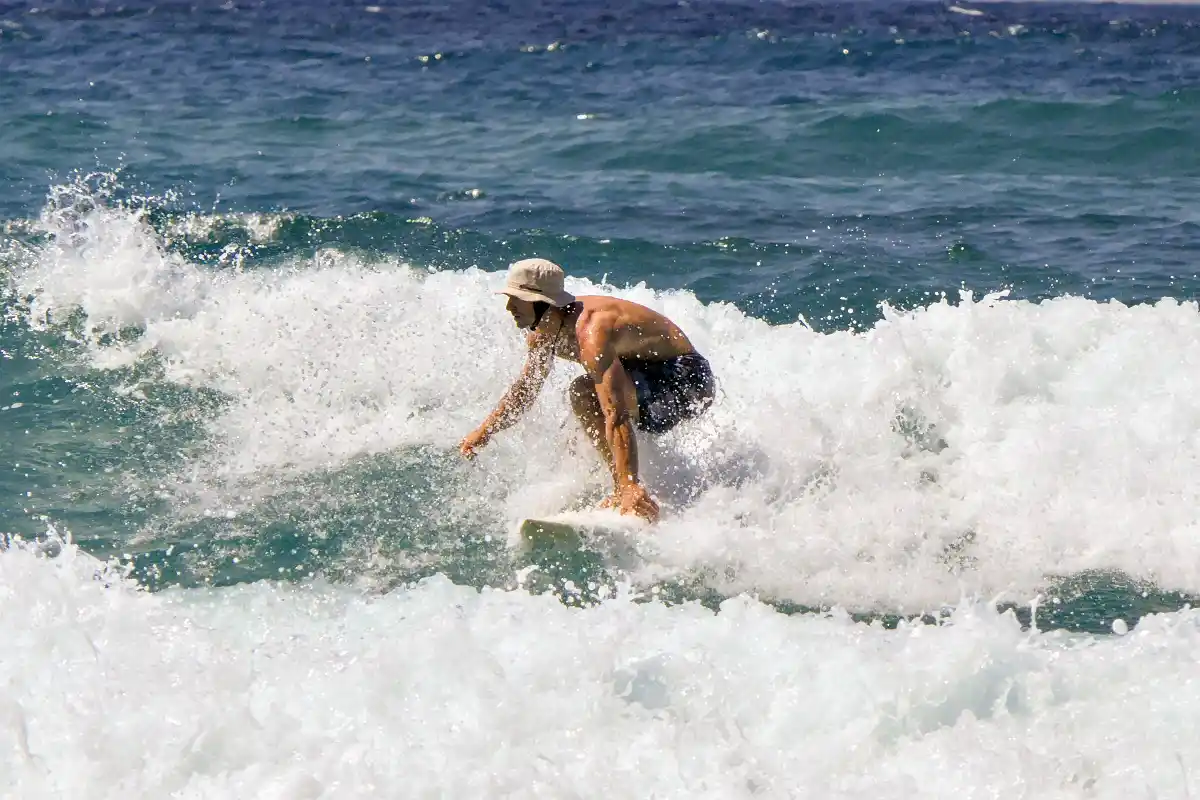
Otherwise, the best sandy beaches are on the north side, where it takes us just under an hour to drive. The beaches between the villages of Armenistis and Gialiskari are our favourites. There are beach beds and sun roofs, beach tavernas and toilets. But when it’s too windy it’s difficult to swim here, big waves hit straight in and create dangerous undertows. Moderate wind is best even for the surfers who lie in wait for the best wave. Some days there is no wind at all, then it is absolutely magical here.
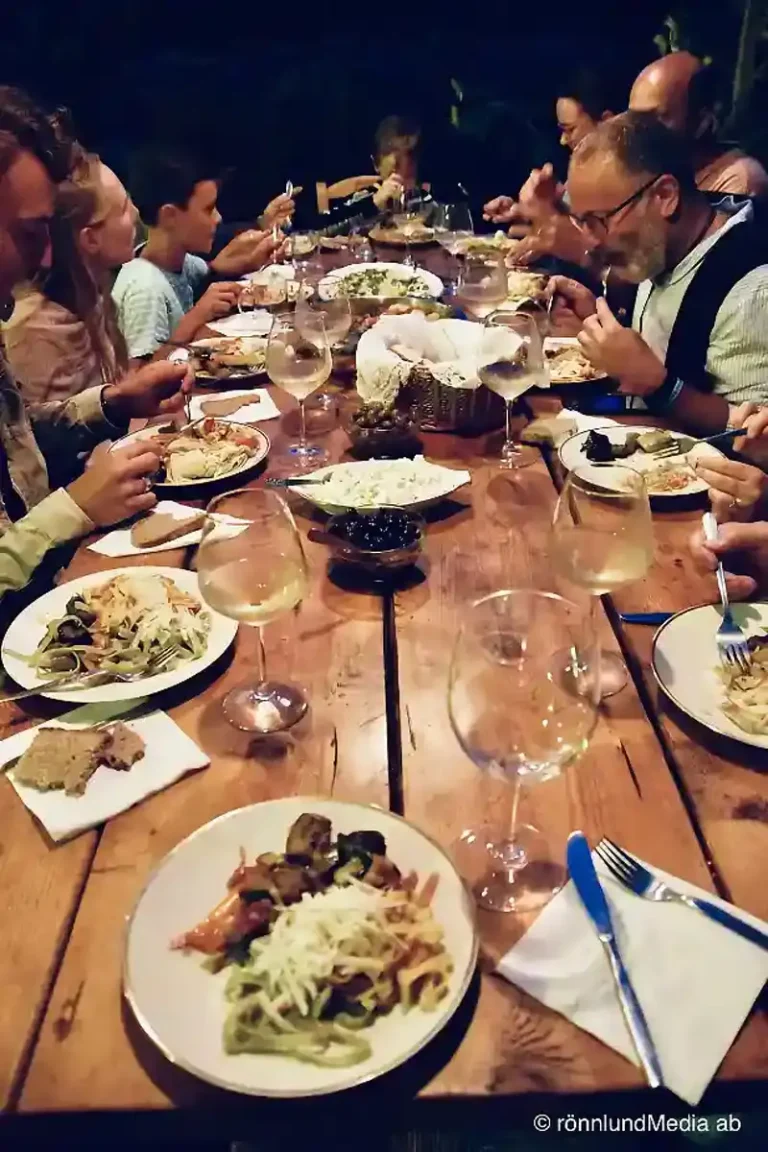
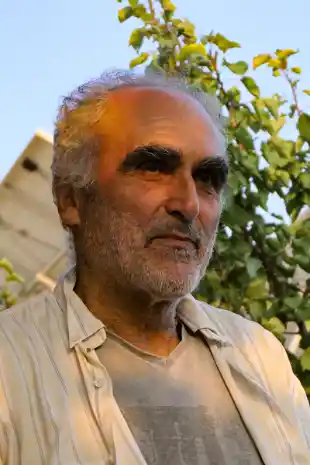
We are staying for three weeks in Maganitis and at first we are a bit worried that we will get restless. But there is no risk, there are plenty of things to do, besides finding new beaches. One evening we eat ‘farm dinner’ at an organic farm up in the mountains. Traditional and heavenly good food, and with it we drink the farm’s own marvellous wine. It turns out that the farmer, George Karimalis, is a modern entrepreneur and one of the island’s three major wine producers. He and his wife Eleni also rent out rooms to tourists, run cookery classes and give lectures on organic food and cooking to restaurateurs around the world.
George is a charismatic person who often and enthusiastically talks about what’s beneficial to us humans. We return to his farm a few days later for a formal interview, and of course we are curious to find out about why Icaria is a Blue Zone.
–The food, social interaction and physical activity, he says. Organic locally grown food and the industrious life that a small farmer leads on these steep slopes, plus lots of close social connections make people here live the life span that we’re programmed for, which is at least one hundred years, he says. His mother and his wife’s mother are both over a hundred years old.