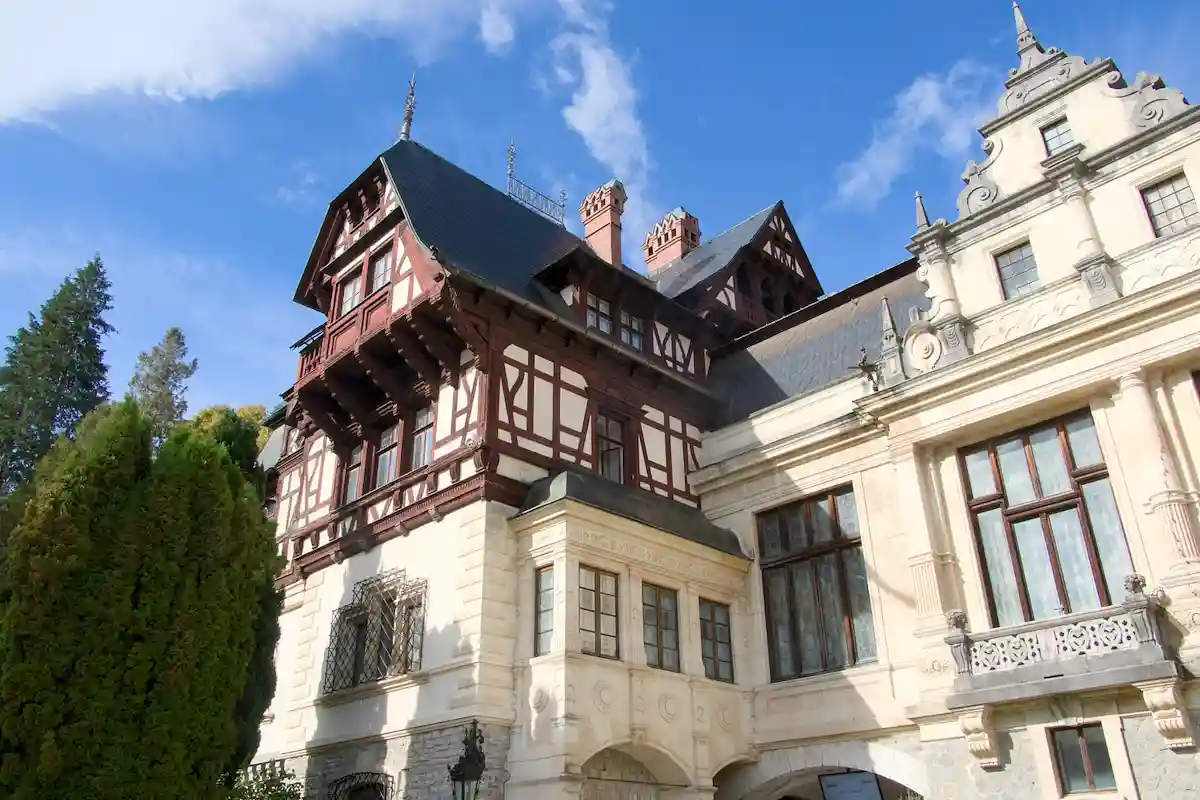
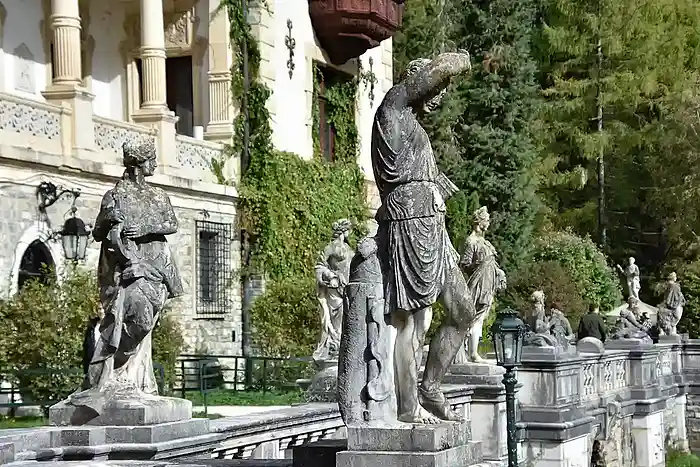
In Transylvania, you get the feeling that almost every village has its own castle. On our way north to the charming city of Brasov, Romania’s seventh-largest city, we’ll stop at one of them, the beautiful Neo-Gothic Peles Castle just outside the town of Sinaia. Peleș, pictured on top of the previous page, is a small, elegant summer palace for the country’s first royal couple, Carol I and Elisabeth, and is located somewhat secluded (at that time) on a mountainside. The architecture is clearly influenced by German Alpine style, which isn’t surprising since the king was a German nobleman. In the garden in front of the castle, statues in a period-appropriate antique style are crowded together.
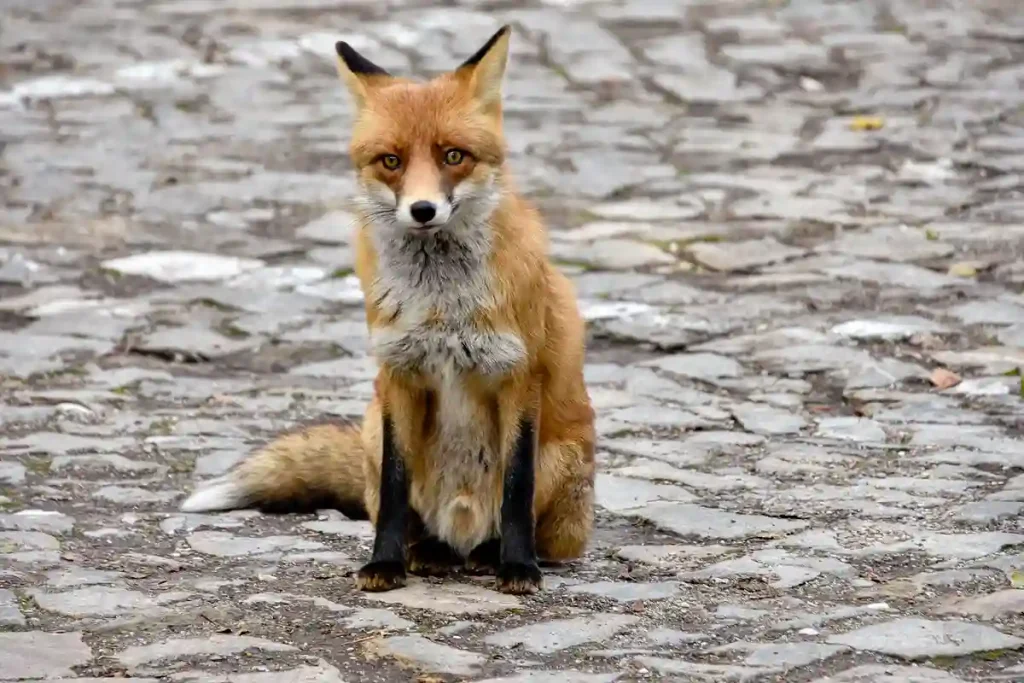
Peles attracts a steady stream of visitors, and the line at the castle entrance is long, so the visit has to be be short. As we hurry back to our rented car, we suddenly encounter a fox siting in the parking lot. It doesn’t seem very shy.
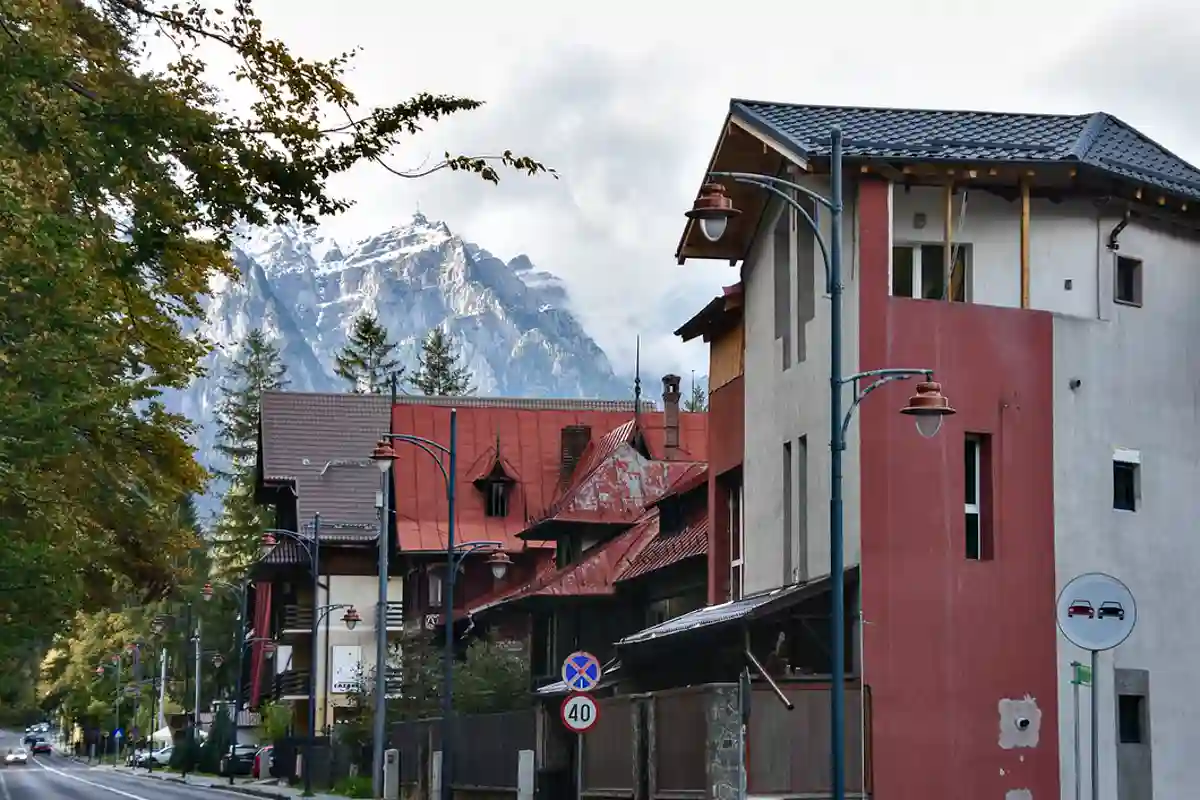
As we drive through Sinaia, which looks like a ski resort with numerous hotels and guesthouses, we catch a glimpse of the first snow-capped peaks of the Carpathian Mountains.
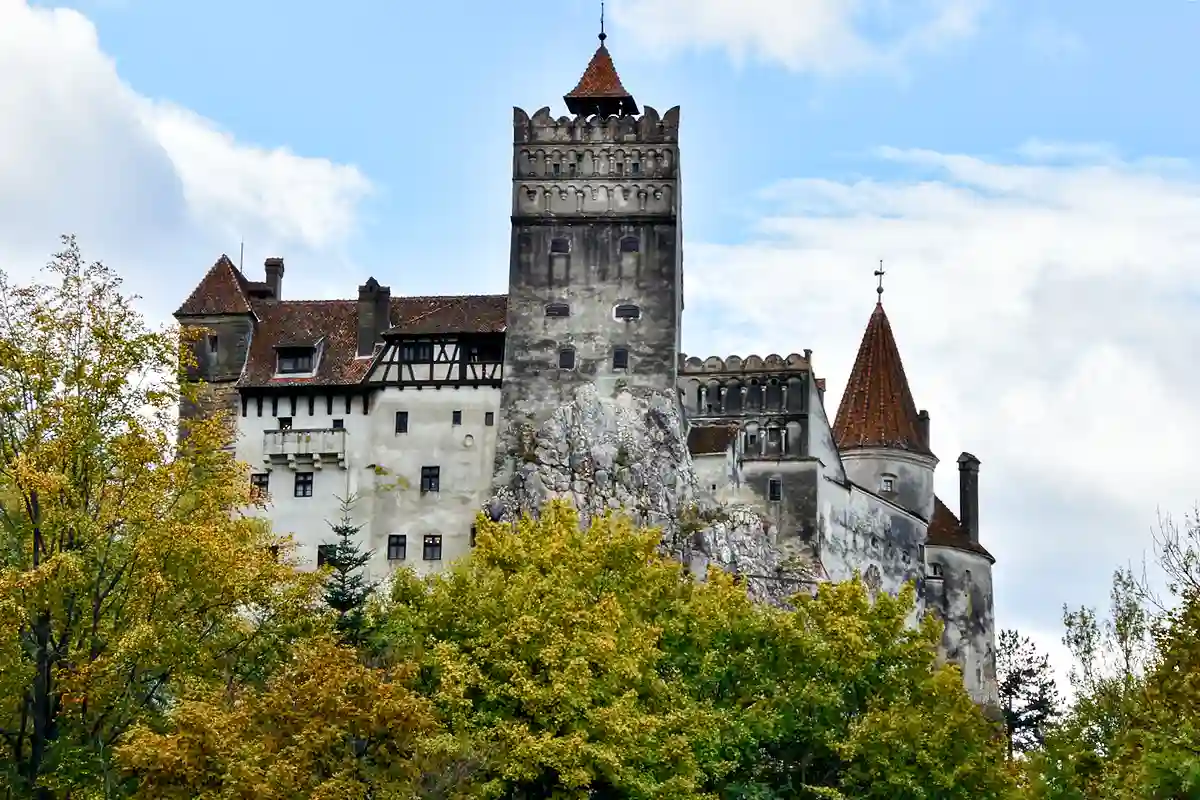
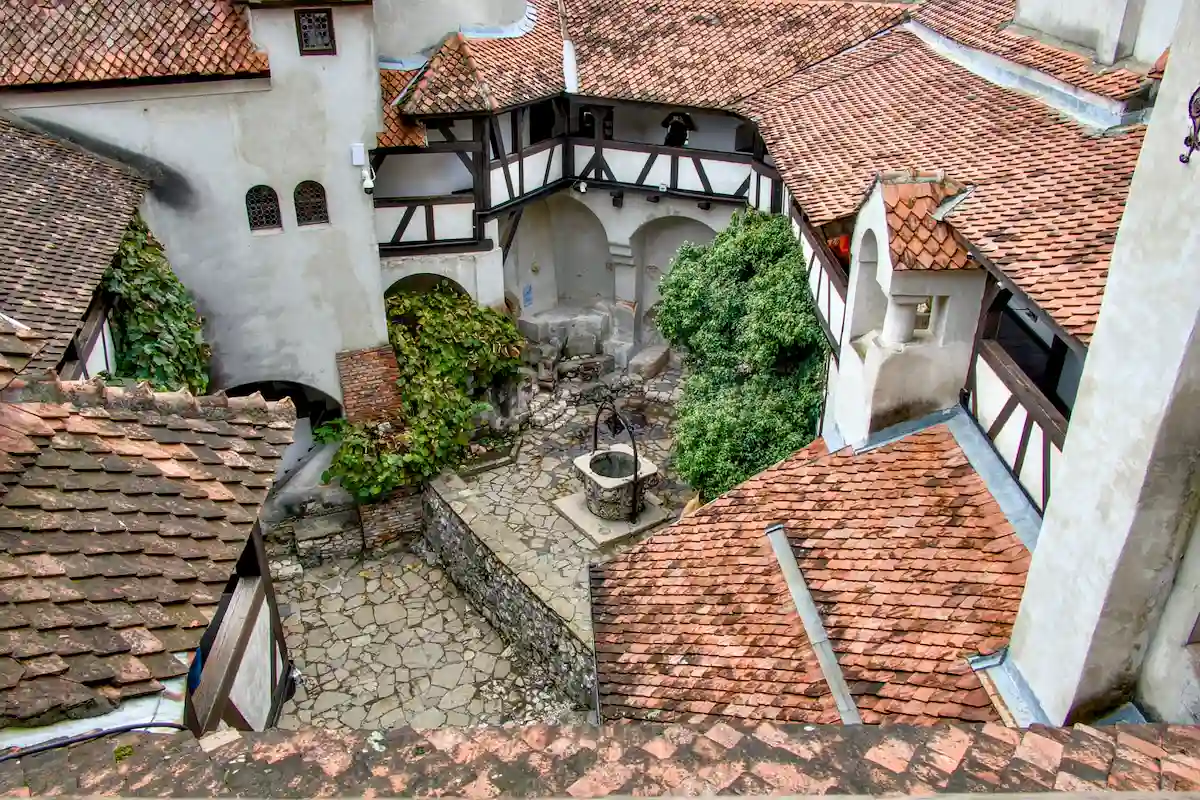
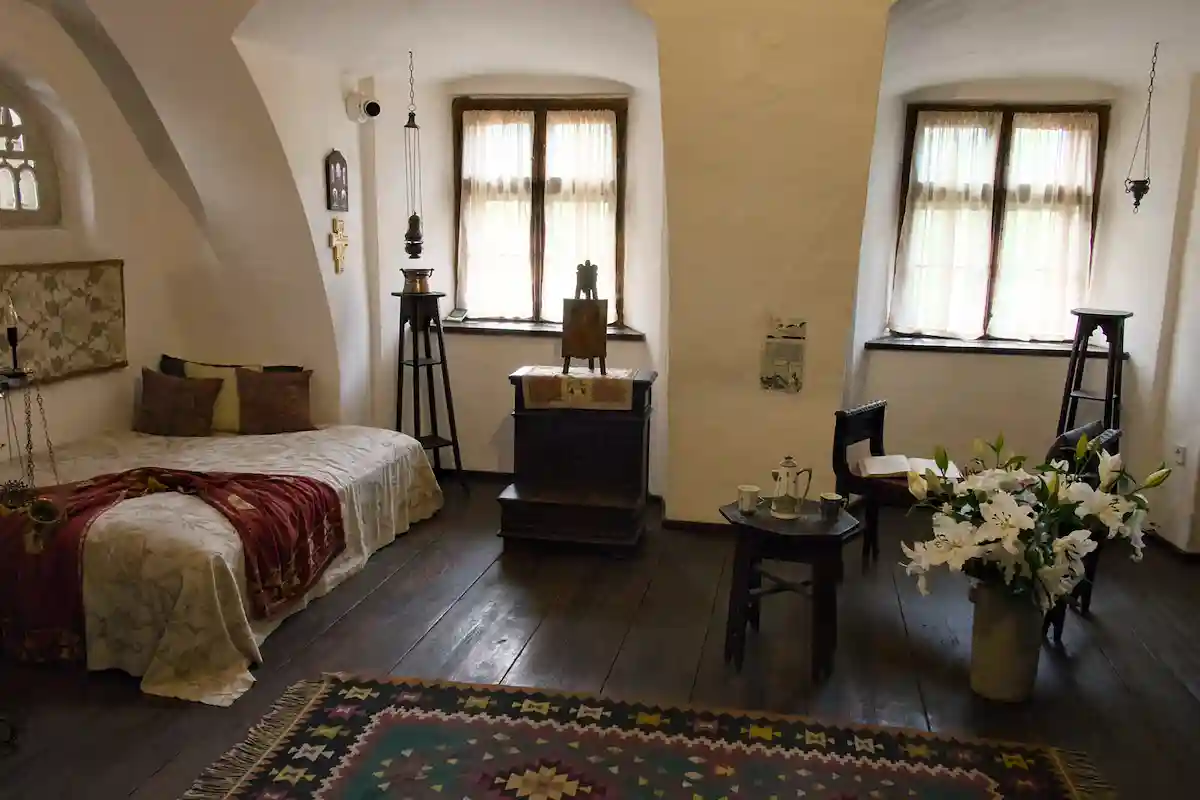
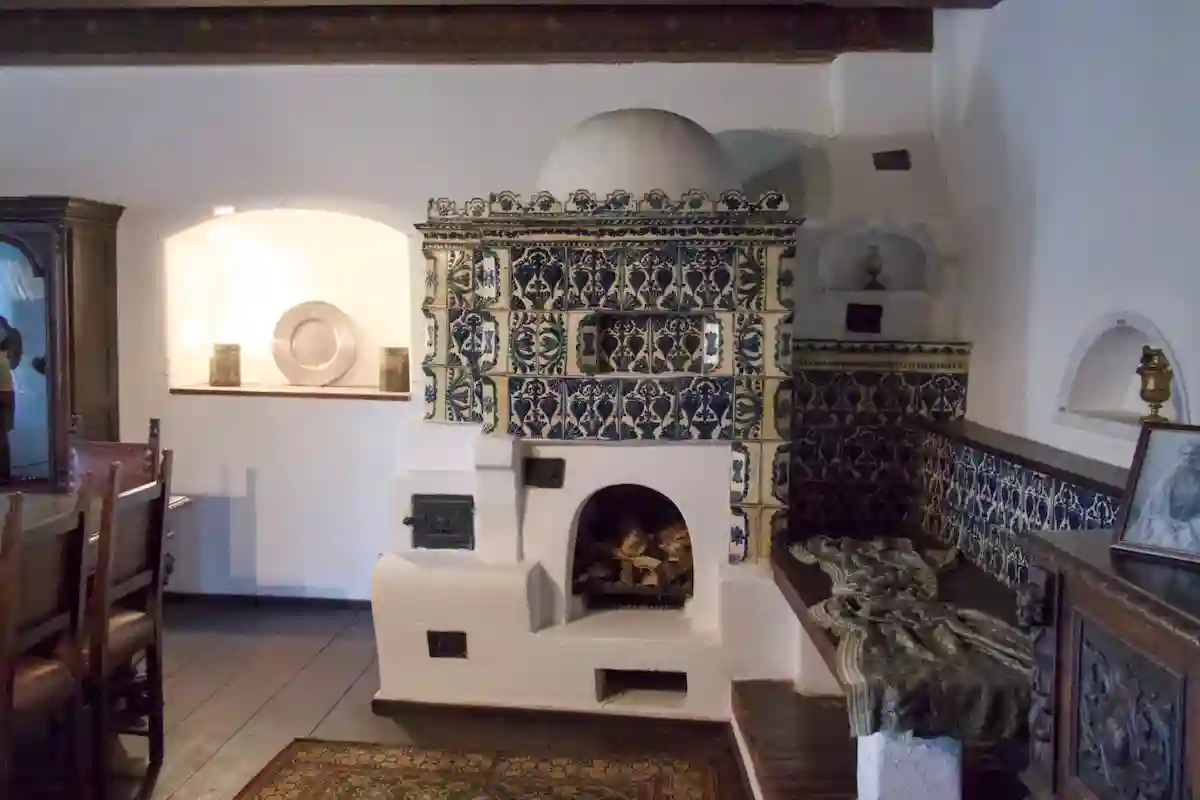
A few miles outside Brasov lies the famous Bran Castle, built in the 14th century by a german knight. It is marketed as “Dracula’s Castle,” surrounded by a giant flea market and it attracts thousands of visitors from all over the world daily. But that’s nothing more than false advertising. Prince Vlad “Dracula” Tepes, who lent his name to the horror figure Count Dracula and was known as “The Impaler,” never lived here. He was indeed born in Transylvania, but he was the prince of Wallachia in southern Romania. Although he did have a castle built in Transylvania in the 15th century, it is now a rather dilapidated ruin quite a distance from Bran. We will pass it later on our trip.
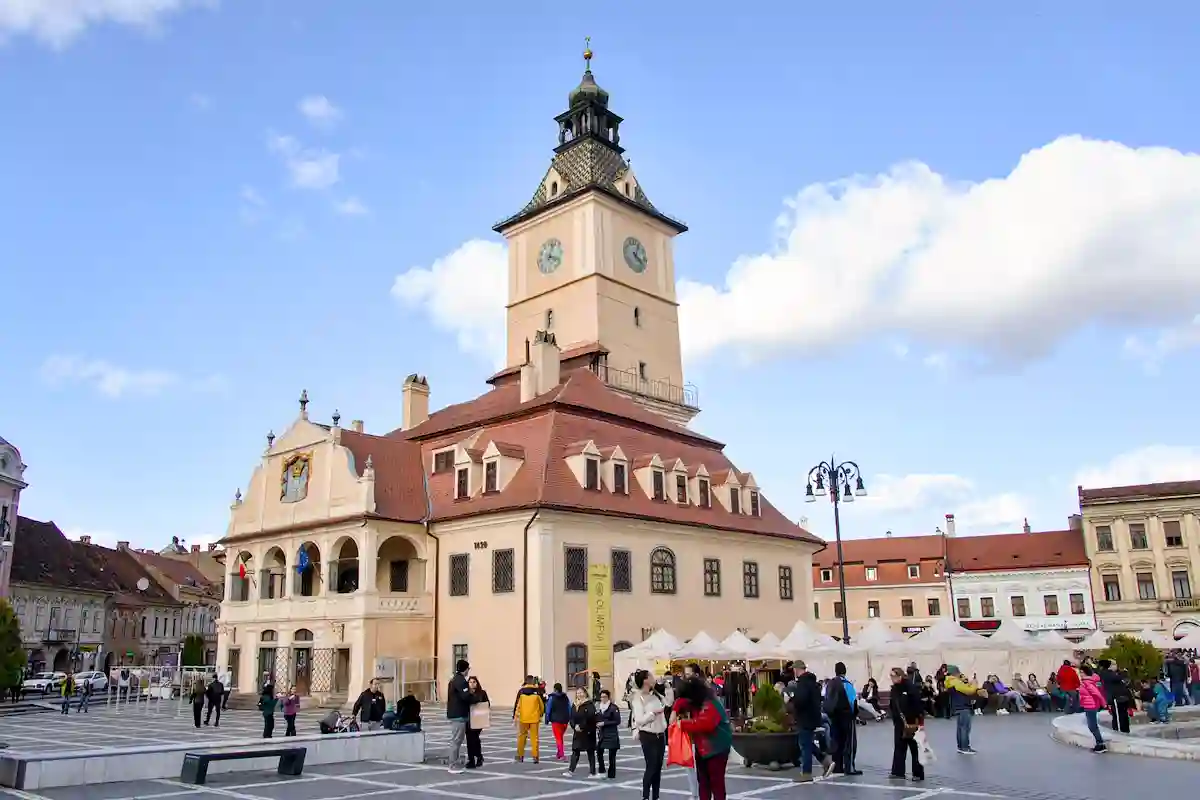
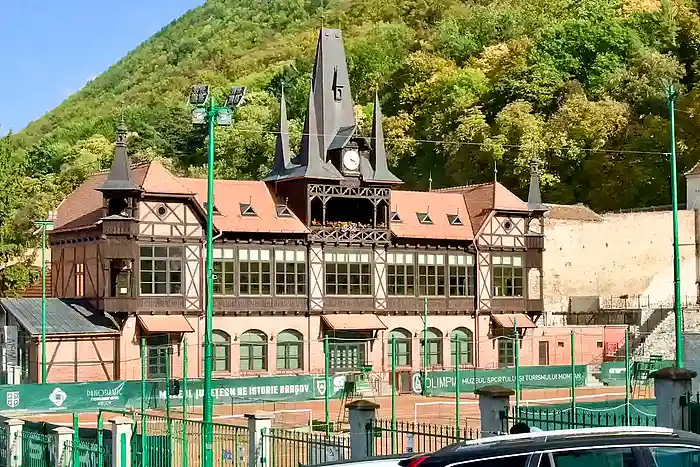
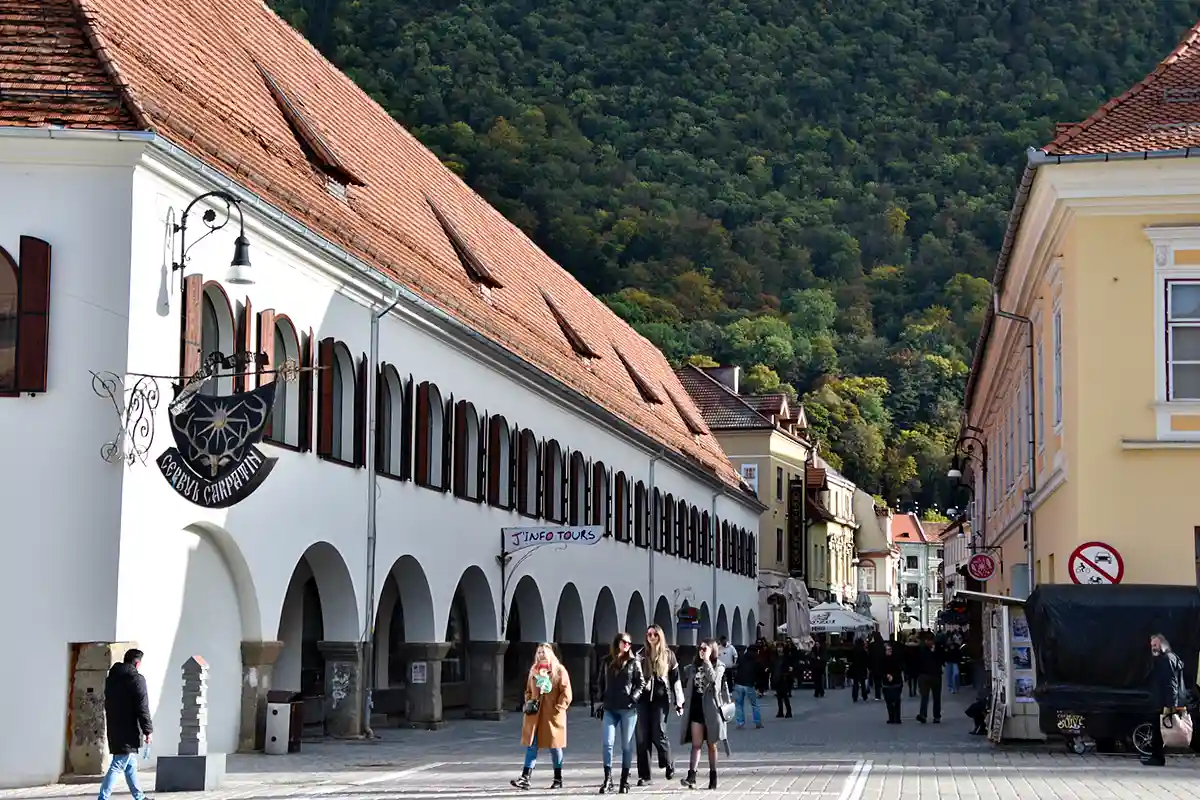
Brasov is a typical Transylvanian city where many houses are built in Alpine style with dark brown wooden balconies. Here you’ll find an old city centre with a lively square surrounded by streets with lots of restaurants and bars with outdoor seating. Here, as in many other Romanian cities, Italian cuisine is particularly well represented. I myself had one of the best pizzas of my life at restaurant Artegianale. Interestingly, in Brasov, we meet a group of guys from Gothenburg, Sweden; they turn out to be here to participate in an orienteering competition.
The dominant building in the old town of Brasov is the so-called “Black Church,” which is not black at all now, but perhaps it was in the past. An impressive church, especially for the decorations donated by the city’s bourgeoisie to mark their family’s presence. Over the side benches hang old, precious carpets above the booths where the donors sit. The gates to the stalls are also painted with depictions of angels and saints.
The organ music in the clip is played on the church’s large organ.
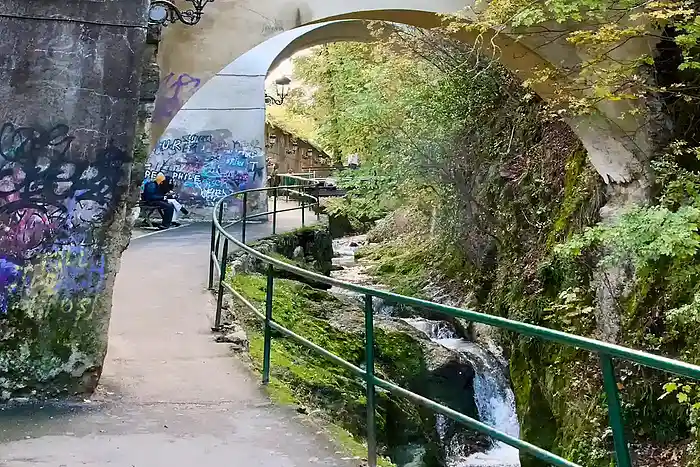
There are some notable remains of the city’s old fortifications, which can be easily reached from the square. It’s mainly a section of the city wall that runs along a bubbling little stream, and on the other side of the stream, there are some watchtowers on a slope.
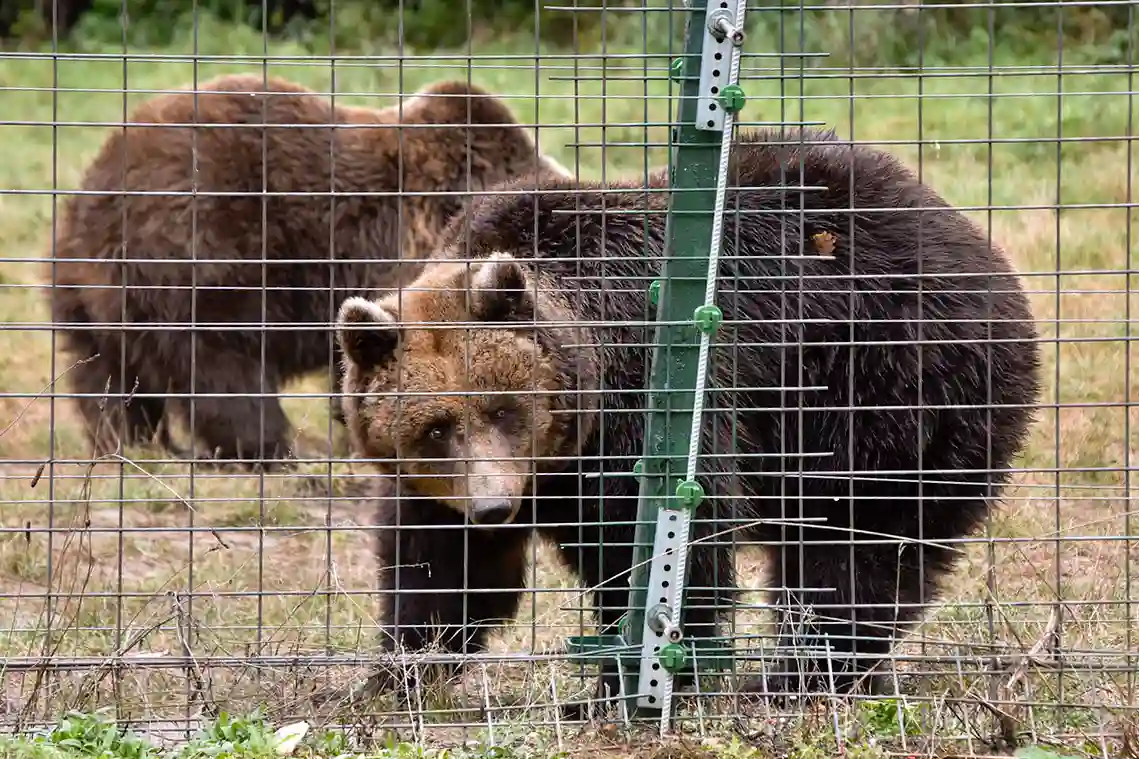
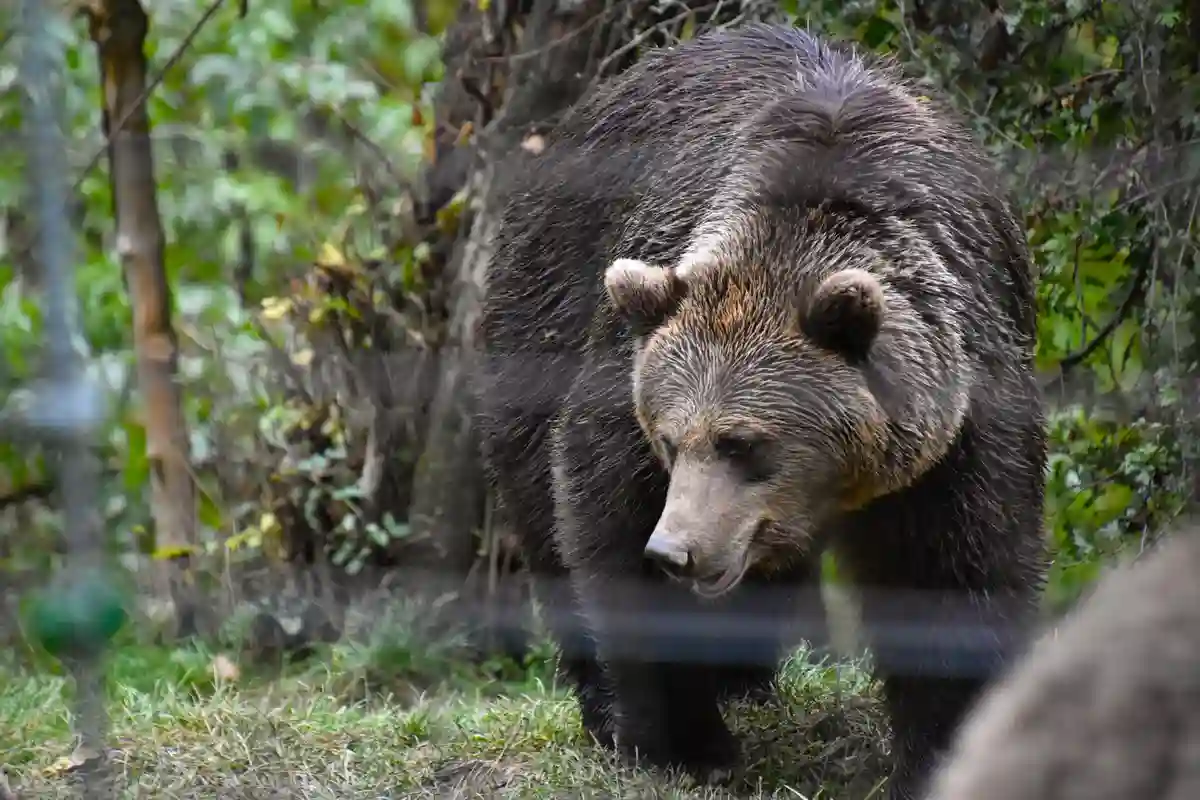
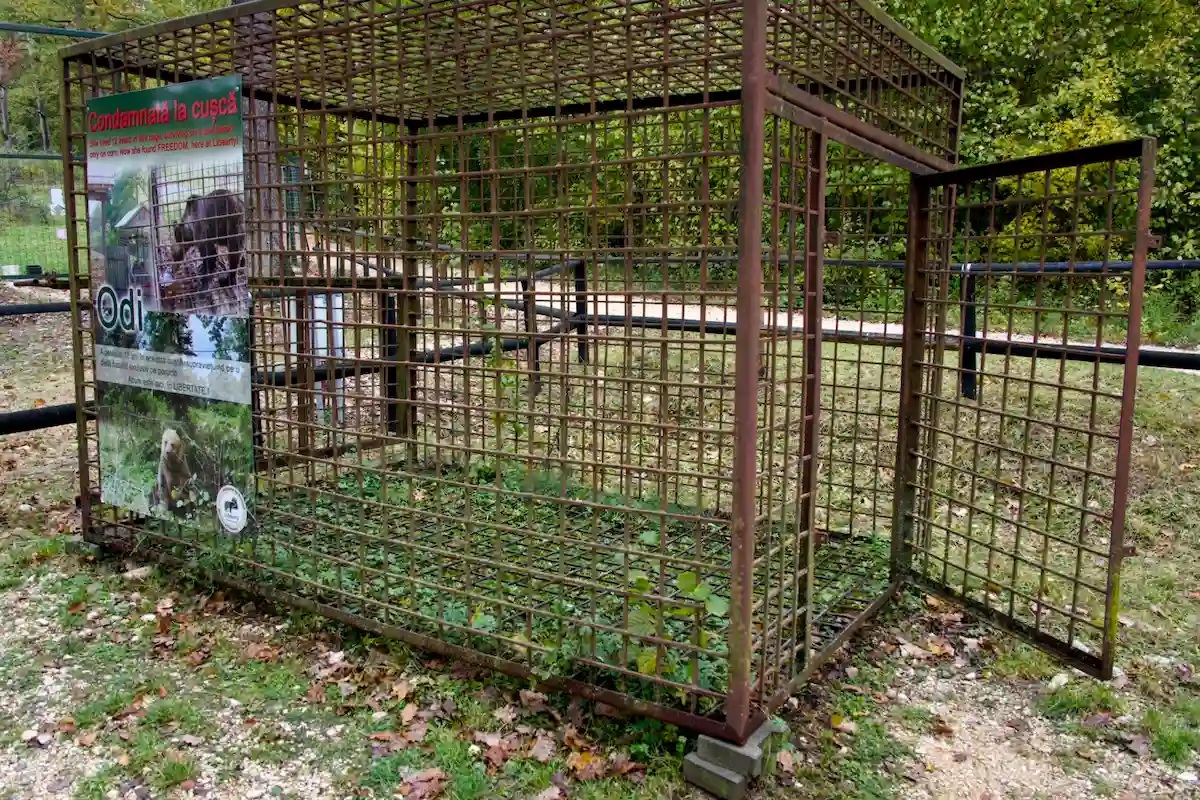
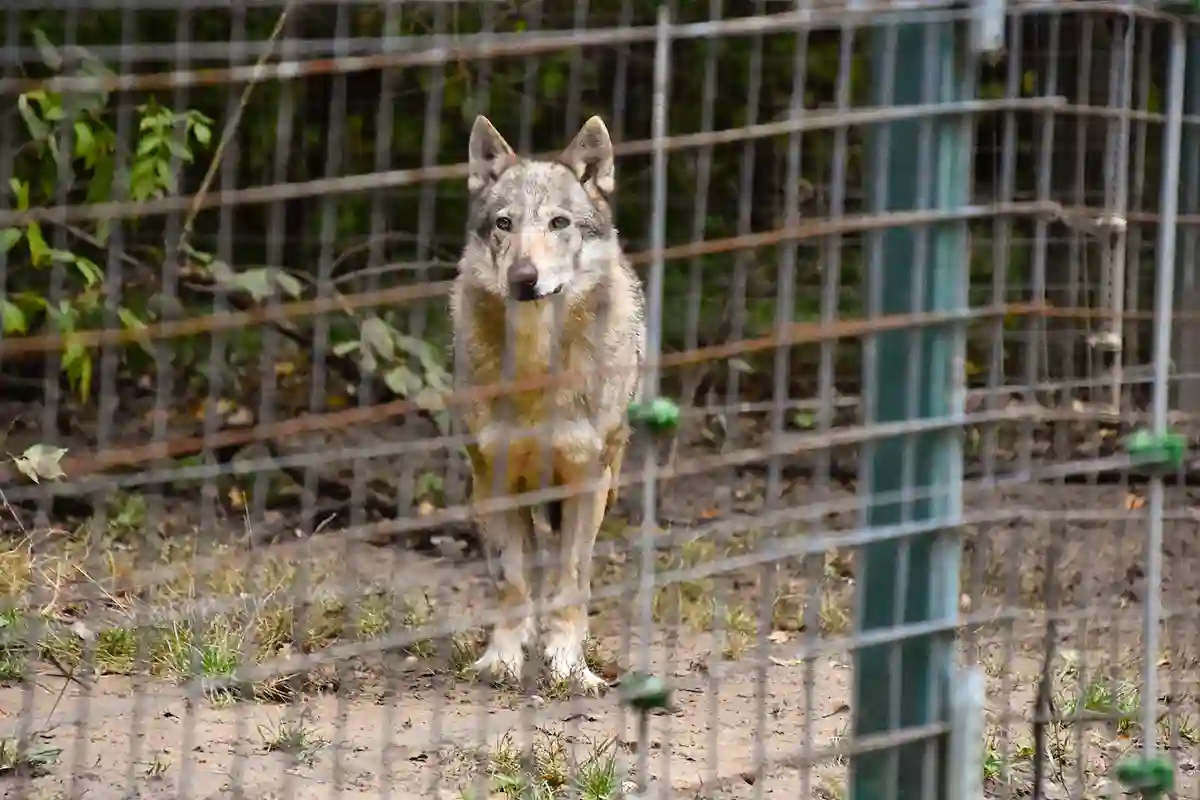
From Brasov, we take an excursion on roads that get substantially worse the further we drive, to the Libearty bear sanctuary in Zarnesti. Here, they take care of bears that have been mistreated after years in captivity, something that used to be common in this bear-rich area. But that tradition was banned in 2005.
Several of the animals here are irreparably traumatised after a long time of cruelty and neglect in cramped cages, but some have been brought here because illegal logging is forcing the animals out of the forests towards inhabited areas where they come into conflict with humans. Here at Libearty, the bears are fed and can roam freely in large enclosures. It’s heartwarming but still tragic; these bears will never truly be free again.
We were surprised by the large number of crows in the area. We’ve probably never seen so many in one place. But when we were watched the bear feeding, we understood the reason. Watch the video below:
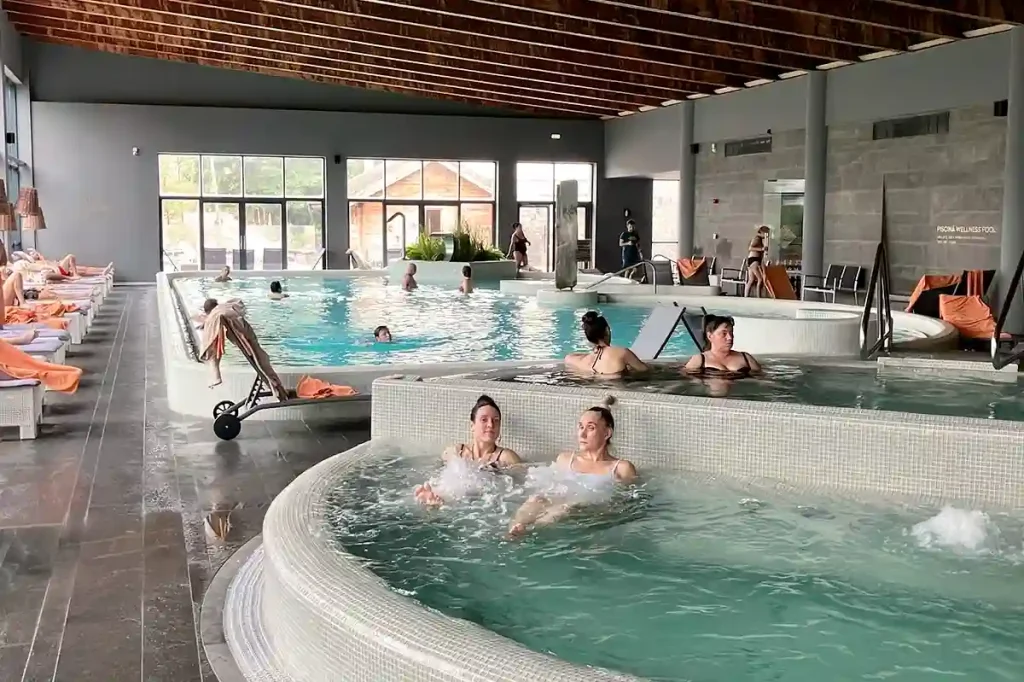
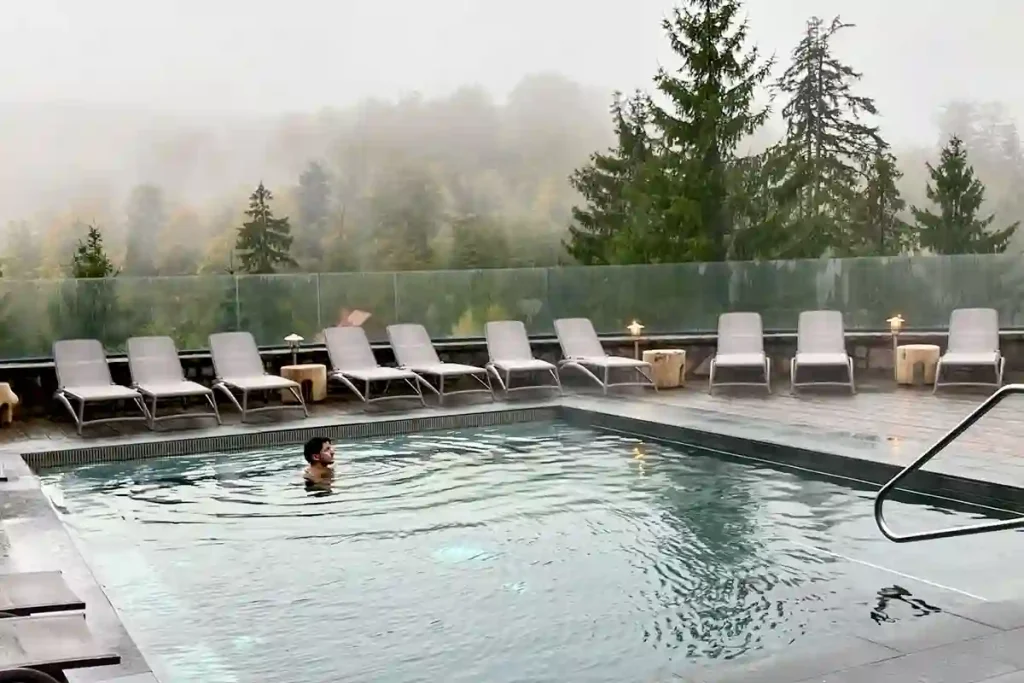
Before we head on to the UNESCO-preserved city and tourist magnet of Sighisoara, we make a detour to Balvanyos resort, a large spa hotel up in the mountains north of Brasov. Most visitors here are Romanian, and the facility is very popular, perhaps too popular, as the pools are packed and all the sunbeds taken. But it’s a fantastic place, we’ve probably never experienced such varied spa experiences anywhere else.
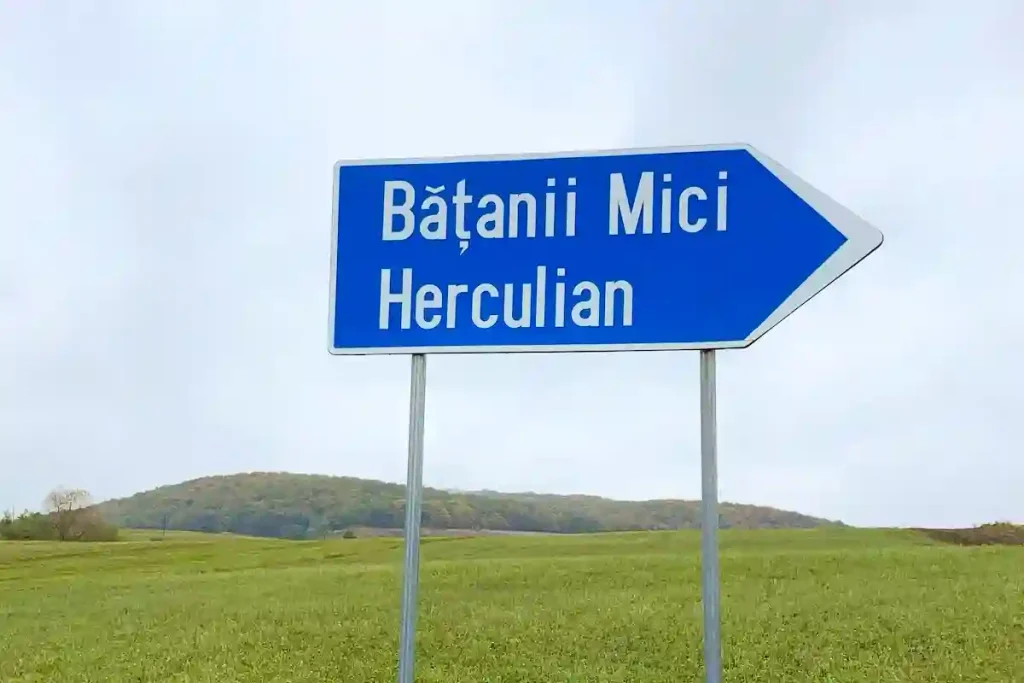
There is one large pool here, six hot tubs, two of which are outdoors. And four saunas, where the wood-fired one was our favourite. This part of the country was formerly Hungary, and many Hungarians still live here. We are told that almost all the hotel staff are Hungarian, and the bar served excellent Hungarian beer. The road signs in the area are bilingual, in Romanian and Hungarian.
What about the food?
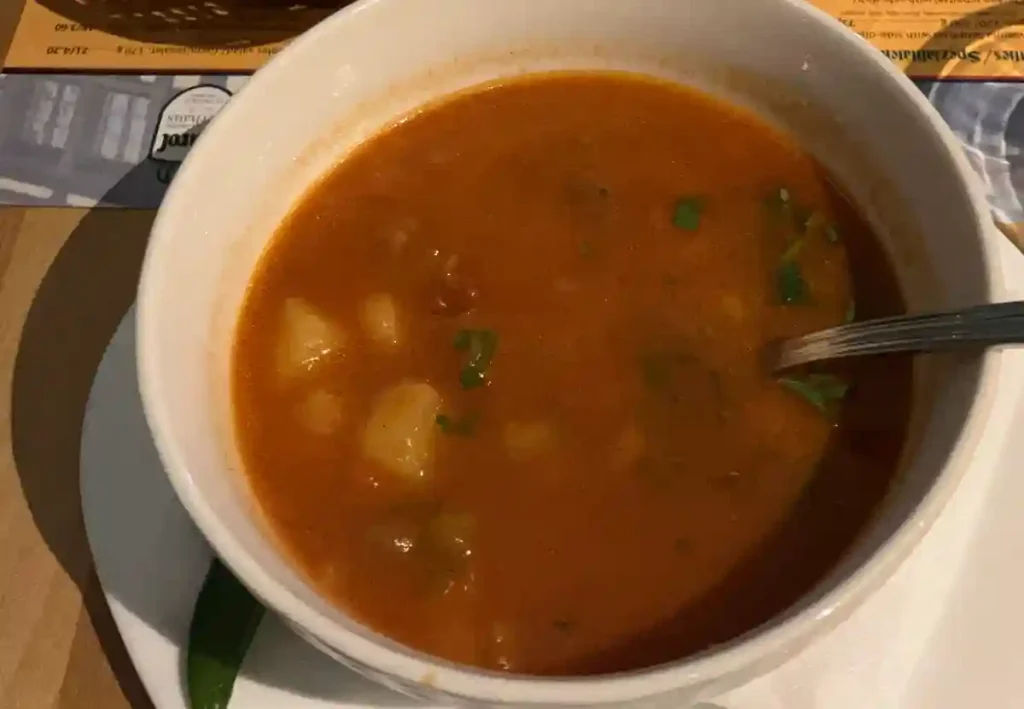
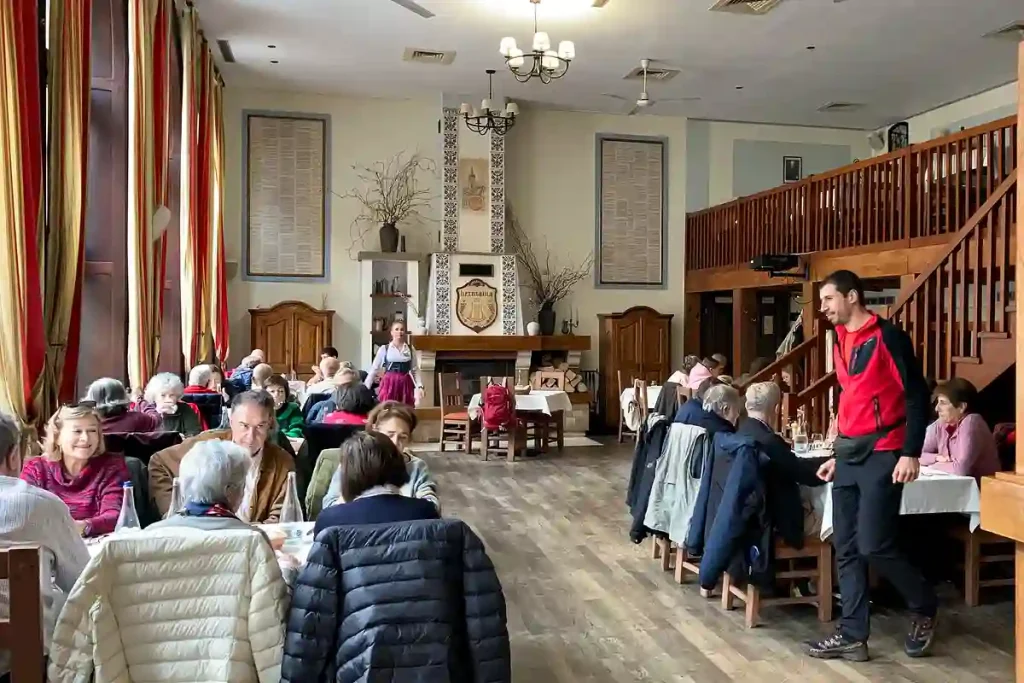
The food, yes. You will probably not visit Romania for the local cuisine. Many restaurants serve what they call “traditional food,” which feels very rustic, filling, and bland to us. However, in Romania some food traditions have been freely borrowed from neighbouring countries; for example, you can get (Hungarian) goulash soup almost everywhere, but it’s usually thin and tasteless. We had the best one at a touristy lunch restaurant near Peles Castle.
Everyone here has soup for lunch, often clear vegetable or meat soup. For dinner, you are often offered an Italian menu, even at “traditional” restaurants.
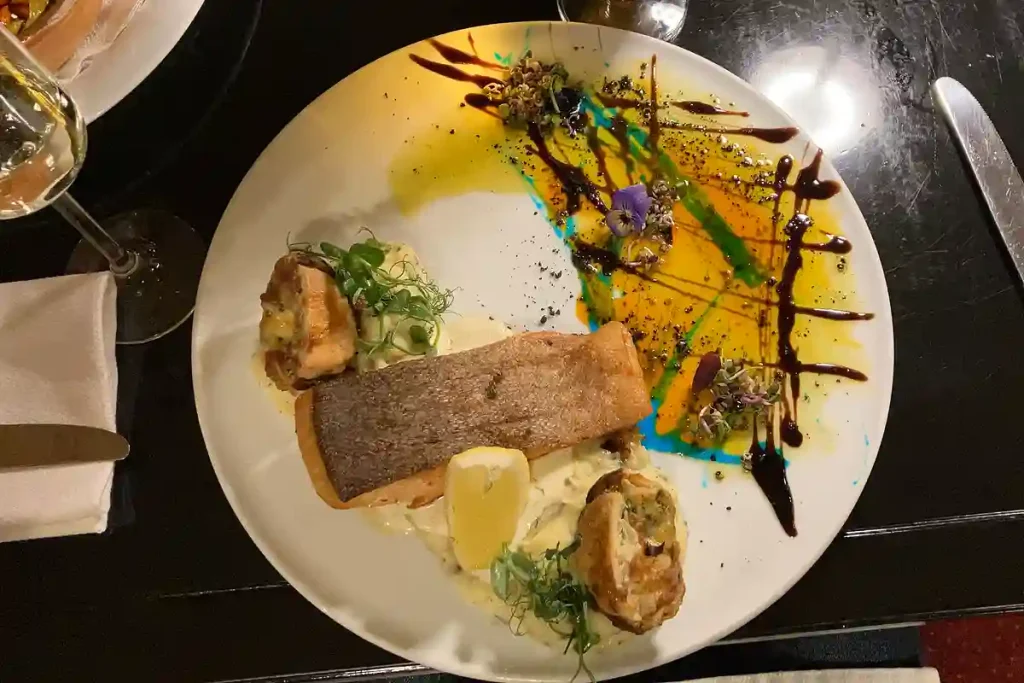
In Brasov, we find a restaurant with a “Farm-to-Table” slogan, meaning they use local ingredients. Their menu lists a surprisingly large number of dishes with trout. I take a chance and order a salad with smoked trout, and it’s absolutely heavenly! V’s lucky catch is a Portuguese Cataplana in Old Lisbon, a tavern in Sibiu. But Asian food is something we cannot find anywhere.
We are pleasantly surprised by the Romanian wines served. Flavourful, ripe, and often as good as their Western and Southern European counterparts. And they produce excellent sparkling wine too!
Now we’re moving on to the wilder parts of Transylvania, but also its more cultural ones. And we actually get to see Dracula’s real castle!