When we were planning our route through Transylvania, we saved a special experience for last: The Transfăgărășan road, an incredibly winding road through high mountain passes in the Carpathians. It has been called “the most beautiful road in the world,” and we were really looking forward to cover it. We knew we were late in the year – the road section is normally closed on the last day of October because it’s considered risky to drive on in winter conditions. But unfortunately, winter came early this year and the road was closed just a few days earlier due to heavy snowfall.
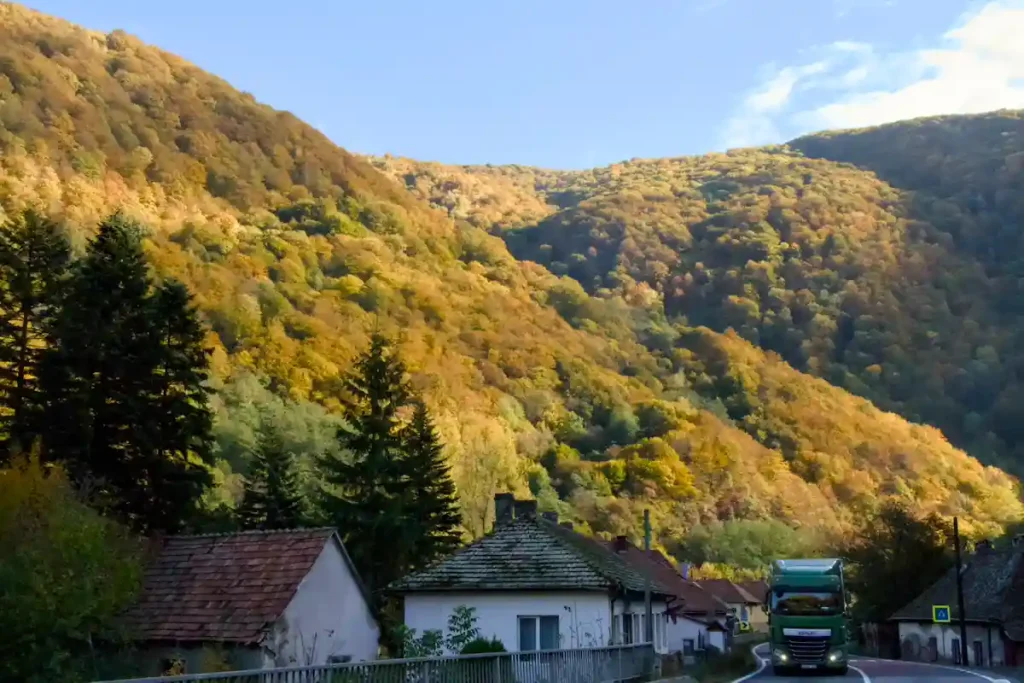
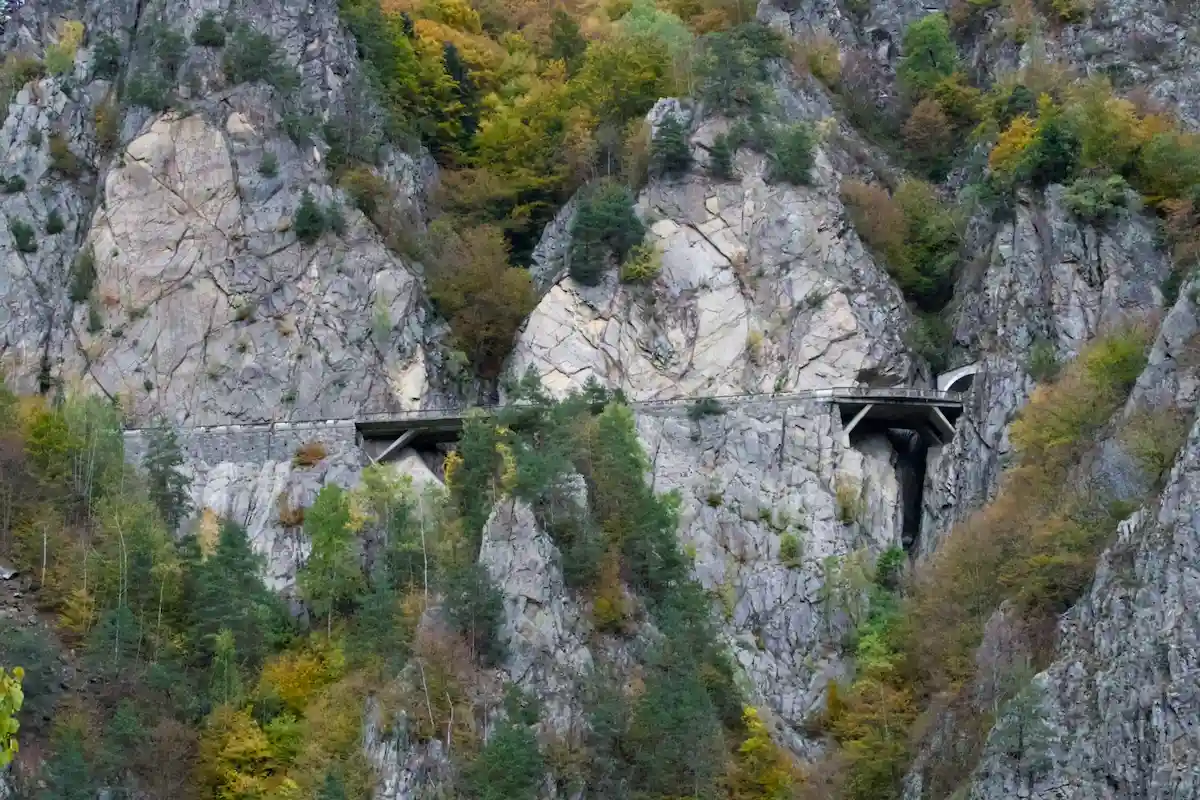
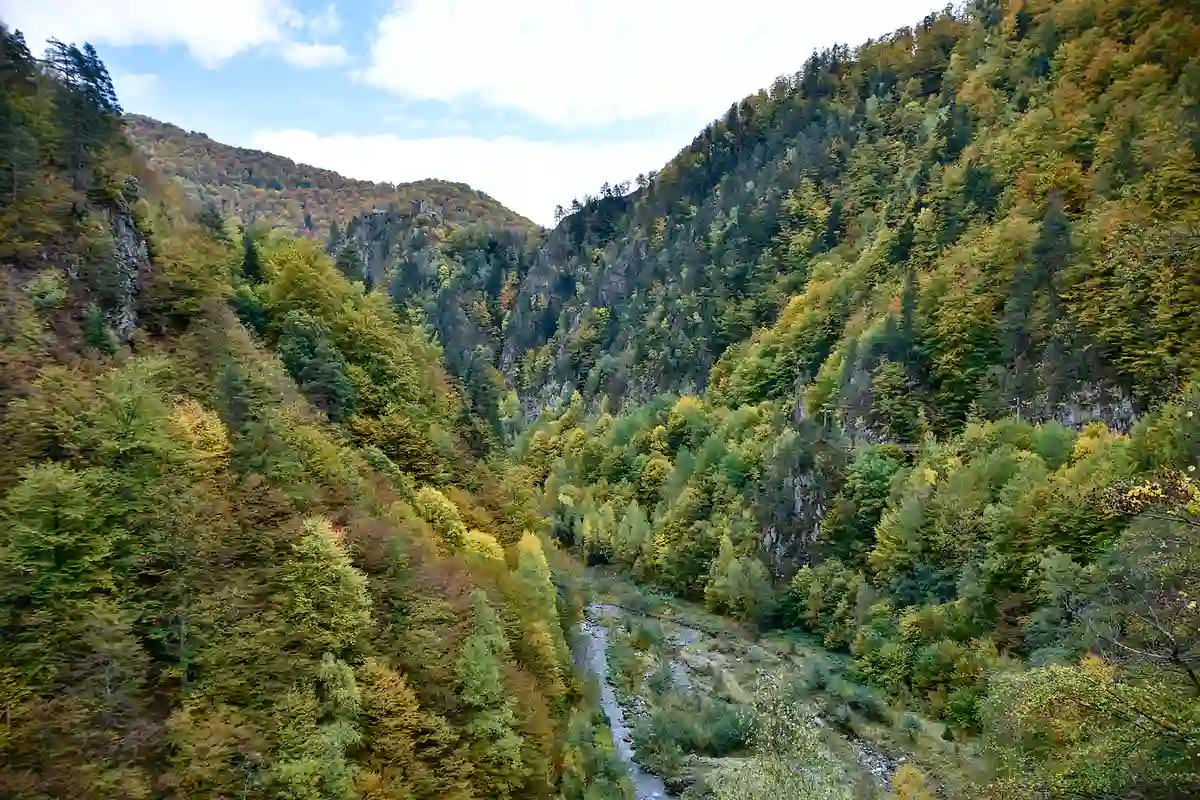
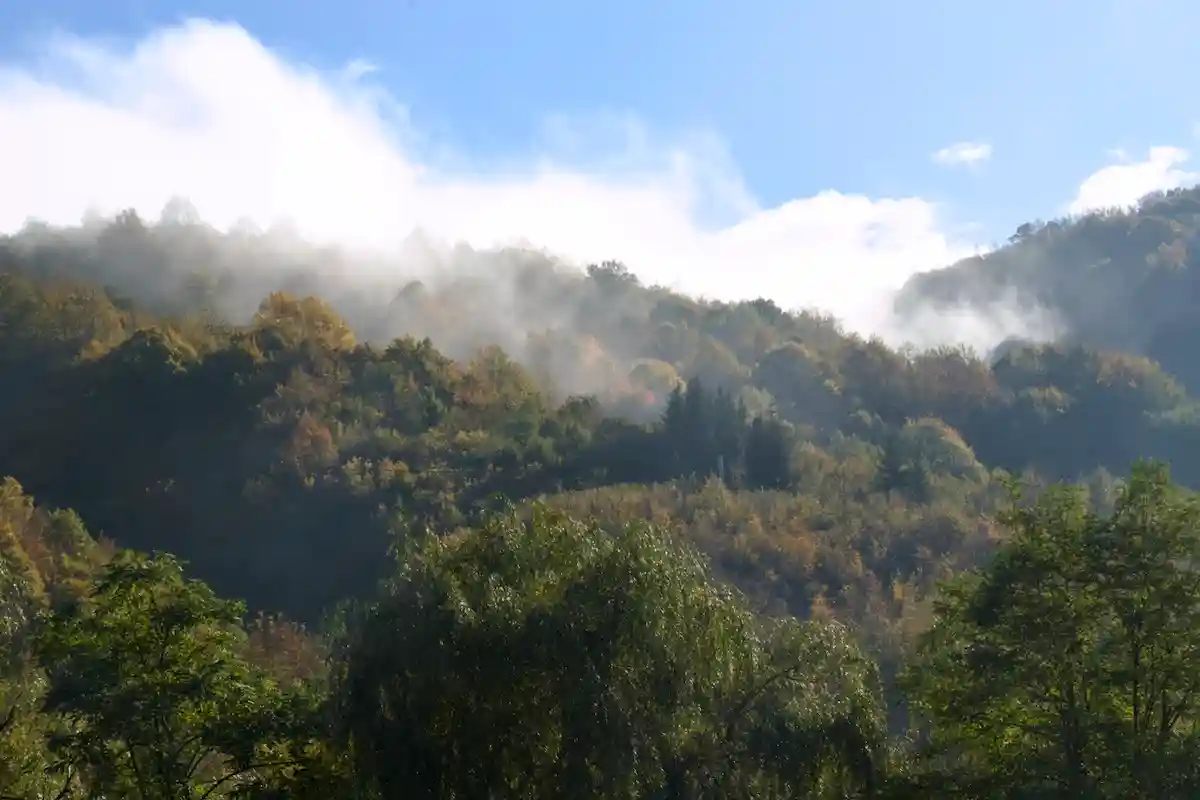
The problem is that we’ve booked a final overnight stay in the southern part of the Transfăgărășan, across the mountains. So now we have to take a long detour via a lower-lying road section and then travel a short distance along the A1 – Romania’s largest motorway – towards Bucharest – before turning north onto the Transfagarasan from the south. Getting there experience a breathtakingly beautiful mountain landscape in autumn colours, often between sheer cliffs.
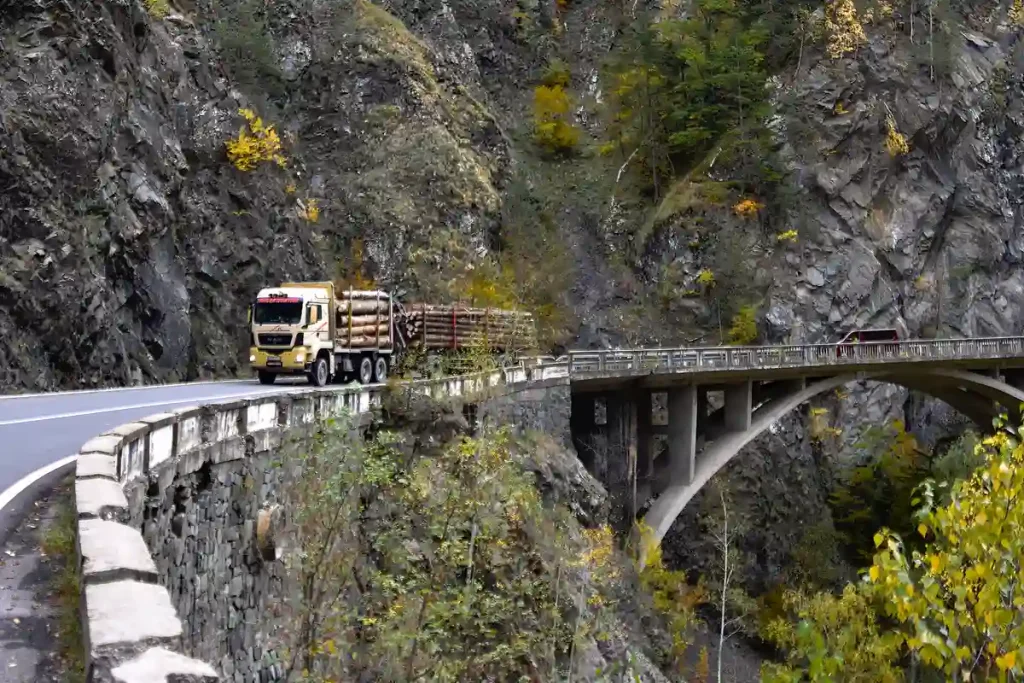
A bit more concerning is encountering all the fully loaded timber trucks rolling down to civilisation before dark. We knew that illegal logging is a widespread problem in Romanian forests and national parks, a trade that no one has dared or wanted to seriously stop. When we ask if the transports are linked to illegal logging, we are told “no one knows.” A few years ago, the number of logging trucks is said to have been significantly higher.
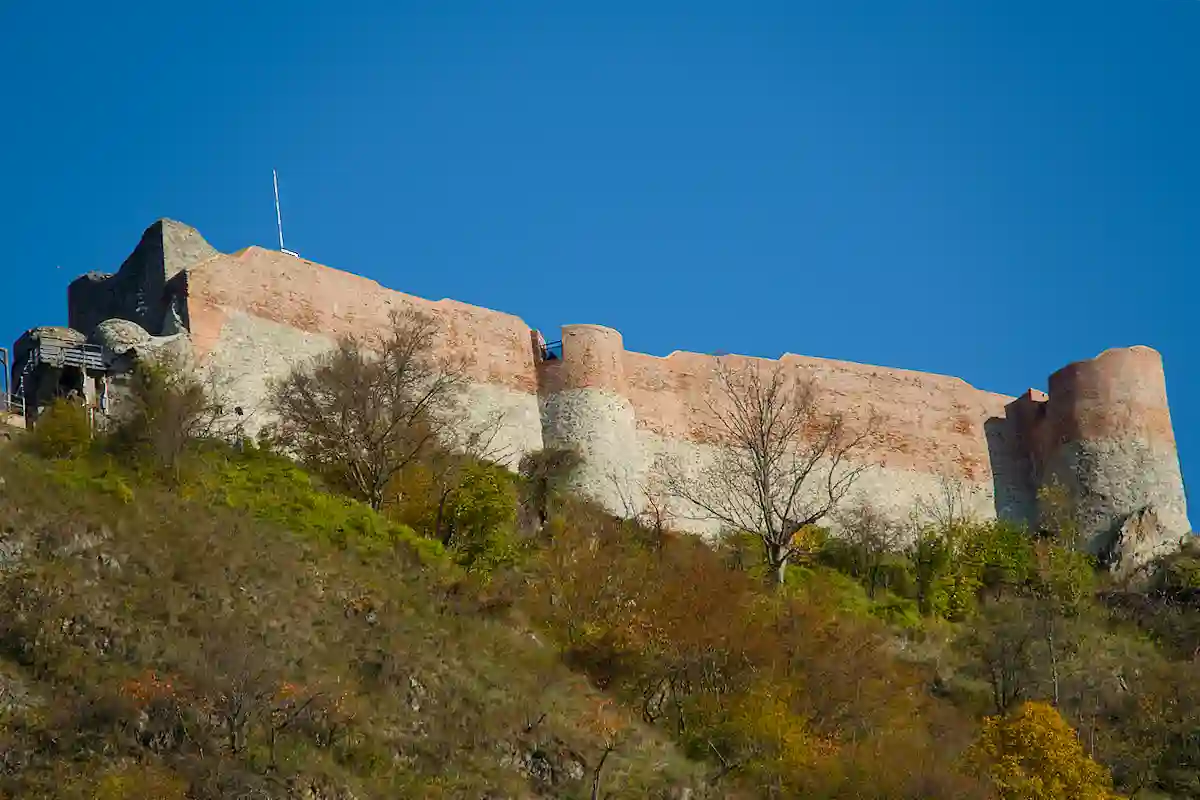
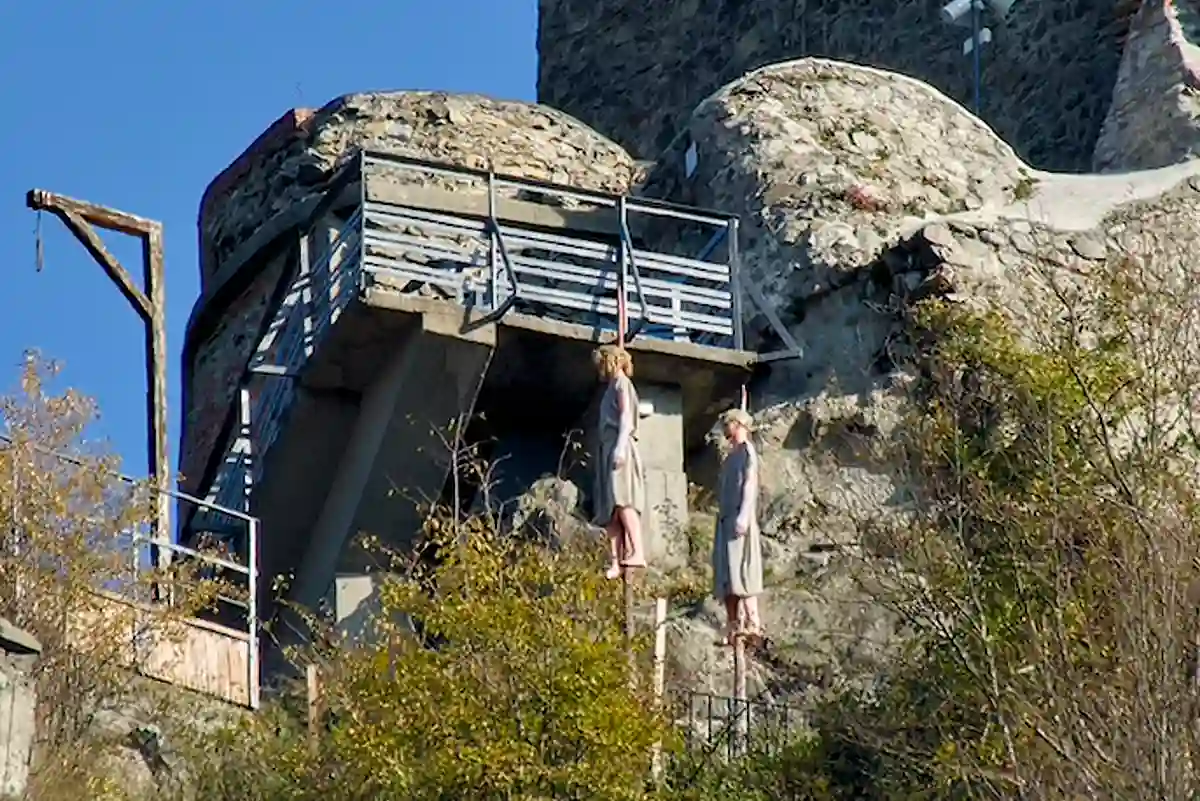
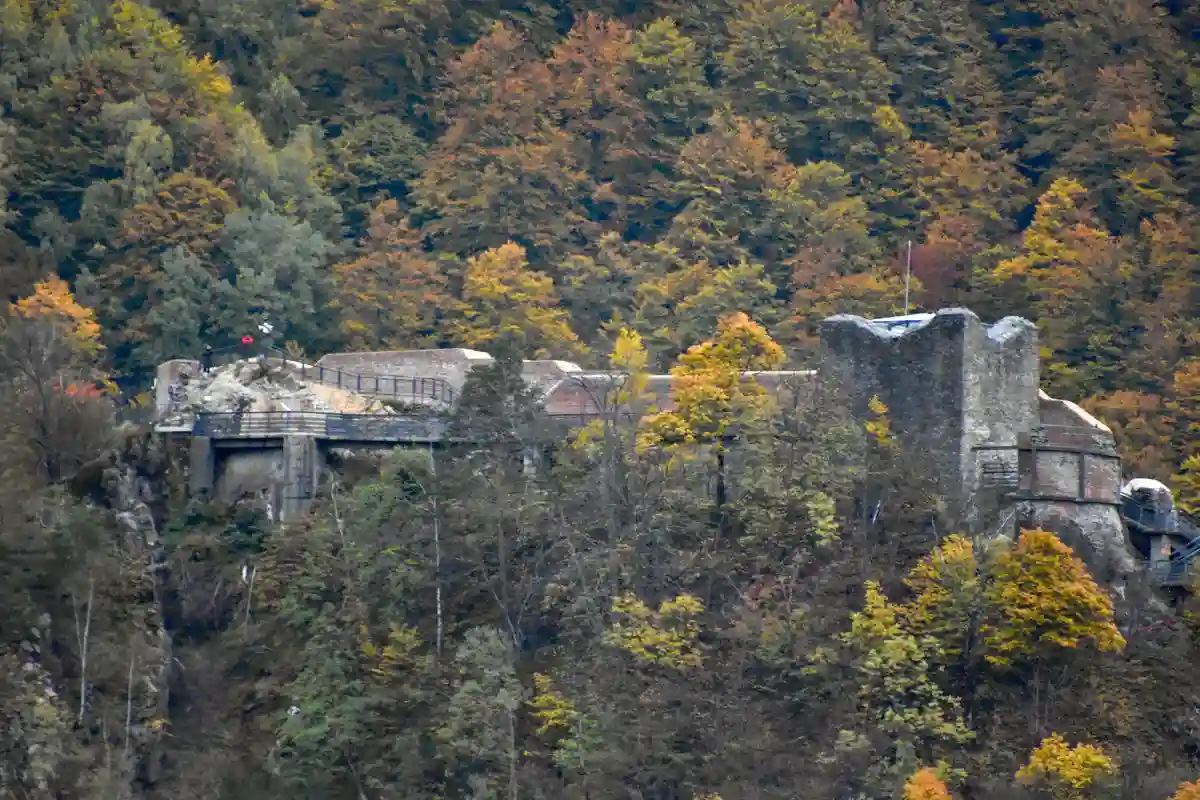
And this is where we pass the real Dracula’s castle, a ruin high up on a cliff’s edge. It’s possible to get there, but it’s a long and steep hike, which we don’t quite have the time or energy for. We see from below that the ruin has been “decorated” with fake gallows where dolls have been hanged. All to scare us visitors a little.
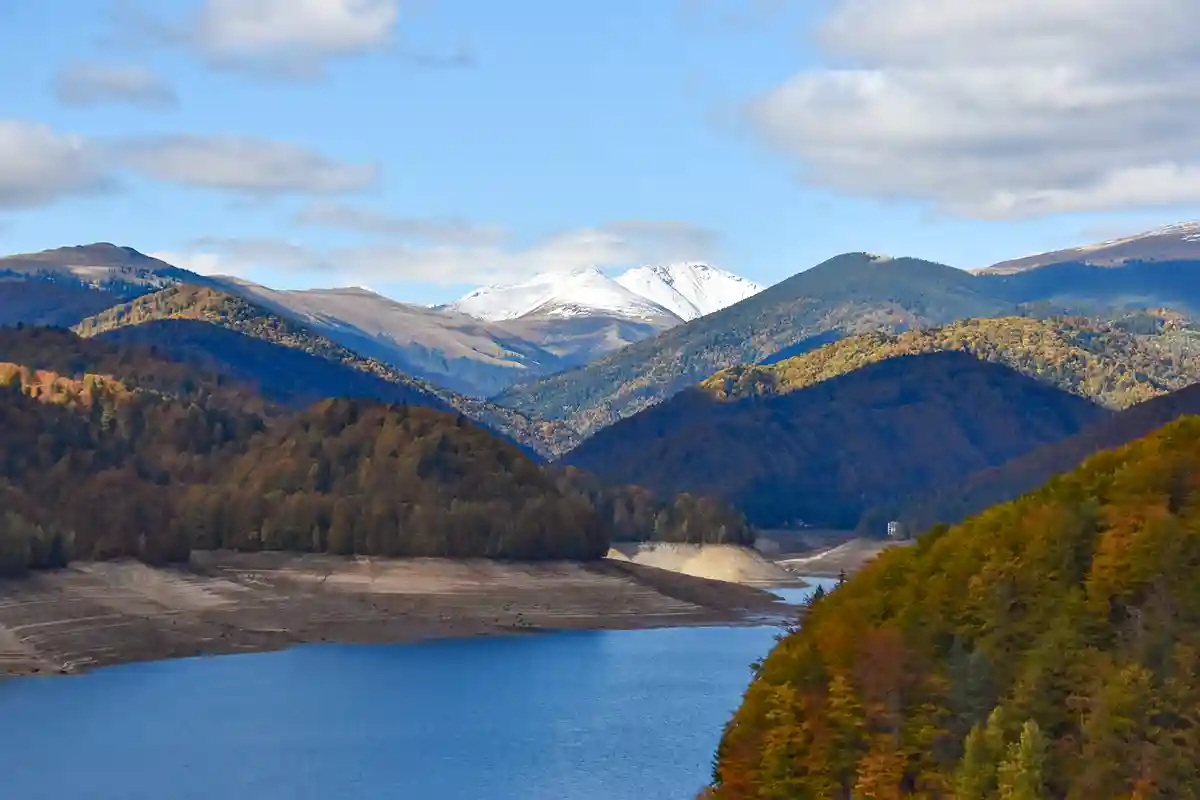
Finally, we reach our last overnight stay in Romania. It’s a typical, charming but slightly old-fashioned mountain hotel overlooking a lake. Actually, it’s not a lake but a giant hydroelectric dam. But the Romanians call it a lake, “Lacul Vidraru.” It was built in 1965 and dams water from three major rivers. At this time of year, the sides look strange because of low surface, but the surface reflects the blue sky just like on a real lake. In the distance, snow on the high mountain peaks shines bright.
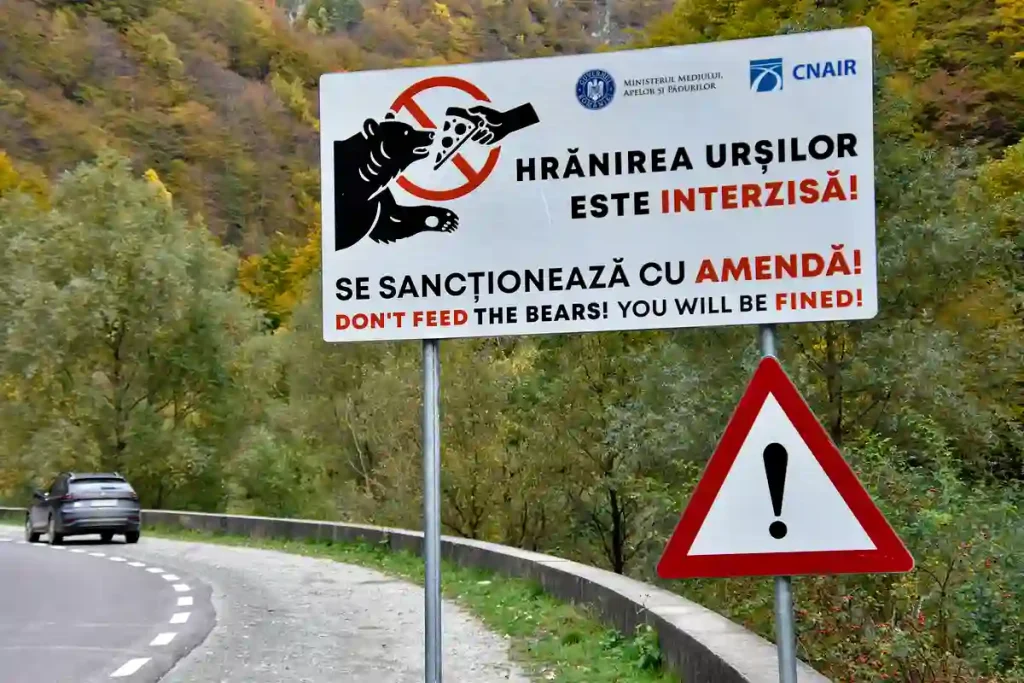
The Transfăgărășan Highway is also famous for the abundance of bears in the area, and they can be quite intrusive. So large signs warn drivers not to feed the bears.
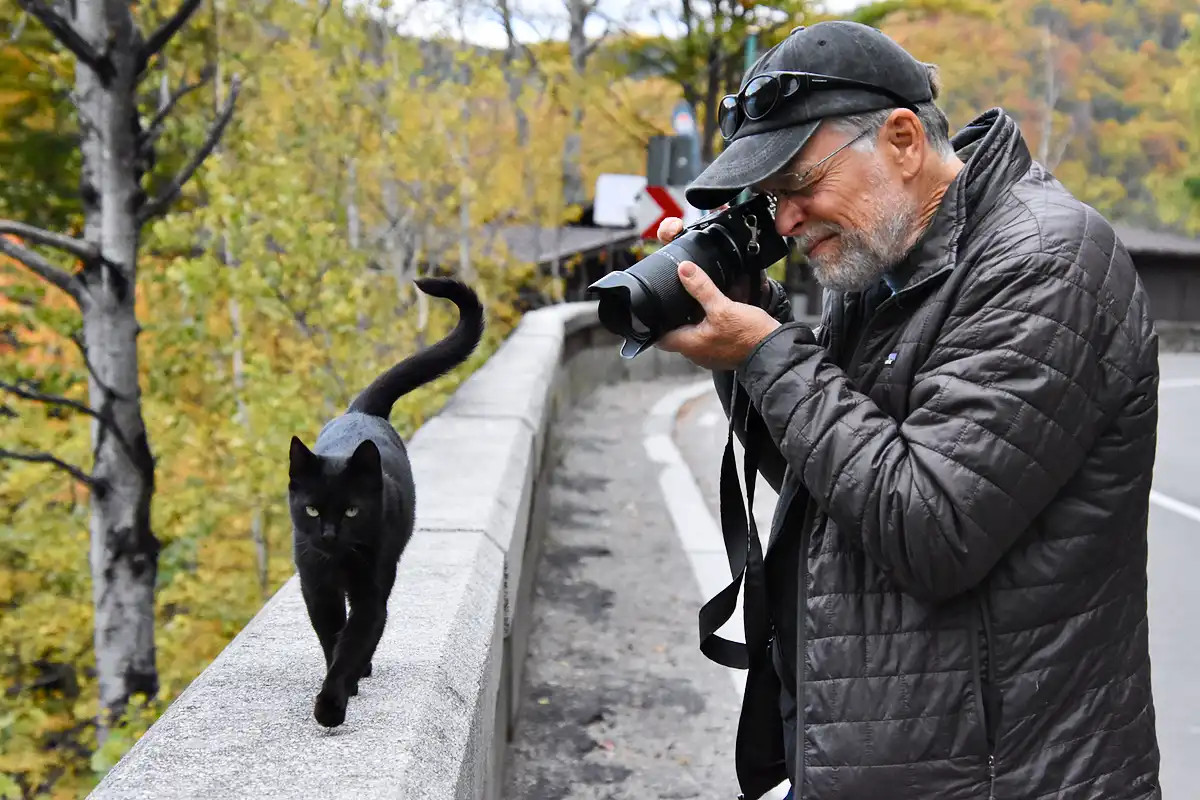
But we don’t meet any bears at all. This is our only wild animal encounter:
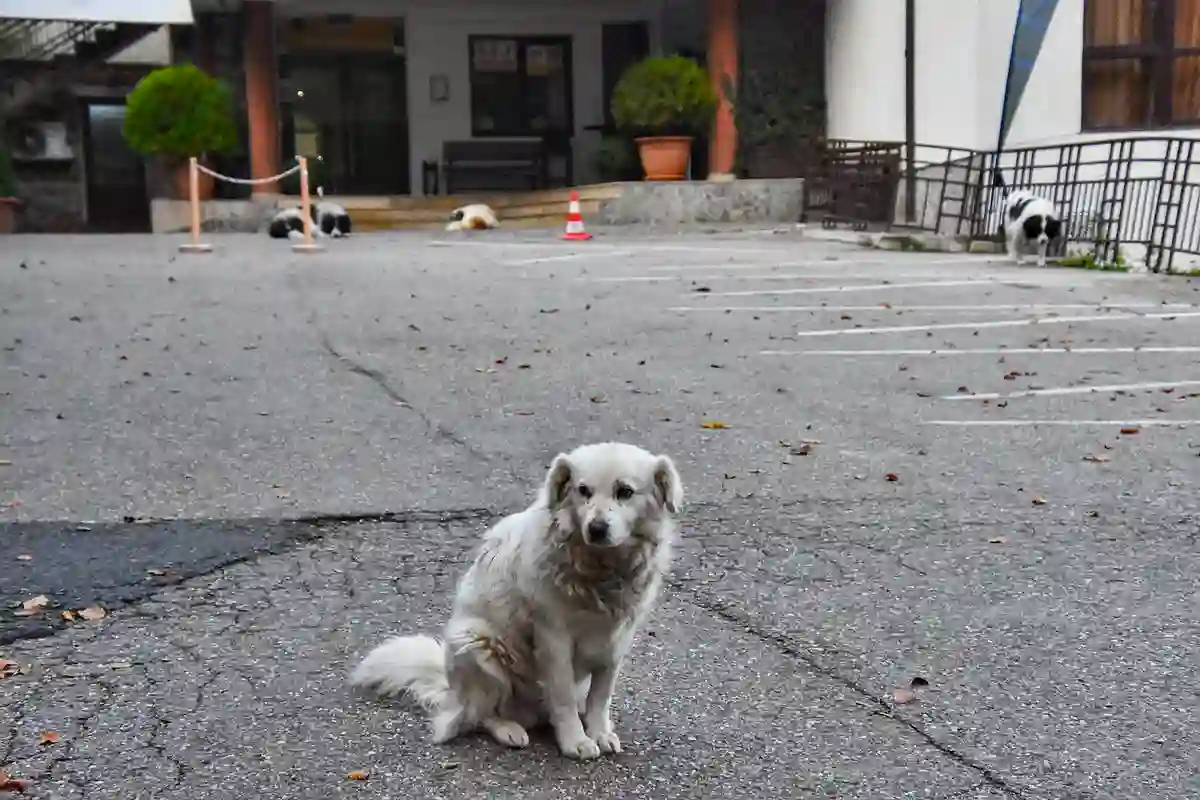
Unfortunately, you also see many stray dogs along the roads in the mountains; matted and dirty, they lie waiting in places where cars stop for people to enjoy the view.
There’s also a dog pack hanging around our hotel; they’re fed by the owner because they keep the bears away. When we ask where these dogs come from, people shrug and say they were abandoned by their owners.
It’s incredibly beautiful and peaceful up here in the mountains, especially now since the road is closed a little further ahead. The hotel, Valea cu Pesti, felt like a good place to say goodbye to this wild and magnificent region. We’ll have to take the higher passes of the Transfăgărășan road next time.
This is how we drove through Transylvania:
And the language?
The Romanian language may seem difficult to understand, but actually it has more in common with Western European languages than with the Slavic spoken in the rest of Eastern Europe (excluding Hungary). If you know a little Italian, French, Spanish, and even Greek or Latin, you*ll understand quite a bit. Here are a few examples: Piata = square, piazza. Pericol = danger (in Italian: pericolo). Messaje = message. Vizit = visit. Portocalada = orange juice (in Greek: portokallada). Strada = street (Italian: strada). And so on.