War leaves behind blood-soaked battlefields, millions of wasted lives and wounds to both body and mind that won’t heal. But with peace new doors are opened, new possibilities, economically but also politically. A deserted arena is soon filled with new players.
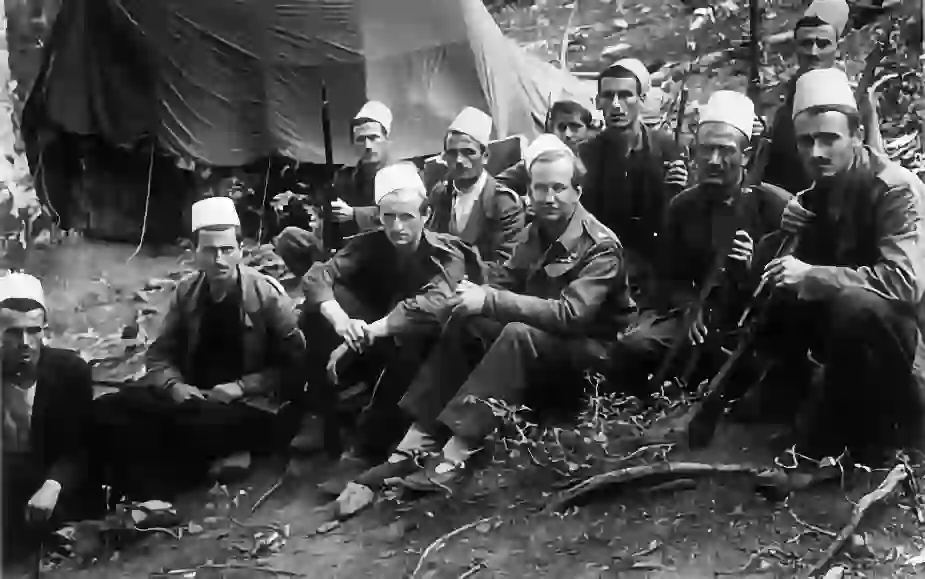
When the countries on the Balkans were invaded by Italian fascists and German nazi troops resistance sprung up in the form of small partisan groups of both men and women. By and by these groups grew in their strongholds in the mountains. And they got support and weapons from the outside, from the allied countries but also och particularly from the Soviet Union.
Many partisans, probably the majority were socialists. Not surprising, since the enemies were fascist invaders. The contacts between the partisan armies and with the Soviets grew stronger and were continued when the war ended. The allied countries realized this and tried to stop the leftist partisans from taking control. They were successful in Greece but failed in Yugoslavia and Albania, two neighbours that were politically similar, both declaring themselves socialistic one-party states.
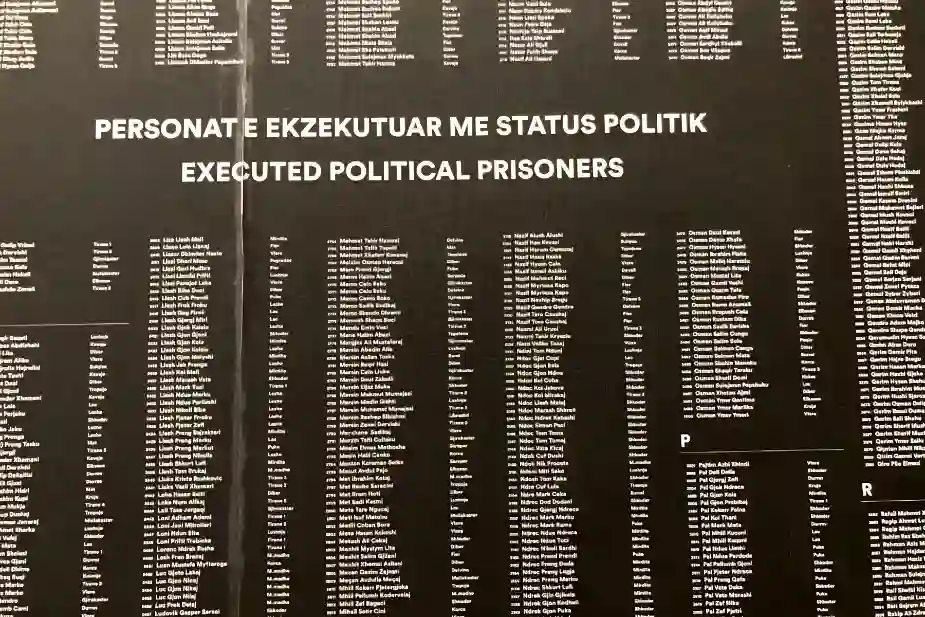
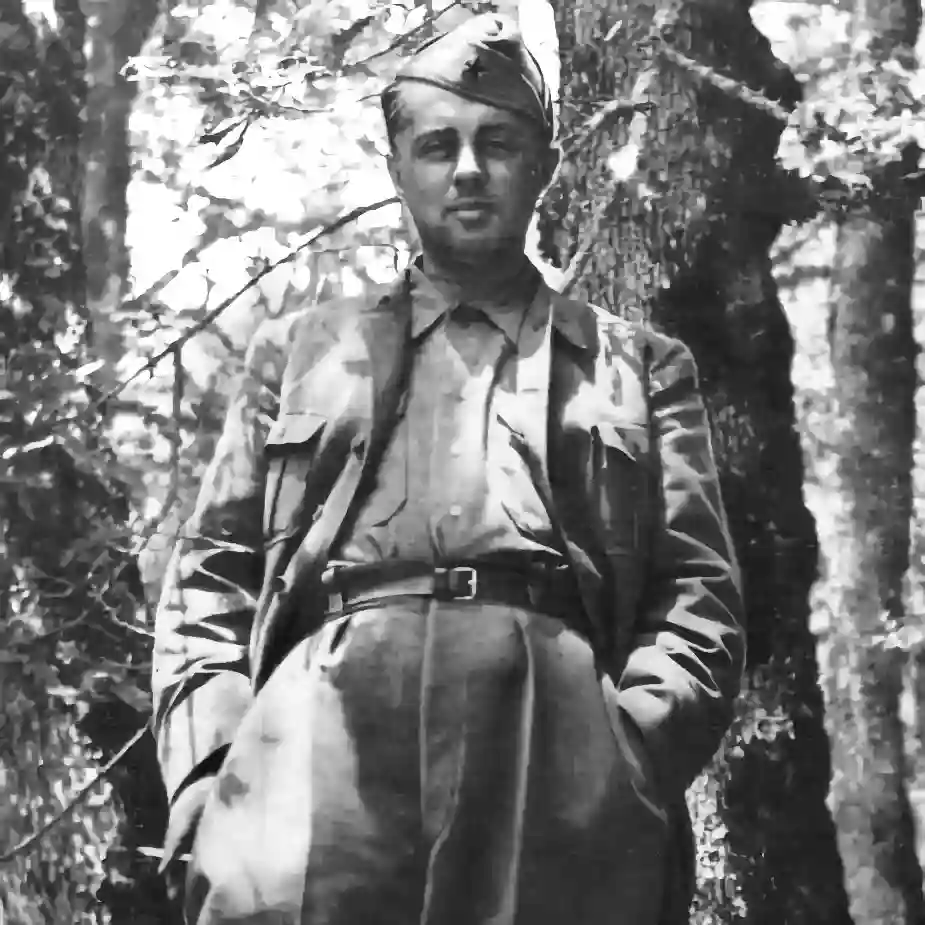
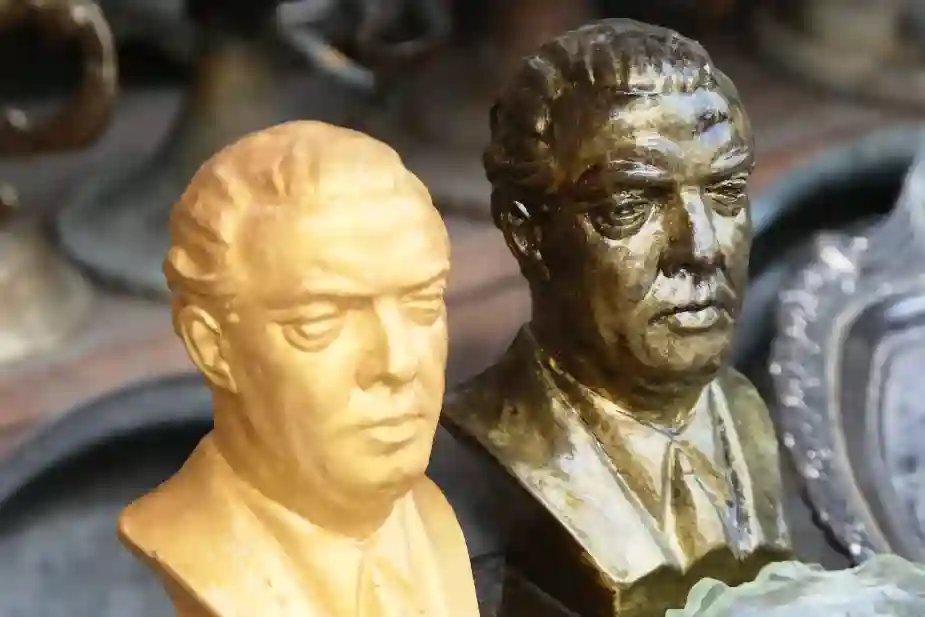
Albania appointed the partisan leader and former teacher Enver Hoxha to be its highest ranking representative, a role he had for 40 years until his death in 1985. Hoxha was a ruthless communist and had Josef Stalin as his role model. Courts were quickly installed to take care of dissidents and suspects. Torture was used excessively and a new secret police, Segurimi organized an extensive network of spies and informers.
But Hoxha’s stubbornness brought him in conflict with almost every other socialist country’s leader. First he broke off with Yugoslavia’s Tito and after Stalin’s death he turned his back on the Soviet Union and it’s new leader Chrustjev. Then China became his closest ally, supplying Albania with food and other resources, even whole factories. But when China was visited by the US president Richard Nixon in 1972 Hoxha was furious. And Albania had no more friends.
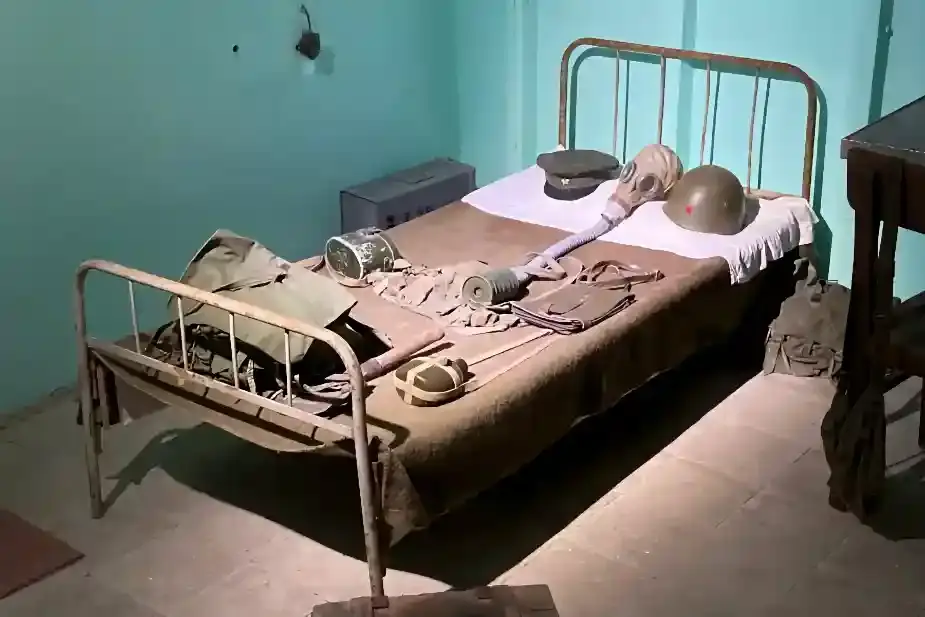
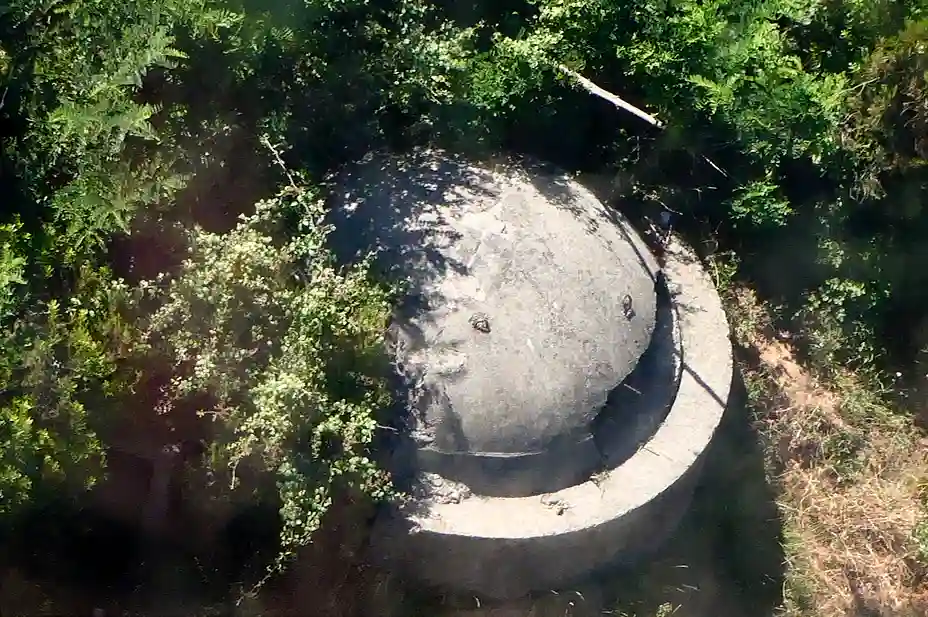
Hoxha now became more and more paranoid and was convinced that Albania would soon be attacked and invaded. By the west or by the east. He gave orders to build several hundred thousand bunkers all around the country, every Albanian should have a safe shelter when the invasion began. For the party elite and military leadership big bunkers were built into mountain sides. Some of these are preserved and turned into museums where the dictatorship’s history is on display. Here’s a walk through one of them:
Albanians were now forbidden to leave their country, the spying and informing rose to new heights and more people were executed. And inevitably the economy stagnated for lack of necessary skills and materials. The Communist Party continued to rule a couple of years after Hoxha’s death, but but in 1992 they gave up and a parliamentary democratic system took over.
So was Hoxha just an evil despot? Not quite, during his time progress was made in some areas like education, healthcare and industrialization. And agriculture was developed to a degree that made the country self-sufficient to a large extent. Also, and maybe a bit surprising, he supported women’s rights and gender equality in the traditionally very patriarchal Albanian society.
But Hoxha also banned all religious practice and closed down churches and mosques. Western culture such as pop music was forbidden and men were not allowed to have long hair or grow beards.
In the mid-1990’s things once again heated up in Albania when almost two thirds of the population lost all their savings in a pyramid scheme dressed up as “Investment funds”. As protesters demonstrated in many places a situation very close to civil war developed, and 2000 persons were killed. But after that the situation has been relatively calm.
Next up we explore the Albanian capital Tirana. We fly in the air and go underground.