The airline industry is a bit shaky, what with rising fuel prices and increasing climate requirements, so perhaps it wasn’t entirely unexpected. But our journey home from Central Asia, which was supposed to involve a few hours’ stop-over in Dubai, hit a snag. The flight from Dubai to Copenhagen was simply cancelled and we were rebooked for the following day. Now, it wasn’t just some small shady airline that was behind this, but one of the world’s most highly regarded, so all we had to do was mention the word compensation and, just like that, there was a ready-made infrastructure for overnight accommodation, food and transport.
After a bit of a marathon dash through Dubai’s gigantic airport, we are led out to a minibus that takes us and a large group of travelers from Africa a few blocks away to a hotel that was probably top-class thirty years ago. Now it had taken on the air of a hostel. During the early check-in, ten receptionists quickly ushered us into the well-equipped breakfast room. And, full and satisfied after something resembling a brunch, we wondered how we would tackle the desert city.
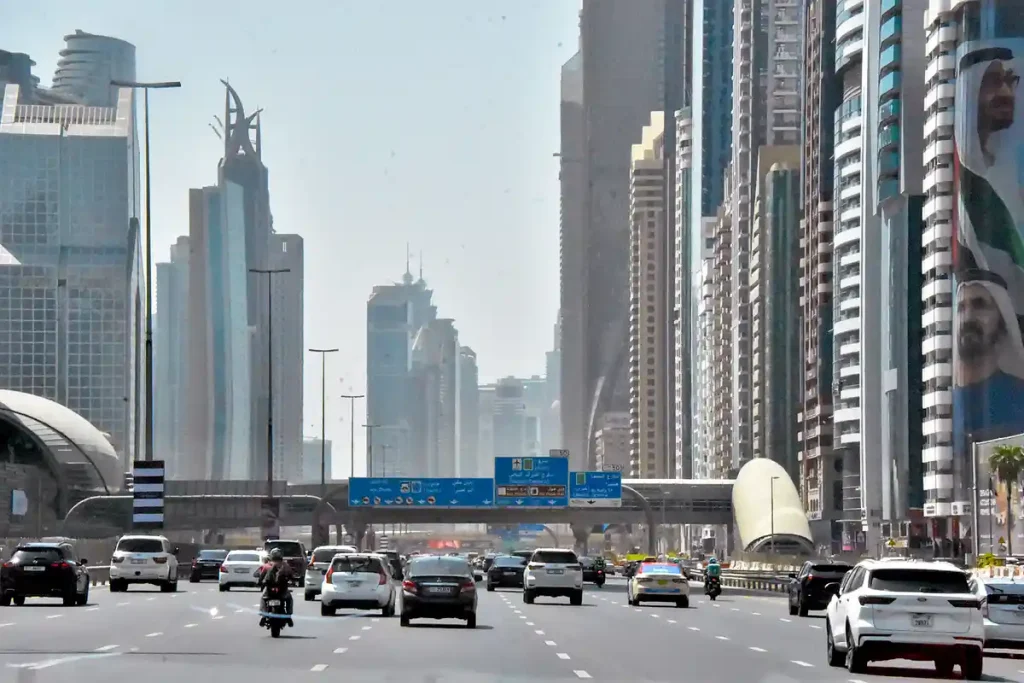
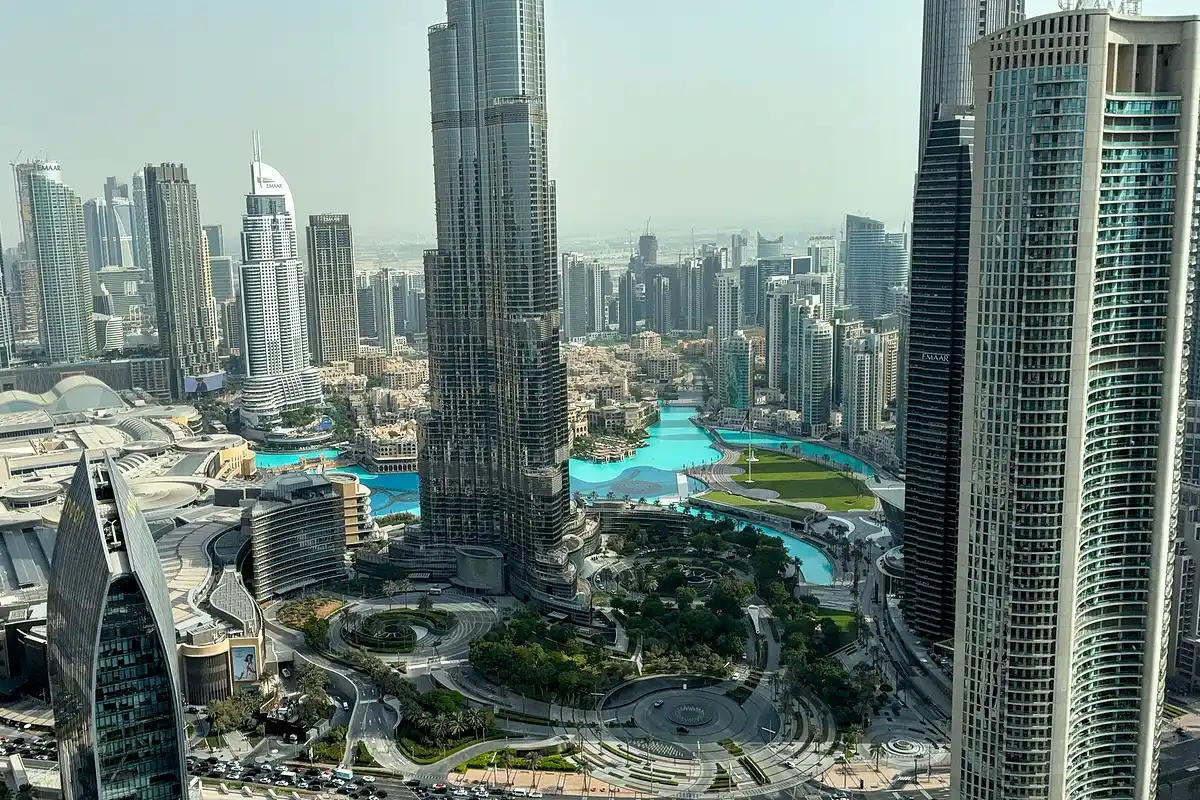
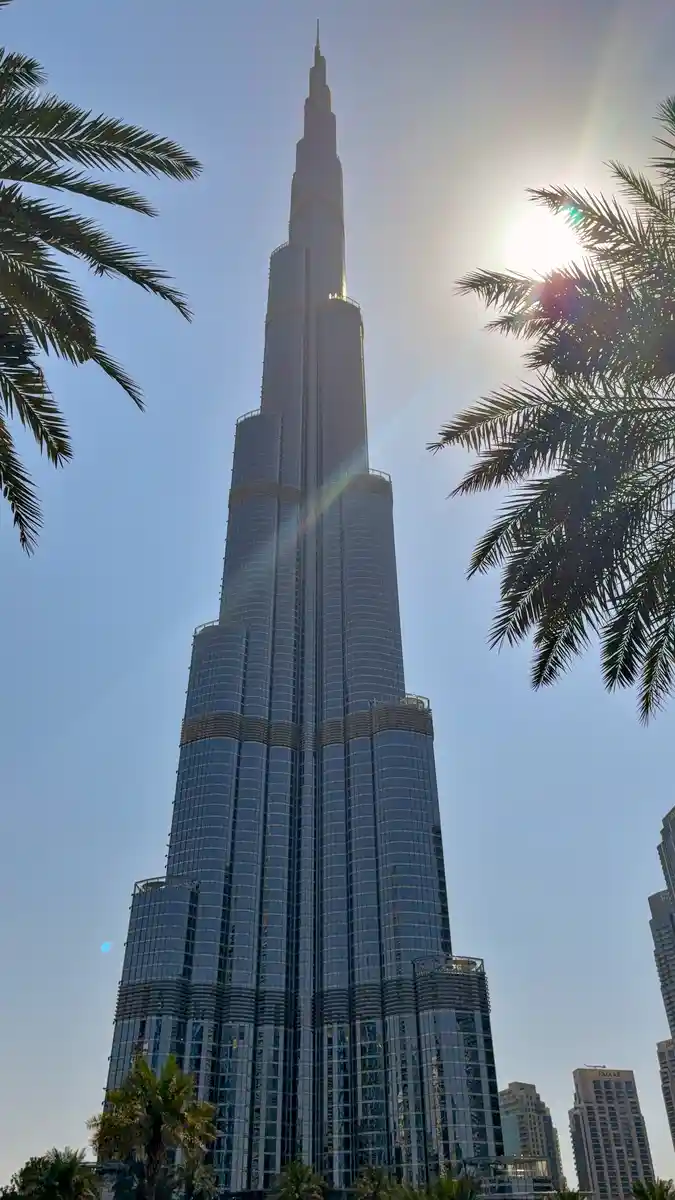
Dubai is a mirage, a hallucination and a grandiose dream. Here stands the world’s tallest building, the Burj Khalifa, and in the surrounding neighbourhood a whole host of almost equally tall and garish buildings that seem to want nothing more than to break free from the ground and sail up into the atmosphere. Between them stretch river-wide avenues, turquoise-coloured canals and marinas crowded with luxury yachts.
In the hotel lobby, a couple of people are standing there selling a sightseeing tour of the city. We’re only staying for the day, after all. Well, we think why not and hop on a bus tour that winds its way between the most famous buildings while we oooh-ing and aaah-ing in our well air-conditioned seats. It’s striking how many of the buildings are luxury hotels. Then again, there’s very little here that isn’t luxury-something in one way or another.
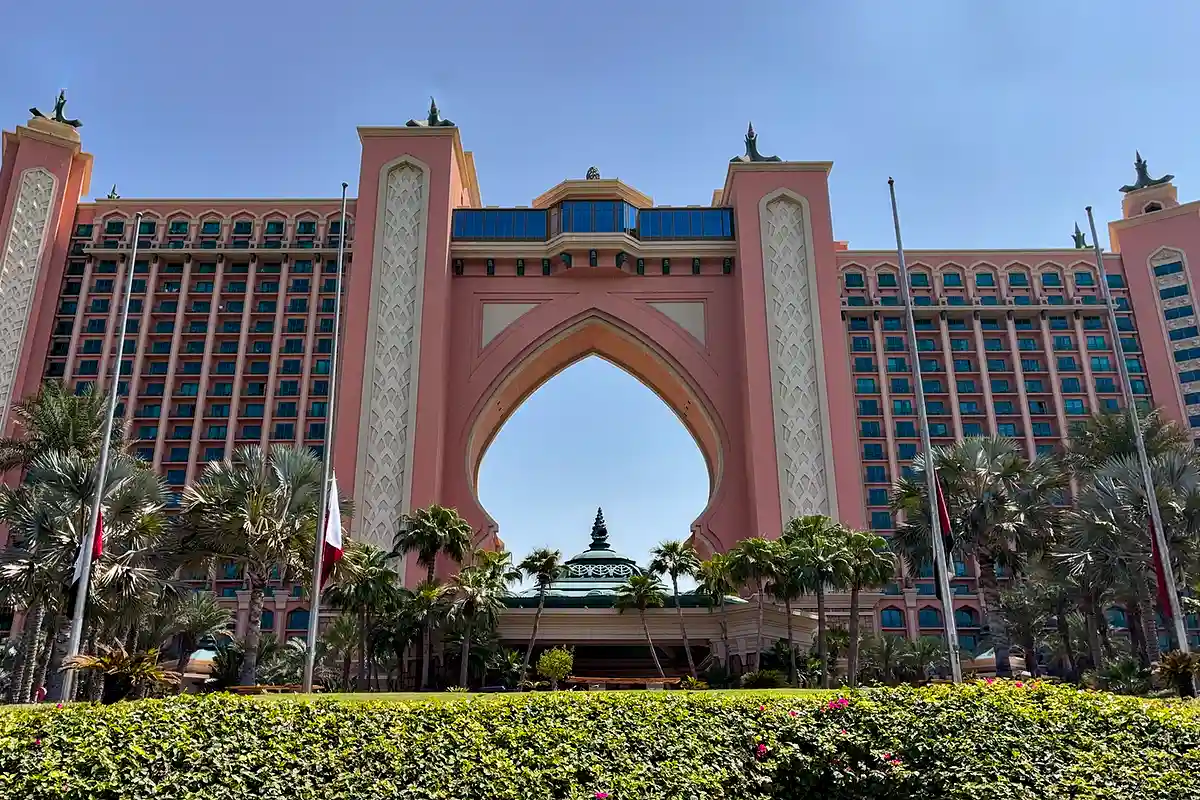
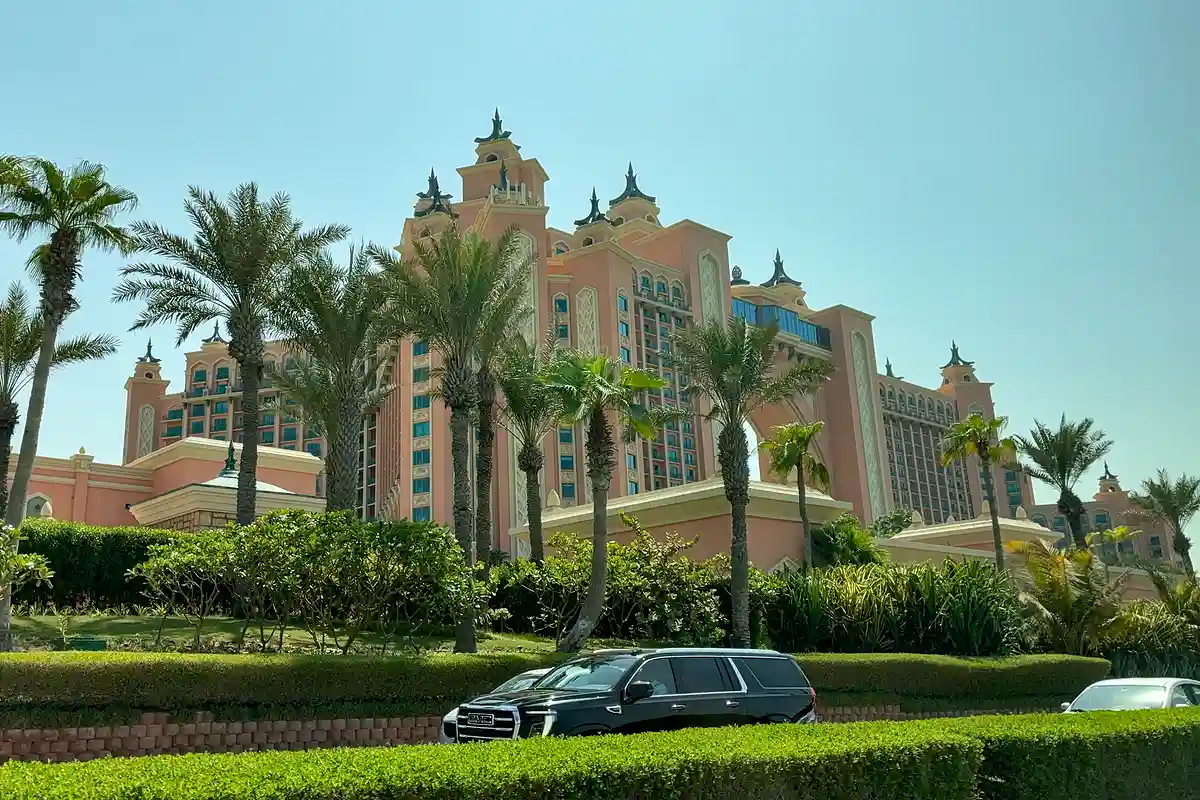
We are stopping by Atlantis The Palm hotel, built on an artificial, palm-shaped island and one of the world’s most luxurious and expensive hotels. With 1,544 rooms, an aquarium and several exclusive restaurants, including one that is submerged underwater. Swedish star chef Björn Frantzén also runs a restaurant at the Atlantis hotel.
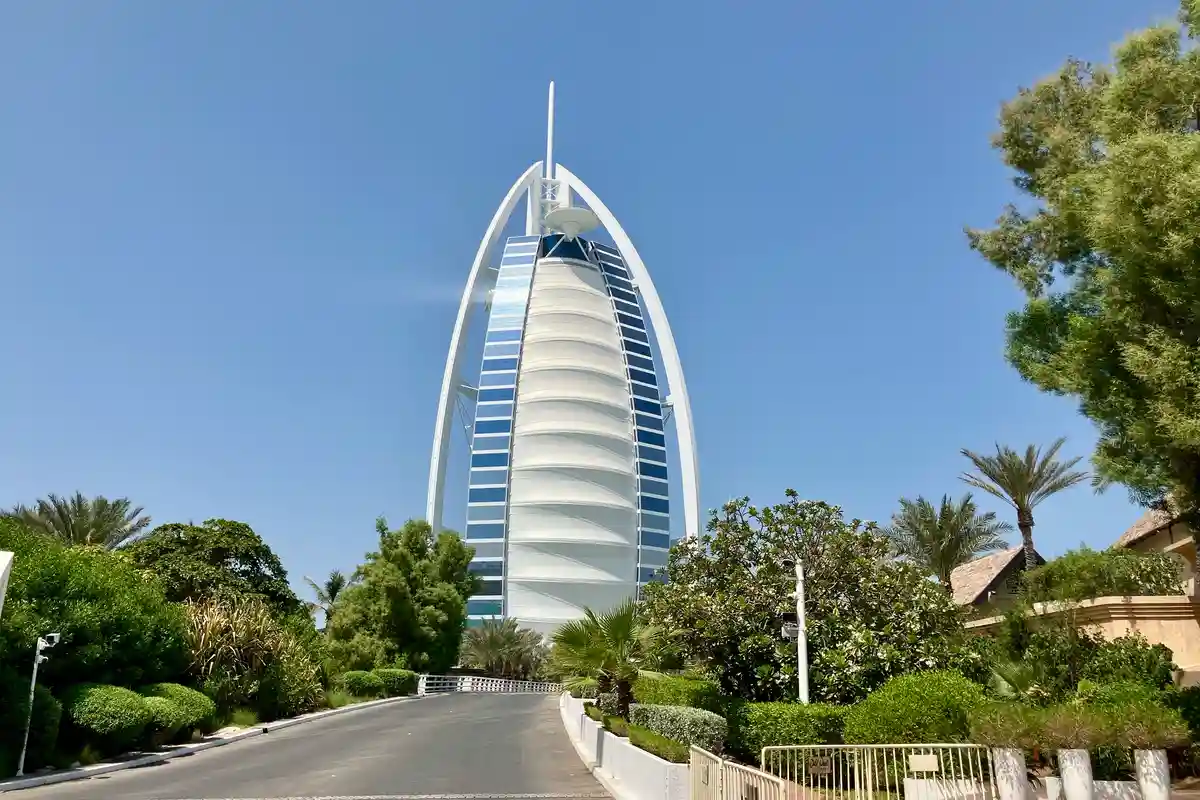
We also stop near the iconic Jumeirah Burj Al Arab hotel, whose silhouette resembles a billowing sail. A hotel filled with unparalleled luxury that we naturally don’t get to see. The hotel is closed for renovation for at least a year and we can only look at it through locked gates along the driveway. When we take out our system cameras fitted with telephoto lenses, a security guard rushes over. We are not allowed to take a picture of the hotel with a telephoto lens and that type of camera. One of the most photographed buildings in the world. We are astonished.
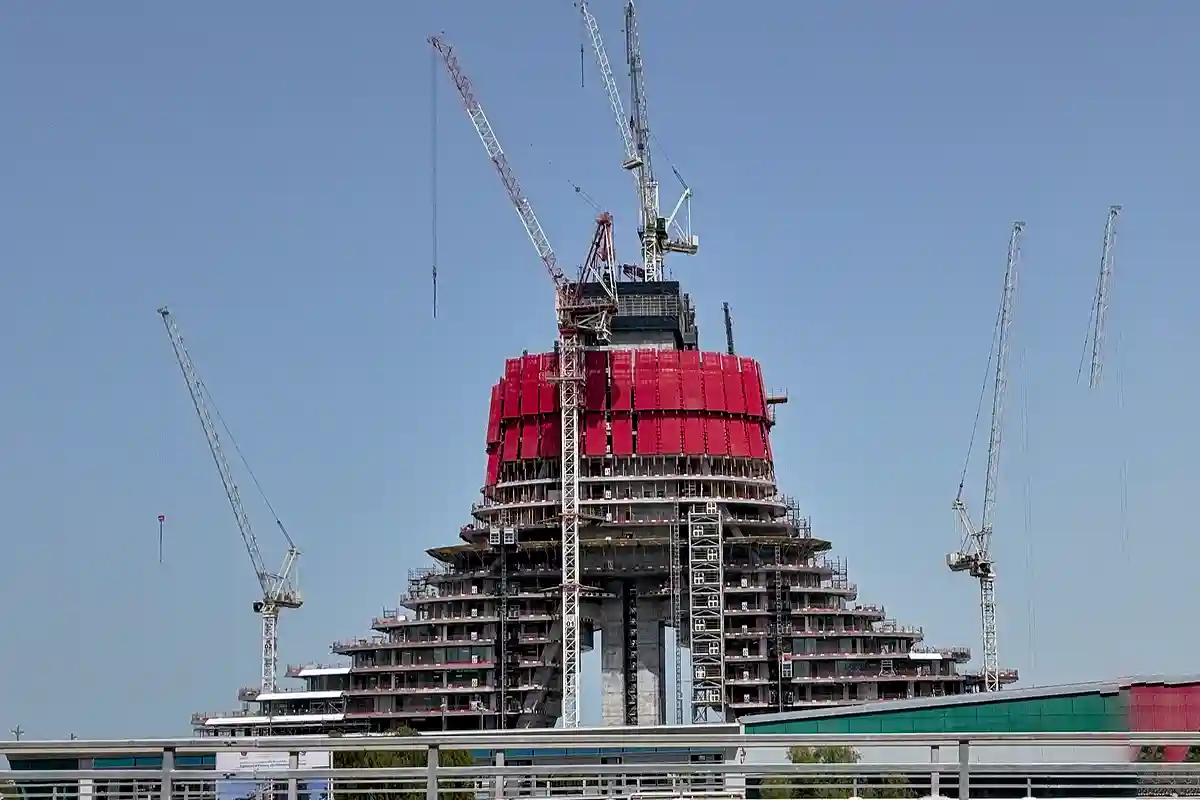
The demand for ultra-luxury hotels seems insatiable in Dubai. By 2030, plans are in place to open at least ten new establishments and one wonders what all these new tourists will get to experience. Because, honestly, Dubai doesn’t have much to offer apart from luxury shopping, somewhat limited swimming opportunities and contrived so-called desert safaris without soul.
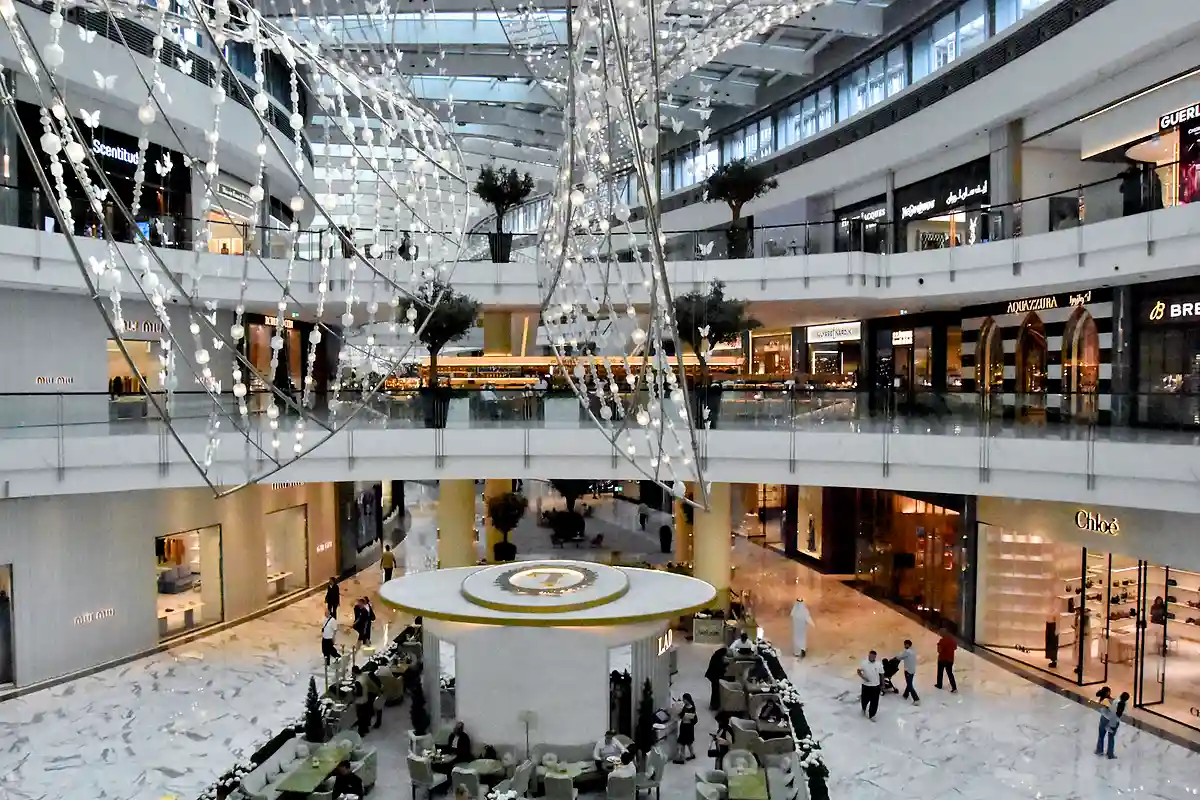
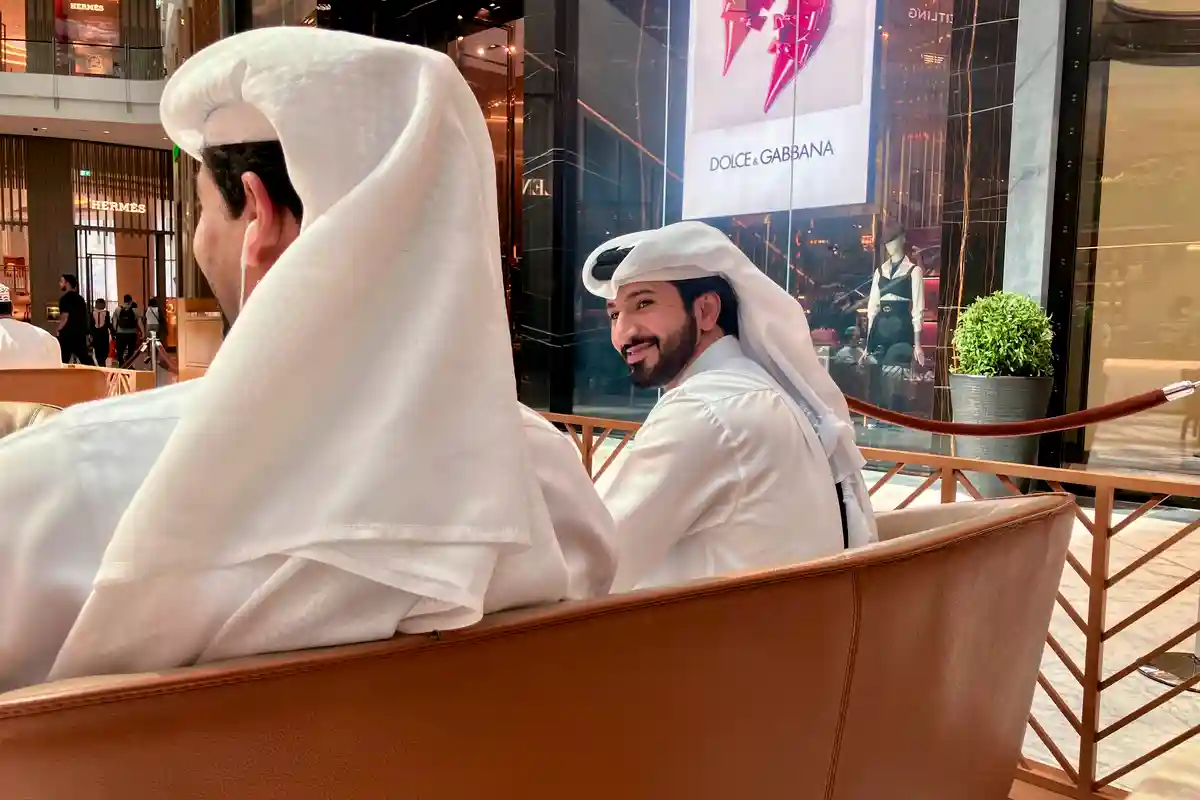
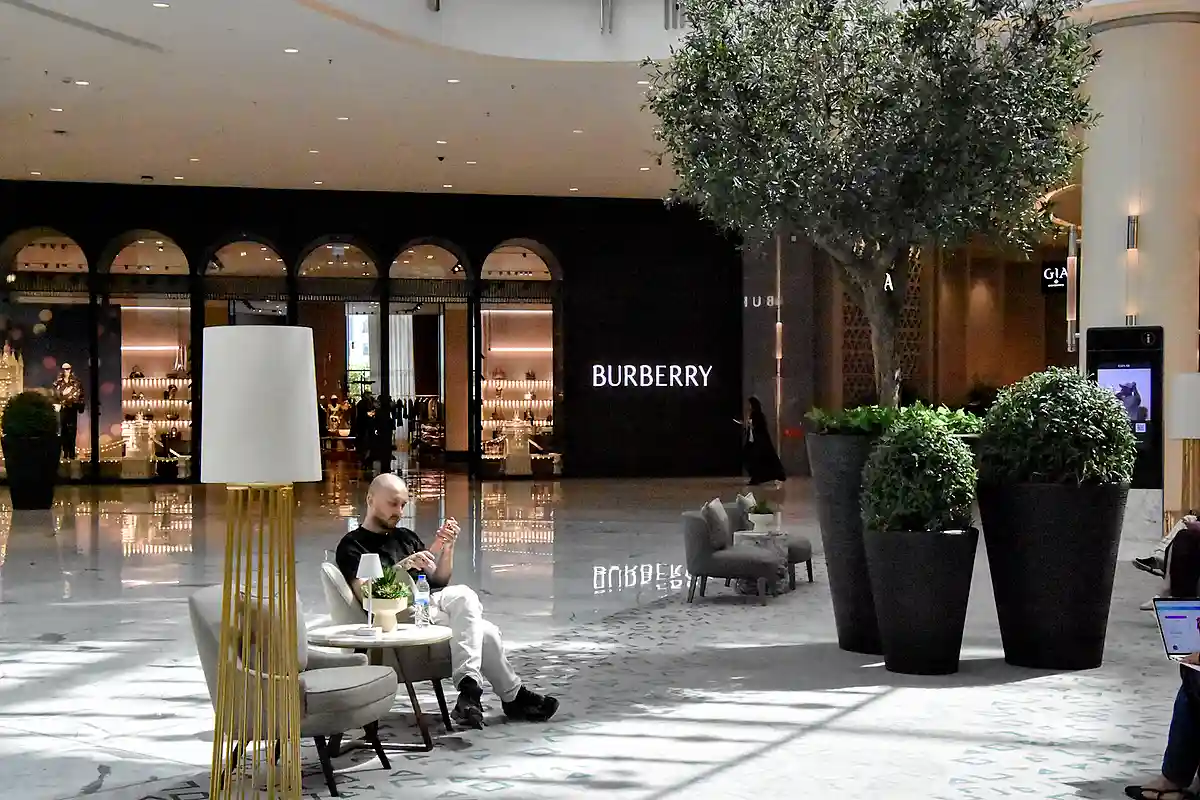
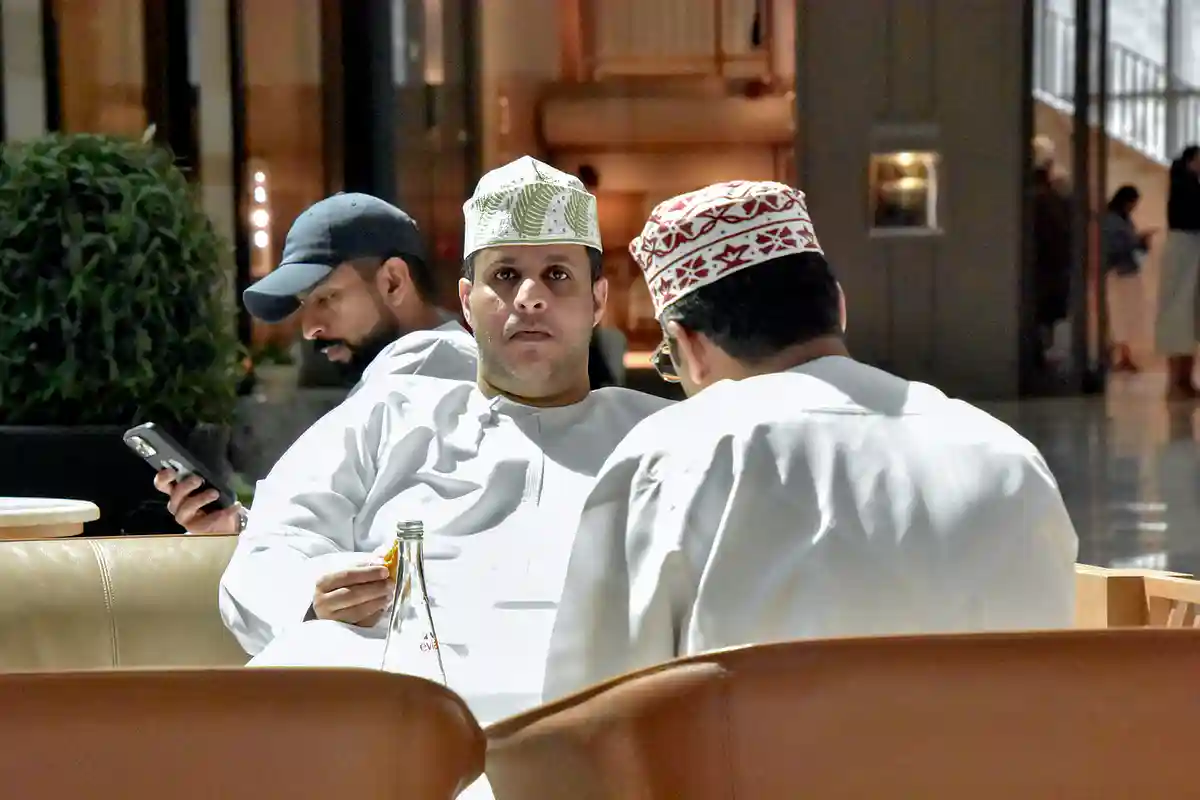
One place where all the major clothing and perfume manufacturers have stores is in Dubai Mall, which is suitably located on Fashion Street. Naturally, we’re curious and hop off the tour, which is practically over. After wandering around the dream factory, where most of the employees seem to come from the Philippines, we settle down in a café and order two coffees. The coffee is incredibly good, but we still have a little giggle when the bill arrives. Almost 15 bucks for a small espresso and an Americano. That’s Dubai for you!
Here it is anyway, Burj Khalifa, the tallest building in the world. You have to step back a bit to get the whole thing in the picture.
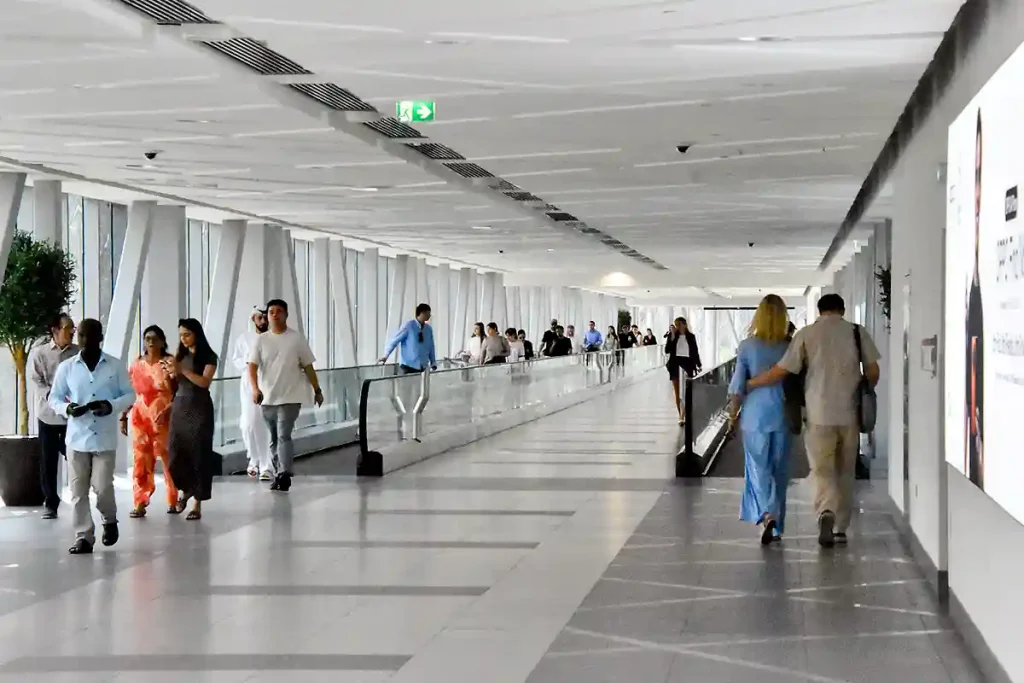
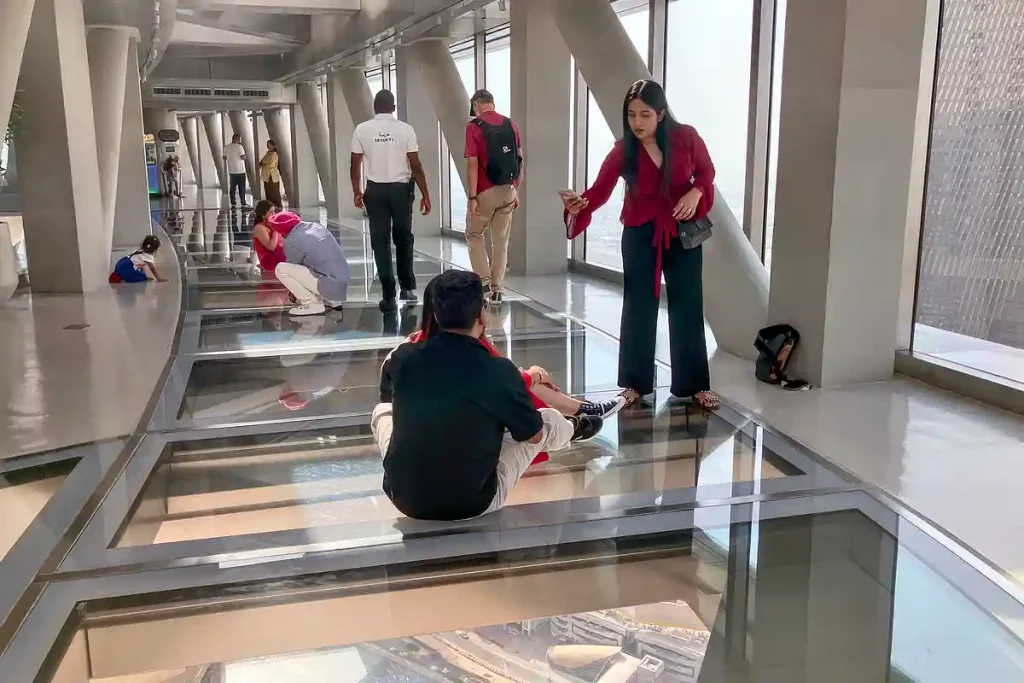
We had an idea to go up the Burj Khalifa but instead choose to look for a slightly lower building right next door. Getting there from Dubai Mall is quite a complicated affair. You have to take an elevator down to a garage, up in another elevator, turn right and then left and then walk straight ahead along a long corridor with moving walkways hundreds of meters long. We take a wrong turn several times, but eventually we arrive at the right building. There we take yet another elevator up to the fifty-third floor and get to experience the strange sensation of walking on a glass floor with nothing between the floor and the ground below. It’s a slightly surreal feeling to see the cars whizzing along the roads 53 floors below.
Then we struggle all the way back to Dubai Mall to get a taxi back to the hotel. Yandex is available in Dubai too, so we use their app. But when the taxi arrives, we can’t see it. The “pickup point” is a 50-metre-long garage packed with other cars. We run around like lost rabbits through the maze in the scorching-hot garage and find our taxi just as the driver is about to leave.
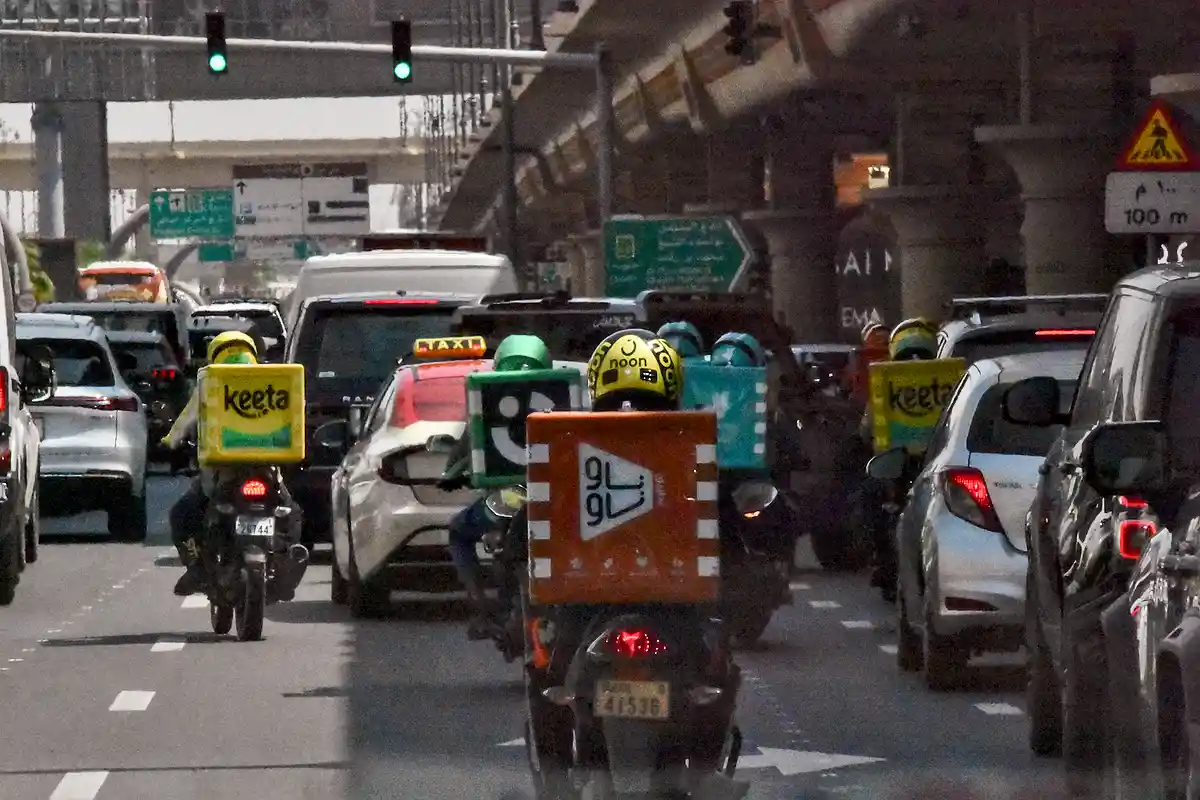
Only to end up in the worst traffic jam we’ve ever experienced. Apparently, Dubai’s wide boulevards aren’t enough for everyone heading home after work or shopping. This could put a dent in the plans for all the new hotels, we think as we inch forward one metre at a time. Tourism here has also fallen sharply this year. Analysts say this is due to the US-Iran war. We also get the impression that there are relatively few foreign visitors, apart from those who presumably work in the city.
But the airline’s procedures work one hundred percent. After half a night’s sleep, we trudge out into the darkness to the waiting shuttle bus. It leaves right on the dot and the journey back to Copenhagen is refreshingly uneventful.