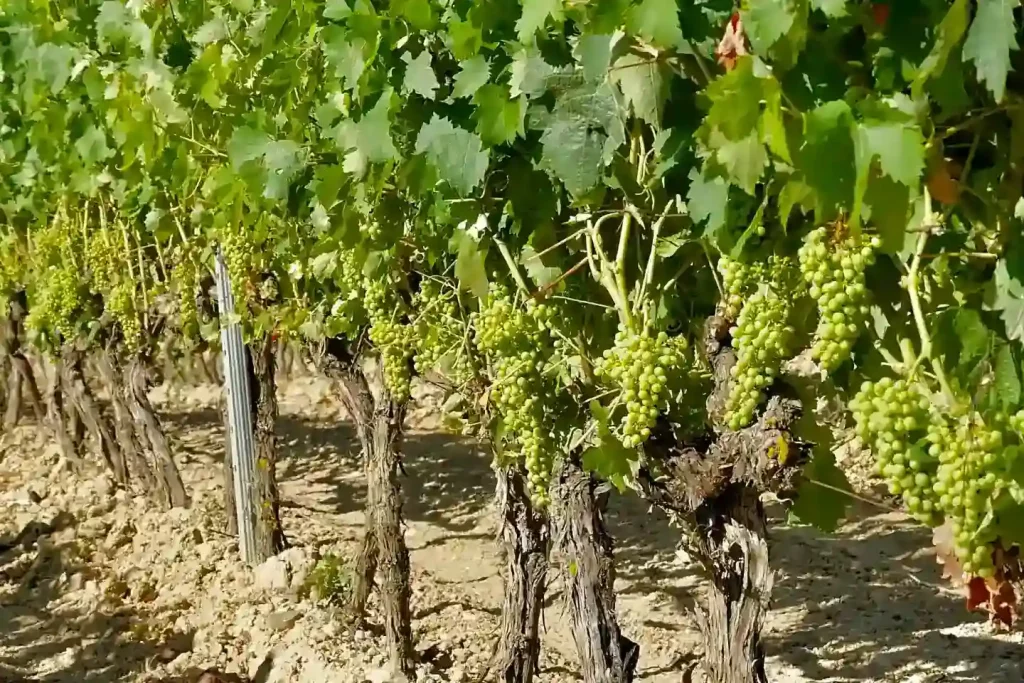
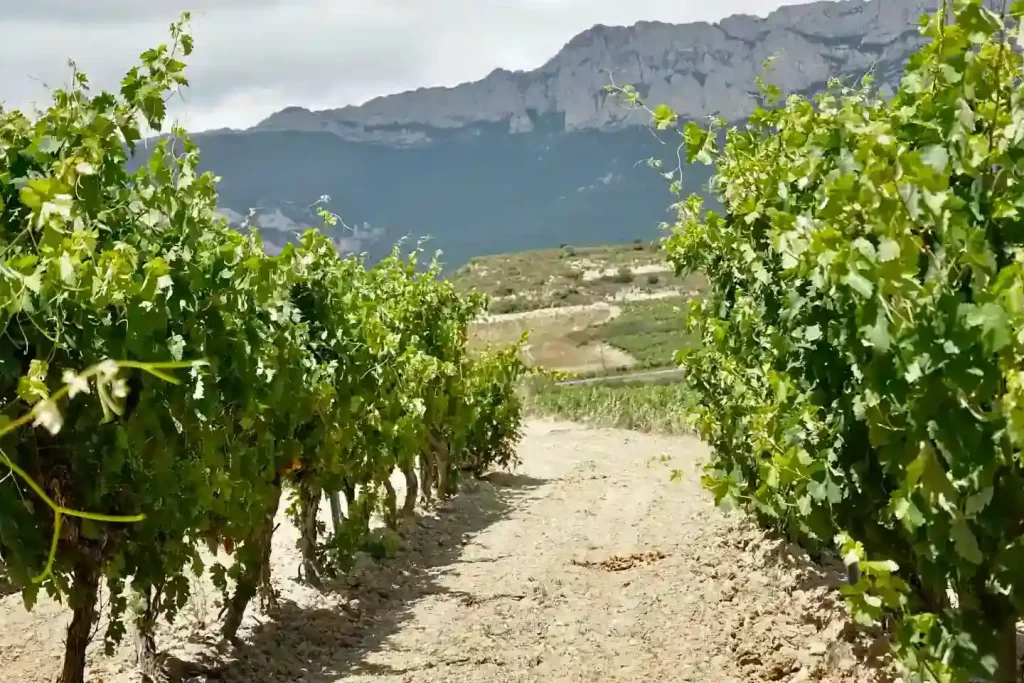
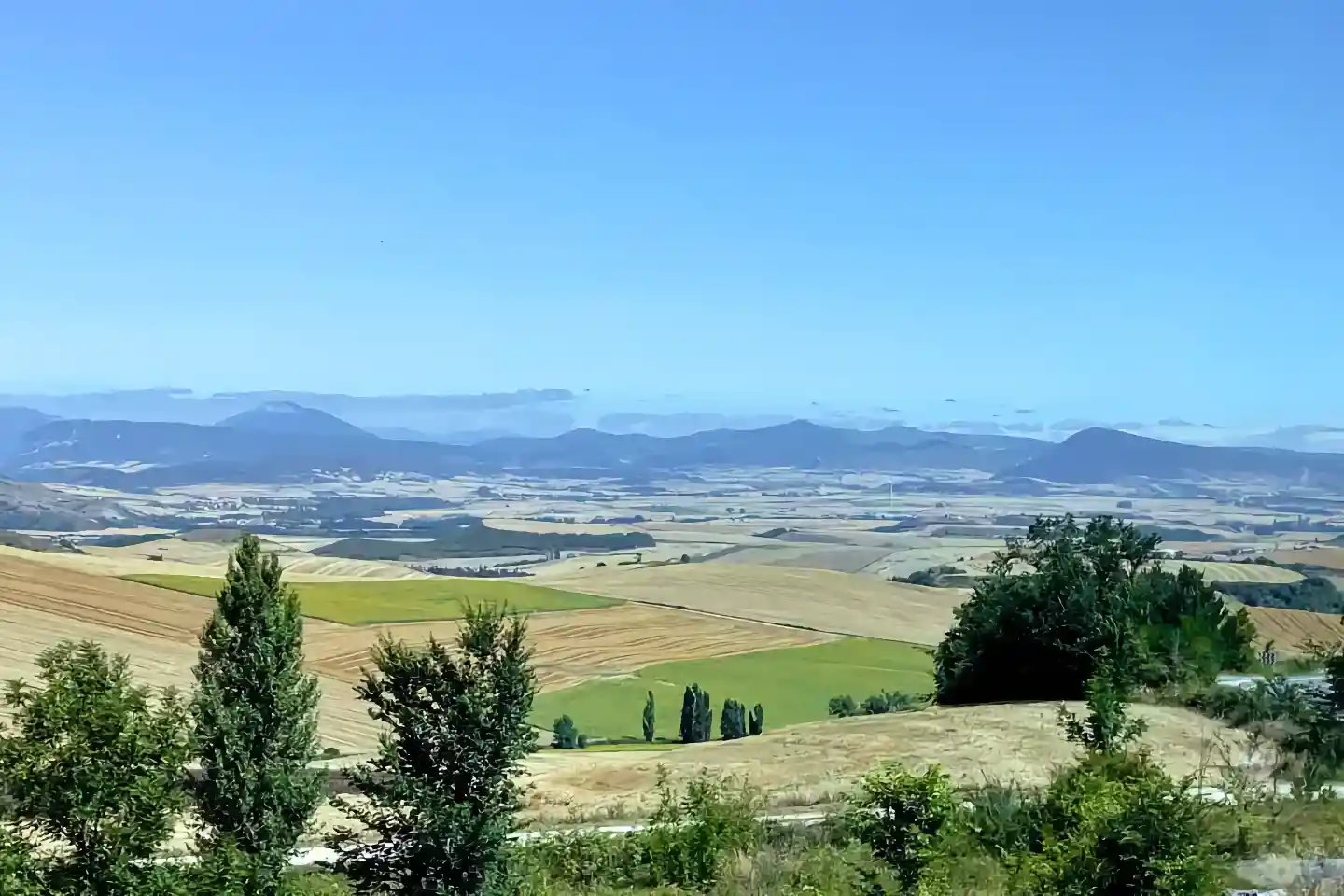
If advanced gastronomy is a reltively new phonomenon in Spain, the art of wine making here is very old, probably beginning with the romans. The climate and soil conditions are perfect, limestone ground, two sheltering mountain ranges and between them a river, this has created the classic Rioja wine with its full-bodied taste. The main city in this district is Logroño, and that’s where we’re heading now. It’s just a one-hour bus ride.
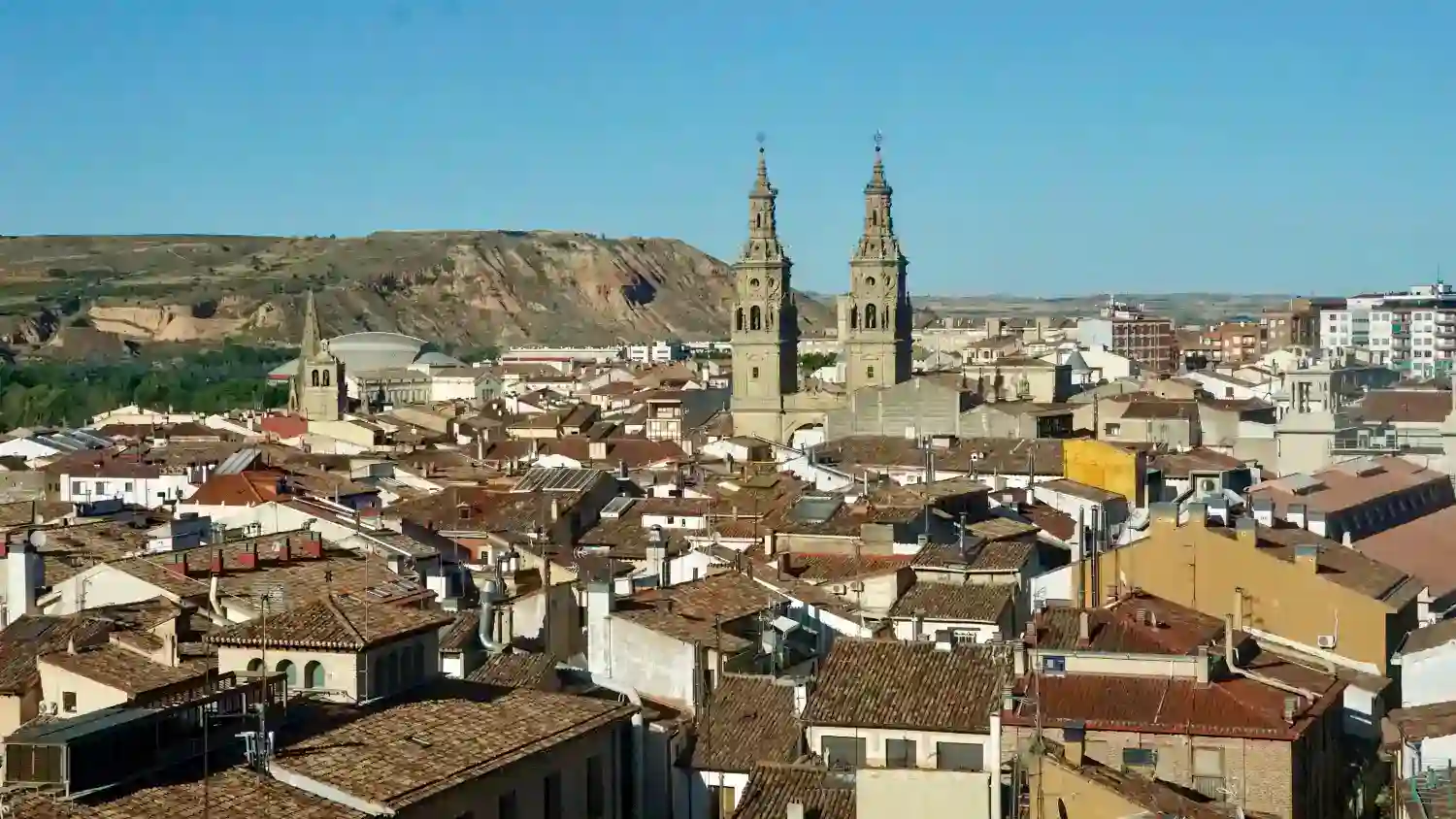
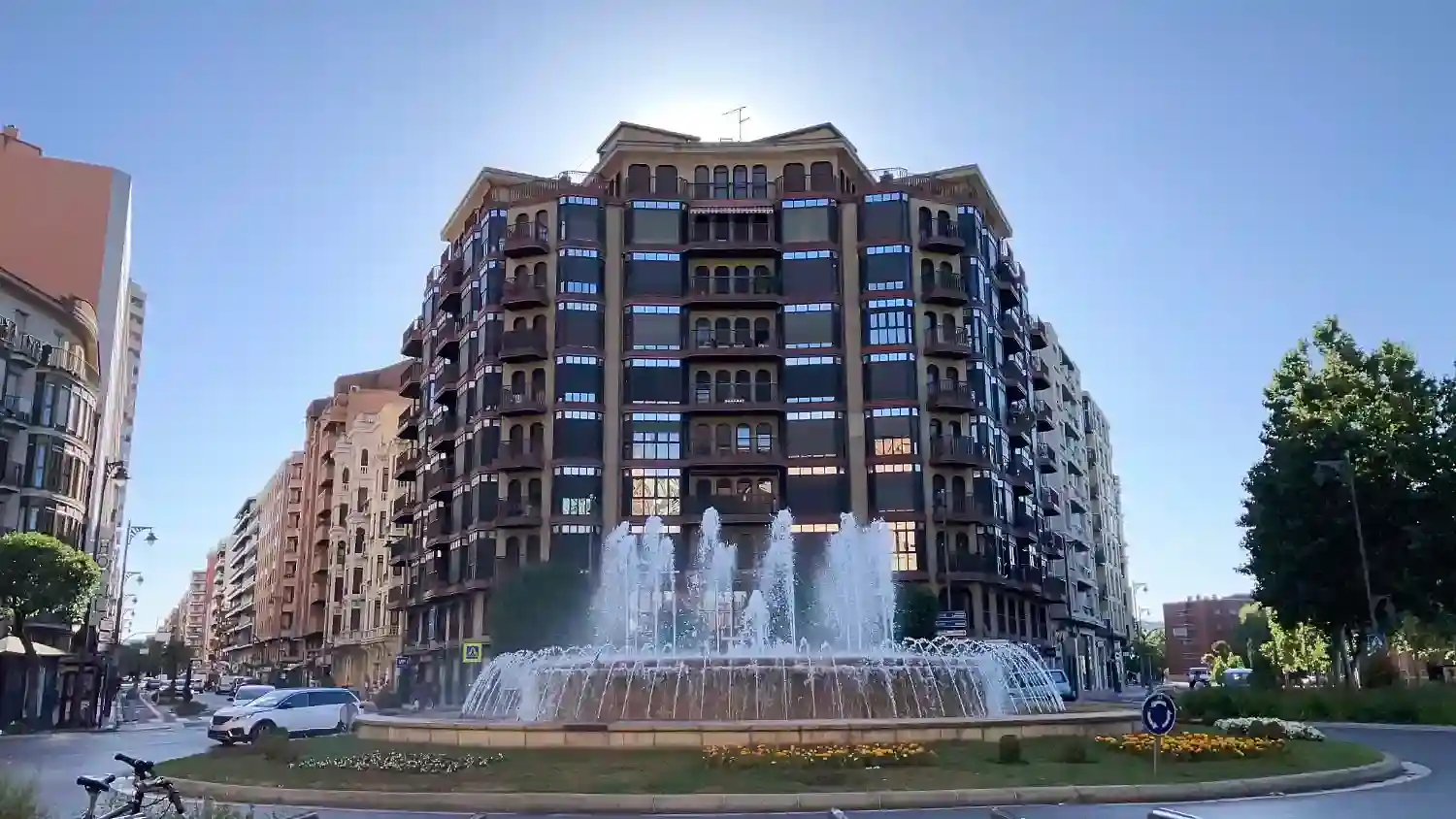
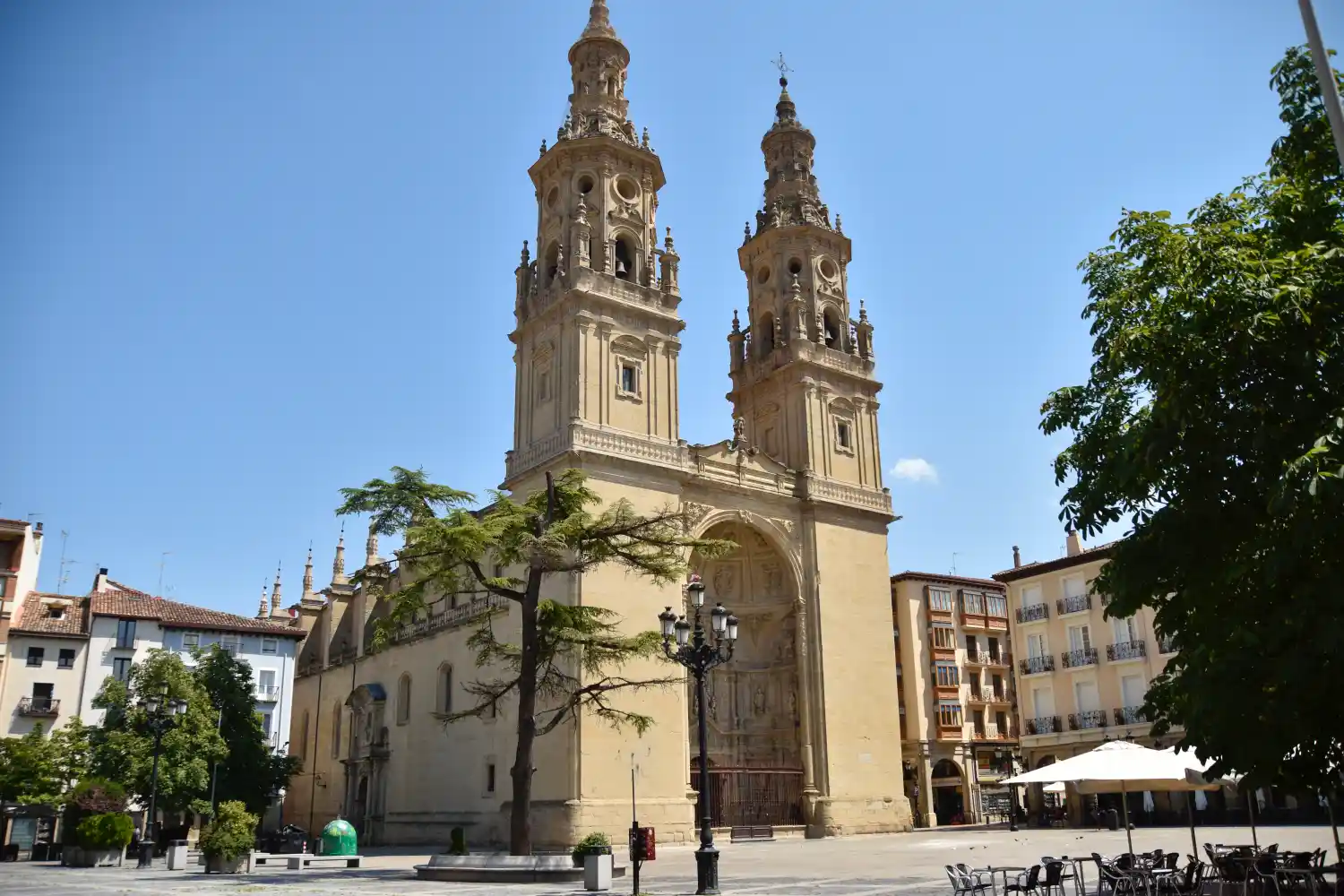
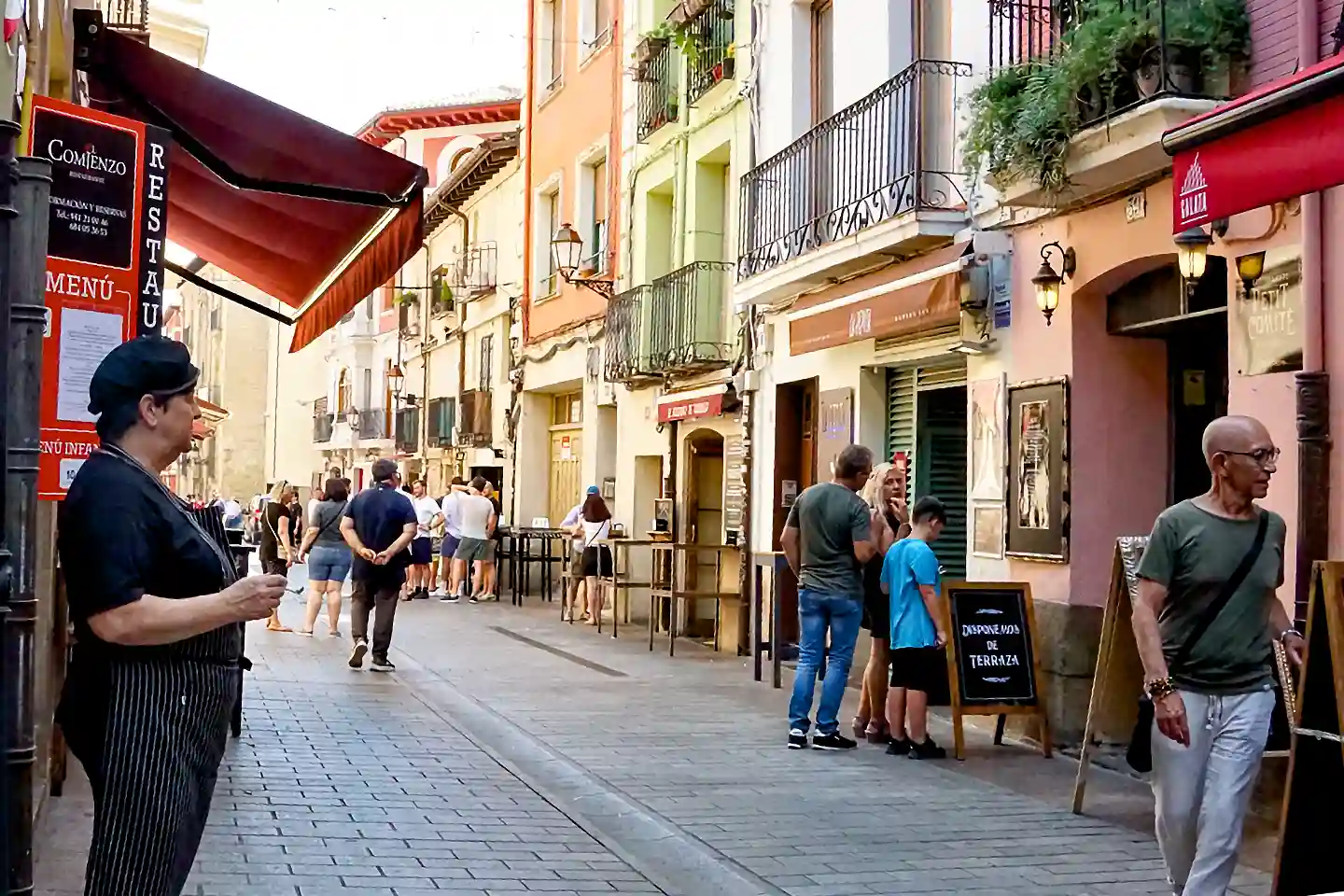
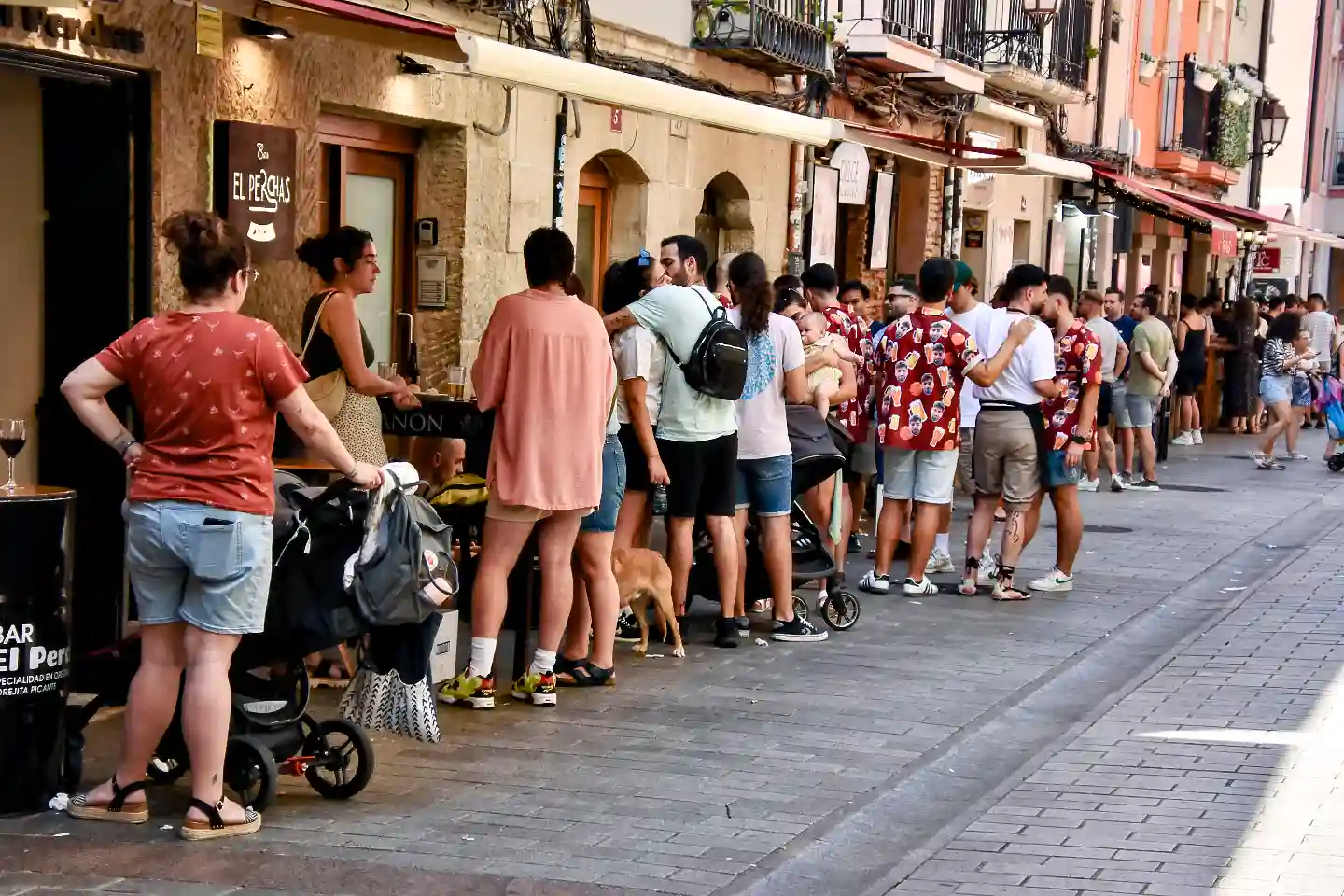
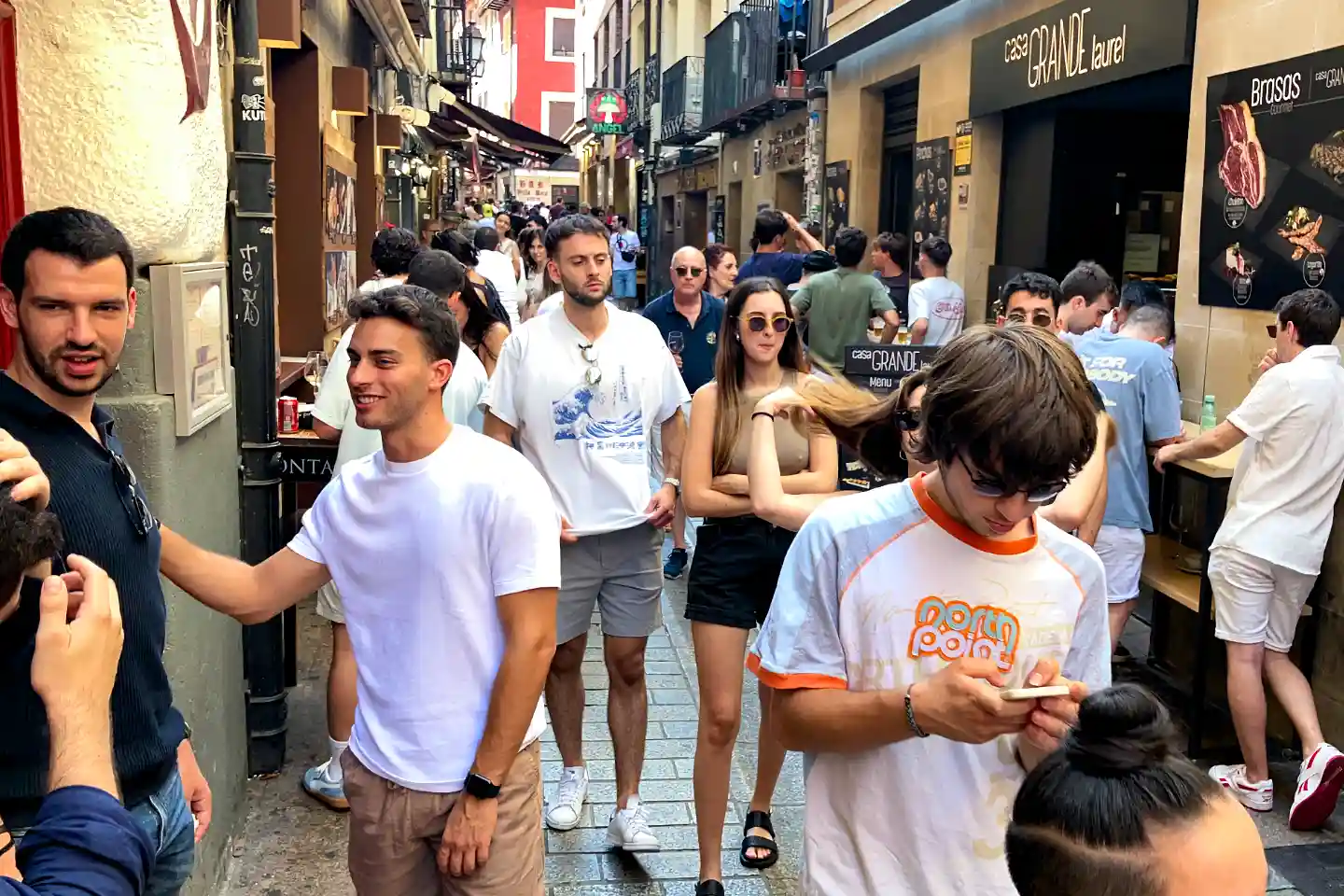
Logroño is a mid-sized town with roughly 200 000 inhabitants. Many of them working in the wine industry, growing, nursing or harvesting the grapes, transporting or manufacturing barrels, bottles etcetera. The old town here is in the center, with super narrow streets getting all clogged up in the afternoons when the bars and restaurants open.
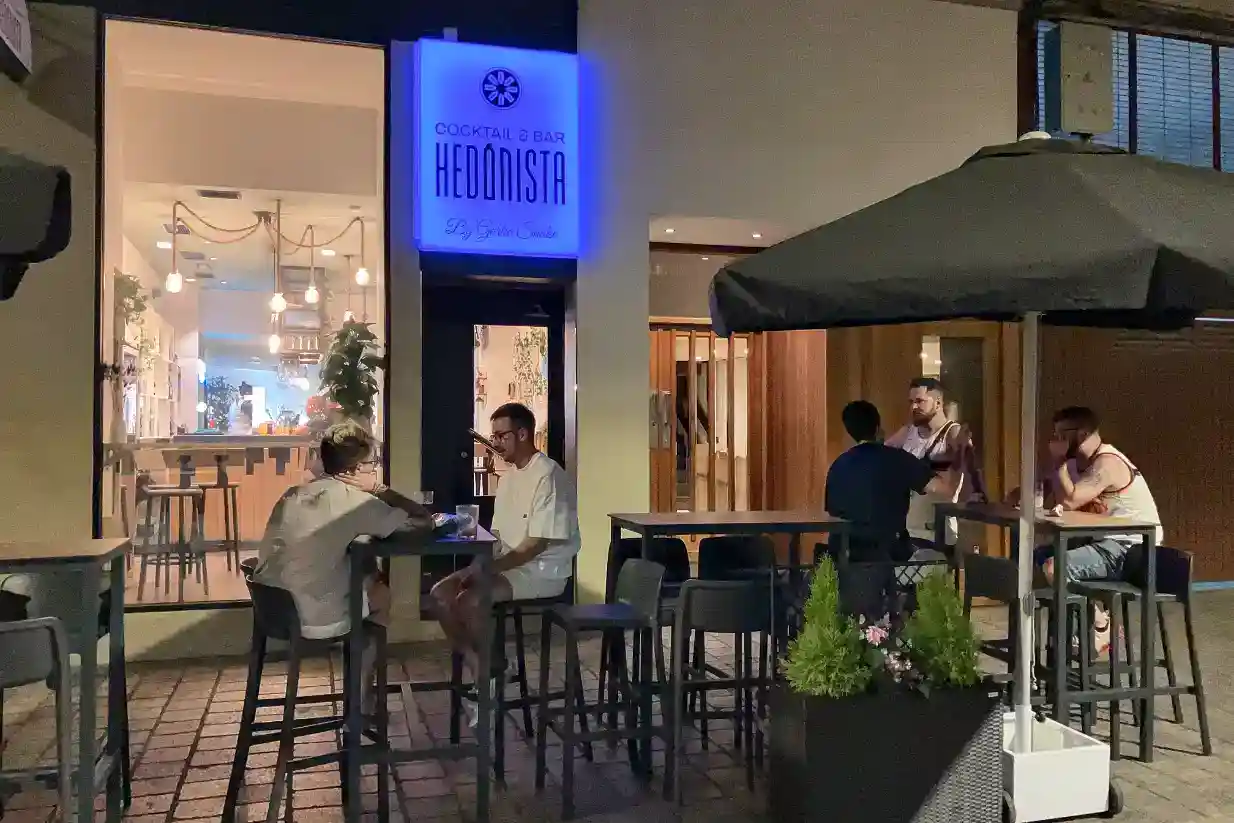
Walking back to the hotel in the evenings we find a waterhole that we will return to every night, the Hedonista bar.
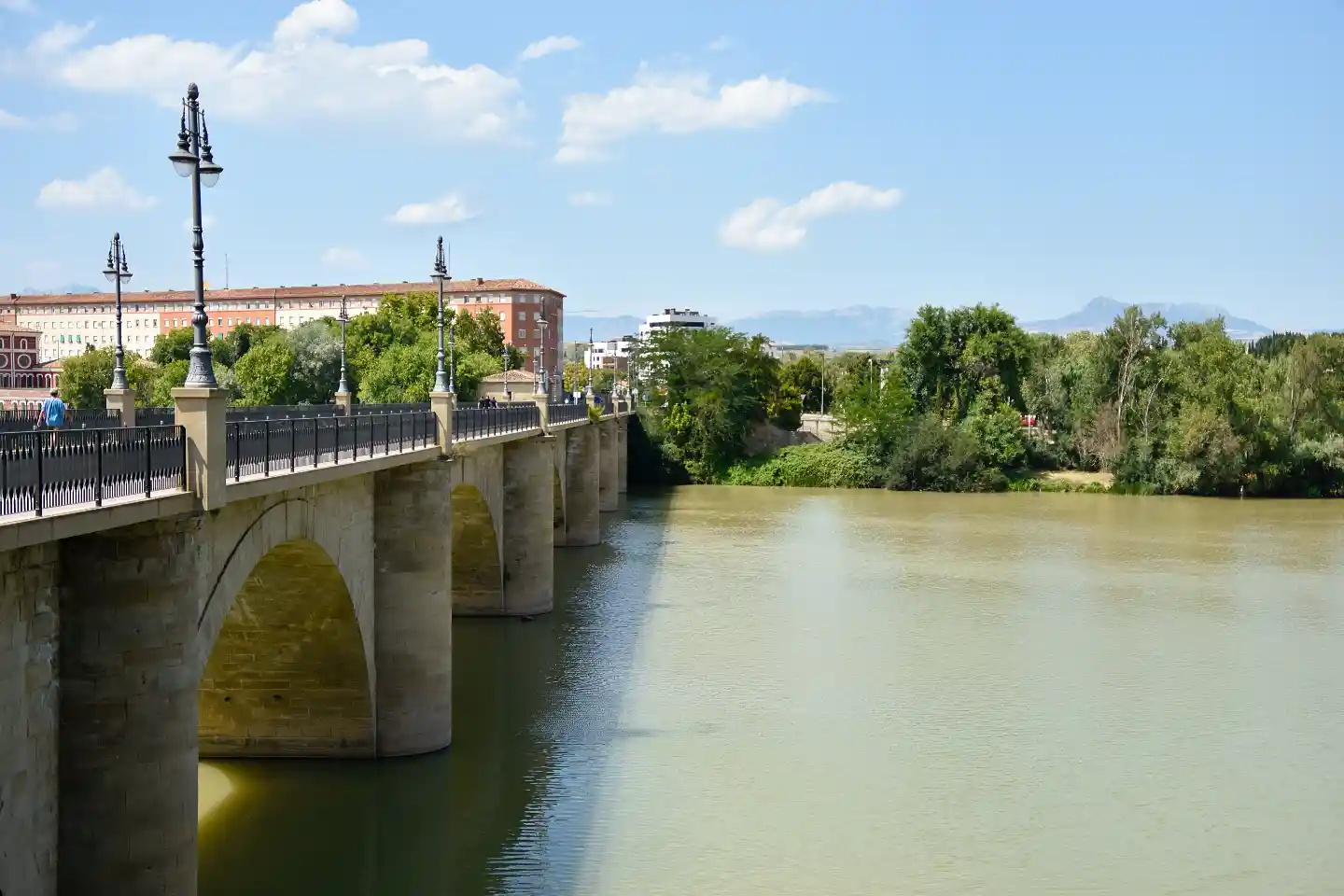
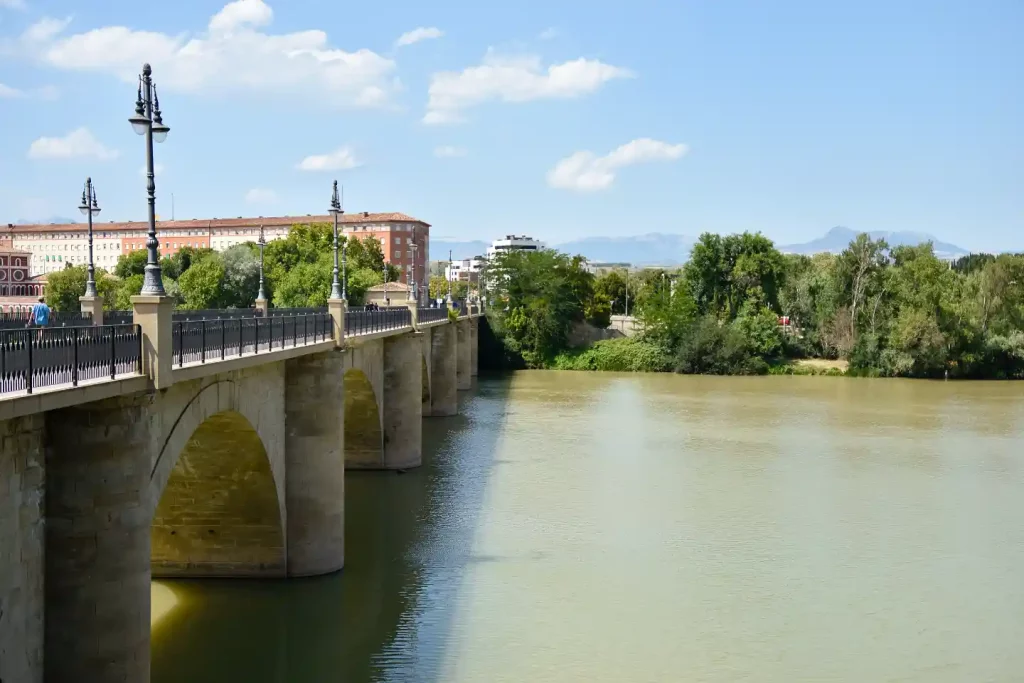
The river that flows through the city is the mighty Ebro, almost 10 000 kilometers long, the next longest in Spain. And crucial to the vine cultivation that is found everywhere, it’s very much like what we have seen in Chateau-neuf de Pape in France or in South Africa’s Stellenbosch.
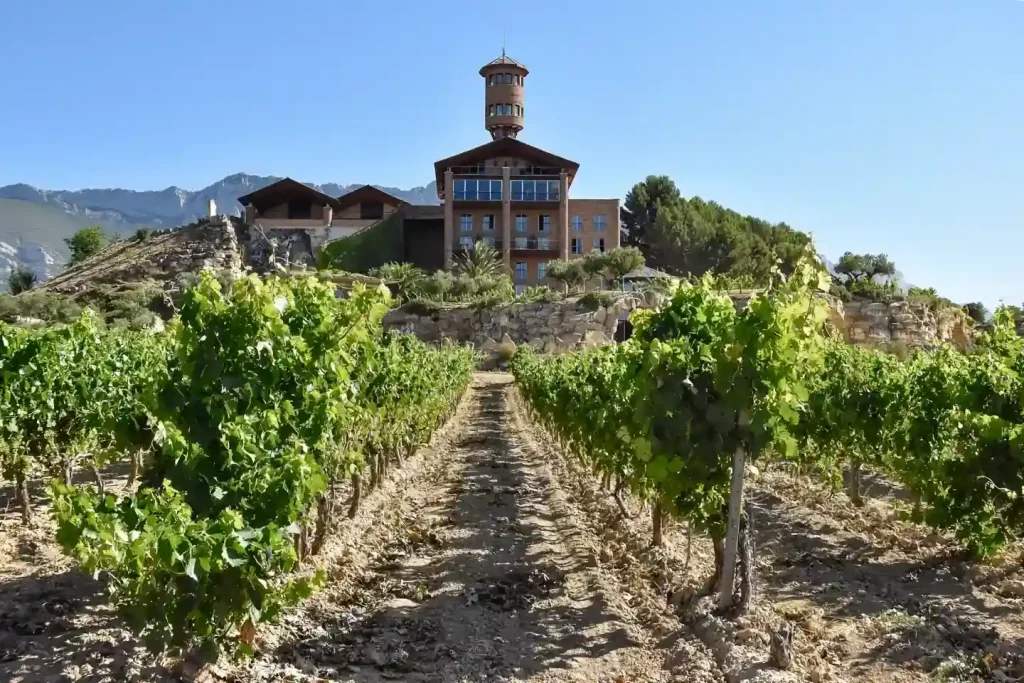
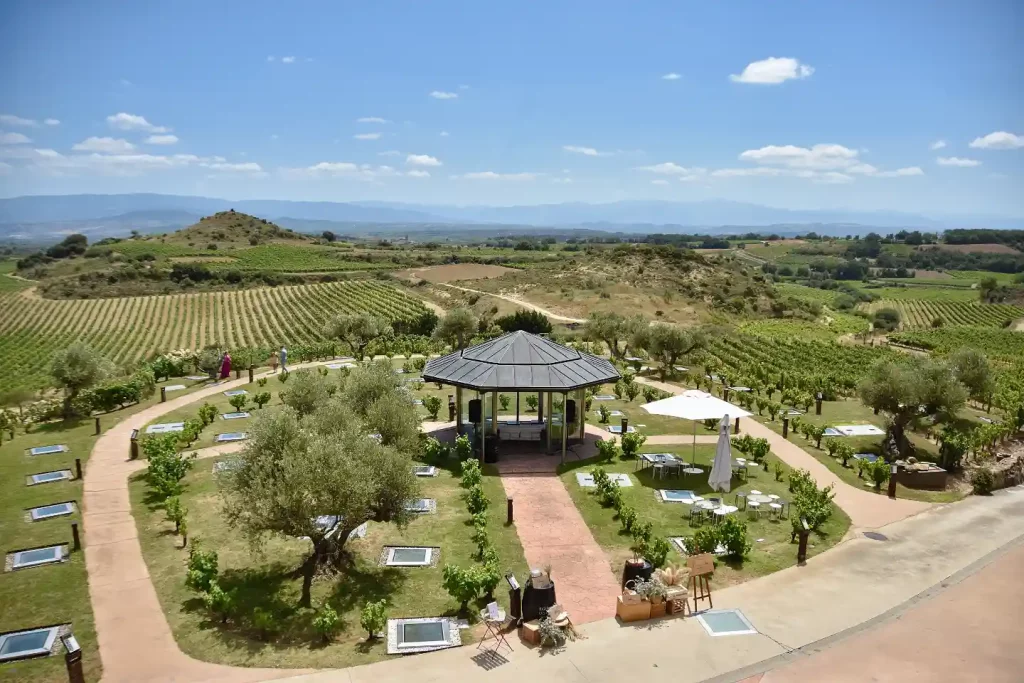
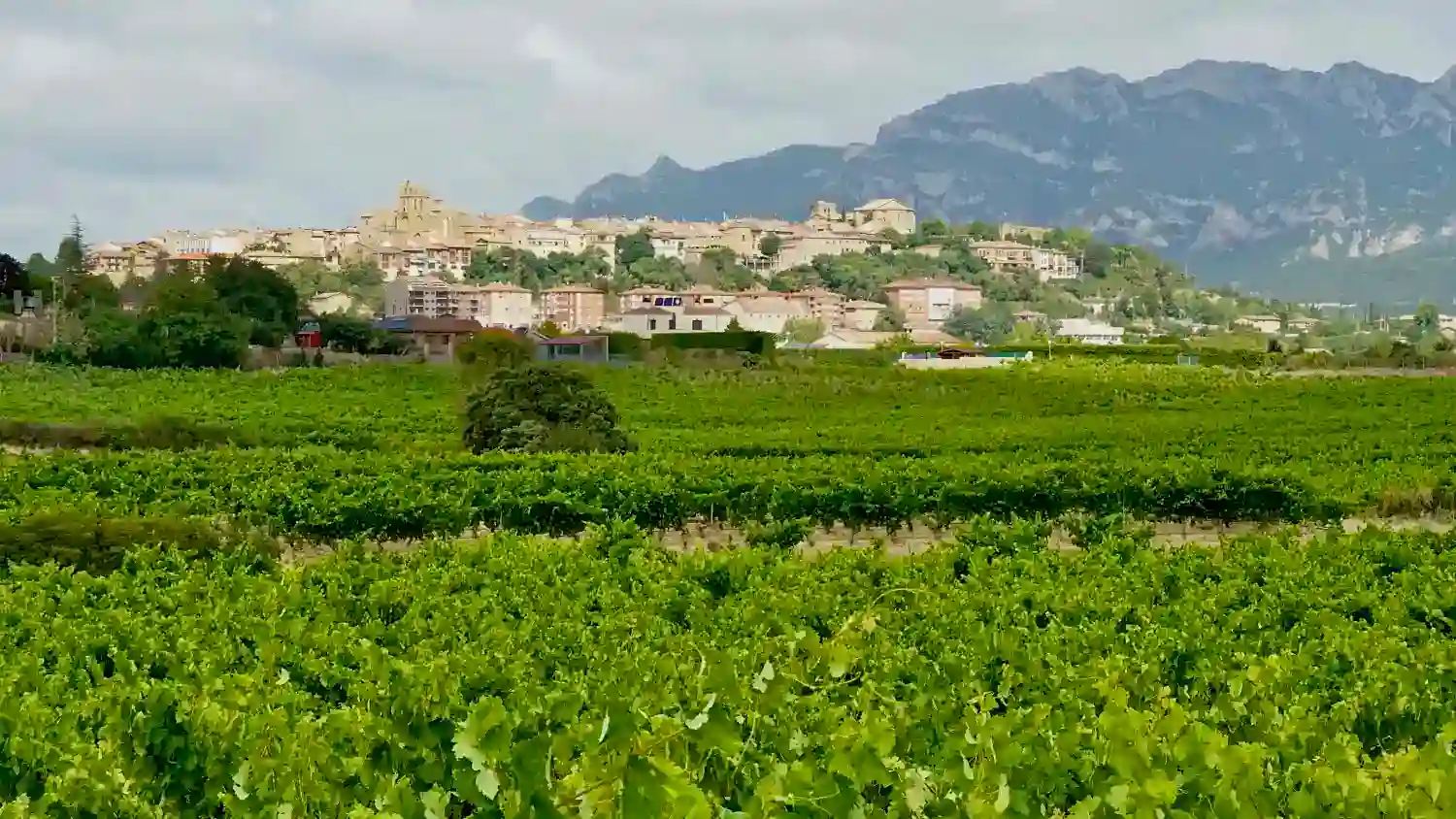
Visiting a few wine makers in Rioja we learn that production methods today can vary a bit. Which of course affects the taste. The first one, Bodega Eguren Ugarte lies on the plains below the little medieval town of Laguardia.
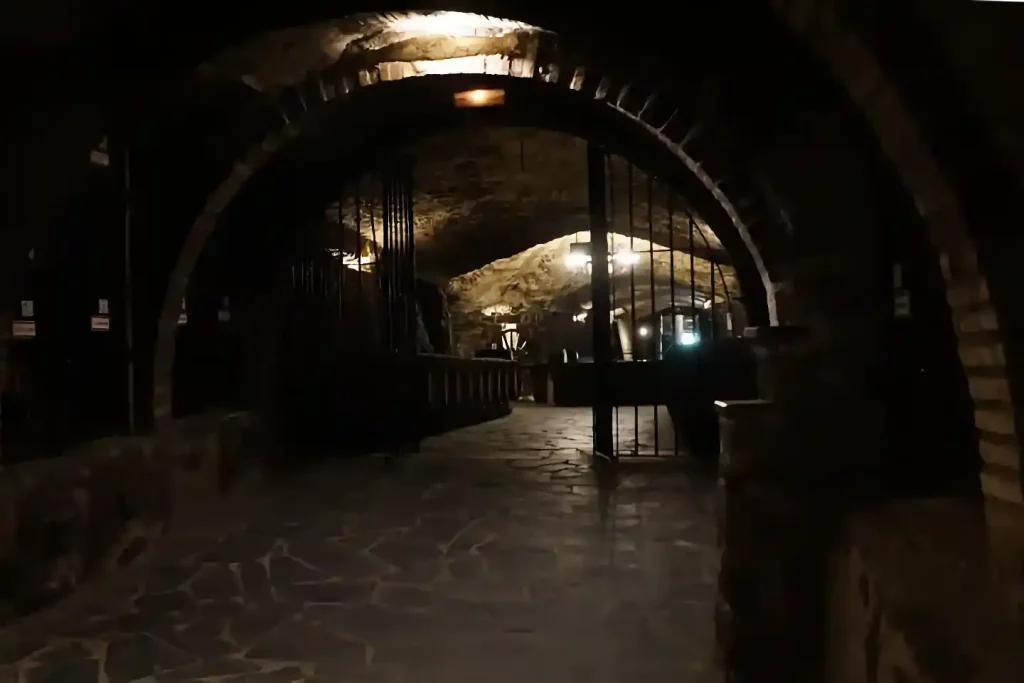
lt’s a major operation with a restaurant and lodging, and a labyrinth of wine cellars in the underlaying rock. Here wine barrels are stored to mature, but they also rent cellars out to companies and groups for personal wine collections. Unfortunately their wines don’t impress us much, too tasteless we think. .
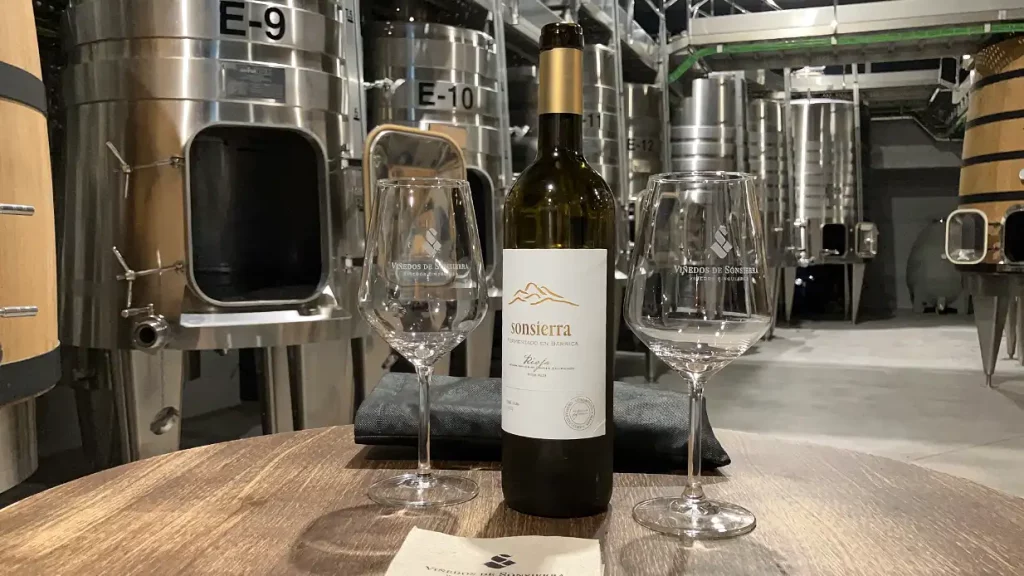
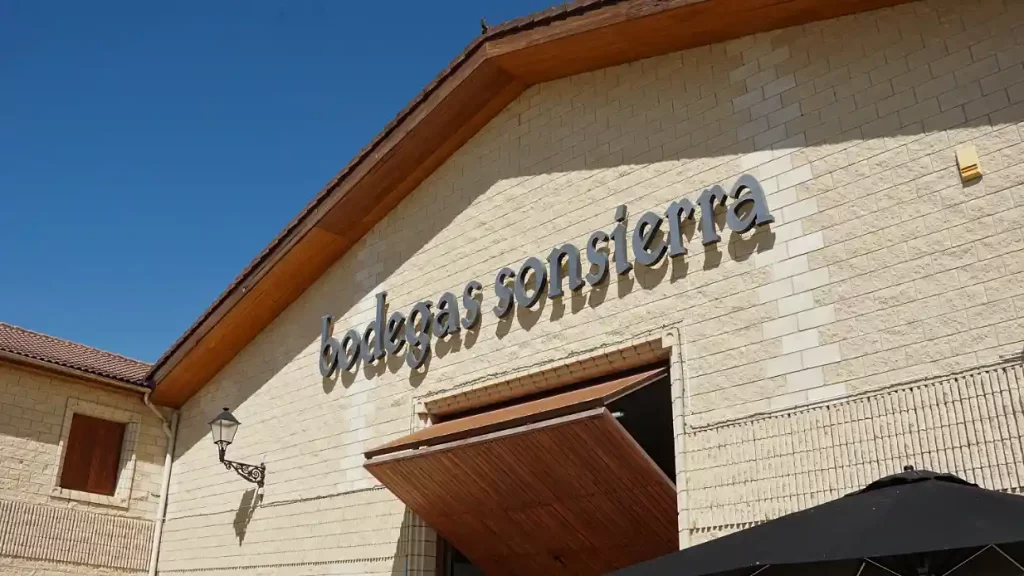
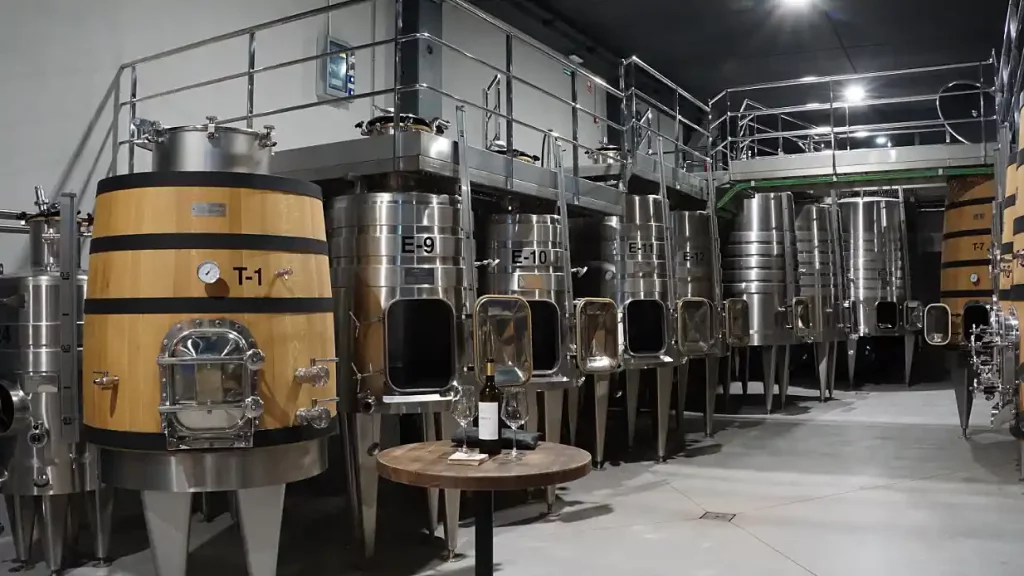
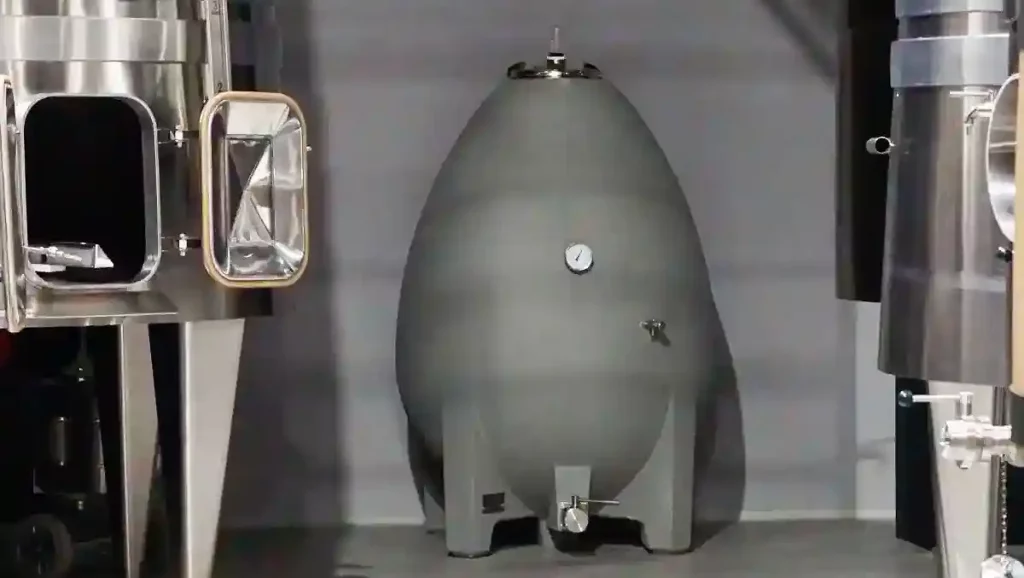
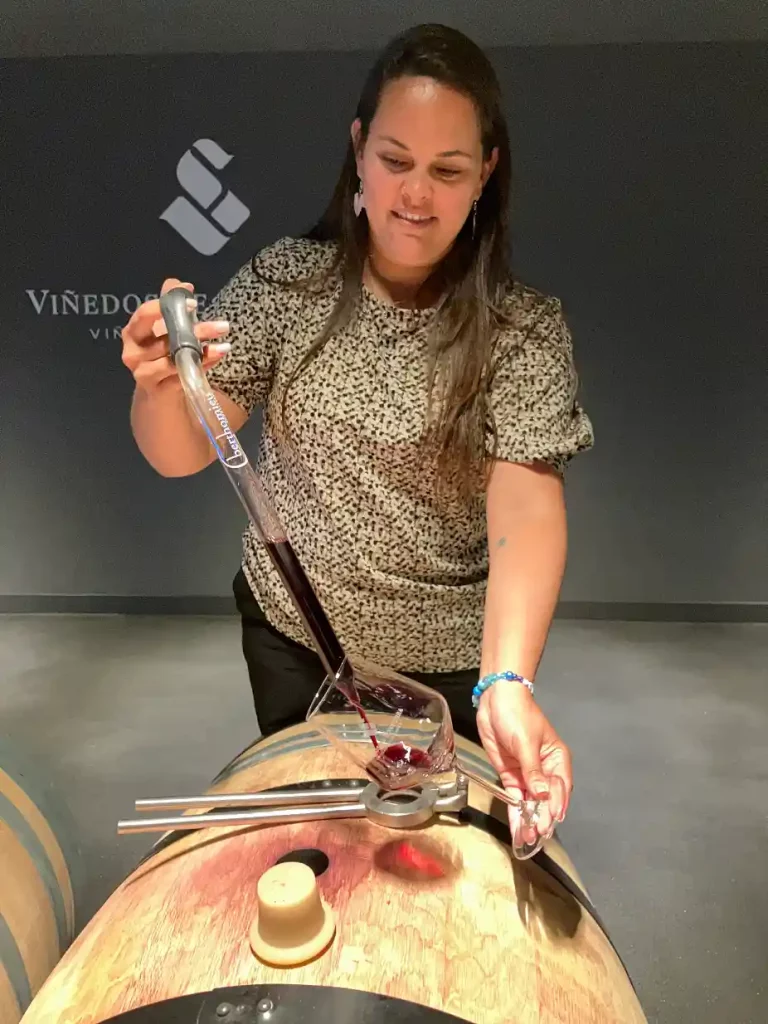
Bodegas Sonsierra is the name of a wine growers cooperative the have recently installed a shiny and technically advanced new production line. They only grow two types of grapes, tempranillo for red wine and viura for white wine. Computer controlled sensors select the grapes with the best quality for what will be produced. And among the shiny fermentation tanks we find one that looks like an over-sized japanese kamado grill. It gives the wine a very special flavour, we’re told.
Sonsierra’s philosophy is to bring out the best in each harvest. If a grower has a very successful, but small harvest, it’s not blended with other grapes, instead it’s used for a special edition. And the Sonsierra wines are great, probably the best we have tasted during our trip.
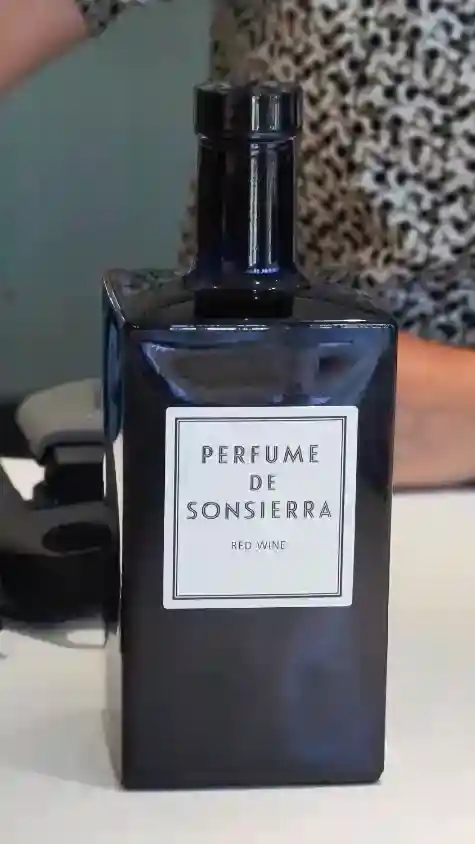
Their attention-grabber is a square bottle, like an oversized perfume bottle, filled with wine that is actually called “Perfume de Sonsierra”.
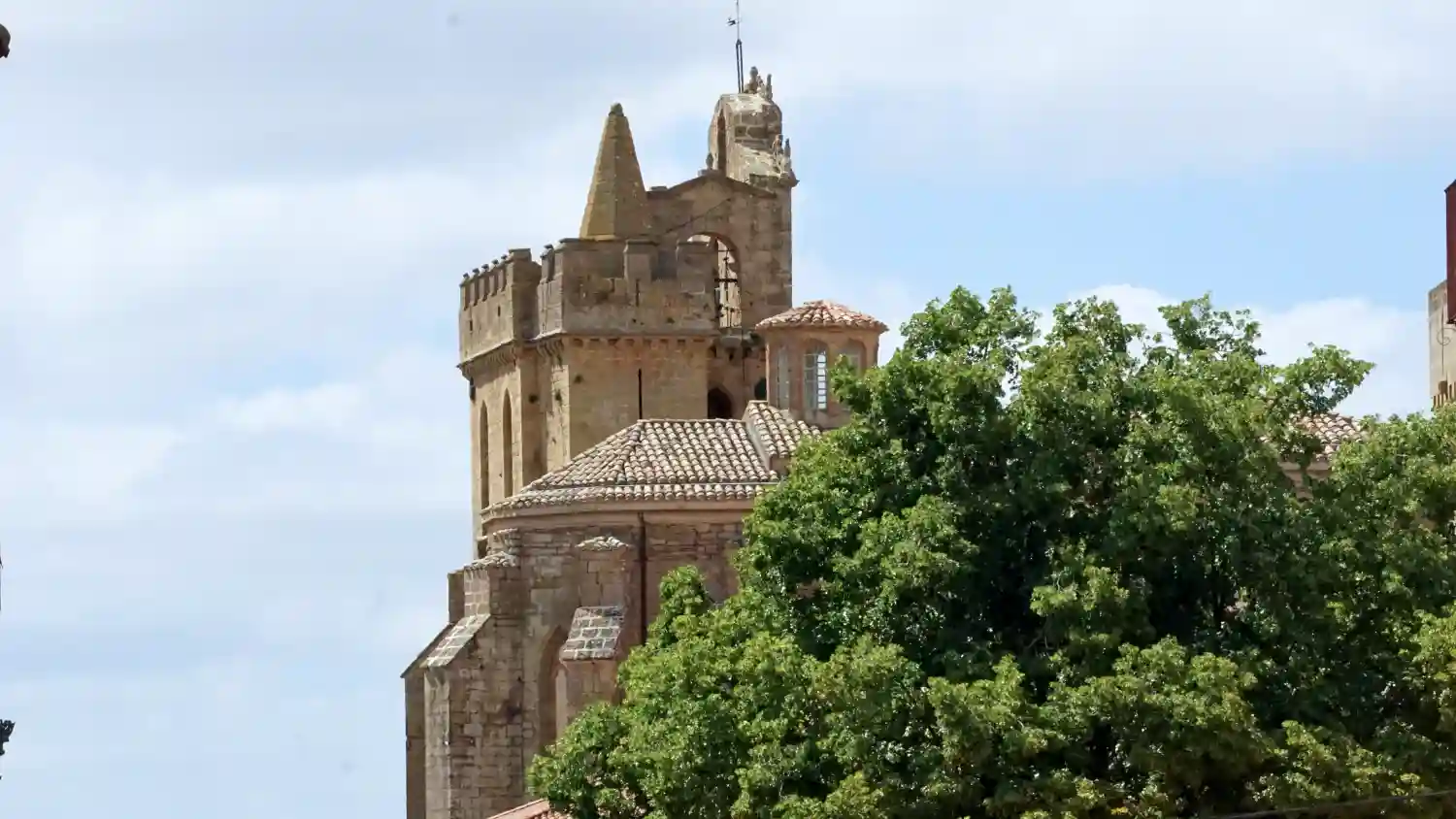
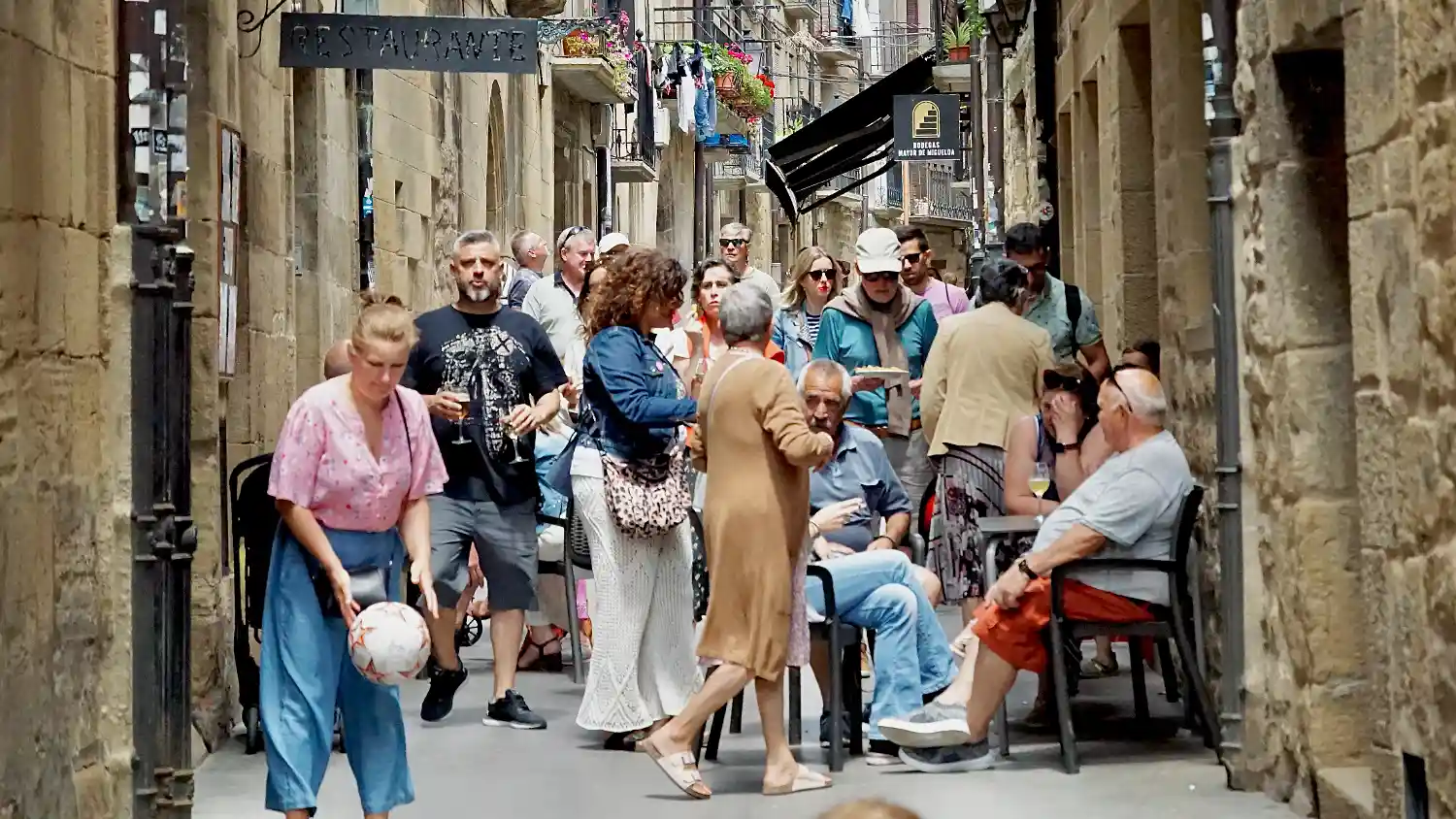
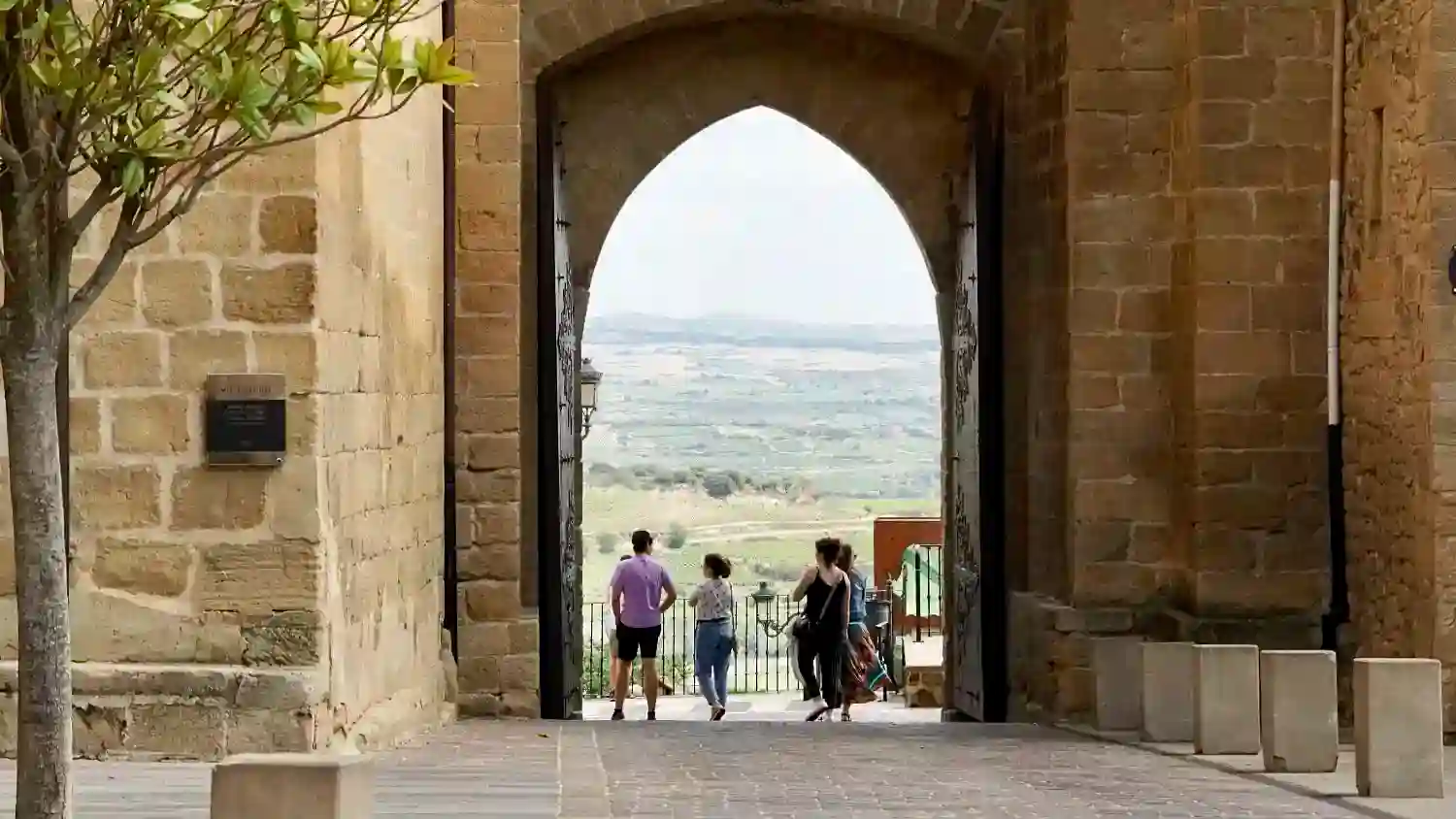
We return to Laguardia a town that sits ot top of a hill surrounded by strong defence walls. A reminder of the long period of battles fought out between the kings of Castile and the kings of Navarra. Laguardia is well preserved and its historical vibe is strong when you walk its narrow streets where the doors still look medieval.
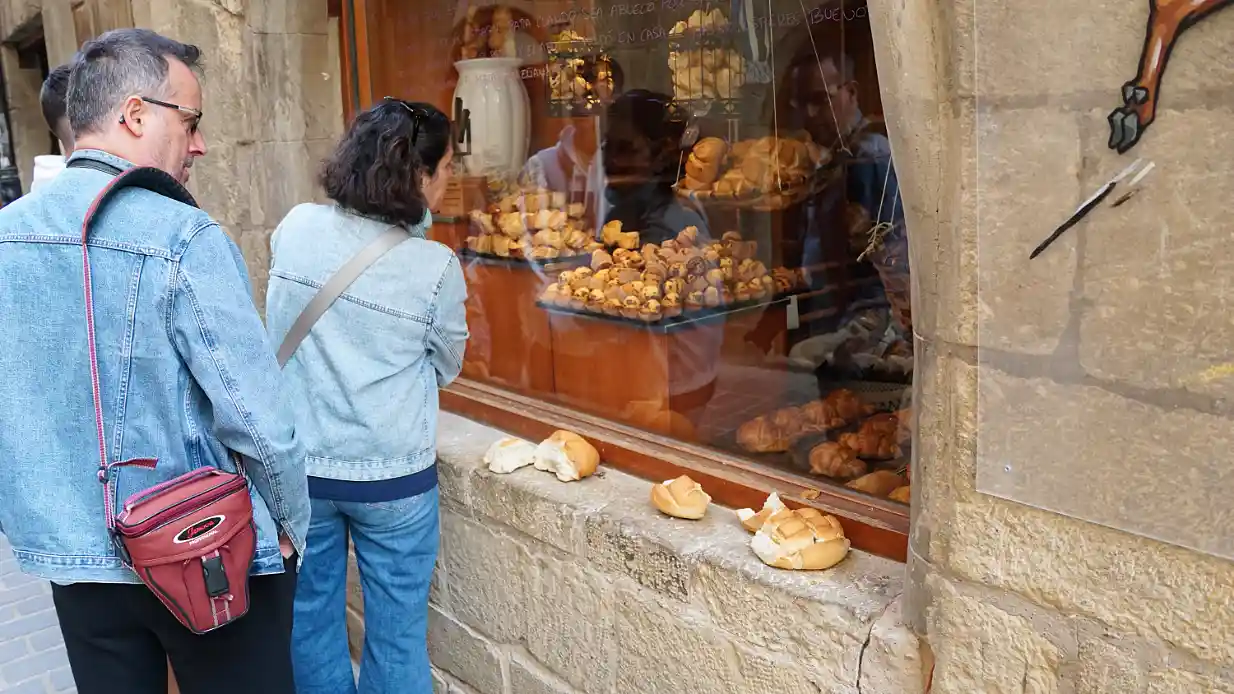
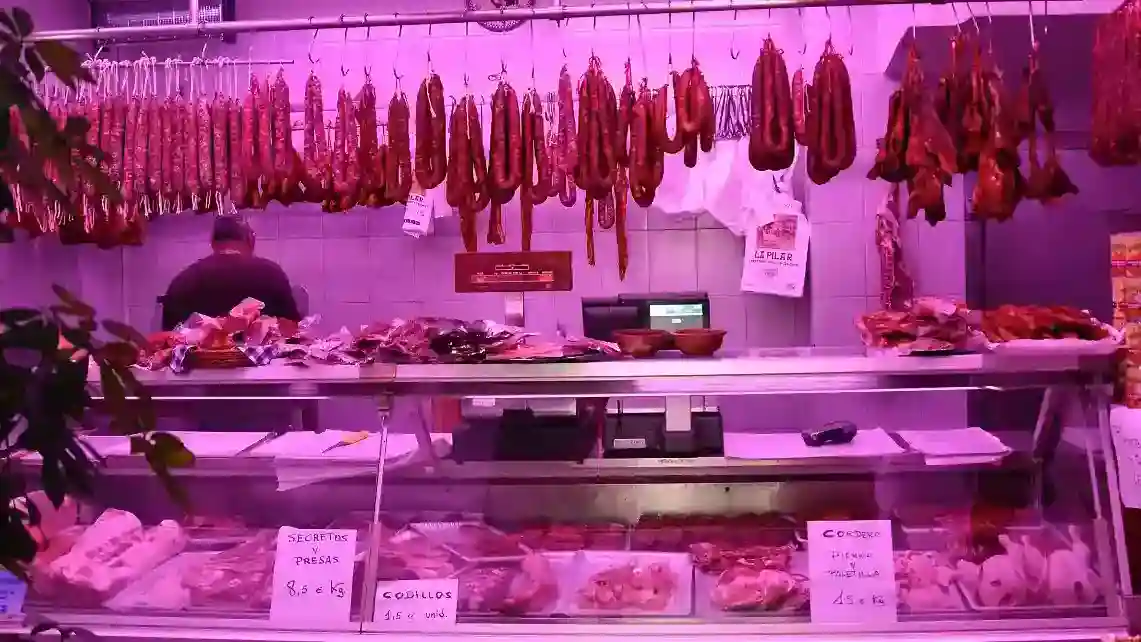
But time does not stand still, not even here. By lunchtime people have poured in from all around and the streets are full of life. Shops and taverns open, a quartet of young musicians play in a square and guided tourist groups rush around. The bakery has put some samples on the windowsill and the butcher’s shop is illuminated with violet light. It’s a magic atmosphere.
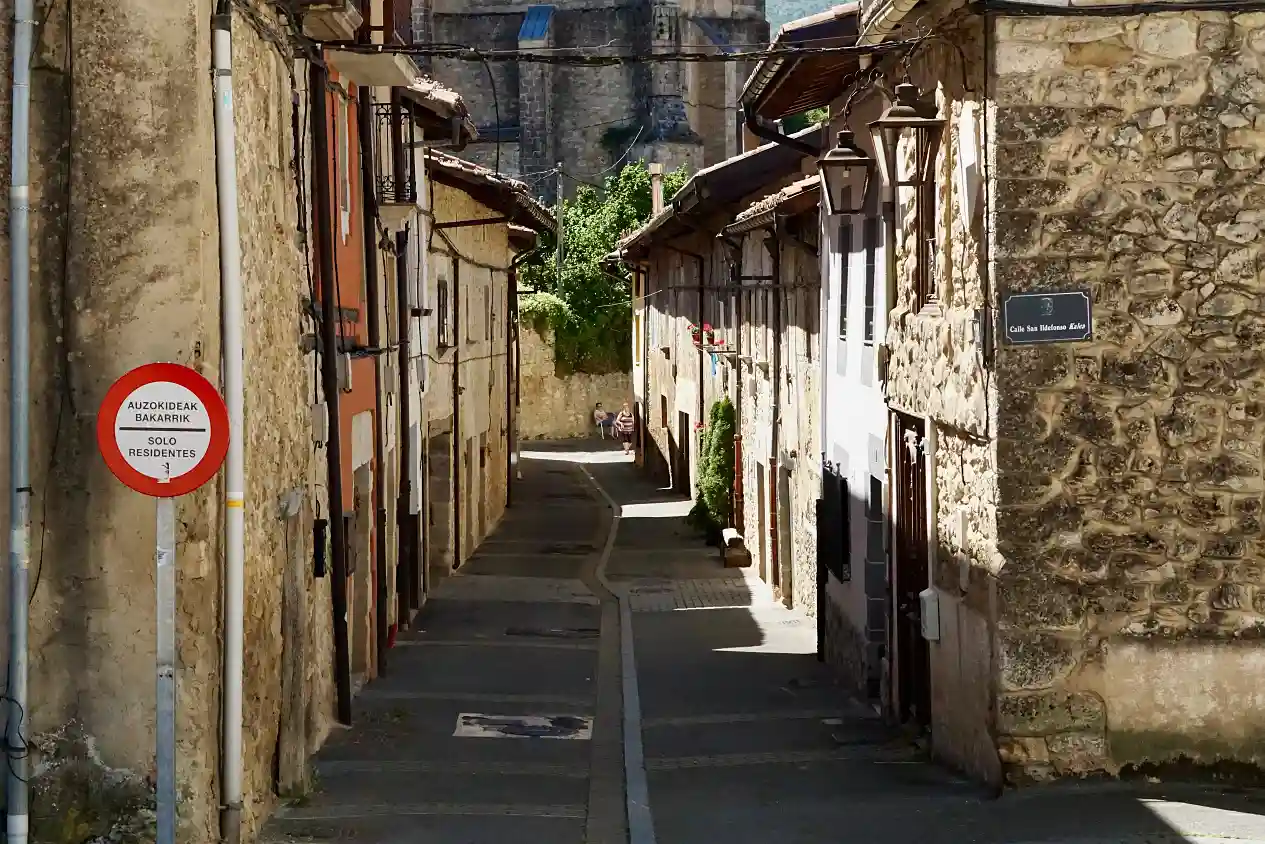
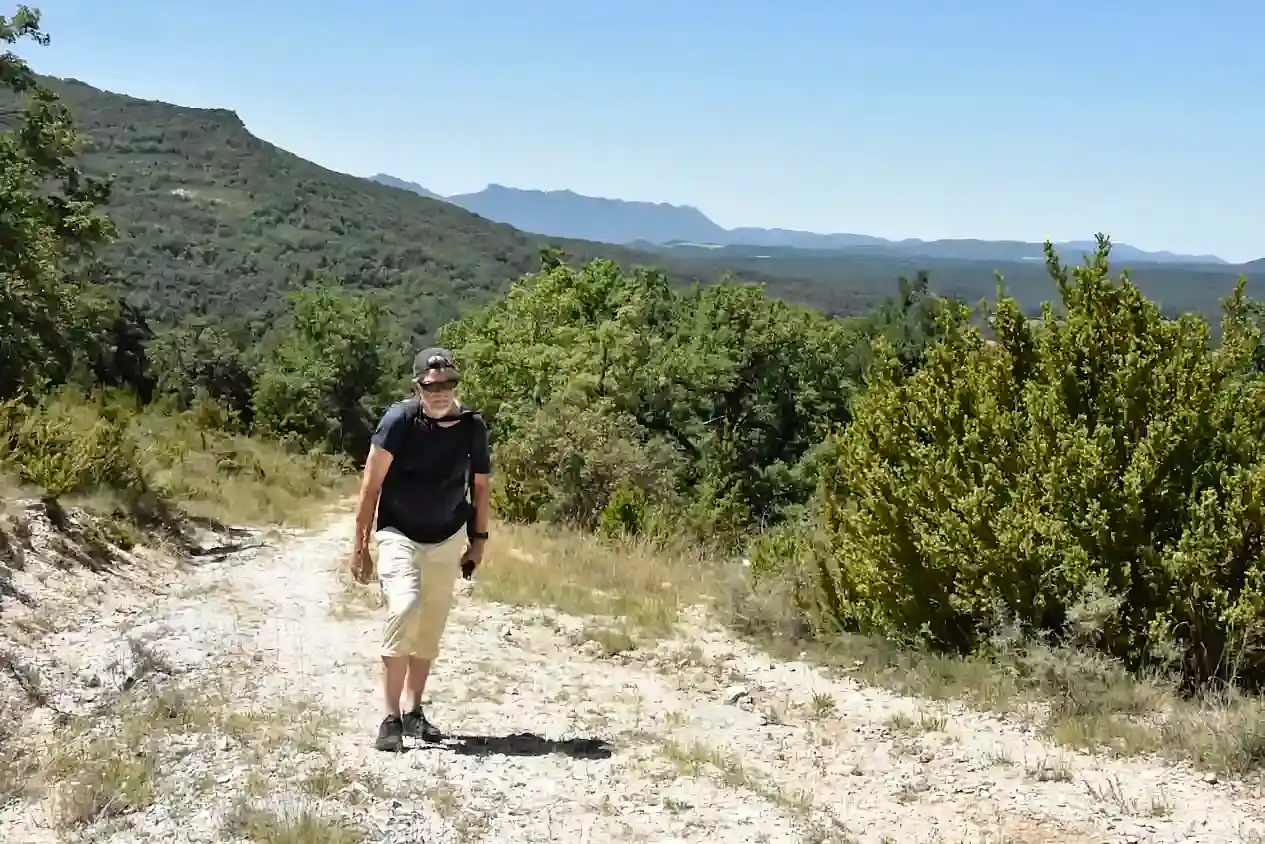
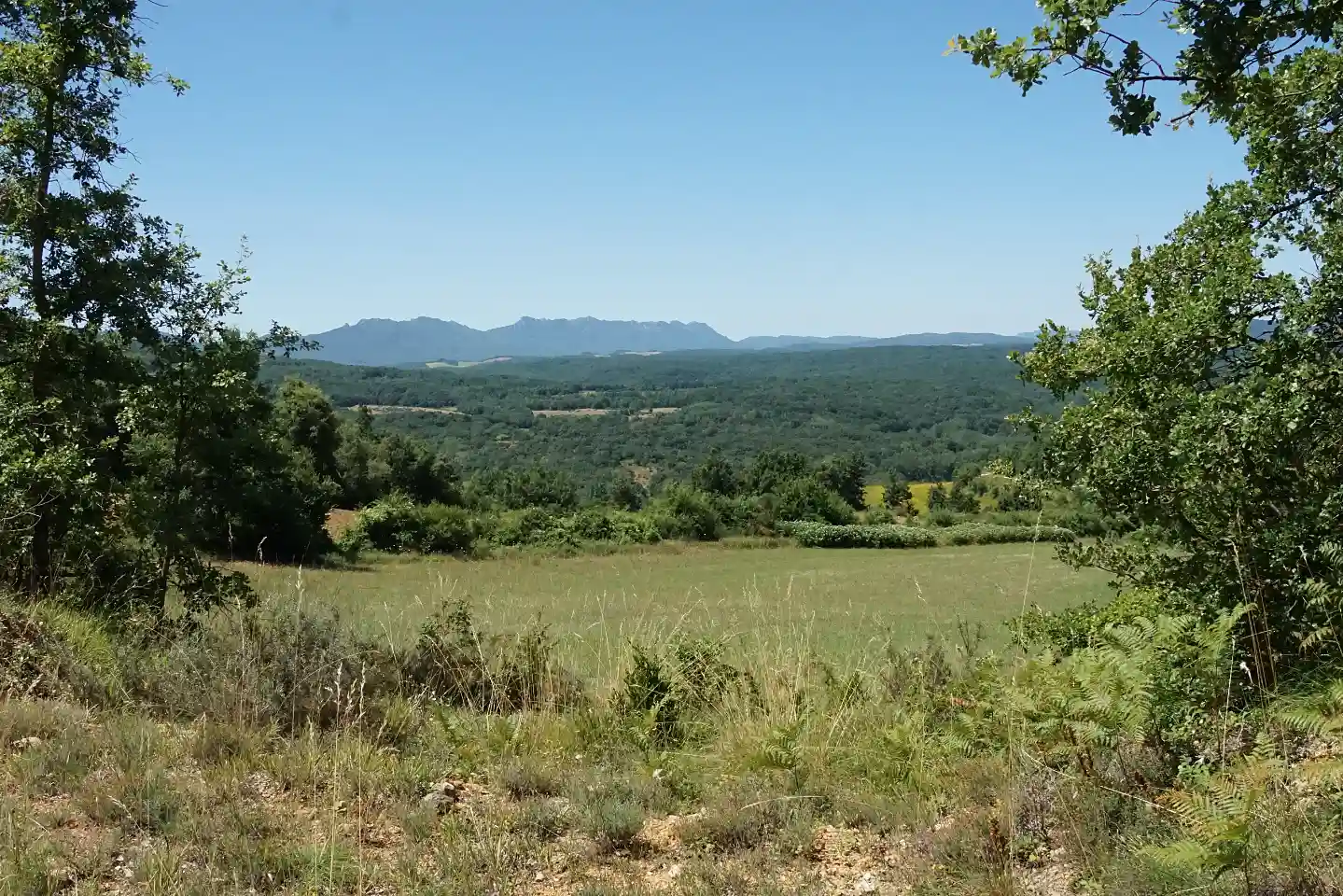
It’s a beautiful day and we enjoy a hike in the big national park “Izki” a few miles northwest from Logroño. Within the park there are big forests, high mountains and deep valleys. It’s sparsley populated and has lots of hiking trails. Most of them start in the village of Korres, a place so small their “main street” is too narrow for most cars.
We walk a couple of kilometers over a mountain and return to Korres from the opposite side. The only people we see are two park rangers. It’s peaceful and so nice.