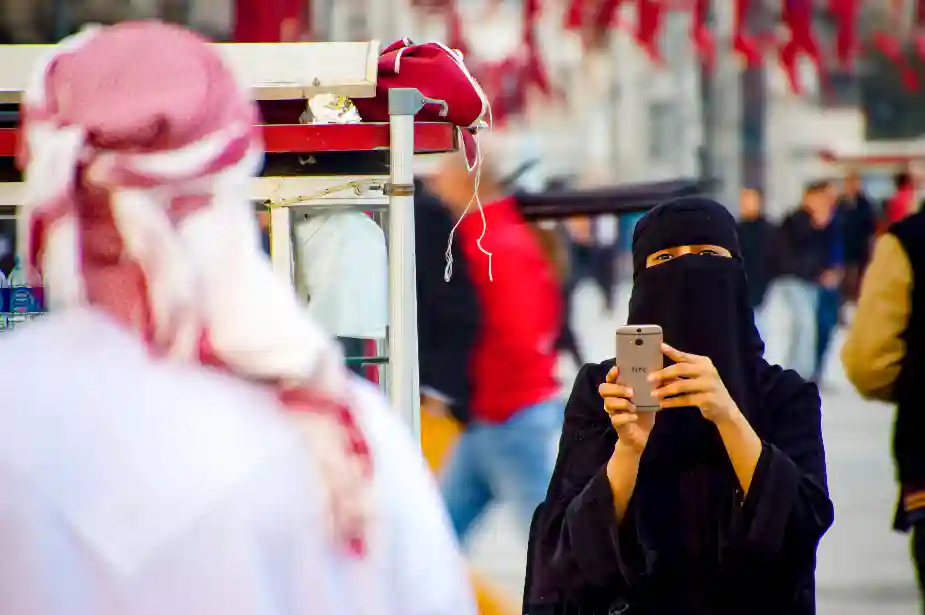
Istanbul is a city like no other, packed with exciting history, dramatic power struggles, magnificent buildings, wonderful food and surprises just around any corner. I hadn’t been there before, but it was luck that we went there when we did. Today you may think twice, due to the increasingly autocratic president and the islamization in Turkey.
Our hotel, Aslan, is in the south-east part of Fatih, the area behind the Blue mosque where there are lots of small hotels and restaurants. It’s perfectly located, from here you can reach a lot of interesting places on foot.
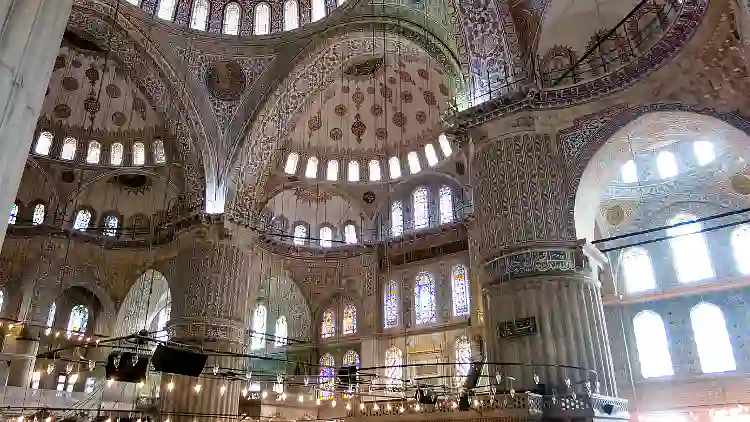
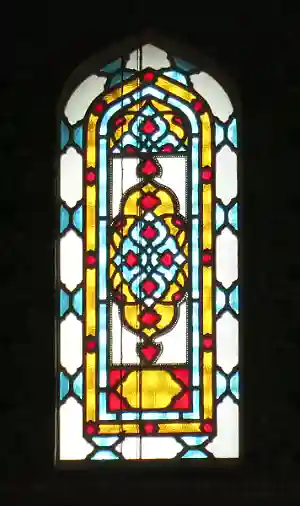
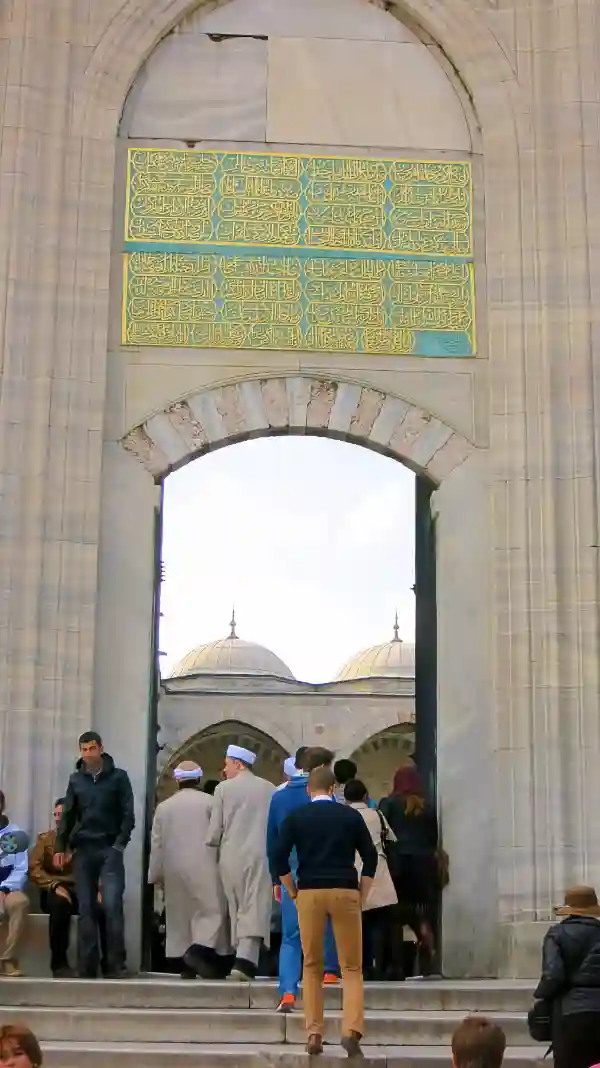
We start off with the Blue mosque or Sultan Achmet which is its true name, after the sultan who had it built. It’s one of the biggest mosques in Istanbul and the one most accessible for tourists (and non-muslims). Built in the first part of the 1600’s, it’s truly gigantic. And the famous blue mosaic decorating the walls is amazing.
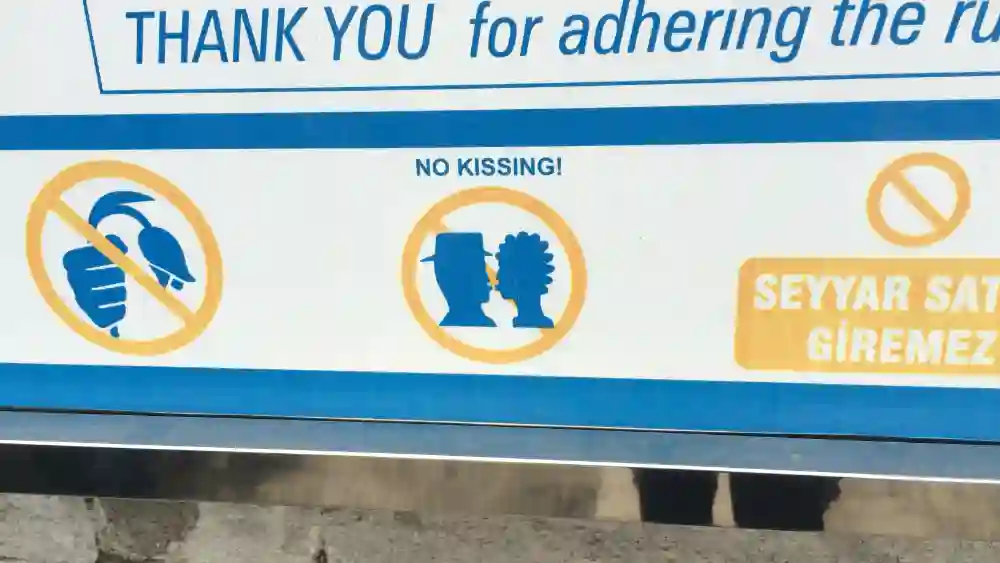
As a visitor you have to follow the common rules for islamic sanctuaries, wear long-legged trousers, women must cover hair and shoulders. Take no photos during prayers, and perhaps a bit surprising – no kissing!
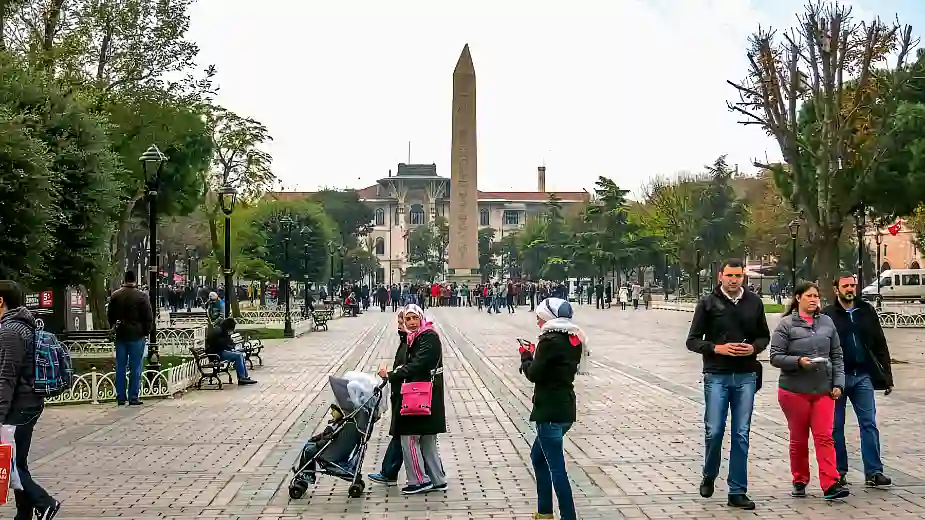
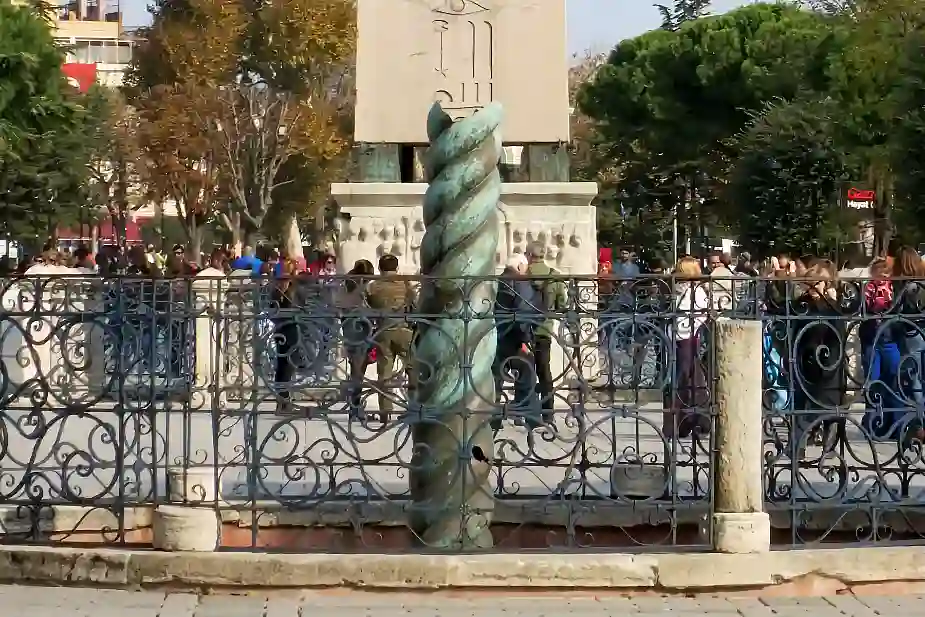
Most tourists probably do a triple here – the Blue mosque, the Hippodrome and Hagia Sofia are all found in the same neighbourhood. The Hippodrome is an open space in front of the Blue mosque that in Roman times was an arena for horse racing with chariots. Some of the runway’s features are still visible, like the obelisks.
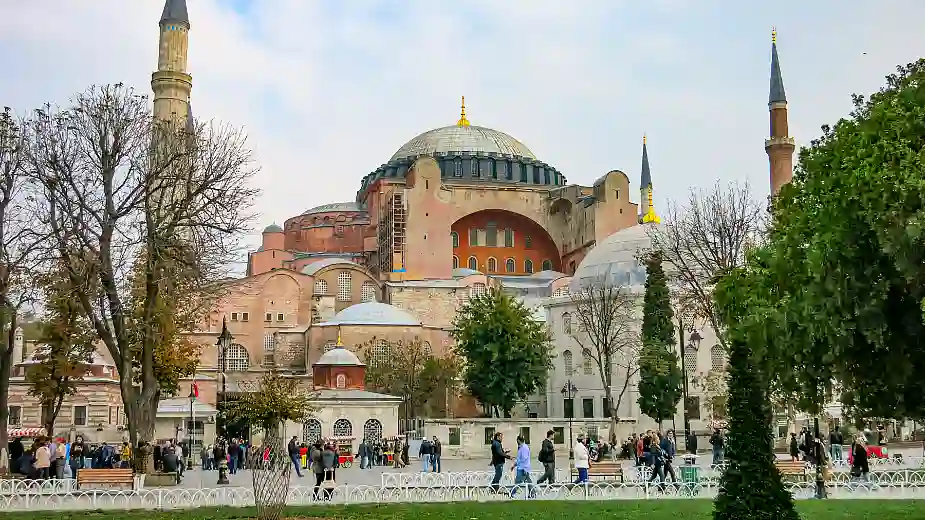
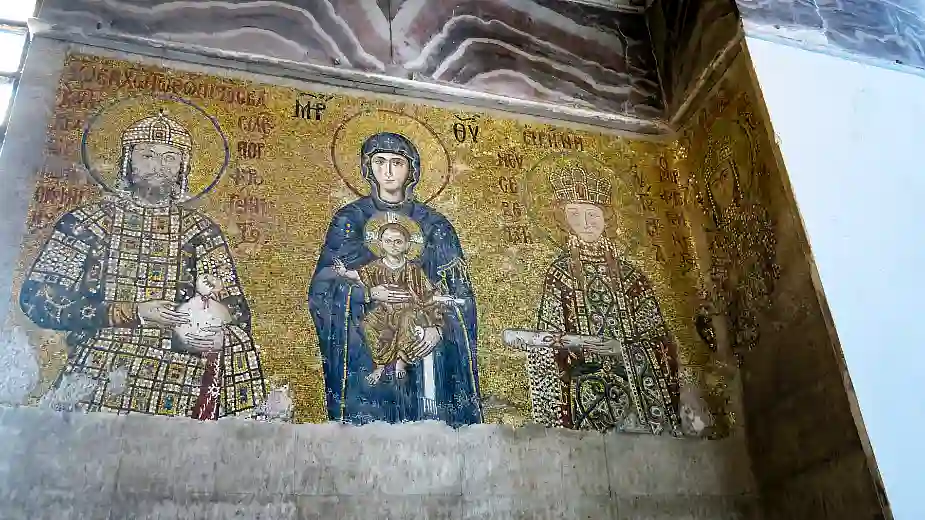
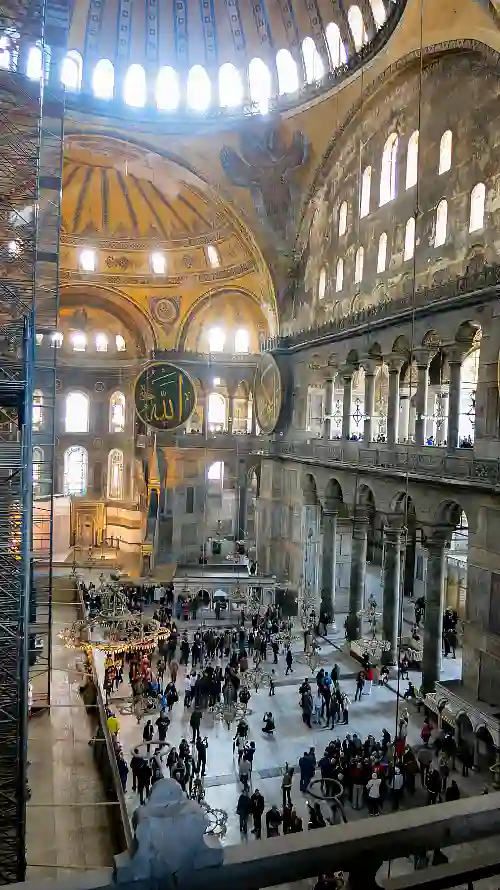
Hagia Sofia (Ayasofya in Turkish) has the outside features of a mosque, and sure enough, it once was*). But it was built as a Christian basilika in the Byzantine era and was later rebuilt by the ottoman conquerors. Surprisingly many of the christian features were spared, among them astonishing mosaic predominantly seen on the upper galleries.
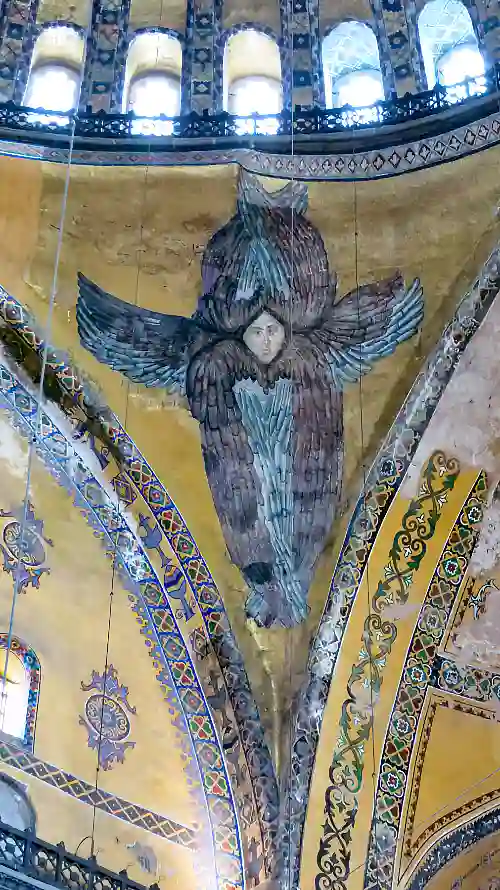
Hagia Sofia was transformed into a museum by Kemal Atatürk in 1934, and still displays both islamic and christian features. Among the latter the paintings of four so called Serafs, angels with six wings painted on the arches under the main cupola. The interior has mindtwisting dimensions, amazingy it was built in the 600th century.
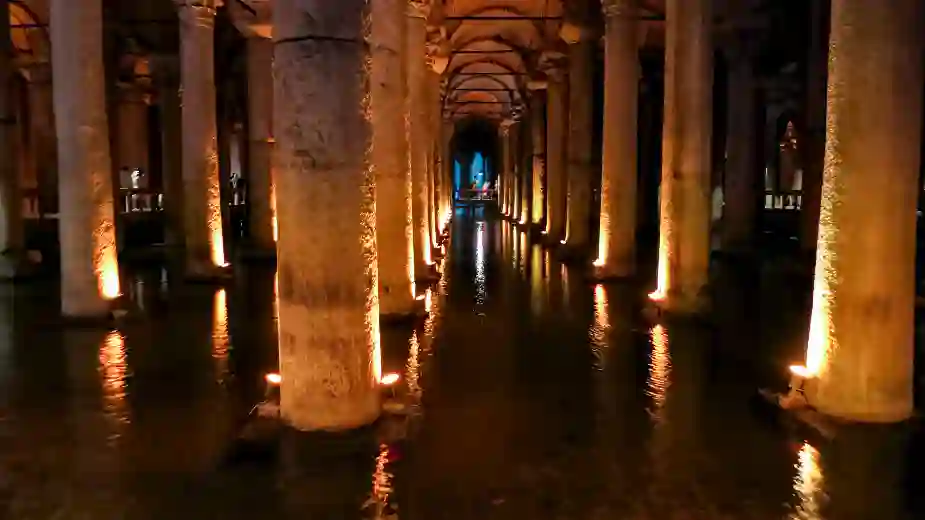
There is a fourth piece of old history not far from here, but to find it you have to go under ground. The Romans in their time built large cisterns, water tanks for the city in case of a siege. The Basilika cistern is the largest, so you’ll most likely have to do some queuing to enter. It’s kind of a ghostly atmosphere down here, fish swim in the clear waters and the roof is supported by no les than 336 marble pillars.
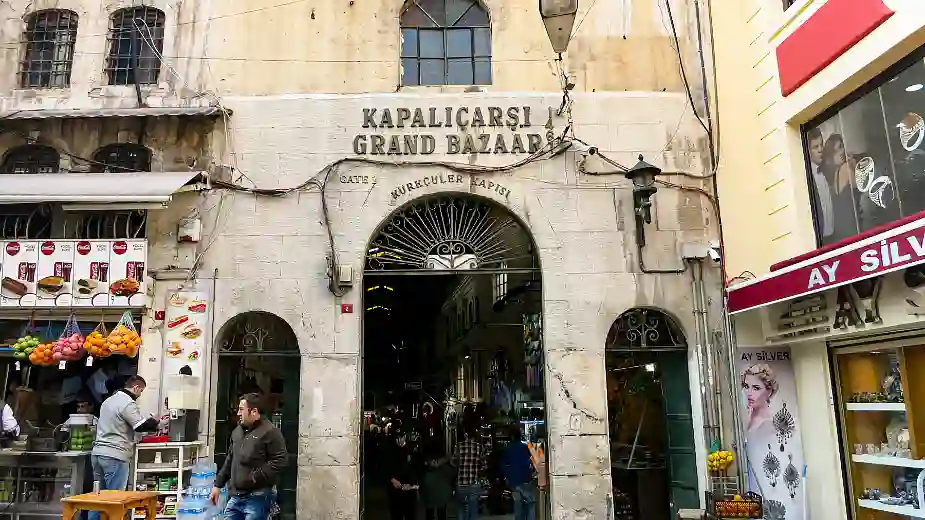
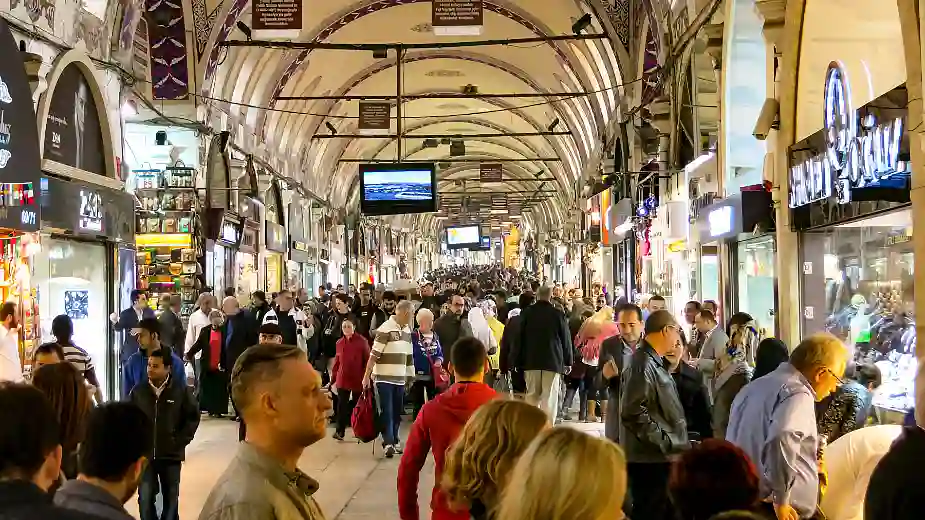
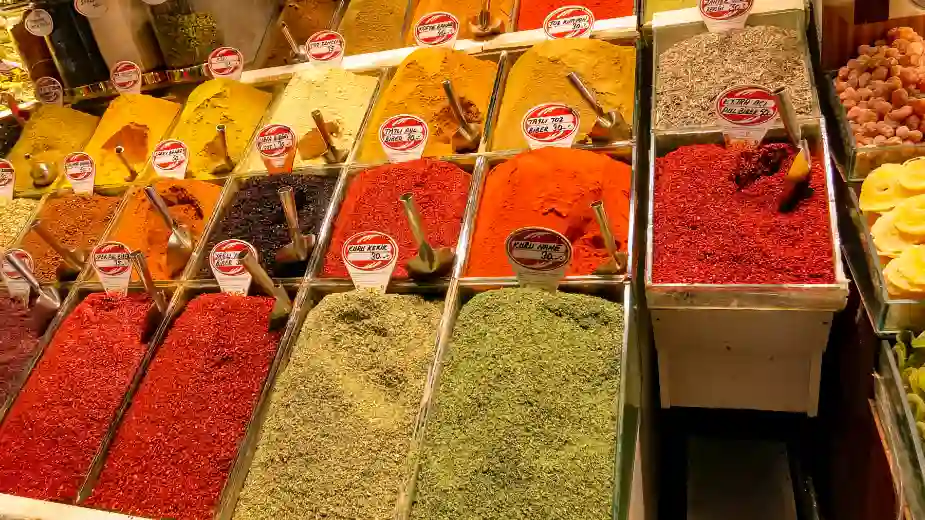
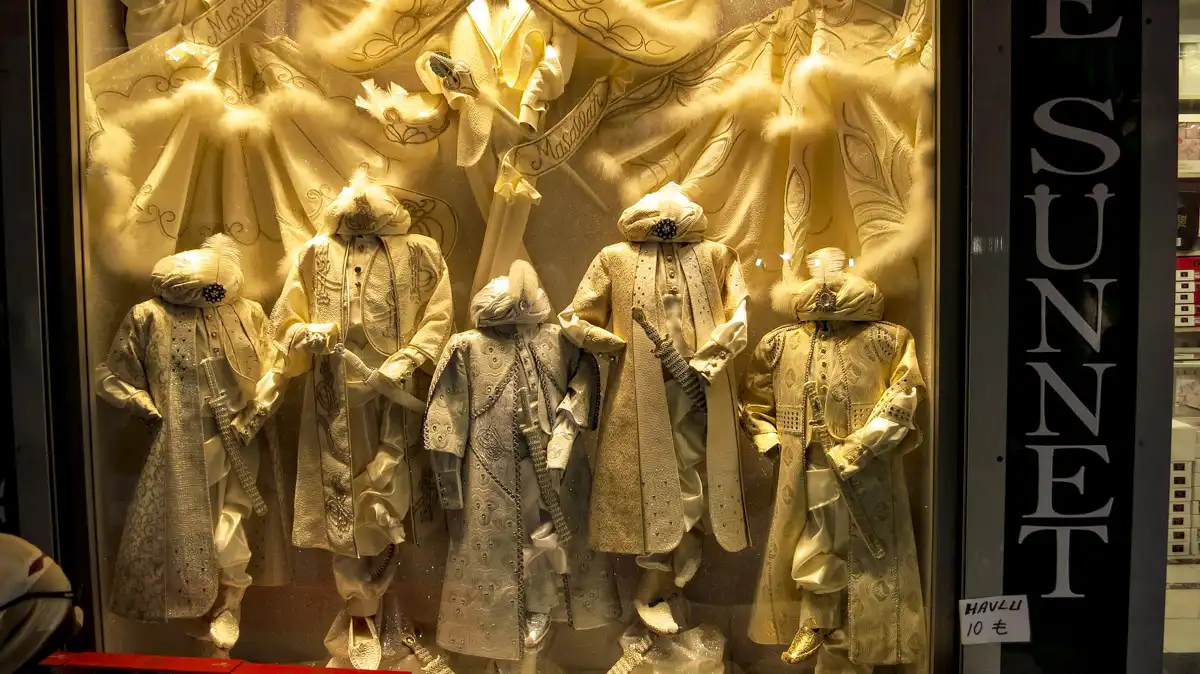
Next we head of to the Grand Bazaar. Walking here is a breeze compared to the narrow and crammed bazaars in for example Jerusalem. In Istanbul there’s plenty of space. The shops display glittering gold and silver, spices and fruit, and if you stop for just two seconds someone will be at your side asking you to enter the shop.
*) Turkish president Erogan who since 2002 is in power as leader of an islamic party, decided recently that Hagia Sofia now is a mosque. But as we understand this does not mean that non-muslims can’t enter.