Edit Template
Edit Template

Who are we?

This travel blog is created by me, Lars Aldman, a Swedish journalist and traveller, always in the company of my wonderful wife V. who is also a journalist and a fantastic photographer.

I worked for many years for the Swedish National Radio and Television, as a reporter/producer/studio host and a bunch of other roles.but now I’m retired and do whatever I like.

We love to visit foreign countries and cultures and meet people all over the globe. So far we have been to Asia, Africa, South America and the Caribbean and of course Europe. And we’d like to share with You, dear reader, what we have experienced and seen. We hope You want to join us and possibly find ideas for Your own adventures.

PS. To see more of my photos from journeys far and near, head over to aldmangallery.com 

To contact us via mail: info@resormedv.se


Edit Template

More results…

Generic selectors
Exact matches only
Search in title
Search in content
Post Type Selectors
Search in pages

Travels with V

Tanzania

Travels with V

IMG_7147Lismal

Tanzania

Edit Template

next

round-line-right-arrow
Edit Template
round-line-right-arrow

Bushbabies and a farewell

Pemba part two

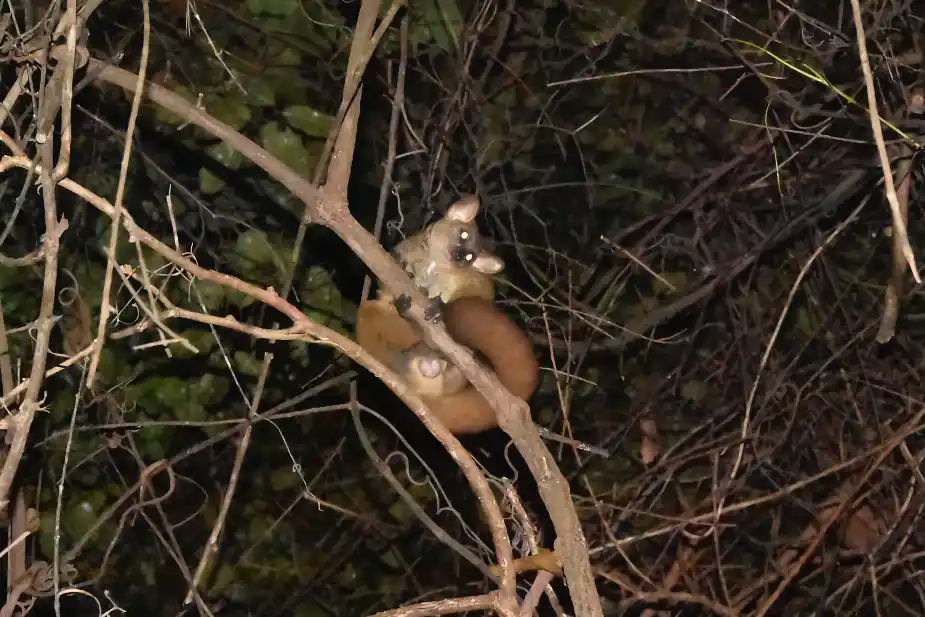
There’s another little fellow that we hear crying every night but we never see. The locals call it “bush baby”, it’s a small nocturnal monkey, also called “galago”. We try to lure it into sight with bananas on our balcony, but we always fall asleep and in the morning the banana is gone. 

We’re beginning to think that we’ll never see it. But on our last night in Pemba, after dinner, walking to our cabana we suddenly spot one in a low tree, just a couple of meters away. It looks like a big squirrel with its bushy tail and its little teddy bear head.

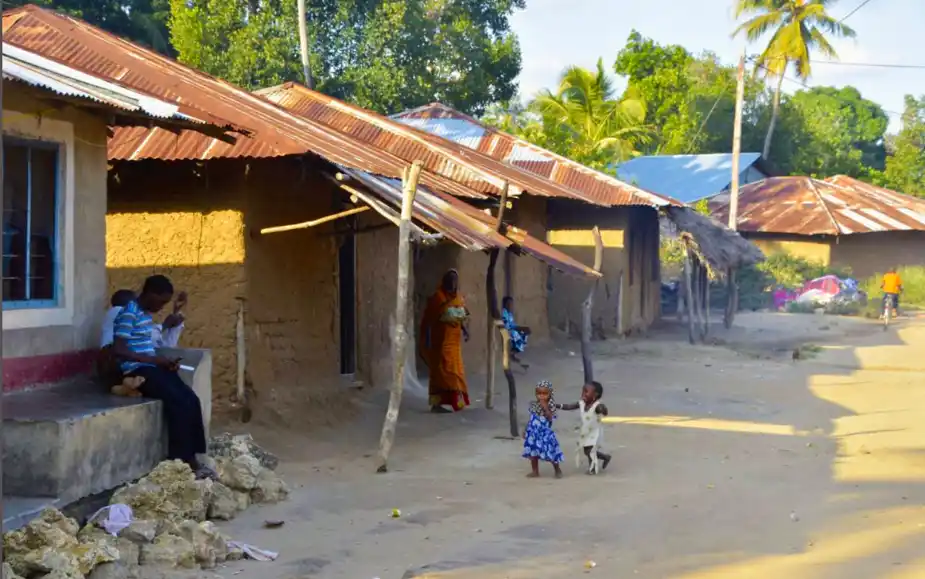
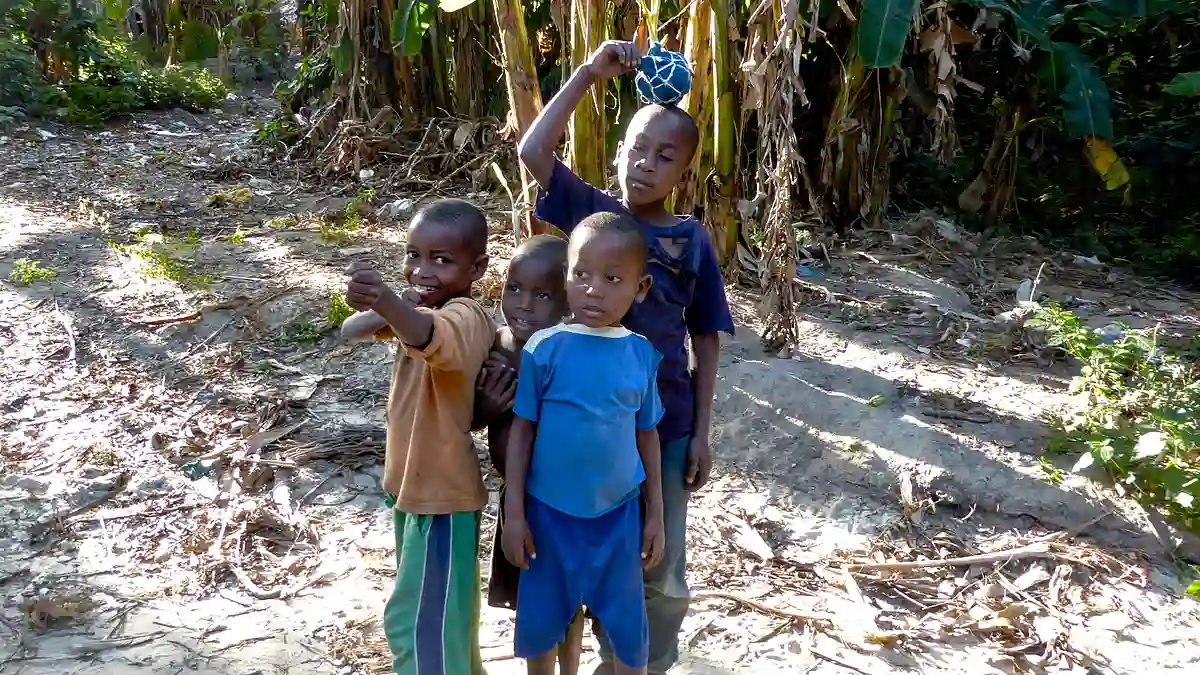
We are invited to visit the village of Wambaa that lies a bit inland from the lodge. One of the staff guys who also lives in the village has offered to show us around. We are almost immediately surrounded by a gang of curious kids who are also a bit rough and like to provoke us with show-off karate kicks.

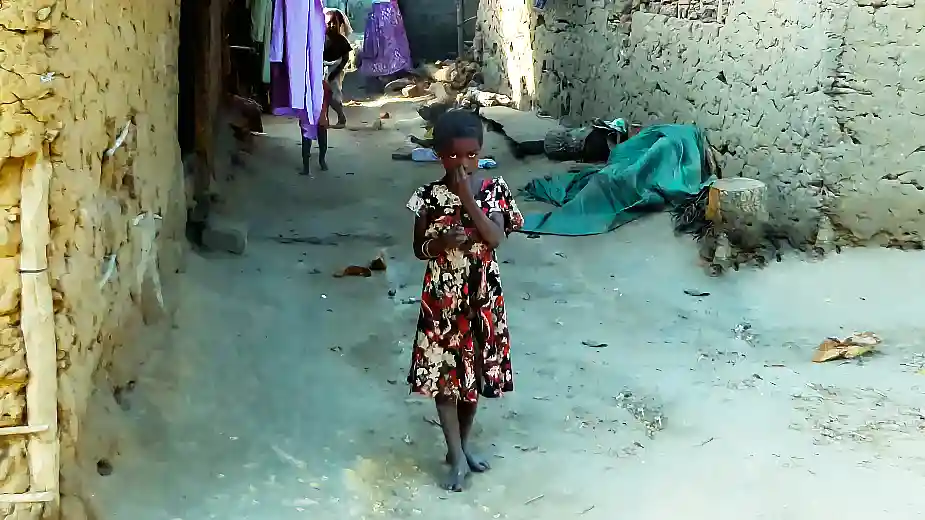
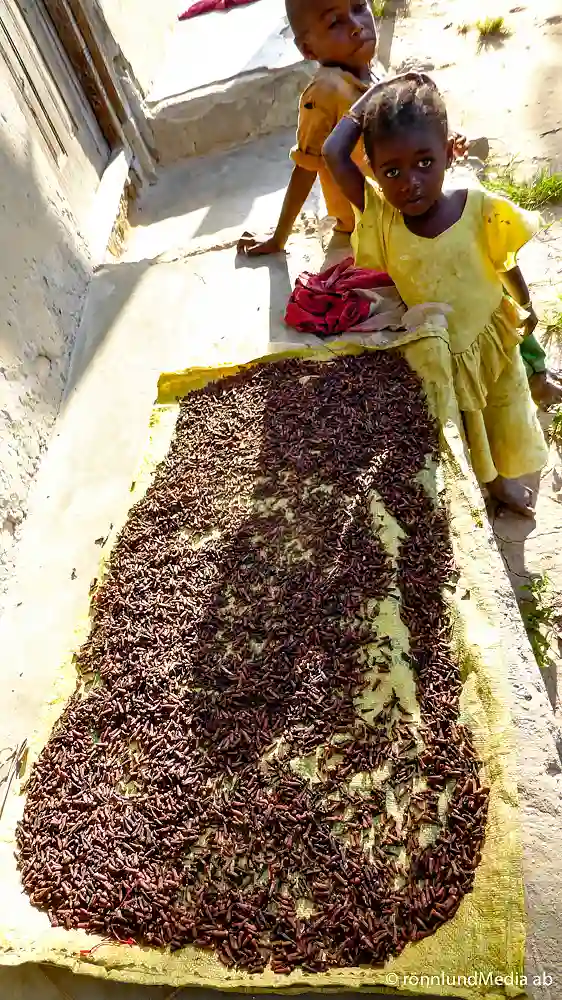
But most of the villagers keep to themselves and their chores. The houses are simple mud buildings, the “streets” just dusty trails between the houses. In many places pieces of cloth are stretched out on the ground, and on them black parts of plants are drying in the sun. It’s cloves, a spice that has been farmed in Pemba and Zanzibar for hundreds of years. In this climate it only takes three days for the cloves to dry.

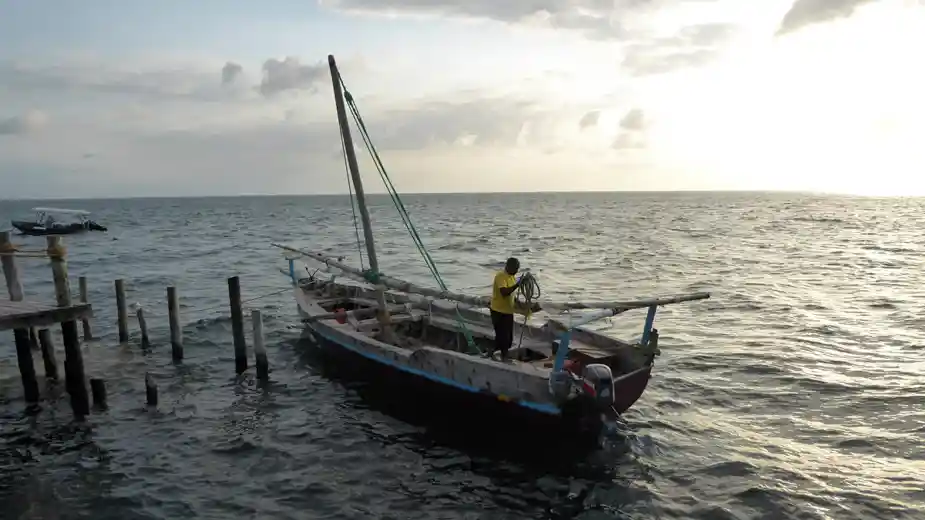
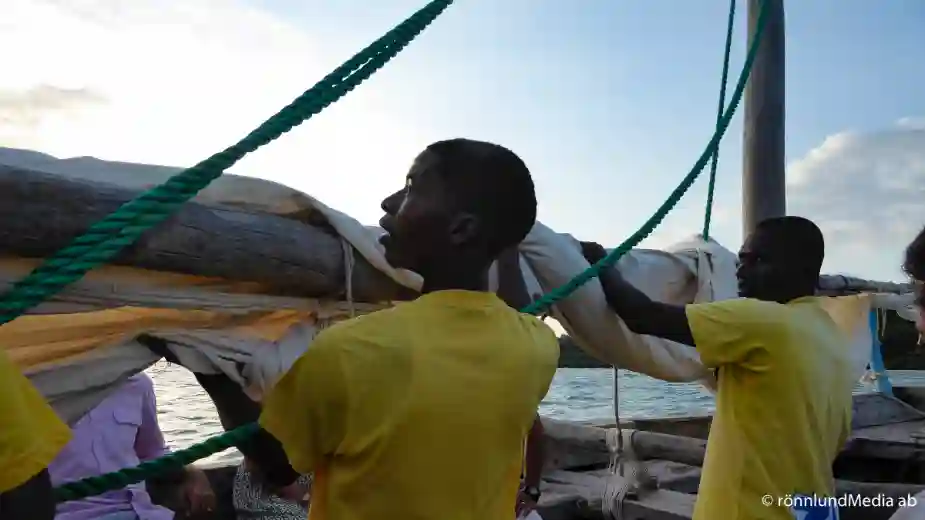
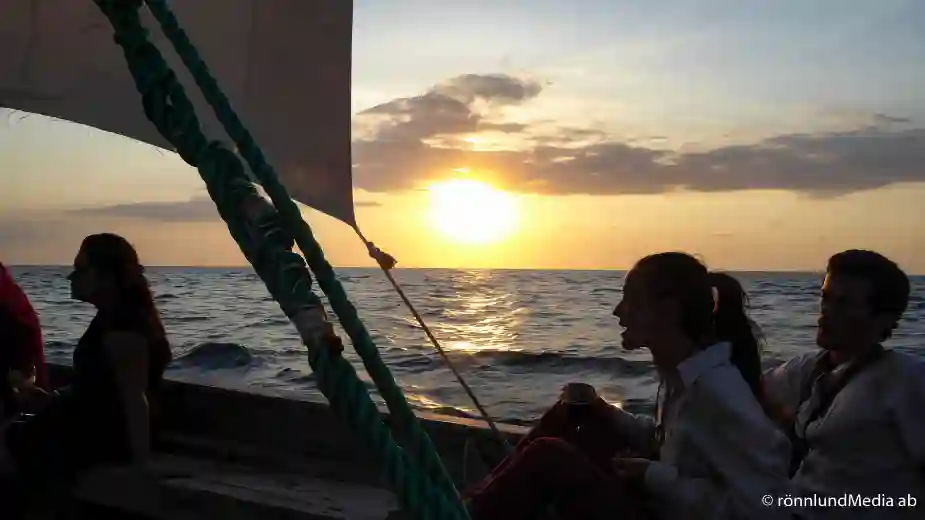
In the late afternoon we board an old wooden boat from the jetty, an Arabic dhow (you saw one in the previous chapter). It’s a one-sail type that has sailed the Arabic sea for centuries, maybe millennia. To hoist the big sail is a tough job that needs four muscular men. But up she rises and we nicely sail through seas coloured orange from the setting sun. Such a beautiful way to bid farewell to Pemba and to Africa. Hope to see you soon again!

Thanks for reading our story! Did You like it? Any questions? Please send us a note in the form below, or push the “contact” button on top and send us an email. And please link to us on social media!