In the Football World Championship year of 2018 we travelled to Peru and Equador, two countries where history is always present. Both were once parts of the vast kingdom of the Incas. During six weeks we covered the area, to the capitals of Lima and Quito, to the mighty Andes and the coast of the Pacific, the deep Amazon jungle and the black lava islands of the Galapagos.
FROM THE DIARY:
July 1, Punta Sal, Mancora coast, northern Peru. I’m sitting on the porch by our small cabana. V sleeps calmly after a rough night of dancing with Montezuma’s ghost. A tiny lizard with an astonishingly long tail runs past me on the stony path beneath.
There were thin clouds covering the sun this morning, but now the sky is all blue. The only sound heard is the occasional cry of a seabird and the splash of small waves lapping the sandy beach
It’s winter in Peru but this close the equator it’s quite like the north European summer. 25 degrees Celsius in the air and maybe 22 in the water. We enjoy some lazy days by the beach after our hardships in the mountains.
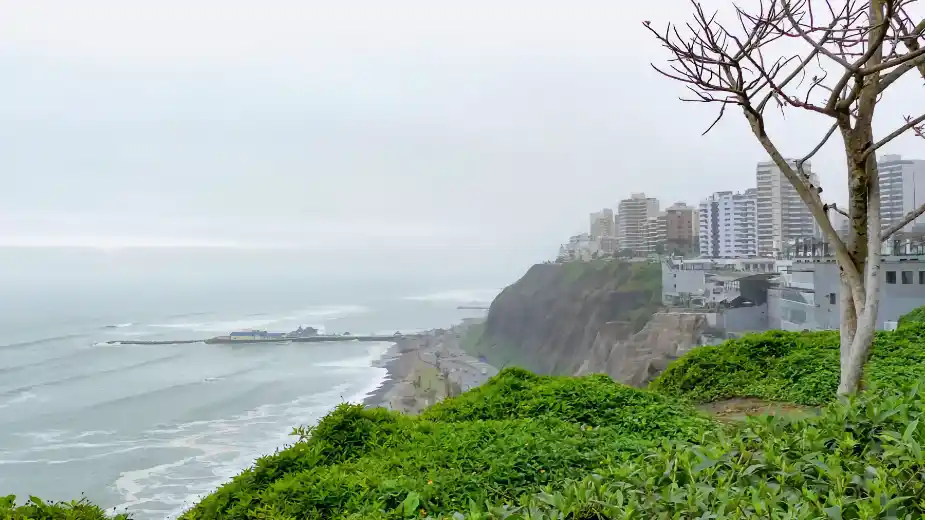
Our South American journey started in Lima where we spent a few days. It’s a bustling city like many other big modern urban areas, with swinging cranes and tall buildings rising, shopping malls and huge billboards. But later we will see other, not so modern sides of this 7,6 million city. The weather is uncompromisingly grey, clouded and grumpy.
It’s a bit embarrassing that we didn’t know about it, but this is what it’s like at this time of year. The cloudy weather is called “Garua”, and is caused by the sea currents. It wraps the Peruvian coast in a grey, wet, cold blanket and lasts for months.
We visit the city center of Lima where all human life seems to have stalled, but groups of men are gathered outside bars and by windows of shops that sell TV sets. The Football World Championship is underway and this very minute Peru plays against France, a game that ends badly for the Peruvians. It means goodbye to the rest of the tournament for the red and white team.
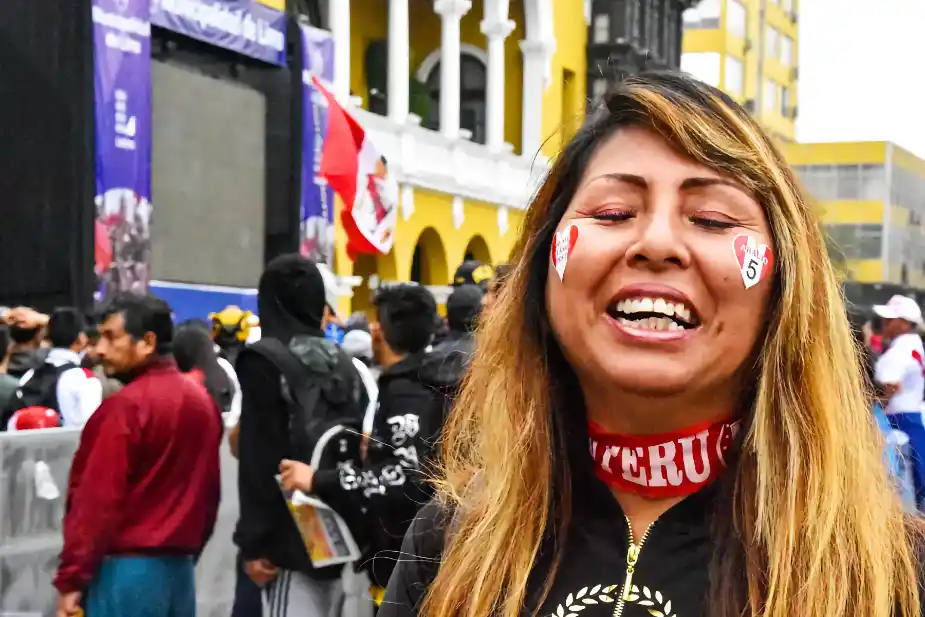
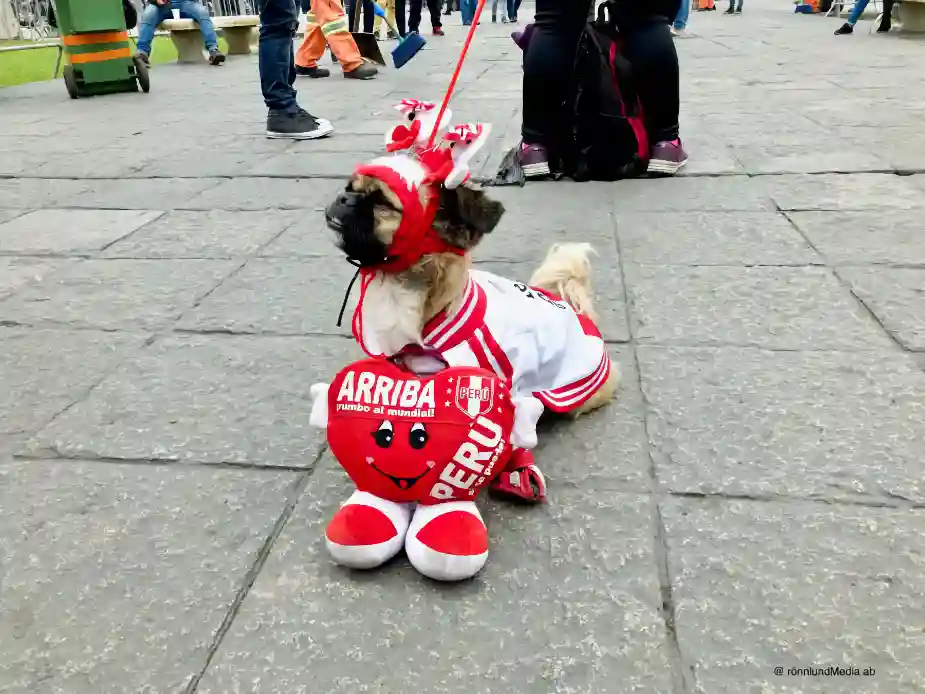
In the Plaza Mayor, the central square in Lima, people are gathered in front of large outdoor screens, but when we get there the game is already over. Nevertheless we can’t see any signs of disappointment. People are face-painted and happy, there’s dancing in the square. Football is a fiesta and yes, someone looses, it’s just part of the game. What a great attitude!
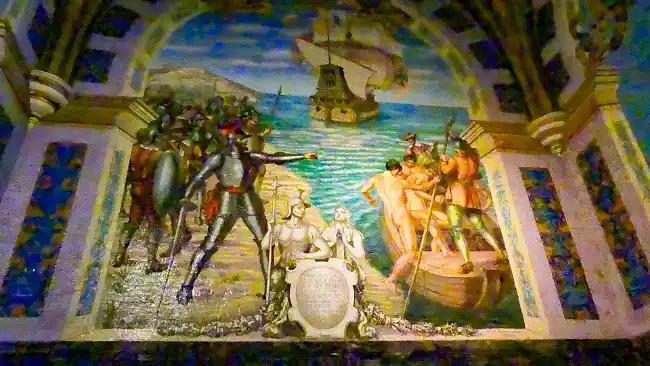
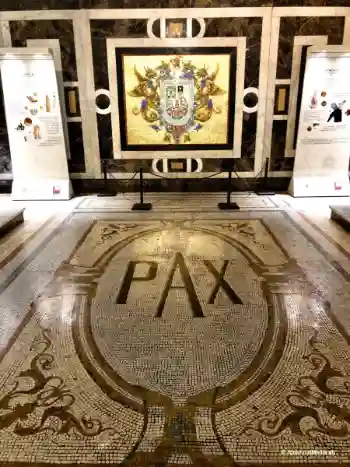
The rest of the day is to a large extent spent walking in the footsteps of death. At Plaza Mayor lies the great cathedral, famous for housing the bones of one of the greatest assholes in human history. The conquistador Pizarro, responsible for the killings of millions of indigenous people and exterminator of the great Inca kingdom and culture. Cynically enough the violence of the conquistadors is depicted on a large painting in Pizarro’s crypt, ond on the floor in mosaic tiles the word PAX (= Peace) is seen. We feel nausea.
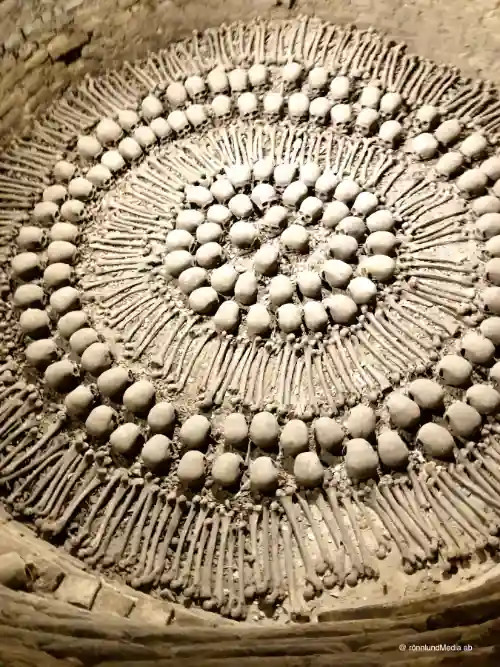
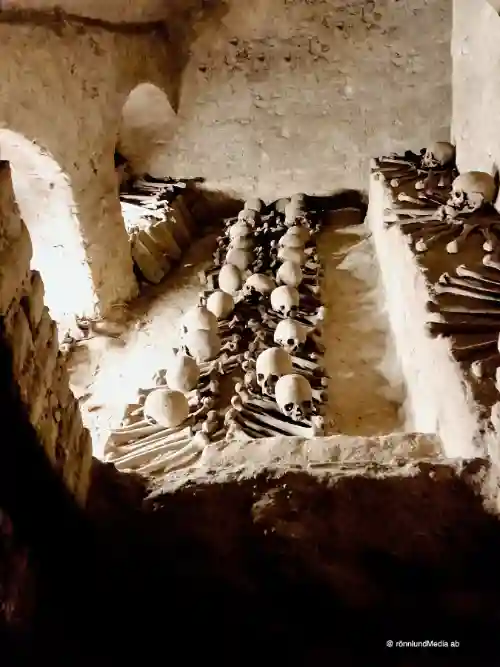
More dead awaits us in the nunnery of San Fransisco, actually right under the church, where Lima has buried its dead in catacombs for centuries. At some point when the catacombs became too crowded, the bones were collected and set up in decorative arrangements, circles and rows of bone and sculls. It’s an out of the ordinary experience, although quite a morbid one.
In Lima you’ll find some of the world’s best restaurants, and it’s a lively city with malls, cafés and bars. It definitely has something to offer a visitor, but for us it’s a relief to leave the grey Garua and head up into the mountains, above the clouds. And when we do, we step out onto the tarmac in Cusco airport with a nice warm sun on our pale faces.
In the next chapter we accidentally stumble into a swirling maelstrom of partying people. Cusco is Fiesta!