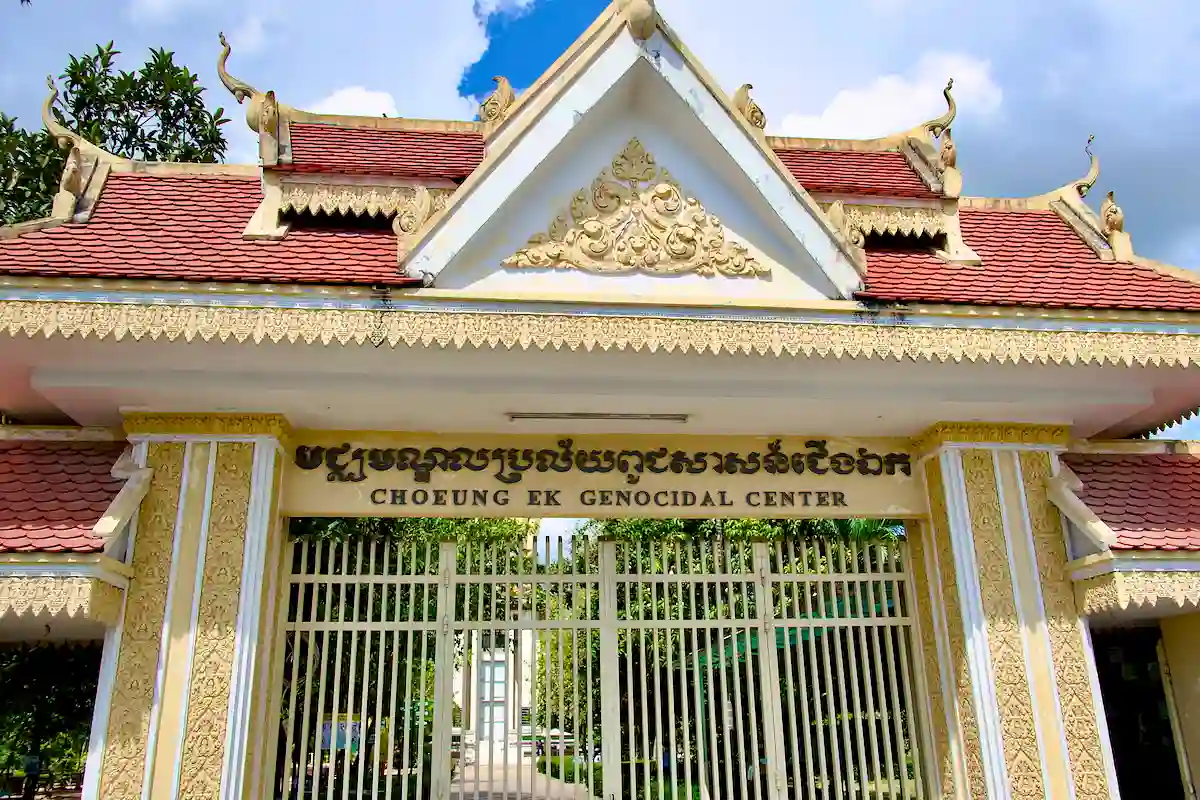
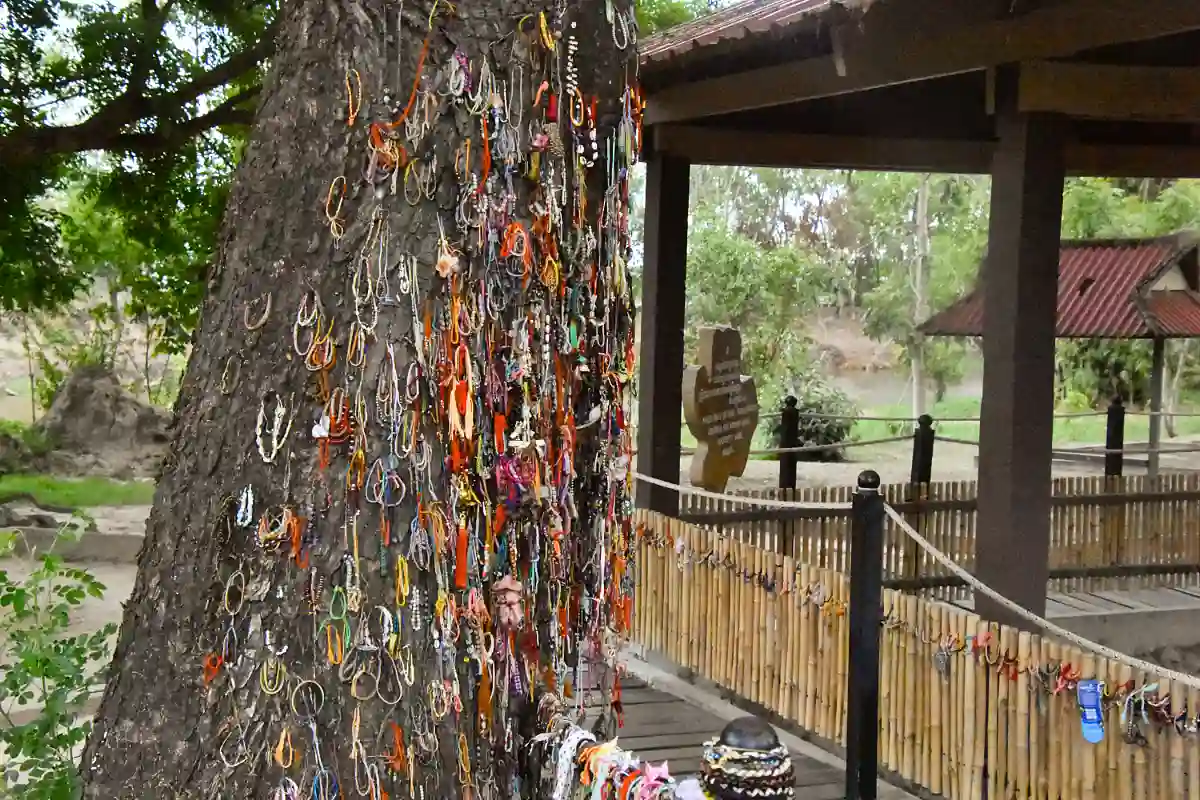
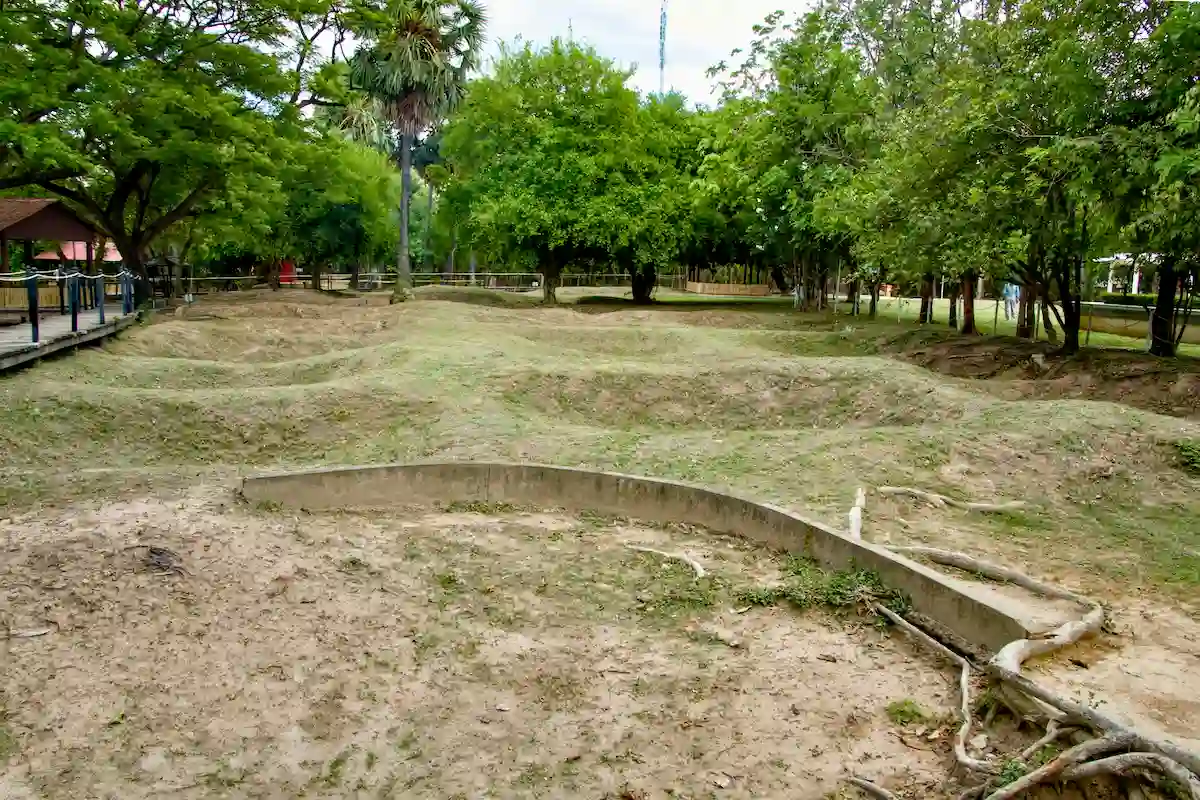
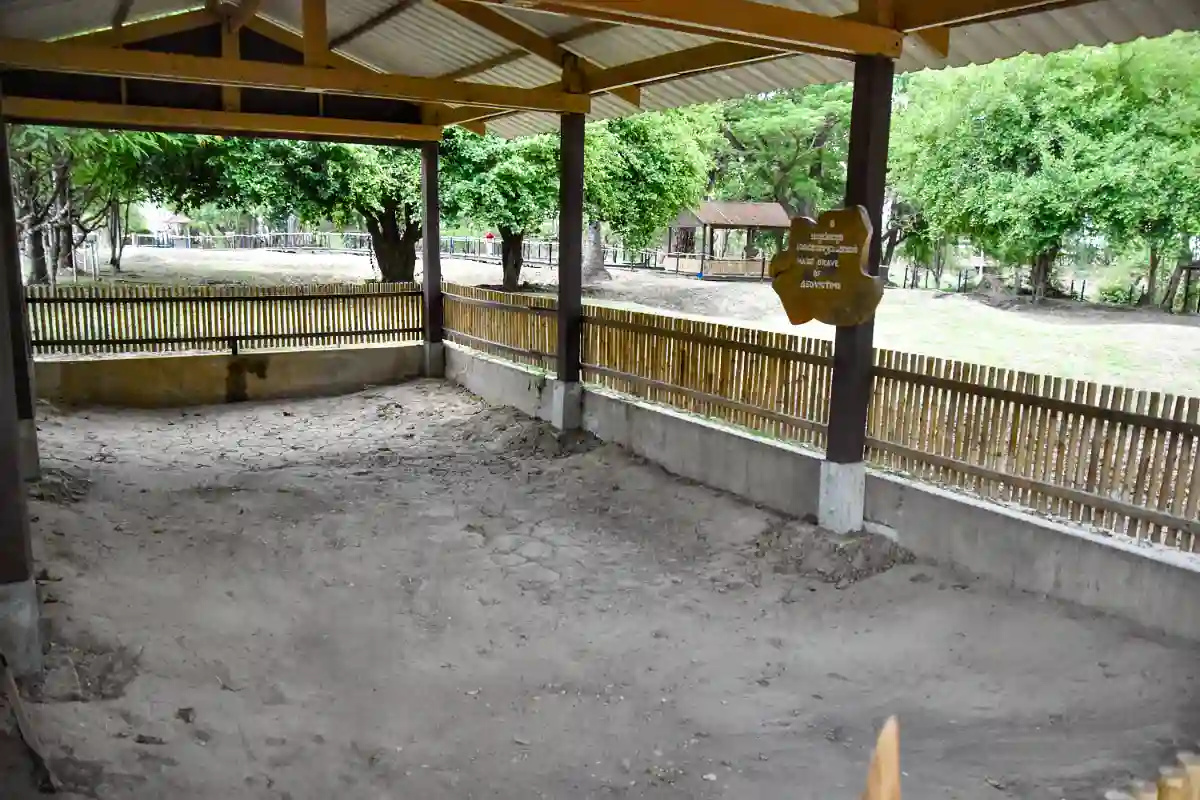
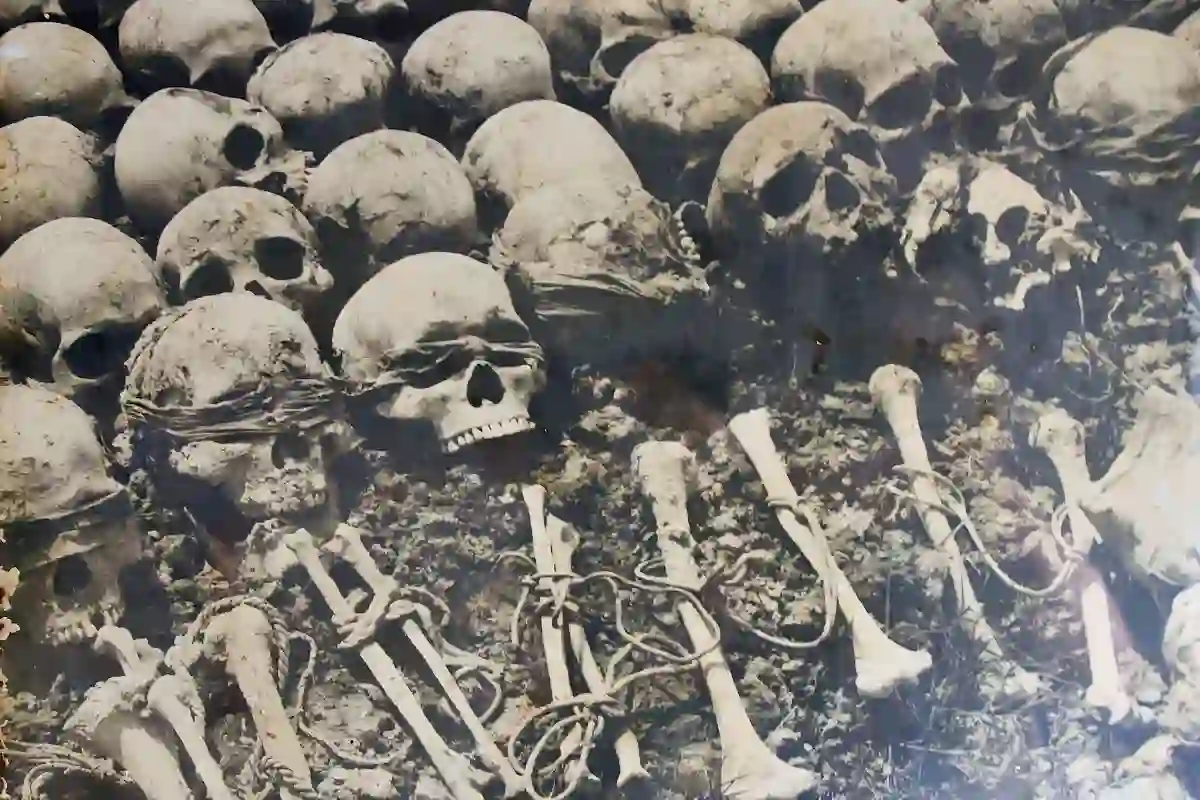
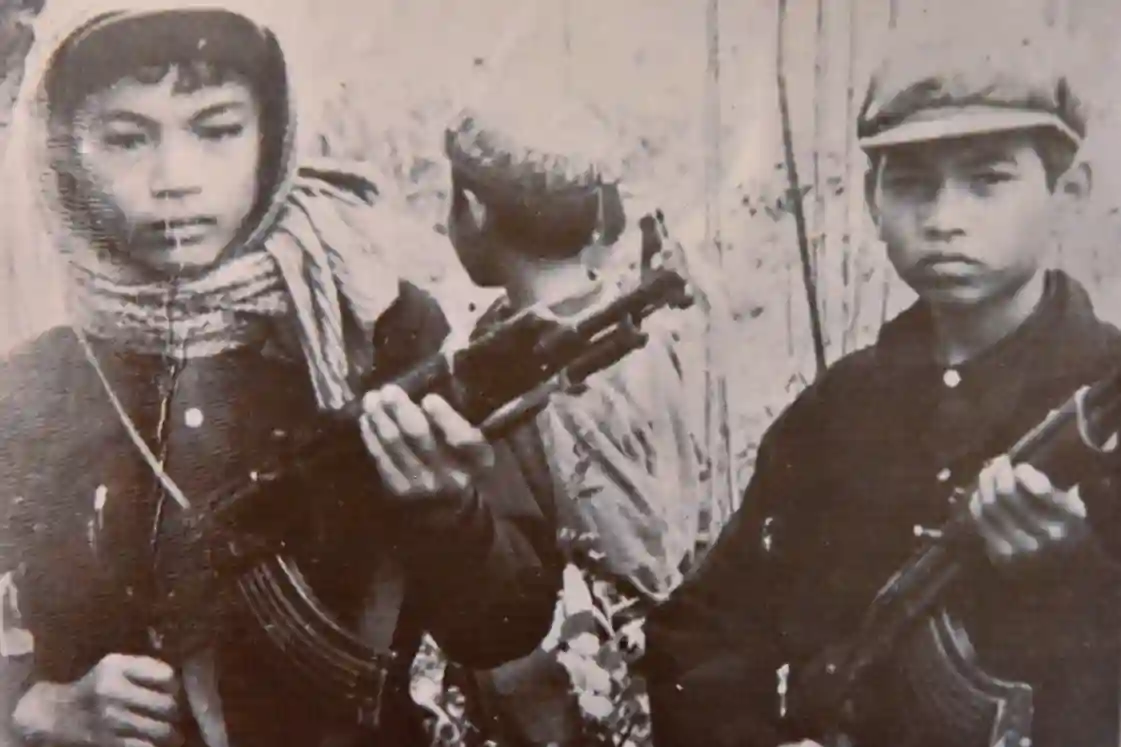
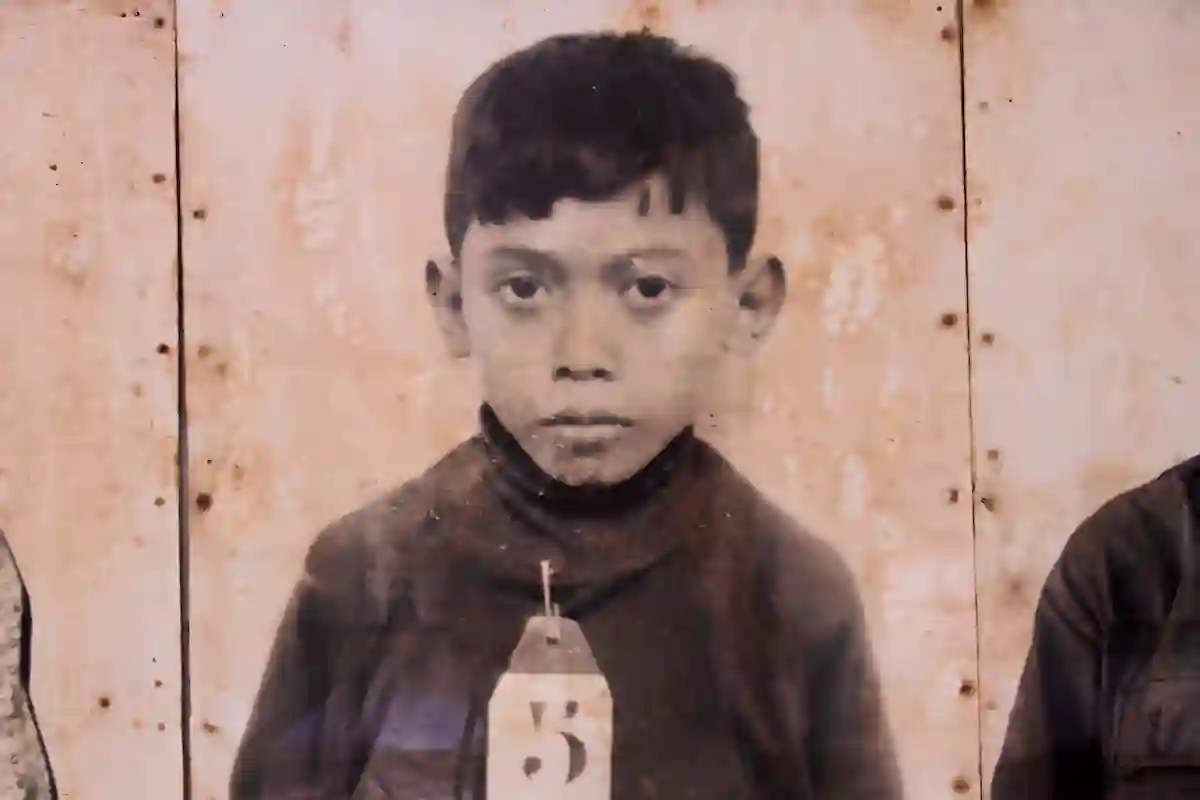
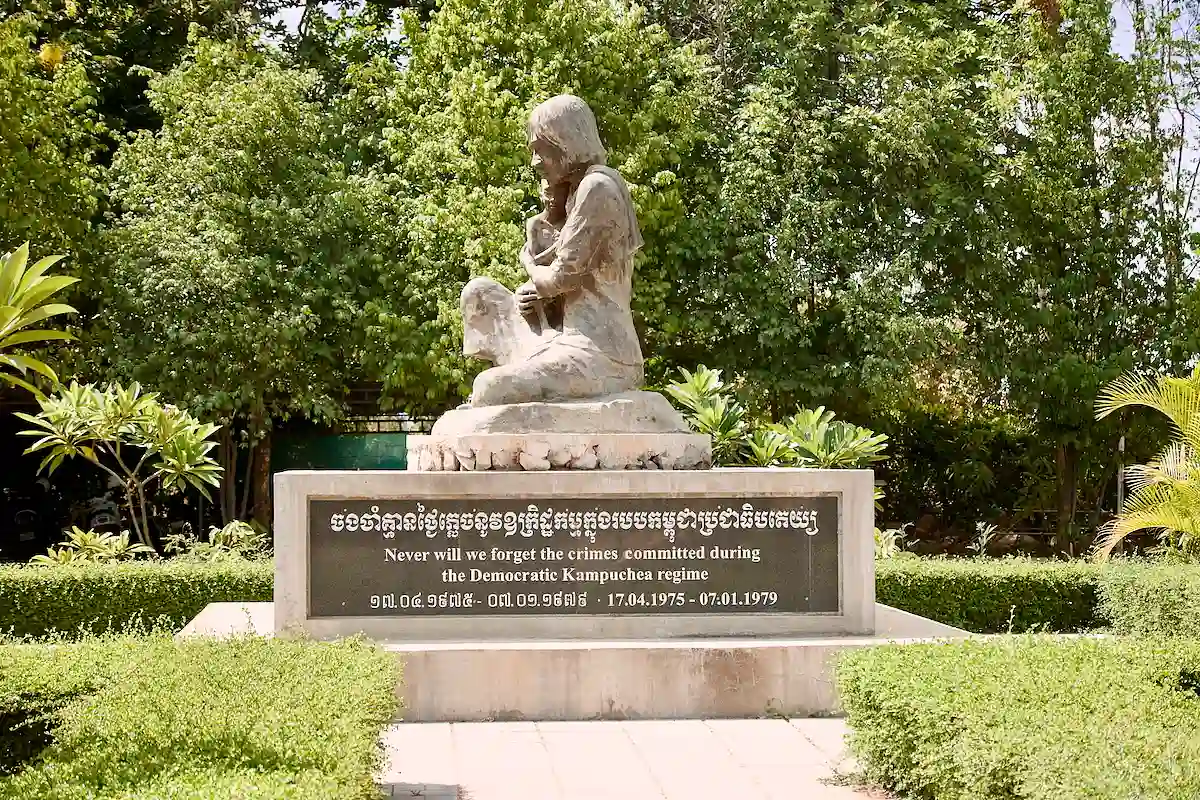
So we go to some places where we are confronted with the very worst events of Pol Pot’s and the Khmer Rouge’s reign of terror that lasted from 1975 to 1979. We start at Choeung Ek, one of several so called “killing fields” where hundreds of thousands of people were executed with sharpened bamboo sticks, metal pipes, knives or sticks. But killing with firearms was forbidden, the ammunition was to be saved for military use. Small children were killed by being thrown head first into a tree trunk. The cruelty is unimaginable.
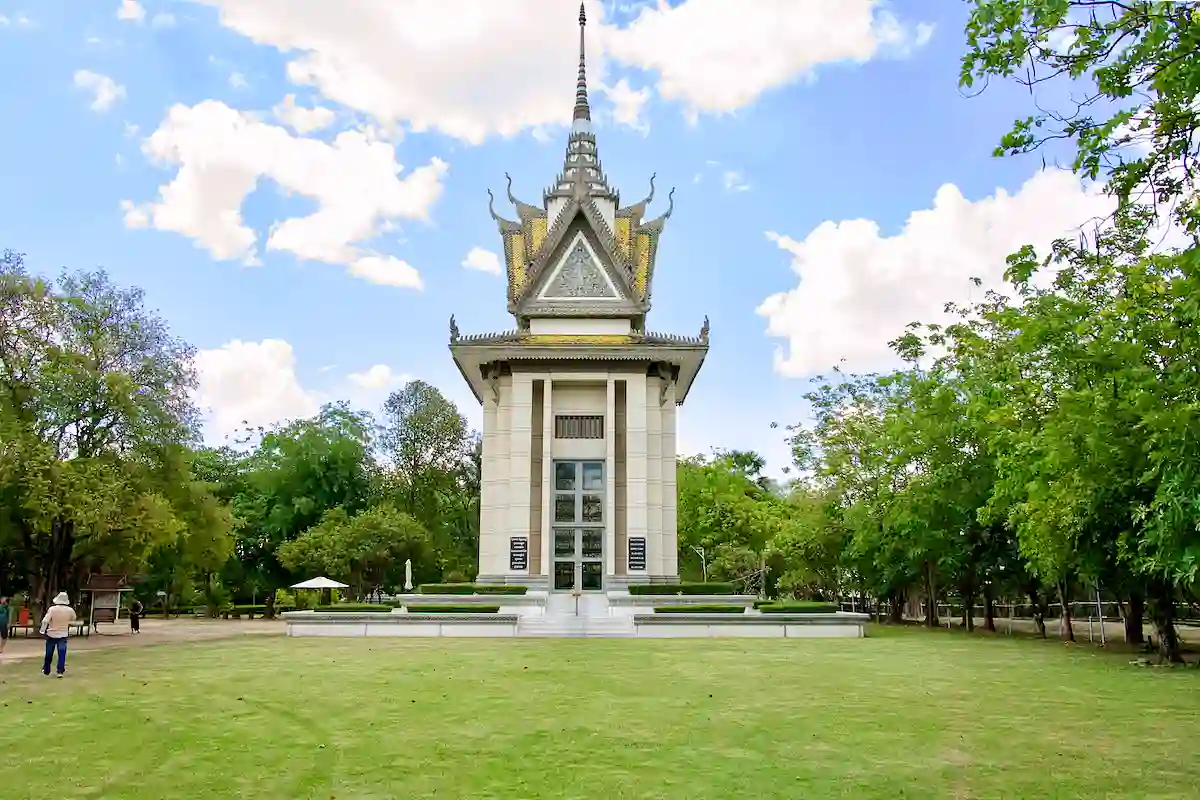
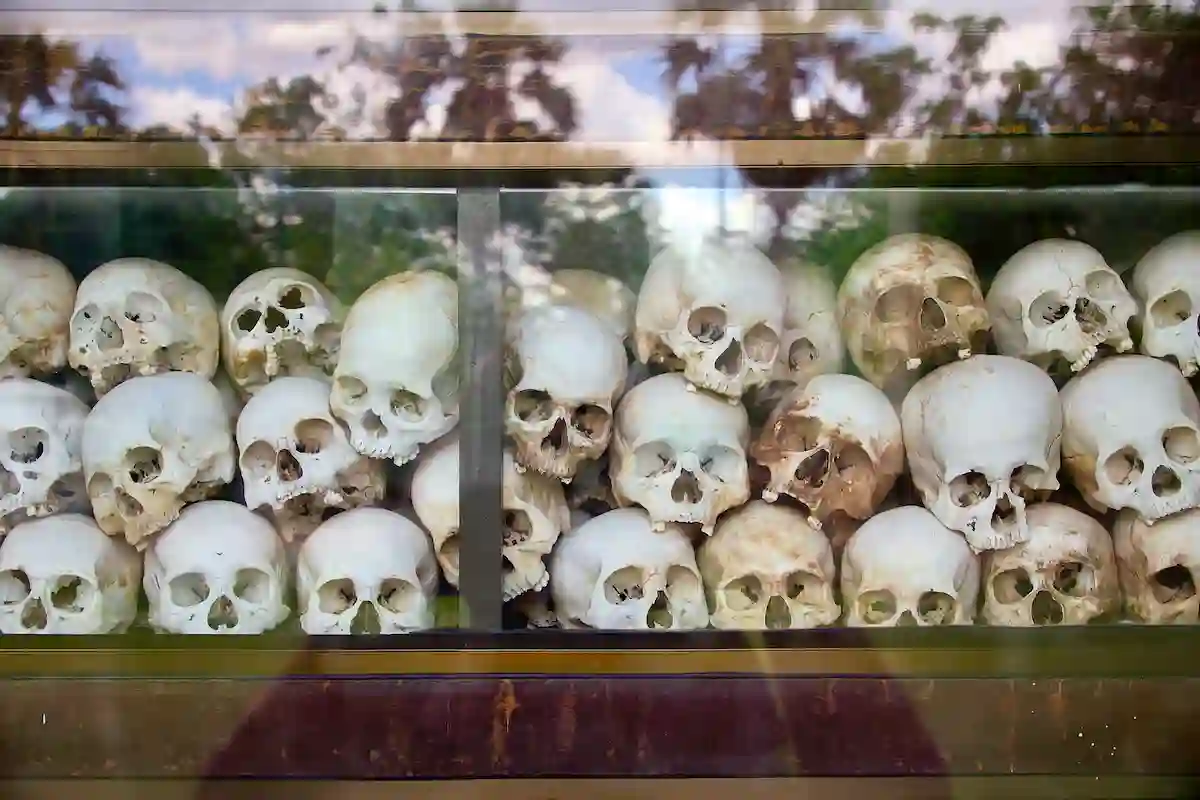
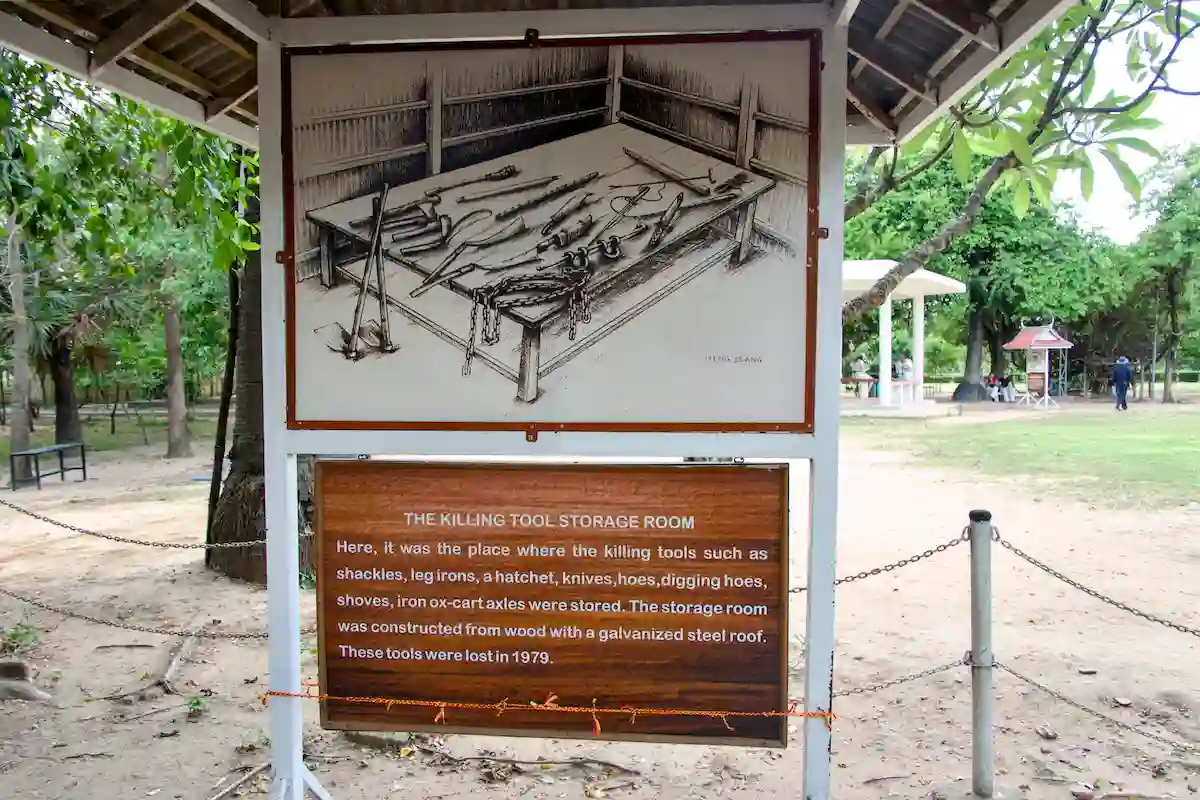
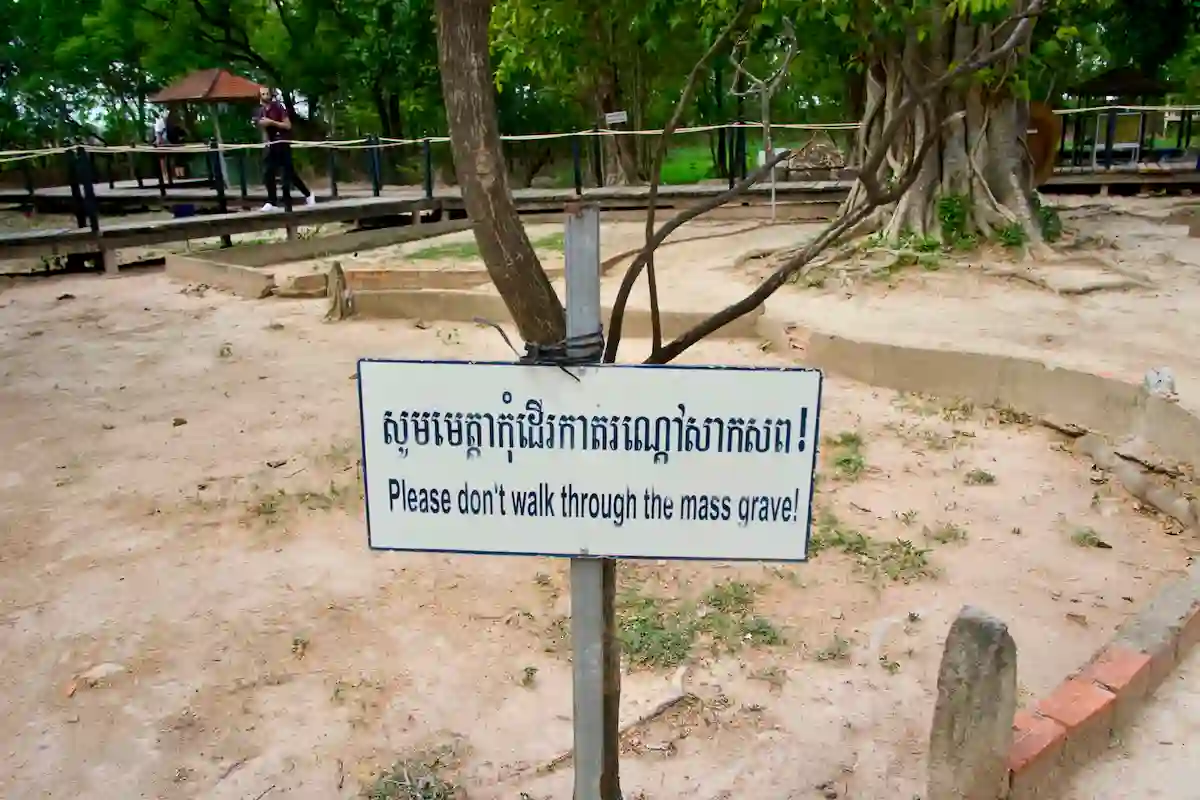
In a pagoda-like building with glass windows, the skulls of the murdered cry out to visitors. We are led along a path through the mass graves, execution sites and markers where murder weapon tool sheds, murderers’ break rooms and other houses once stood. People walk silently past these horrific sites. Everyone wonders how could this happen?
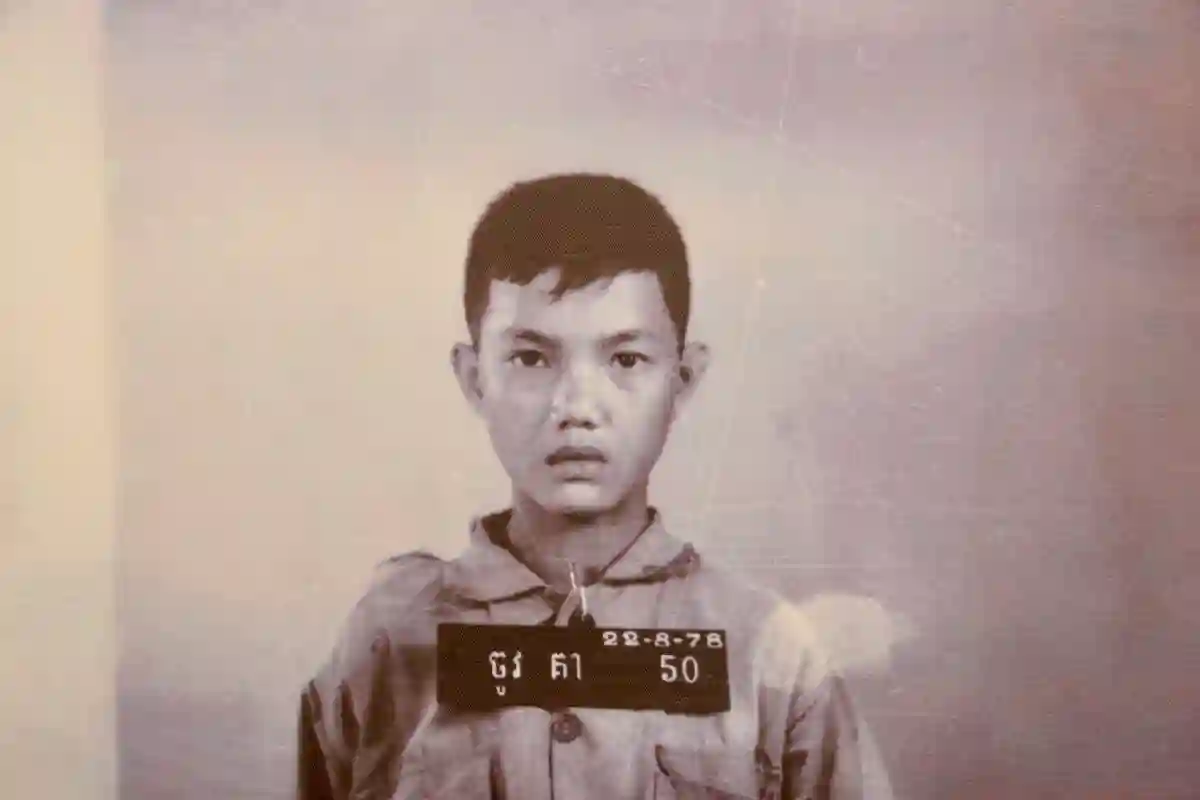
Some people have pointed out Pol Pot’s growing paranoia. He could not tolerate any opposition, real or imagined. First, all members of the previous administration – politicians, civil servants, military and police – were murdered. Then anyone else suspected of harbouring oppositional ideas was targeted. And they were many. People from minority groups suffered, including people with glasses who were labelled as intellectuals. Towards the end, even Pol Pot’s own party colleagues and soldiers in the Khmer Rouge army were murdered. No one was safe.
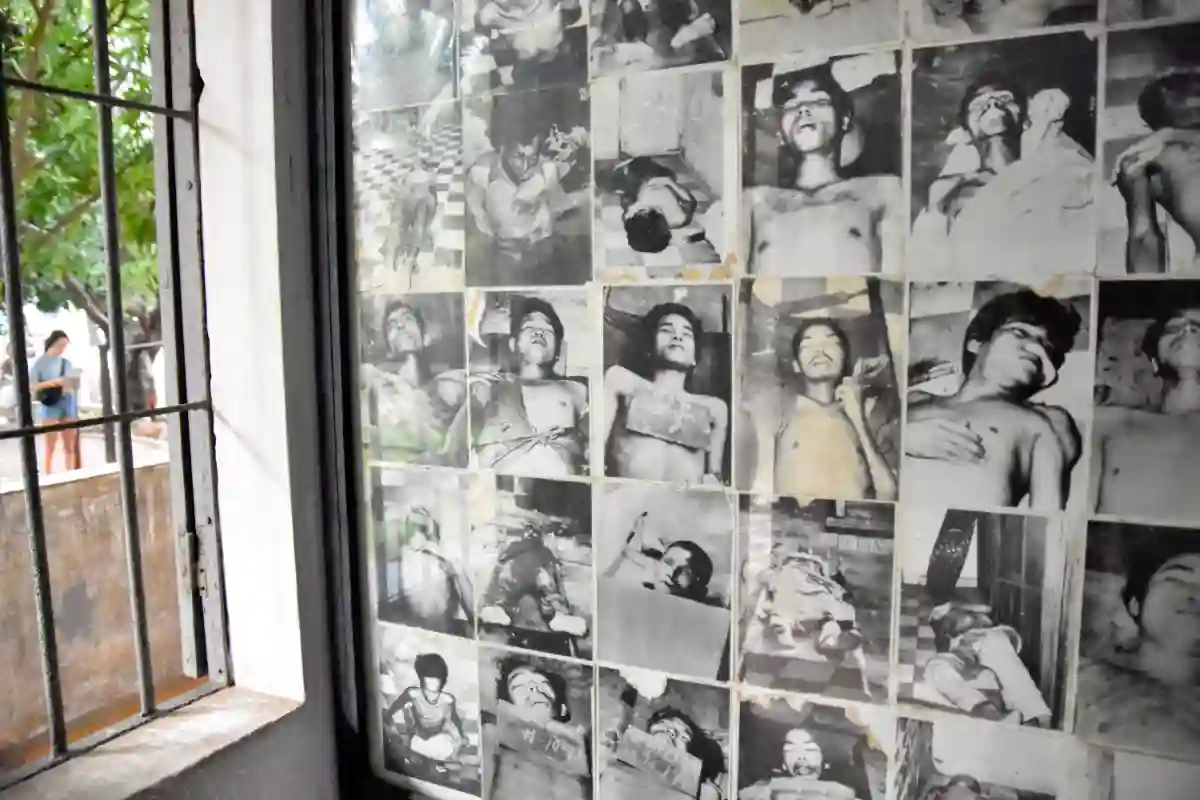
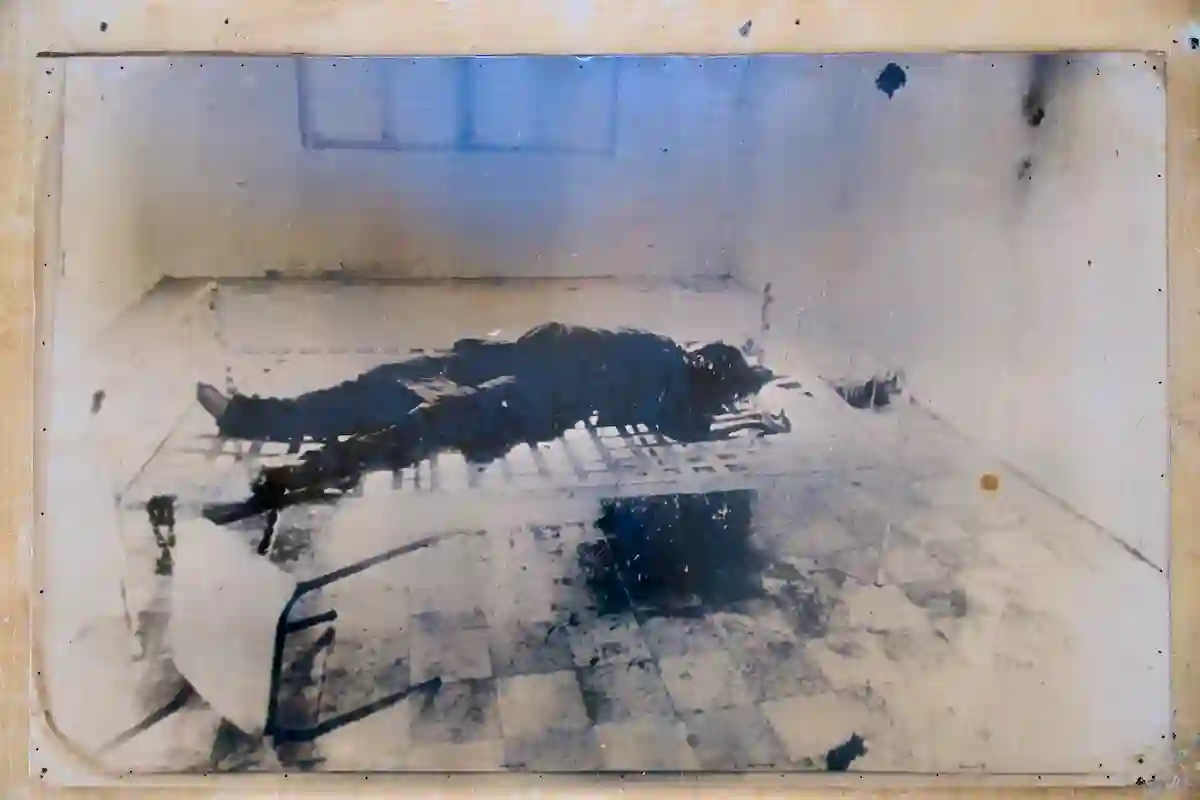
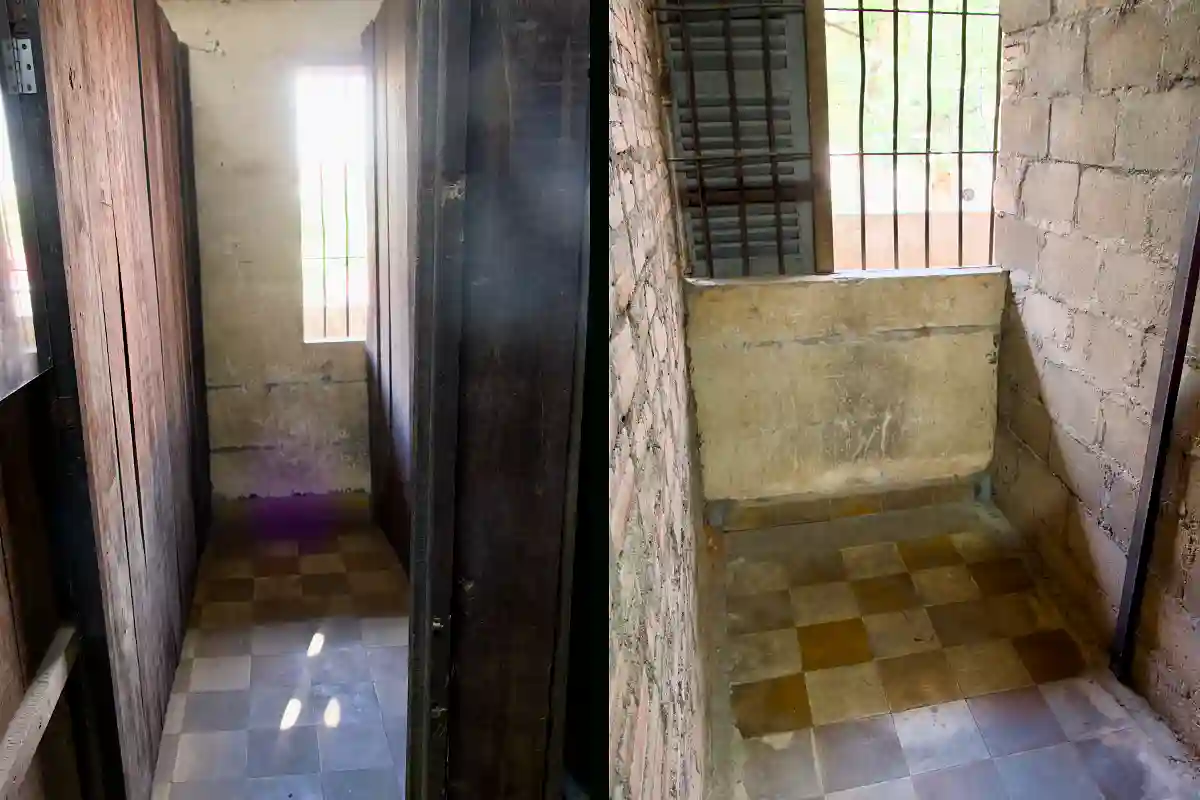
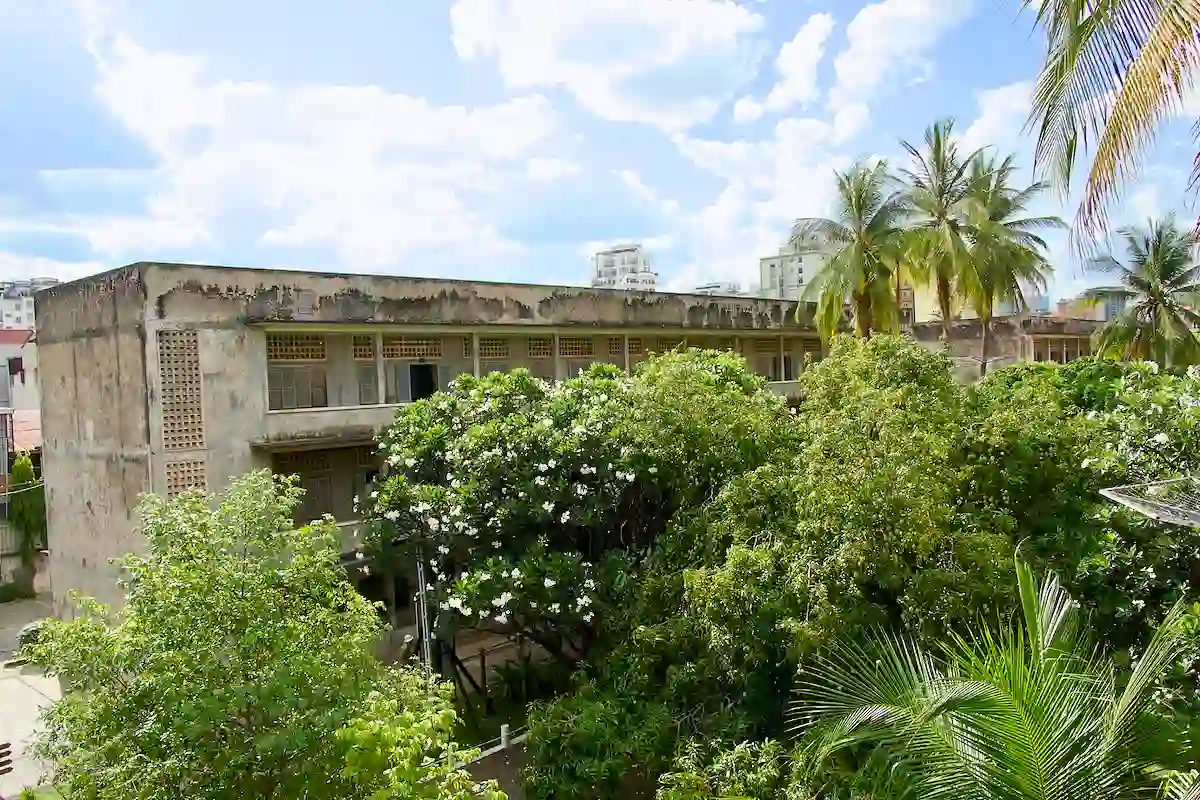
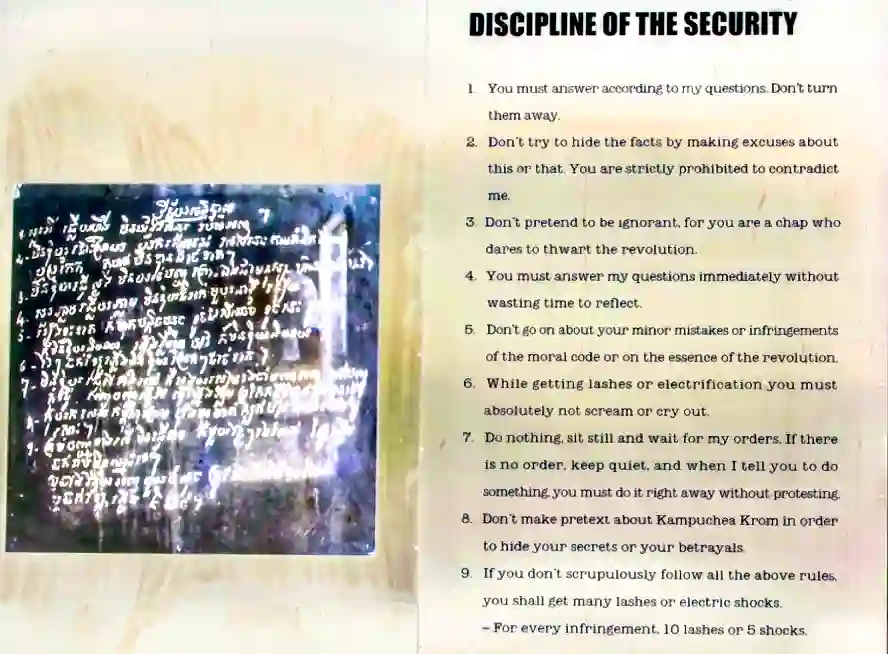
All those who ended up as buried corpses in Choeung Ek had previously been imprisoned in Tuol Sleng, a school in Phnom Penh that was converted into the S-21 security prison. This is where those arrested for alleged treason were taken and where their families, mothers, children and siblings usually also ended up. Because as Pol Pot said: ‘If you want to eradicate a weed, you have to pull it up by the roots’. Here they were tortured and those who did not die from the torture were sent to a killing field. No one was ever released.
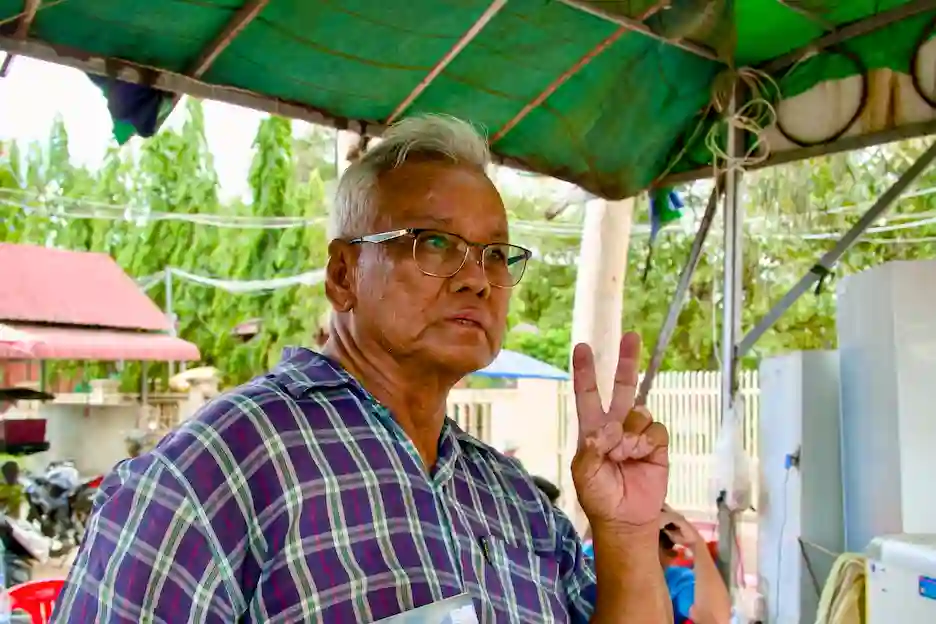
Only a handful of people managed to survive in Tuol Sleng and other prisons, two of whom are still alive today. One because he was commissioned to paint Pol Pot’s portrait, and the other because he was a skilled vehicle mechanic. They have both since written books about their experiences in this waiting room of death, where the cells were full of blood and slaughtered people on the day the liberators arrived.
Liberation came in 1979 when Vietnam reacted to repeated Khmer Rouge raids into Vietnamese territory, burning villages and killing villagers. Vietnamese troops, along with Cambodian soldiers who had fled to Vietnam, crossed the border and drove the Khmer Rouge out of Phnom Penh. Pol Pot fled with his army to the mountains of western Cambodia, and waged guerrilla warfare for another 10 years. After that, the Khmer Rouge were wiped out and democracy was proclaimed in 1993.
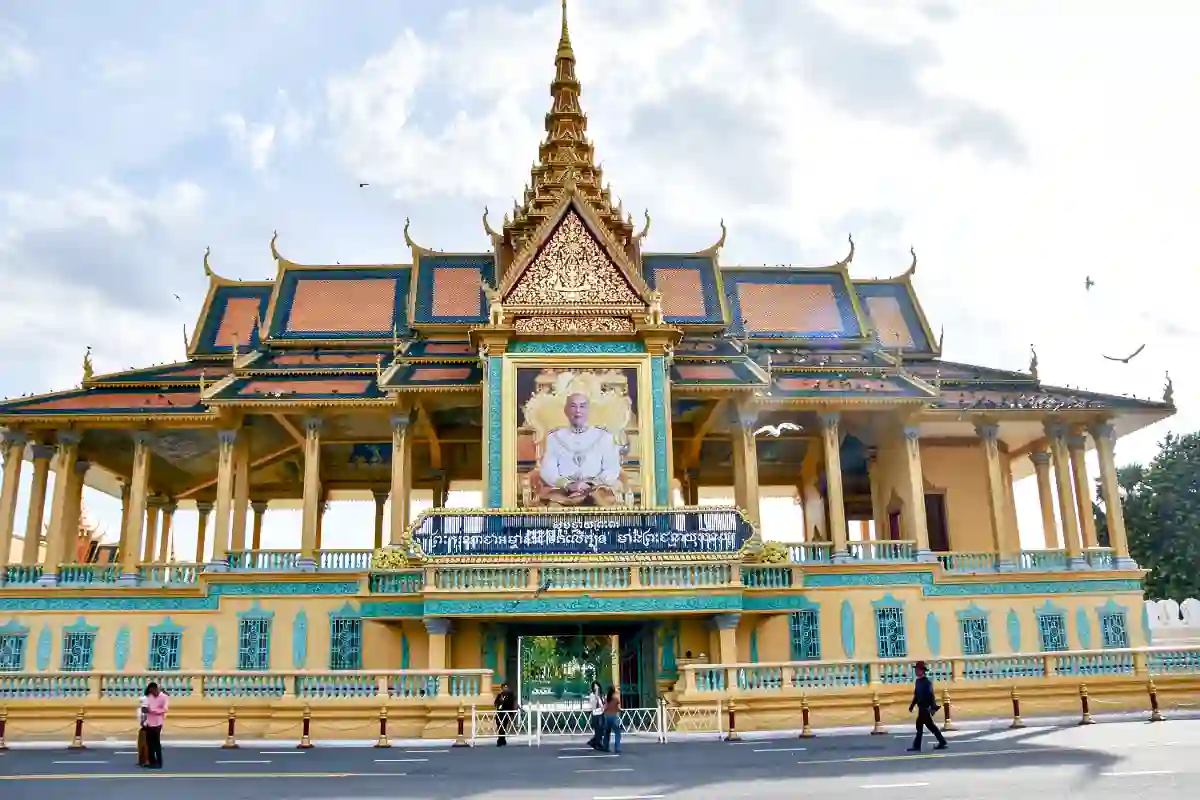
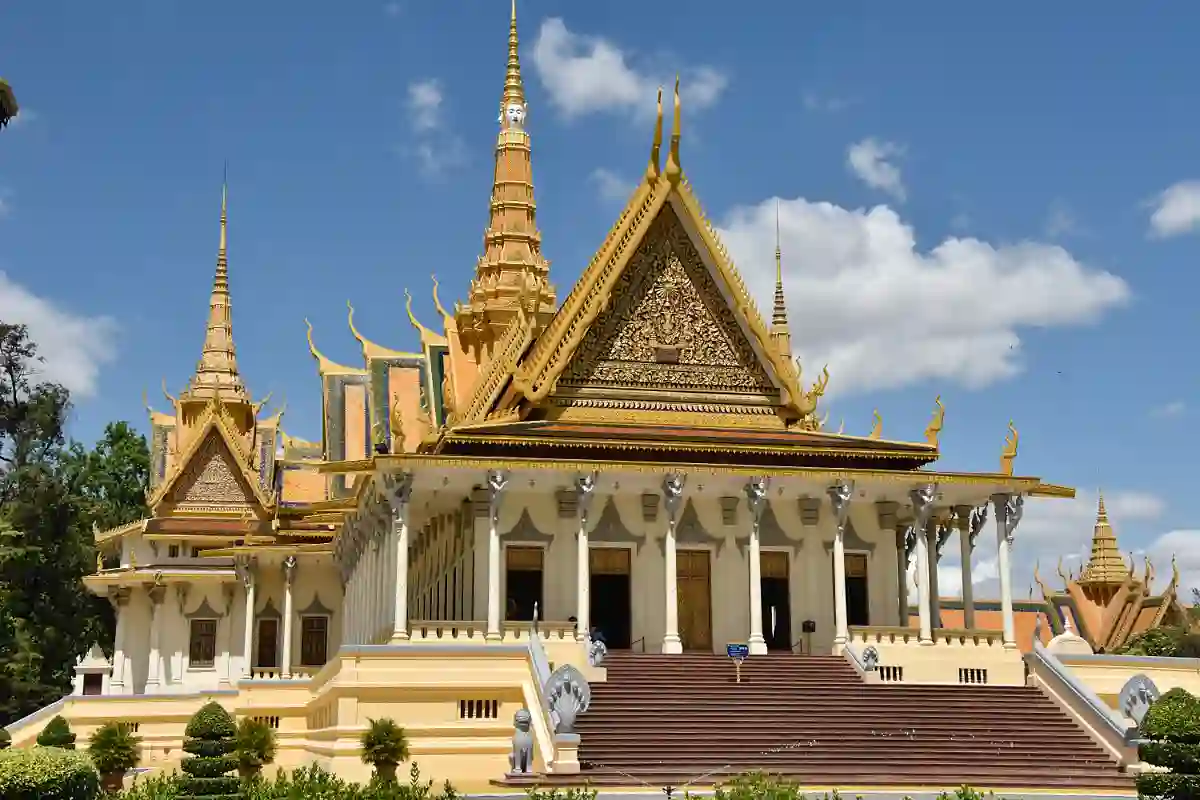
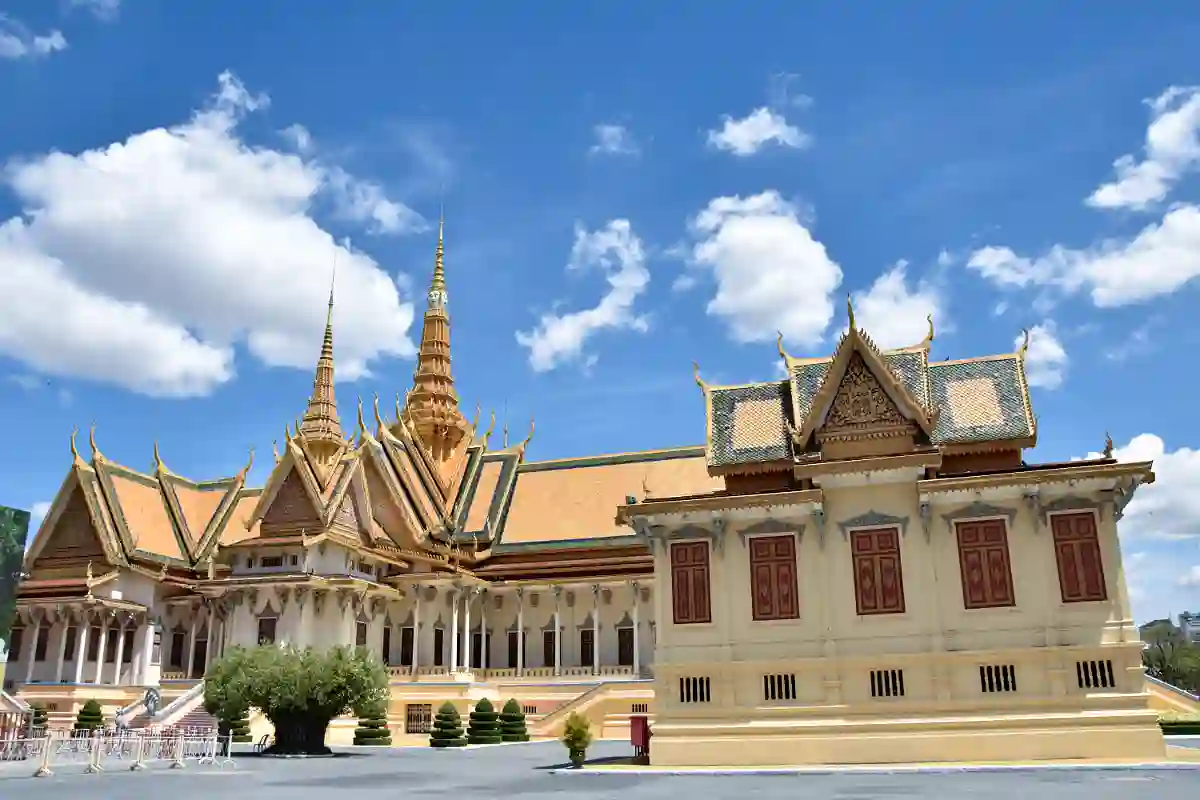
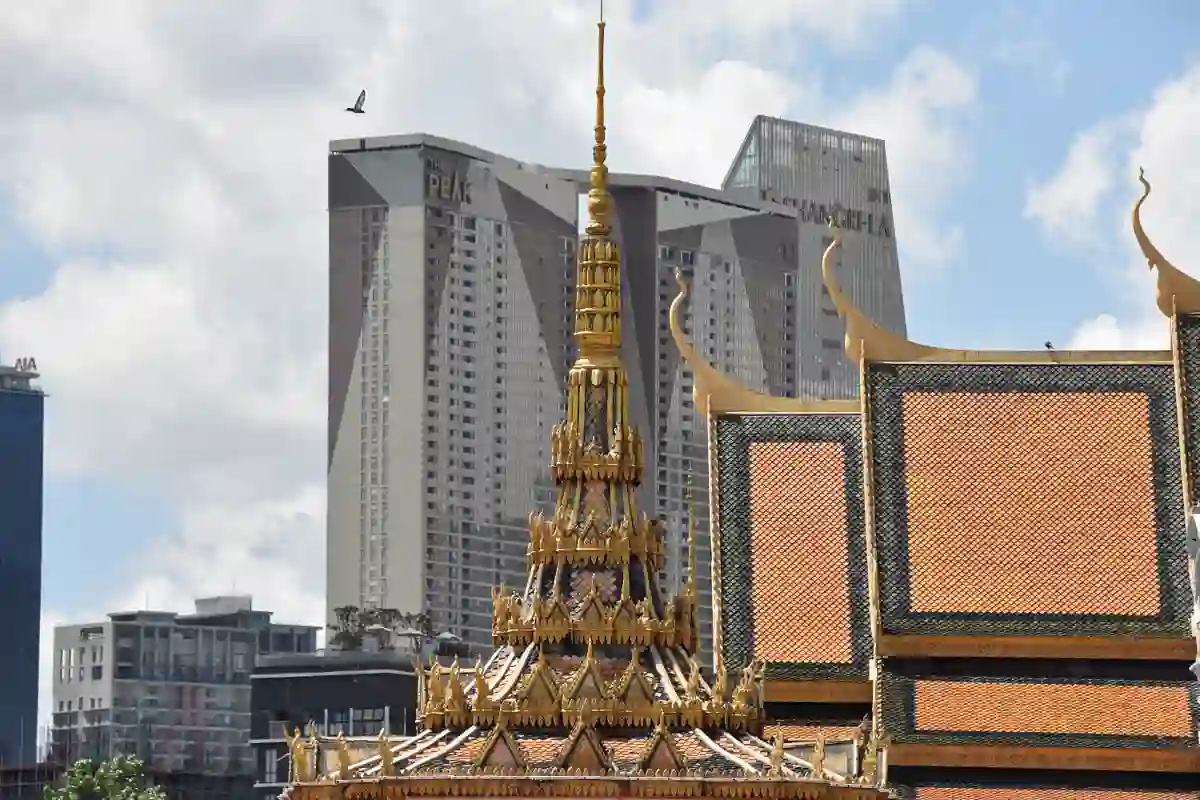
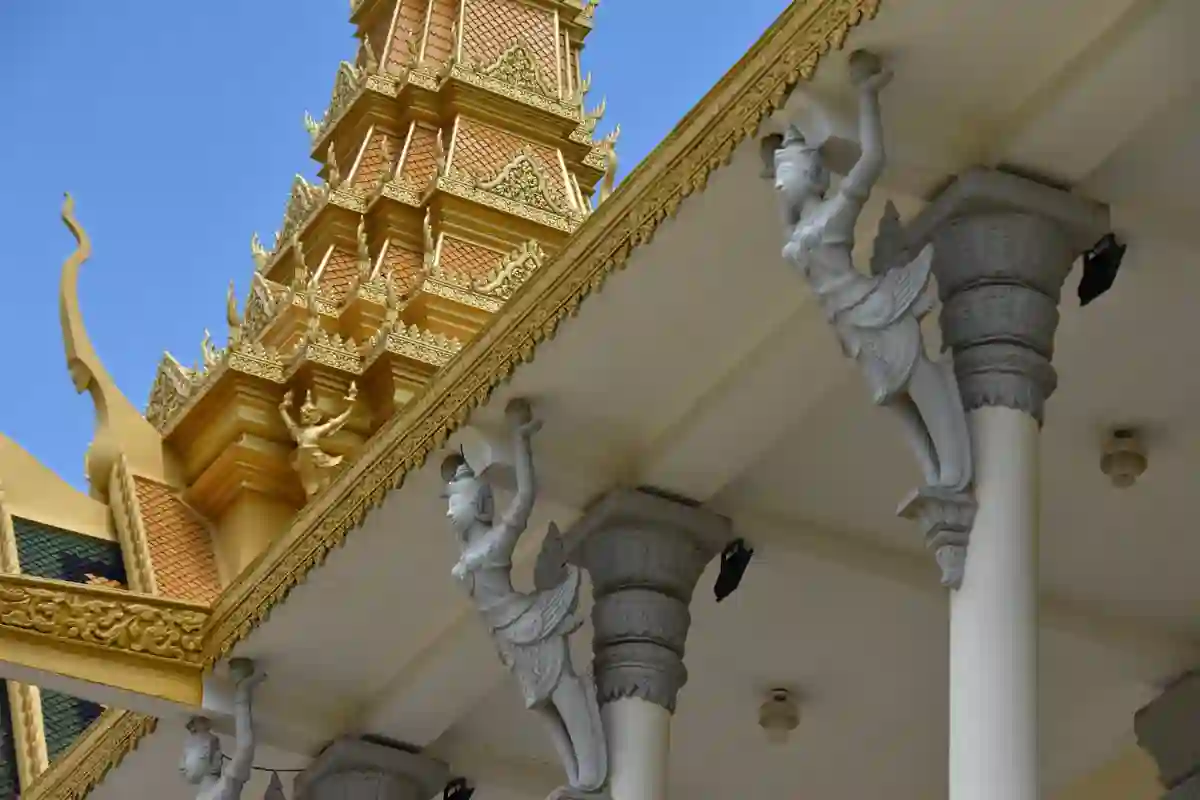
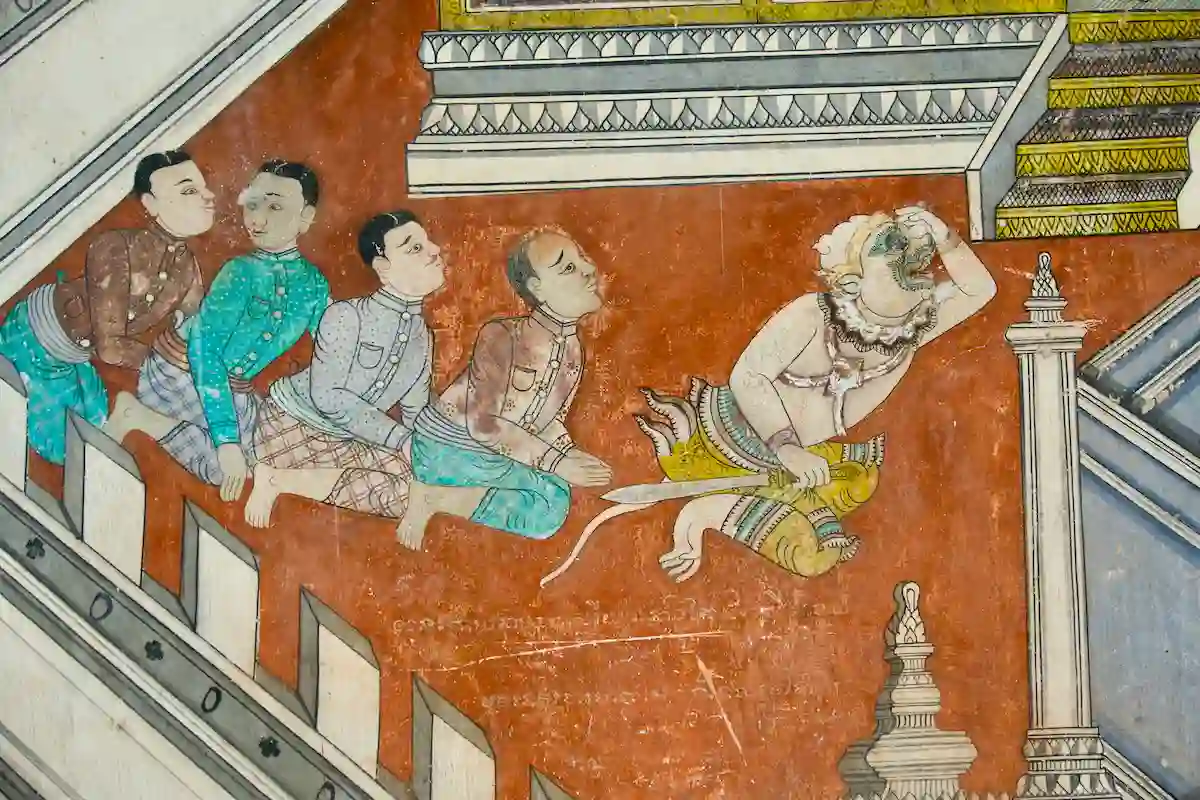
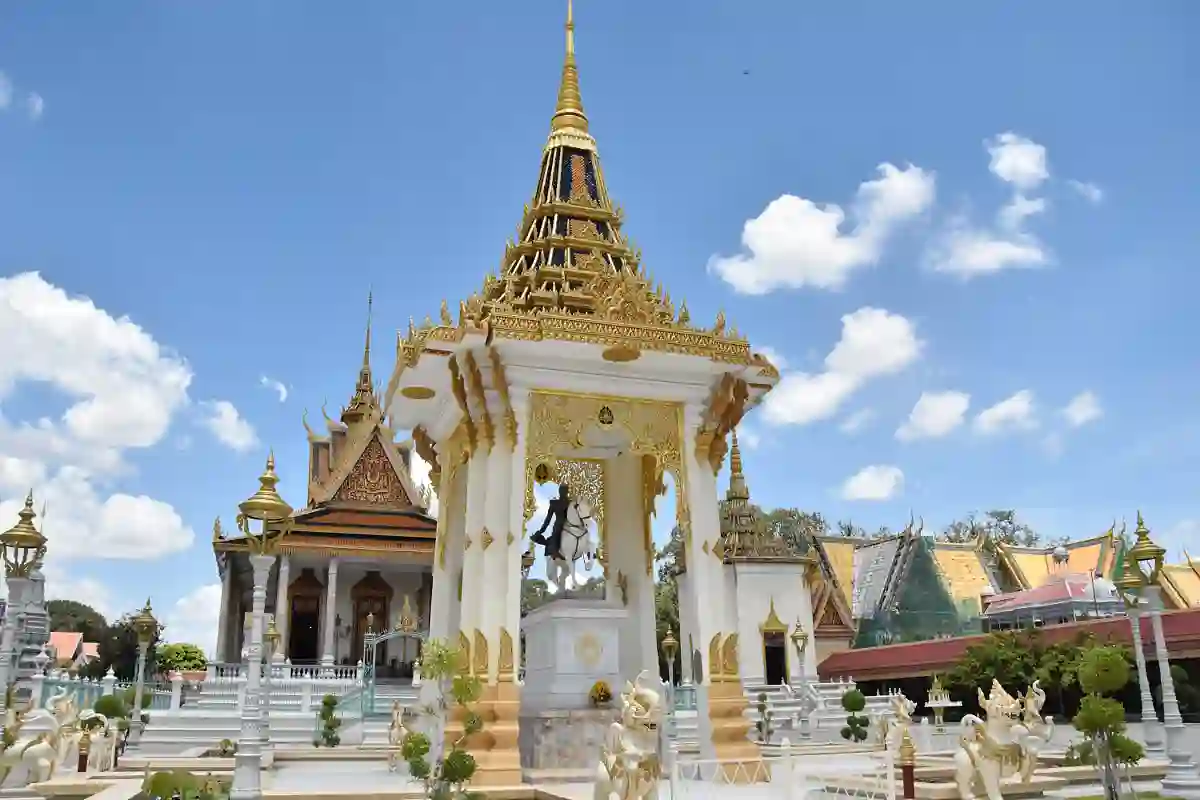
The Royal Palace in the capital Phnom Penh is a collection of temple buildings that are still the royal residence. King Norodom Sihamoni occupies part of the palace, but he has no political power.
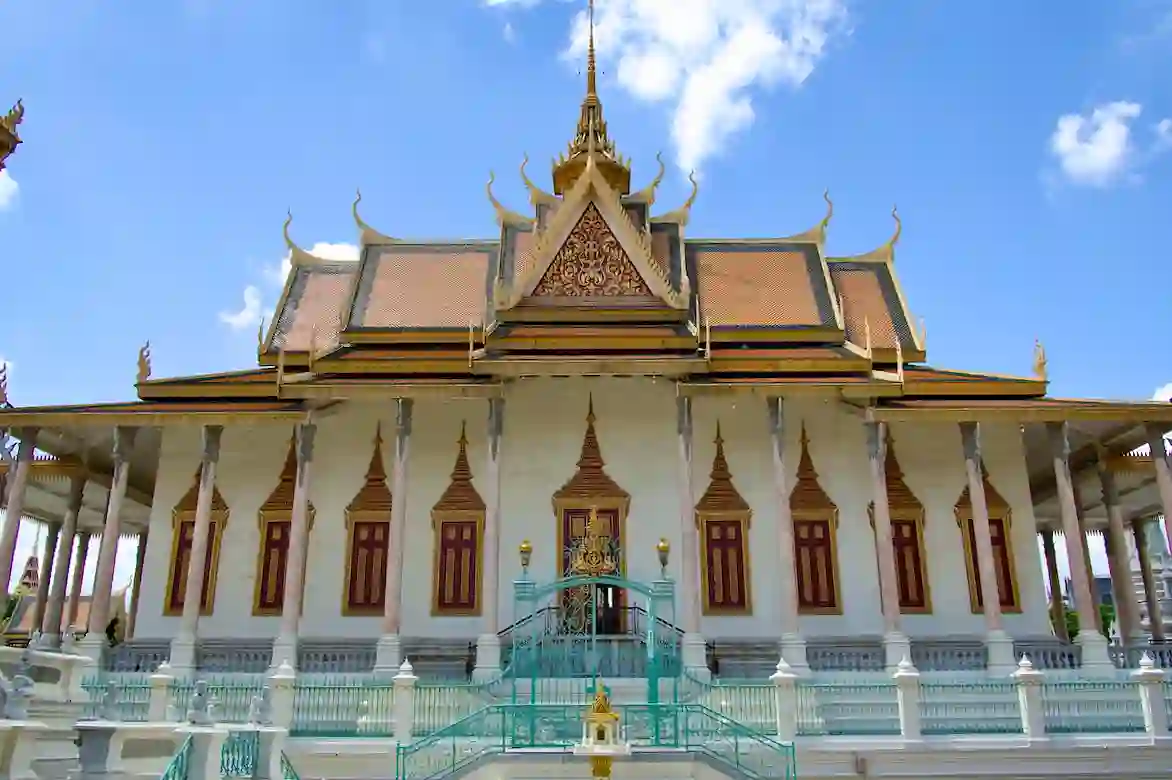
We see stunningly beautiful architecture in the large, airy and harmoniously organised area. There is an incomparable collection of artefacts in the Silver Pagoda, including an “emerald Buddha” which is actually not made of emerald but coloured glass. And best of all – the hordes of tourists with whom we were crowded in temples in Korea and Vietnam are completely gone here. We walk at our own pace and have time to admire everything in peace and quiet.
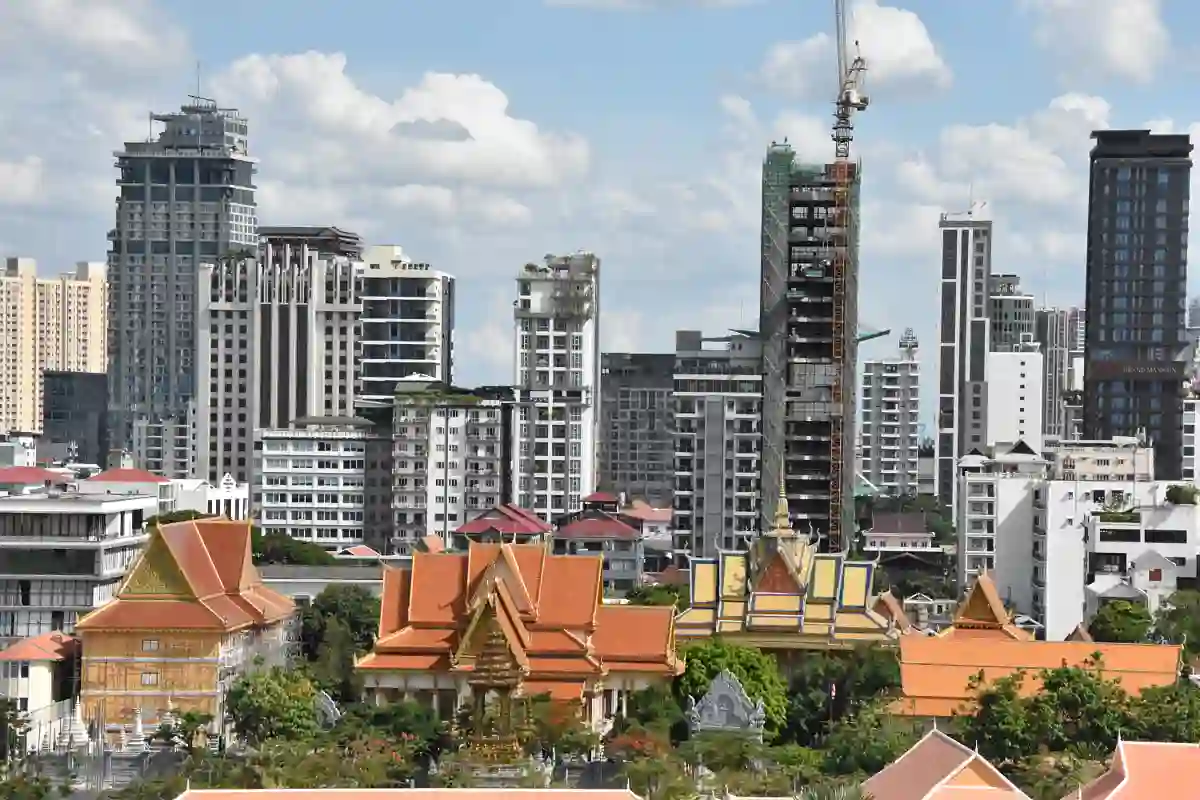
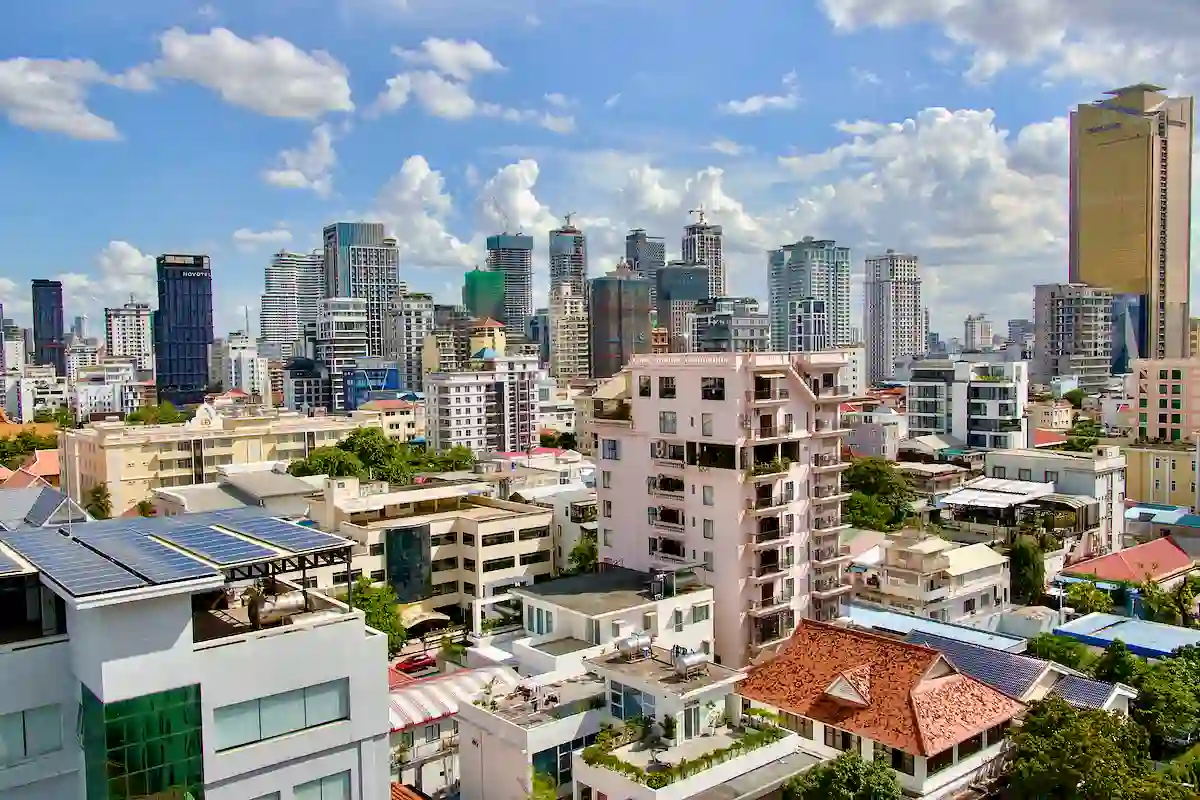
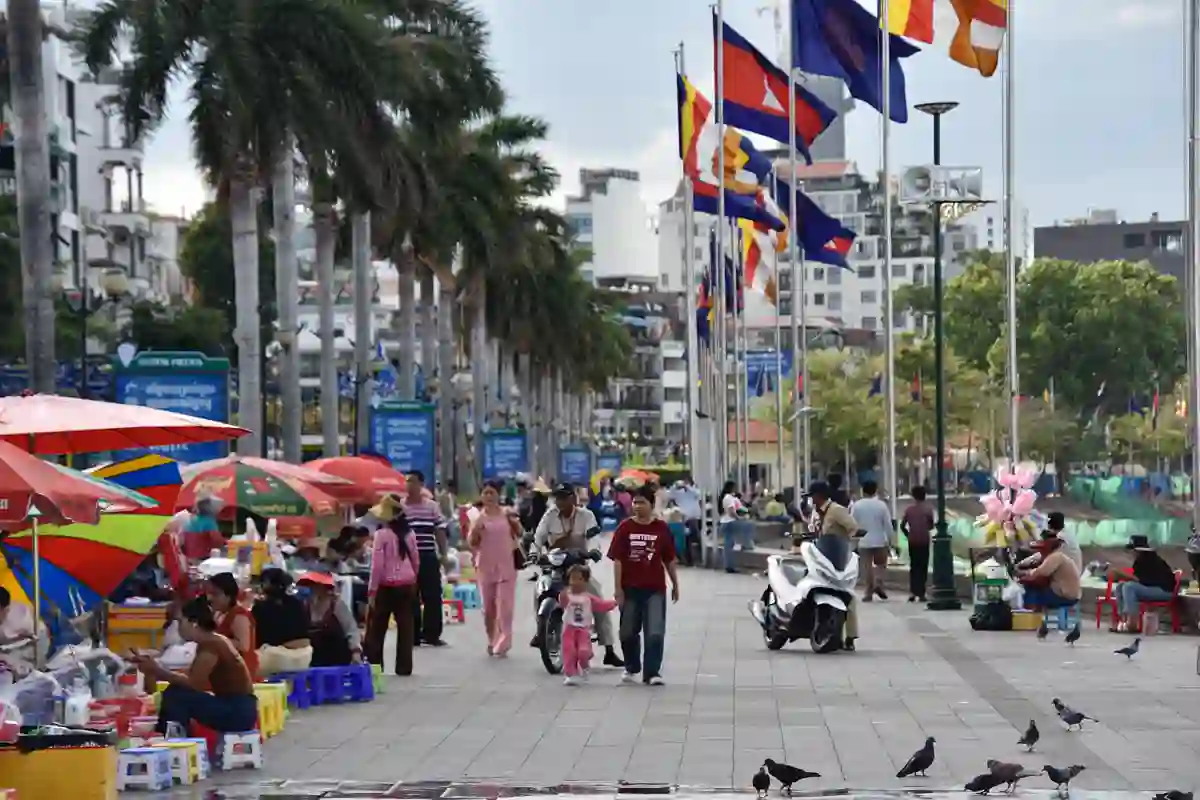
Phnom Penh is a lively city but the rhythm is more laid back than in Hanoi, for example. The people we meet are very friendly and helpful, and this applies not only here but throughout the country as far as we can judge.
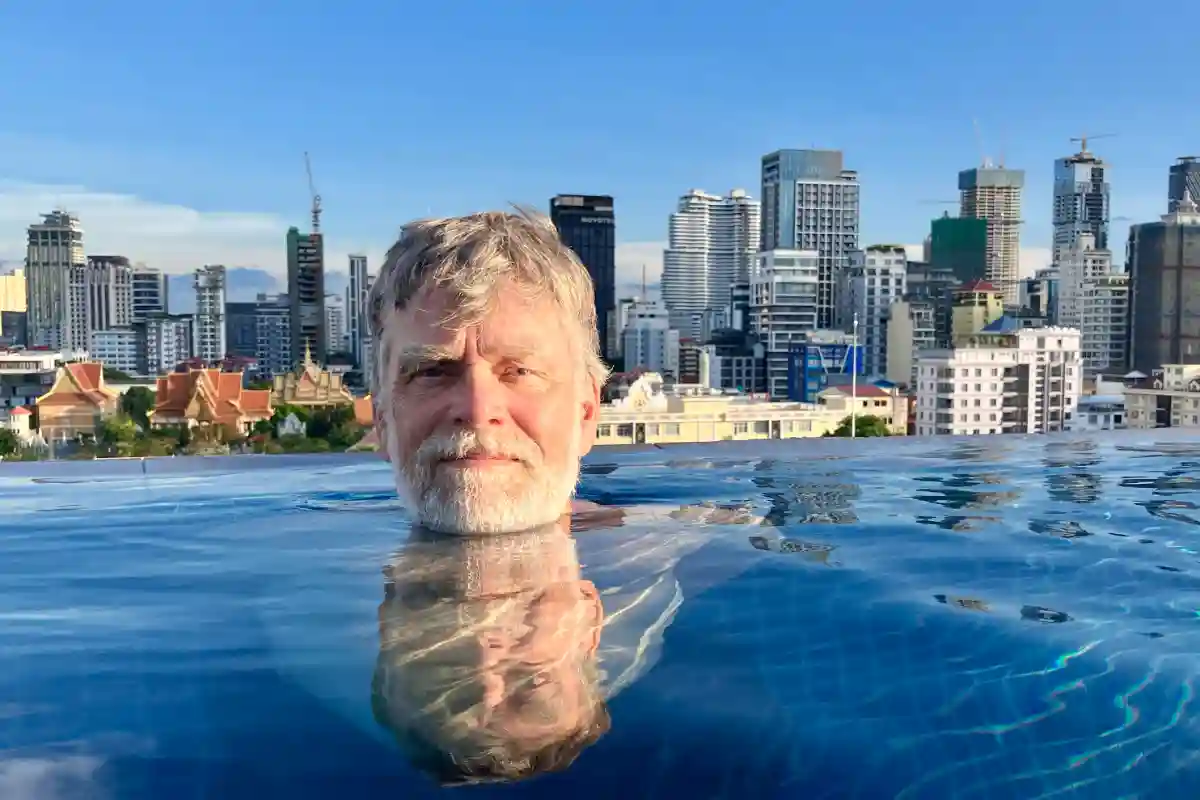
We stay in a hotel with an infinity pool on the roof and it feels really luxurious even though the room price is lower than in hostels in Europe.
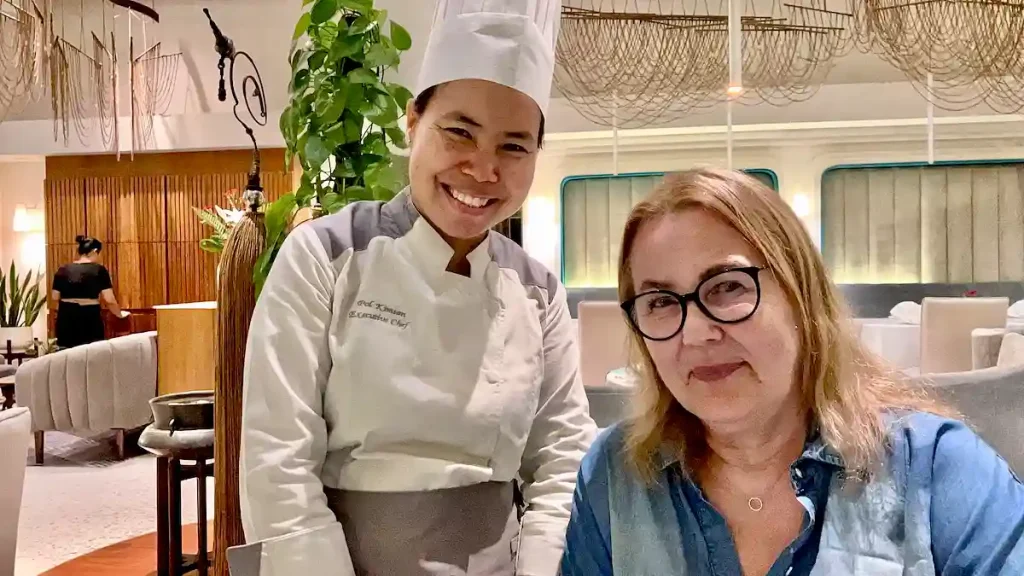
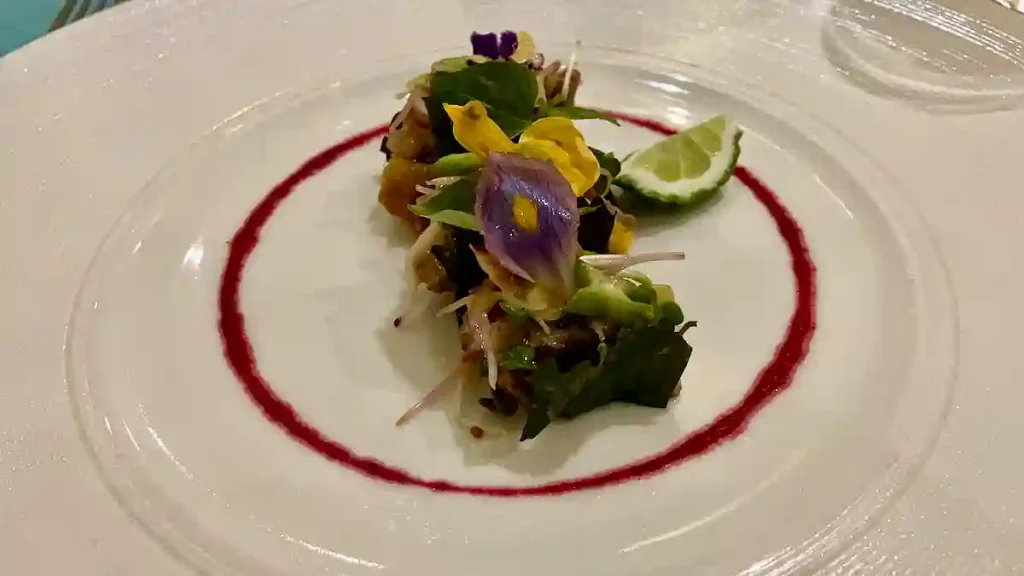
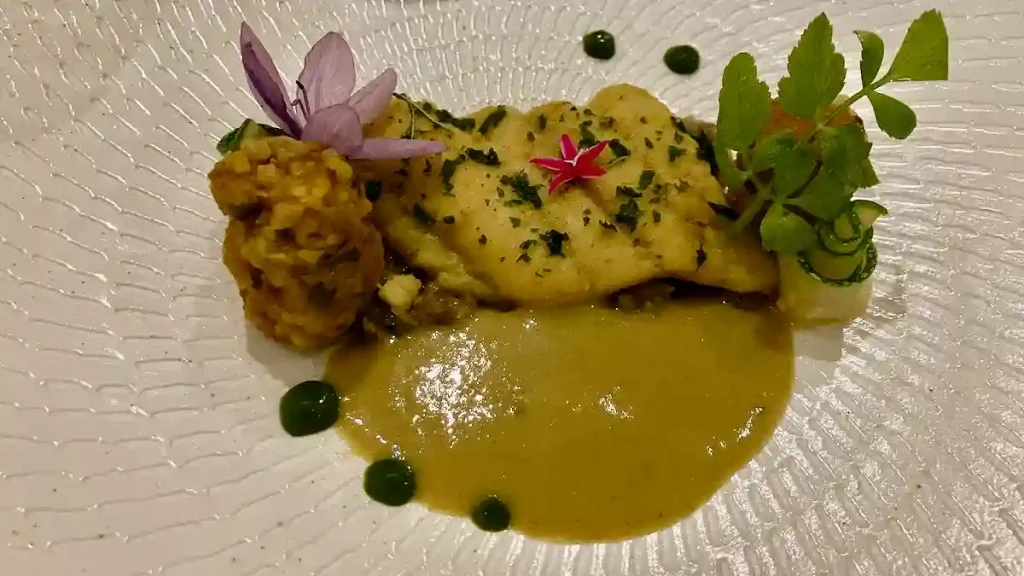
Cambodian food is incredibly tasty, with spices that are quite different from those in neighbouring Vietnam and Thailand. We choose a formidable tasting menu at Sombok restaurant, where the acclaimed chef Kimsan Pol works her magic with the ingredients. We don’t regret it!
We now set the direction towards Cambodia’s third largest city. But when we get there, we see completely different views than we expected. Come with us to Battambang!