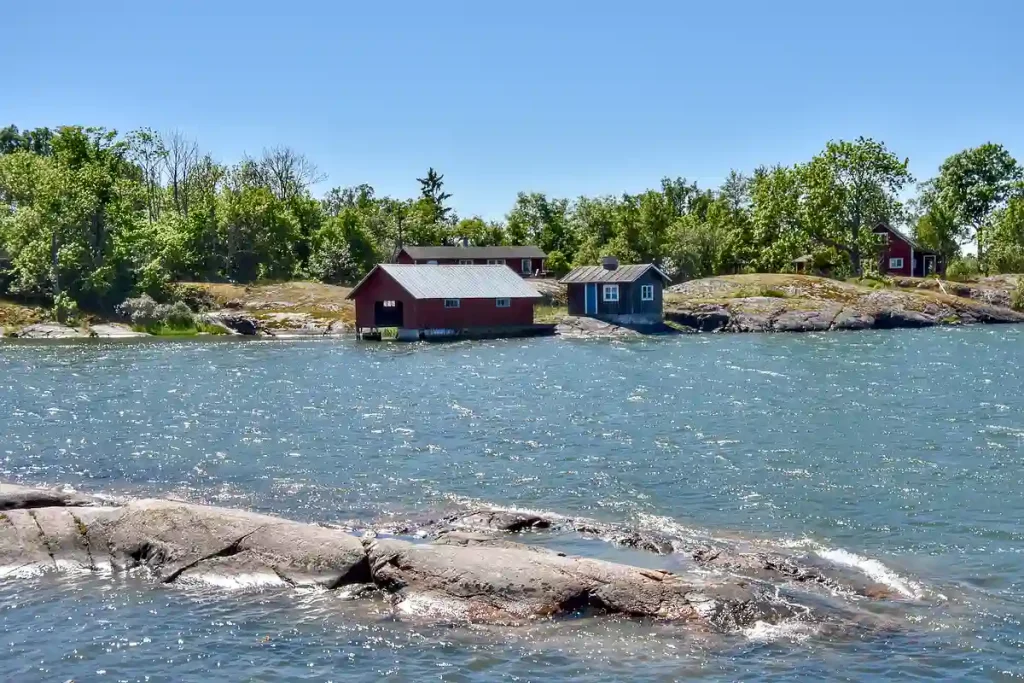
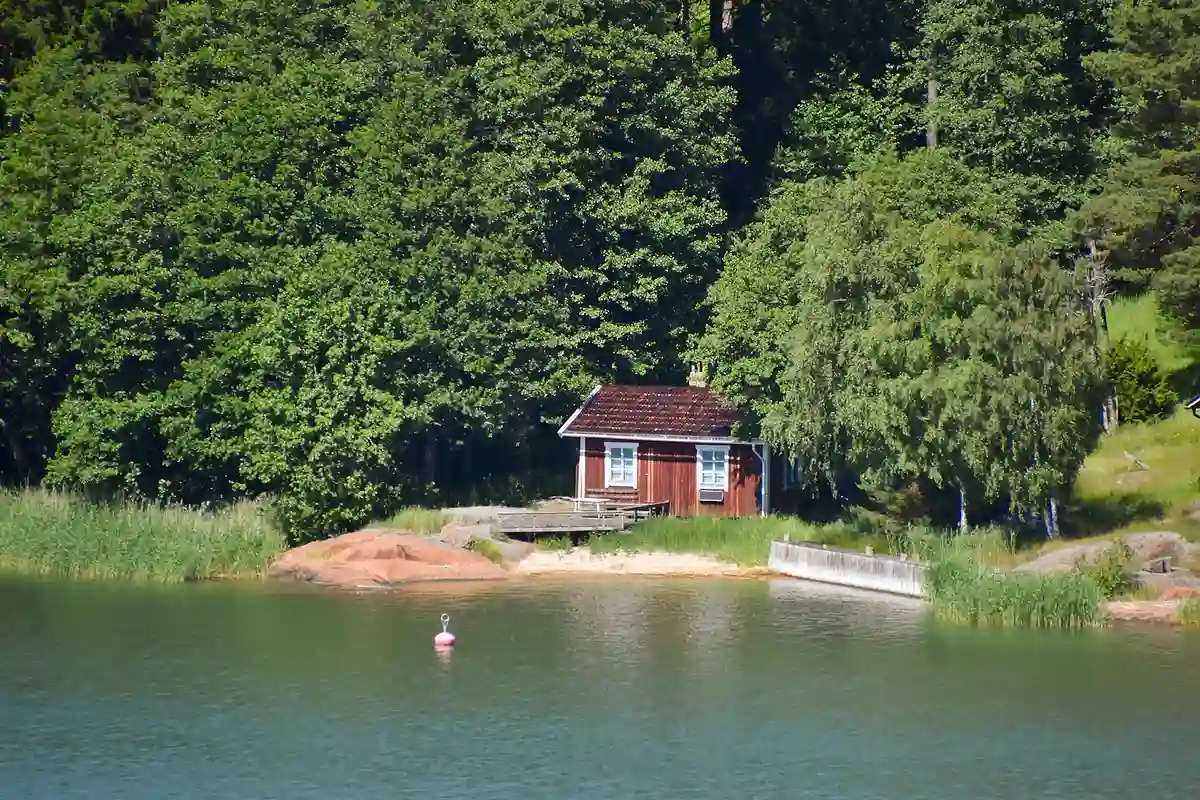
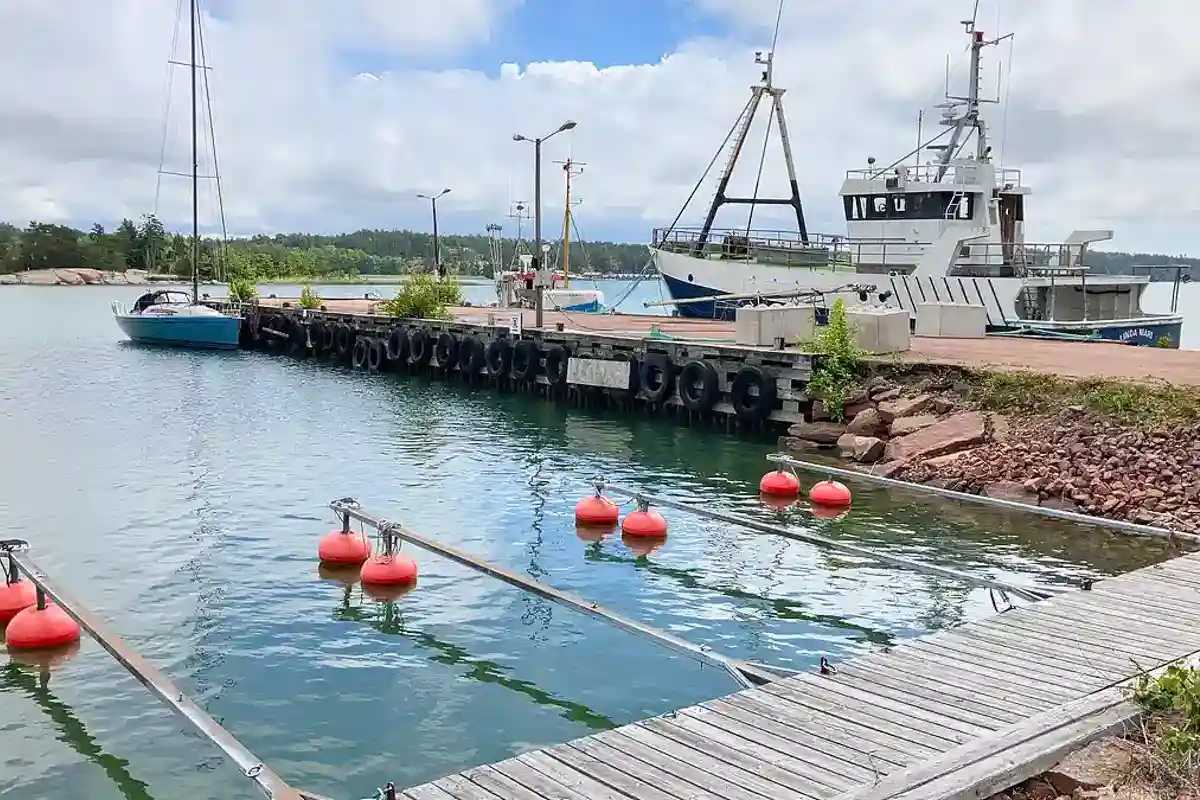
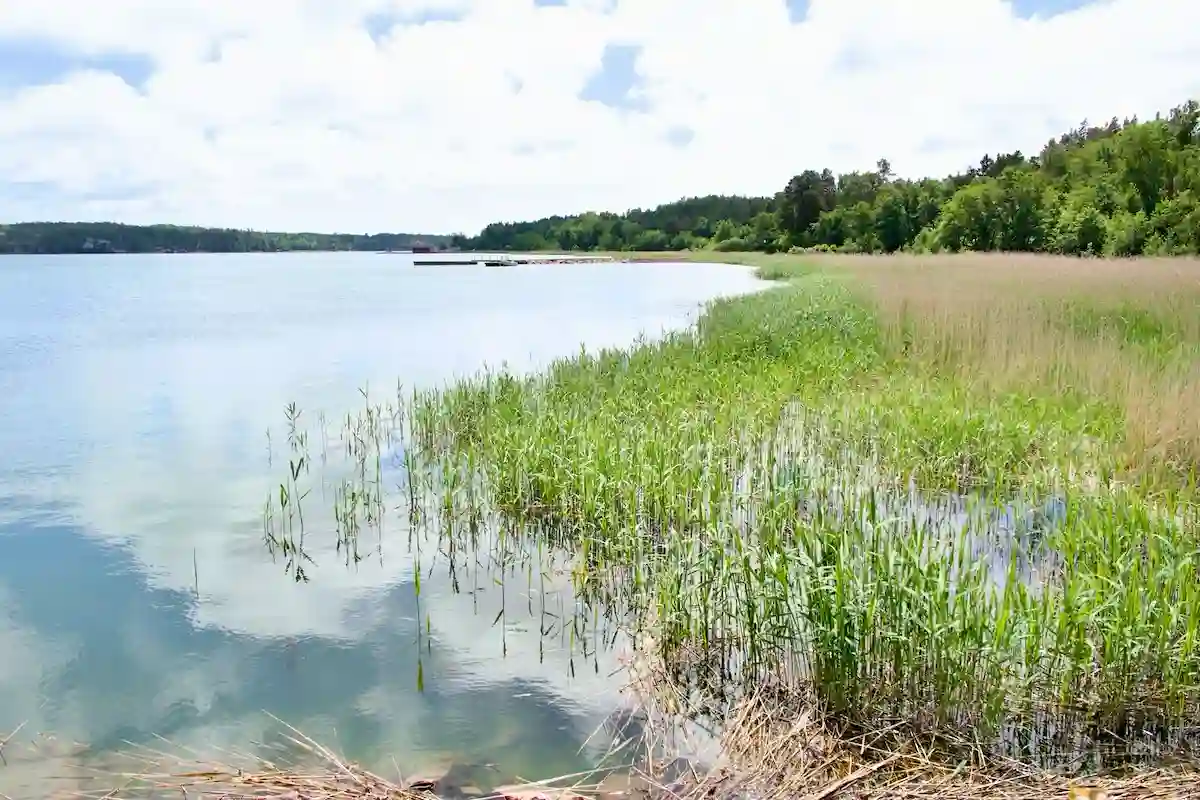
Between Roslagen in Sweden and Turku in Finland lies the Åland archipelago, forming a bridge between the two countries. It comprises 6,700 islands, which, amongst other things, share the fact that they did not actually exist 10,000 years ago. Since then, post-glacial rebound has caused them to rise out of the sea, like an inverted Atlantis.
Our decision to visit Åland was very spontaneous; it only took a day or so to go from the idea to the plan. We’d both been to Mariehamn separately before, but we didn’t know much about the rest of Åland. But even as we were travelling up through Sweden, we started to wonder whether it was such a good idea after all…
Fortunately, however, the weather cleared up just as we were on the ferry between Grisslehamn and Eckerö. We chose that route because it’s the quickest way to the archipelago.
The drive from the ferry terminal to the ‘capital’, Mariehamn, takes just half an hour, but you can also take the local bus or cycle. The road winds gently through the pale green midsummer landscape so familiar from our childhood summers. We feel wonderfully relaxed and have lunch in Öra.
It is easy to take a liking to Åland, as the landscape is so similar to that of Sweden, with both wooded areas reminiscent of our rural hinterland and an archipelago of gently sloping granite cliffs. Yet Åland is, at the same time, entirely unique in Europe, owing to a historical coincidence. From the 16th century onwards, for three hundred years, Åland was part of Sweden, as was Finland itself. But in 1809, Sweden was forced to cede Finland under a peace treaty with Russia.
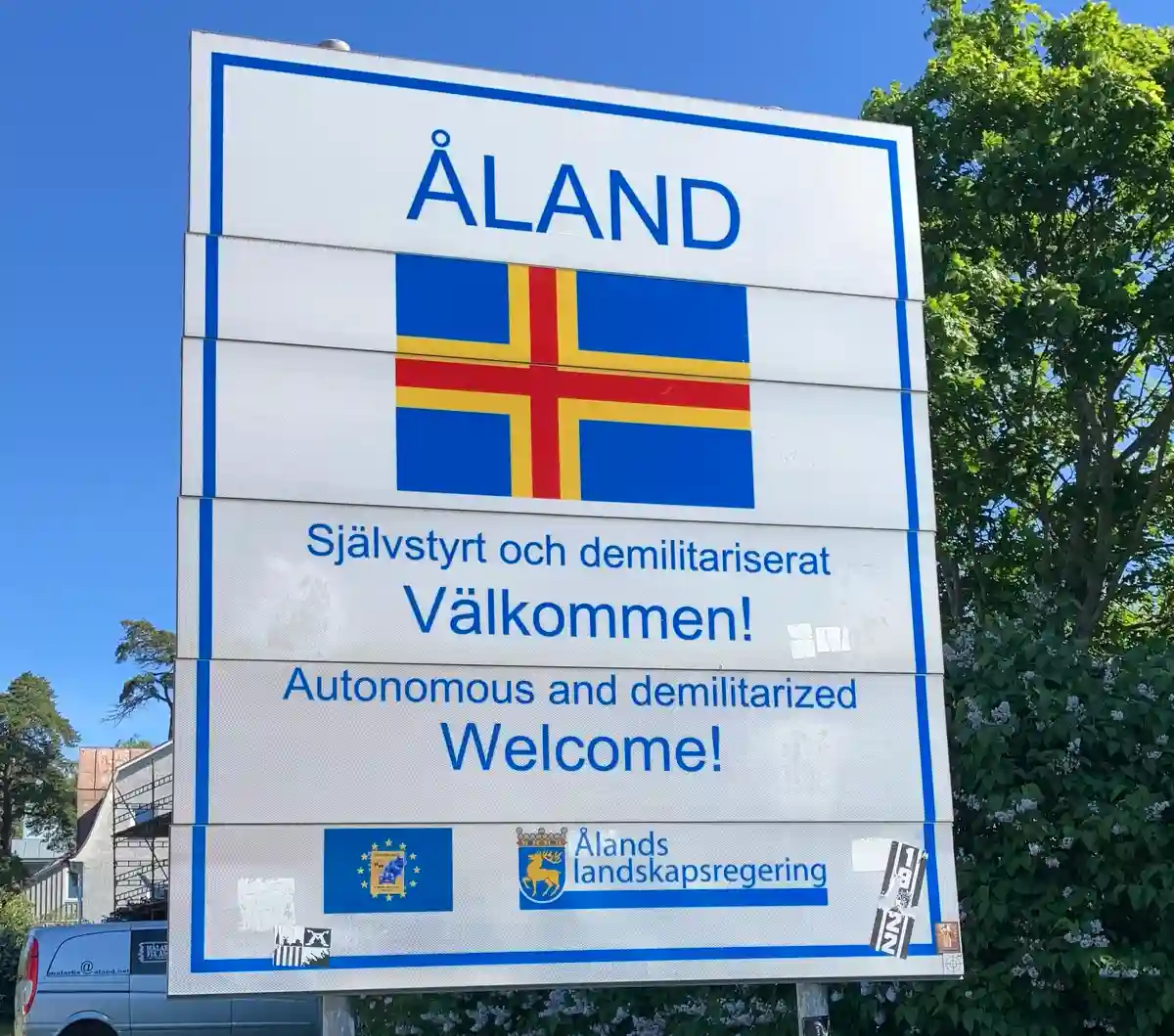
When Finland gained independence in 1917, many Ålanders wanted to be part of Sweden, something to which the Finnish authorities were absolutely opposed. The League of Nations, the predecessor to the UN, then decided that Åland should become a neutral and demilitarised region with a high degree of self-determination. But it would remain a part of Finland.
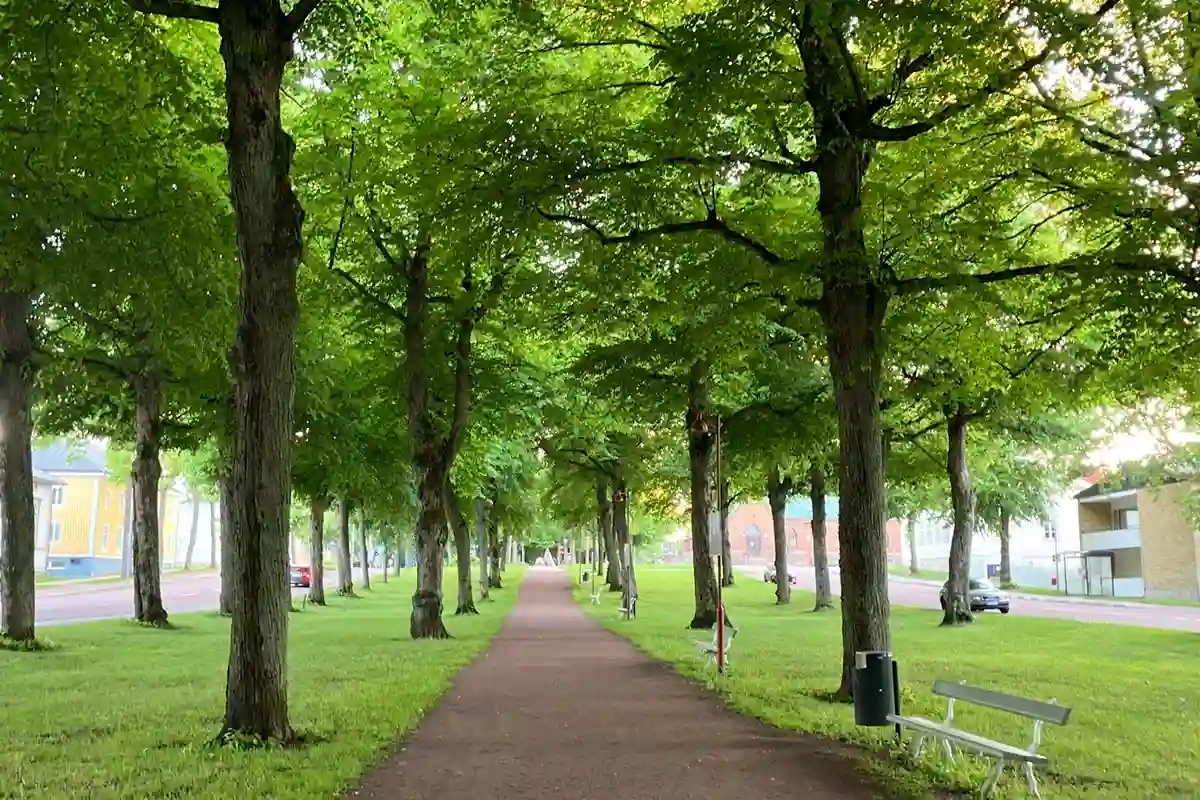
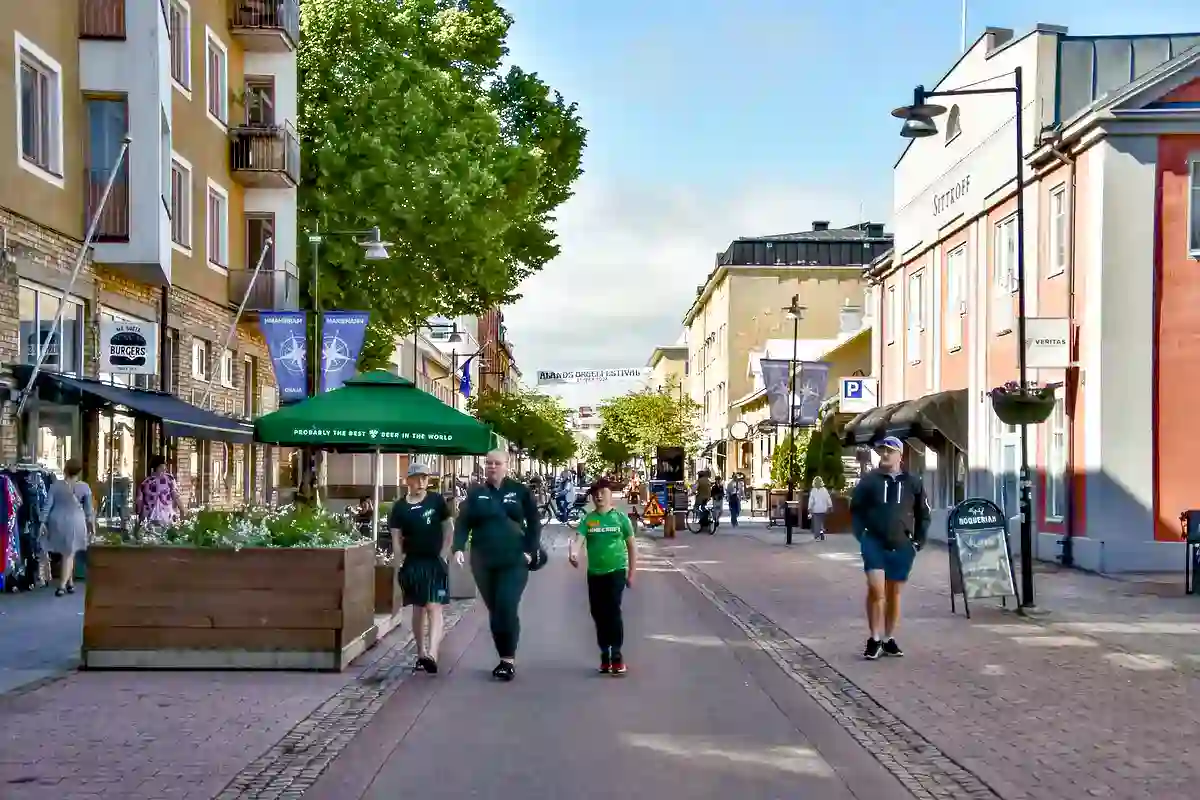
Mariehamn is a small, intimate and very green town. Large gardens with tall trees surround the detached houses that line the quiet streets. Even the apartment blocks are small, low-rise and detached-house-like.
The town lies on a narrow, long headland stretching from north to south, and roughly in the middle it is divided by the relatively wide Esplanade, which consists of two parallel streets with two-way traffic and a wide footpath and cycle lane in the middle. It is lined by an avenue of tall lime trees planted in six (!) rows. In the evening, the lush crowns of the lime trees are filled with chattering jackdaws.
There is also a north-south esplanade, but it is more like two ordinary streets.
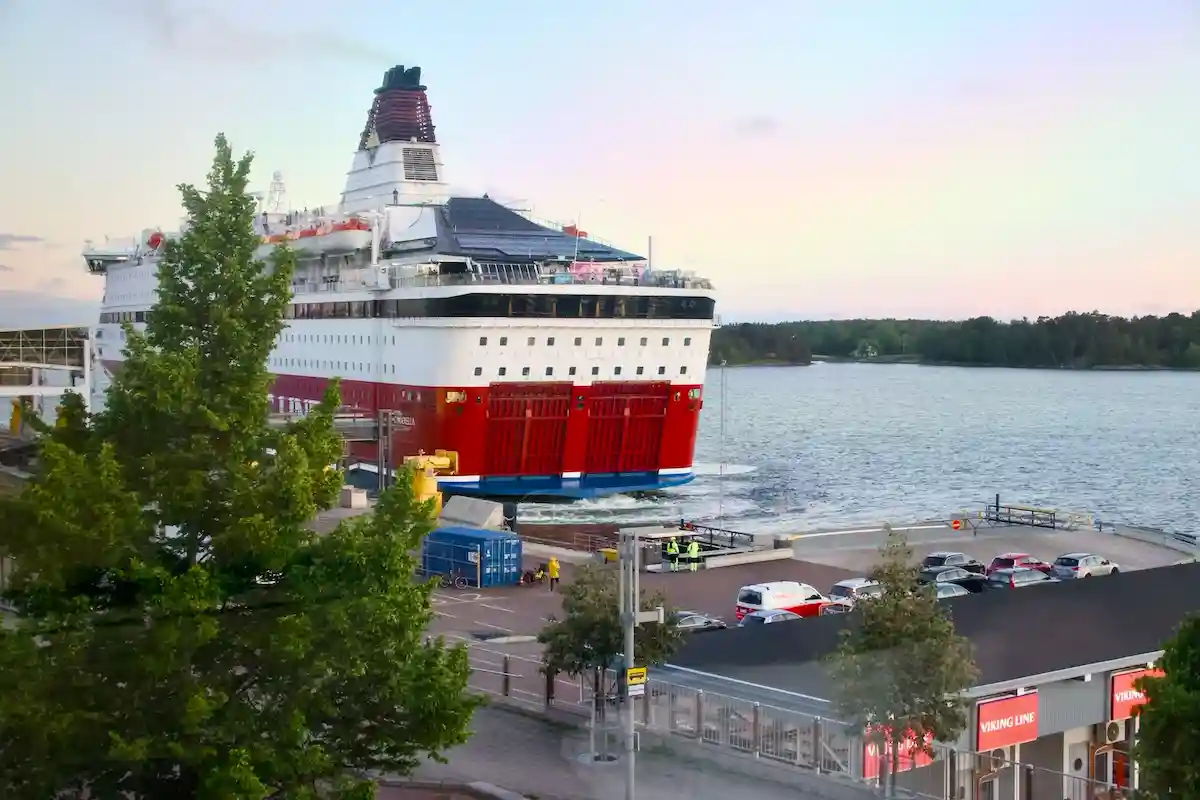
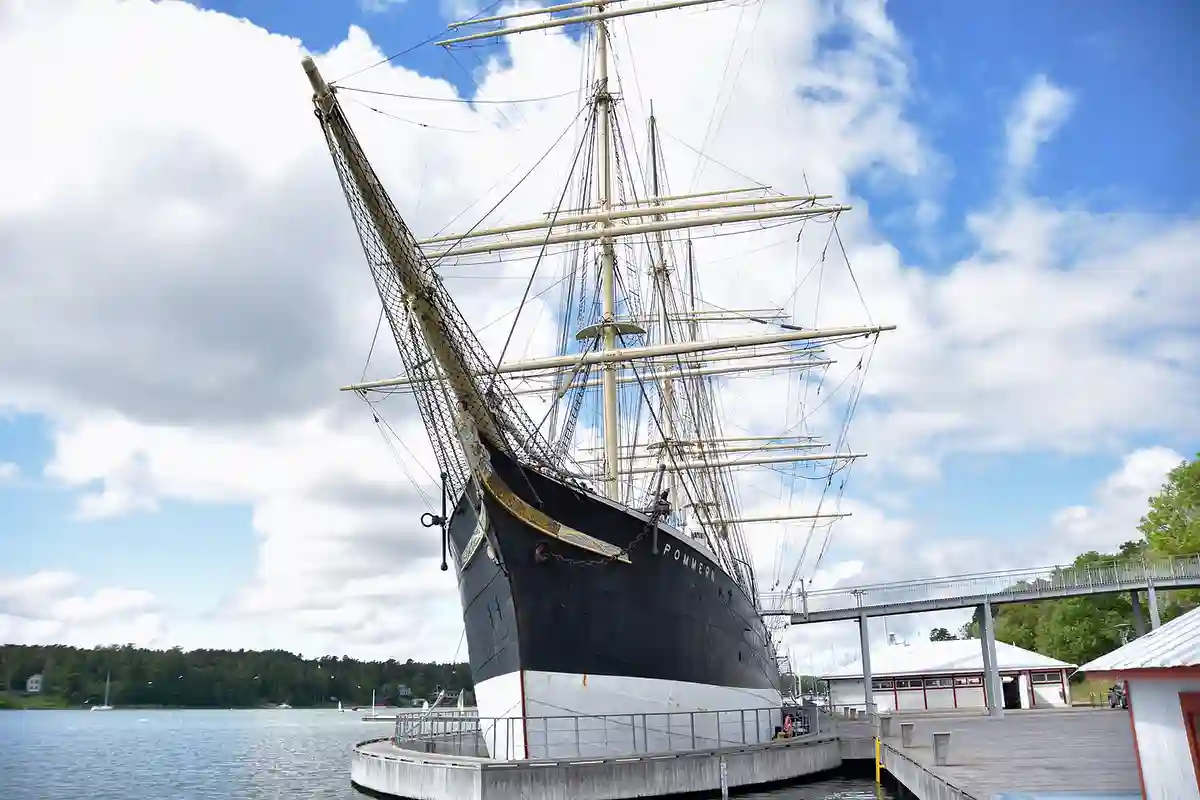
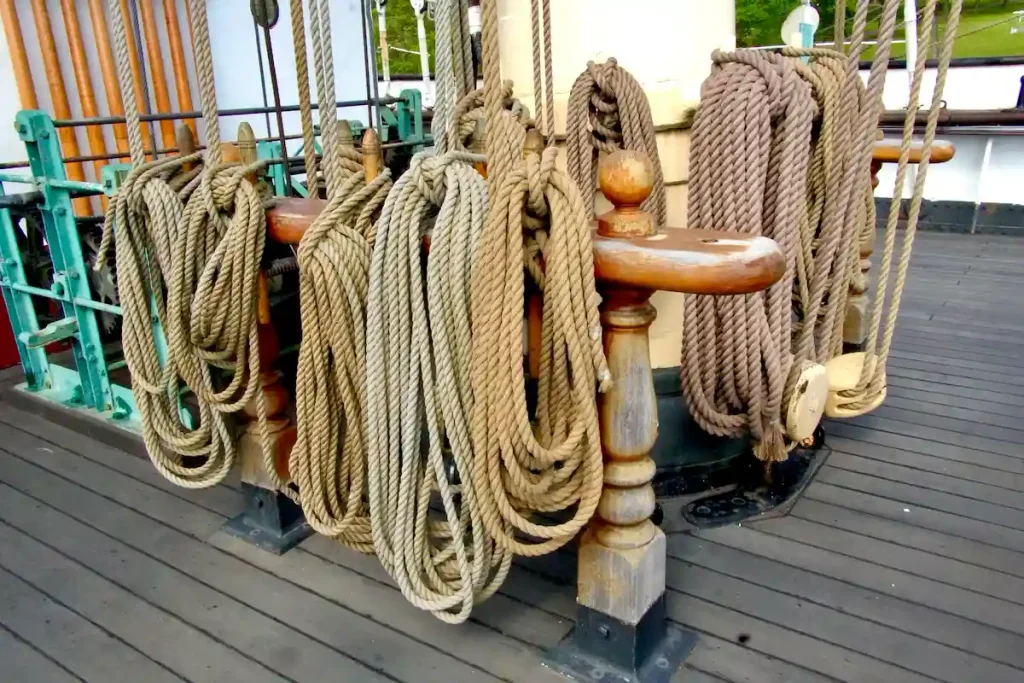
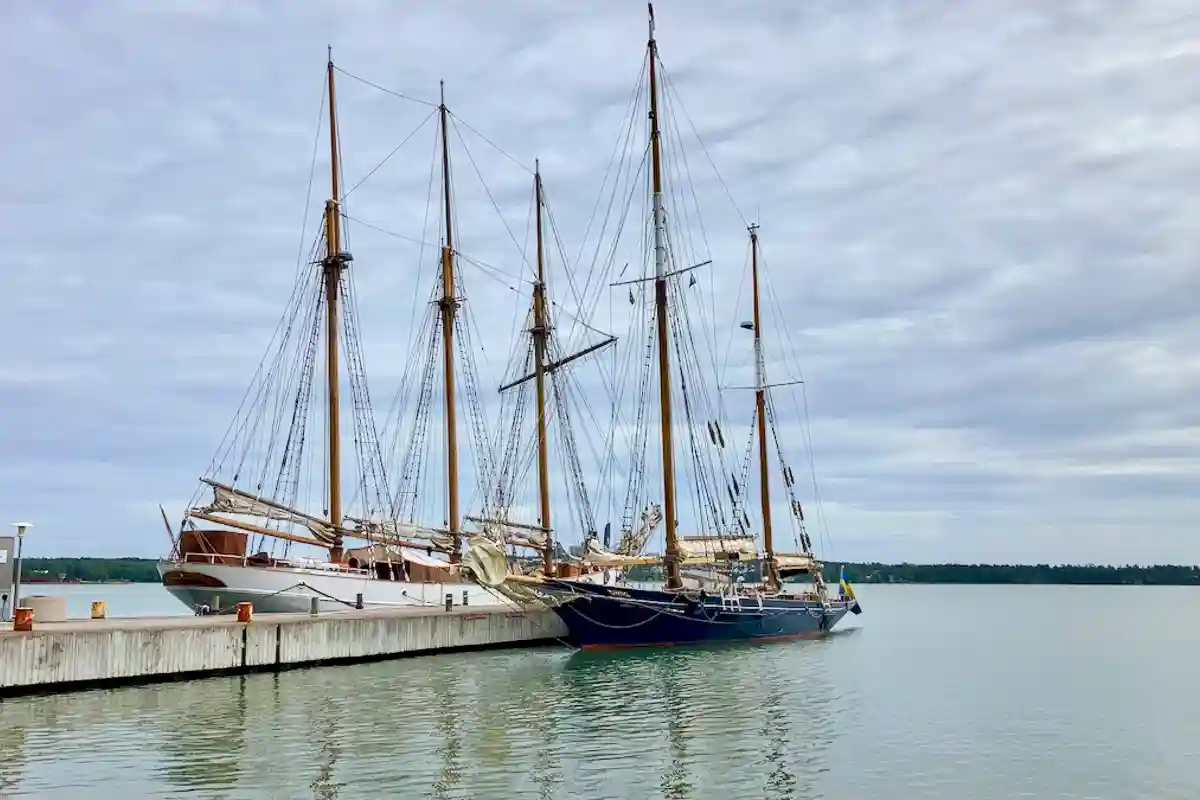
Quays run along the seafront on the western and eastern sides of the peninsula. Our first hotel is situated on the “Western quay”, near the impressive full-rigged ship ‘Pommern’ and the Maritime Museum. A little further south are the terminals for the large Finland – Sweden ferries operated by Tallink Silja Line and Viking Line. Apart from that, the western quay is rather uninteresting.
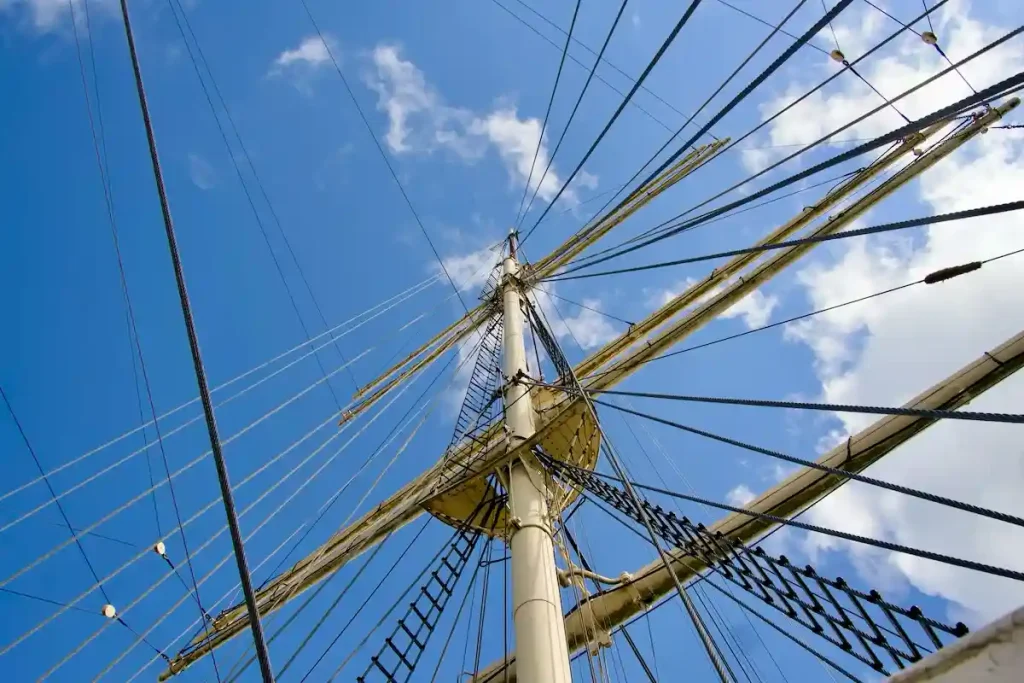
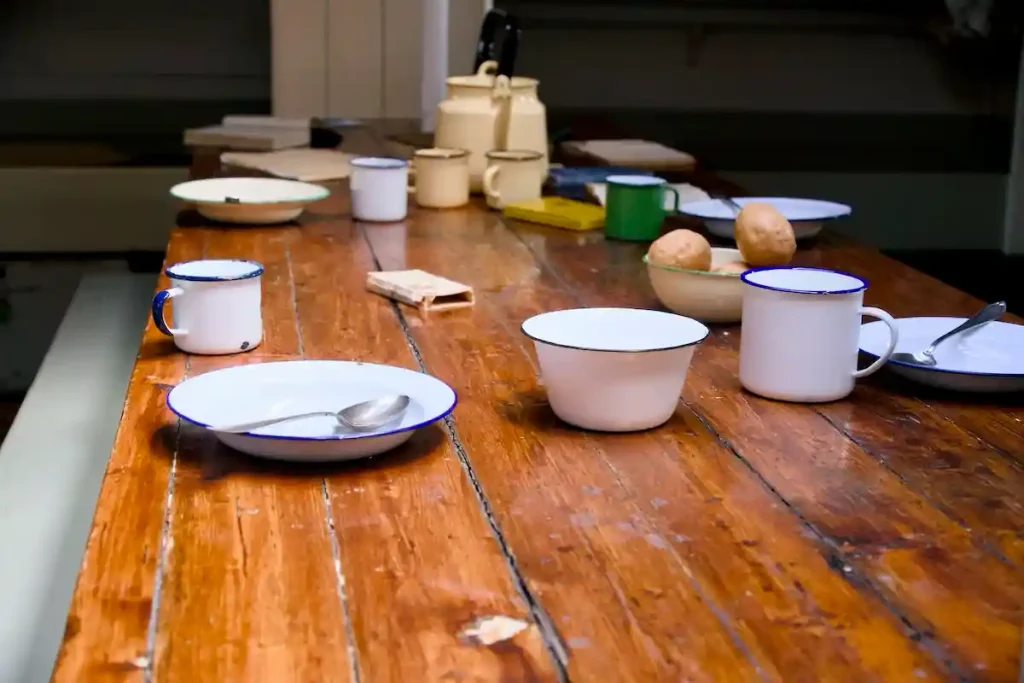
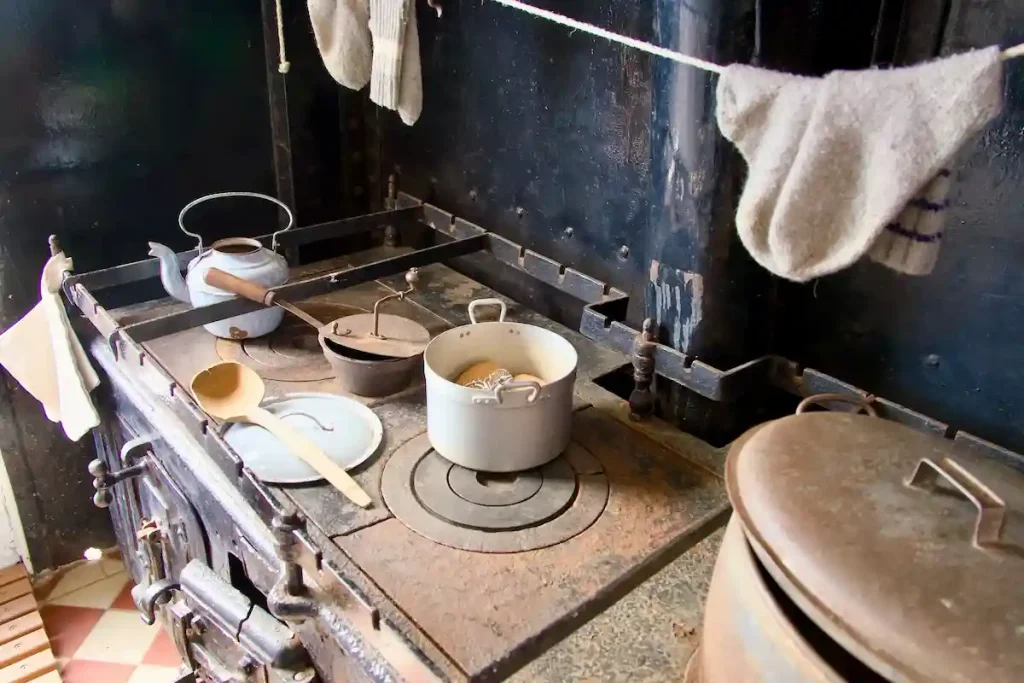
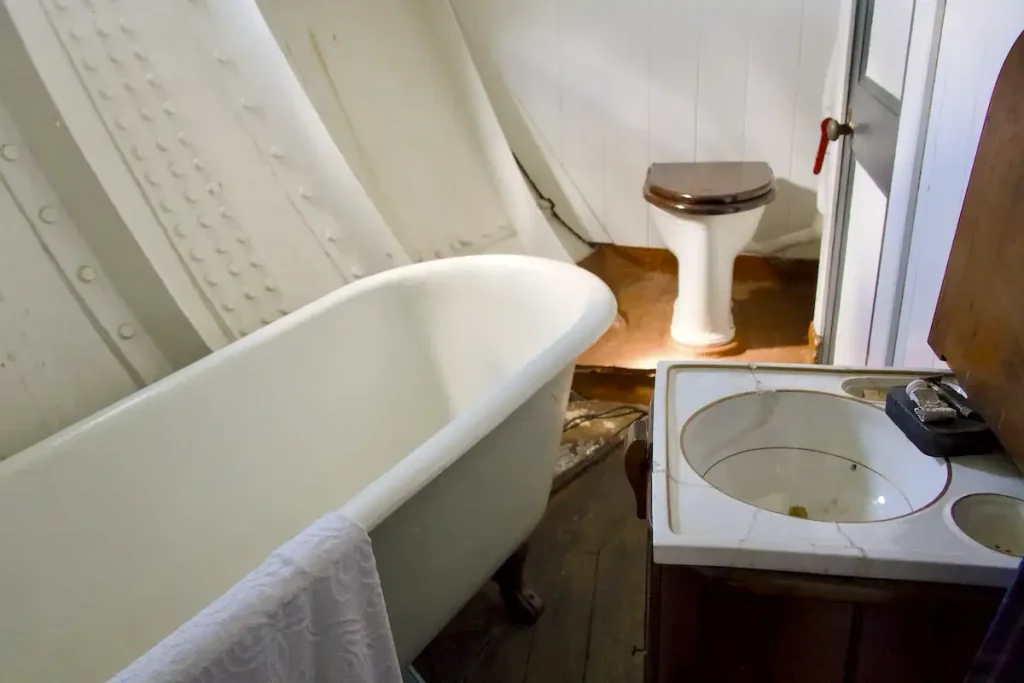
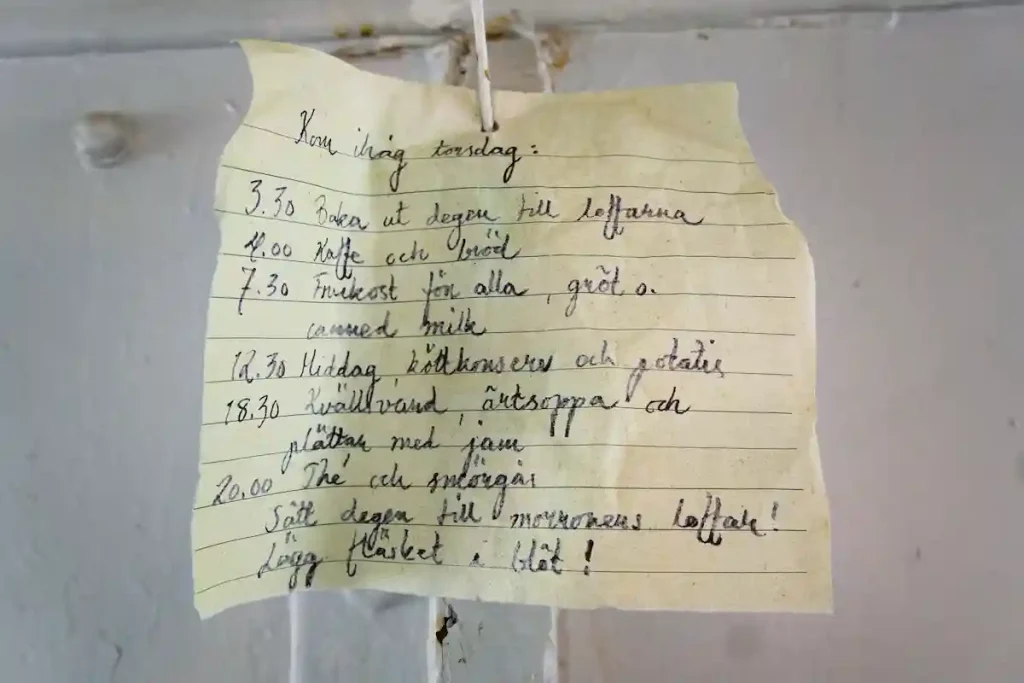
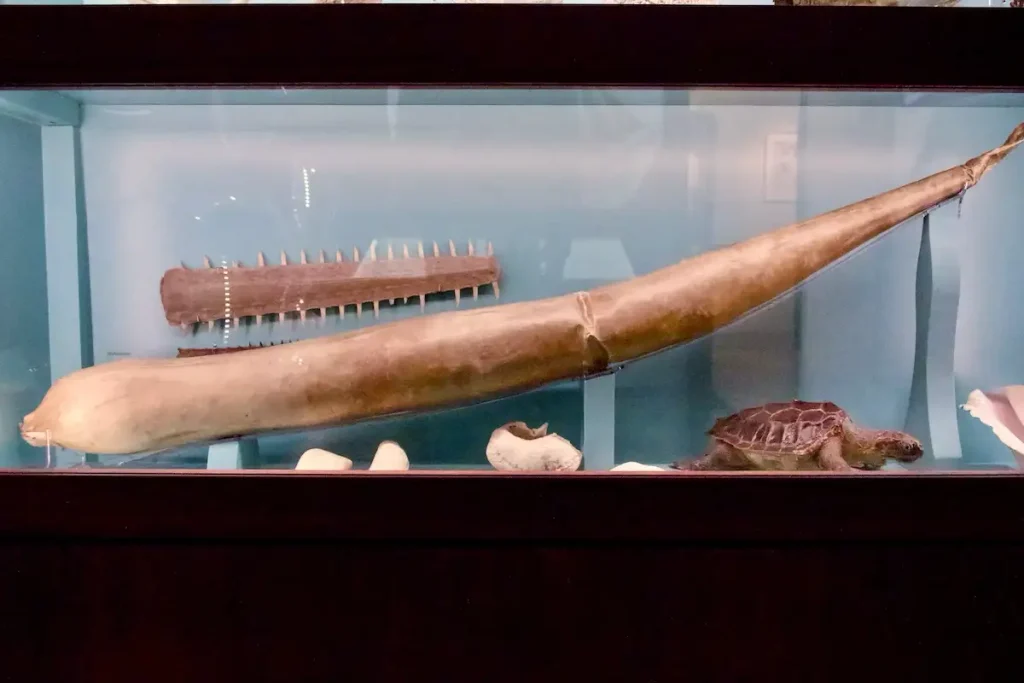
However, as shipping has come to define and dominate the economy of Åland, the Maritime Museum is a must-see attraction. The museum ticket also grants access to the Pommern, which is itself a museum dedicated to the age of sail and the lives of seafarers.
The shipping industry in Åland began when, in the 19th century, the archipelago’s farmers started transporting their goods ever further afield, all the way to the markets in Stockholm and Turku. Such voyages took several days, so the boats tended to get bigger and bigger in order to make transport cheaper. And the routes grew longer; soon, timber and agricultural produce were being shipped across the whole of the Baltic Sea.
Gradually, a shipping industry emerged, and large sailing vessels – full-rigged ships – were purchased to sail to Australia and bring back grain for export to Europe. Mariehamn was the home port of the last merchant fleet of large sailing vessels.
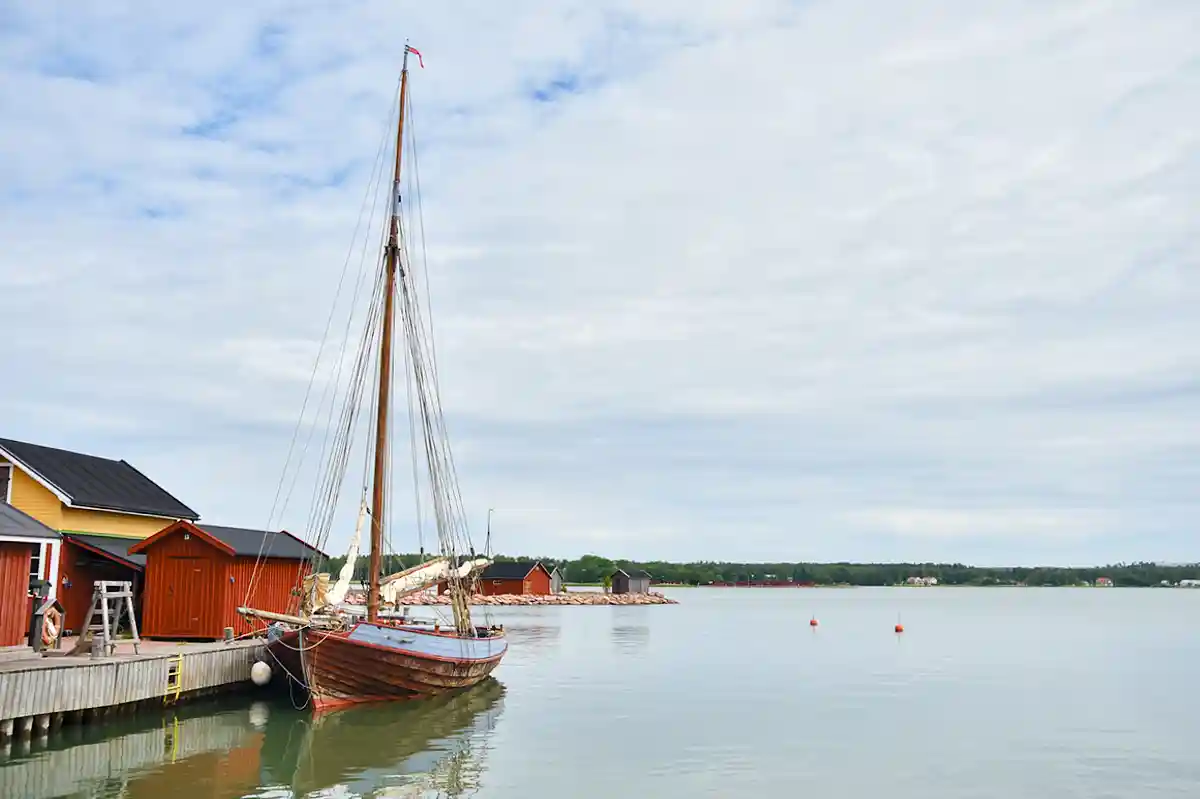
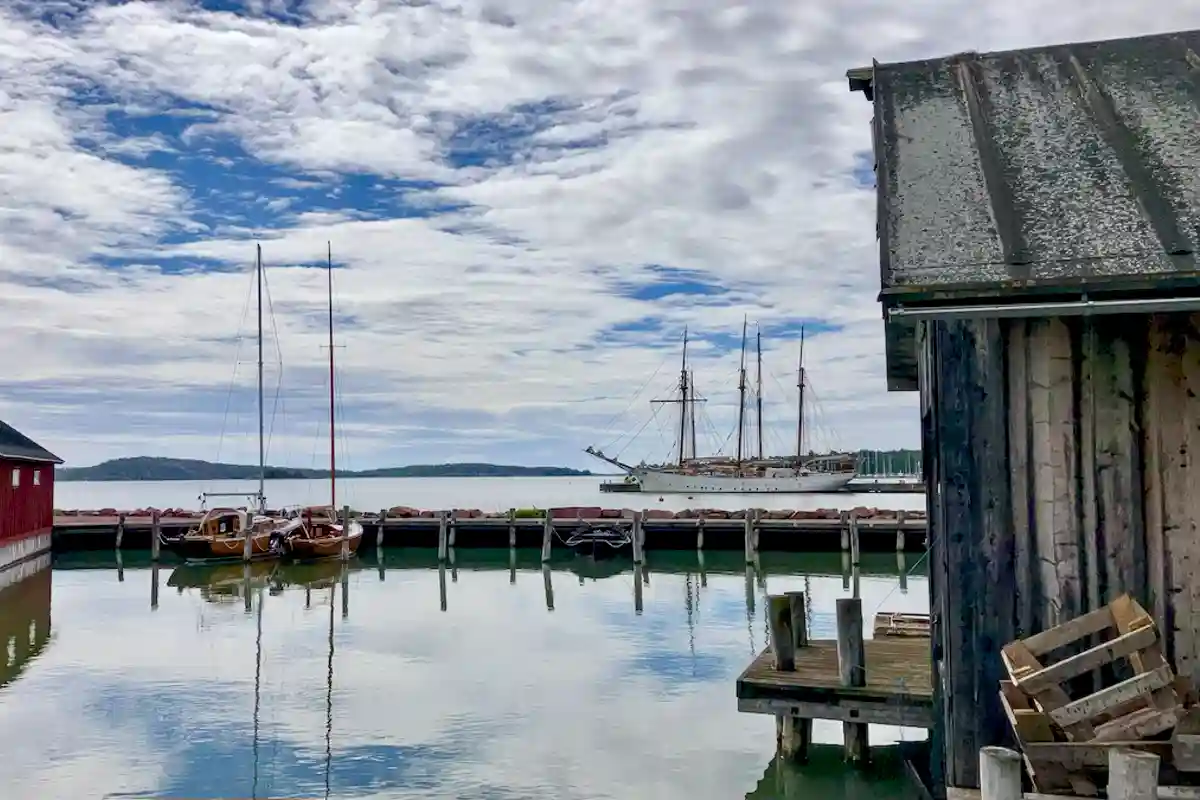
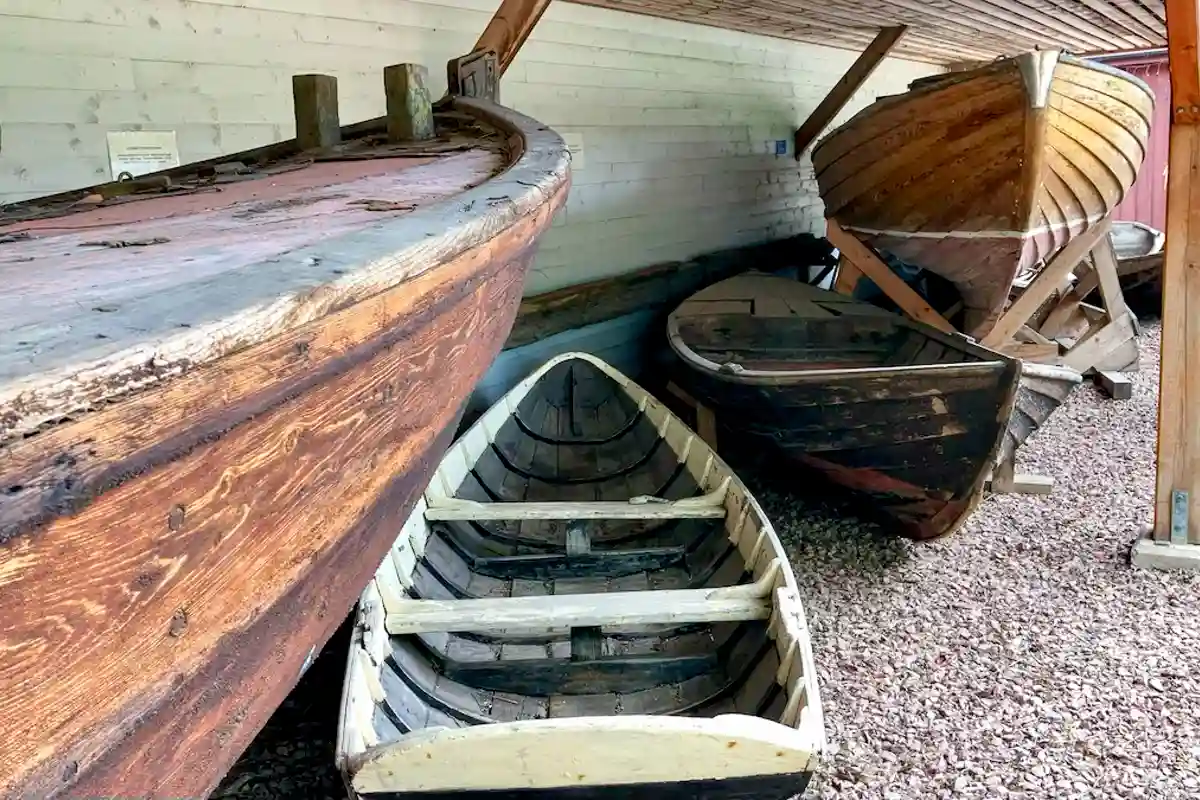
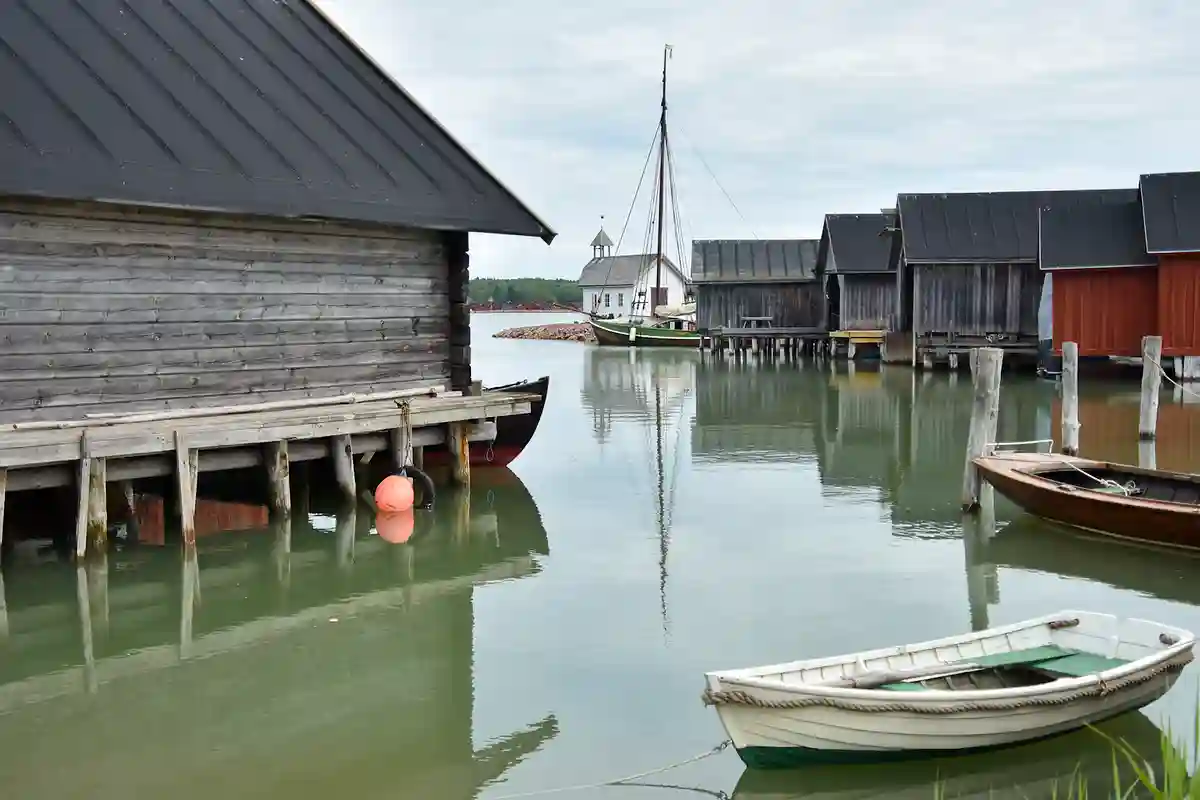
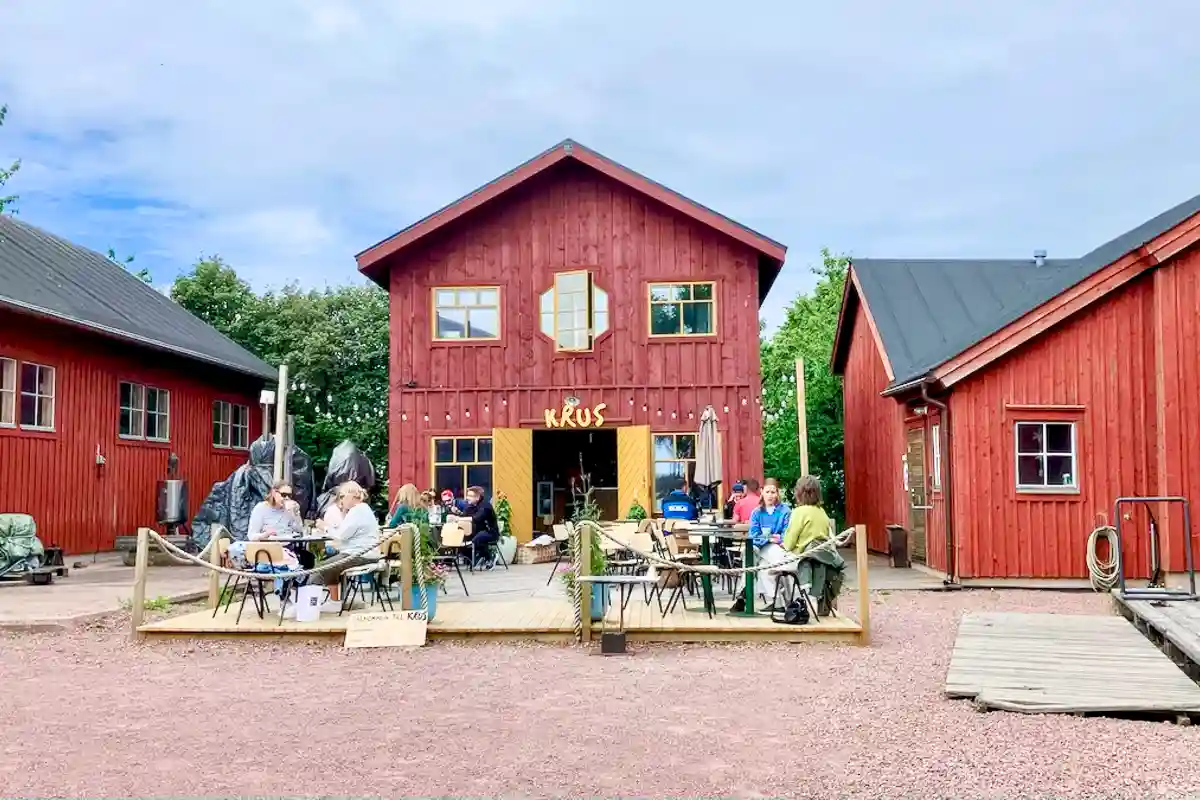
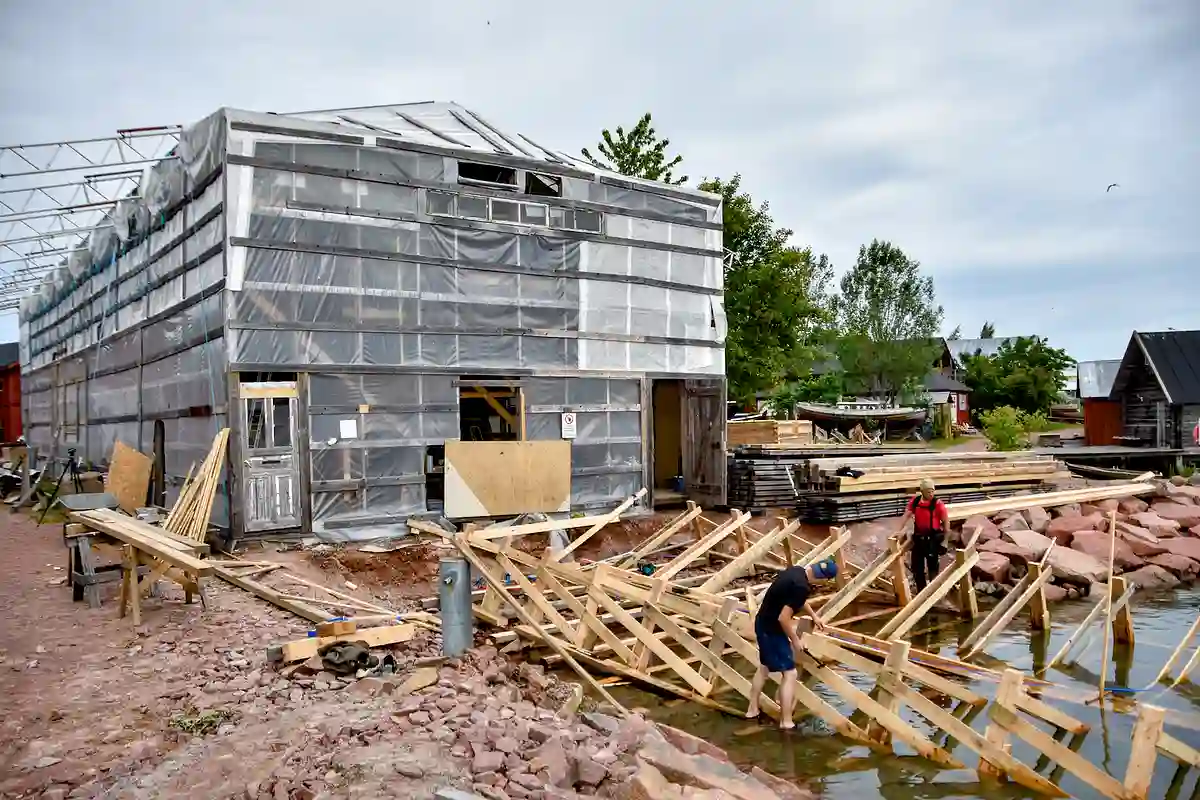
The eastern quay in Mariehamn has a completely different vibe to the western one. Here you’ll find several restaurants, the large Arkipelag Hotel, activities and promenades. And in its northern part lies what we think is the most exciting area of all. It’s called “Sjökvarteret” and is a jumble of workshops, boat-building yards, museums, quays lined with beautiful ships, and restaurants.
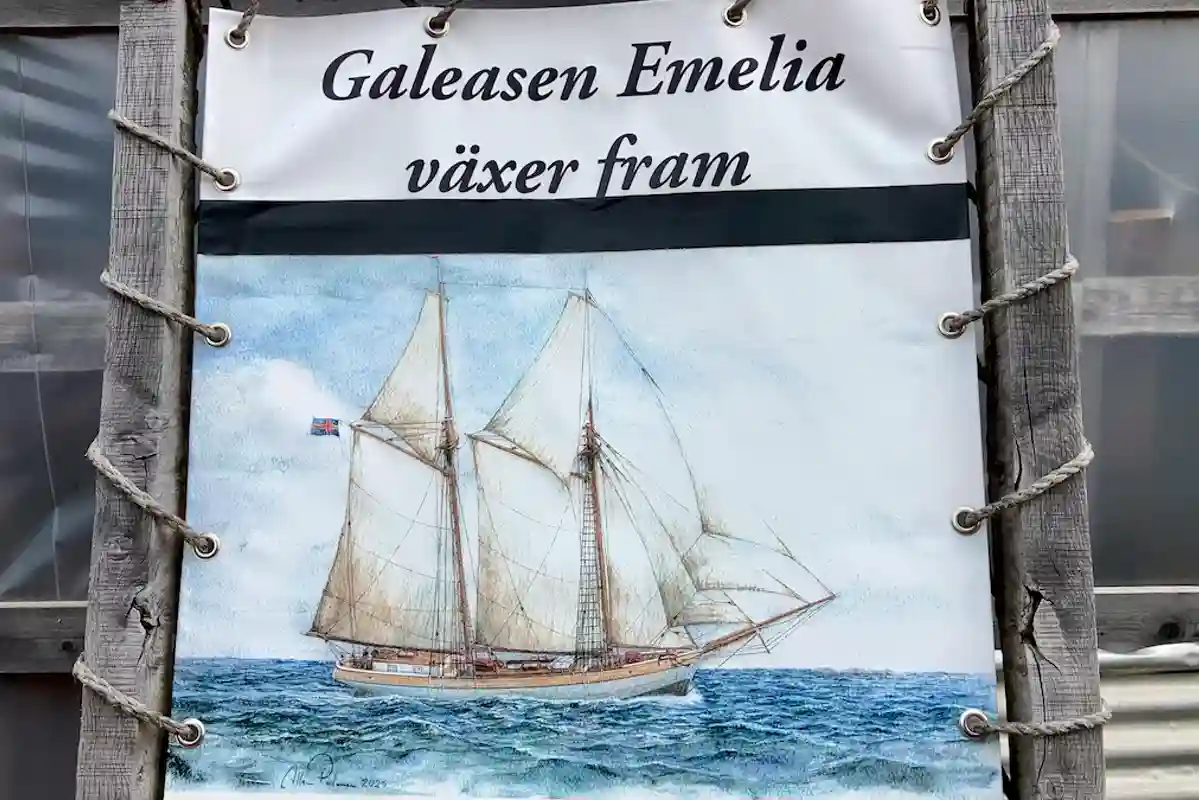
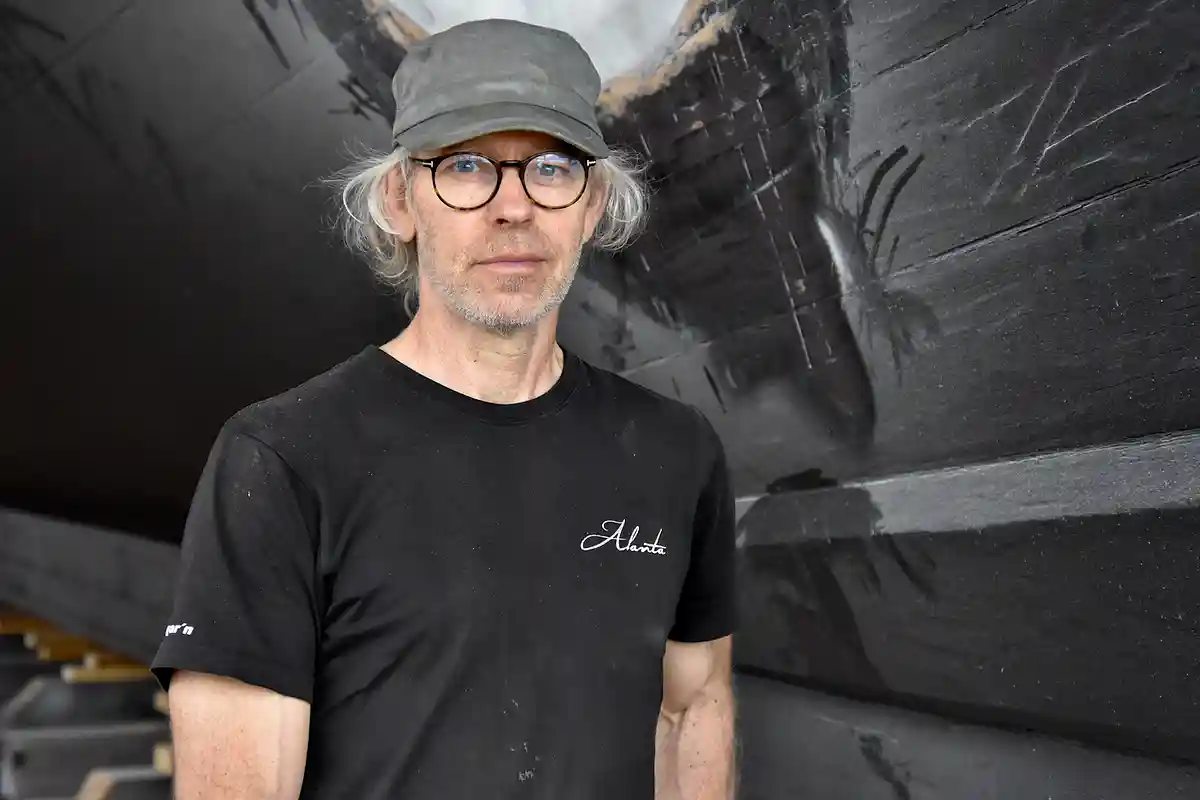
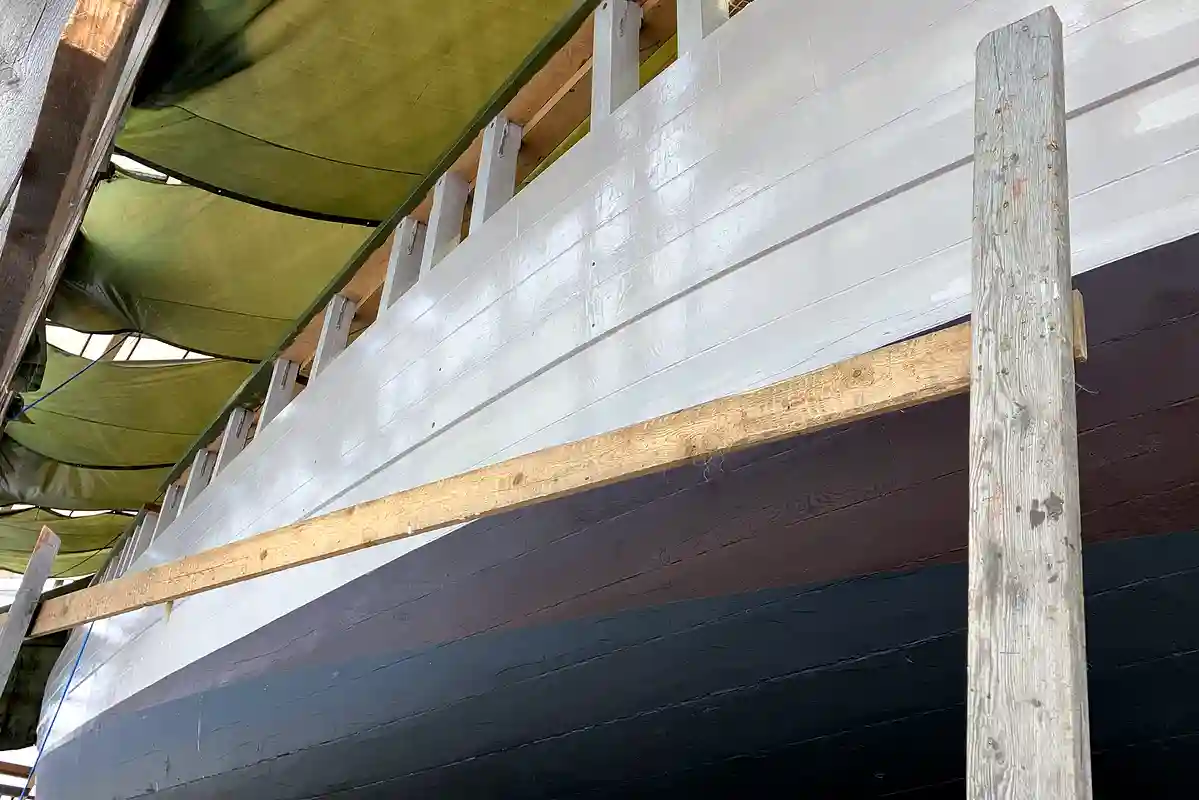
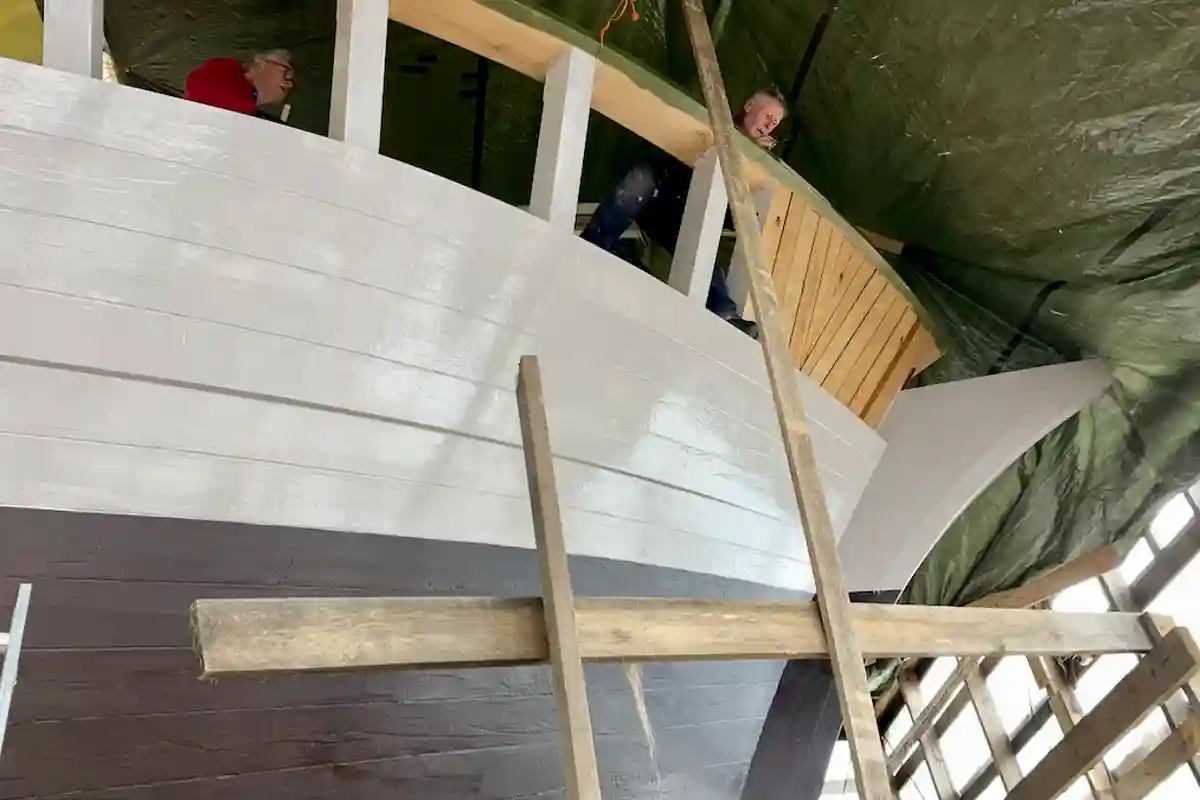
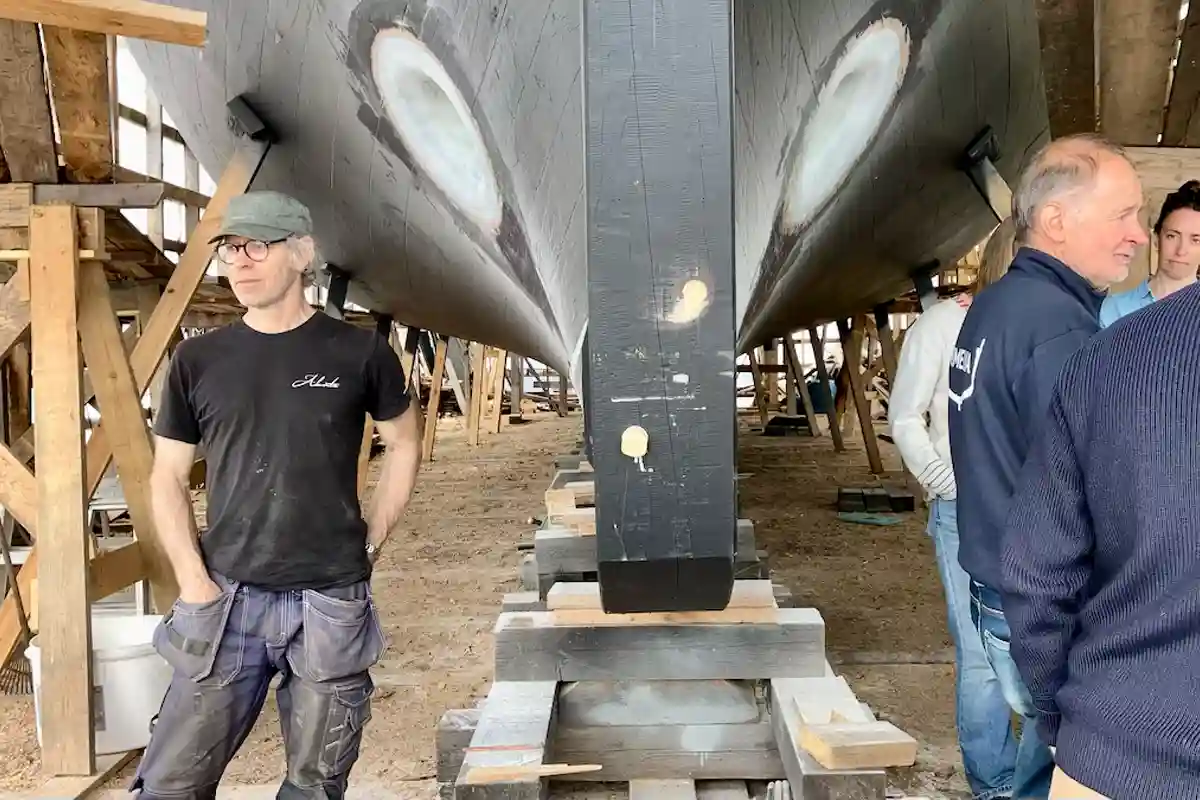
Here in a shipyard hall, we find a truly massive project: the almost completely finished hull of a galleass that has already been christened “Emilia”. Built from Danish oak, it will measure an impressive 32.5 metres in length once the bowsprit is fitted. This is a cultural project aimed at preserving the boat-building tradition in Åland and teaching today’s young people how to sail a schooner. We meet Magnus from Alingsås, one of the boatbuilders, who tells us that the project began six years ago. The hull is scheduled to be launched later this summer (2026), and Emilia is due to be fully completed and fitted out by 2027.
Our plan – and a major reason why we chose Åland in particular – is to cycle across several islands and then take the ferry to Kökar, an island to the south-east, a little way off the more central islands. We’ll spend Midsummer there before cycling back to Mariehamn again.
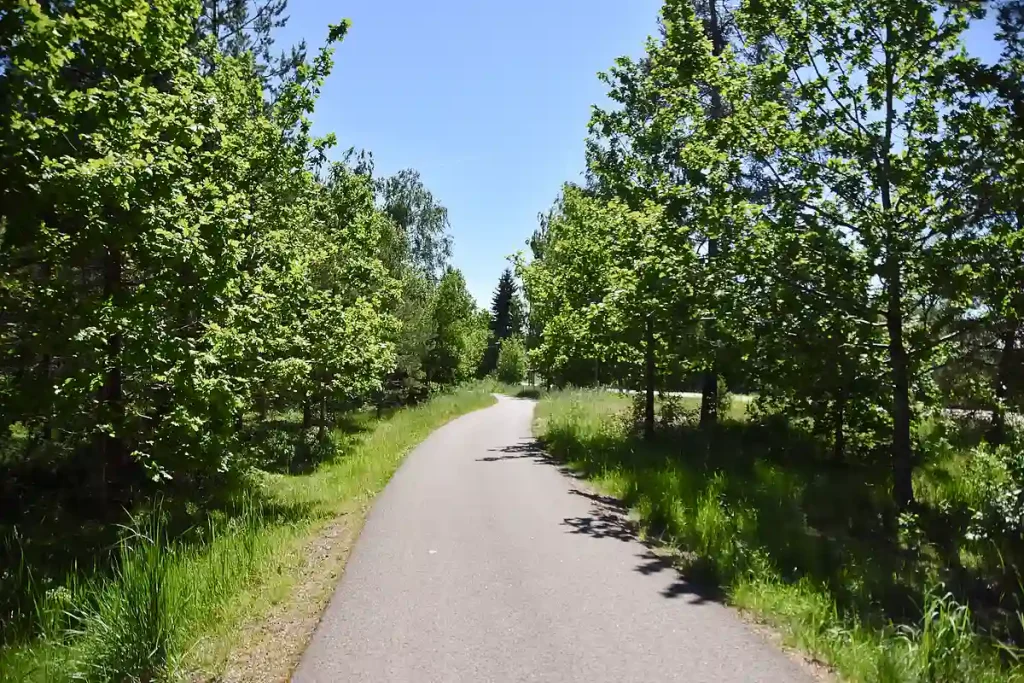
We start by hiring bikes: an e-bike for V, who hasn’t cycled long distances for a few years, and a simple seven-speed bike for me, as I’m used to long-distance cycling. So we set off on a test ride out of town and southwards, past sleepy suburban neighbourhoods, passing Tunngrund, Granholm and Rödgrund, over bridges and embankments. It goes well, although I’m not entirely comfortable on my bike. But when we reach Nåtö, we turn around and cycle back again.
Returning we notice that the wind has picked up and is now blowing straight from the front. It doesn’t make much difference to V on her electric bike, but I have to struggle against the headwind. Eventually, though, we’re back at the hotel and can rest for a while before it’s time for dinner. I’m feeling a bit odd, so I go to bed early and fall asleep quickly. The next day, it’s time for the long cycle ride.