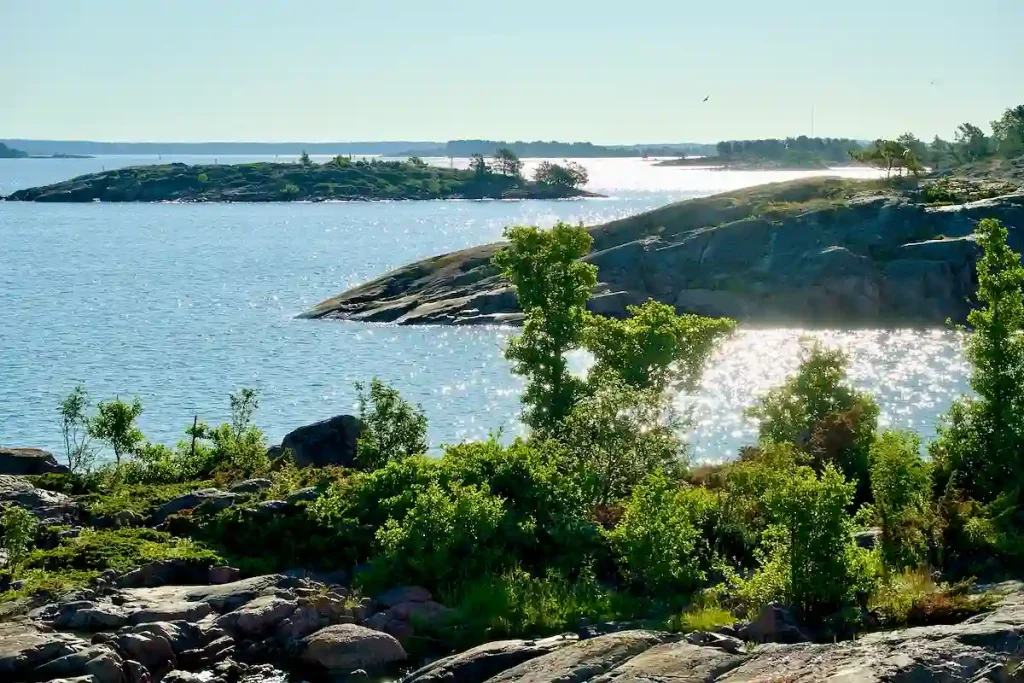
Kökar may be a little off the beaten track in Åland, but it is an incredibly idyllic island that also harbours historical secrets. There is a fairly large Bronze Age settlement here, and the remains of a Franciscan monastery dating from the 14th century. It remains a mystery why the monastery was built out here on a windswept island, but it was probably because an important shipping route passed through here.
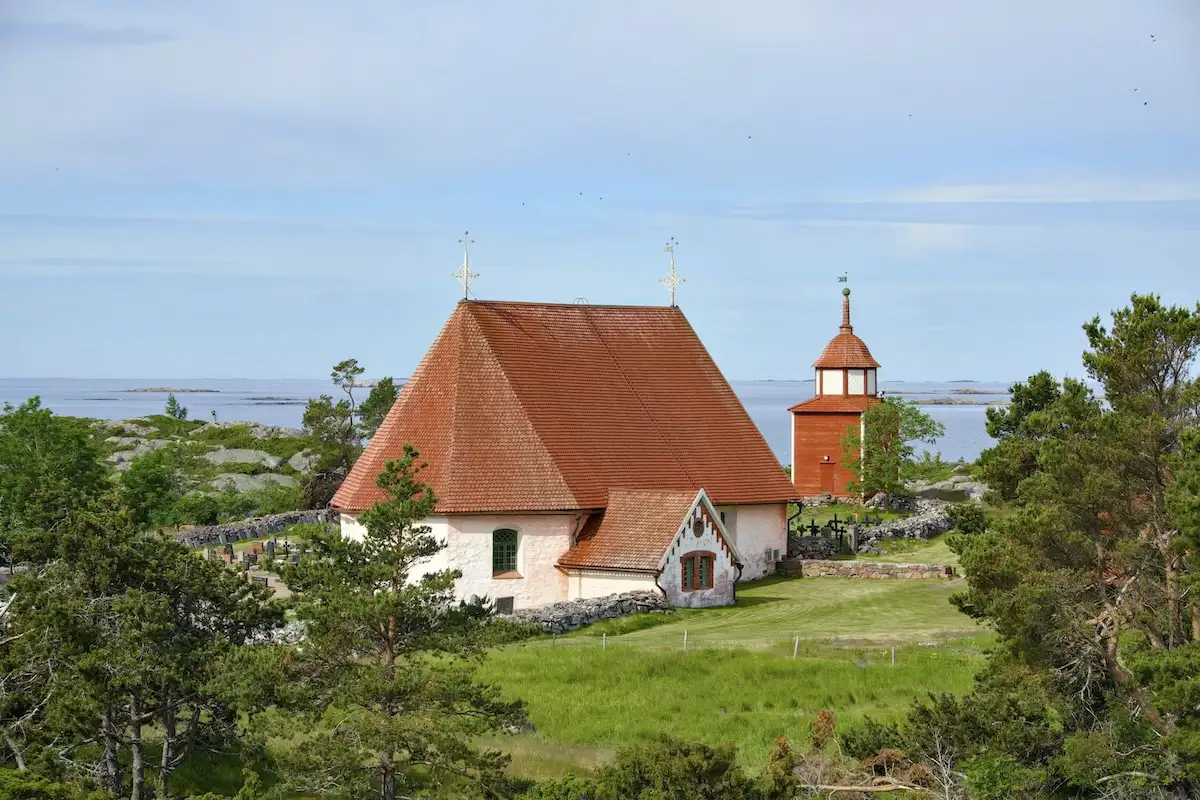
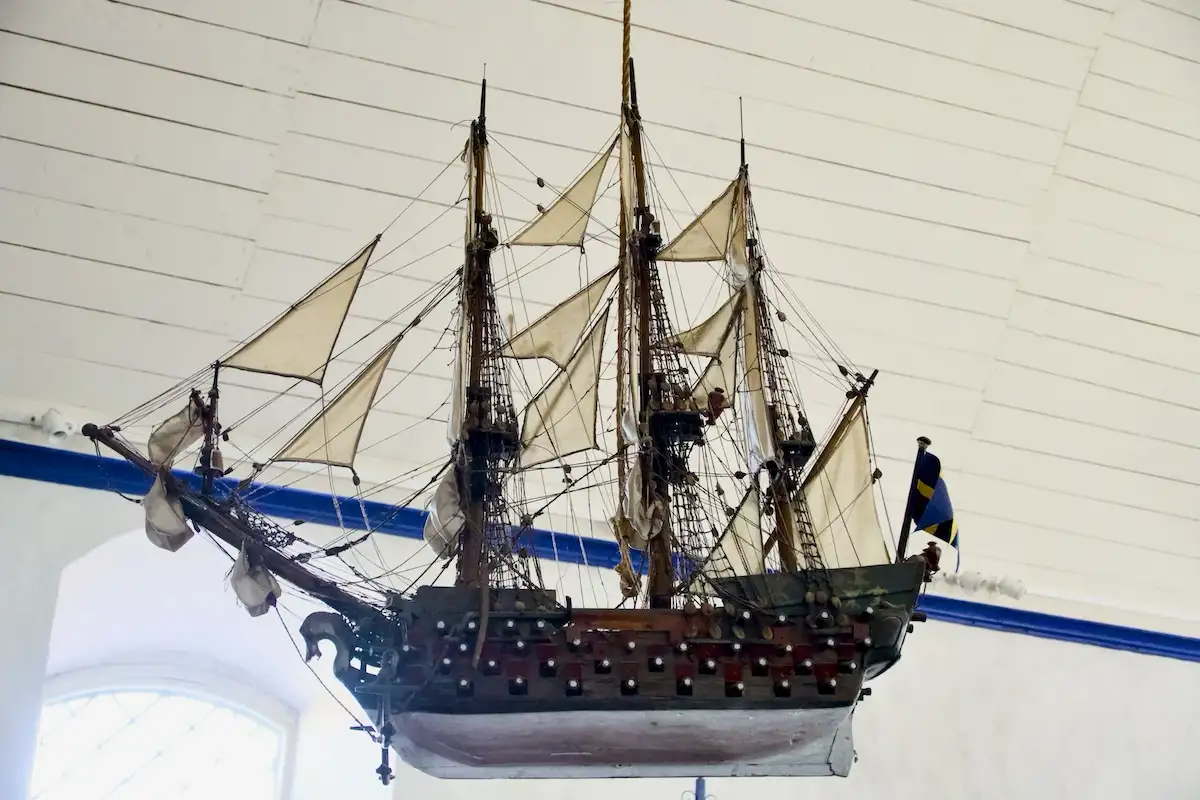
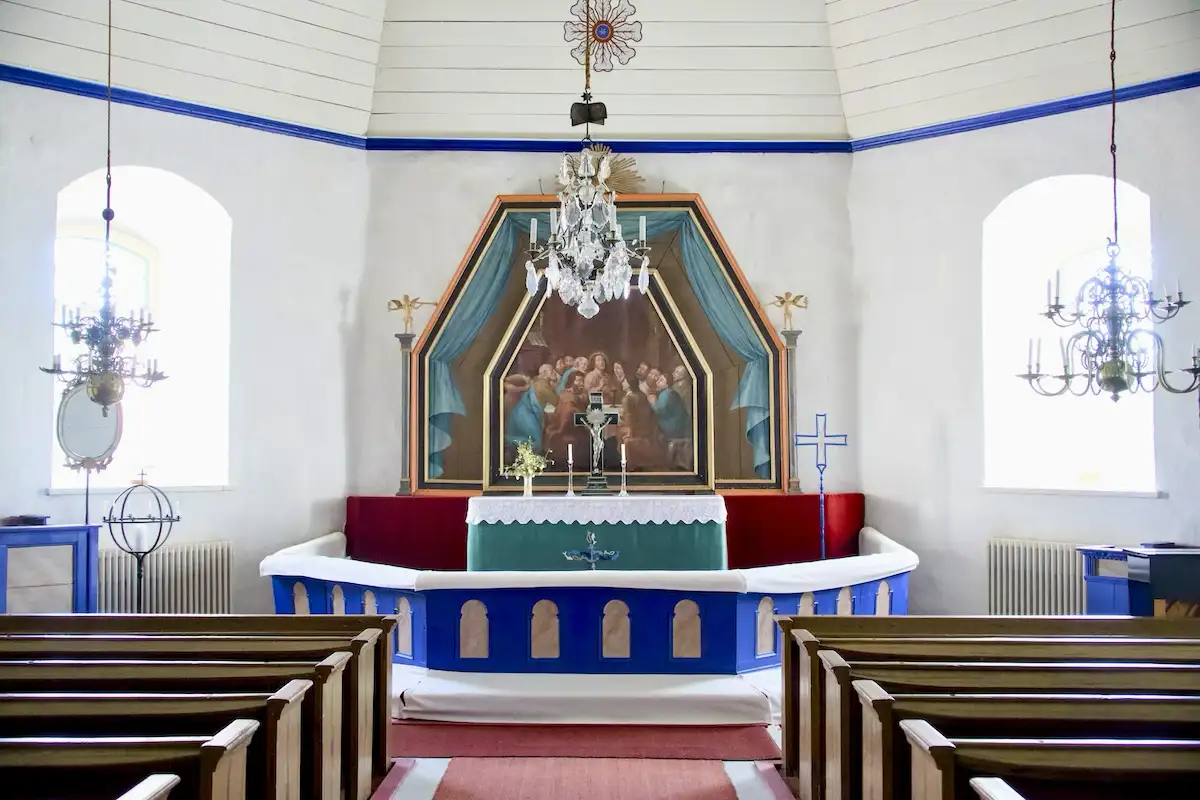
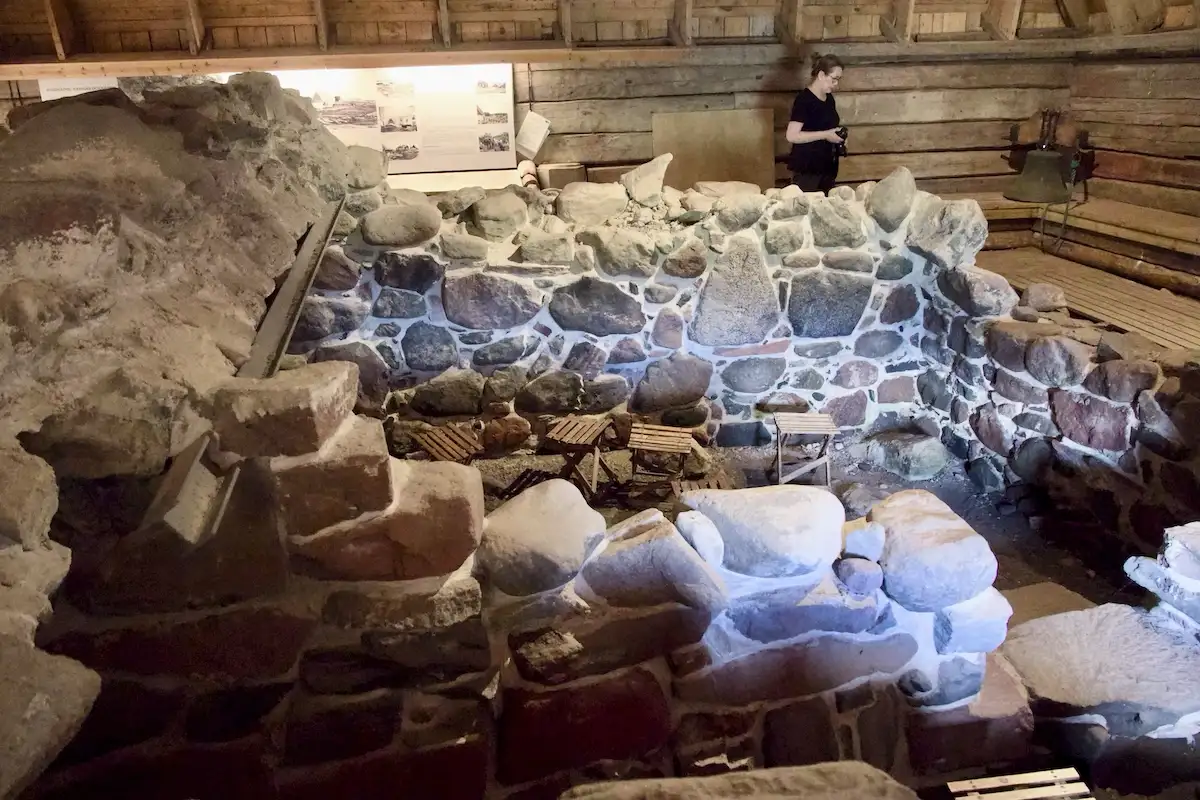
Today’s church on Kökar, St Anna’s, is built almost exactly where the monastery once stood. Right next to the church, part of the monastery’s cellar has been excavated. With minimal alterations, this has been converted into a chapel. And inside the little church hangs a curious votive model: a pirate ship with 64 cannons protruding from the hull. It is said to have been built by a sailor and depicts a Turkish pirate ship that once attacked the merchant vessel on which he had signed on.
Another interesting feature in the church is a sturdy baptismal font which is said to have been in the former monastery and to have been built into a wall.
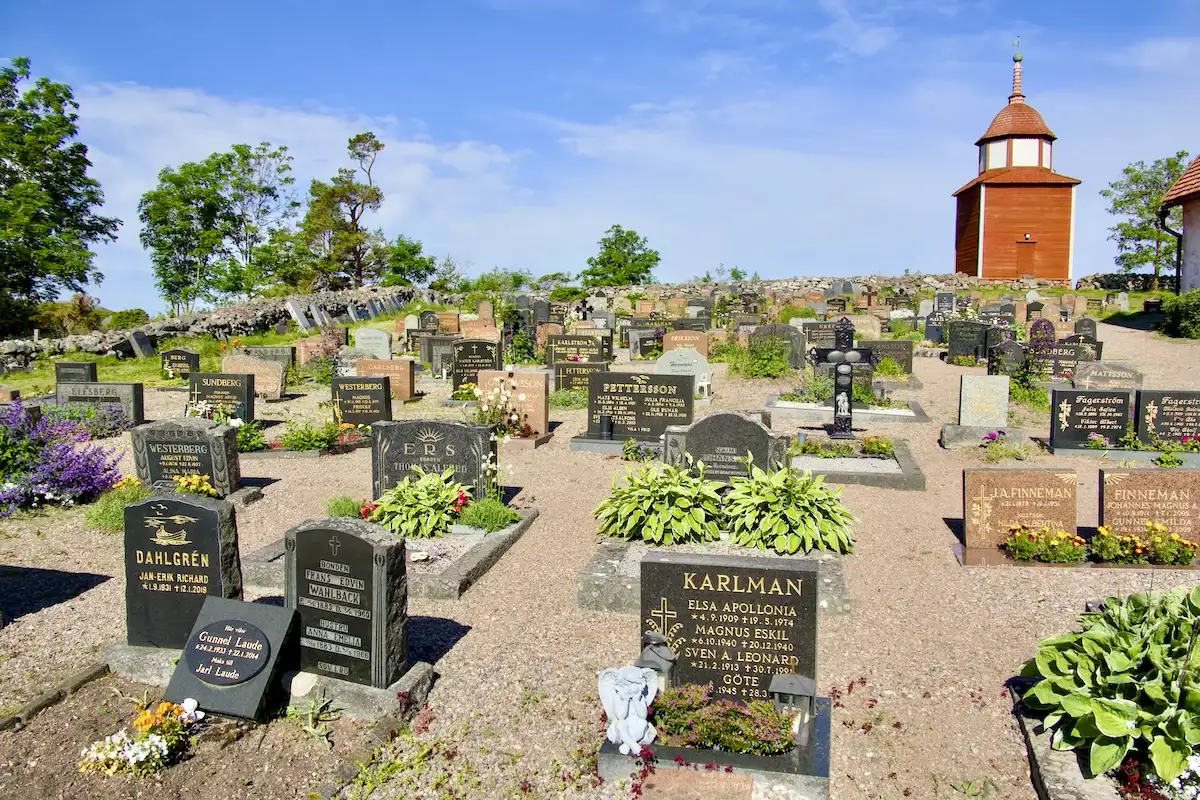
The gravestones in the small churchyard next to St Anna’s Church bear almost exclusively Swedish-sounding names. And even today, the overwhelming majority of Ålanders are Swedish-speaking.
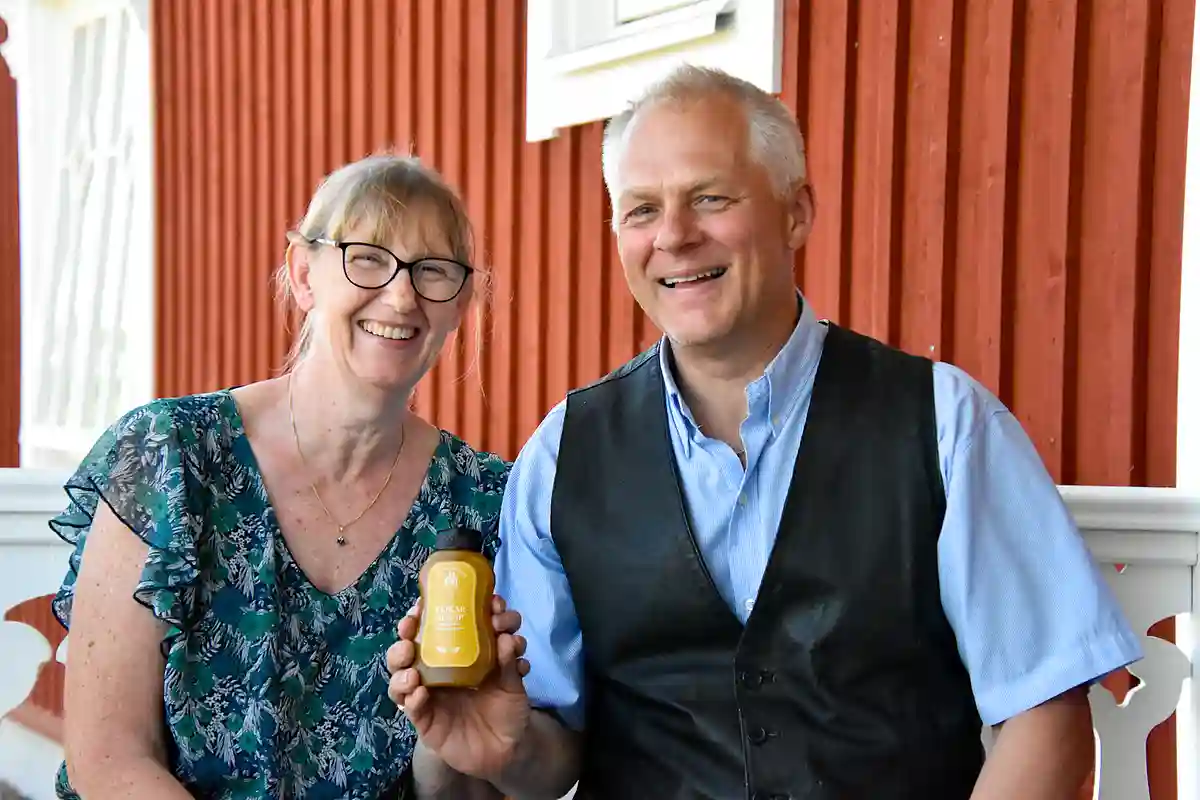
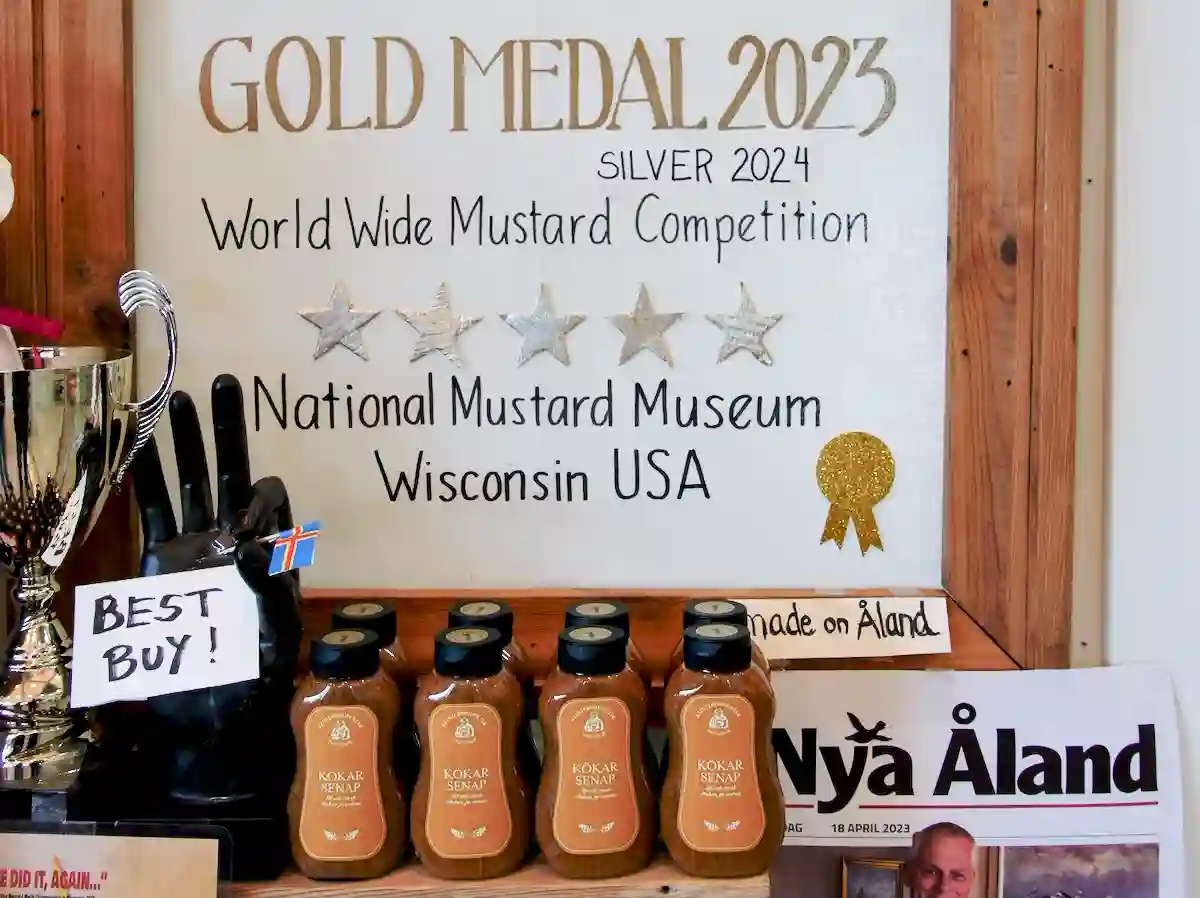
Whilst we were in Mariehamn, our attention was drawn to a resident of Kökar who had achieved the feat of winning the ‘Mustard World Championships’ in the USA – a competition we must admit we’d never heard of before. But once we were in Kökar, we sought out Olle, the world champion himself. And he had a truly fantastic story to tell.
Olle had been a buyer at big foodstore company, but he was looking for a fresh start in life and moved from Stockholm to Kökar with his family. Once there, he found himself feeling a bit restless, so his understanding wife Anette enrolled him on a course in making mustard. When he got home, he began experimenting with the ingredients in his kitchen, and produced a mustard that his friends and neighbours were invited to taste – and they loved it!
Olle’s daughter lived in the US and had learnt that an annual world mustard championship was held in Wisconsin. She persuaded Olle to send in a jar, and believe it or not, he won his category, ‘sweet and spicy mustard’!
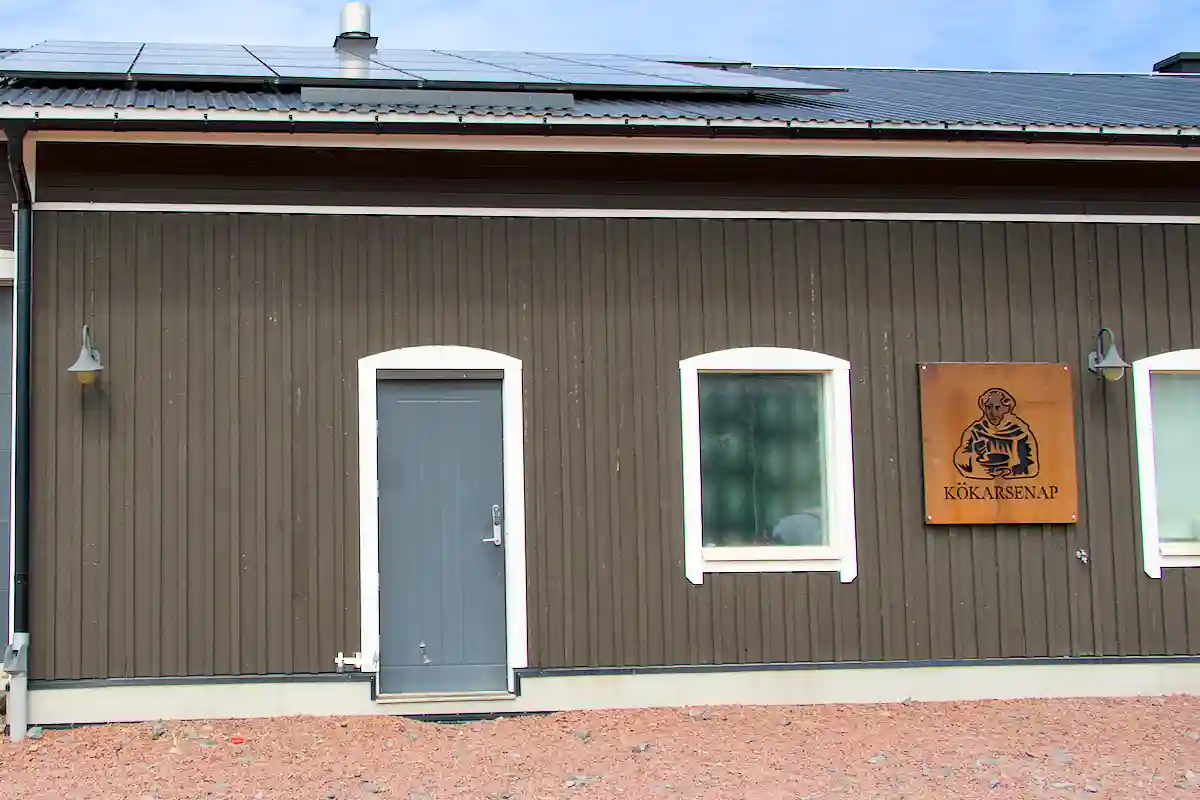
Today, Olle makes three different types of mustard, as well as a hugely popular toffee sauce. He has moved the production unit to a small factory and exports his products to increasingly distant countries. In Stockholm, you can find them at an exclusive food market.
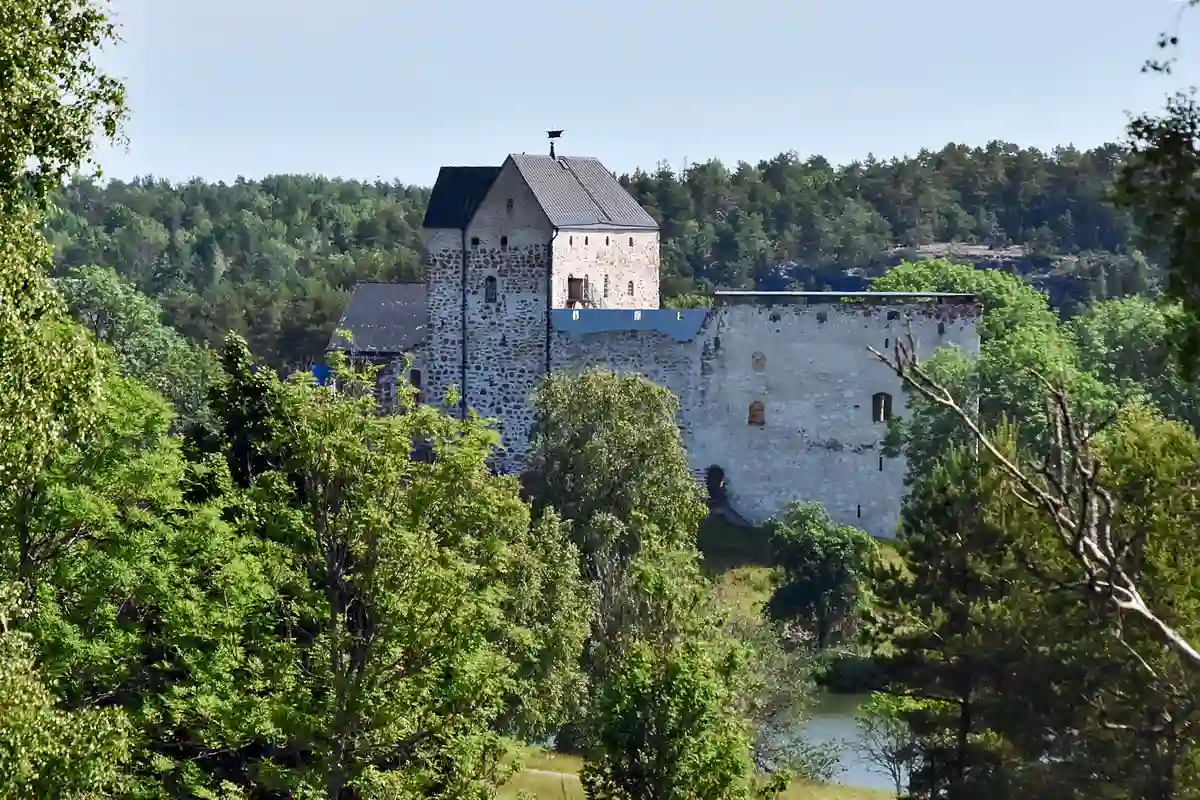
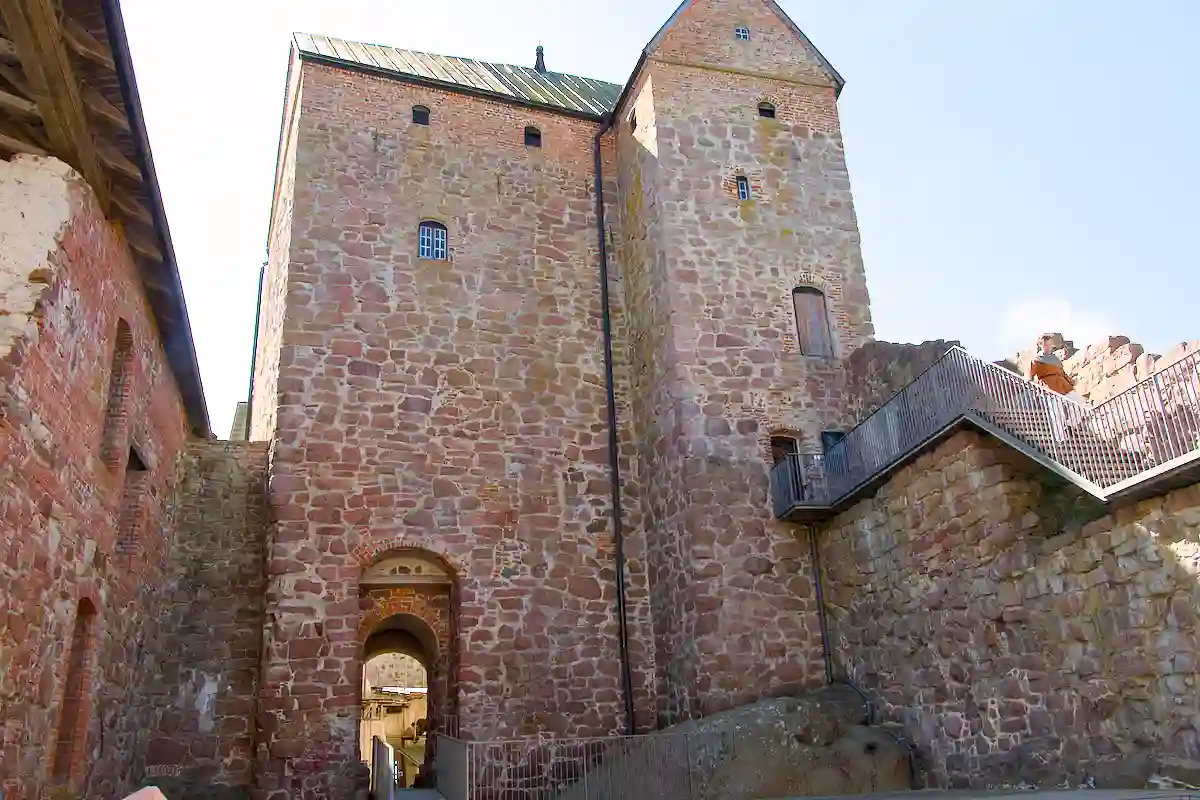
We return to Mainland Åland and Mariehamn, and take a detour to explore two of the archipelago’s more war-torn sights. Both are defensive structures and both are in ruins, but Kastelholm – the older of the two – is nevertheless in surprisingly good condition. It is a 14th-century castle that was repeatedly caught up in the politics of the time, with battles and conquests.
Danish troops ravaged the area here in the 16th century. The legendary Swedish king Gustav Vasa captured the castle, had it rebuilt and lived here for a few years. So did his son, Erik XIV, though in that instance he was a prisoner of his brother Johan.
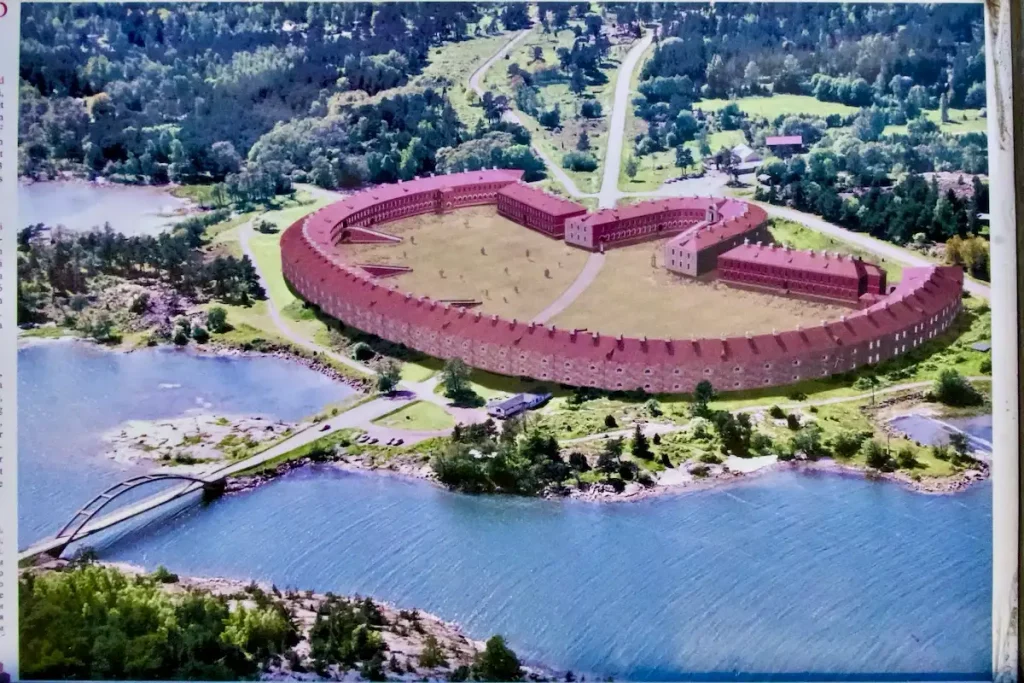
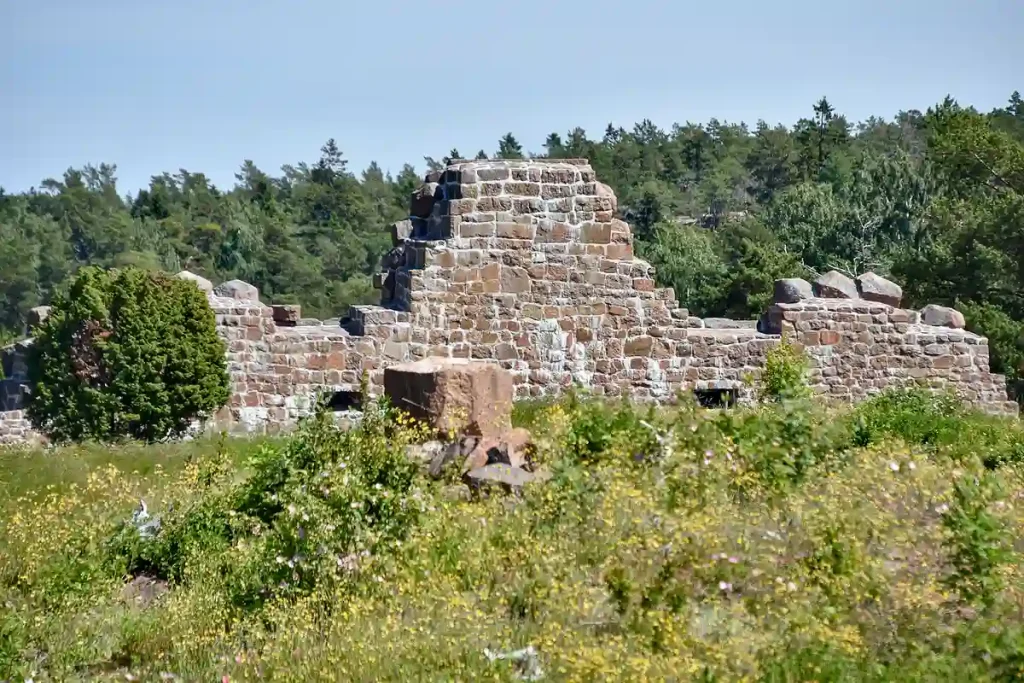
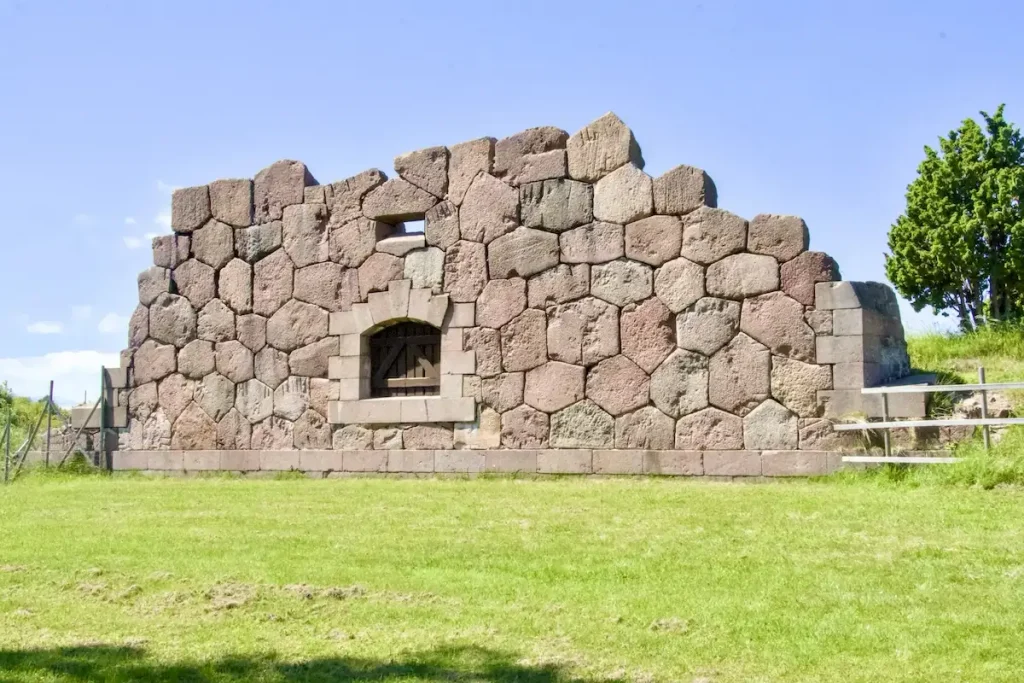
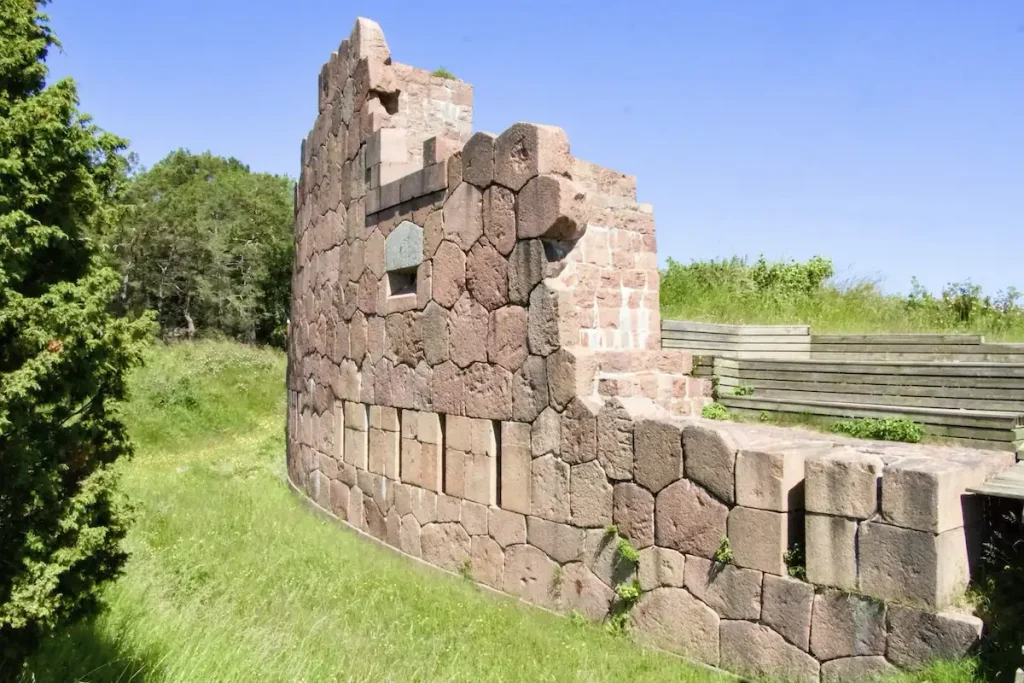
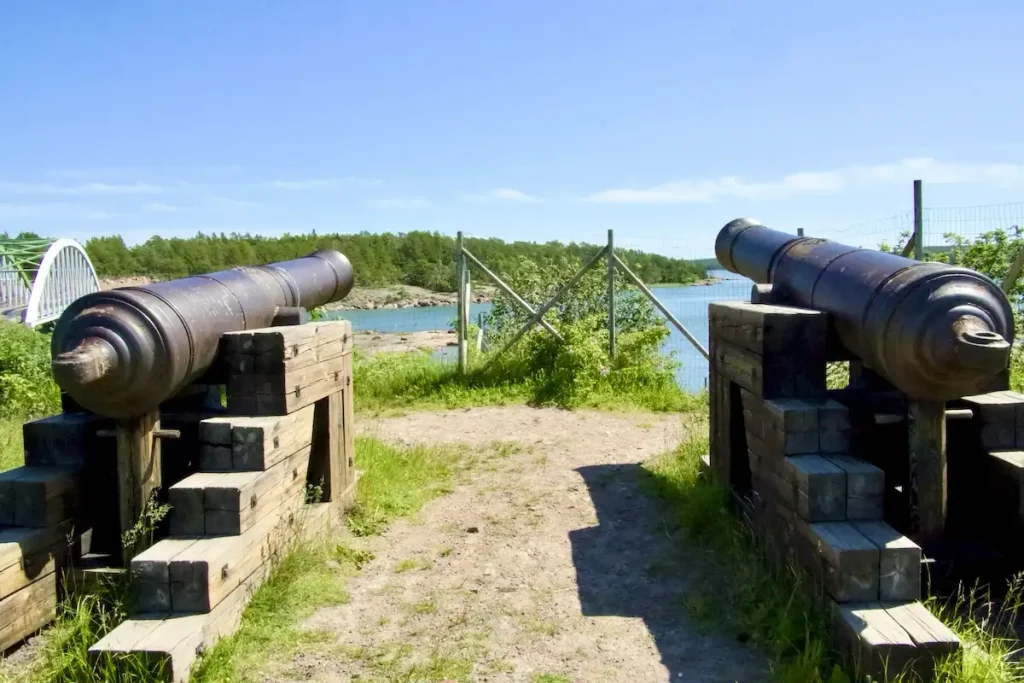
A few kilometres east of Kastelholm lies Bomarsund, a narrow strait considered so strategically important that Russia, which had held Åland since 1809, built a gigantic fortress there. It was to become Russia’s spearhead into the Baltic Sea and was built to house 5,000 men.
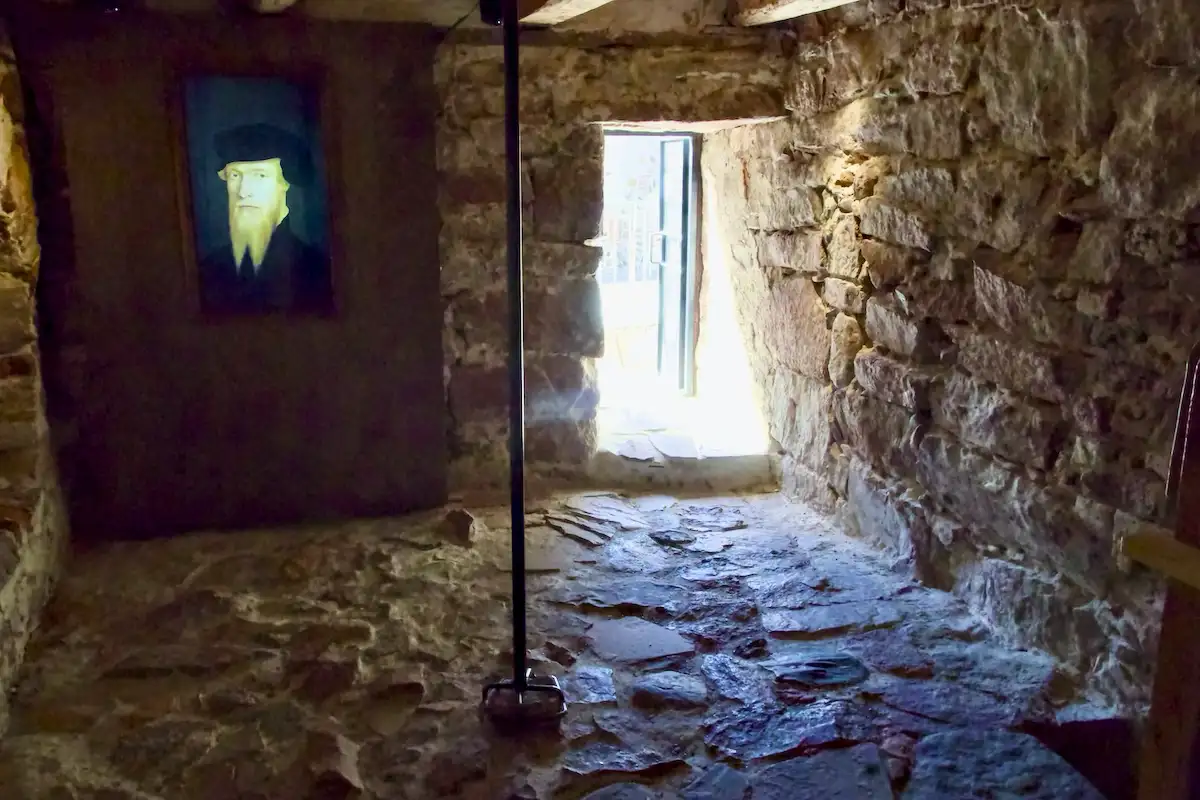
But in 1854, the Crimean War raged, and British and French forces attacked Russia wherever they could. Bomarsund was assaulted with full force from the sea and on land, and after just three days the fortress was captured. The victors blew up all the buildings, and much of what remained was used as building material elsewhere, including the Alexander Theatre in Helsinki.
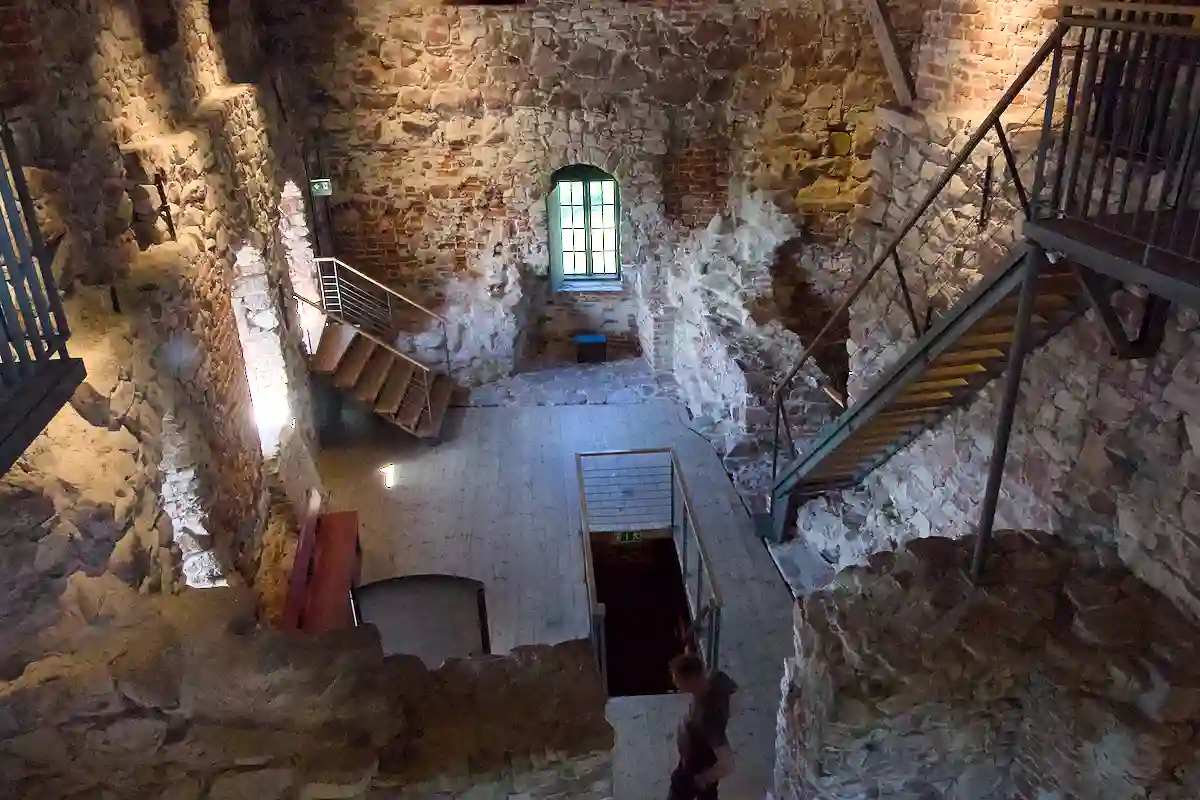
Today, there is a modern museum in Bomarsund, and you can wander around the ruins of the fort yourself.
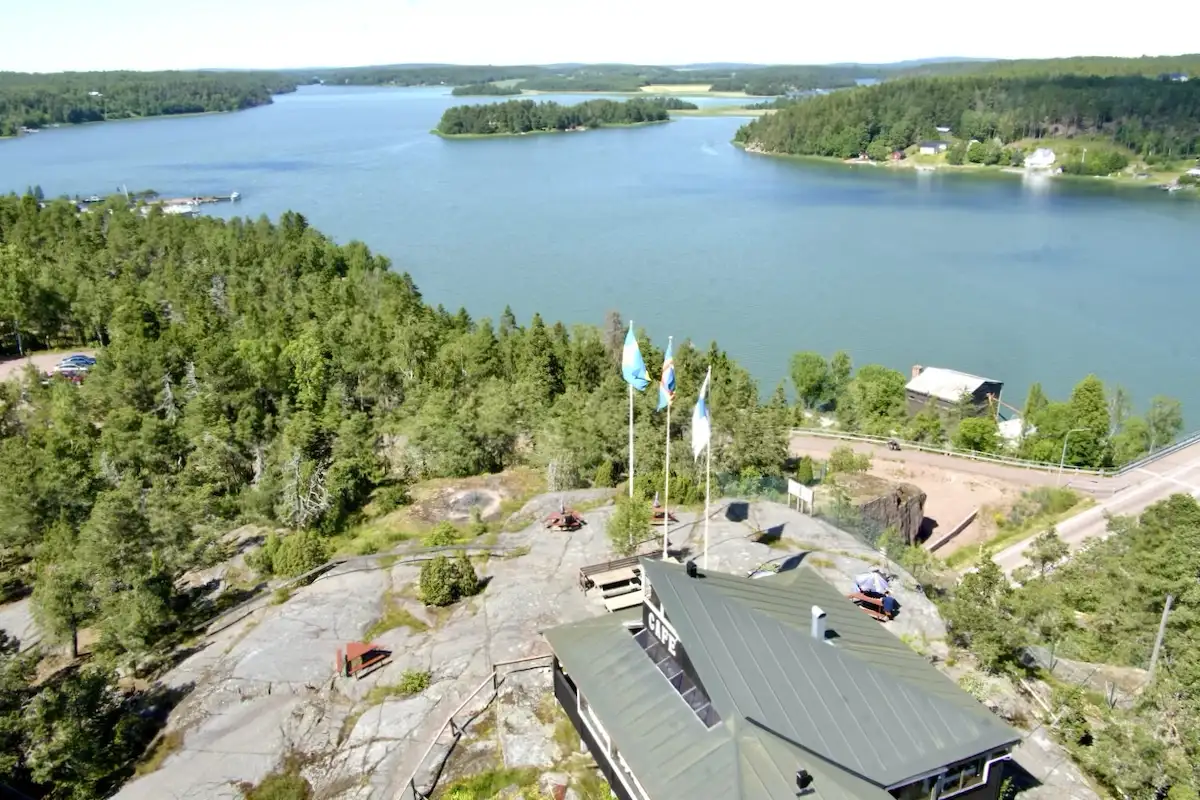
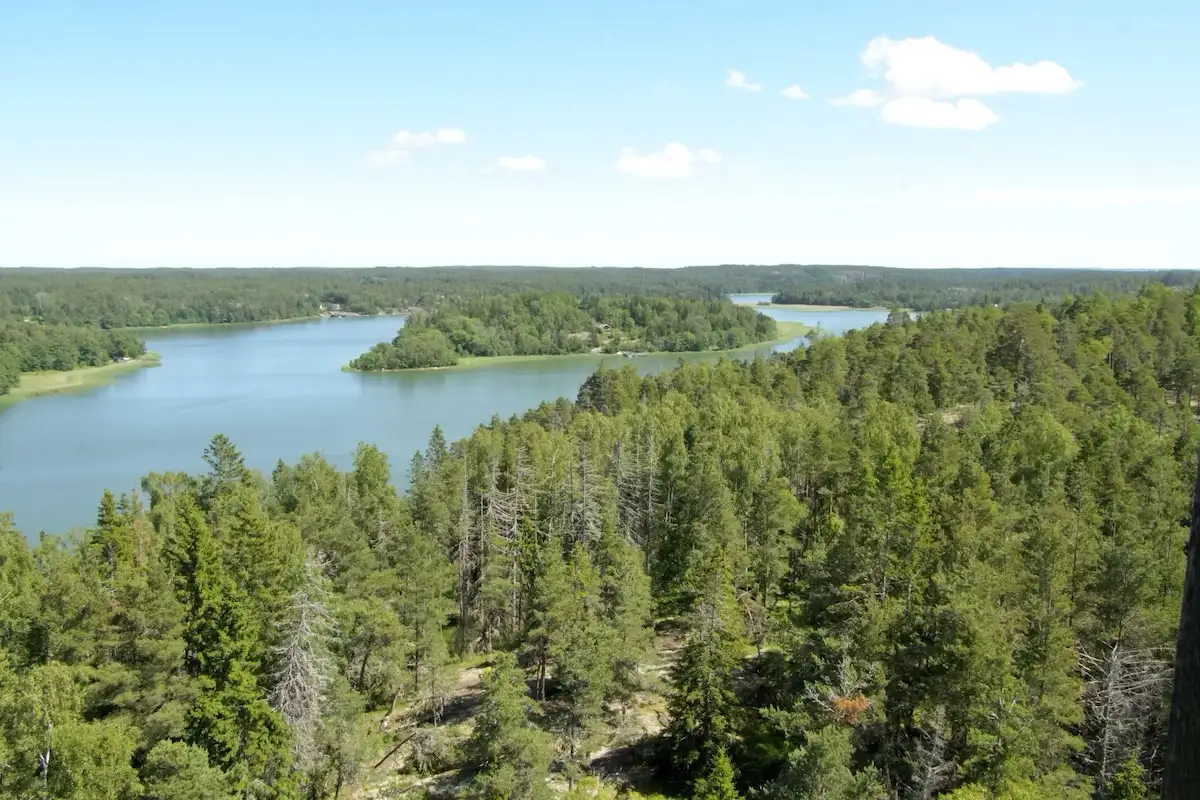
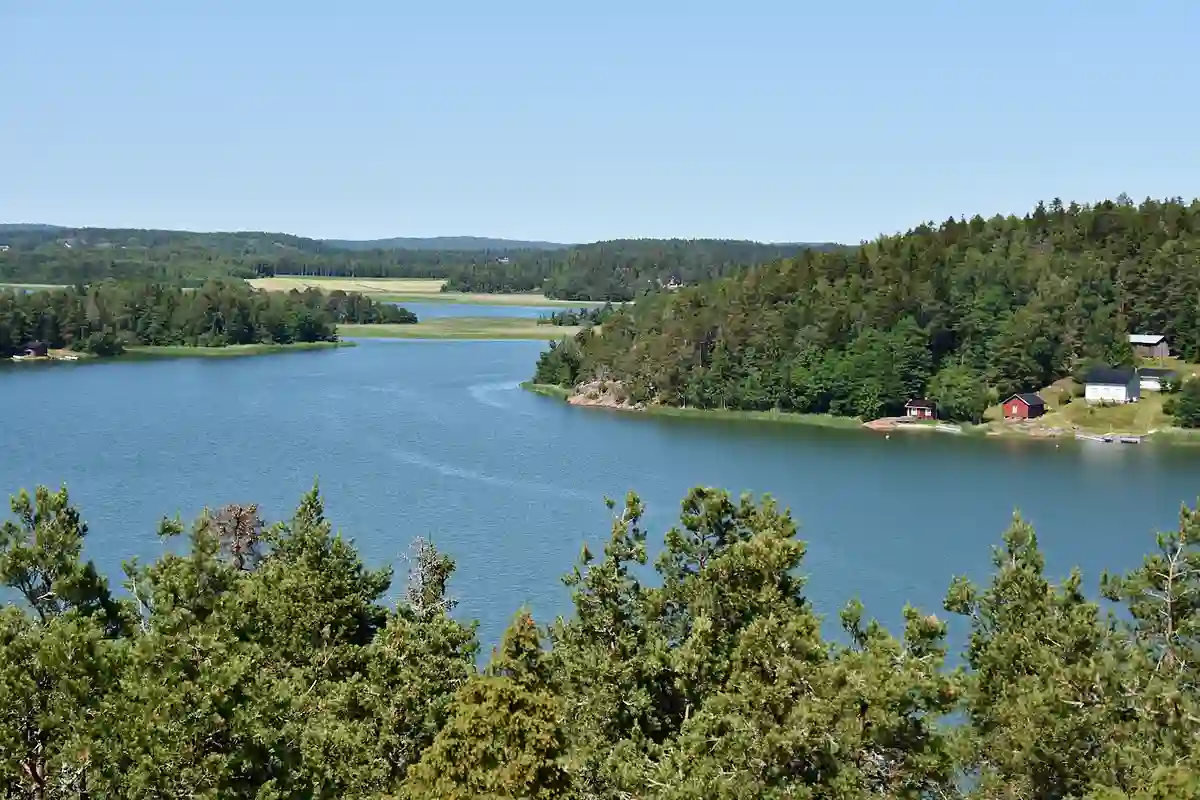
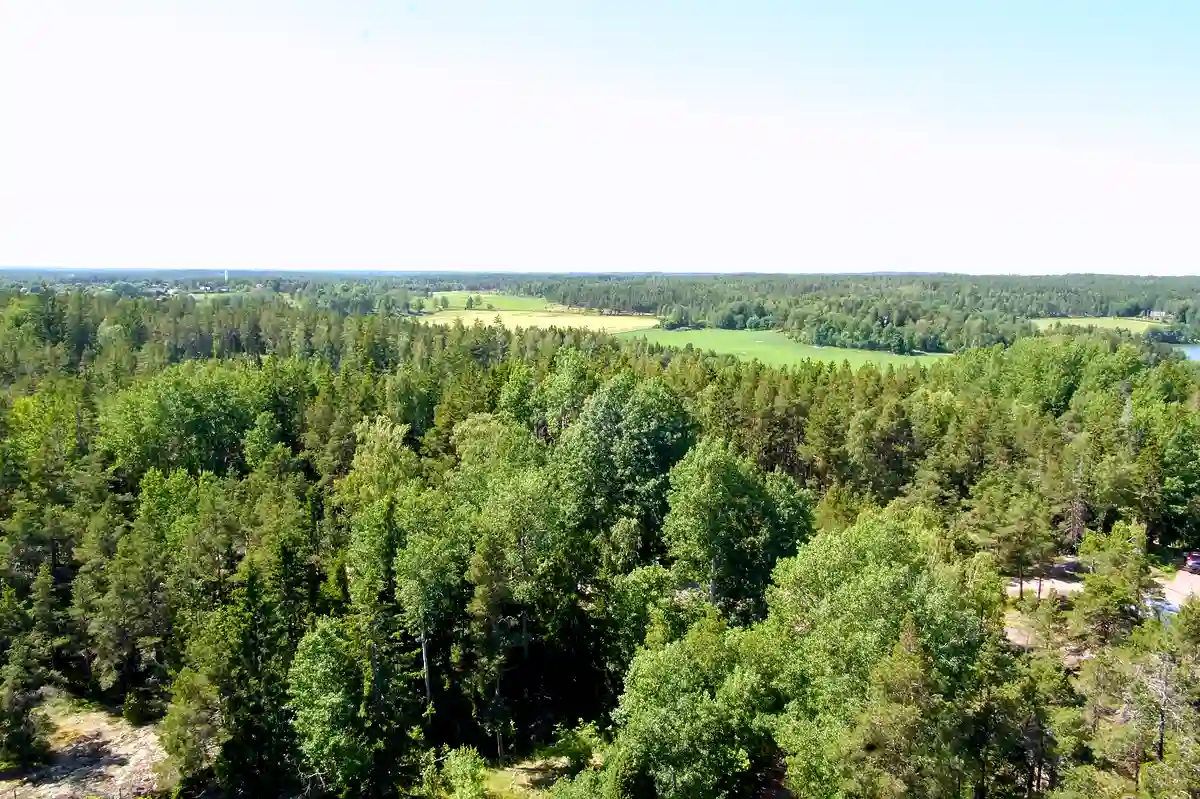
On the way back from Bomarsund, we stop at a building that really ‘stands out’. At the steep ‘Färjsundet‘ strait, the road enters a tunnel, and on top of the tunnel we find ‘Uffe on the mountain’, a café with breathtaking views over the strait. And if you want an even better view, you can climb up the observation tower. From there, you can see everything that makes up Åland: forests, green meadows, grey cliffs and the blue sea.
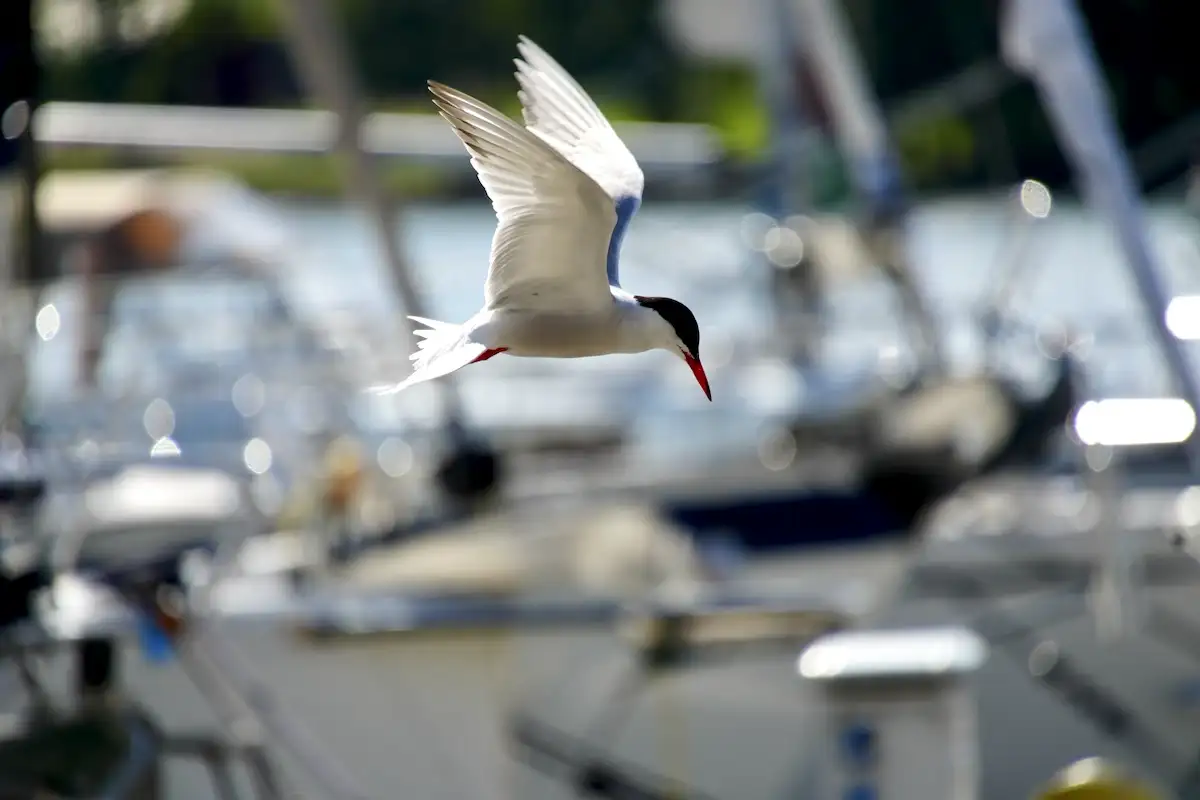
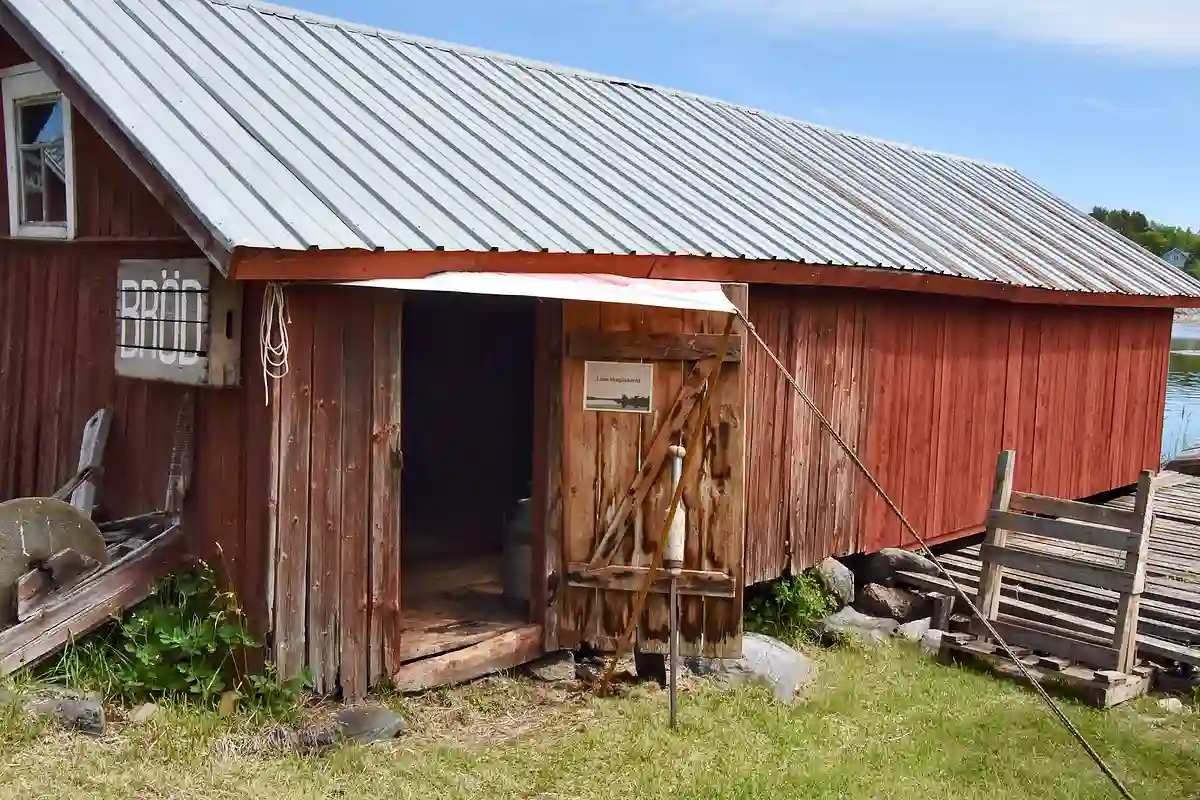
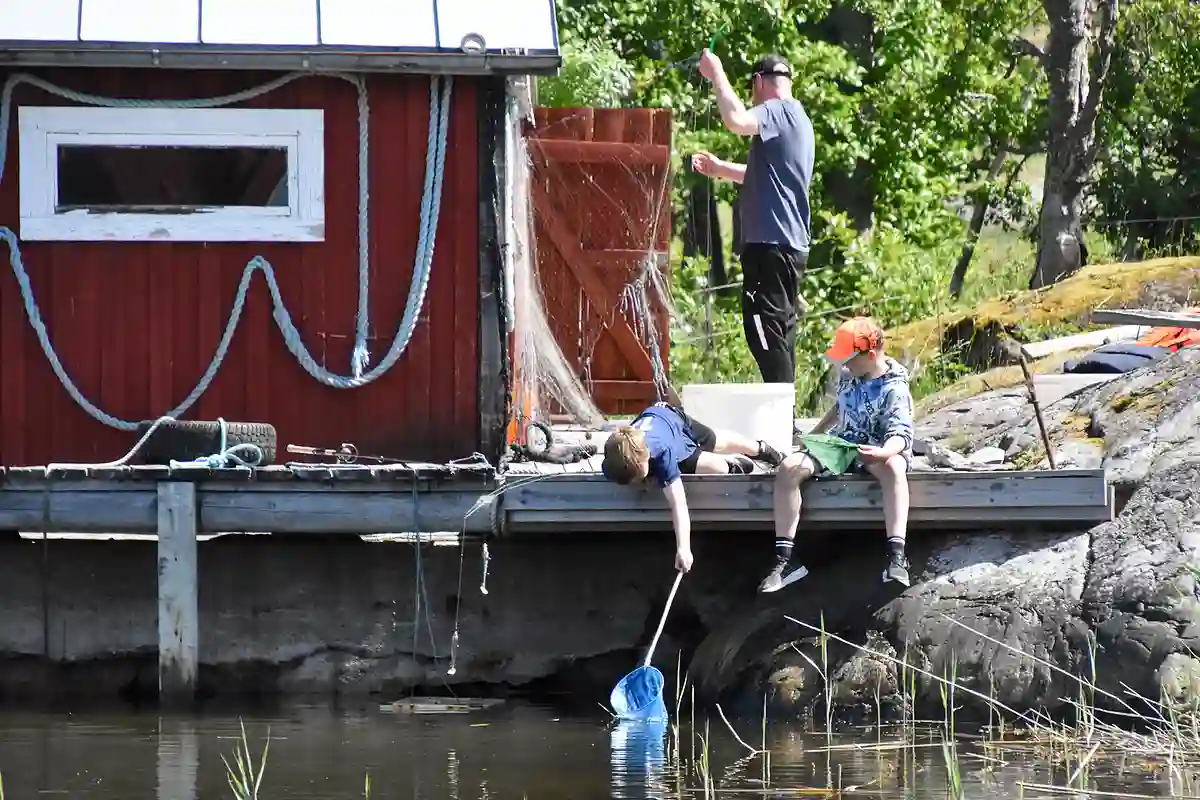
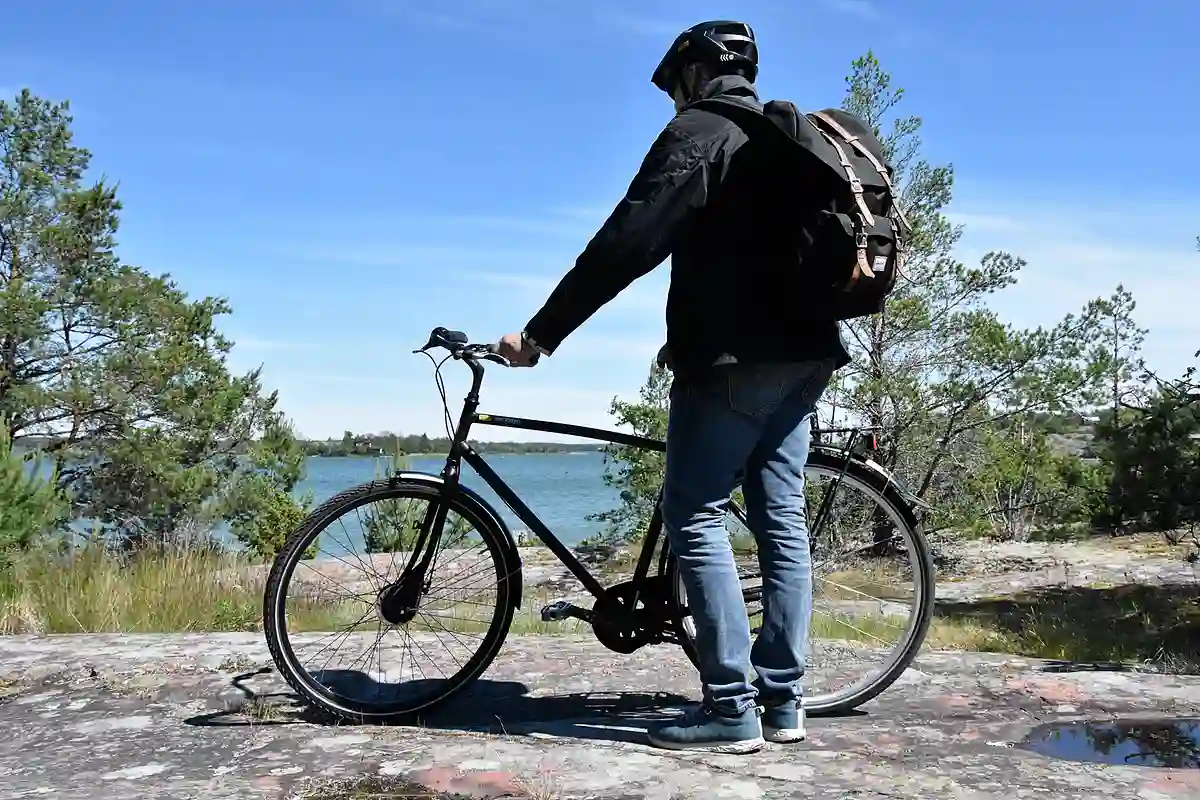
Lastly, here’s some more photos of beautiful Åland::