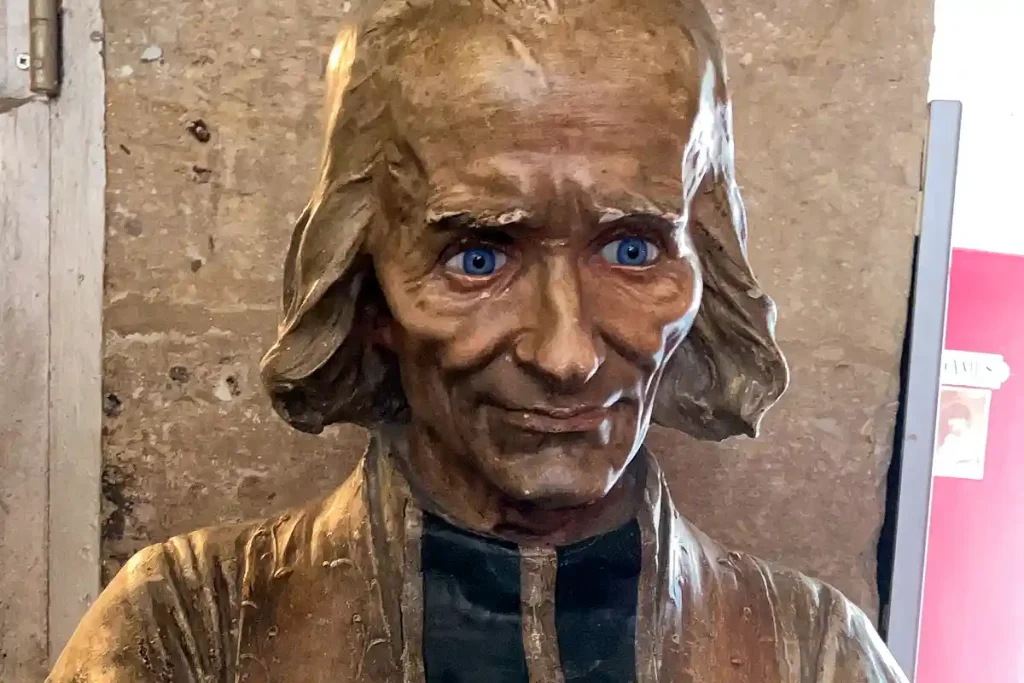
In the photo above you can see a very small and very old tavern in Paris. It is called ‘Au Vieux Paris’ and is housed in a building that is as old as neighbouring Notre Dame Cathedral. A wine tavern opened here as far back as the 18th century, and inside you will find old paintings and wooden statues from that era.
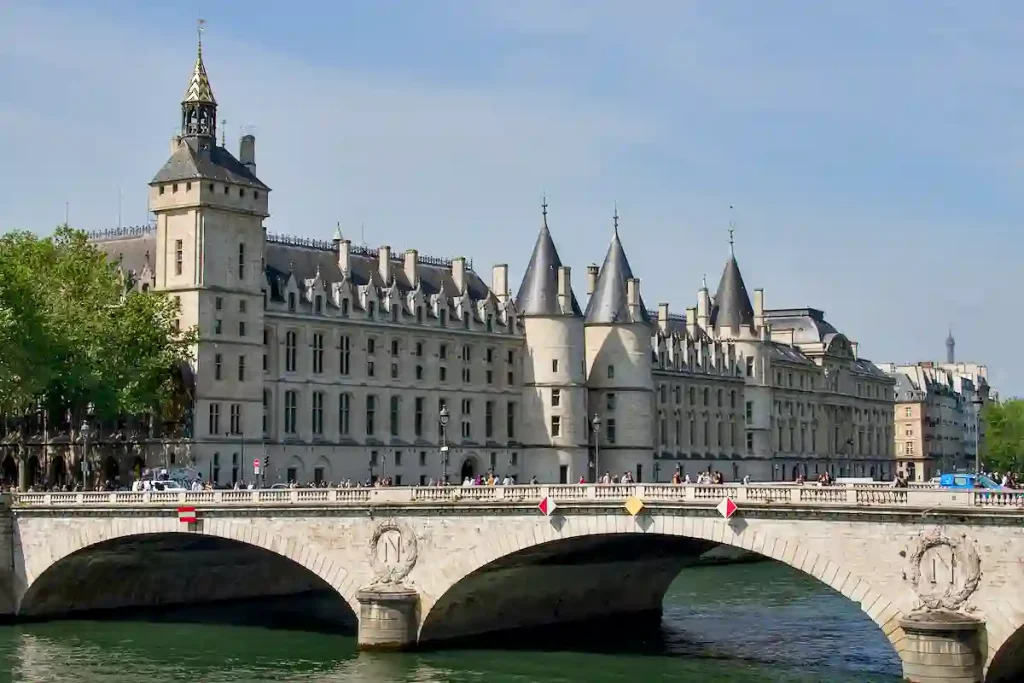
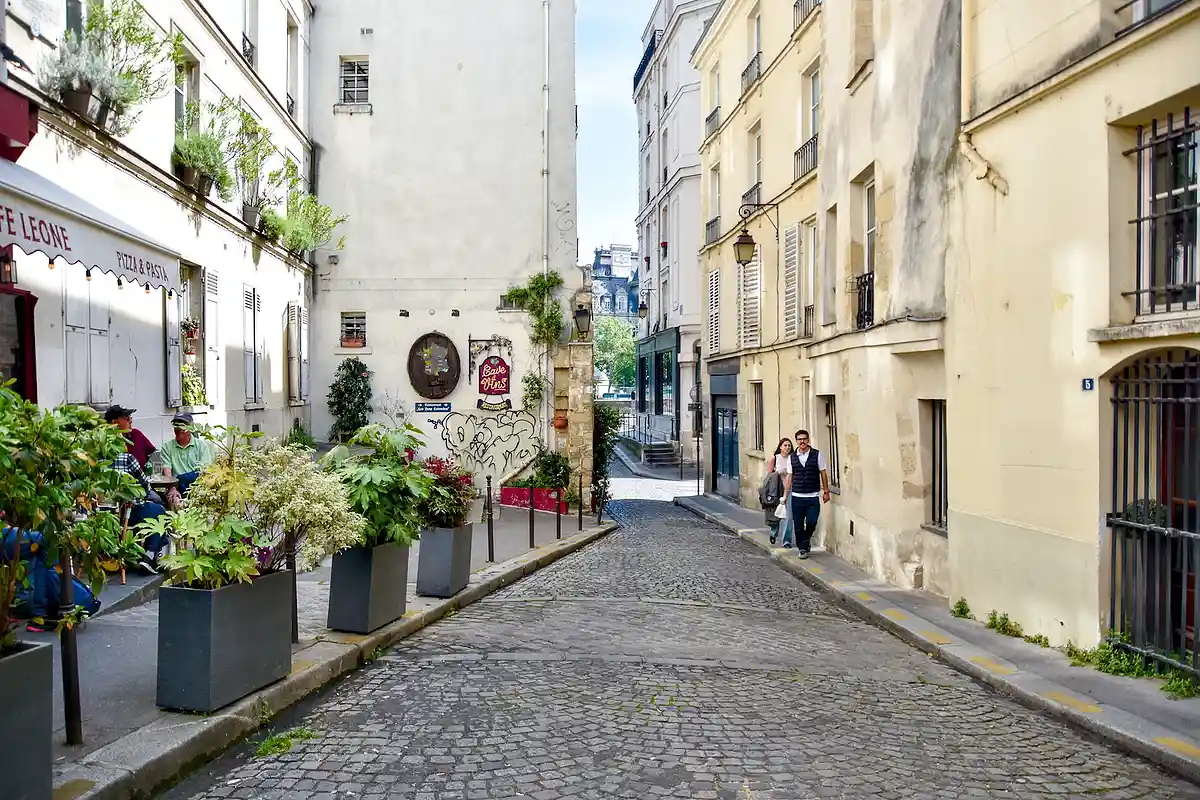
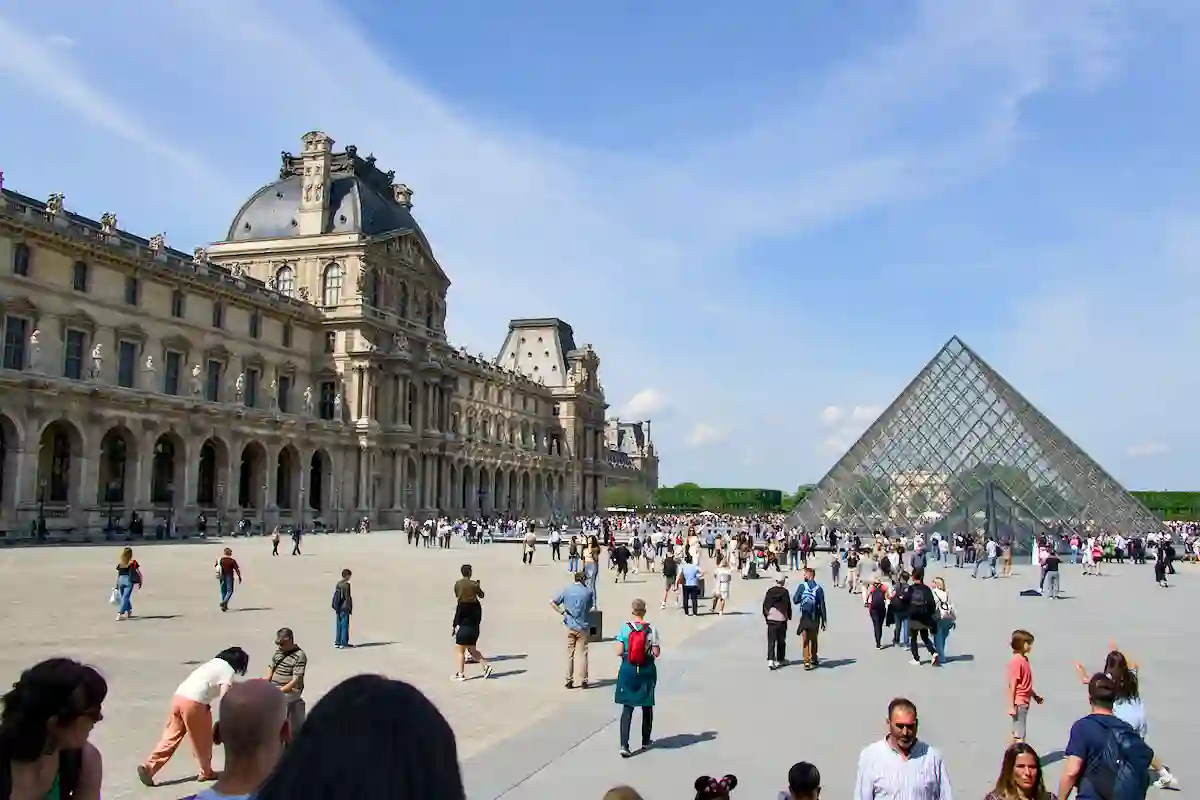
The tavern is located on Île de la Cité, the island in the Seine where Notre Dame Cathedral stands, alongside the imposing Gothic former royal palace that is now the Palais de Justice. But Île de la Cité also boasts wonderfully charming old neighbourhoods to stroll through, and on the other side of the Pont Neuf bridge lies Paris’s most famous museum, the vast Louvre.
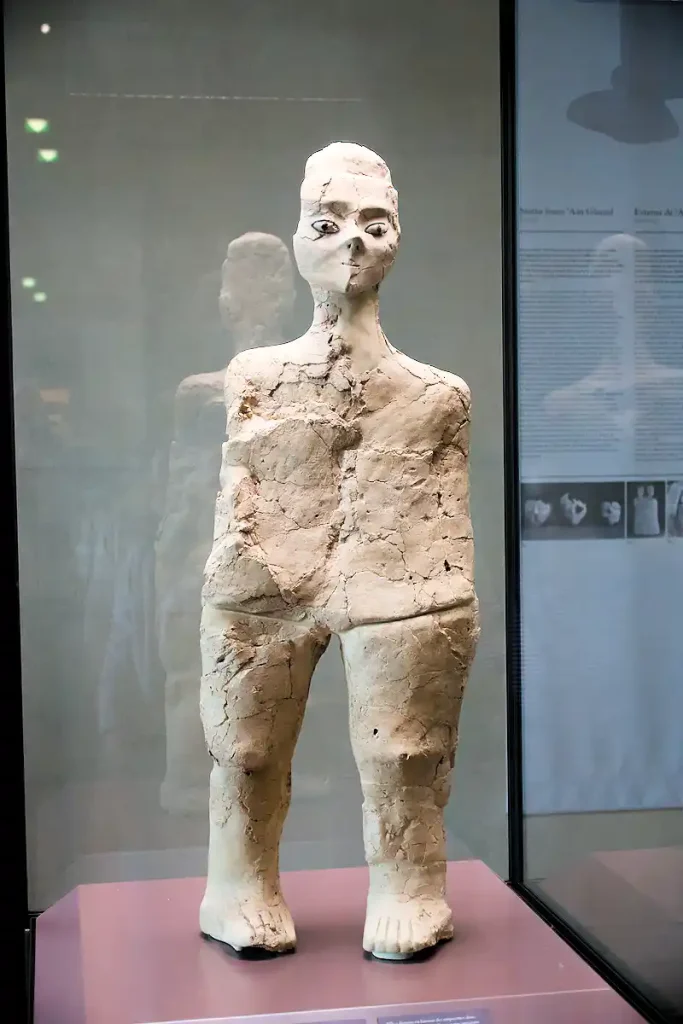
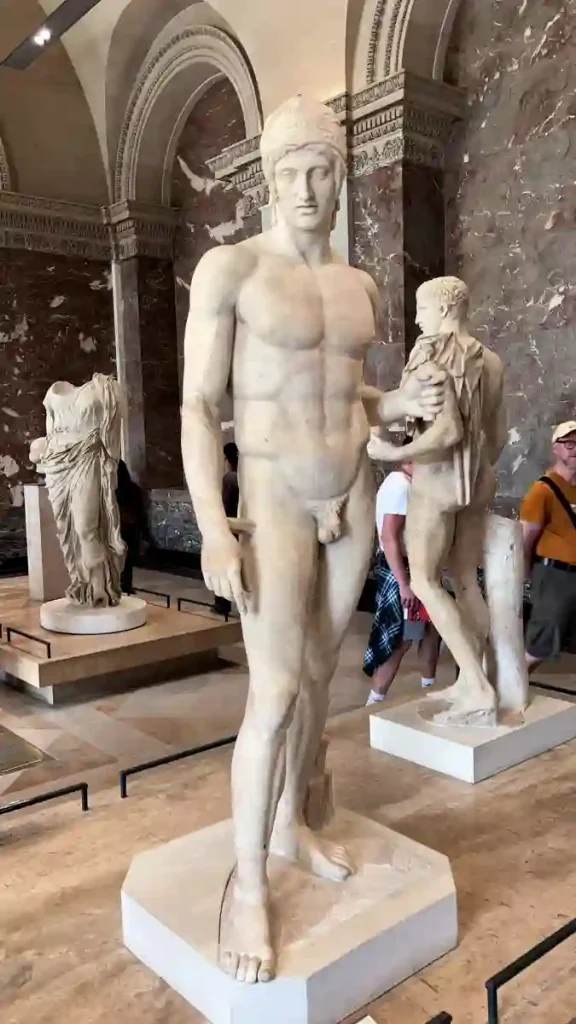
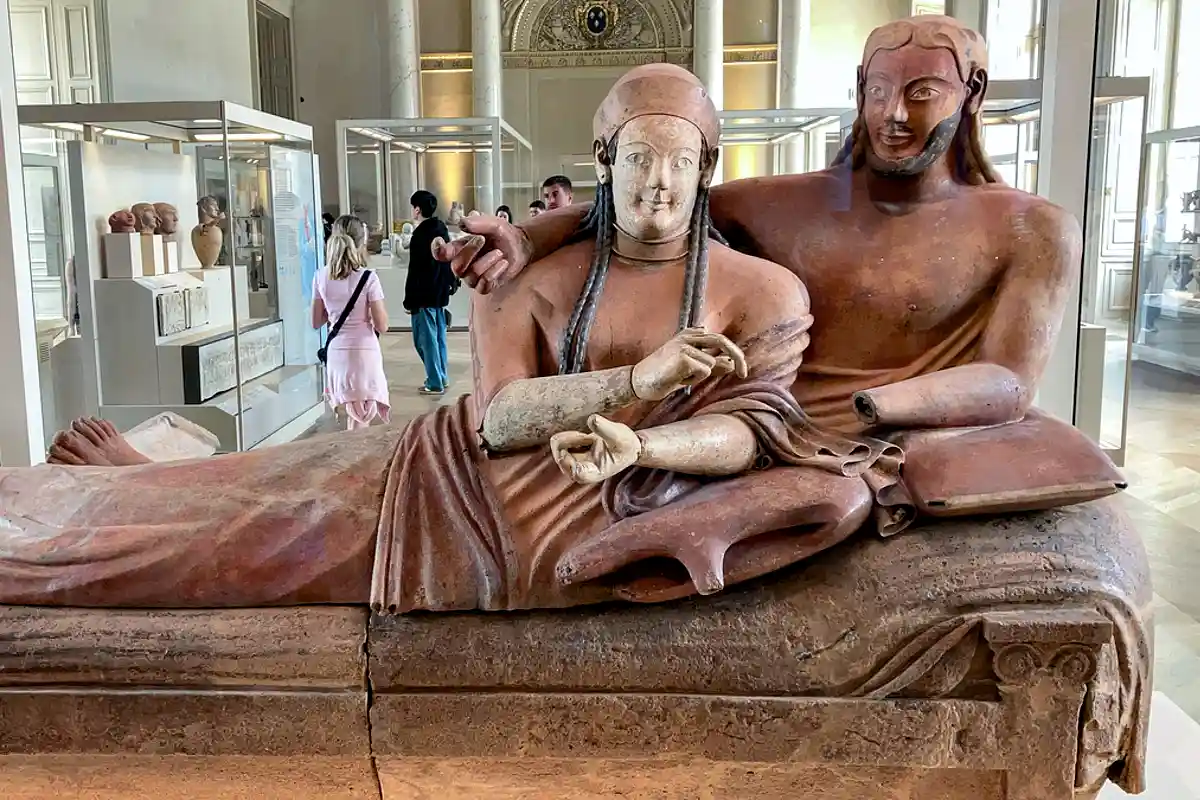
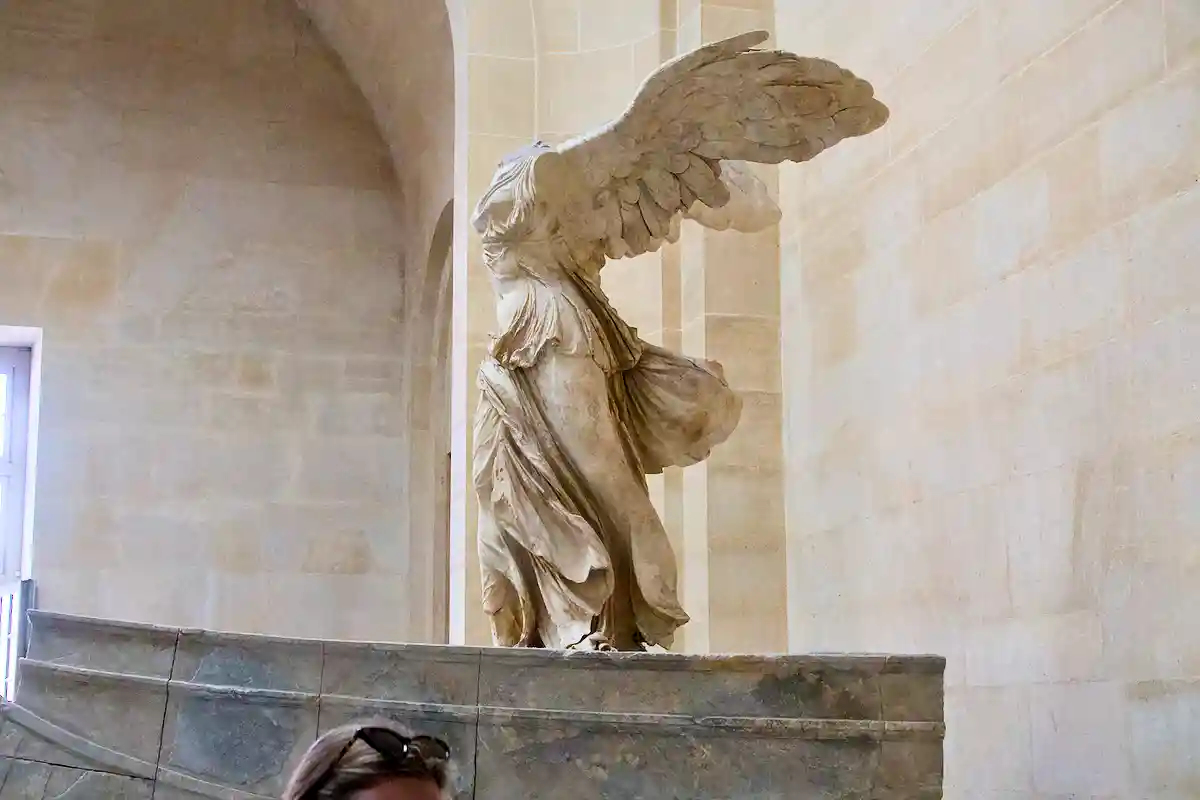
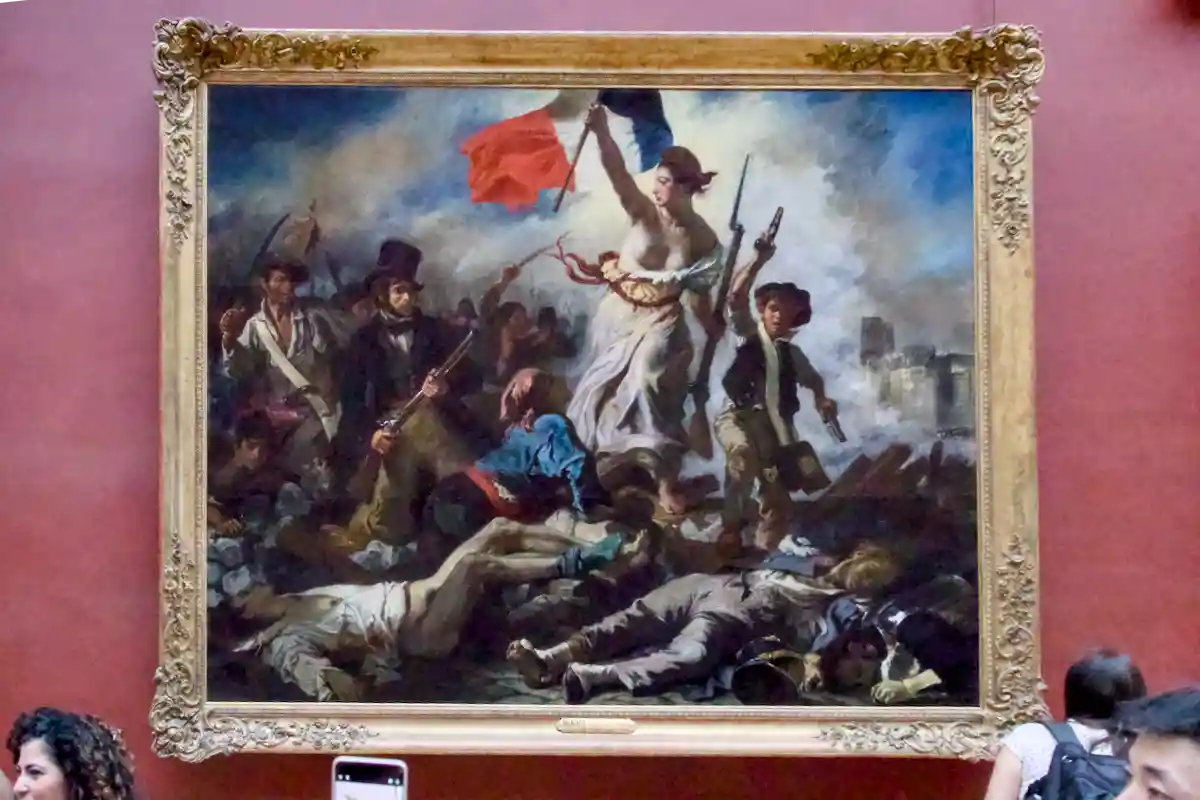
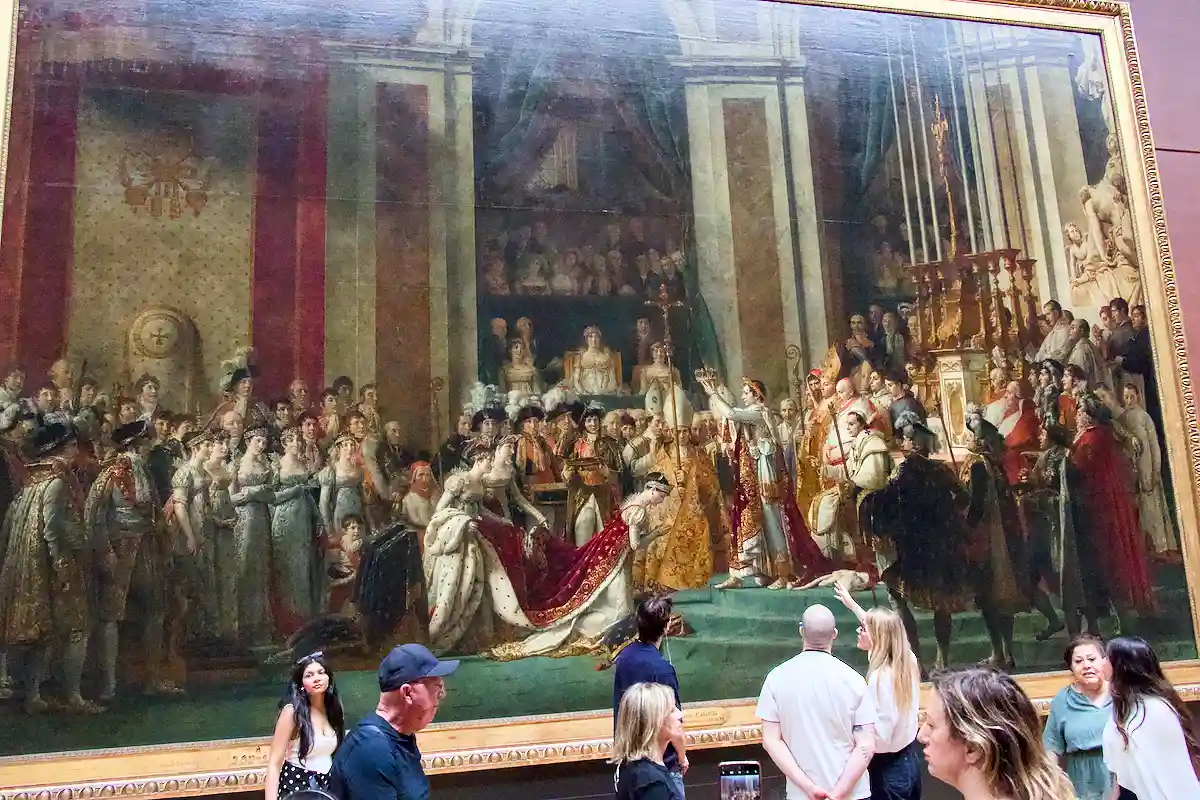
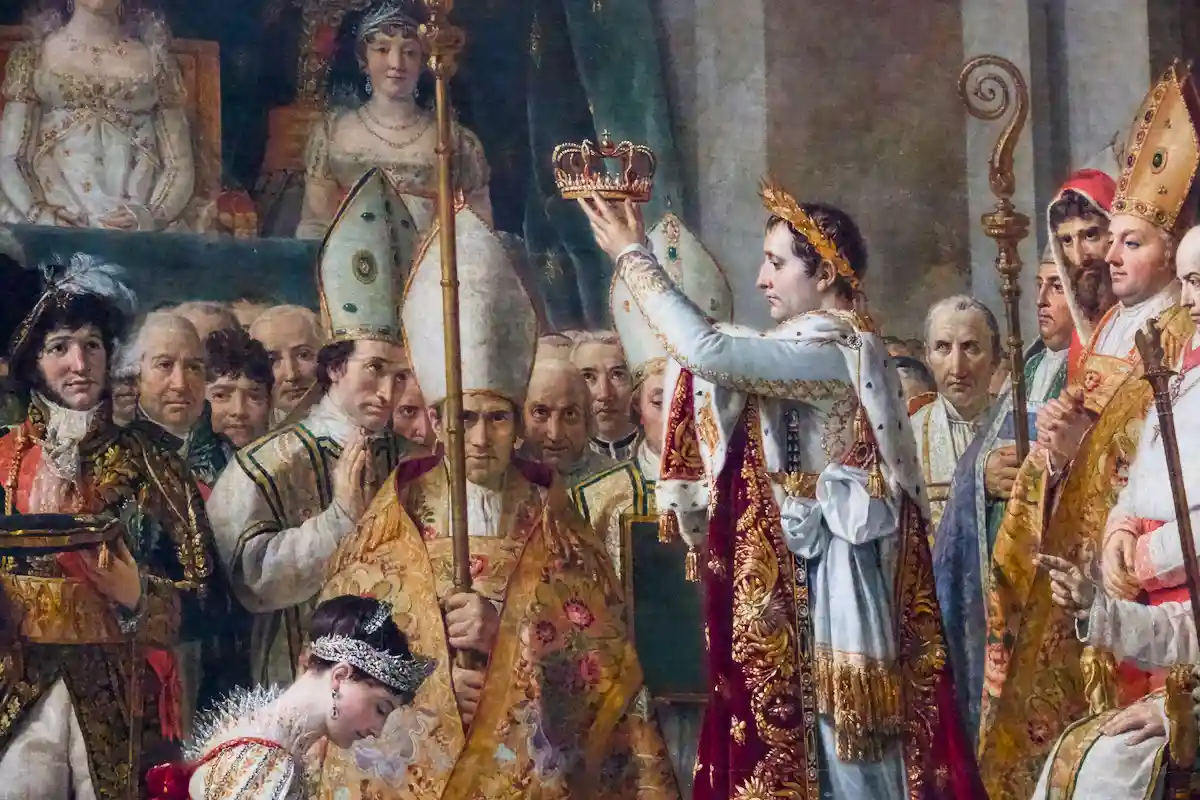
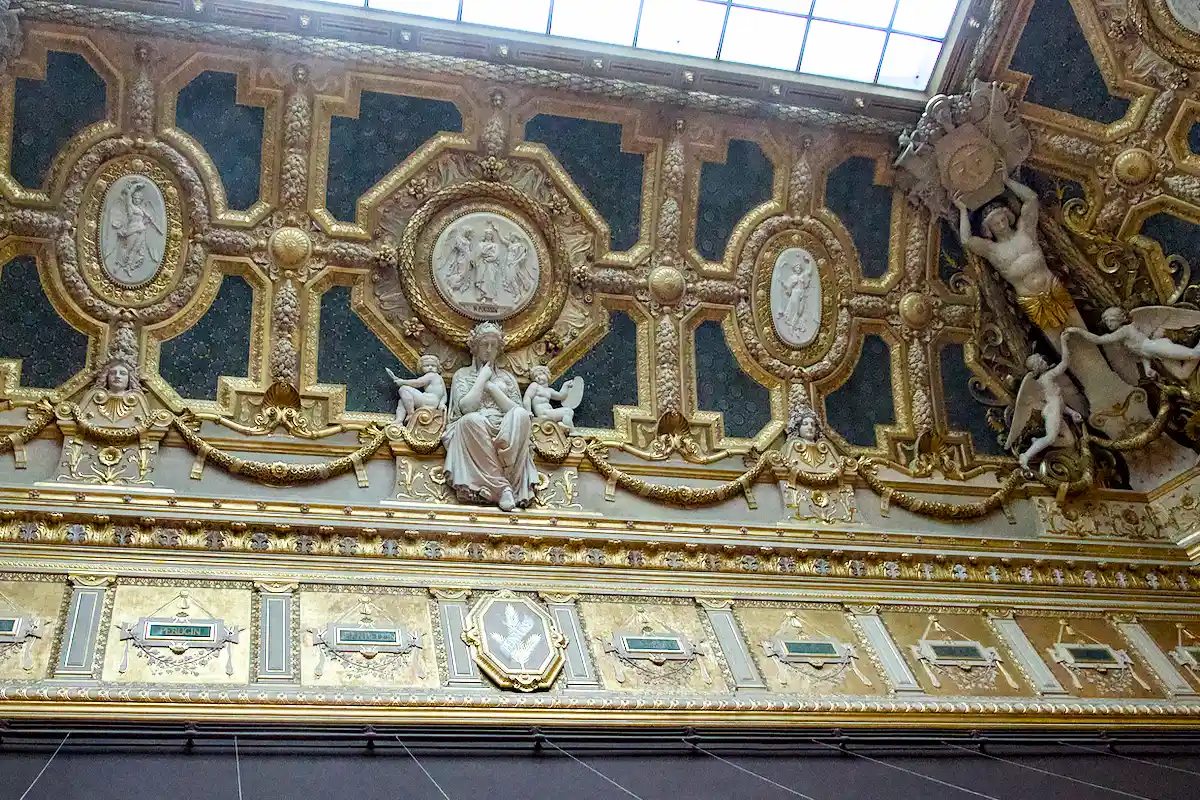
The Louvre is a vast museum housing everything from Assyrian antiquities and Greek statues to 19th-century American art. And all sorts of things in between. The galleries stretch out in endless rows, and stopping at every single object or display case would make the visit last several days. So you have to pick and choose. Unfortunately, there’s no real logical order to the layout, so you have to walk past the things you’ve decided to skip to get to what you want to see. And follow the map carefully.
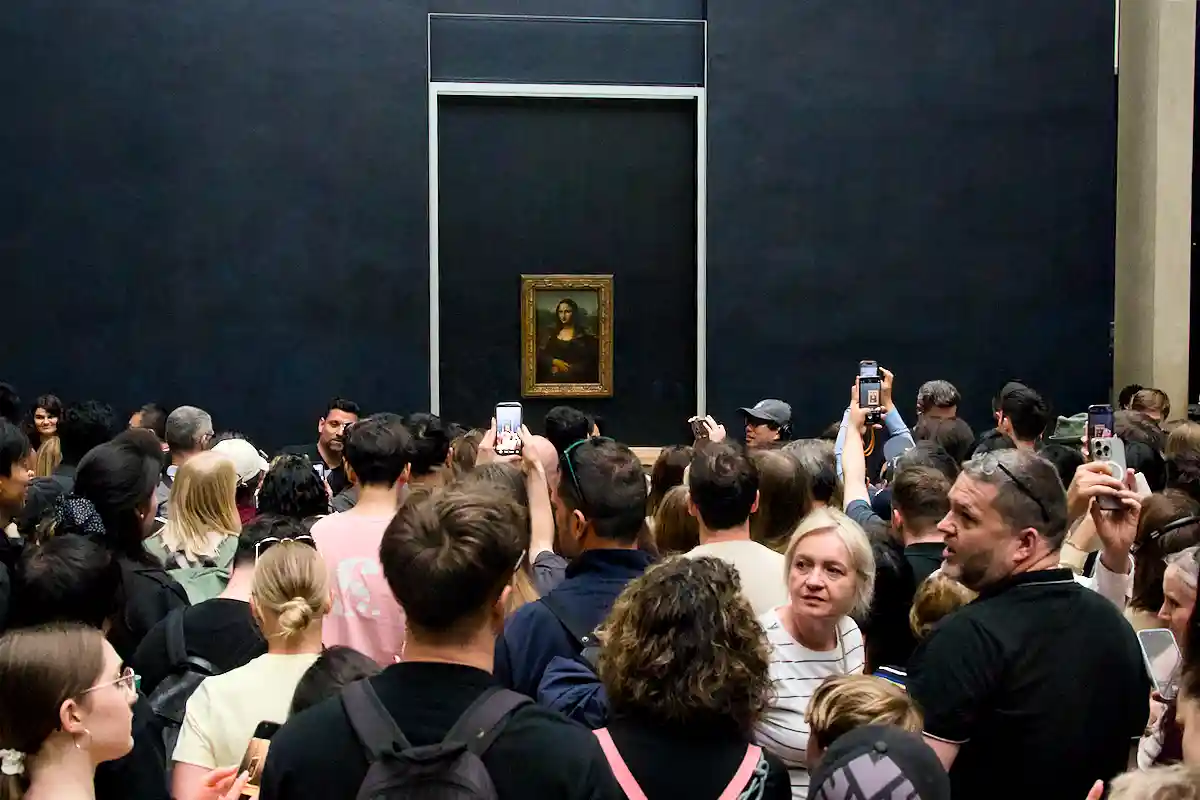
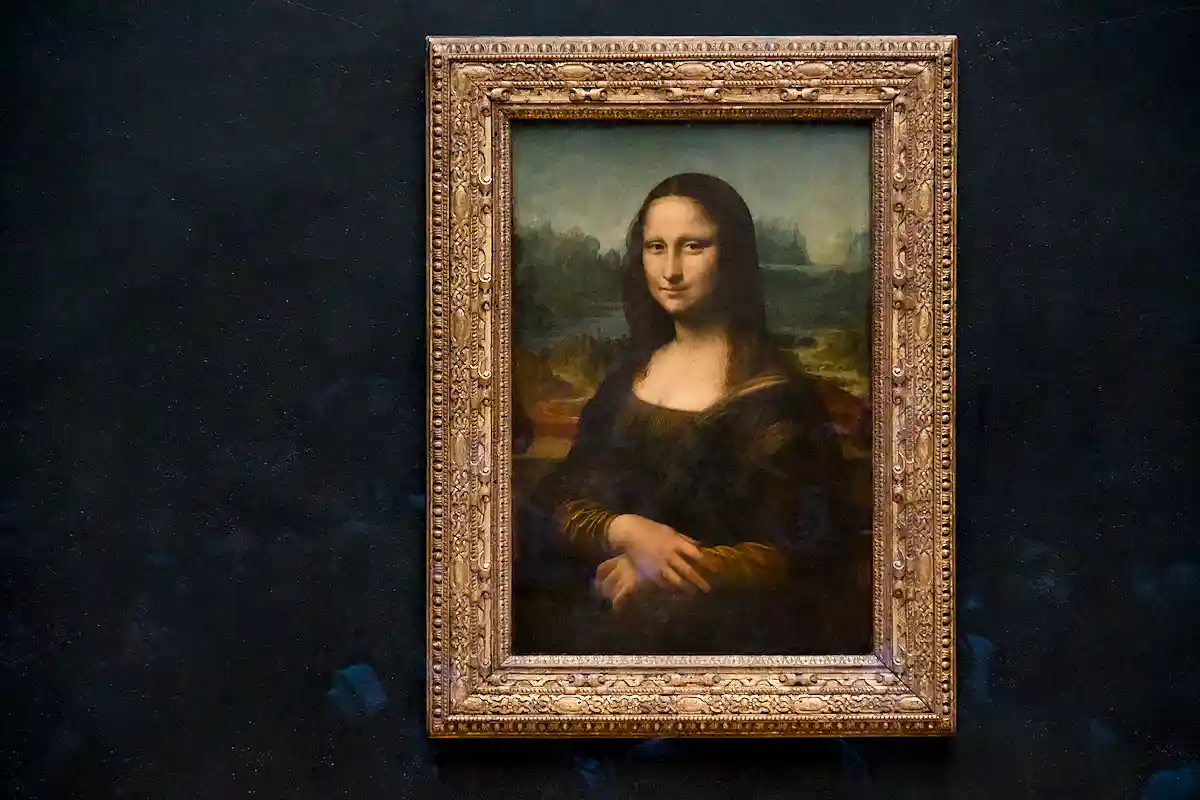
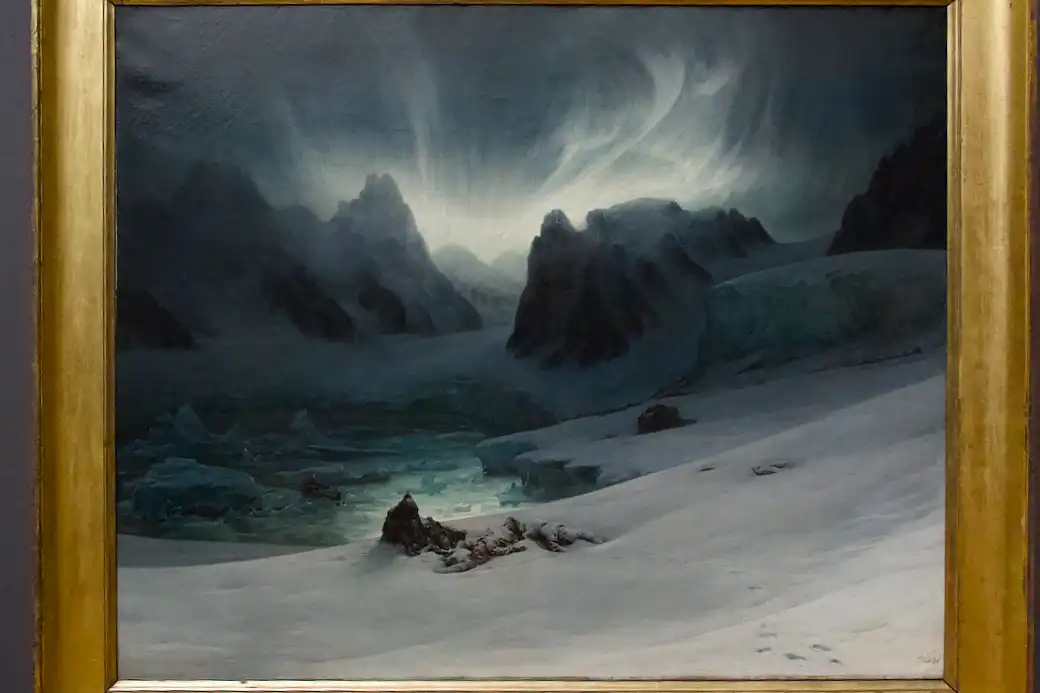
For me, the Louvre was a bit of a of a disappointment. Too big and too disorganised in my opinion. Although we did get to see the Mona Lisa and loads of ornate and slightly pornographic French 17th- and 18th-century paintings. V is more enthusiastic. But she’s been here before.
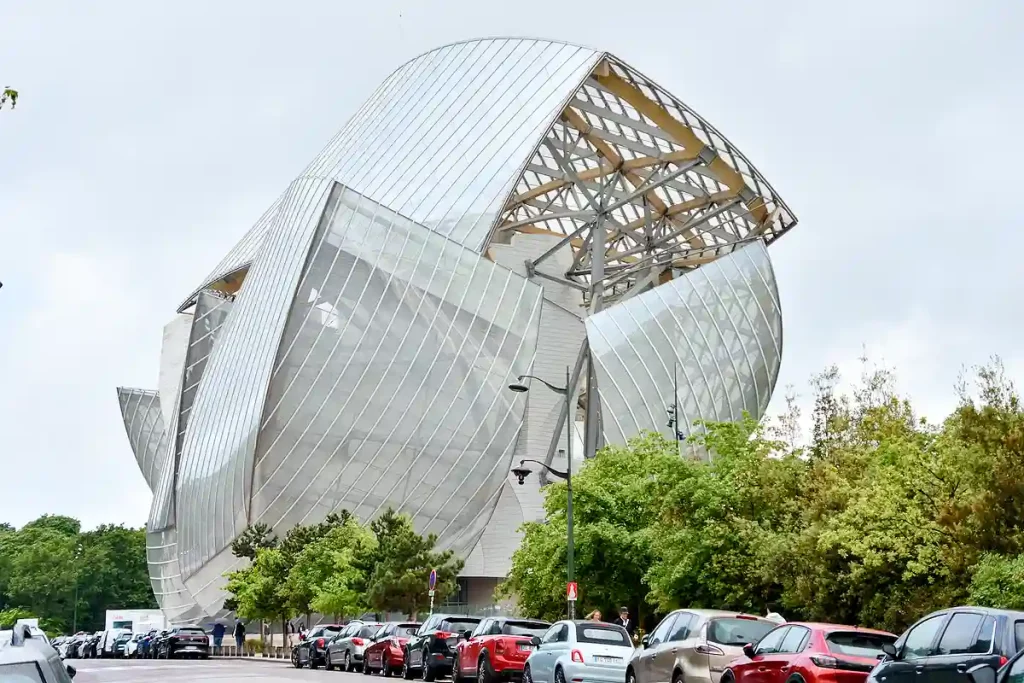
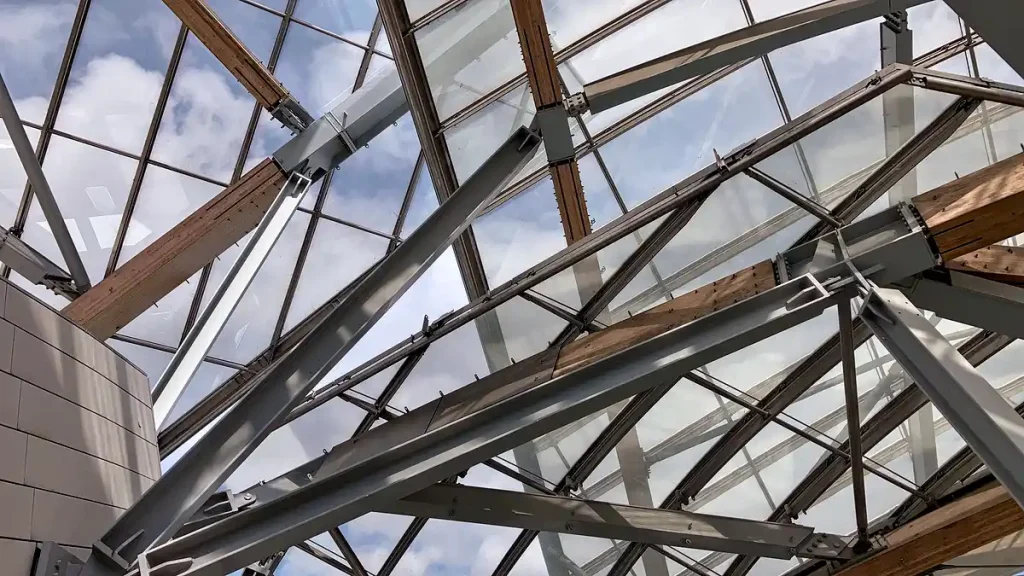
To be challenged by more modern art, we head to the Fondation Louis Vuitton, the fashion magnate’s art museum by the Bois de Boulogne. A cutting-edge building in steel, wood and glass designed by Frank Gehry. It resembles a giant pine cone.
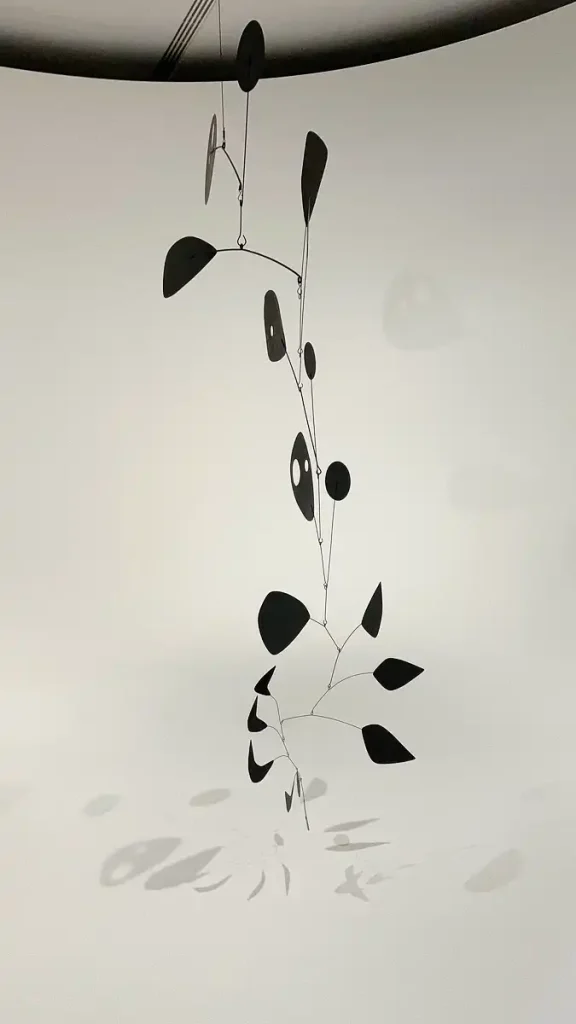
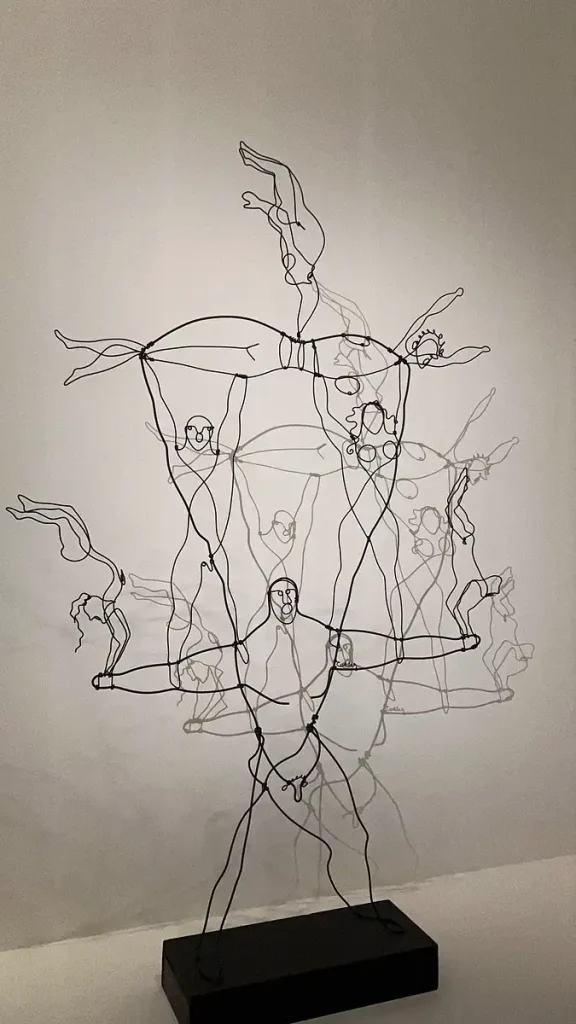
Most of the galleries here are devoted to a retrospective exhibition on the American sculptor Alexander Calder, a fascinating and inventive artist who began as a painter but later became famous for his large mobiles – balancing sculptures made of steel and sheet metal. A surprisingly enjoyable exhibition!
Finally, we try to visit Sainte-Chapelle, a church on the Île de la Cité with famous stained-glass windows. It was once connected to the royal palace and was said to house Christ’s Crown of Thorns, but today it sits squeezed in next to the Palais de Justice. We haven’t booked tickets and decide to take a chance. But the queue is loooong and only moves when someone gets fed up and leaves the line. After an hour, it starts pouring with rain and we give up.
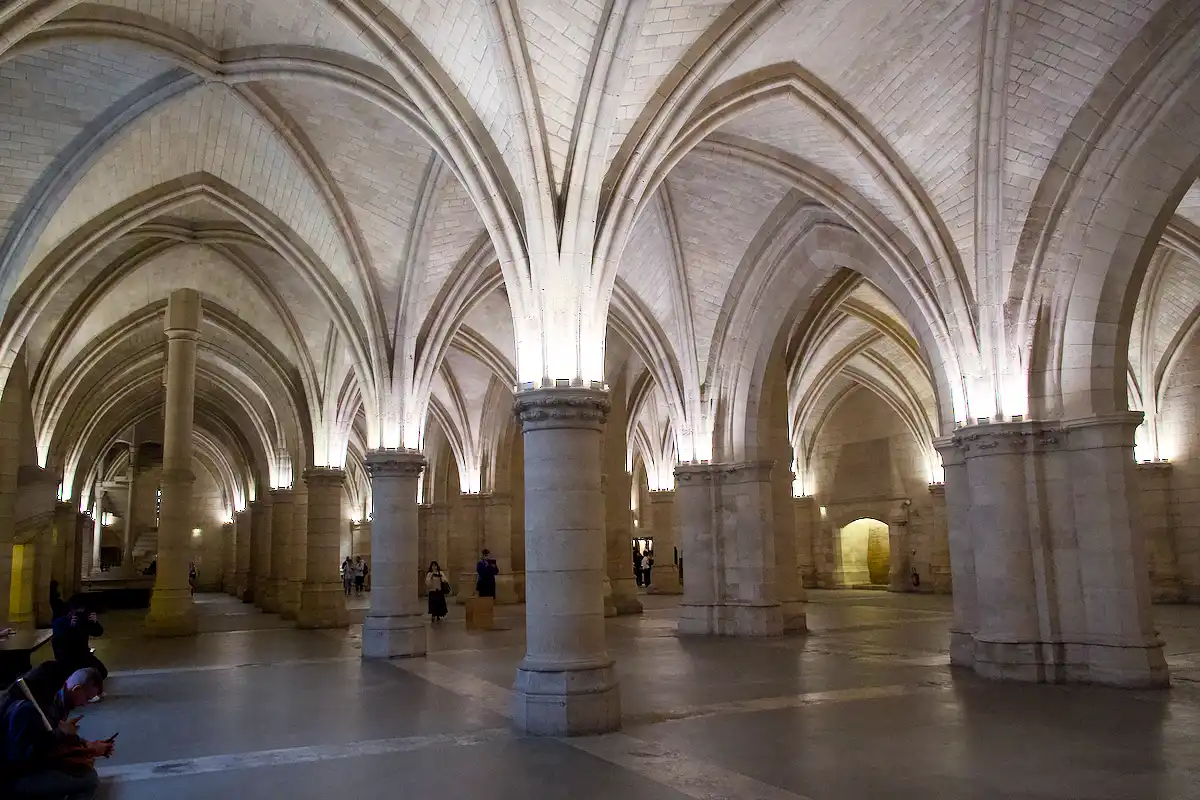
But in Paris, there are always other options. So instead, we visit the Conciergerie, thirty metres further down the street; it is the oldest surviving part of what was once the French king’s palace, but is now the Palais de Justice. Here, one enters the ‘Salle des Gens d’Armes’, a magnificent but empty columned hall with four enormous fireplaces. Further inside, you’ll find the prison cells that were established when the building ceased to be a royal palace. Several high-ranking figures were imprisoned here, including Marie Antoinette, the despised queen who was overthrown by the French Revolution
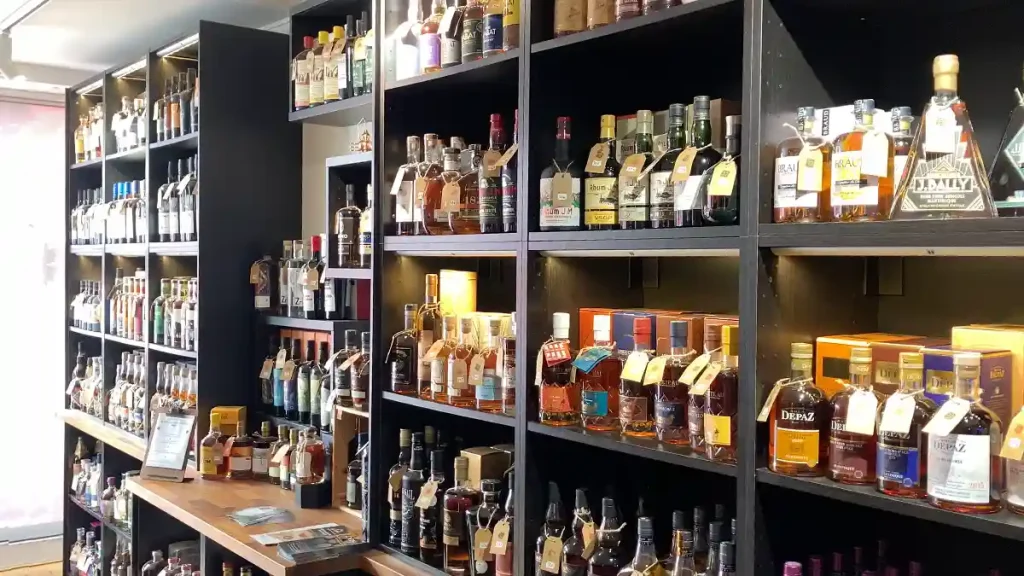
Finally, a tip especially for rum enthusiasts. If you walk along the Pont Neuf towards the Left Bank and continue straight ahead for about 60 metres, you’ll find a small shop on your left called Excellence Rhum. Here you’ll find several hundred different types of rum from all over the world, but particularly from French-speaking countries. There is a production tradition known as Rhum Agricole, where only the juice from sugar cane is used in rum production, unlike in most other places where molasses, a by-product of sugar production, is used. This makes Rhum Agricole a drier and more complex rum. We learnt this from the friendly and knowledgeable man behind the counter at Excellence Rhum.
The following two chapters describe a visit we made to Paris in 2015, when we experienced completely different things in different places. Because that’s the thing about Paris: you love to wander around and let the surroundings and events guide your steps. To put it somewhat clichédly: a second home where you’re always on a journey of discovery!