Getting around in the big Egyptian cities Cairo and Alexandria is not the easiest thing to do. Public transport is poor. Cairo, Africa’s largest city, has a good and inexpensive metro, but it only has two lines, one north-south and one east-west. Alexandria has a few rickety trams in the city centre.
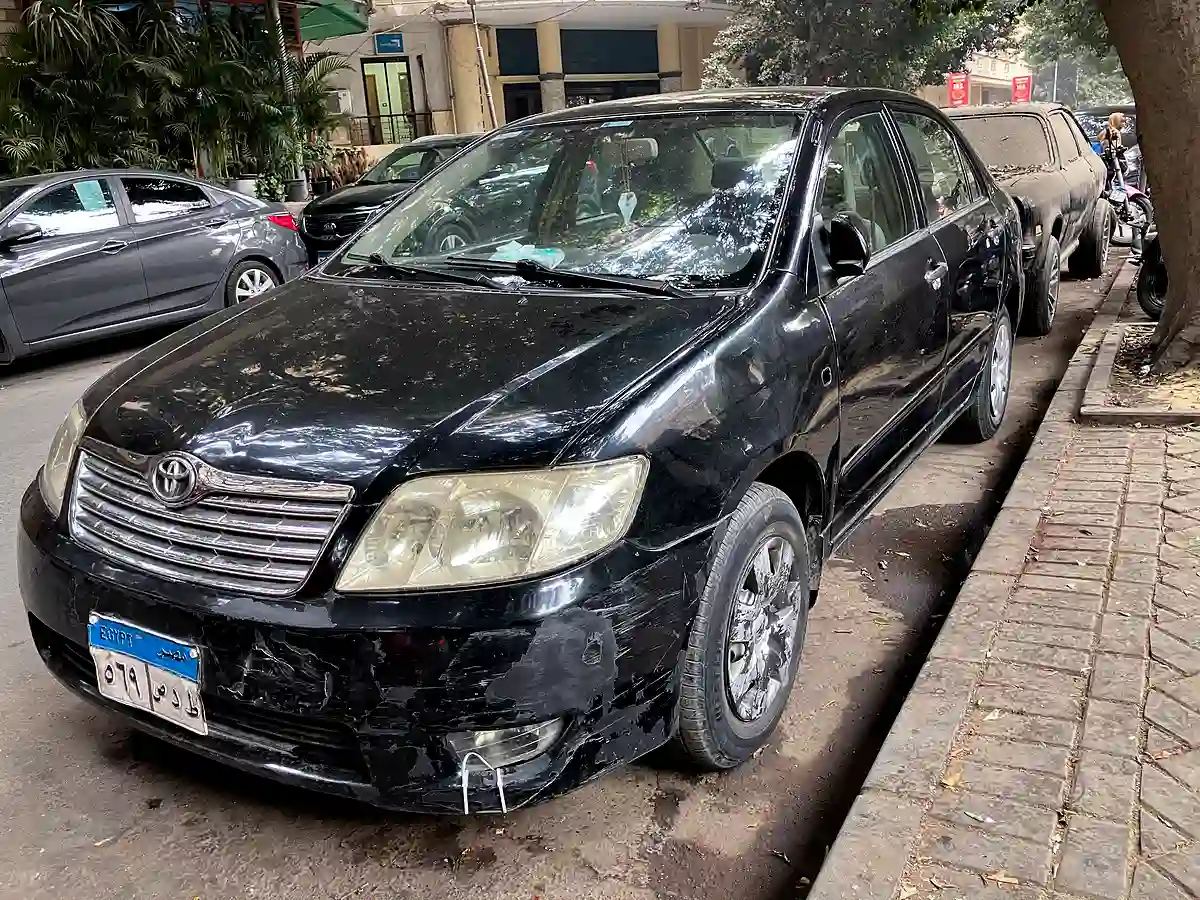
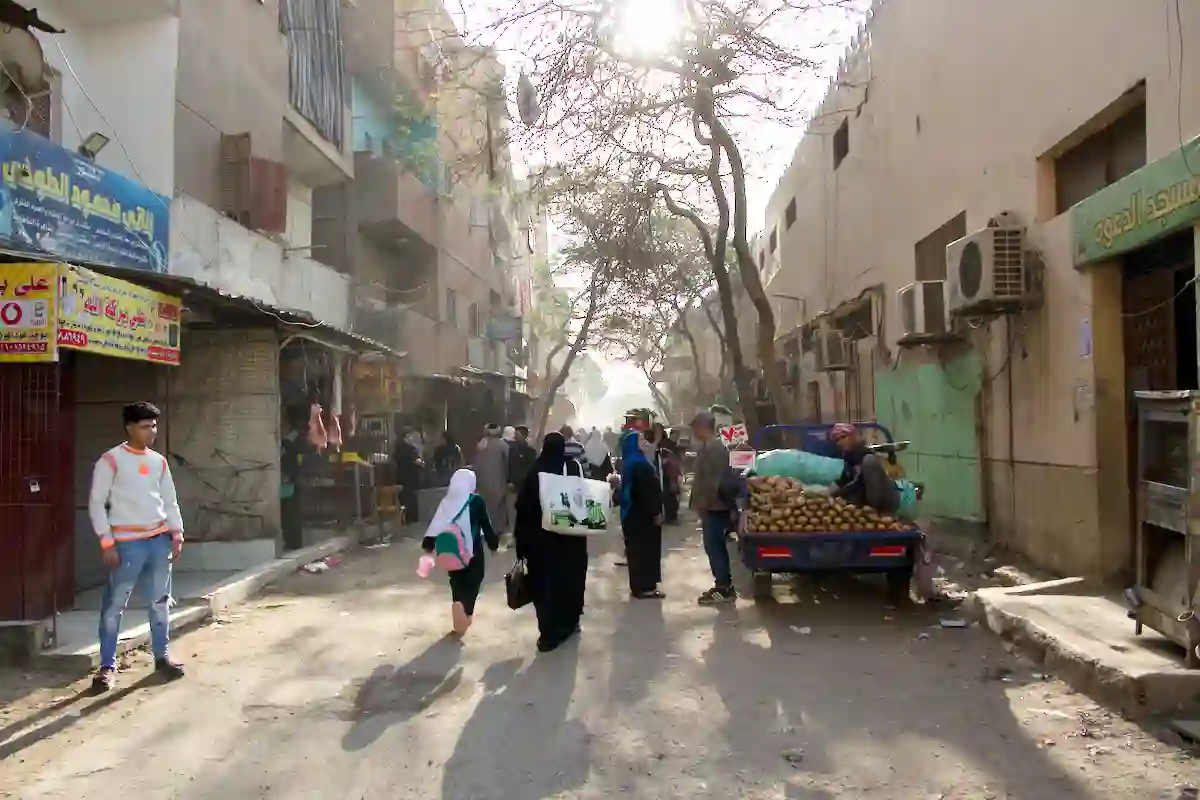
There is also a minibus system, but their destinations are only written in Arabic and they are always packed. We decided against taxis; the official yellow taxis are ancient Russian Ladas and they all look like they’ve been in crash tests. They drive around looking for customers, but only the locals seem to want to ride with them. They probably already know how much the trip will cost and can avoid discussions about payment.
The only thing that works in Egypt’s big cities is Uber. All travel blogs say the same thing. Fixed price and no haggling. And they always arrive within a few minutes.
There is one drawback to Uber, and that is that so few drivers speak or understand English. This is not surprising, as almost no Egyptians do. So journeys with Uber are silent, no small talk with the driver. If you need to communicate something, most drivers grab their mobile phones and open a translation app, but you definitely want to avoid that in the insanely chaotic traffic. Hands on the wheel and eyes on the road, please!
We were involved in a traffic accident in Alexandria, when the Uber we rode in was hit from behind. But the driver just walked out and took a quick look at the rear and drove off again. It was nothing special.
However, it was easy to figure out what the Uber driver who drove us to the Mokattam district meant when he shook his head. He did not understand at all why we wanted to go to such a place.
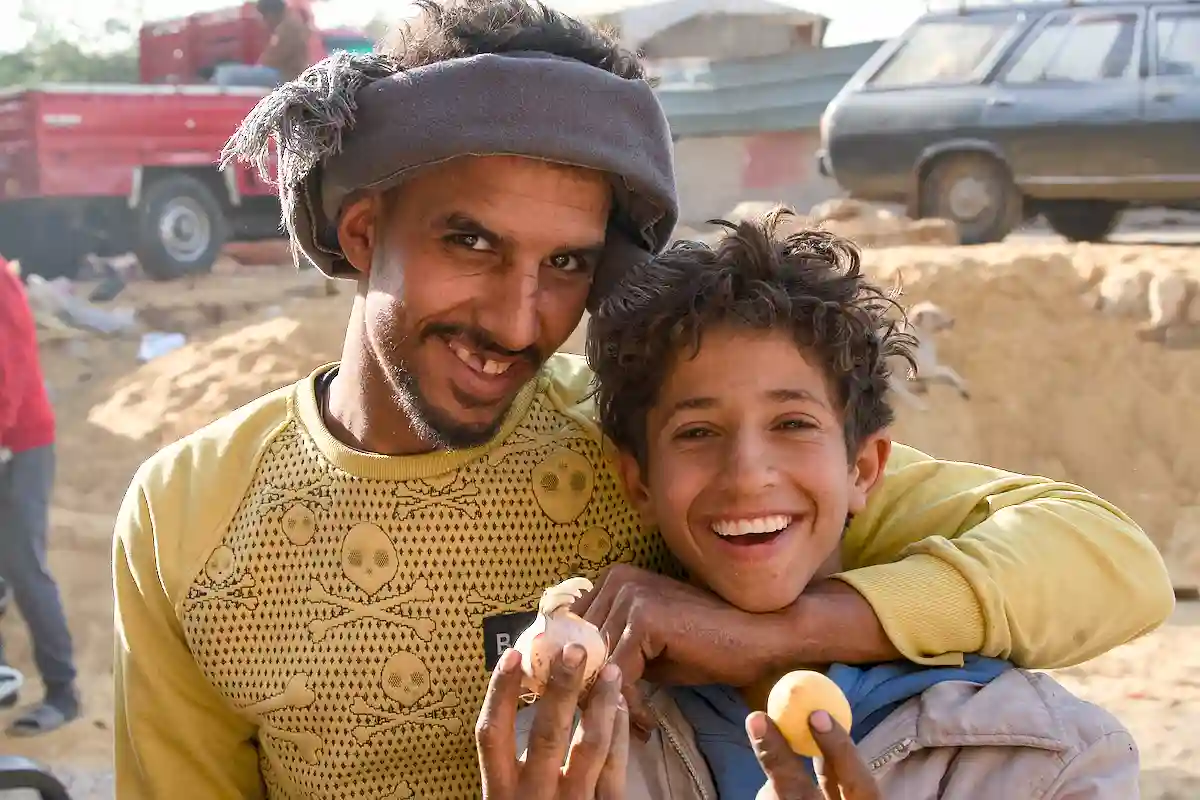
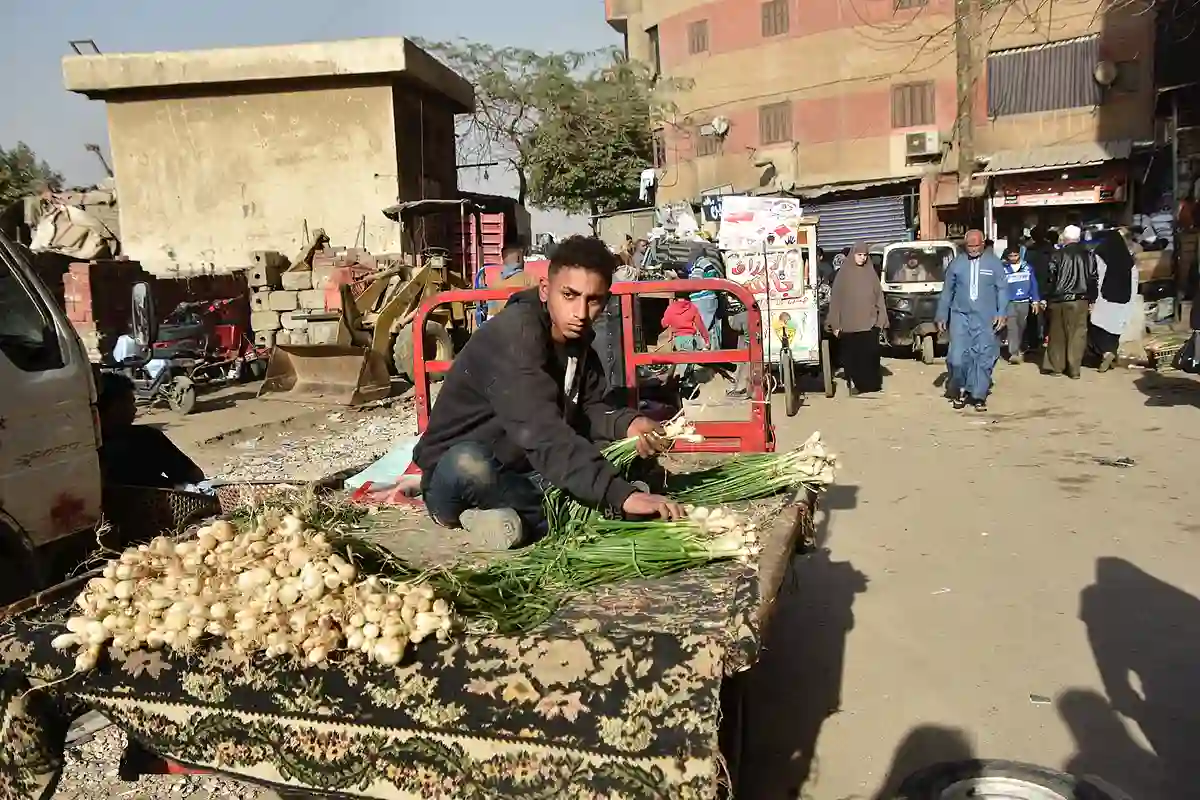
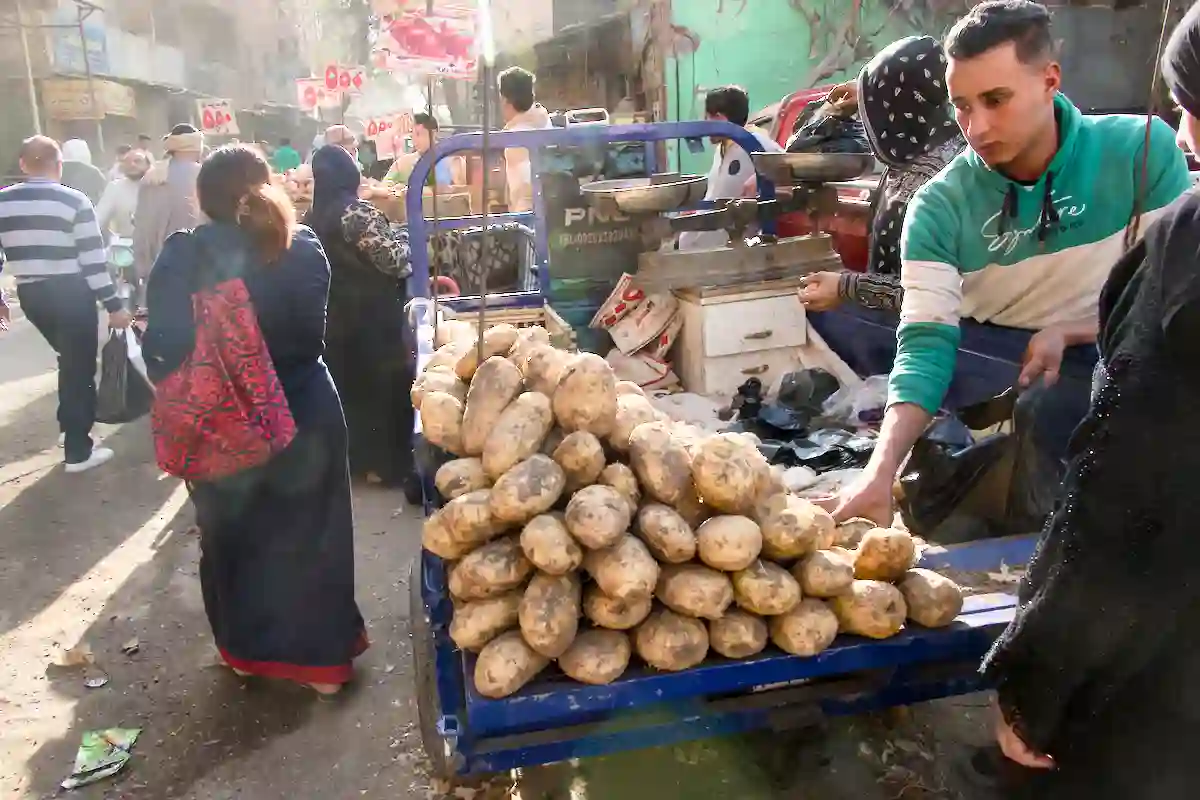
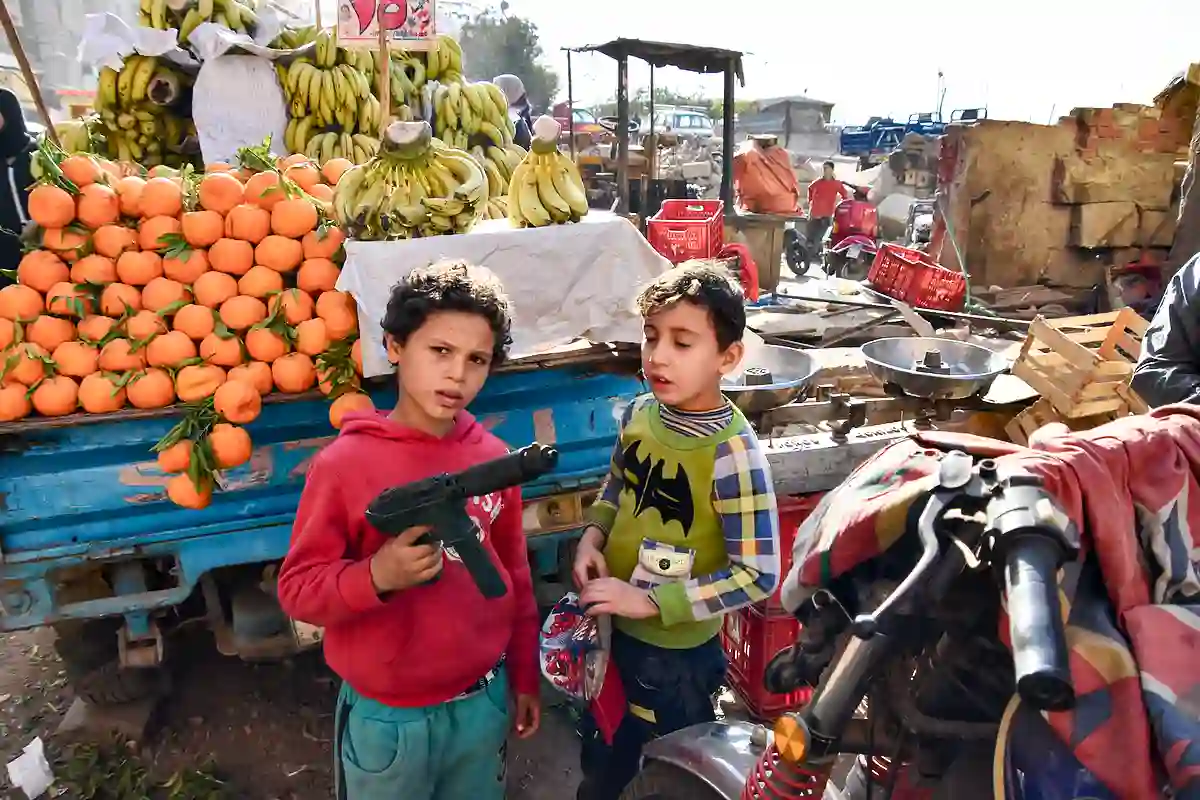
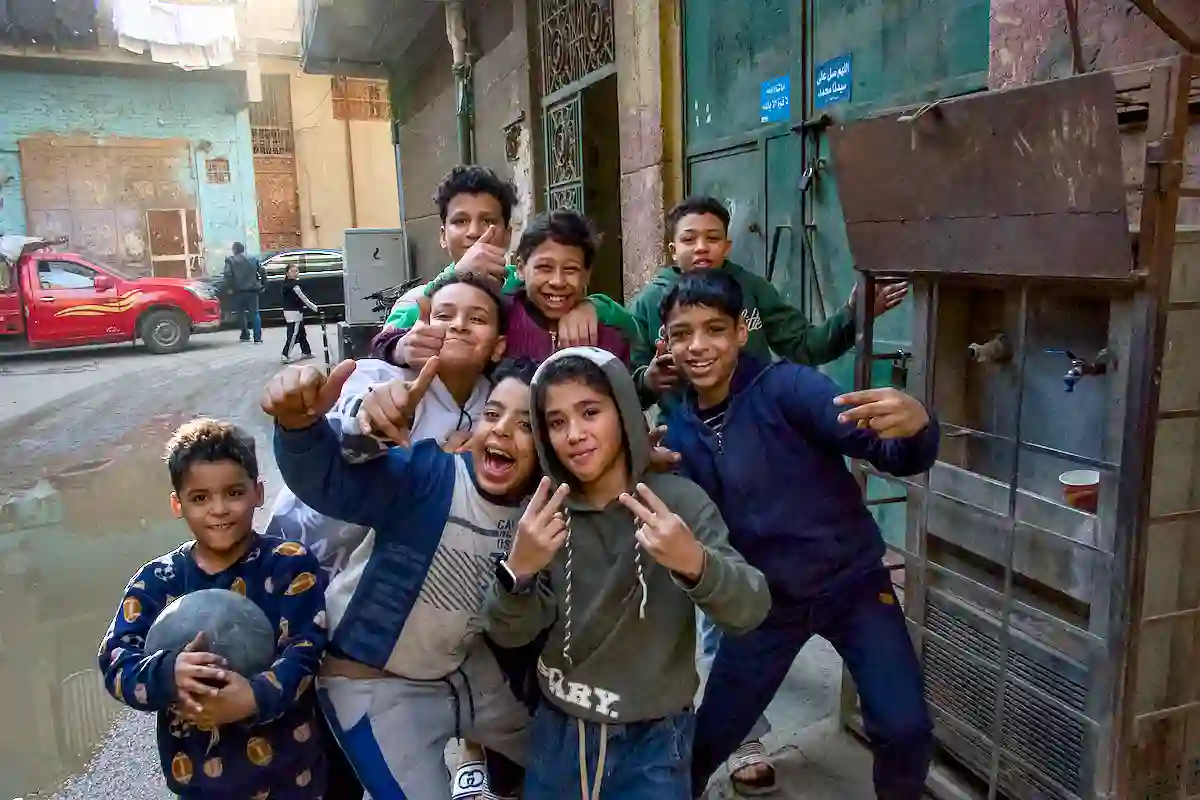
When we got out of the car and climbed the long stairs to the settlement, it felt as if we were the first Westerners ever to visit these neighbourhoods. We were immediately drawn into a maelstrom of people and surrounded by children who wanted to be photographed. We had ended up in the middle of a market selling vegetables and bread, and we got some fantastic photos. But that wasn’t actually why we had come there.
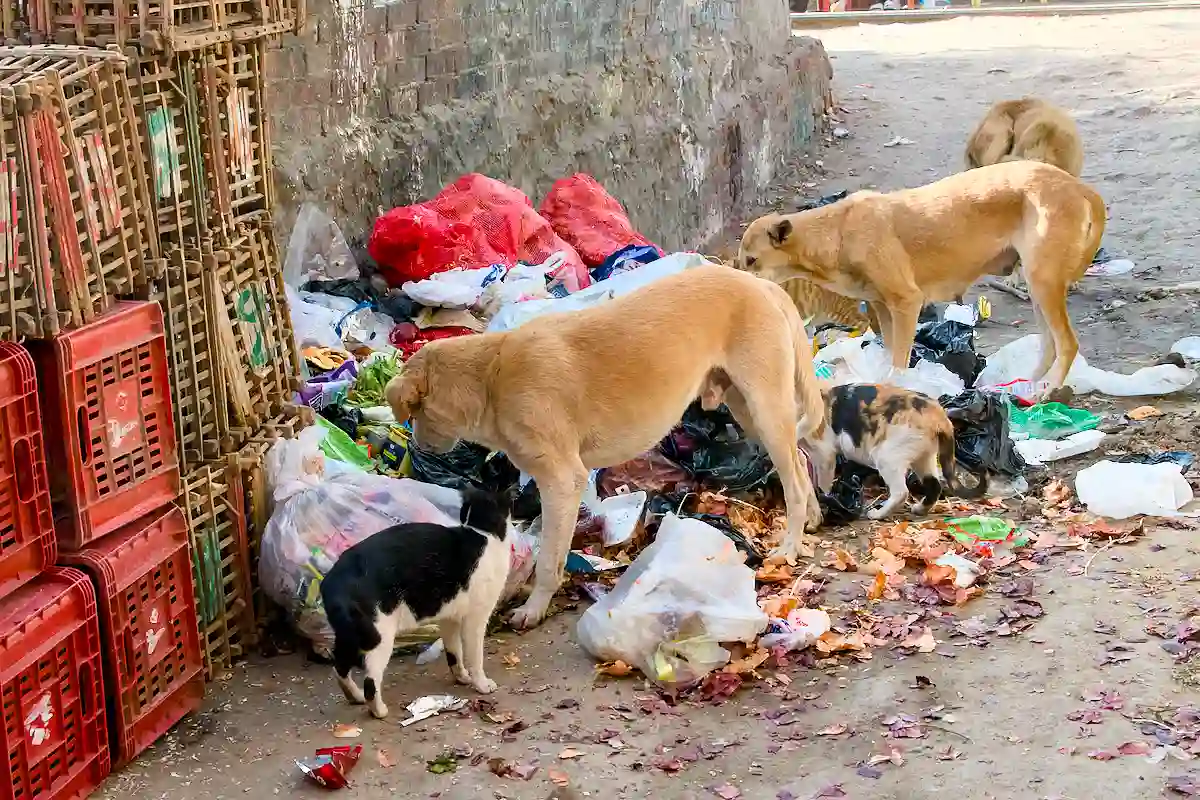
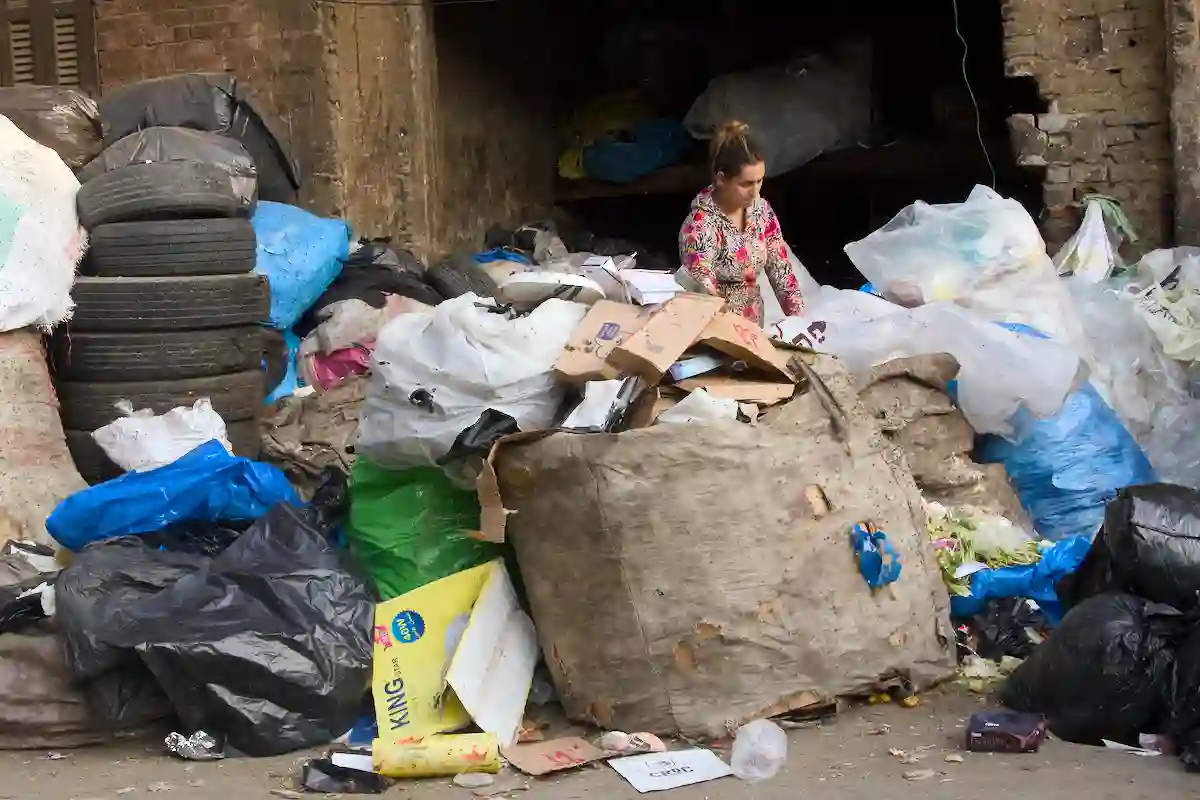
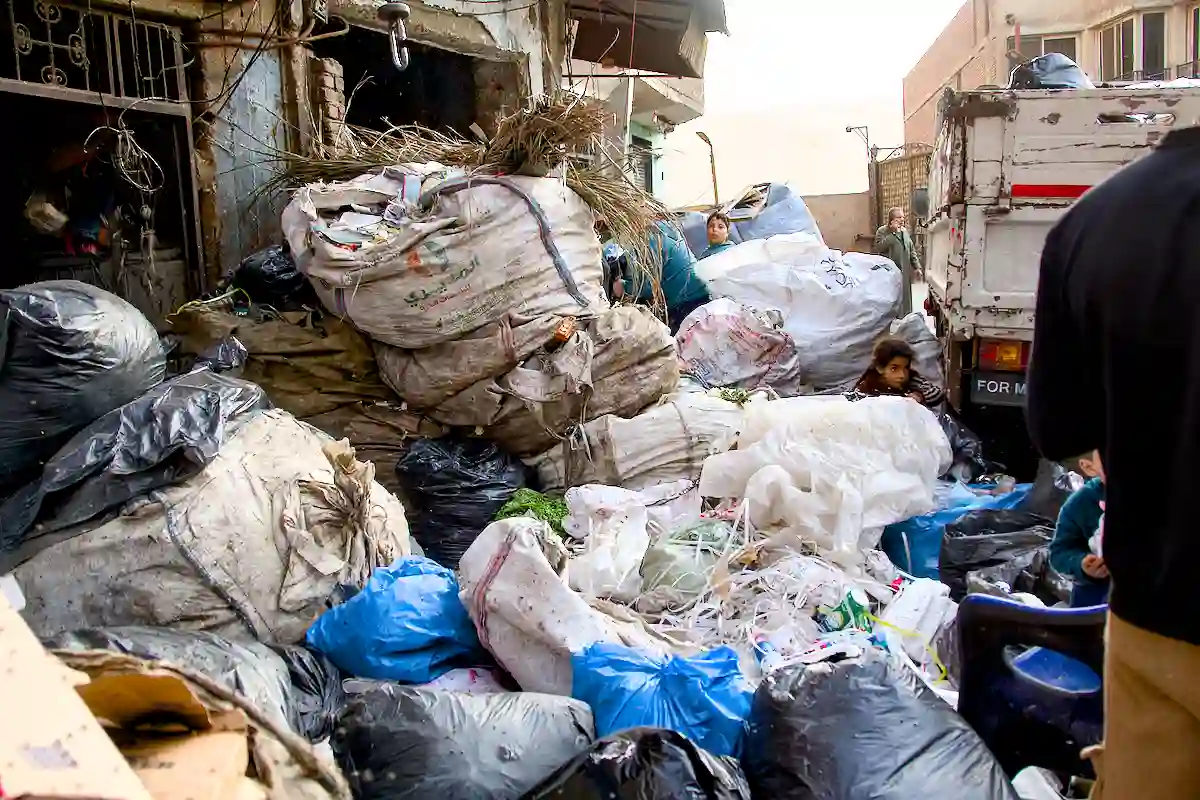
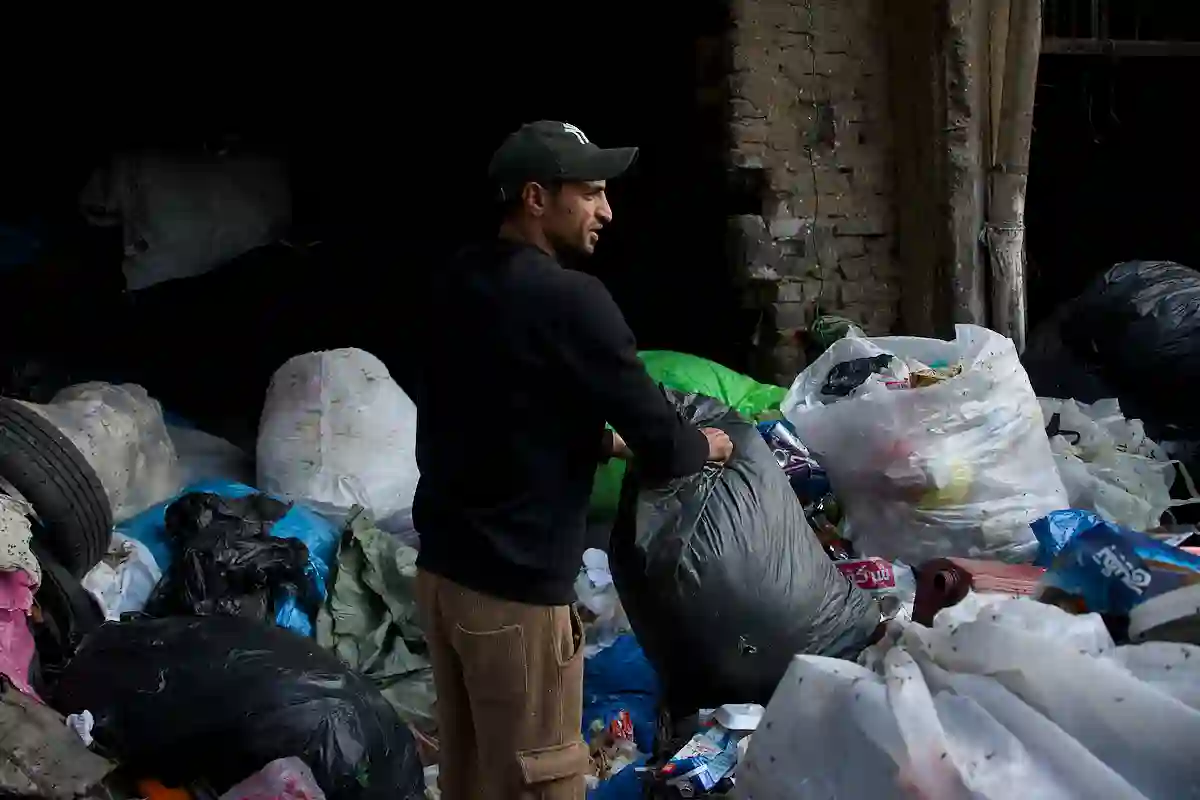
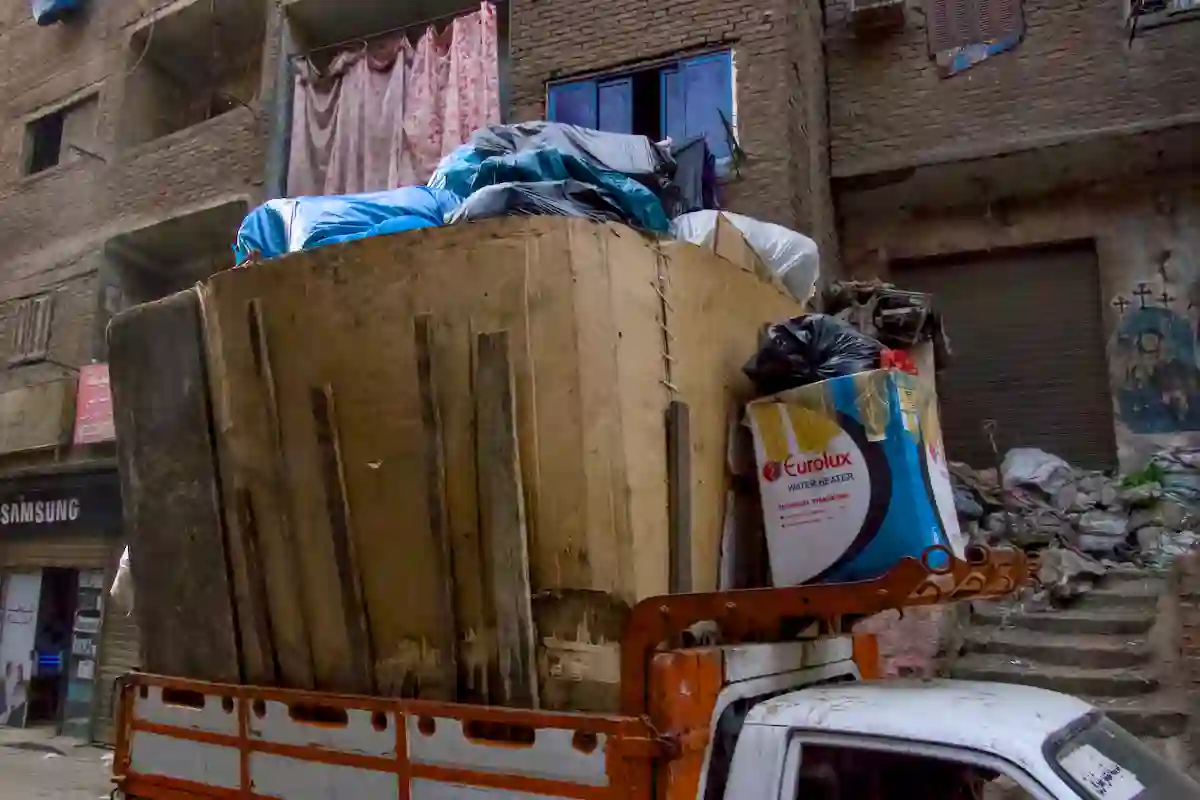
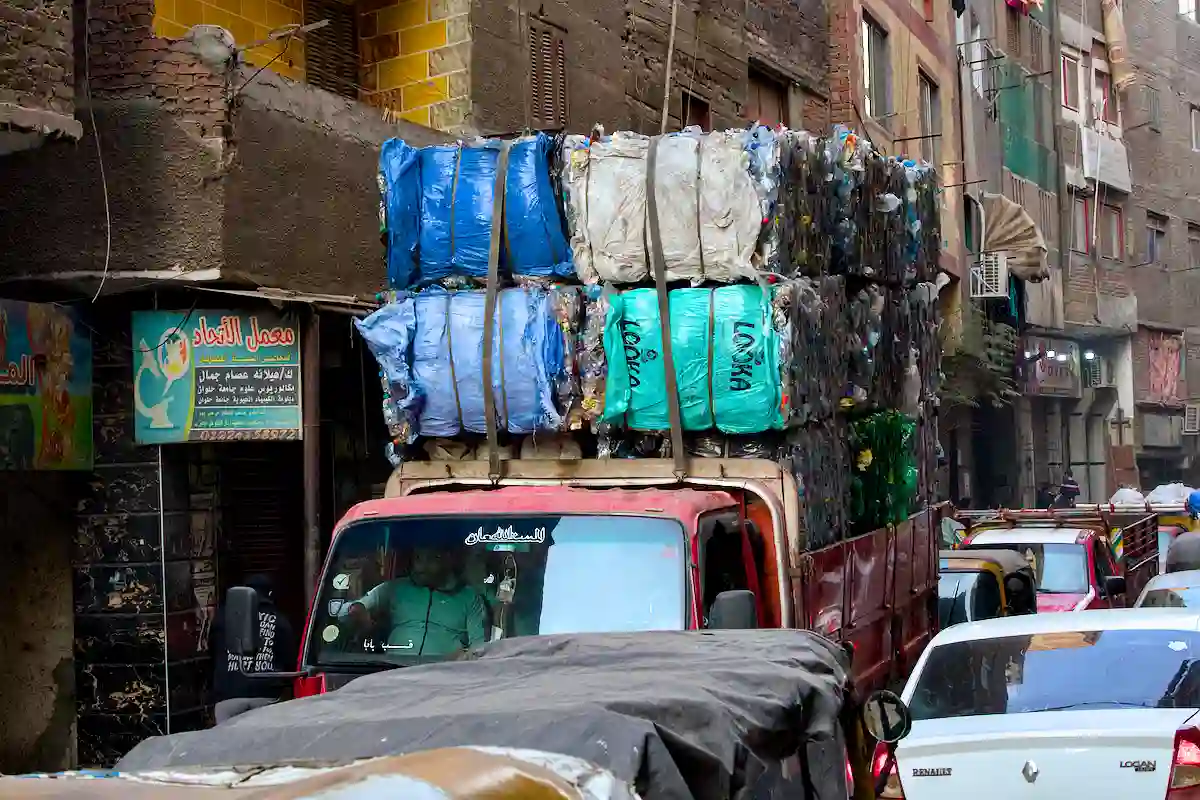
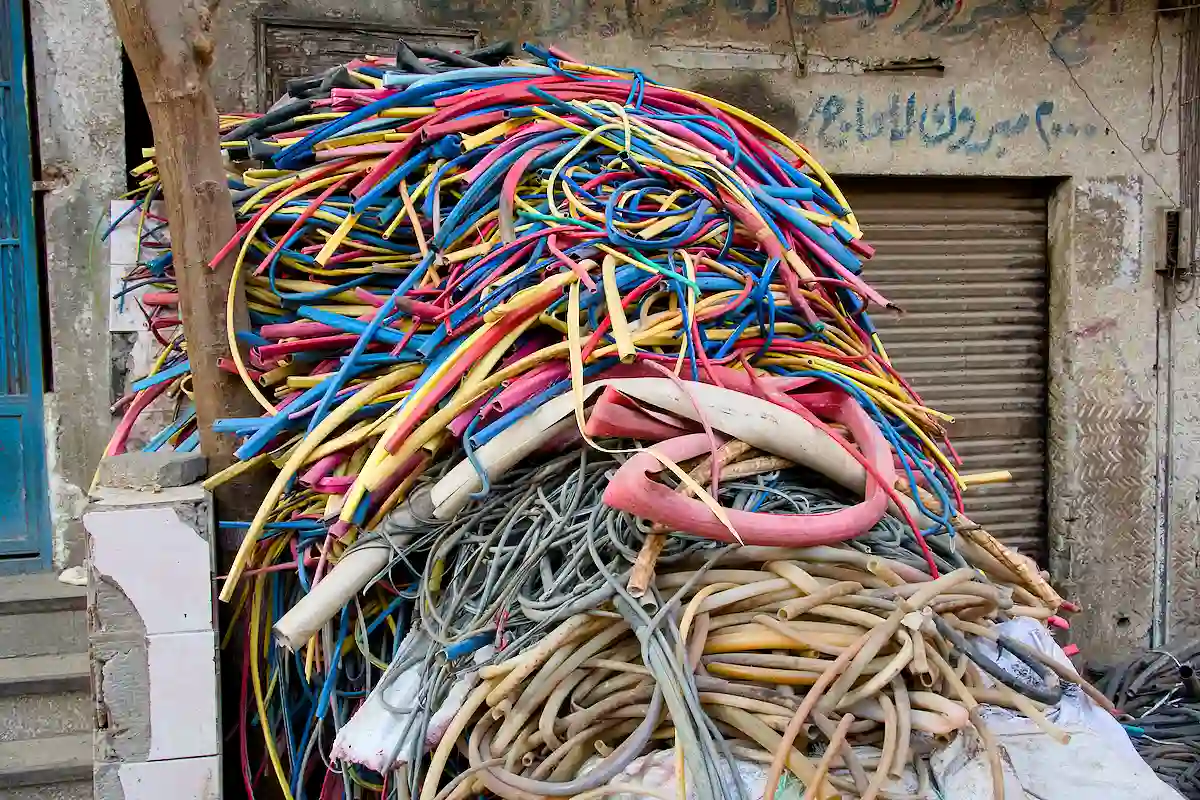
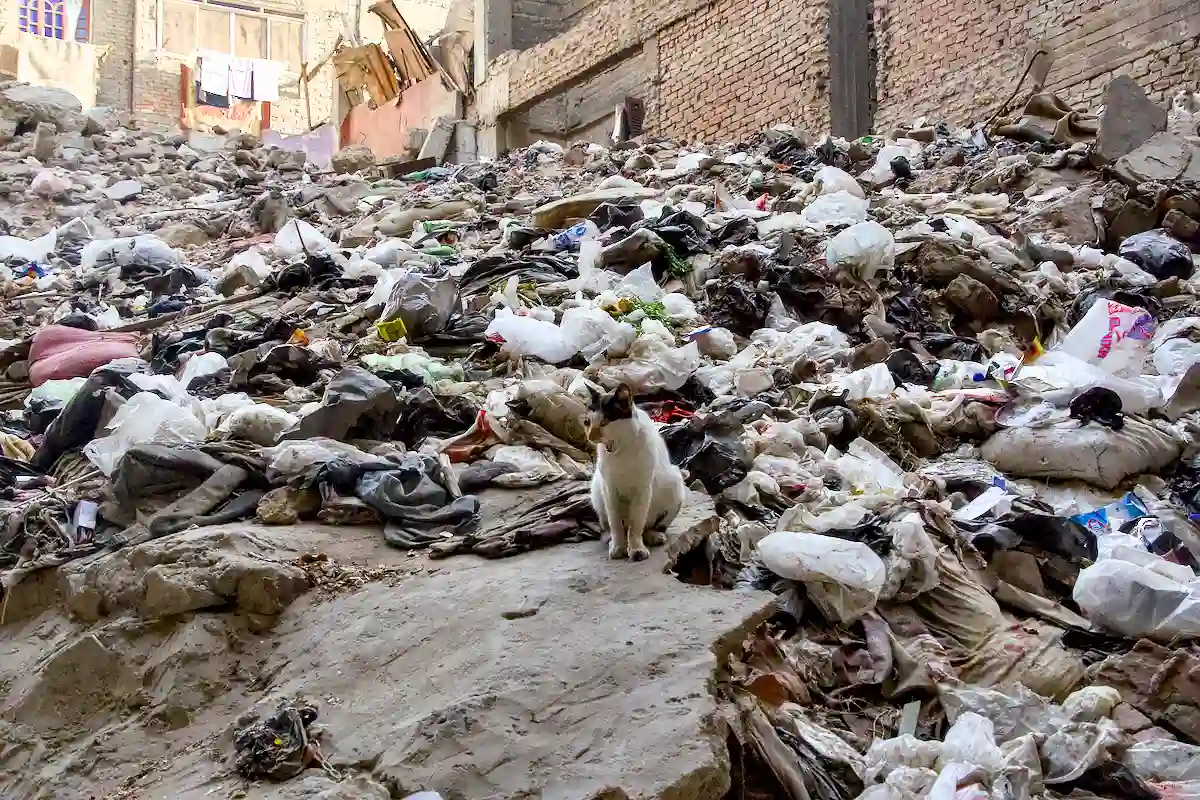
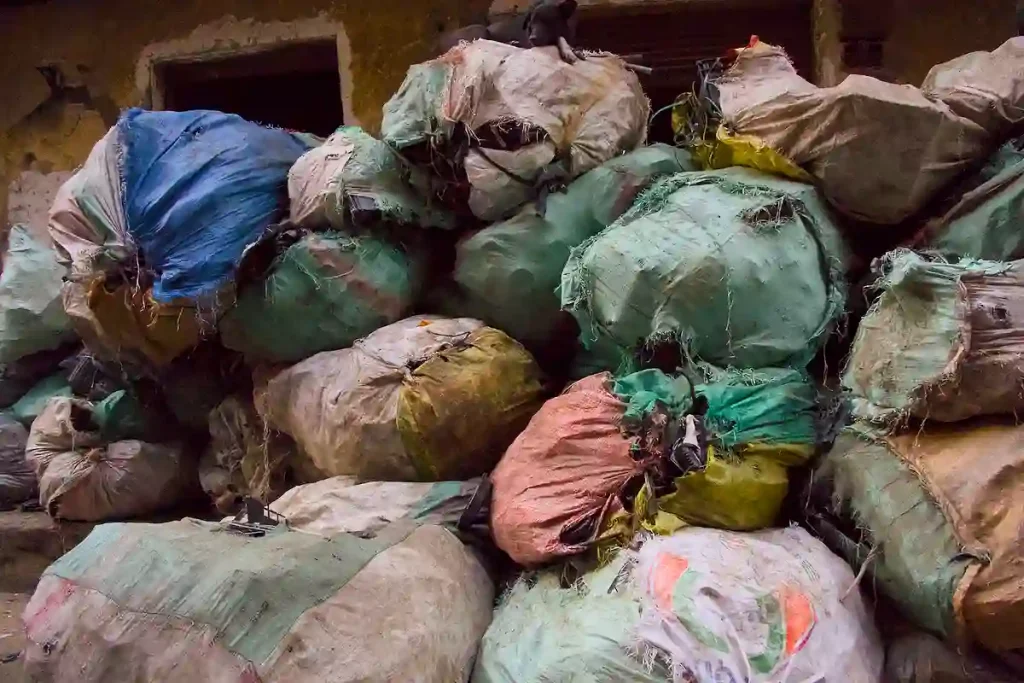
After struggling our way through the crowded and overpopulated neighbourhood, we finally got a glimpse of why it this called ‘Garbage City’. Rubbish is transported here in large sacks from all over Cairo, and residents known as ‘Zabbaleen’ make a living out of sorting this rubbish and selling whatever can be sold. We met an entire family sitting in a sea of rubbish, surrounded by millions of flies, sorting through the material.
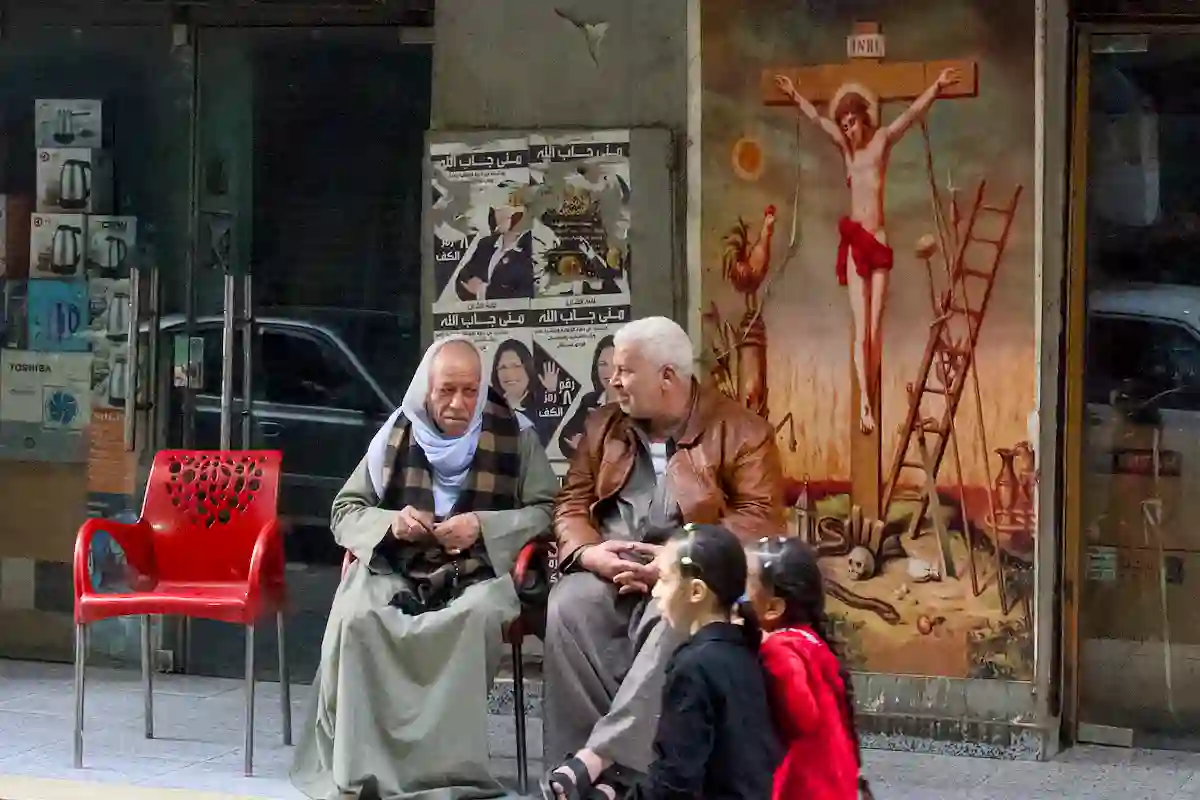
This is a private enterprise that was started nearly a hundred years ago by poor Coptic (i.e. Christian) families who came here from southern Egypt. But it is said to be extremely efficient, with estimates suggesting that around 80 per cent of waste is recycled, compared with only 20-25 per cent in Western countries. But the Zabbaleen live in extreme poverty, disease is rampant, and the neighbourhood lacks most social services. Stinking rubbish is piled up everywhere.
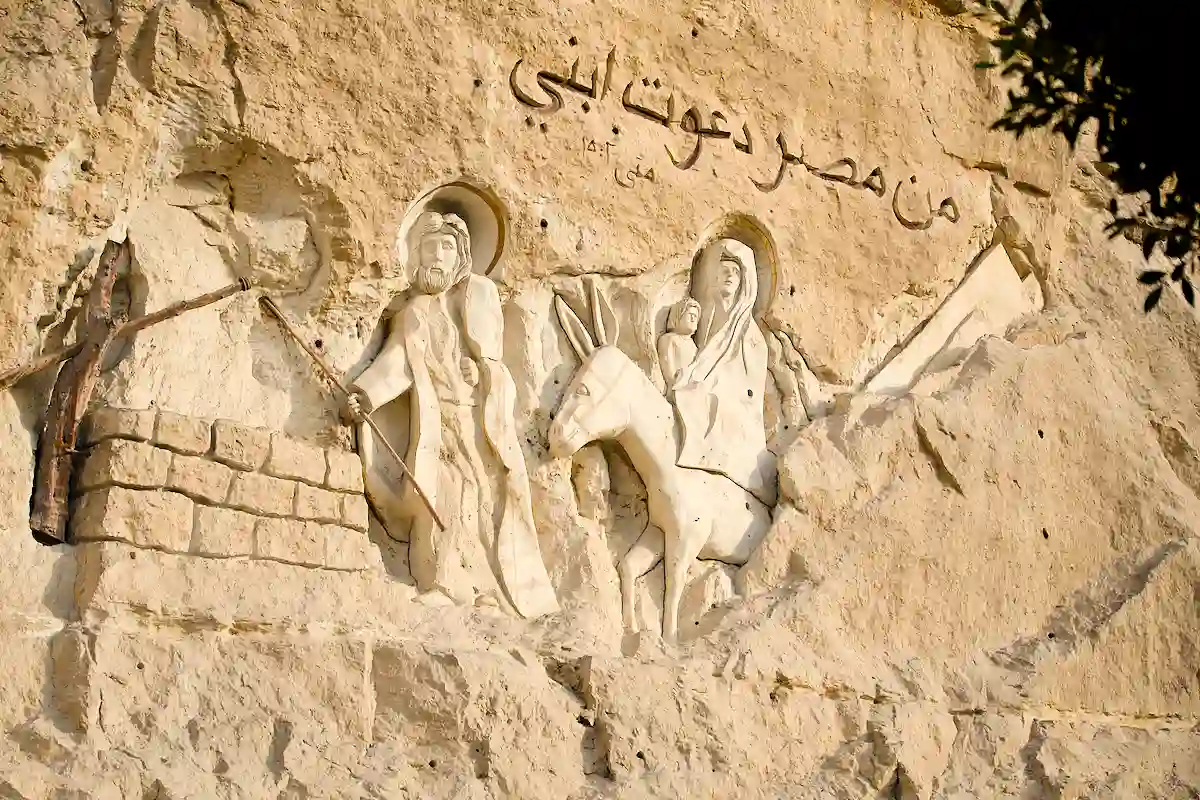
Continuing up the mountainside on the other side of Garbage City, you are met by large carved reliefs in the yellow sandstone mountains beside the road. The motifs are biblical, and of course the Bible story of how Mary and Joseph fled to Egypt with the baby Jesus has a prominent place. The Copts often see themselves as original Christians, and there are a some archaeological finds that support their view.
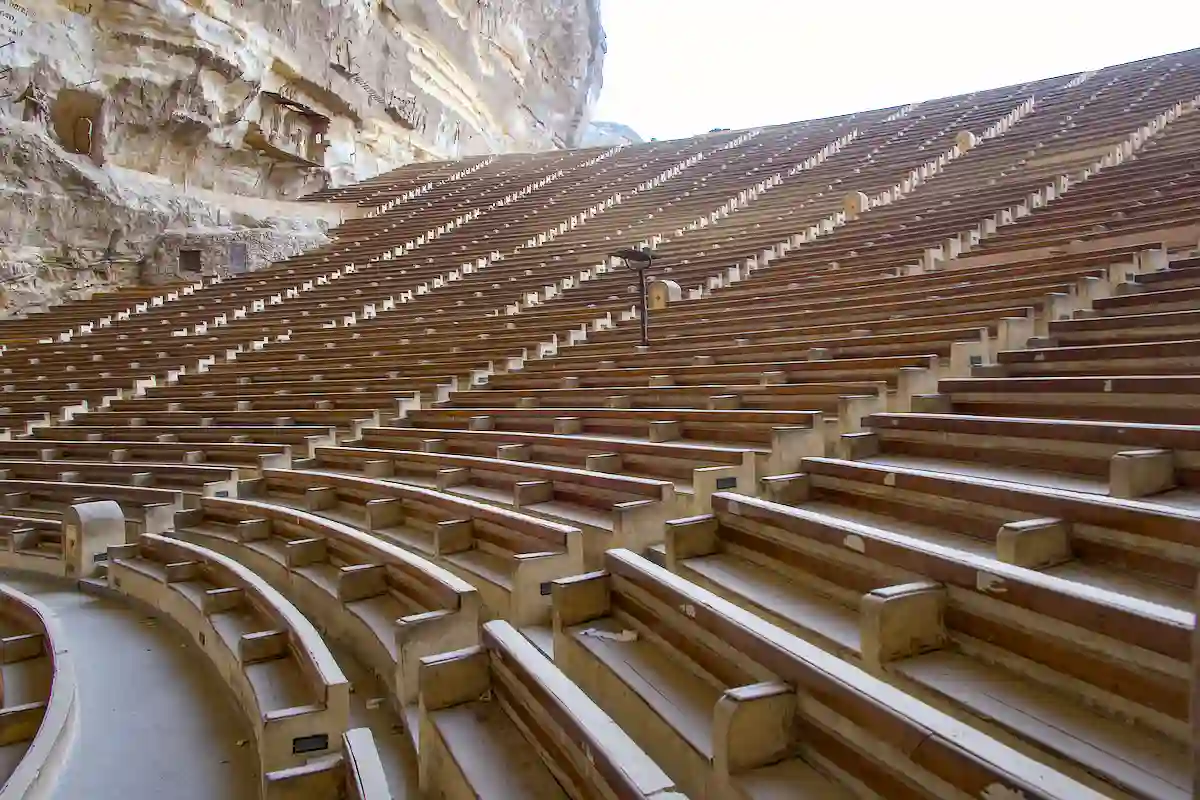
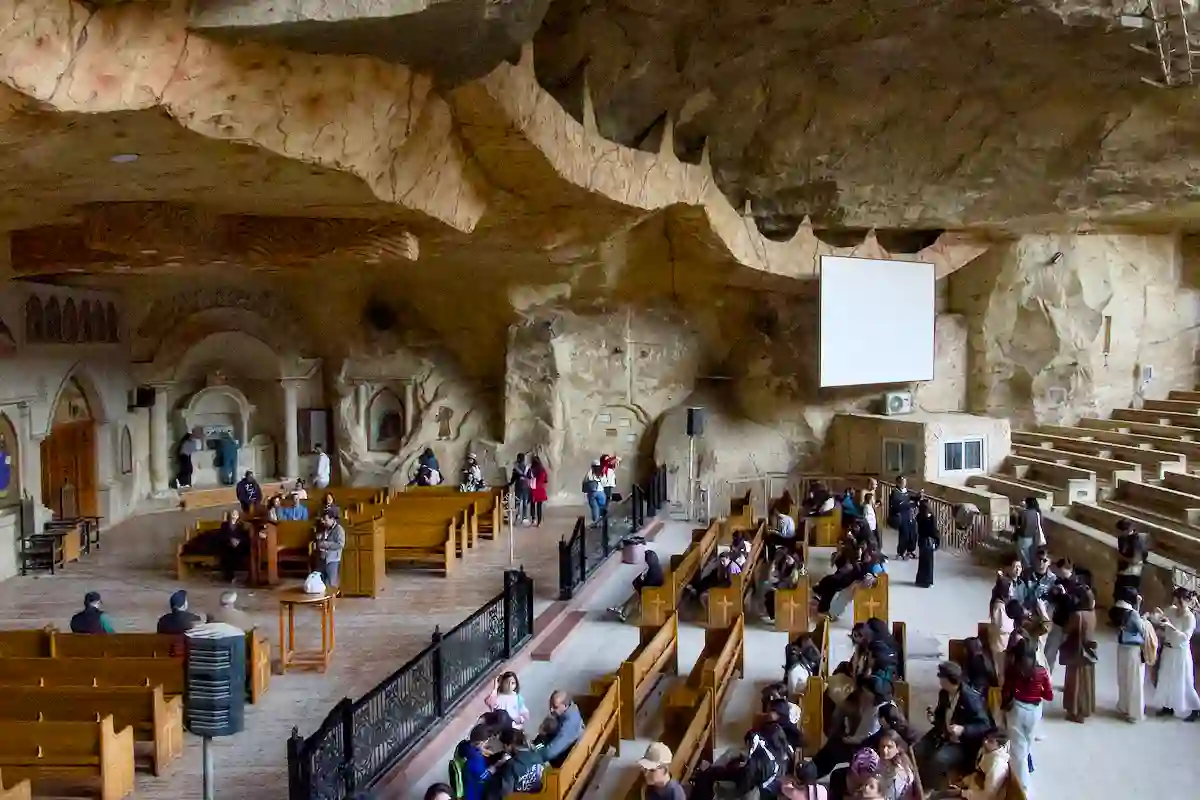
Even further up the increasingly steep slope, a huge hole opens up, continuing under Mokattam Mountain. Here lies St. Simon’s Church, the largest Christian church in Africa. The amphitheatre-like cave opening can accommodate 20,000 listeners.
Saint Simon was also known as ‘the tanner’ and was a leatherworker with strong Christian beliefs who performed a miracle right here. In accordance with the biblical motto that ‘faith can move mountains’, he made the entire mountain float in the air.
Among the visitors strolling around the cave church, we also see women in Muslim niqabs. But this does not seem strange at all, and we see Muslim families visiting other Christian/Coptic shrines in Cairo as well.
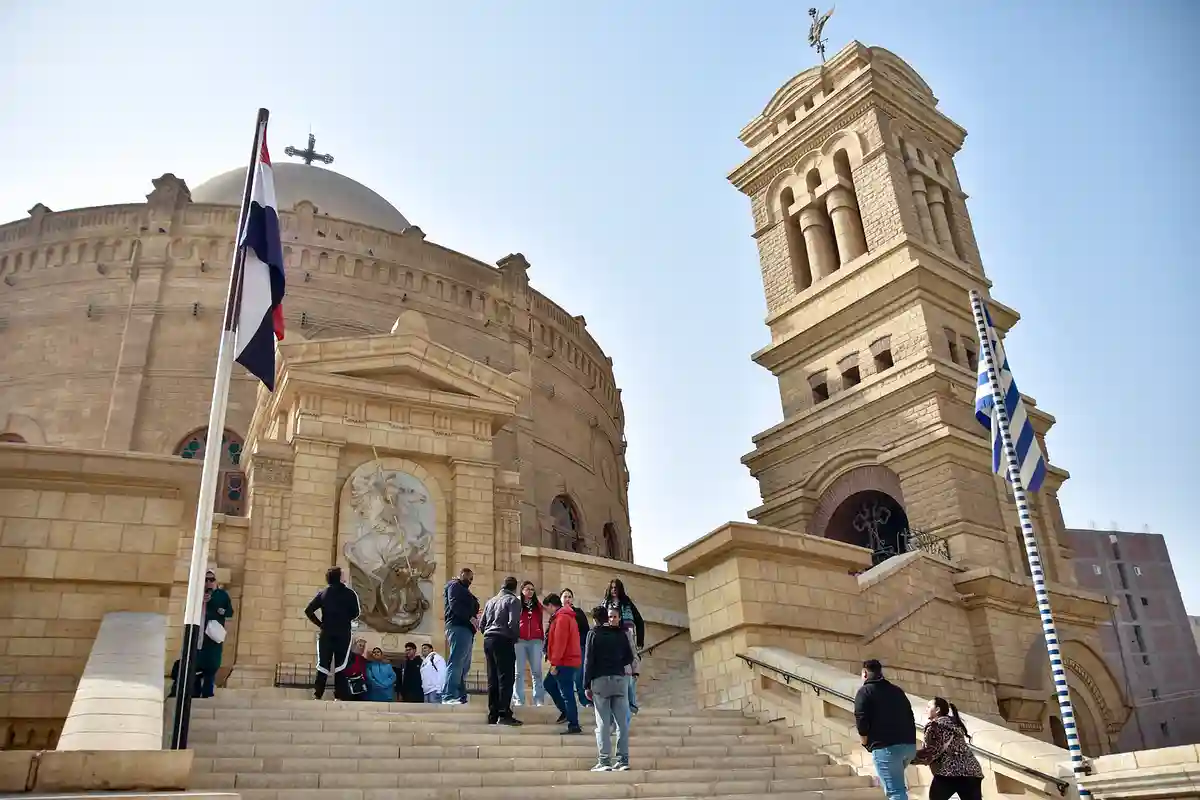
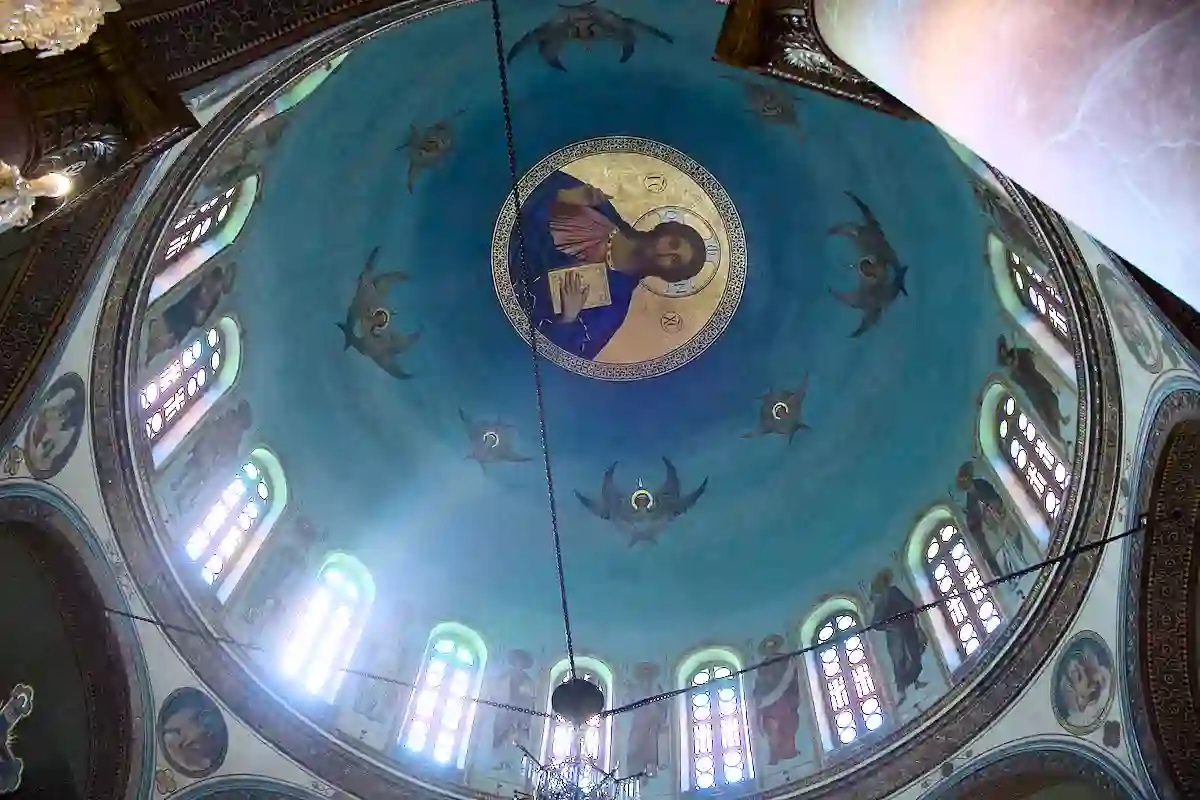
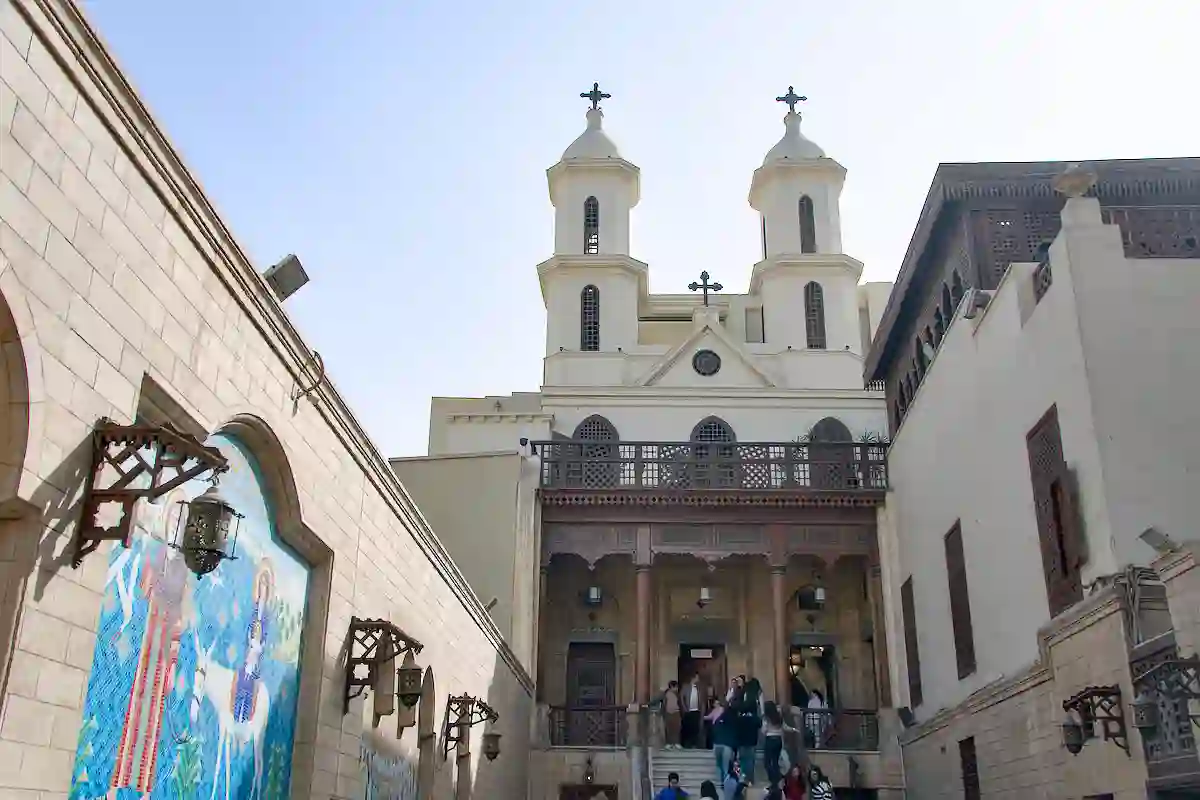
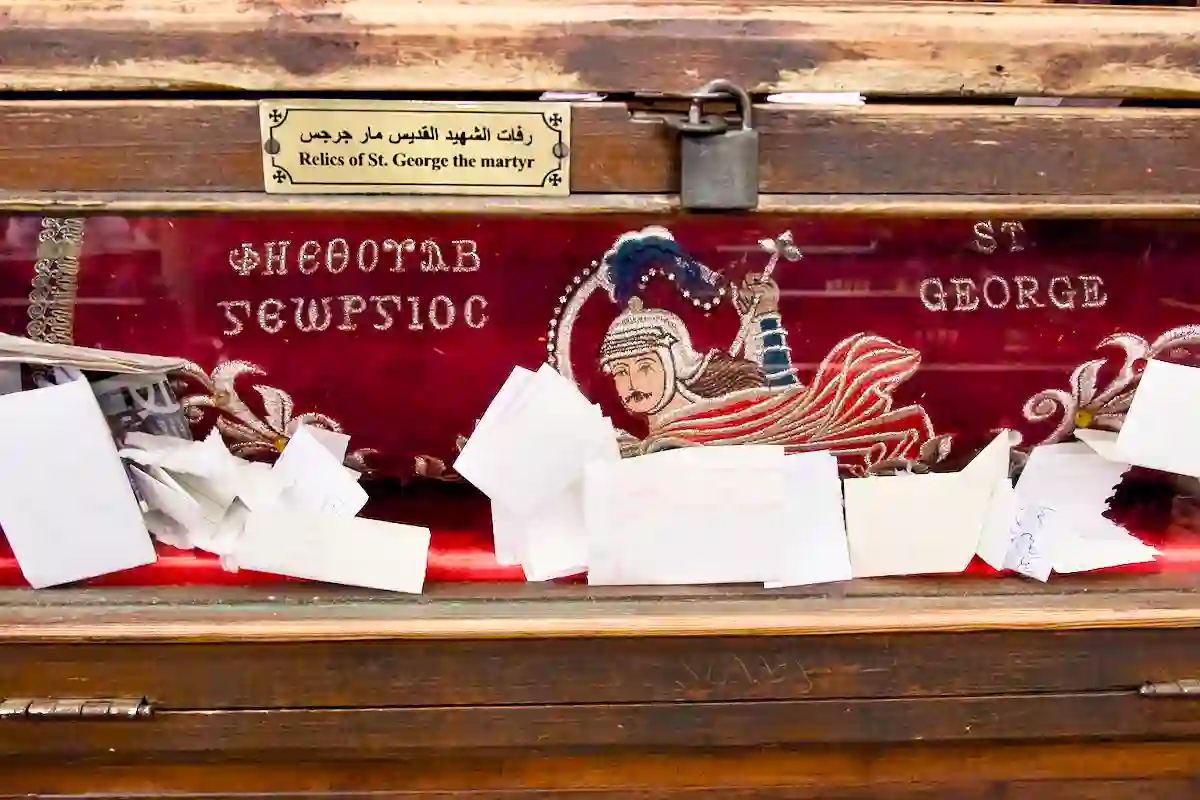
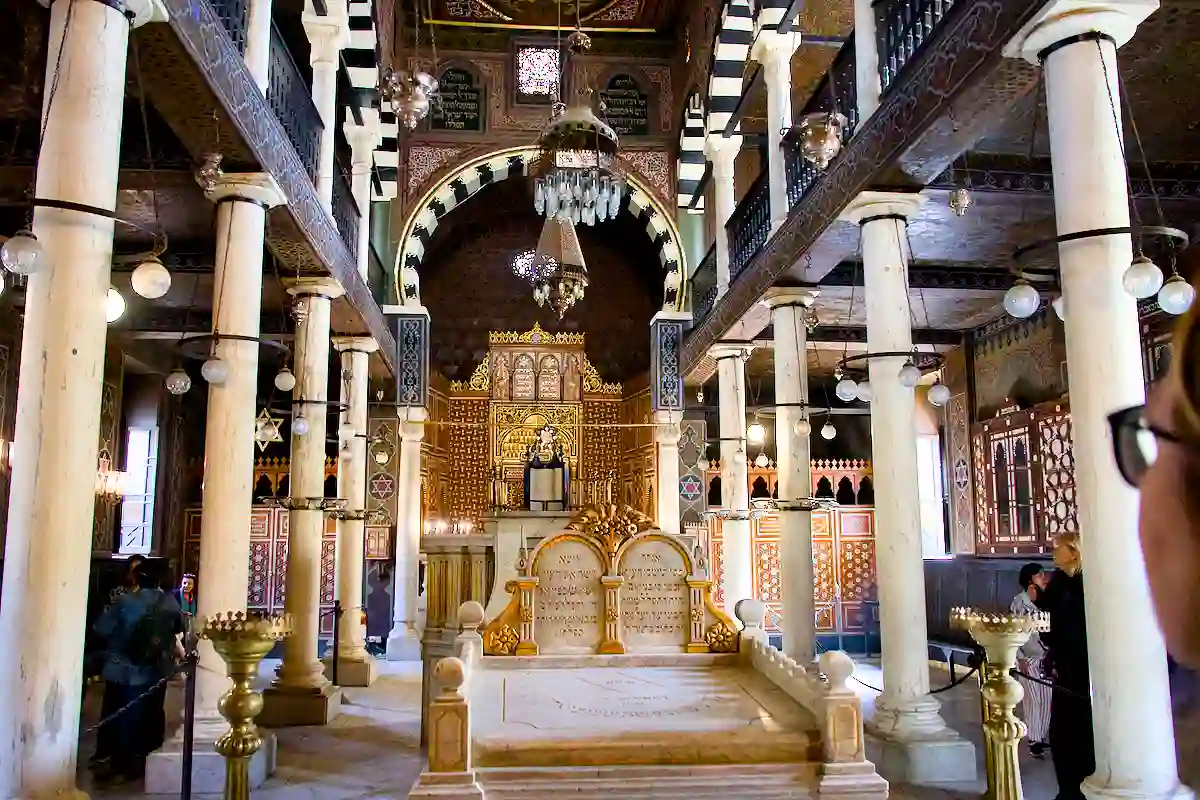
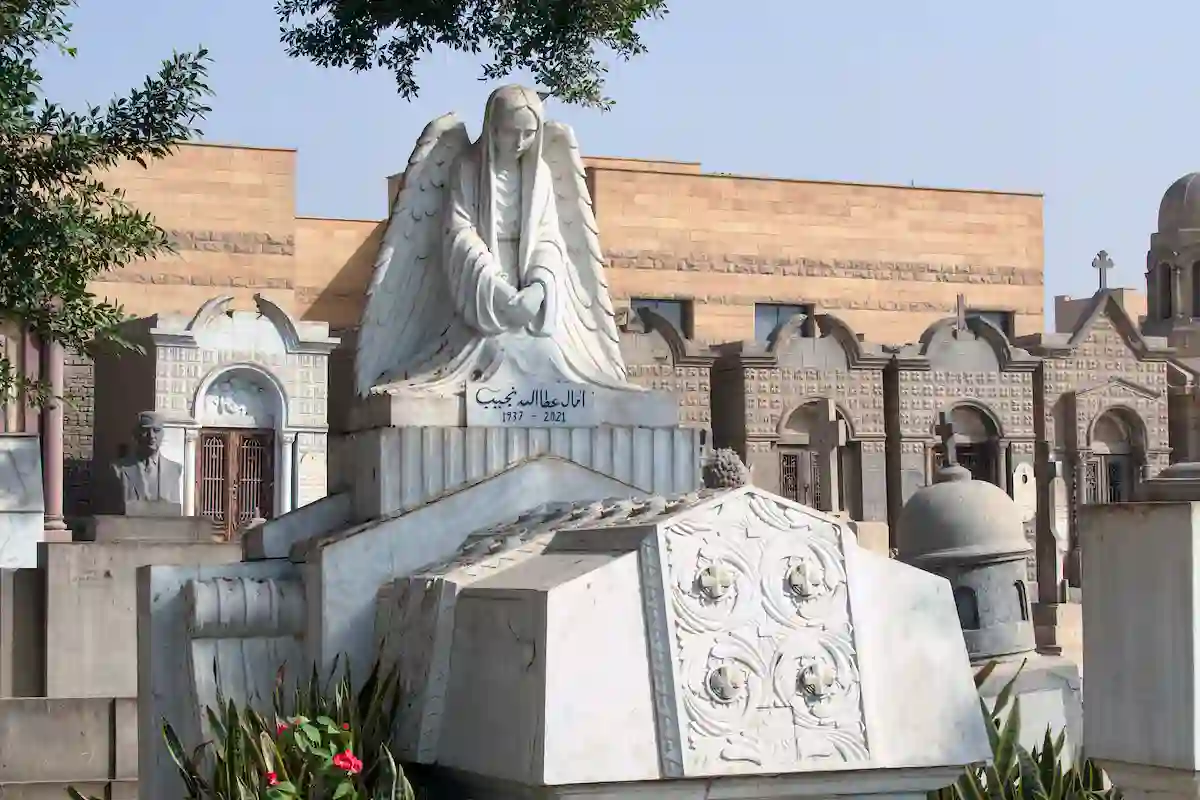
There is an area south of the city centre called ‘Coptic Cairo’, with a Coptic cemetery and several very old churches. The most famous are the ‘Hanging Church’, St George’s Cathedral (Greek Orthodox) and the Church of St Sergius and Bacchus. The latter is built where some believe the Holy Family lived during their flight to Egypt. In the narrow alleys, we also find a synagogue and think that the church interiors of the different religions are surprisingly similar.
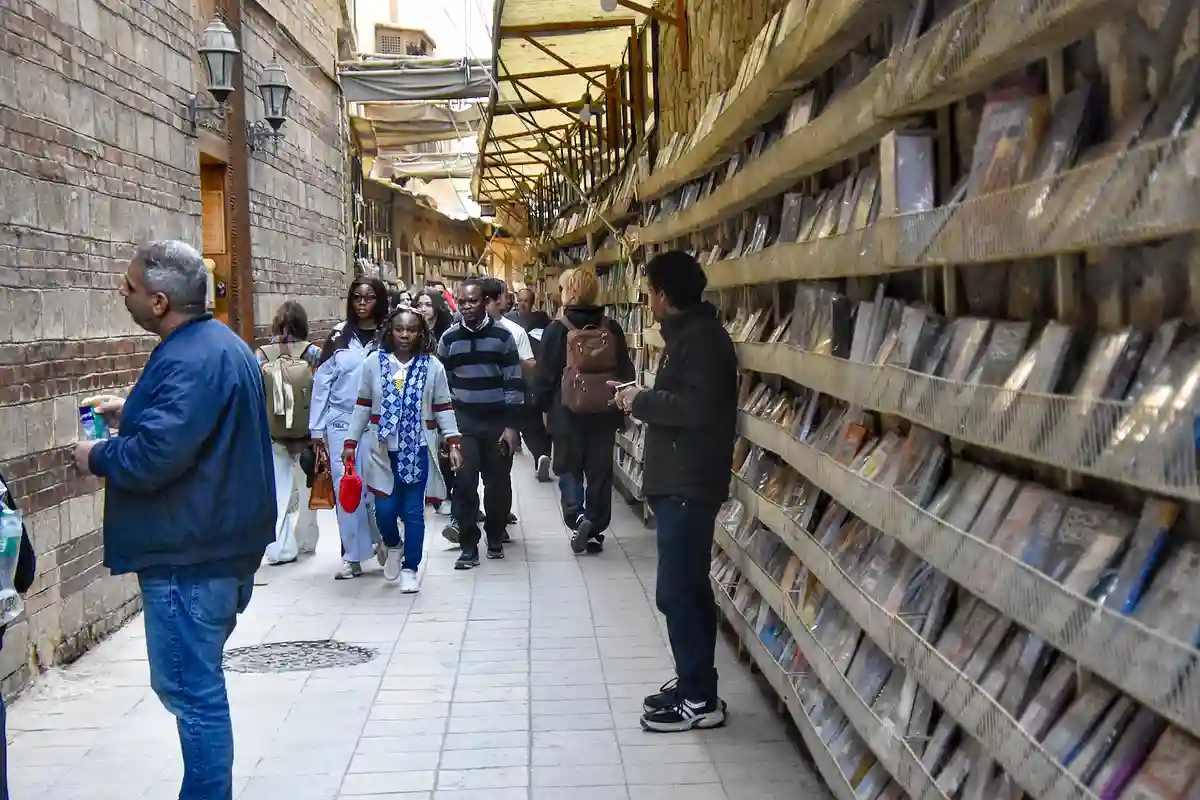
Coptic Cairo also has a narrow, winding bazaar street with books and souvenirs for sale.