Egypt, in the middle of winter? Well, why not? The temperatures are similar to those in Sweden in spring, there are few tourists, and the country’s fantastic world heritage sites are there all year round. And now the new giant museum, GEM, has opened, with lots of archaeological finds that have never been exhibited before.
Over ten days, we will visit Giza, Cairo and Alexandria, staying in the northern part of the country. We have both visited Luxor, the Valley of the Kings and Aswan further south a long time ago, so we will leave those places behind this time.
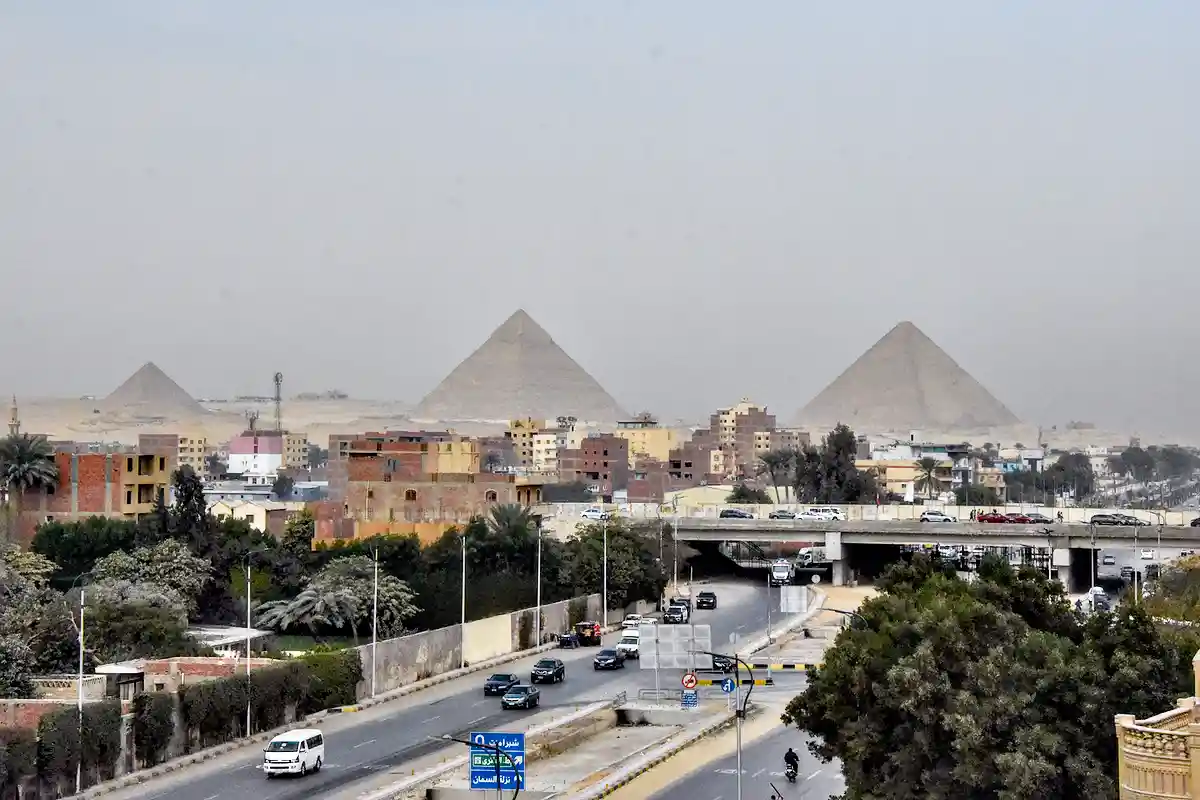
And we start in Giza, where the three most iconic pyramids dominate the horizon. When V was here 40 years ago, the area was pure sand desert, today it is cluttered with residential buildings, hotels and wide motorways, but it is still the ancient tombs that catch the eye. They are quite indistinct from the roof of our hotel, the haze from the intense traffic obscuring the view. But it is still a wonderful sight from the rooftop restaurant in the cool morning air.
Living in Giza would prove to be a mistake. The city is largely merged with Cairo, but there is no structure here; it is not finished. Many houses are empty, and we do not see any shops or restaurants in the immediate neighbourhood. There is only a kiosk a few hundred metres away on the other side of a busy road with no crosswalks.
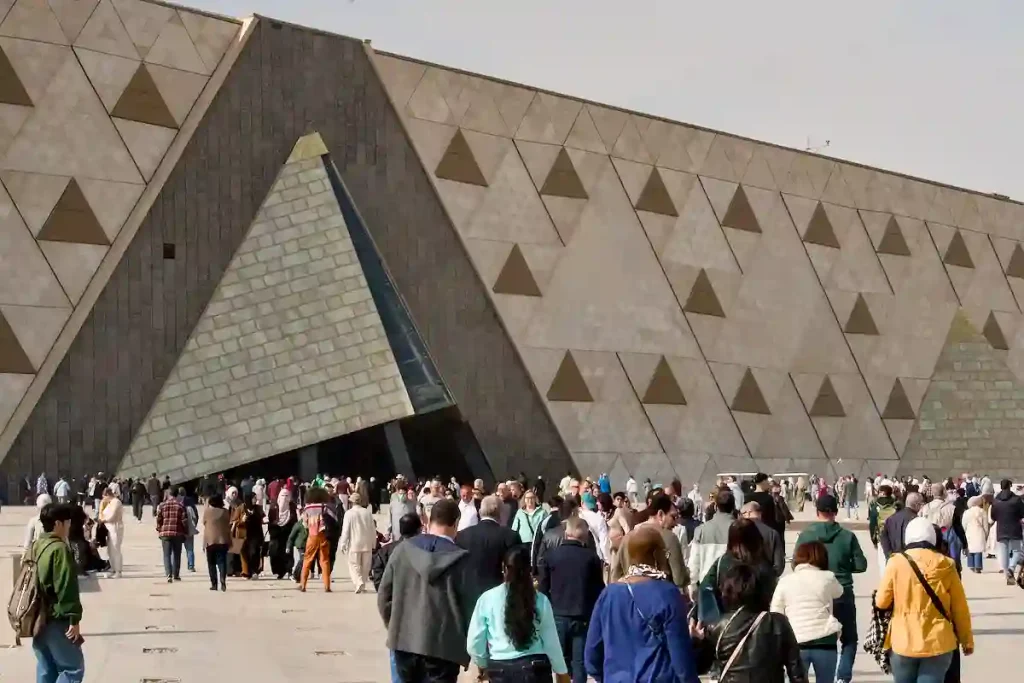
Archaeological excavations have been going on in Egypt for almost two hundred years, and despite tomb raiding and looted treasures, the finds have been so numerous that the old Egyptian museum near Tahrir Square in the centre of Cairo quickly became too small. Plans for a new, larger and more modern building began over thirty years ago, and construction near the pyramids on the Giza Plateau began in 2005. It was inaugurated in November 2025, taking twenty years to build. Curiously, this is exactly the same amount of time it took to build the Pyramid of Cheops.
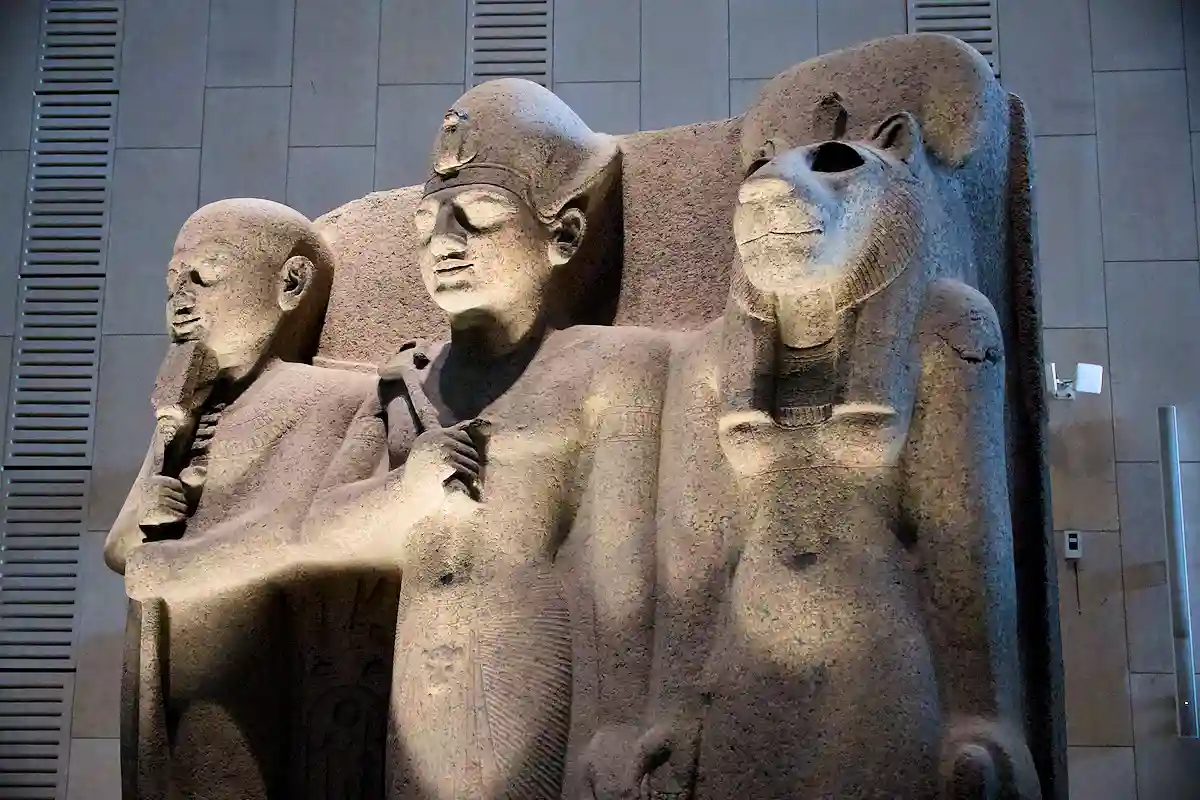
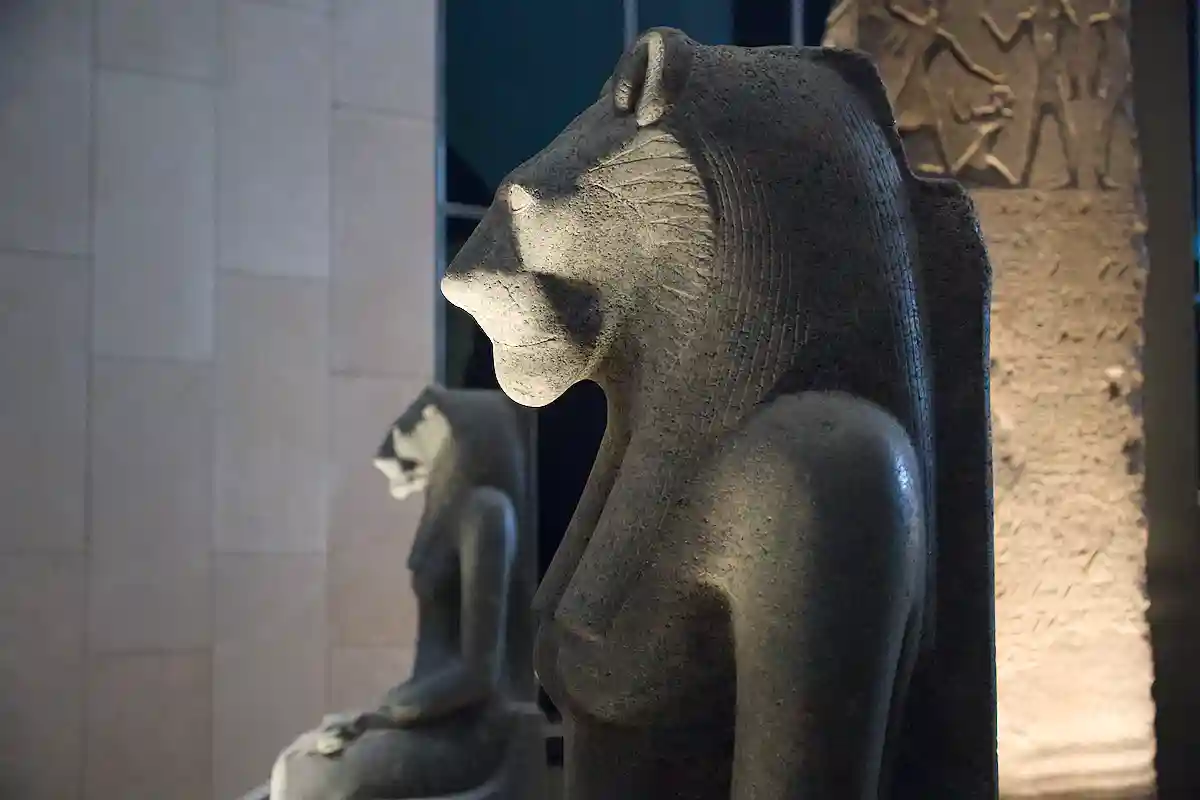
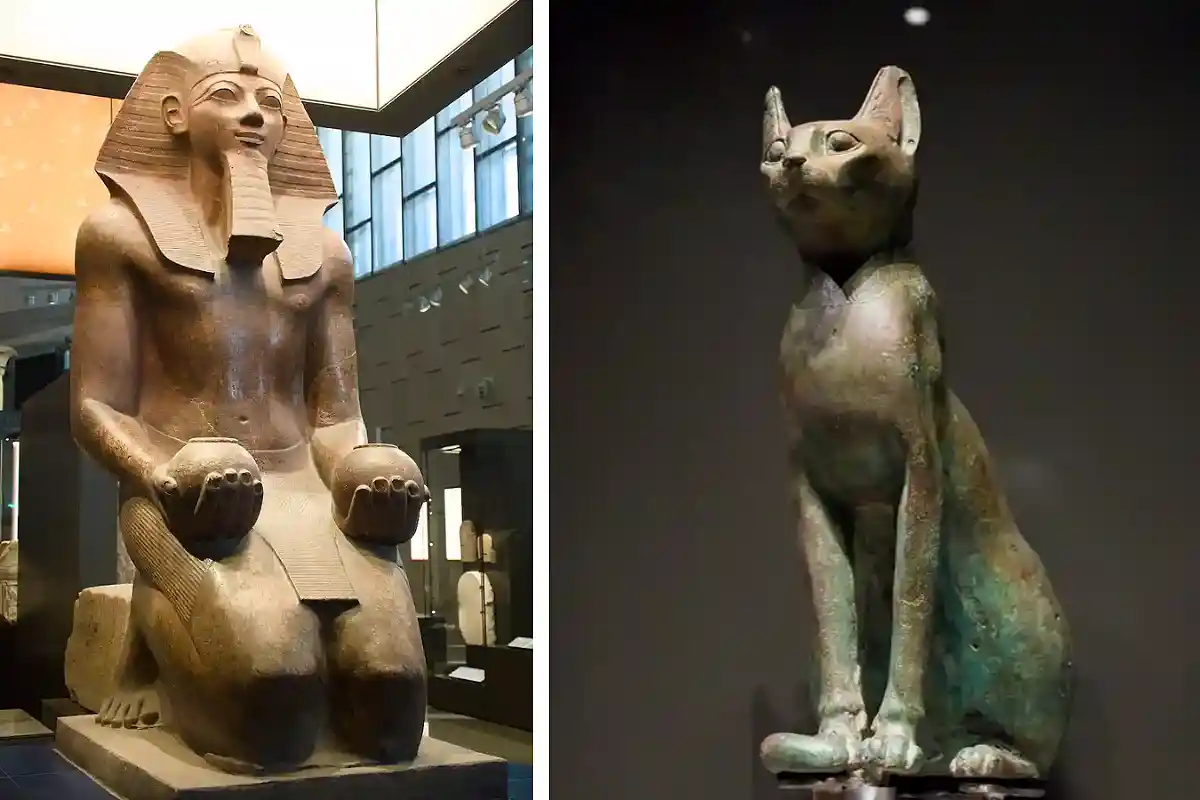
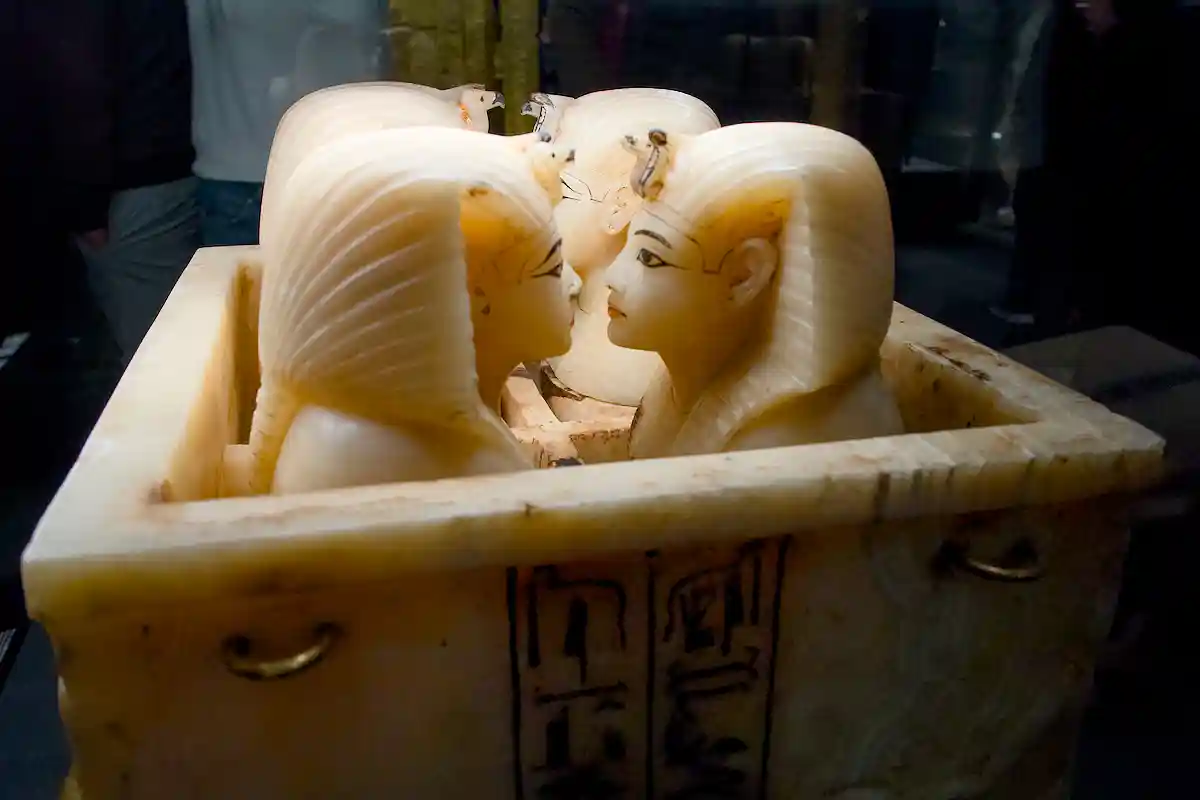
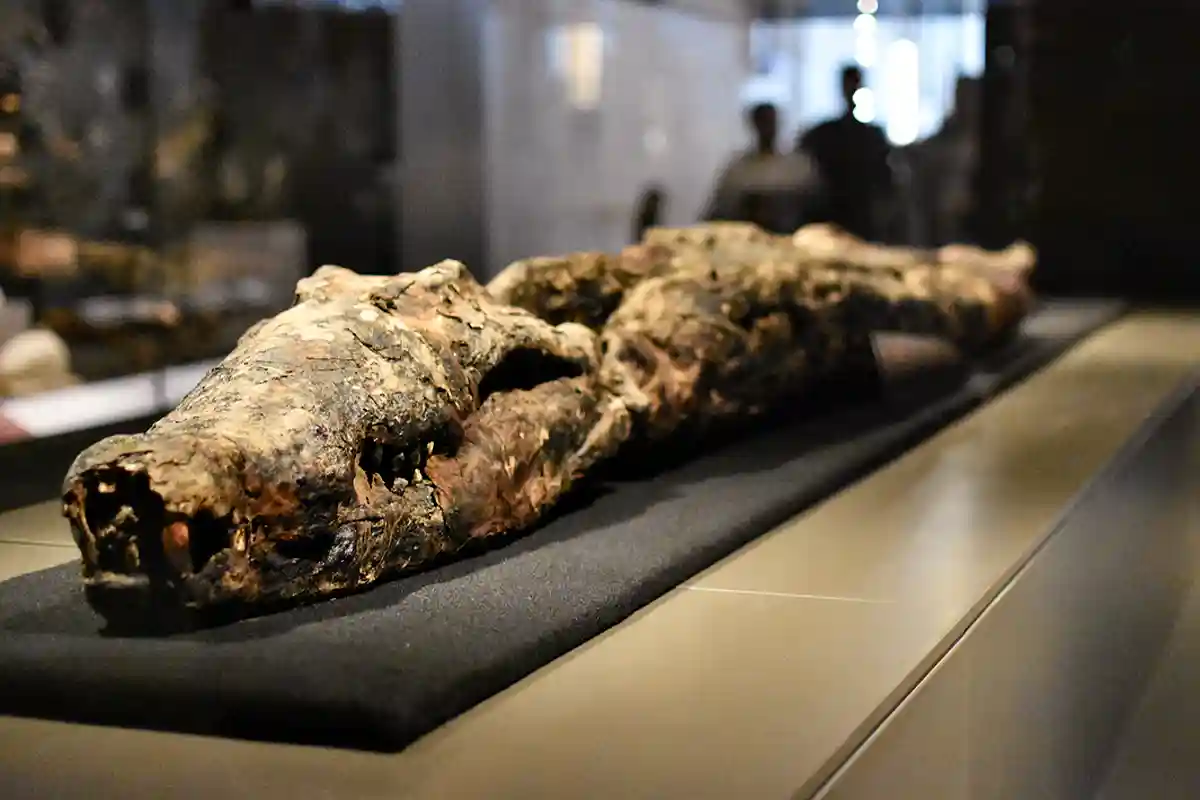
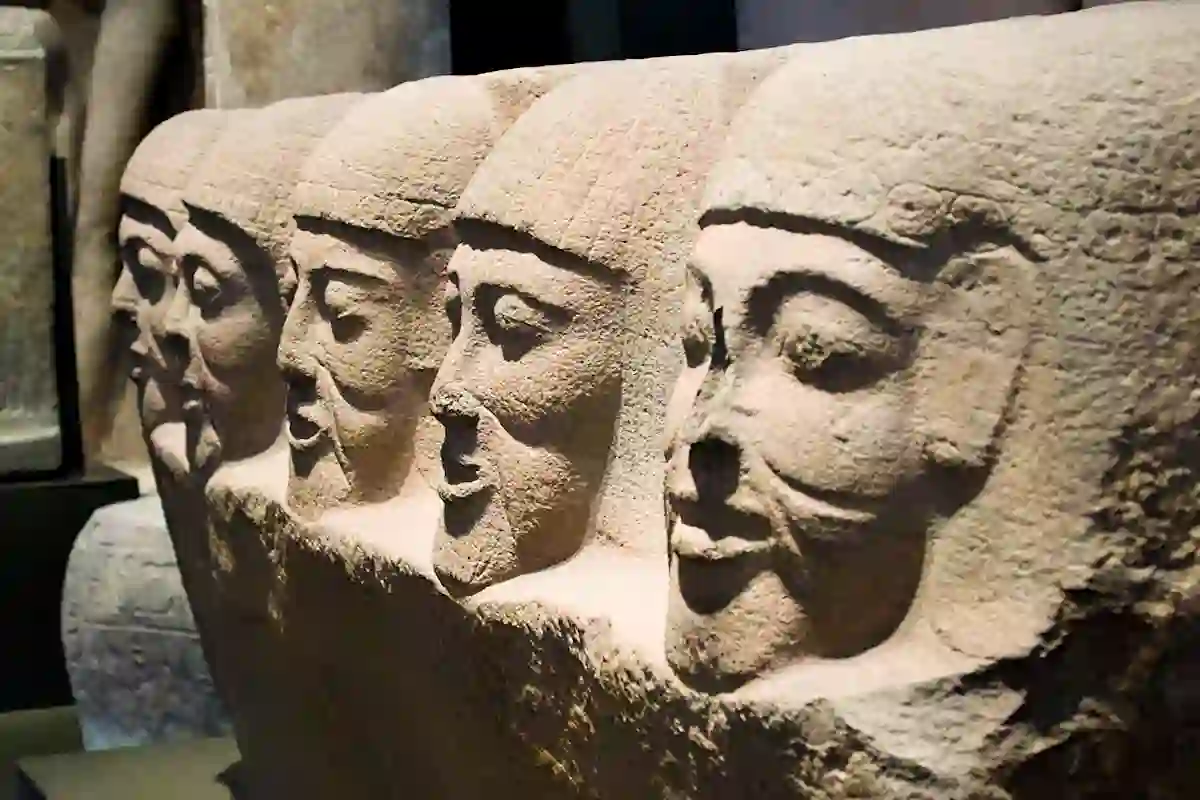
Now we have the GEM, the Grand Egyptian Museum, which is the world’s largest museum dedicated to a single civilisation. Today, there are around 100,000 objects on display, including the complete finds from Tutankhamun’s tomb, which alone comprise over five thousand pieces.
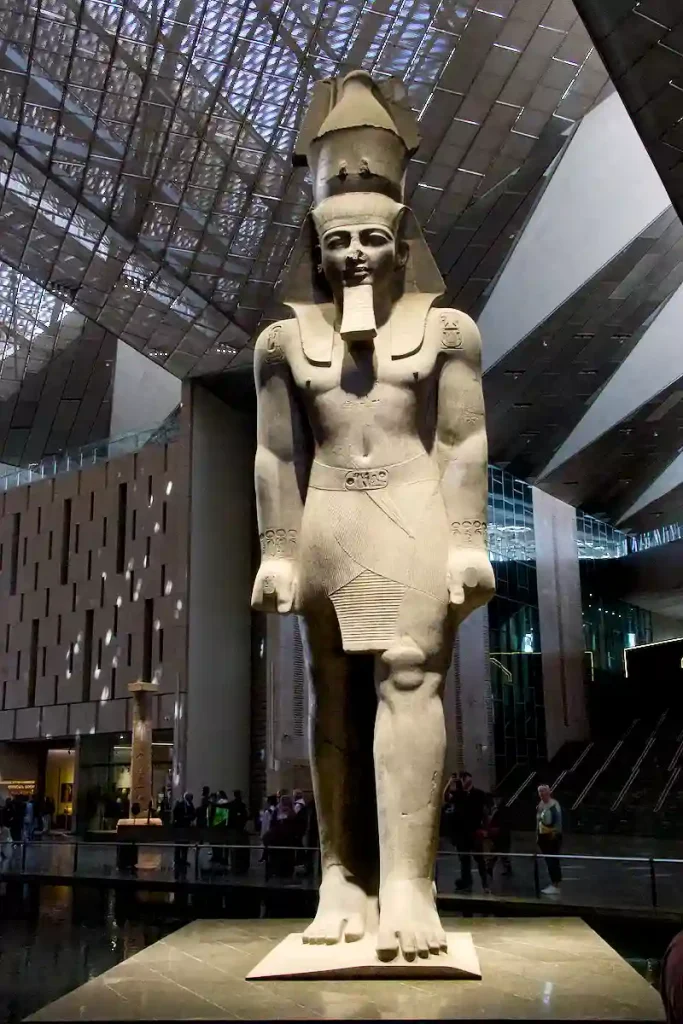
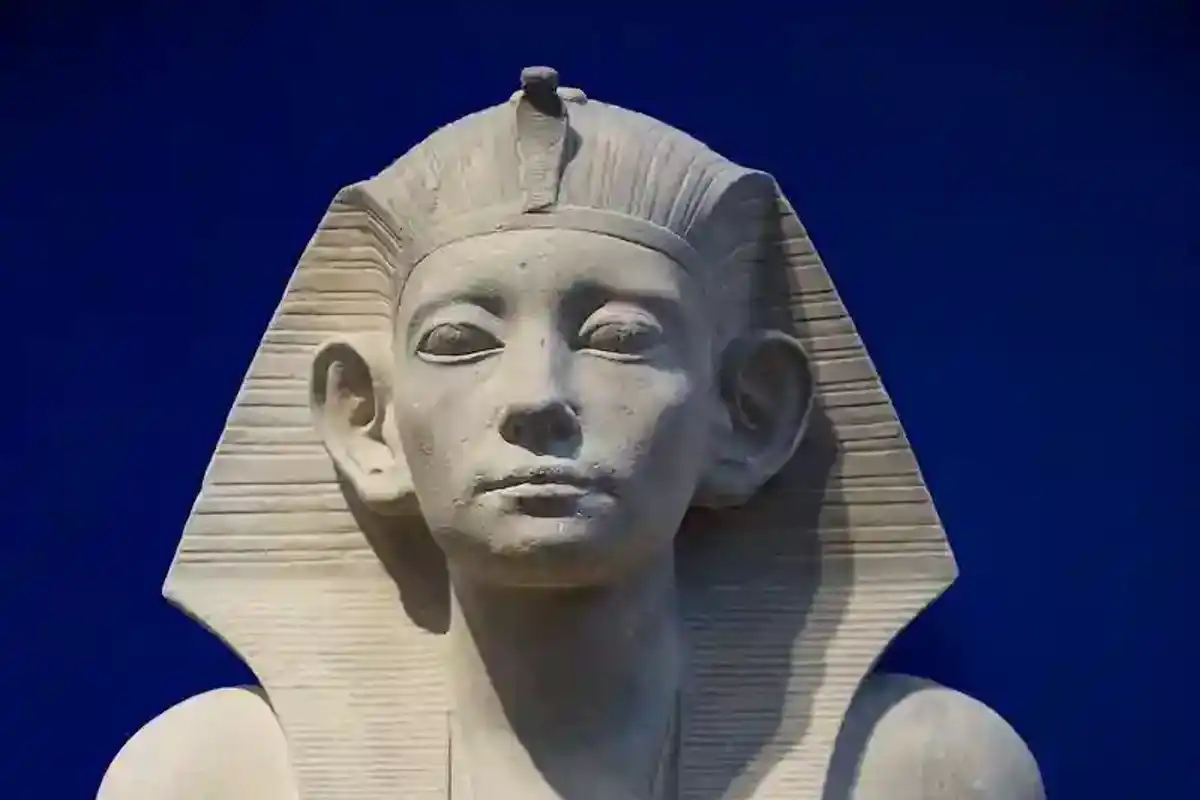
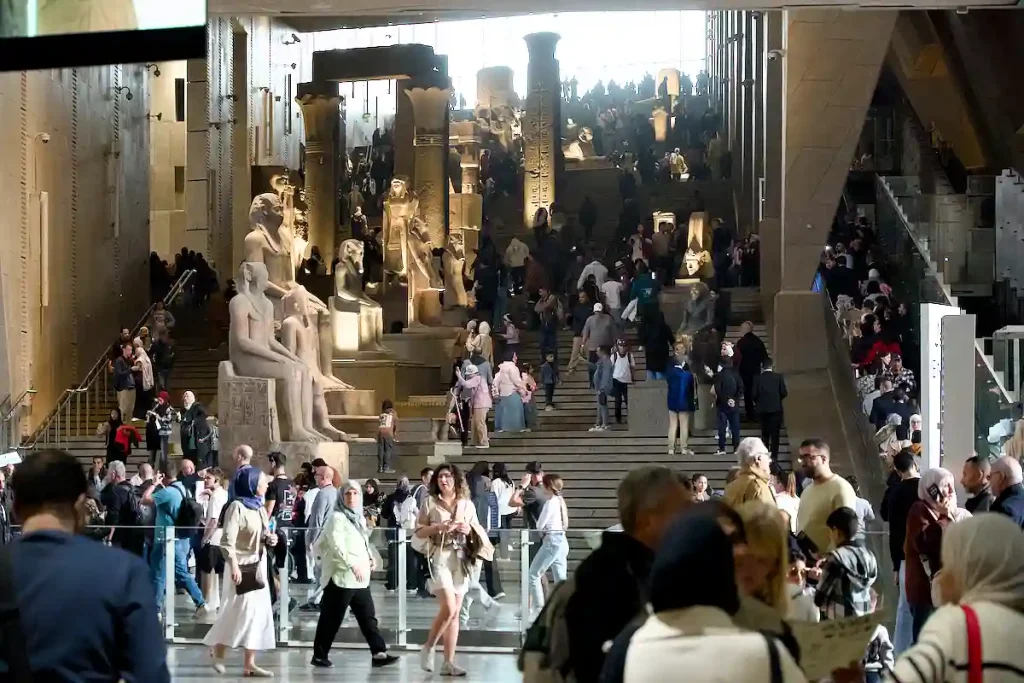
Inside the entrance doors, a giant statue of Pharaoh Ramses II welcomes us. As you can see, his nose has been broken off. This is quite common on pharaoh statues, as tomb robbers believed that the pharaoh’s spirit remained in the statue but would disappear if the nose was broken.
The museum is incredibly impressive, with airy and bold architecture. You need plenty of time to take it all in, at least a whole day. There is a wealth of information, and the main exhibition is arranged in chronological order, following a winding path between the halls.
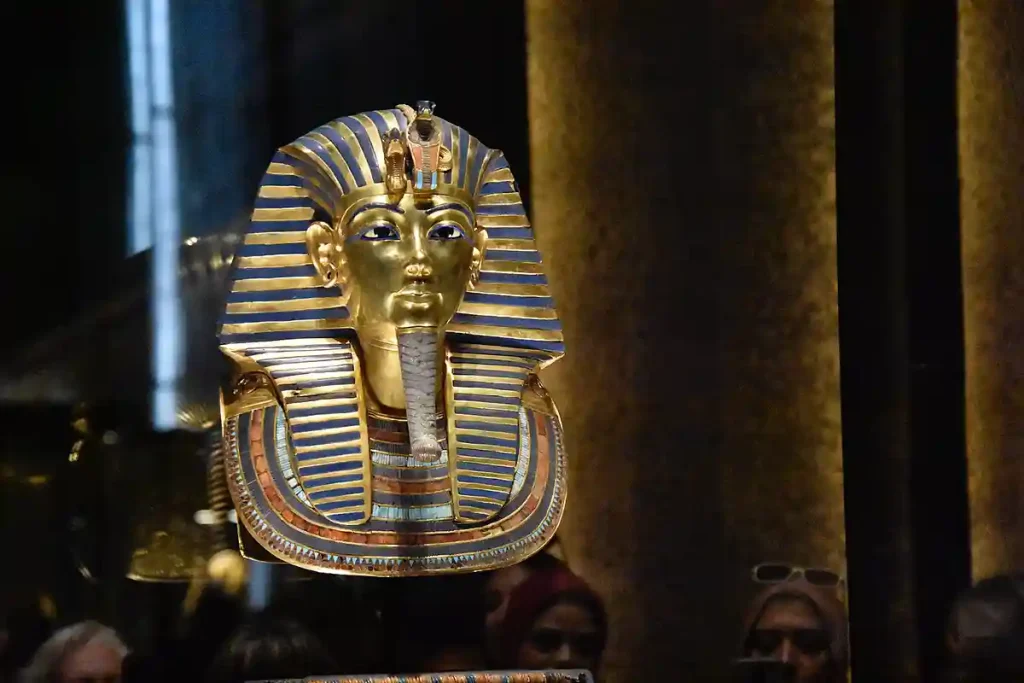
Tutankhamun’s burial objects are, of course, the main attraction and have their own section in the museum. And it is crowded here, especially around the GEM’s own ‘Mona Lisa’, the golden mask that covered the face of the dead young pharaoh.
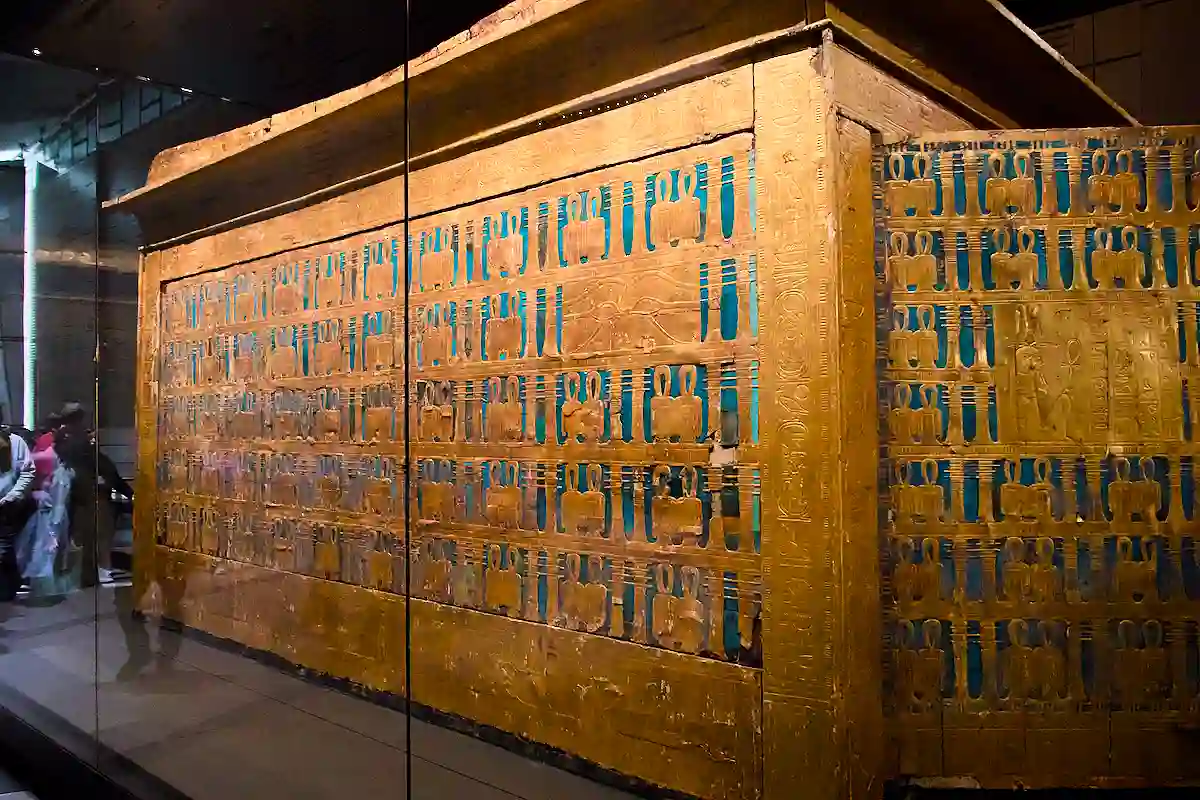
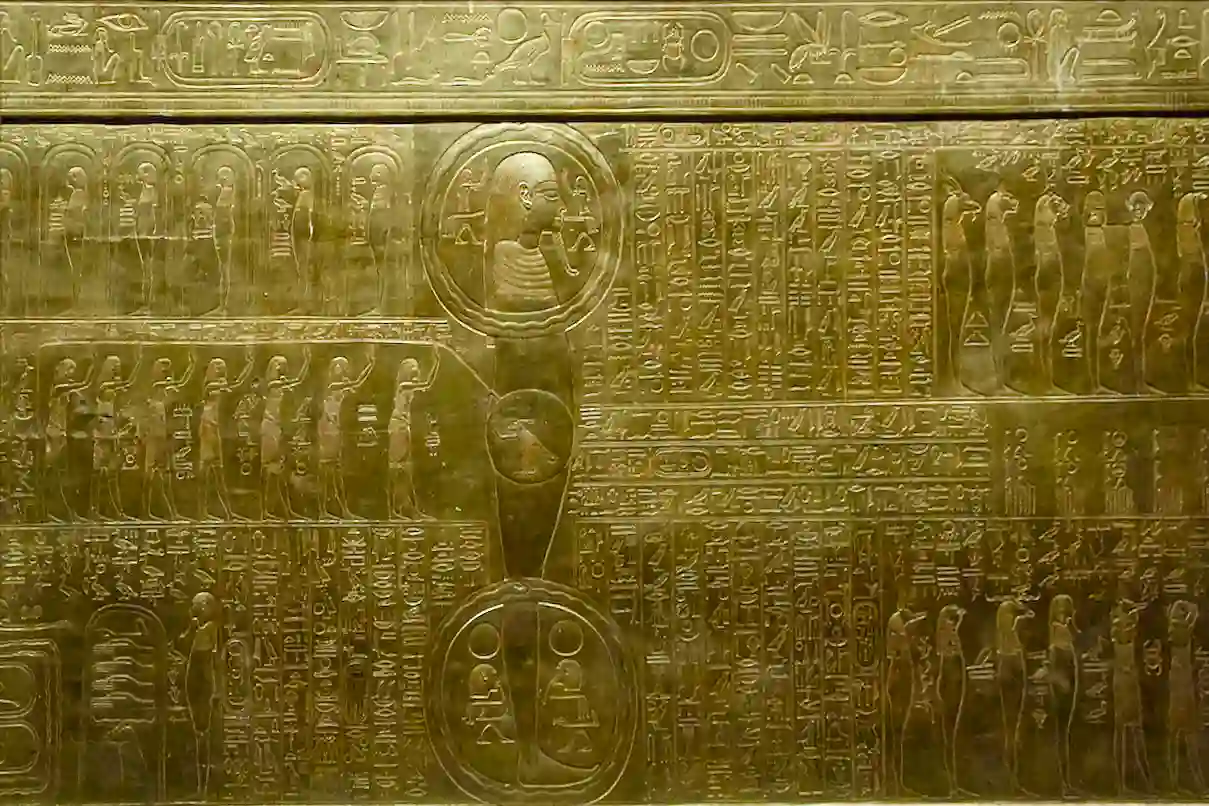
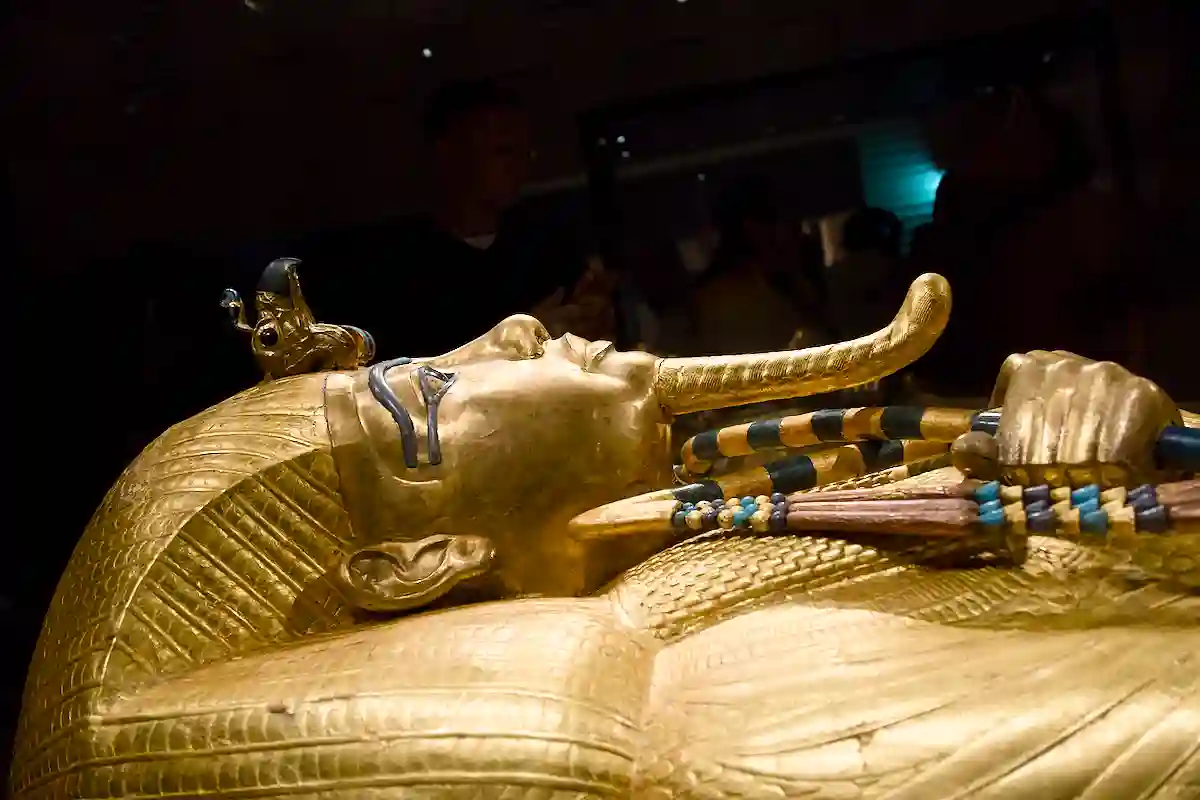
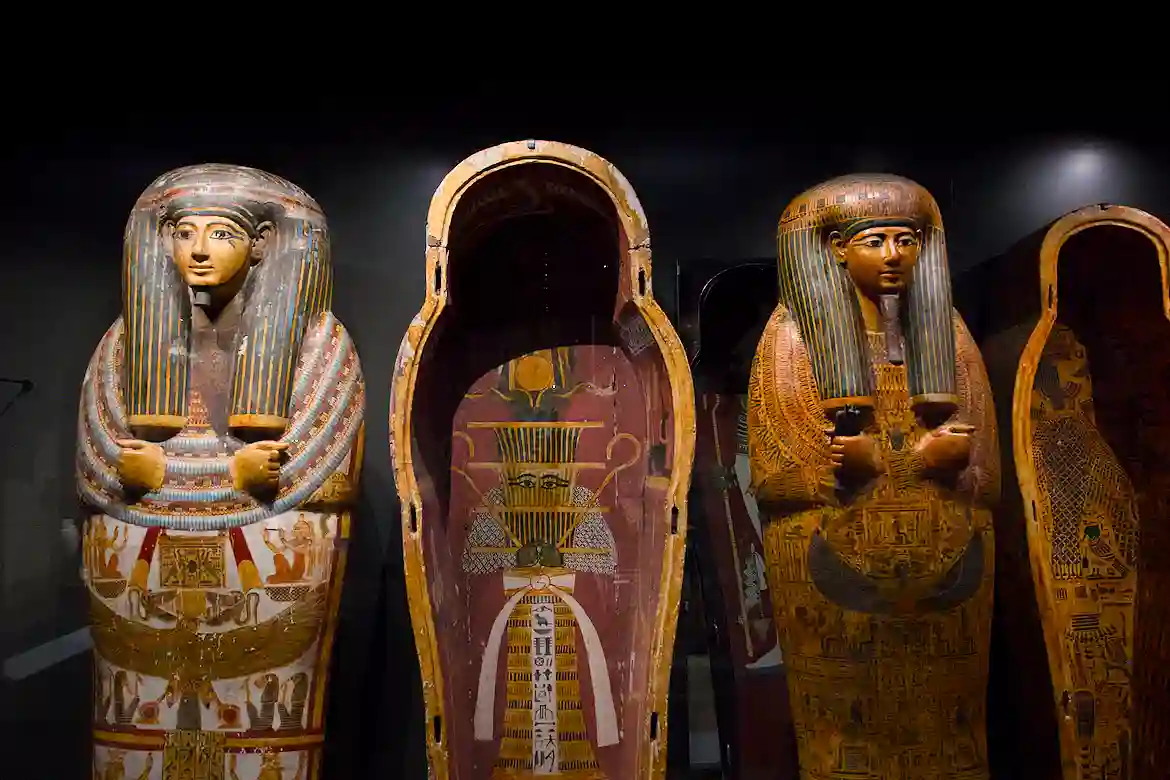
But perhaps the most impressive objects here are the four gilded sarcophagi in which the young pharaoh was buried. The largest of them is about the size of a garage. The sarcophagi were placed inside each other like Russian dolls, and the same was true of the three coffins. The idea was that many layers would protect the deceased inside.
Tutankhamons grav innehöll mängder av gravgåvor som faraon ansågs behöva för sin färd till dödsriket. Mat, redskap, till och med vagnar och bäddar. Otroliga mängder guld. Denna grav är ju i stort sett den enda som var orörd, plundrare har aldrig hittat den. Om man räknar med att andra faraoners gravar varit lika rikt utrustade måste skatter till astronomiska belopp ha gått förlorade.
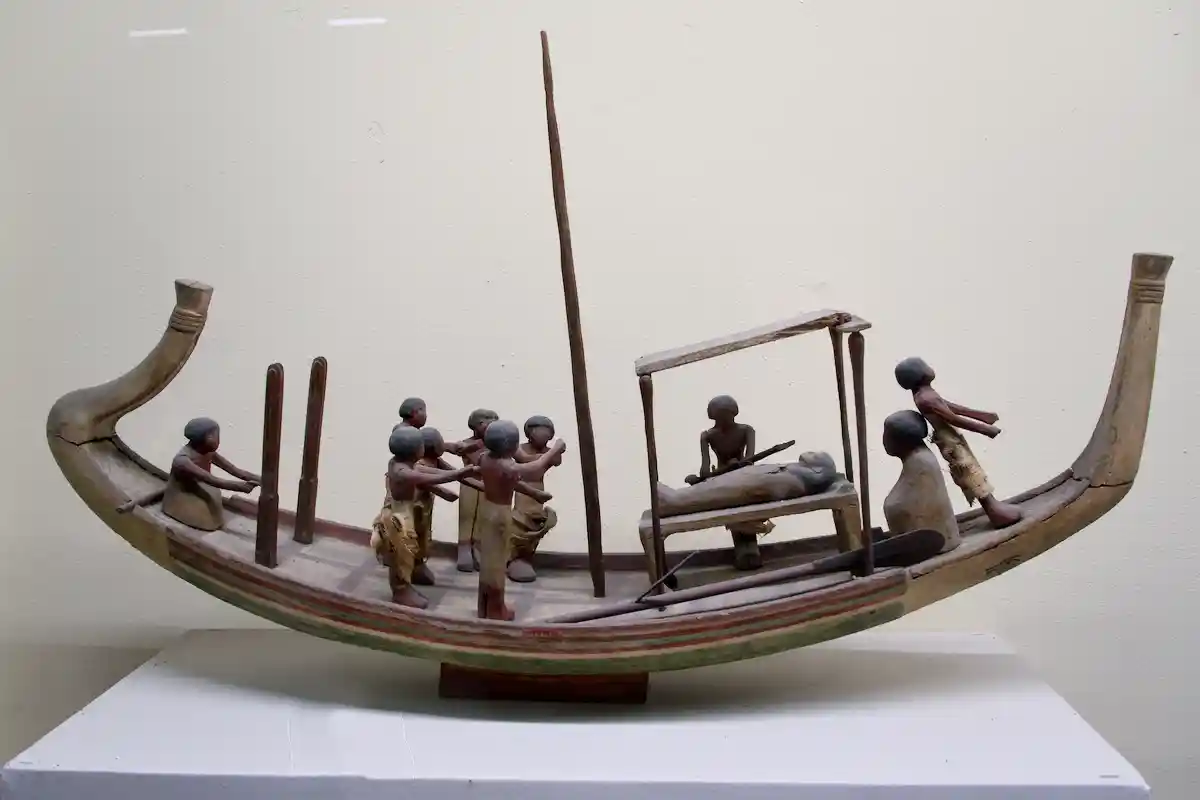
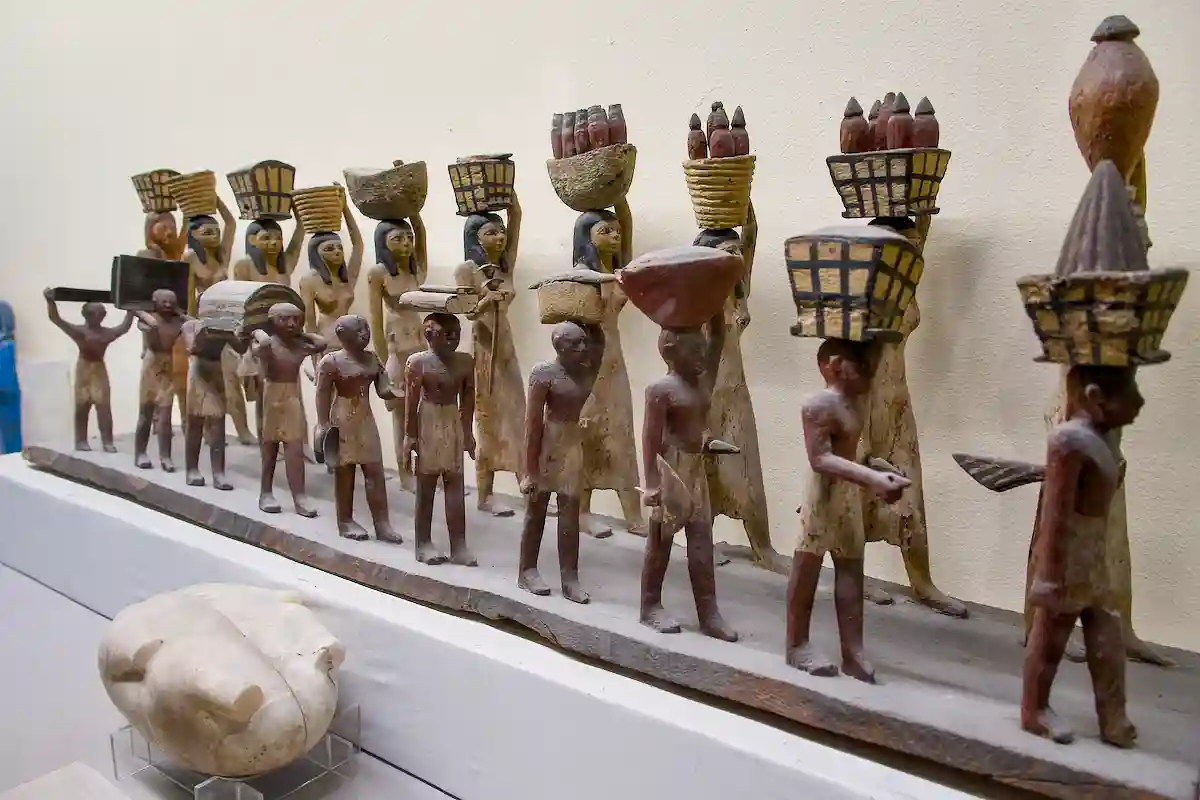
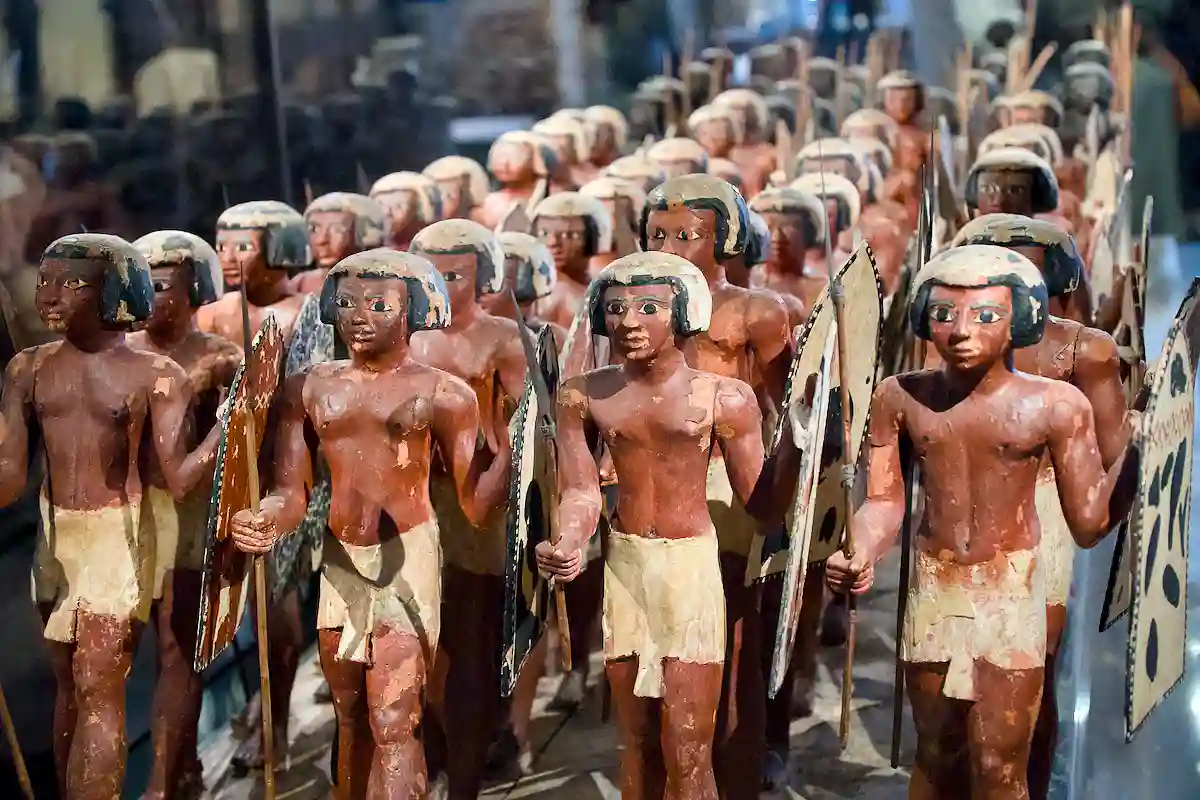
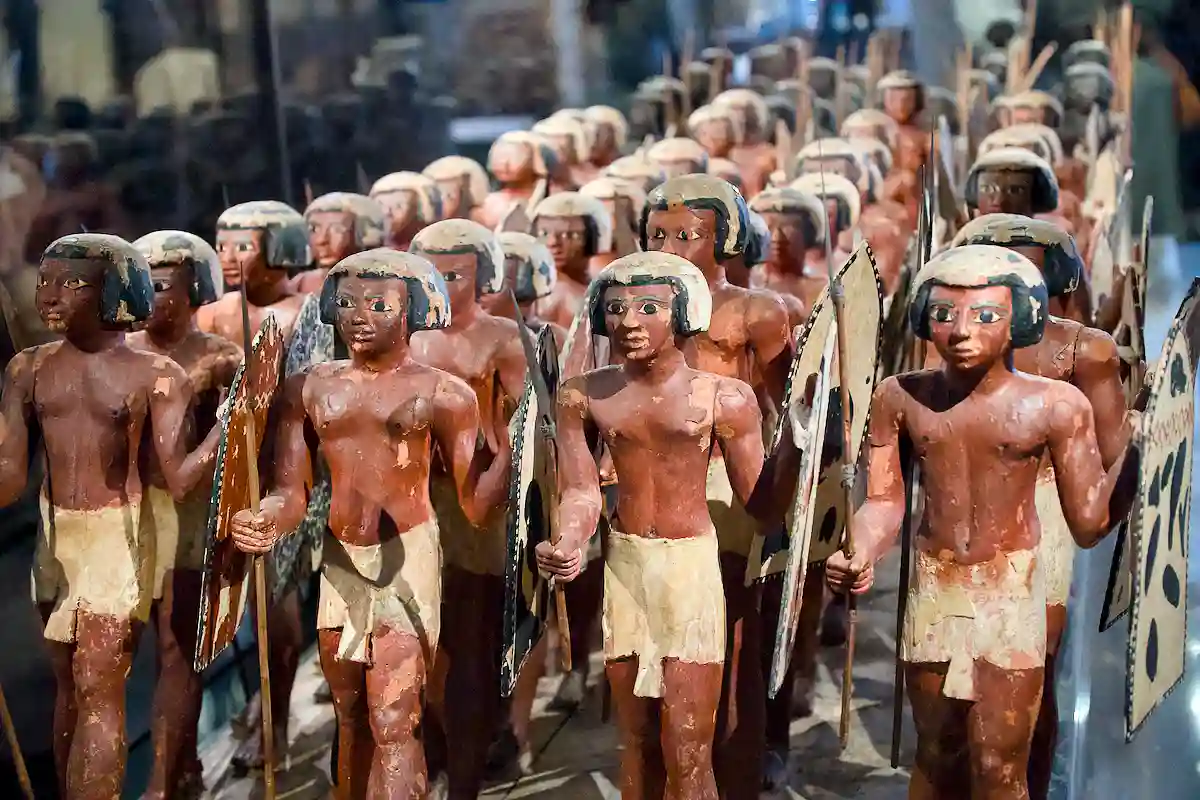
The fact that many grave gifts appear to be models and toys was irrelevant to the Egyptians. They believed that models had the same powers as the real objects.
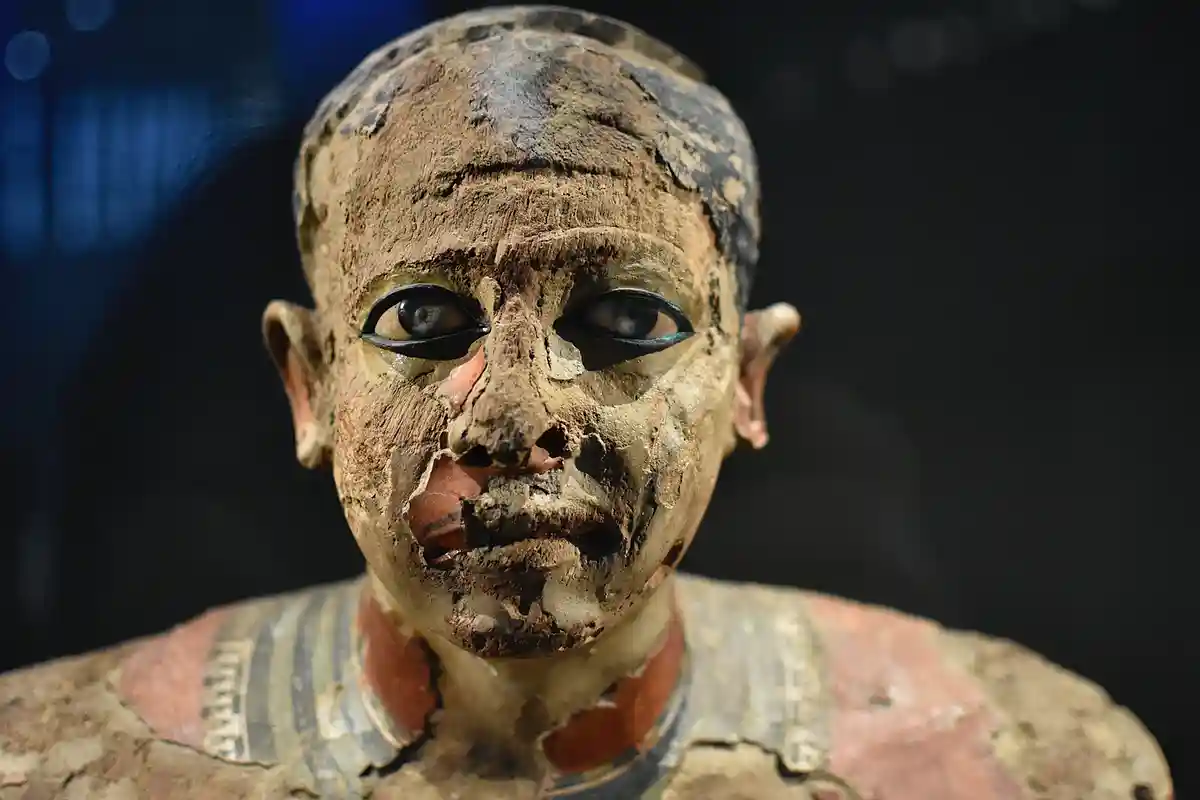
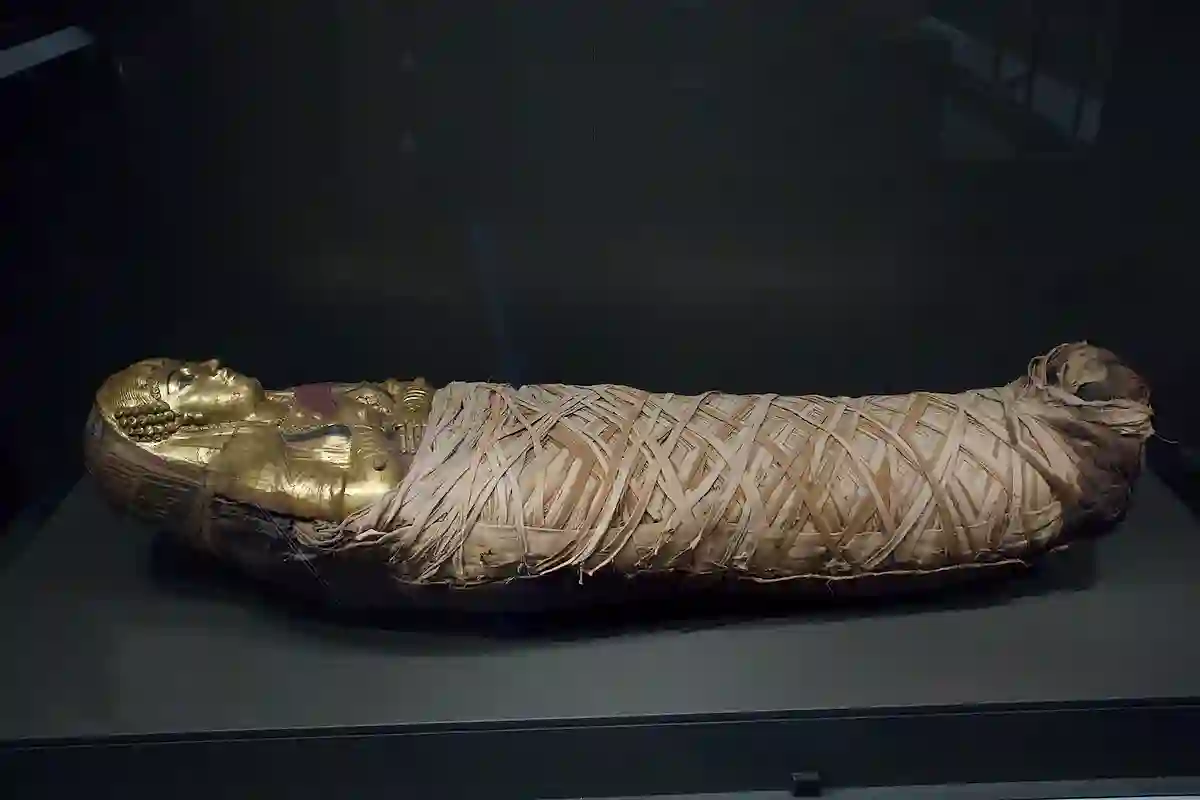
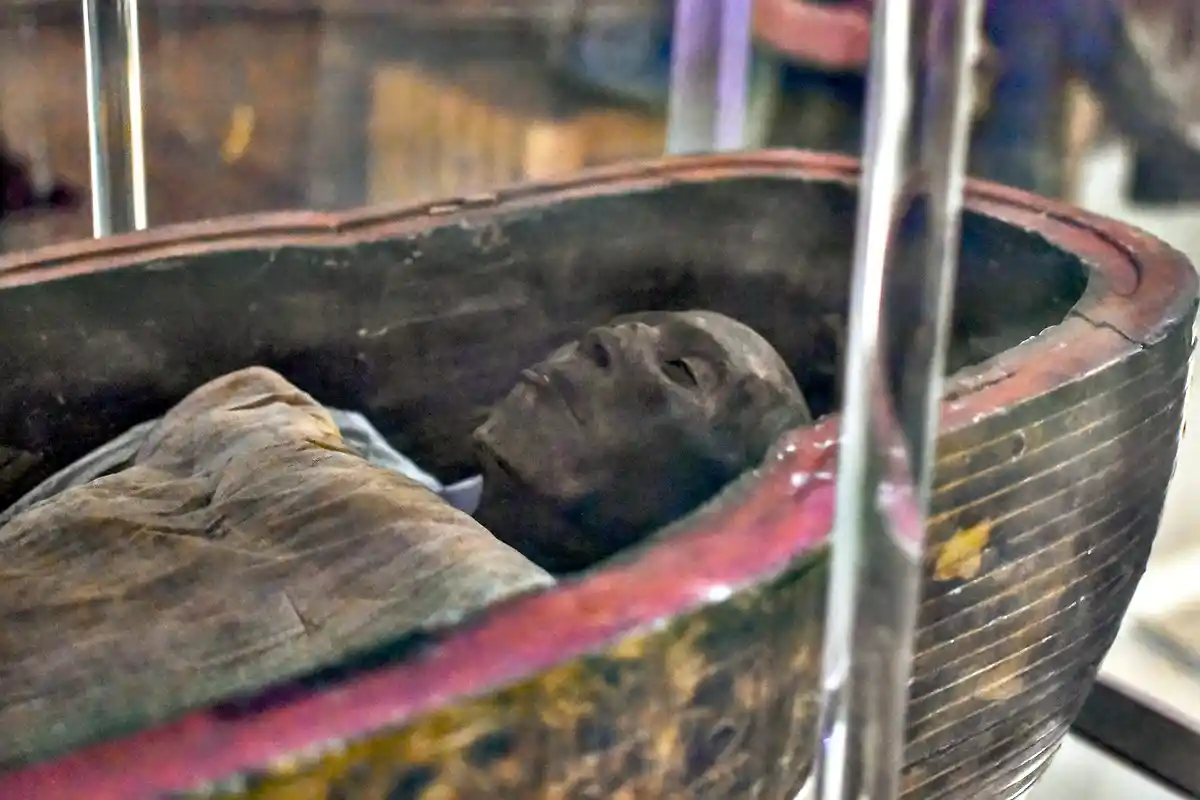
But it was not only pharaohs who were embalmed and given magnificent coffins and precious objects in decorated burial chambers. High priests and officials in the elite strata of society also devoted considerable resources to ensuring a smooth journey after the end of their lives. Many of these objects have been excavated and are on display at GEM. There is also a mummy here, but most of them are now at the Museum of Egyptian Civilisation in Cairo.
Paintings adorned the walls of the burial chambers where the most prominent members of society could afford to be buried. The images depicted events from the deceased’s life, as well as hopes for a good life in the afterlife. These were images intended for no one but the deceased and the gods. This animation on GEM shows how they were created:
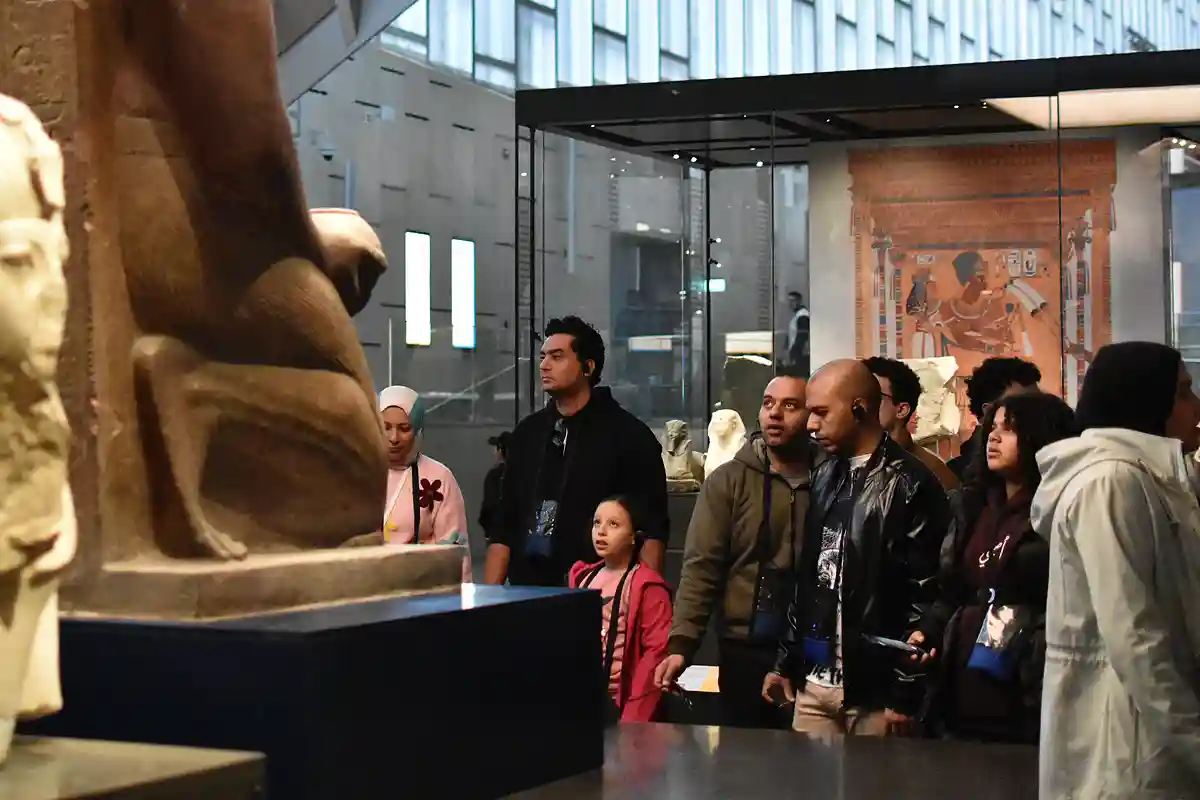
GEM is immensely popular, from what we could see. And obviously not just among tourists; most of the visitors are Egyptians. We experienced the same thing at other historical attractions. Clearly, history is alive and interesting to today’s domestic residents of all ages.