Part three, Kaalasjärvi - Björkliden - Abisko
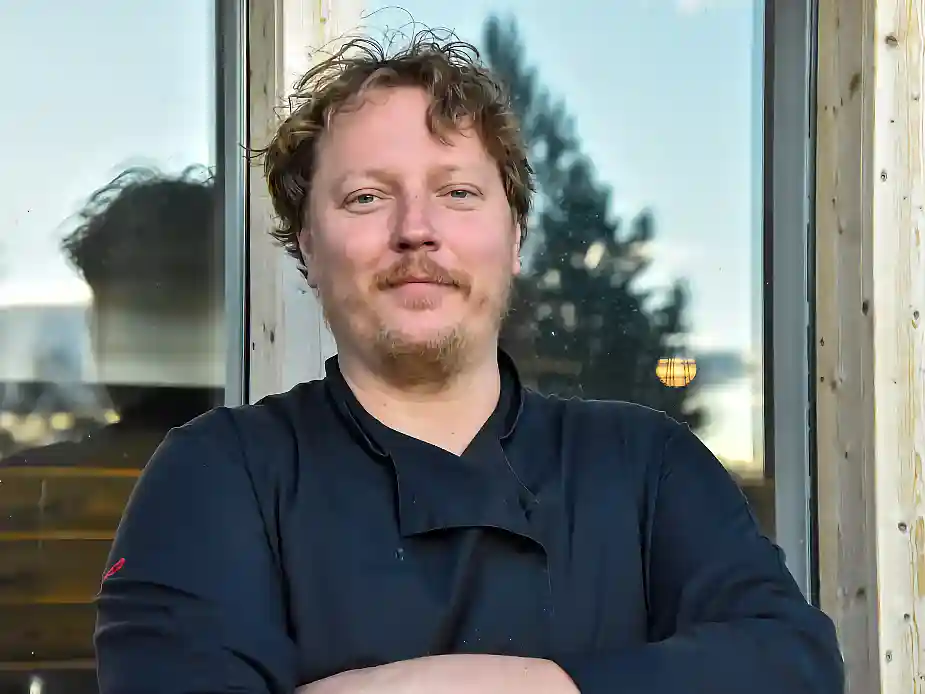
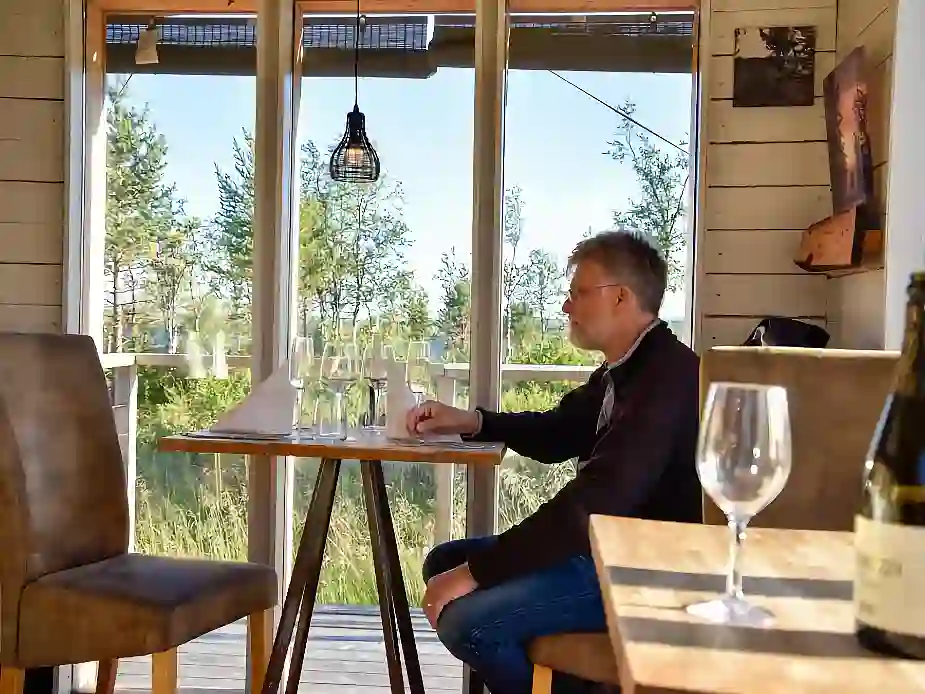
We head west towards the mining city of Kiruna, and the mountains beyond. We have reserved a table for dinner and overnight stay at a unique eatery called Arctic Gourmet Cabin, in the tiny village of Kaalasjärvi. The restaurant is also tiny, just four guests and the place is full. Johan Löfgren runs the place with his wife Malin.
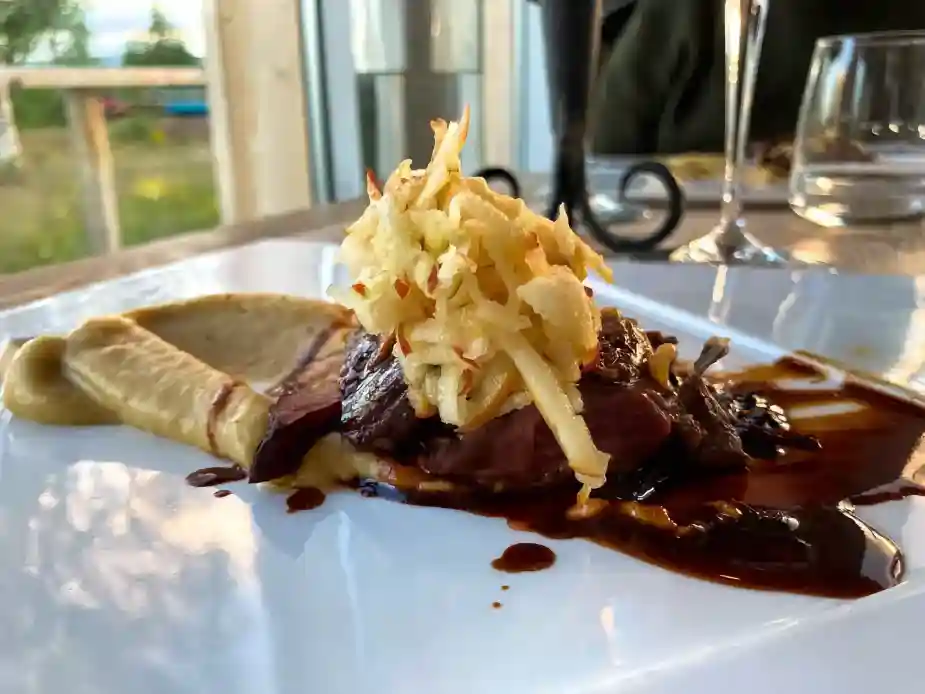
We are the only guests tonight so we have Johan all to ourselves. He has a way of making us feel like old and dear friends while he’s preparing the most delicious courses for us. Rösti from the local “mandel” potato, kalix roe, grilled reindeer fillet and sorbet with wild berries. Next morning a generous breakfast awaits us in the little restaurant. We leave Johan with blissful smiles on our faces.
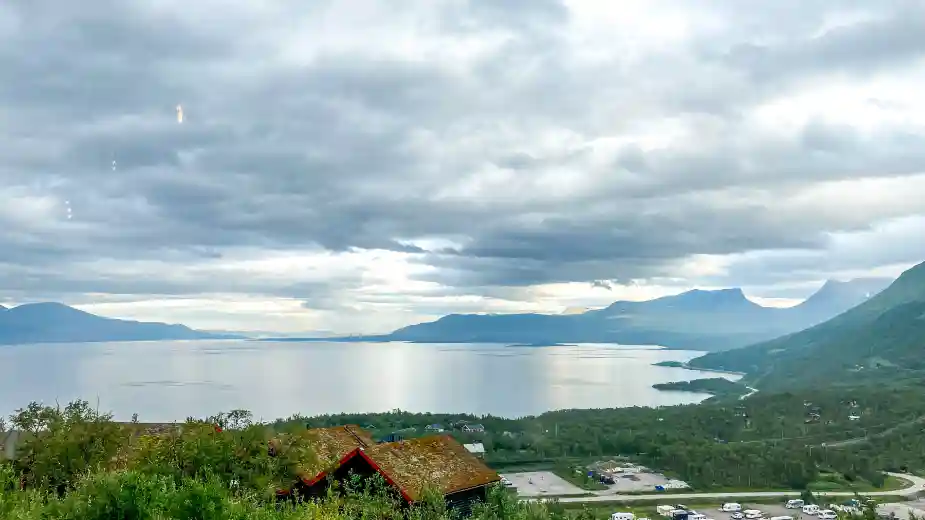
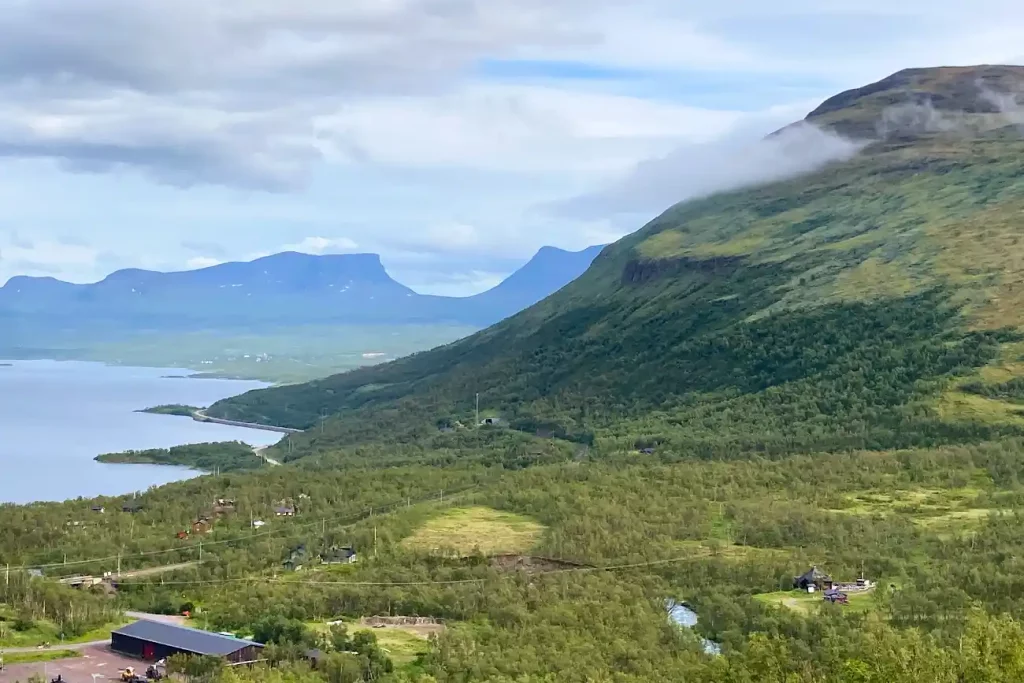
By now the high mountains are towering ahead. We drive along the southern shore of lake Torneträsk, the largest mountain lake in Scandinavia, and the second deepest lake in Sweden. Here we find famous winter ski resorts like Björkliden and Abisko that in summer are havens for mountain hiking. There’s lots of people milling about here, all dressed up in the latest outdoor fashion, most of them young people from the Stockholm area, judging by their accent.
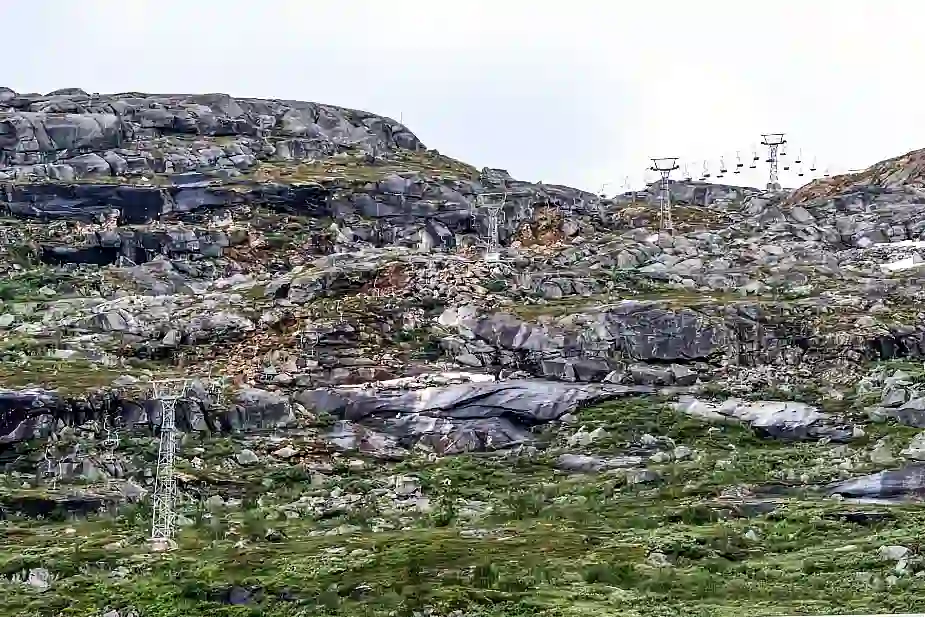
Our journey’s most westerly point is Riksgränsen, on the Norwegian border. In wintertime an exclusive ski resort, but now remarkably desolate. It’s actually hard to imagine a ski paradise among these grey and unfriendly slabs of rock. Everything is closed for the season, including the border, Norway doesn’t allow Swedes to visit because of the covid pandemic.
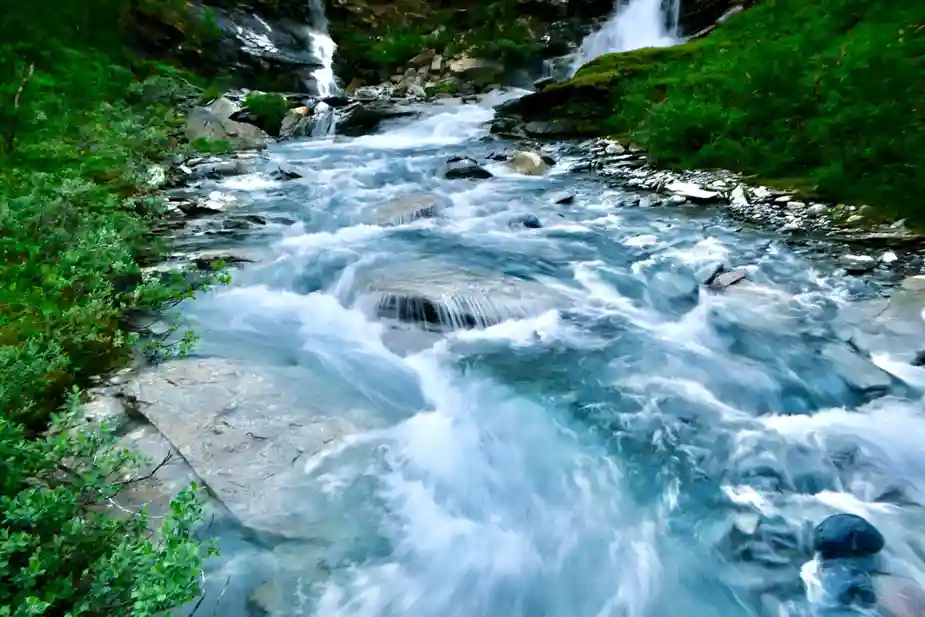
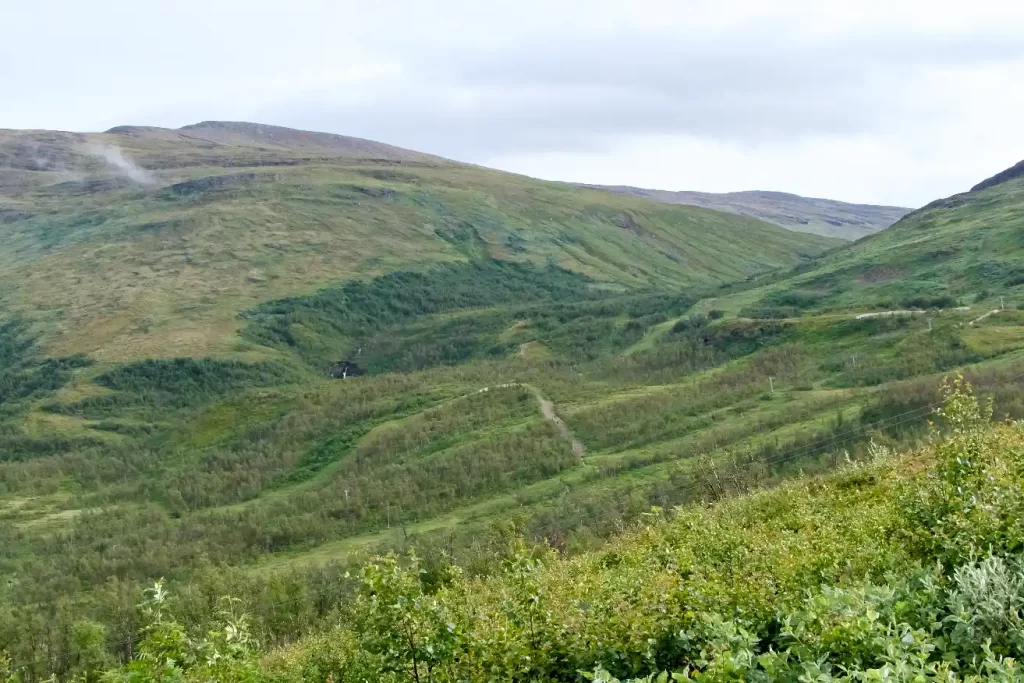
In nearby Björkliden we have booked a stay in a small cabin and some fine walks await us. Starting soft we follow Rakkasjokk, a lively little water throwing itself down steep mountain sides right next to the now green ski slopes. The water is crystal clear and just before entering into lake Torneträsk it throws itself out in the beautiful Silver Falls.
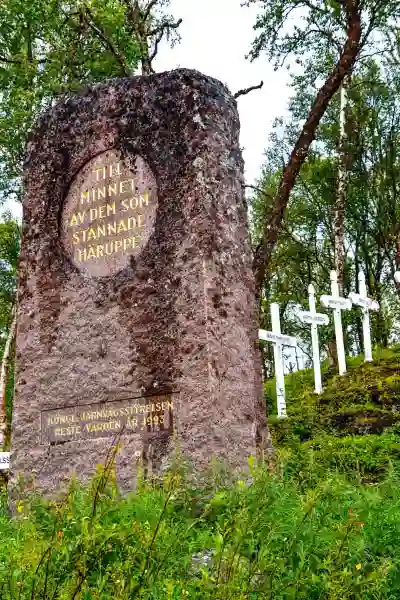
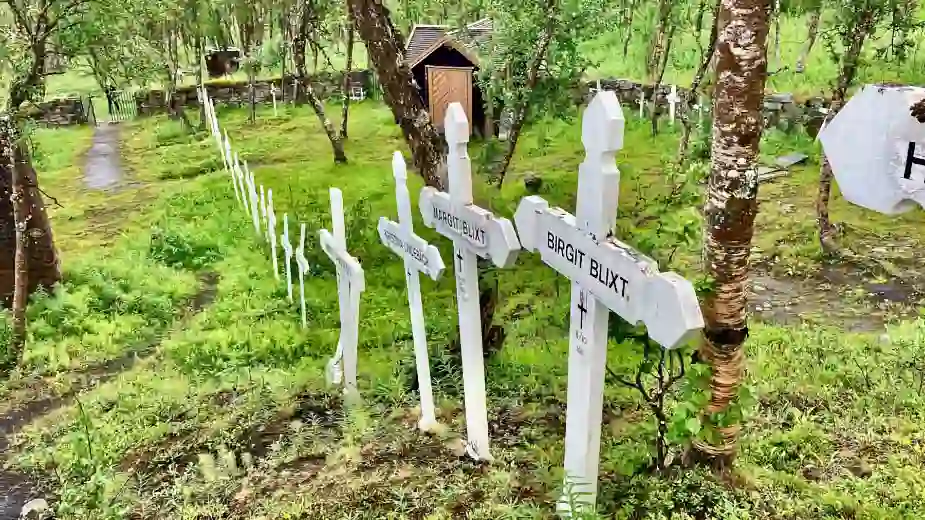
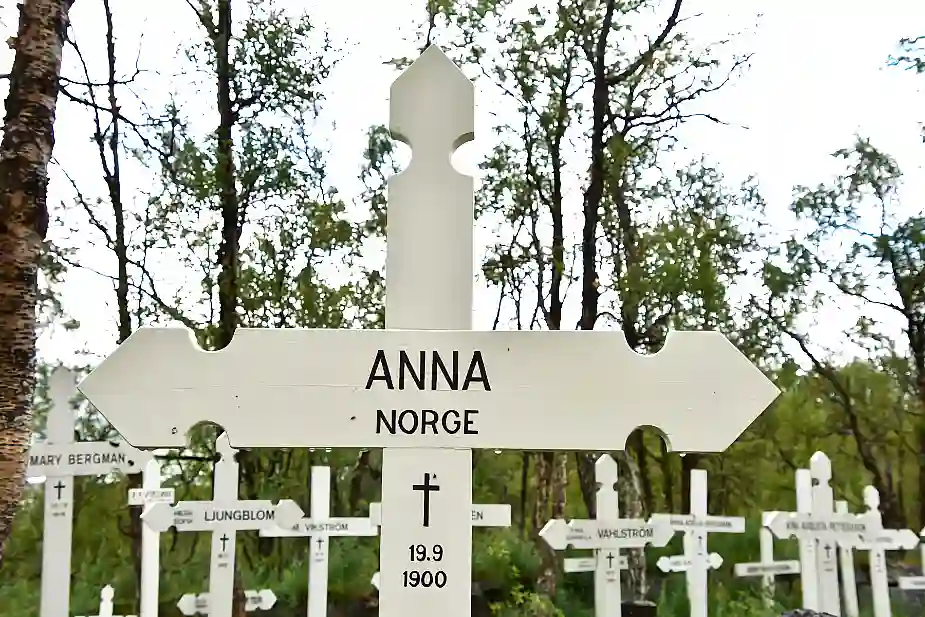
The sun shines in the morning when we start our first real hike. Our first stop is “Rallarkyrkogården”, a small cemetery in a mountain forest near Tornehamn. Workers that built the railway line betwen Luleå and Narvik 120 years ago and died of accidents or diseases were buried here, many with just the first name and date of death.
A legendary woman also lies here. She was a Norwegian cook for the railway workers, and was commonly called “Svarta Björn” (Black Bear) because of her bravery. What her real name was is a bit of a mystery, Most often it’s supposed to be “Anna”. She is said to have died after a fight with another woman over a man. More recently other people have also been buried here, in spite of (or perhaps because of) the very remote location.
The railway line is called “Malmbanan”, “the Ore line”, since that’s what it was built for, transporting iron ore from the mines to the coast. About 20 trains a day rattle by with their long tail of cargo containers. Three passenger trains also run here each day.
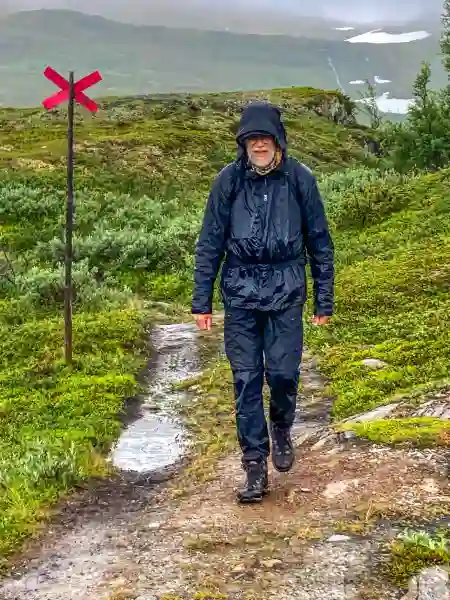
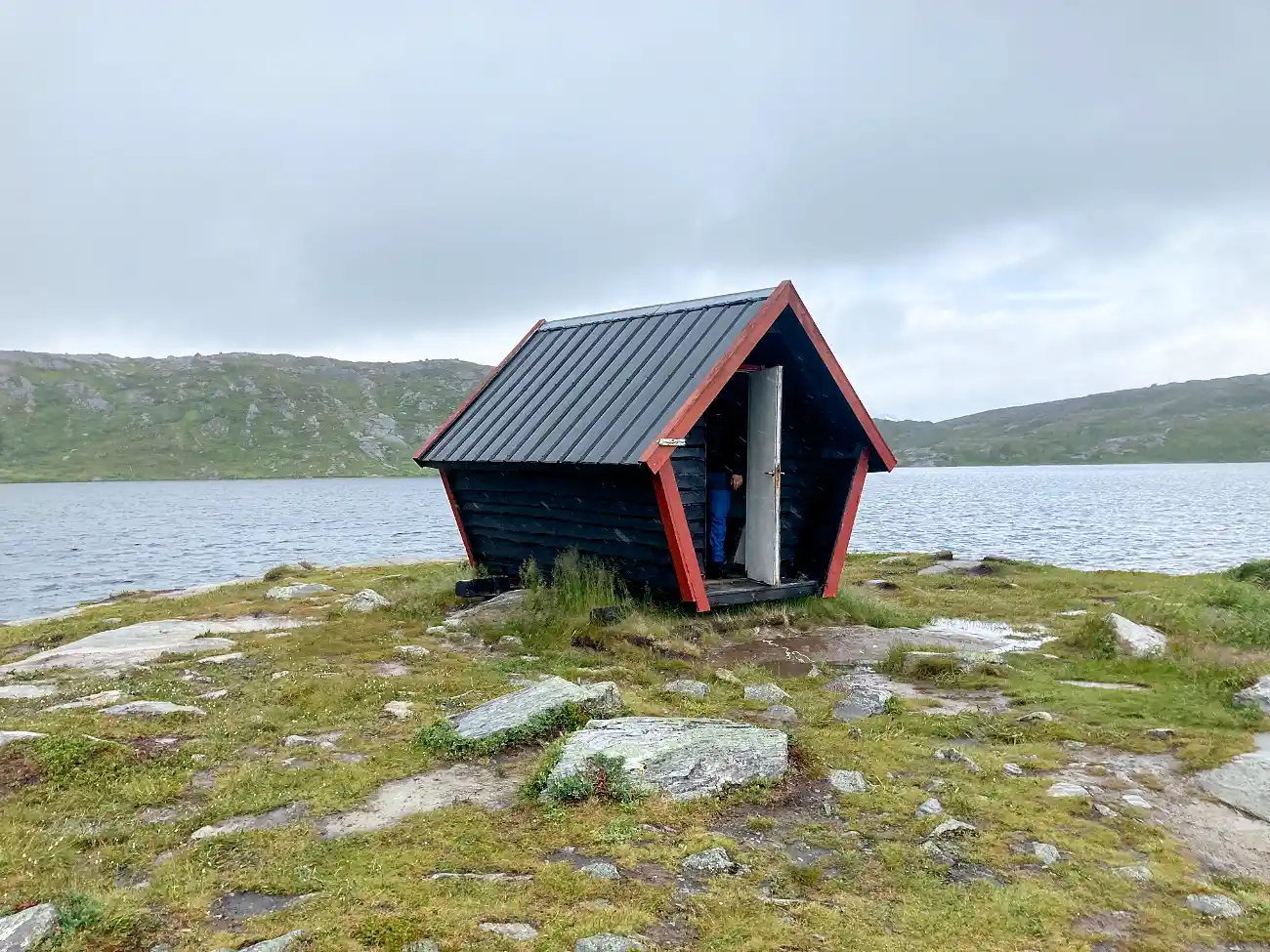
Leaving the cemetery our path turns sharply leading straight up the steep hillside. The sun disappeares and now it’s raining. The paths are soon transferred to slippery creeks. V takes a wrong step and her shoe is filled with water. There’s an ominous swishing sound when she walks. But when we reach the so called Crater Lake the rest of the walk gets more horizontal. We had hoped to be able to sit down inside the cabin by the lake, but it’s already occupied by a bunch of young men throwing food around, so we keep on walking.
When at last we’re back in Björkliden the rain stops and the sun shines again. We have walked 12 kilometers and our legs hurt.
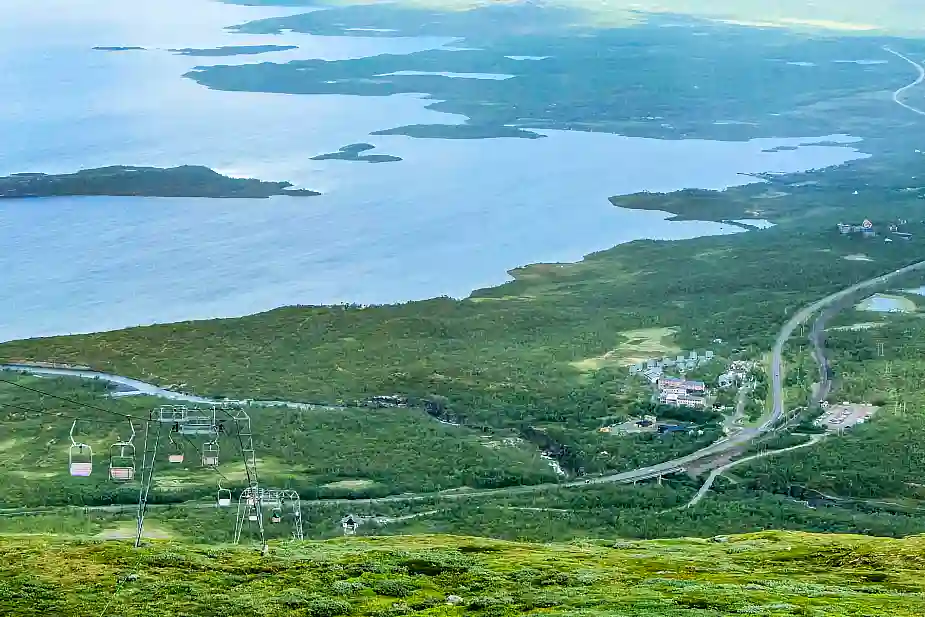
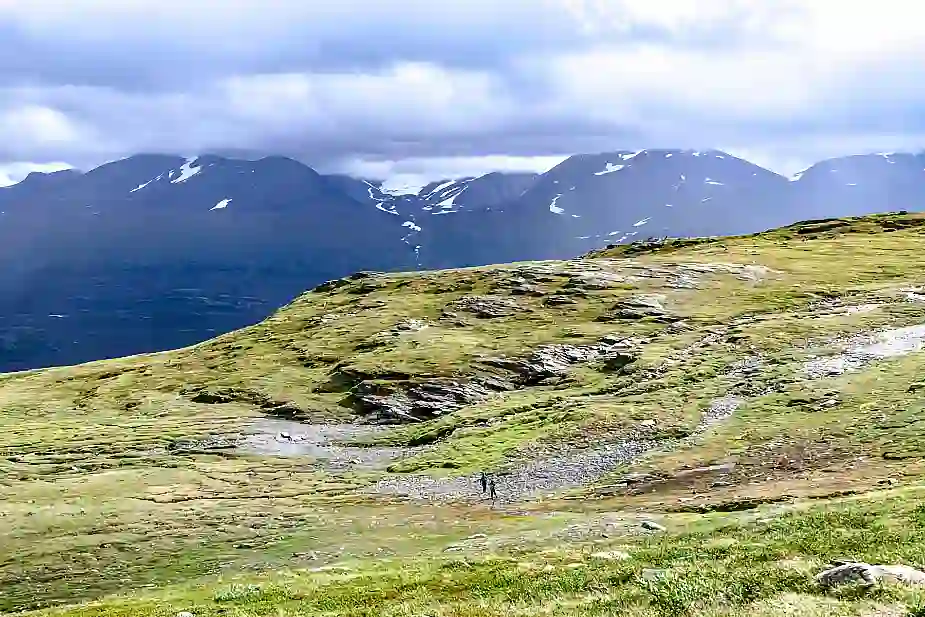
The weather is mostly cloudy and the rain comes and goes. But on one relatively clear day we head over to Abisko where they have an open ski lift up to the top of mount Nuolja, 900 meters above sea level. At the top we have the most amazing overview of lake Torneträsk and the surrounding mountains. Abisko village lies some 600 meters below us. And there’s hot coffee served in the top café.