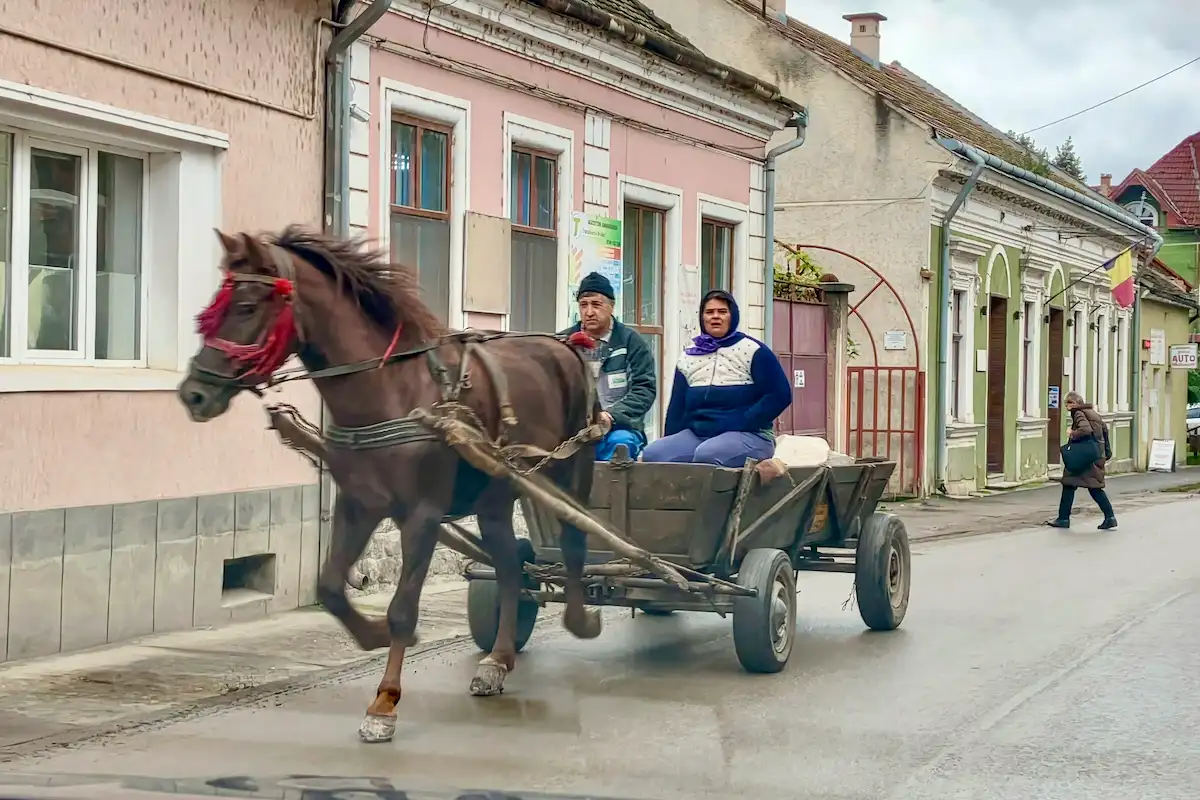
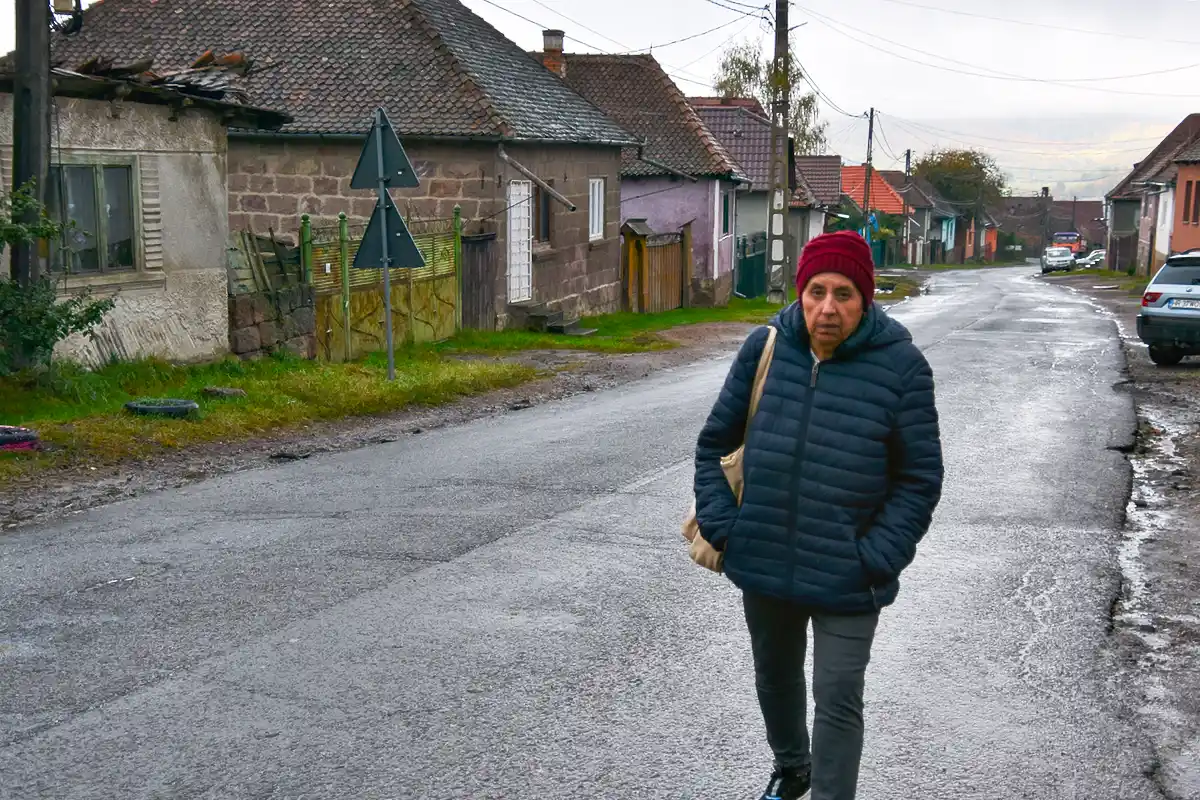
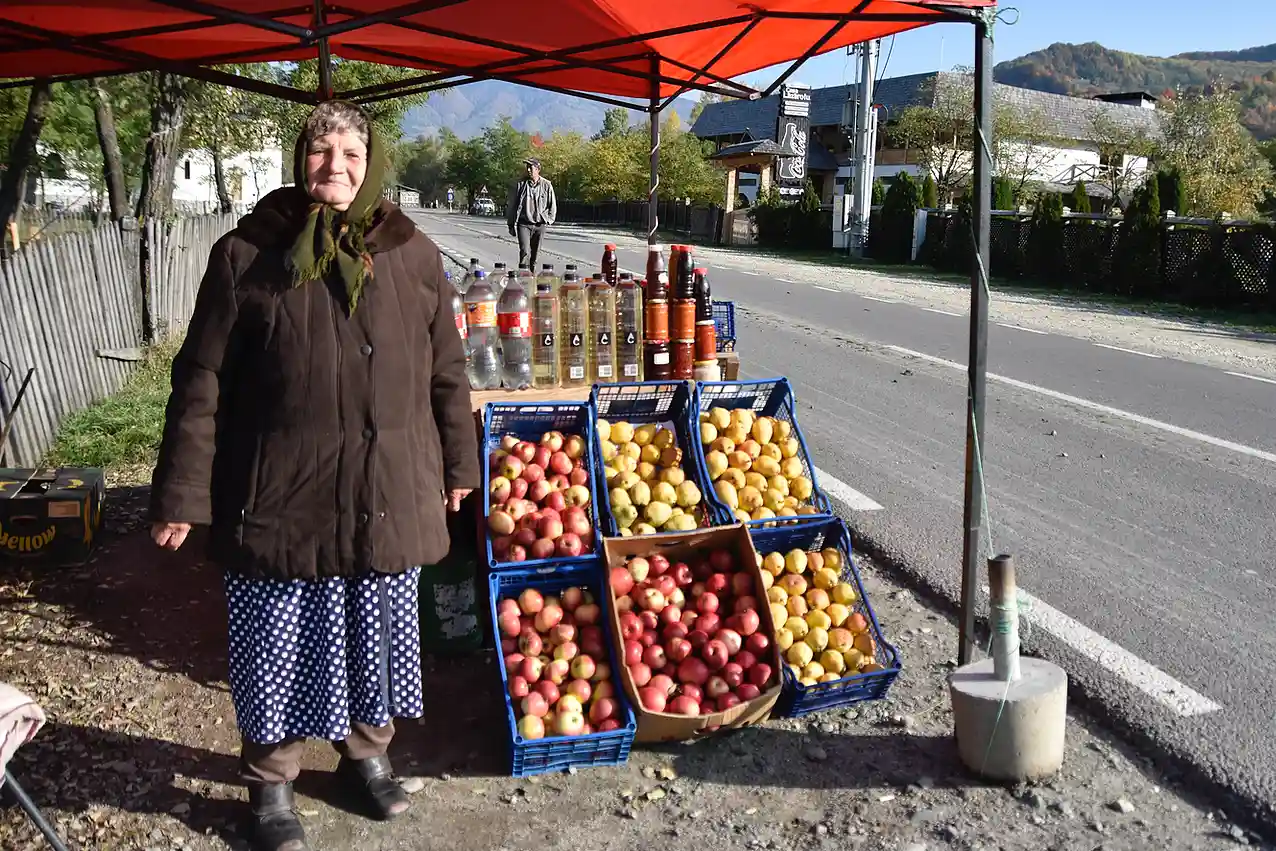
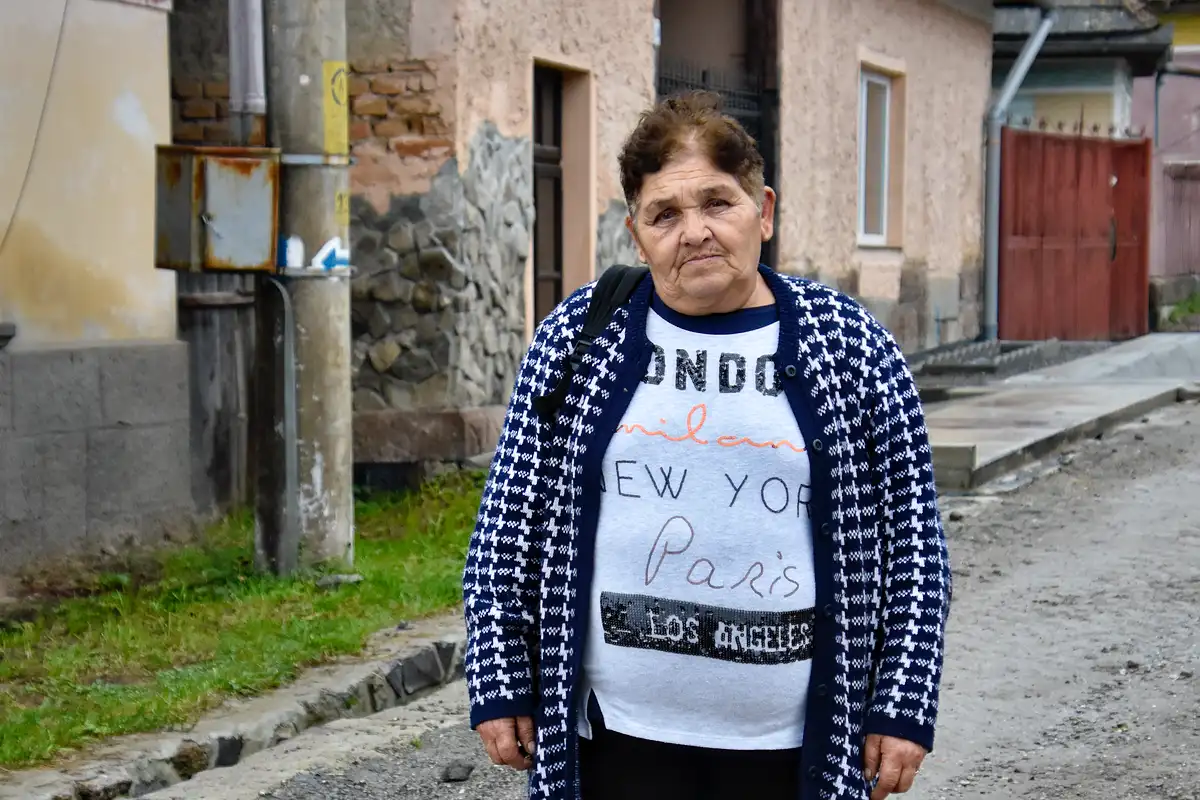
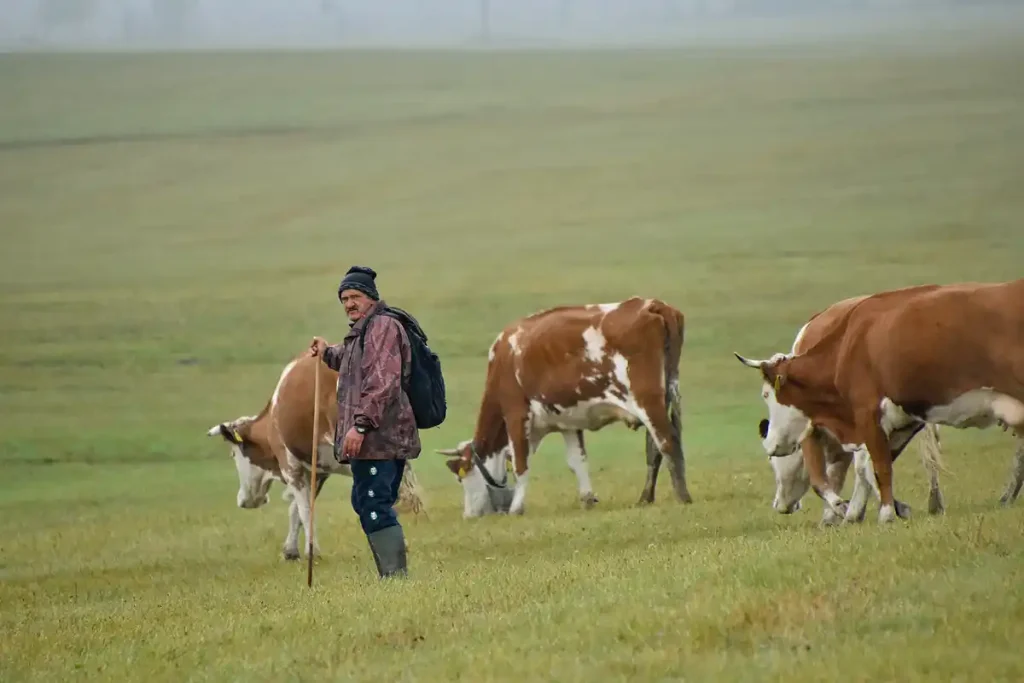
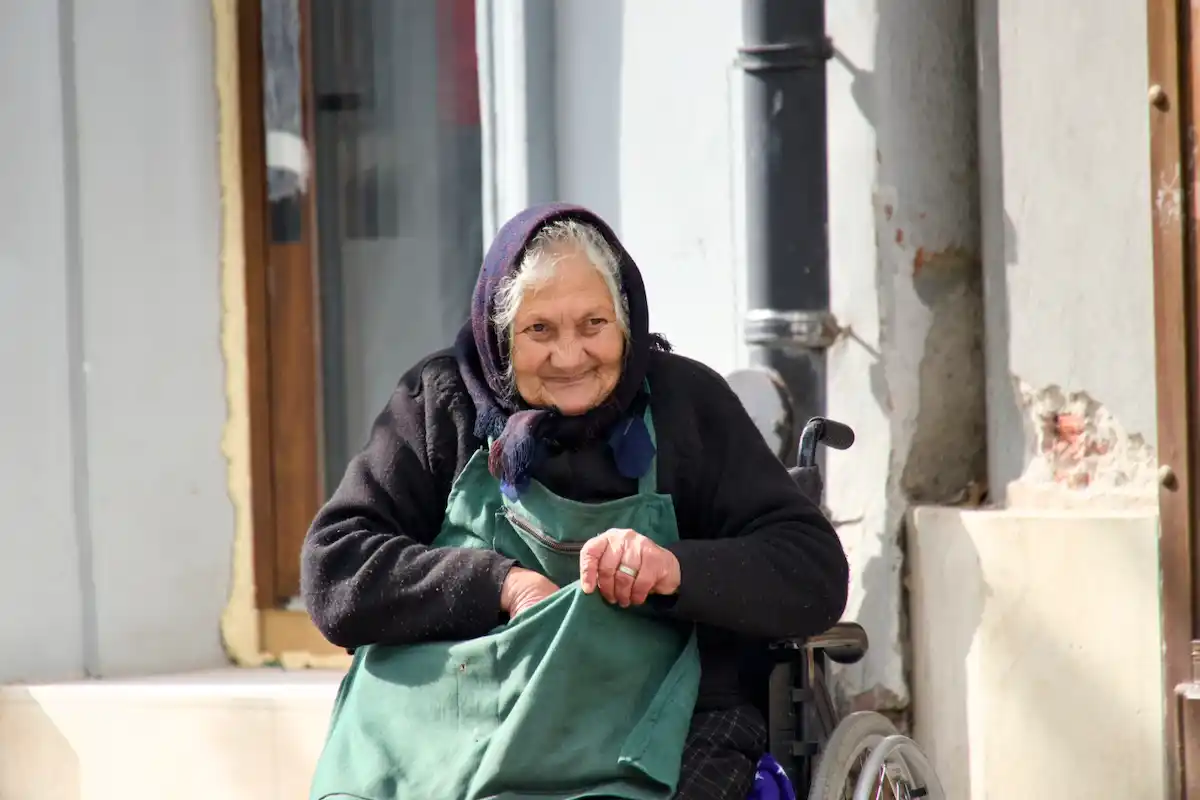
When we travel around Transylvania, we mostly see the old historical parts of the cities we visit. Outside the city centres, modern development spreads out with apartment buildings, supermarkets, and industries. But the countryside between these cities is something completely different. The villages are small, poor, and populated by elderly people. Many are Roma. This is where you meet the horse-drawn carriages. But also the shepherds and the old women who sell fruit along the roads. A country that has come to a standstill.
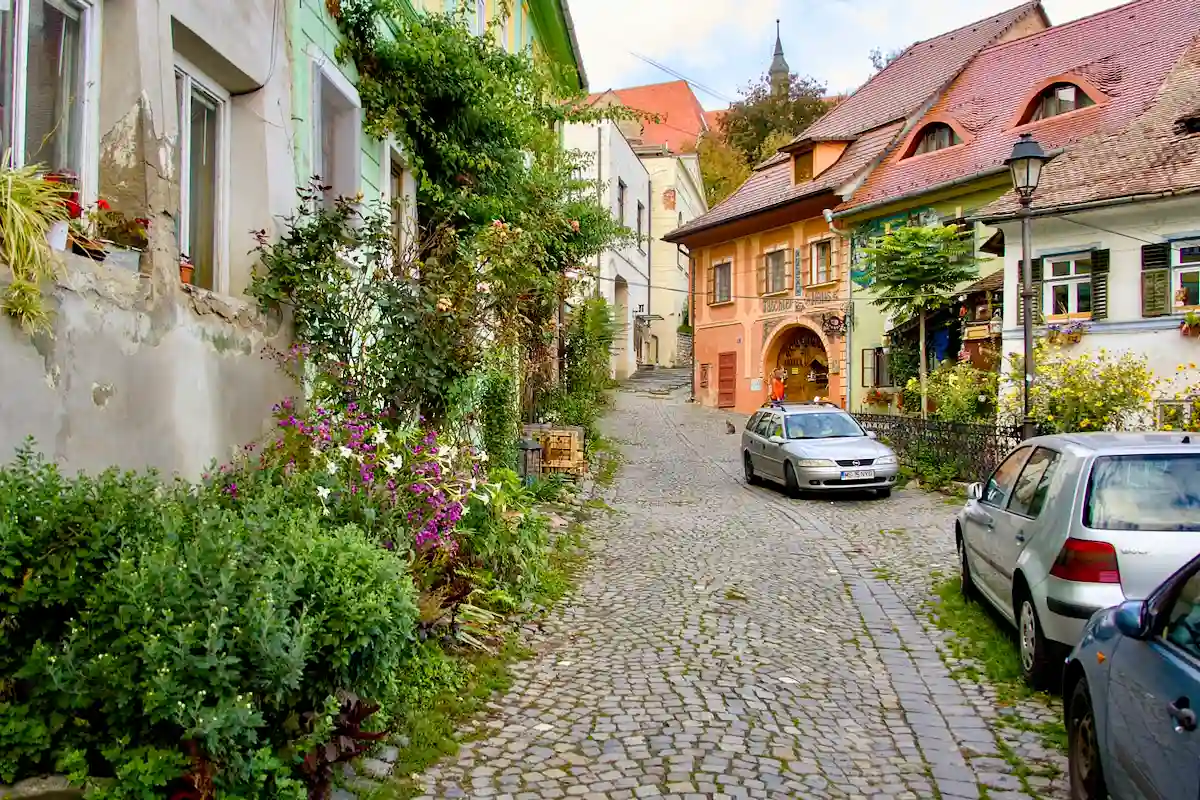
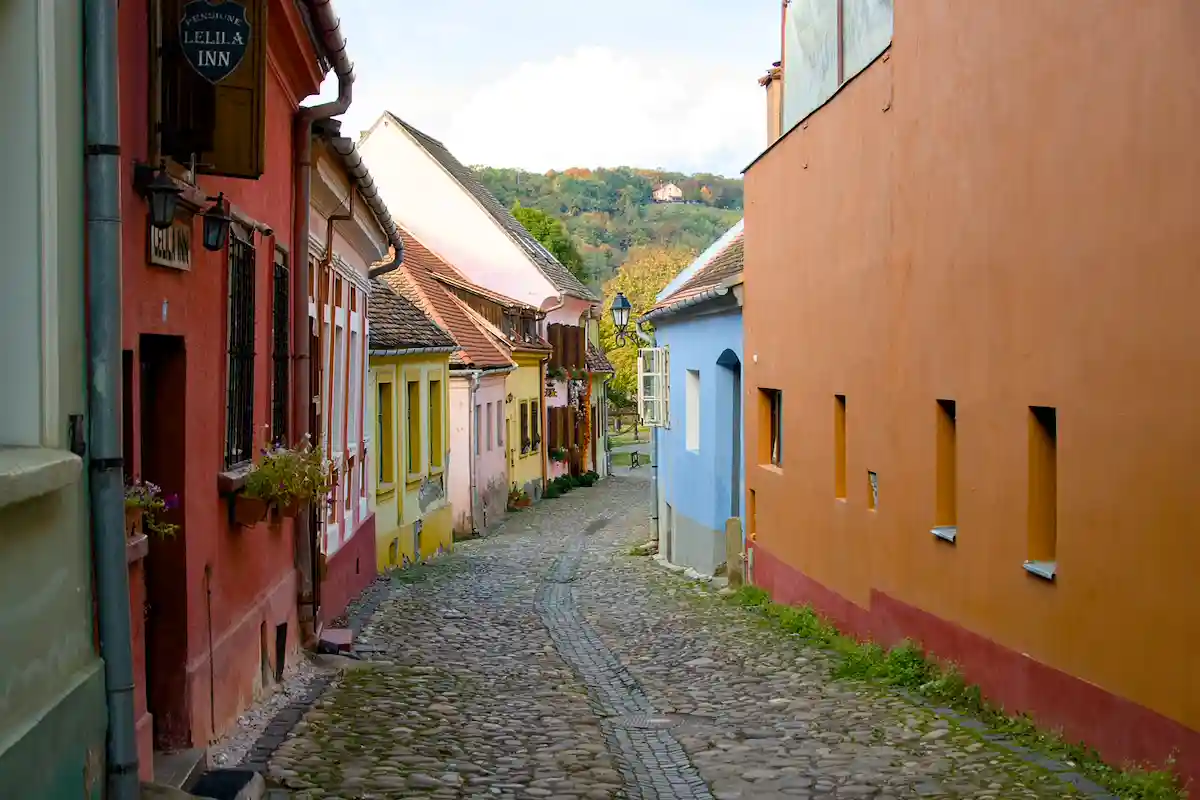
Our next destination, the UNESCO-preserved city of Sighisoara, is quiet and still this time of year. The small squares and narrow alleys of the old town are almost deserted; there’s always plenty of unoccupied chairs in the cafés. It’s nice, we think, as we wander around the old houses and impressive churches. It’s very picturesque, but at the same time a bit autumnal and melancholic.
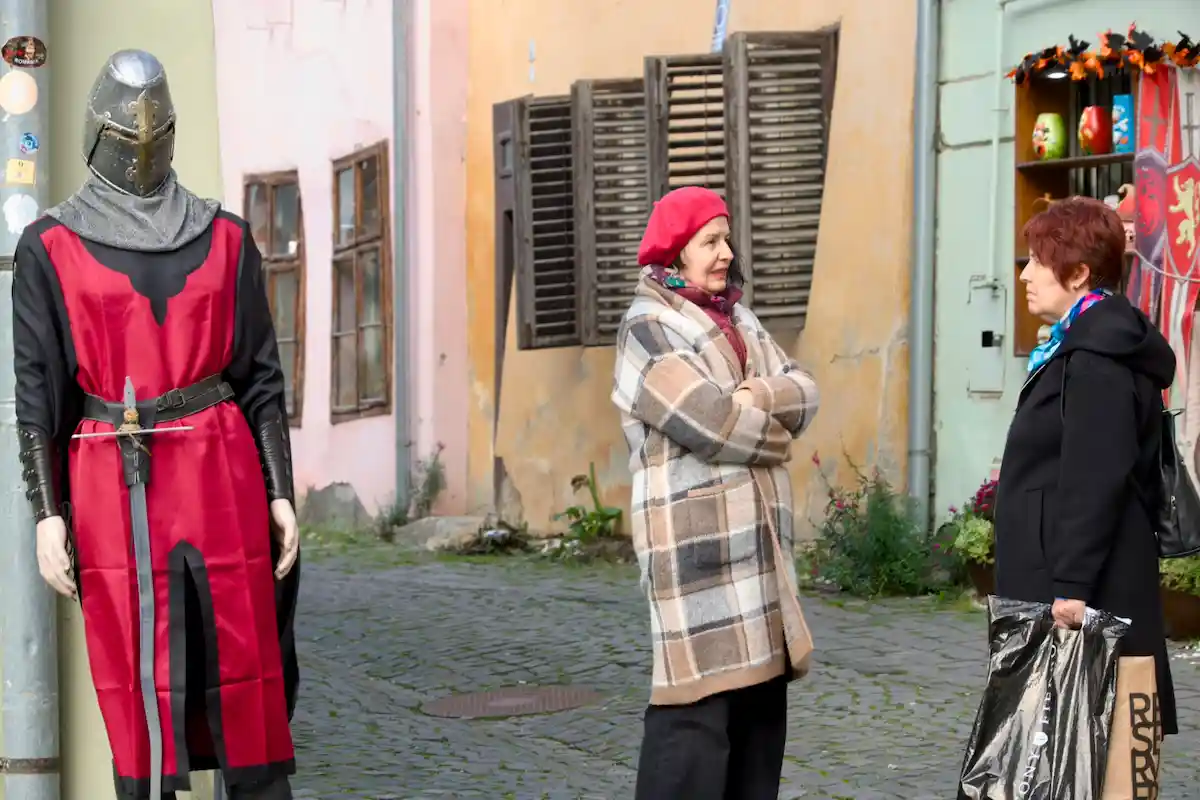
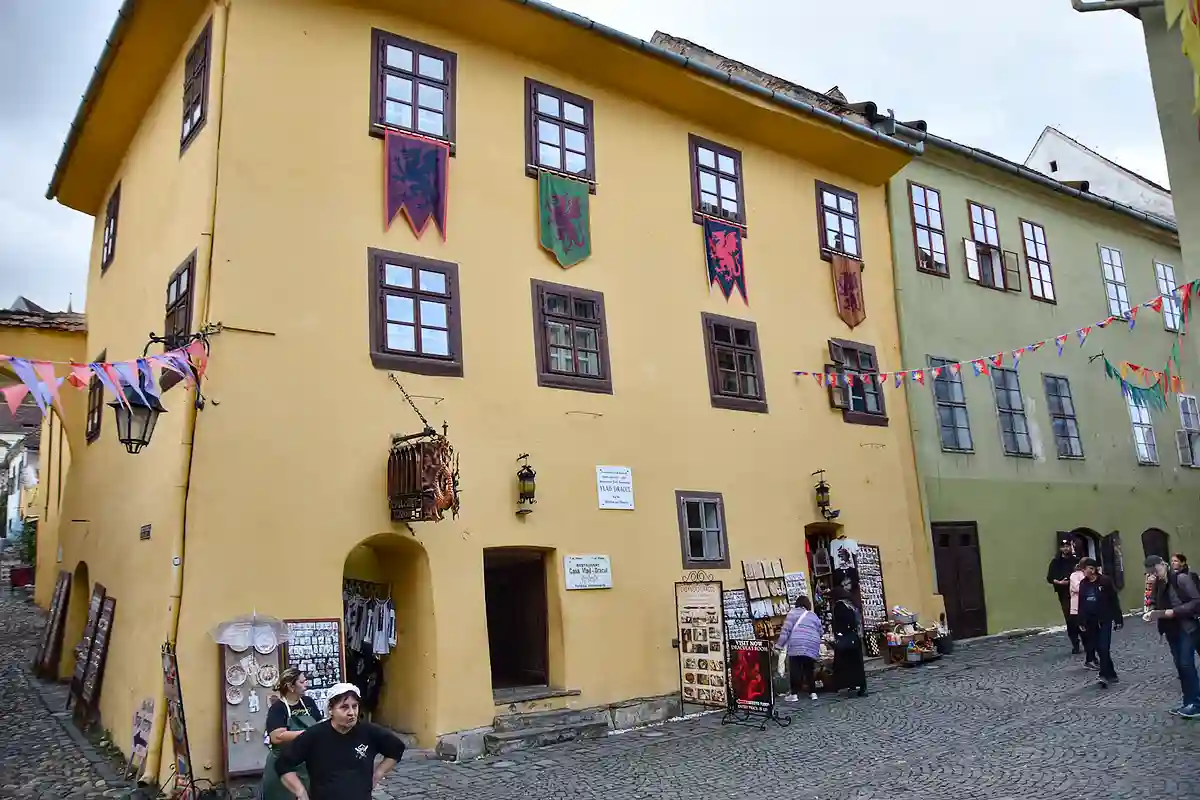
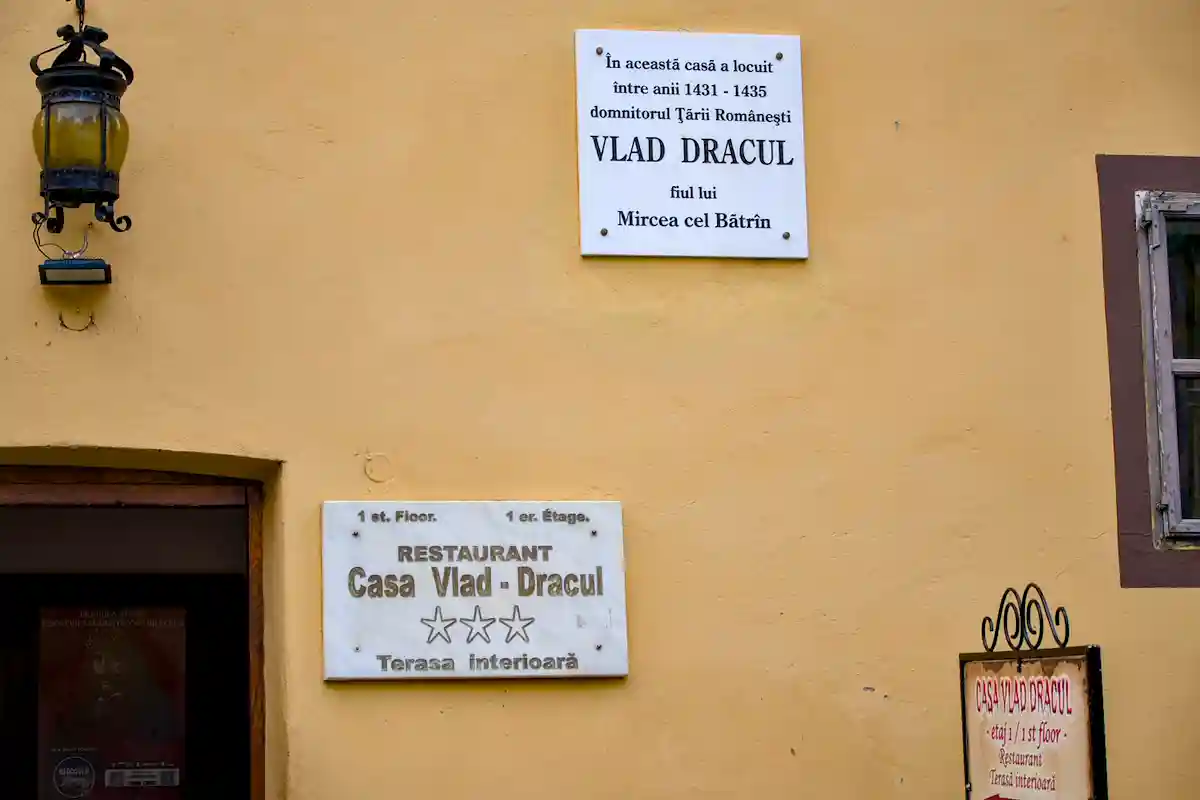
Here in Sighisoara, Vlad Tepes, who would later become Dracula, was born in 1431 in a house on the square, and this is, of course, advertised on large wall signs. Flags with the dragon symbol, that showed that Vlad was a member of the Order of the Dragon, hang by the windows. It was this membership that gave him the name “Dracul.”
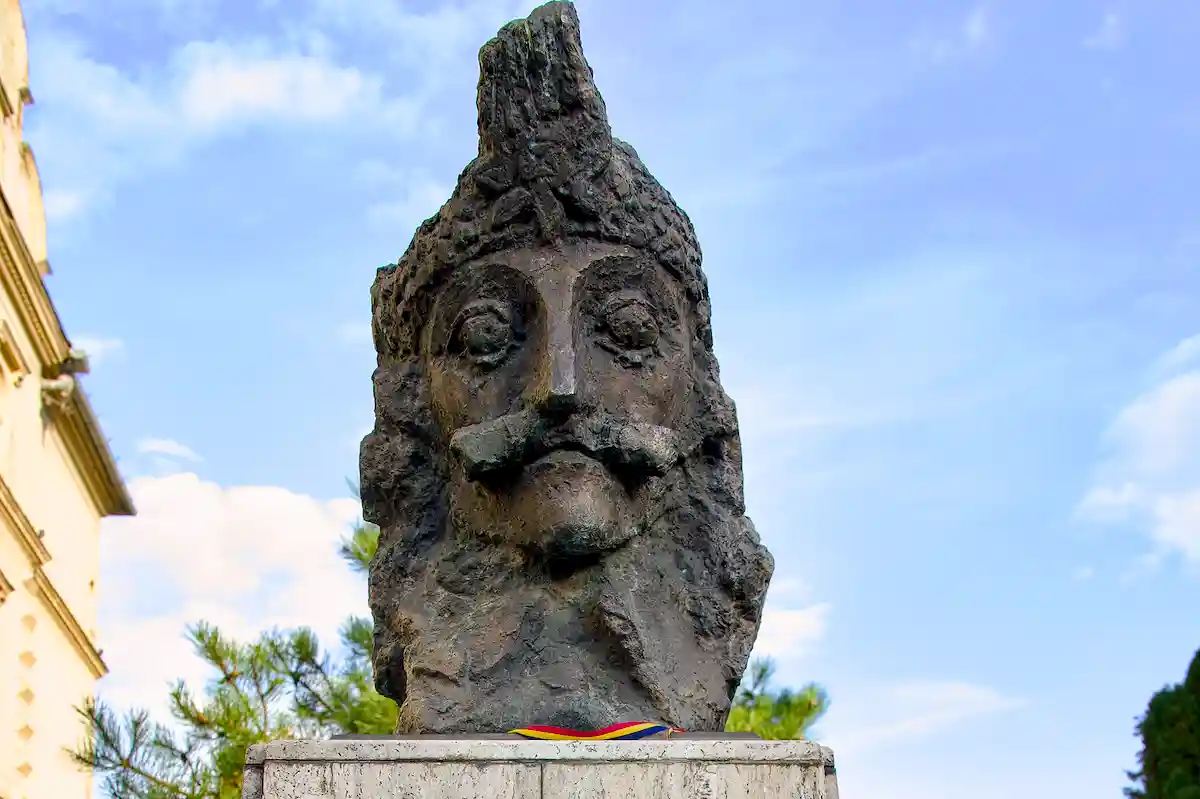
Today, there’s a restaurant here, which is of course called “Restaurant Dracula”. Vlad has also been given a memorial by one of the churches, which might seem strange considering his attested cruelty. But here he is also seen as a brave defender of his people.
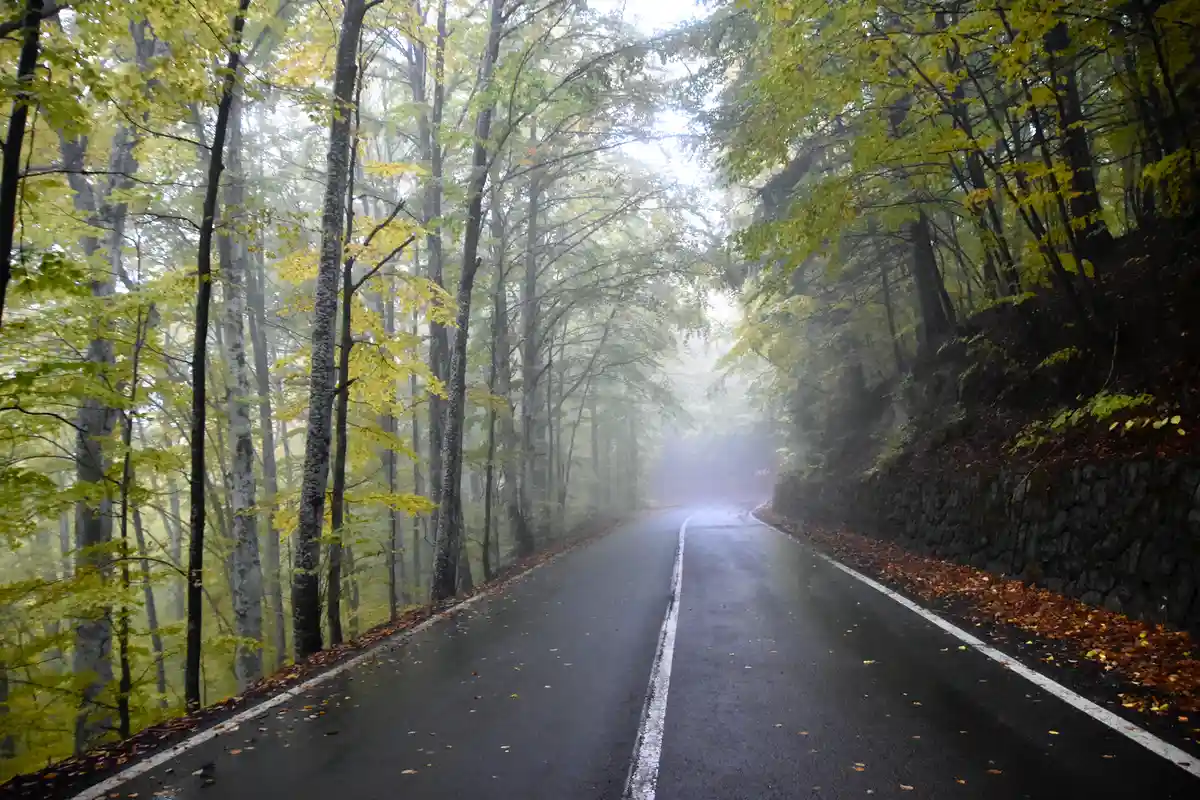
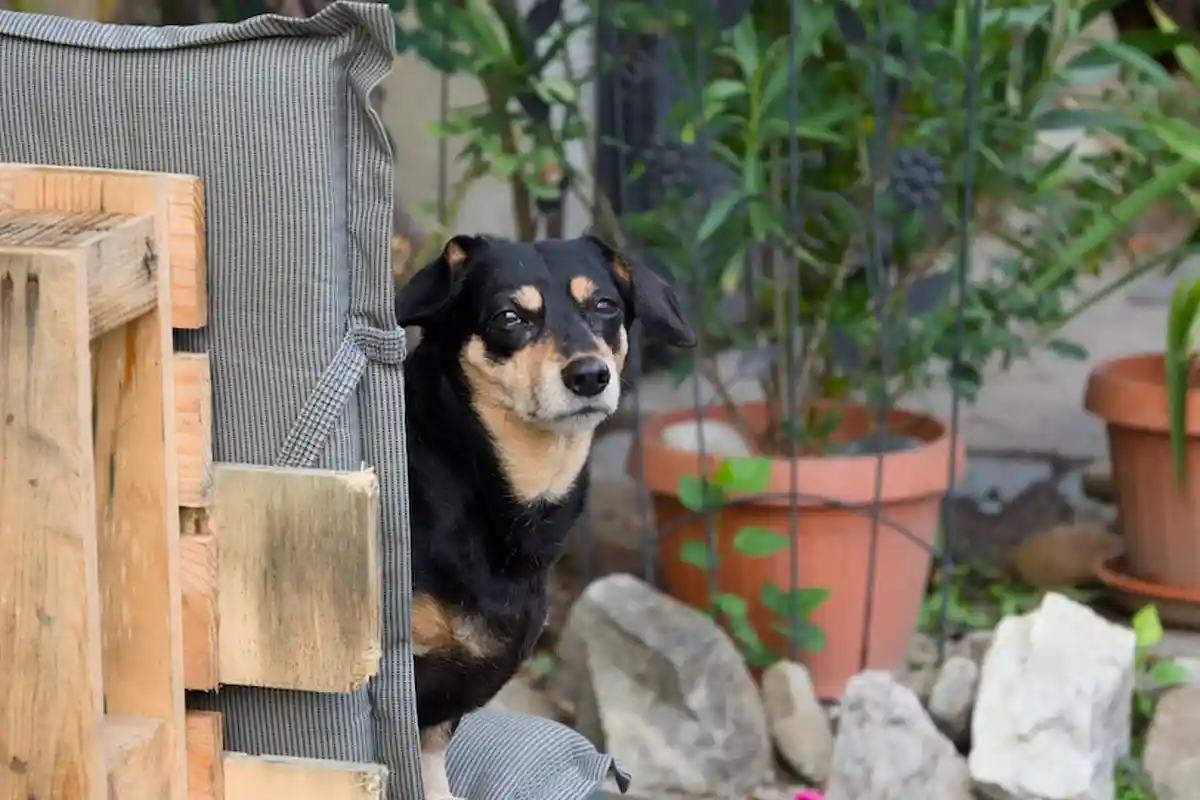
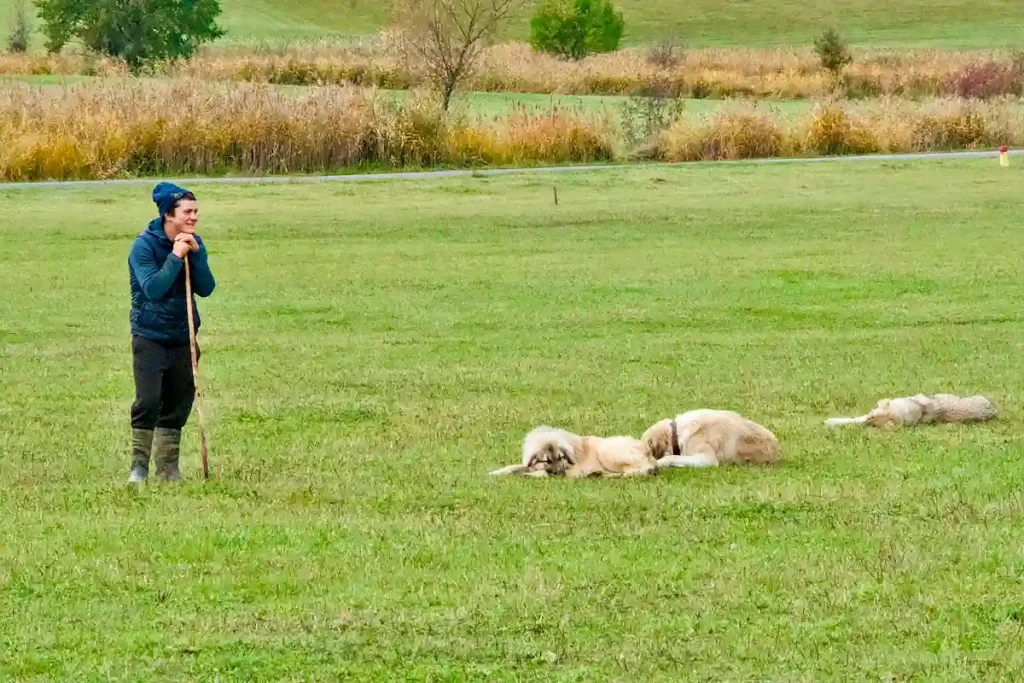
The journey around Transylvania continues through a gently rolling landscape where the autumn scenery is absolutely bursting with colour. Every now and then we pass large flocks of sheep, always with one or more shepherds keeping watch. It’s not a job you see performed very often in Europe. But in Transylvania, there are both bears and wolves, so the shepherds and their dogs are probably needed.
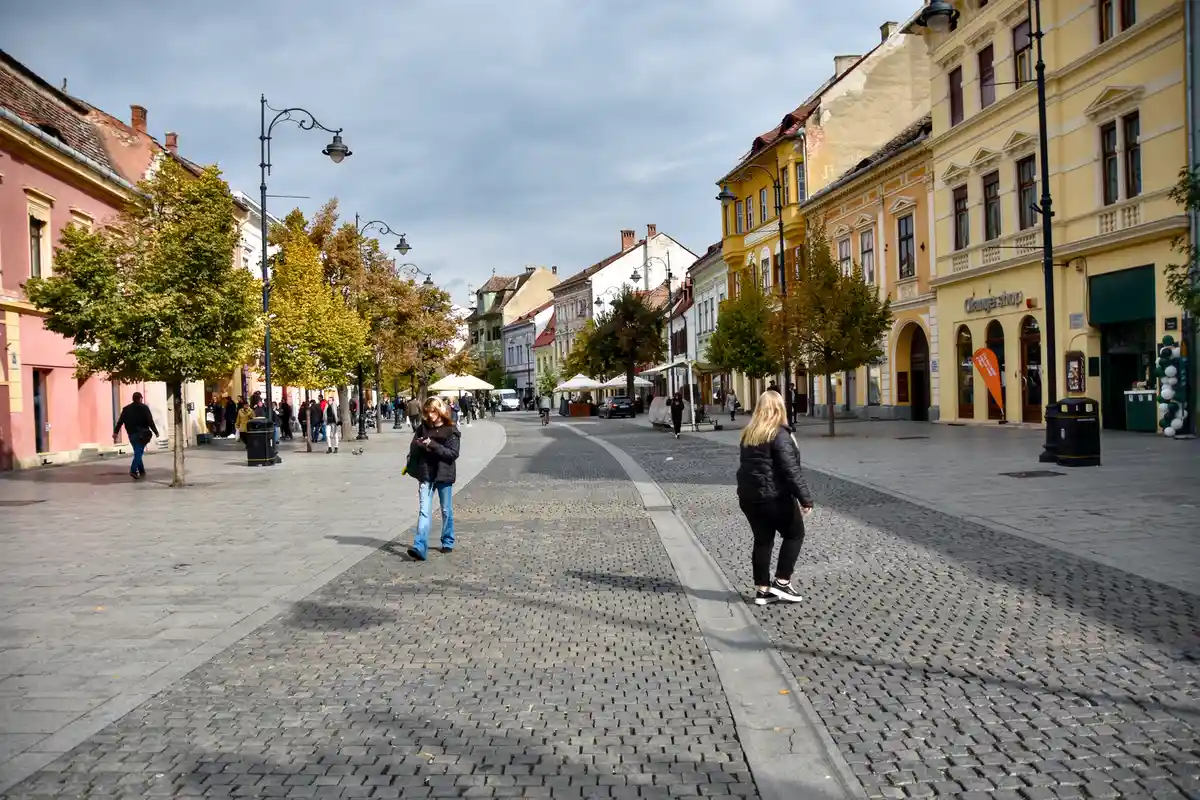
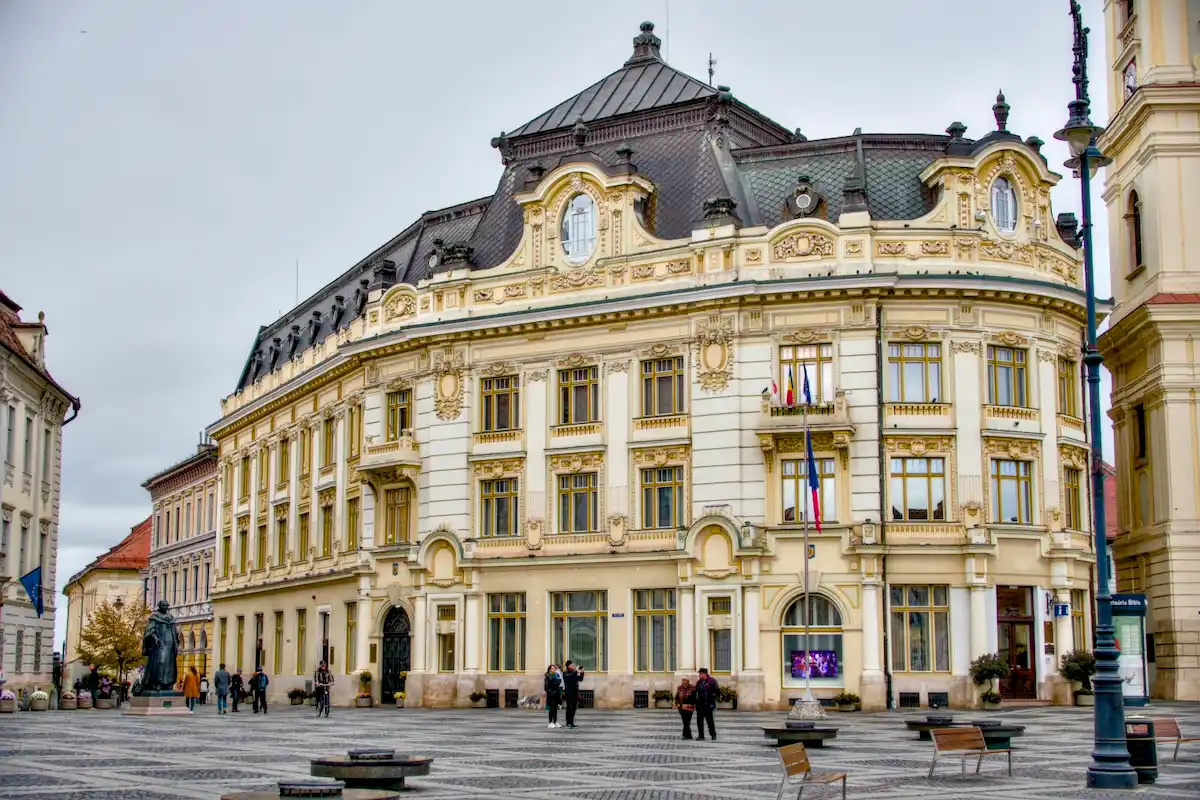
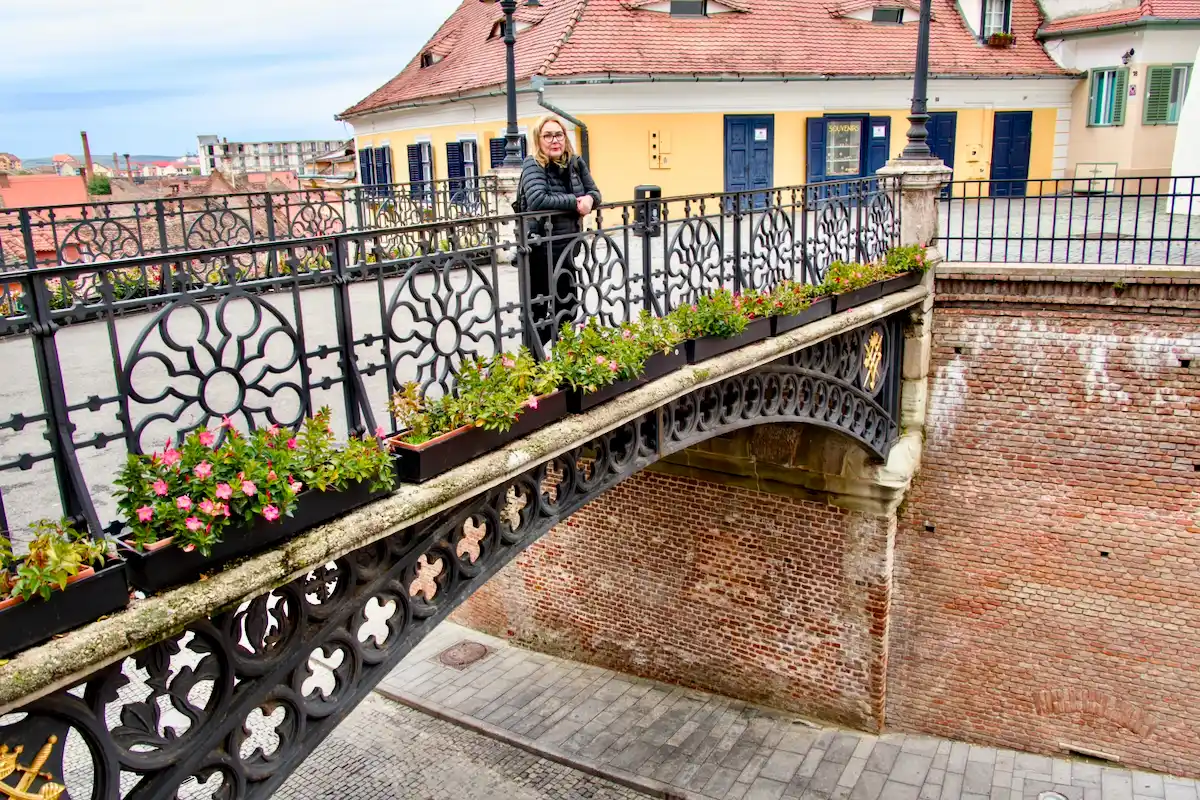
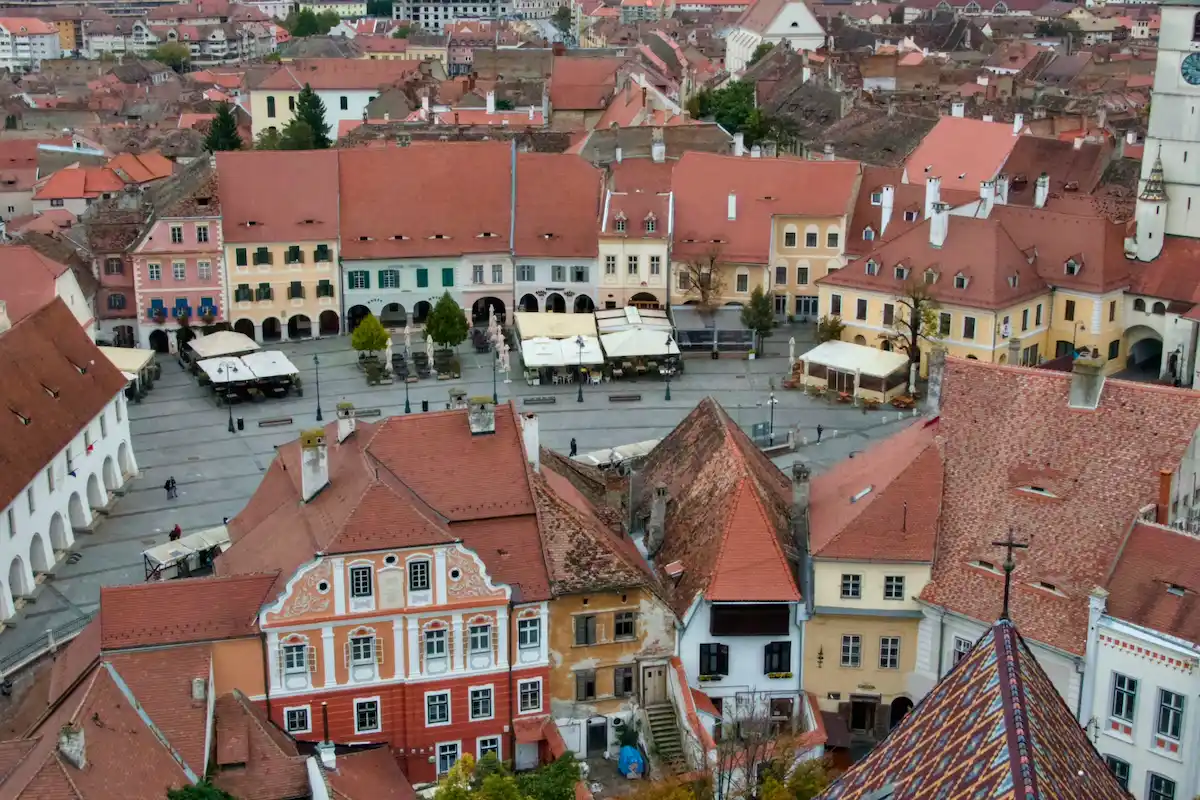
Ten miles west, we arrive at the perhaps lesser-known Sibiu, a city at least as exciting as Sighisoara, but with a more vibrant old town centre. With its three central squares, majestic churches, and well-maintained buildings, it feels very inviting. It’s a bit like central Luxembourg, we think spontaneously after our first look. Sibiu is a vibrant cultural city with a theatre and film festival, art museums, and a well-attended cultural centre. In 2007, it became the European Capital of Culture.
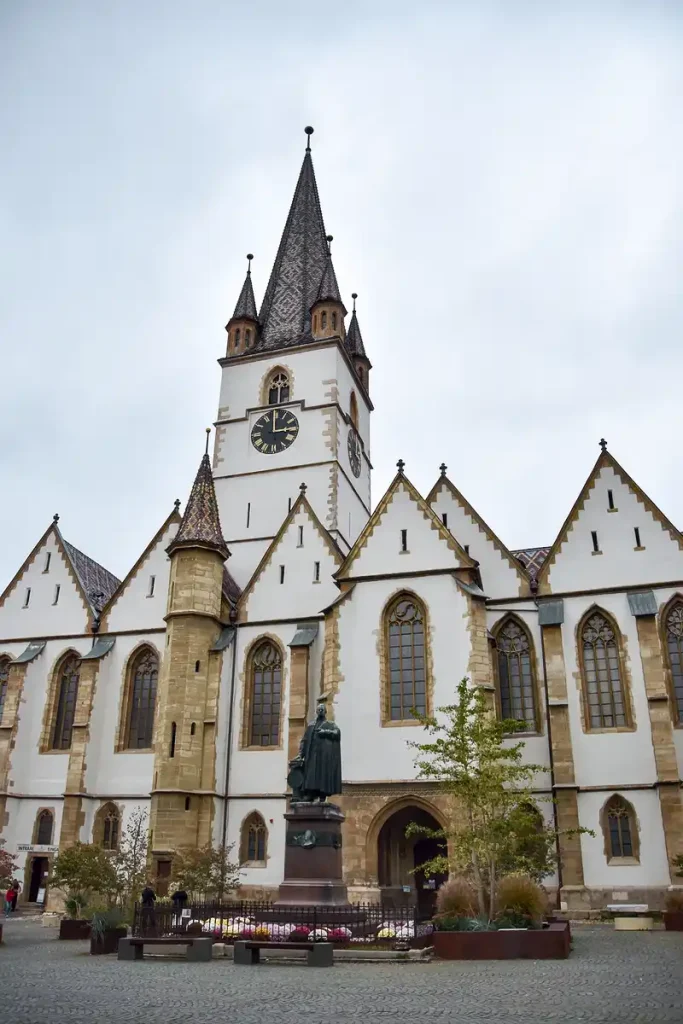
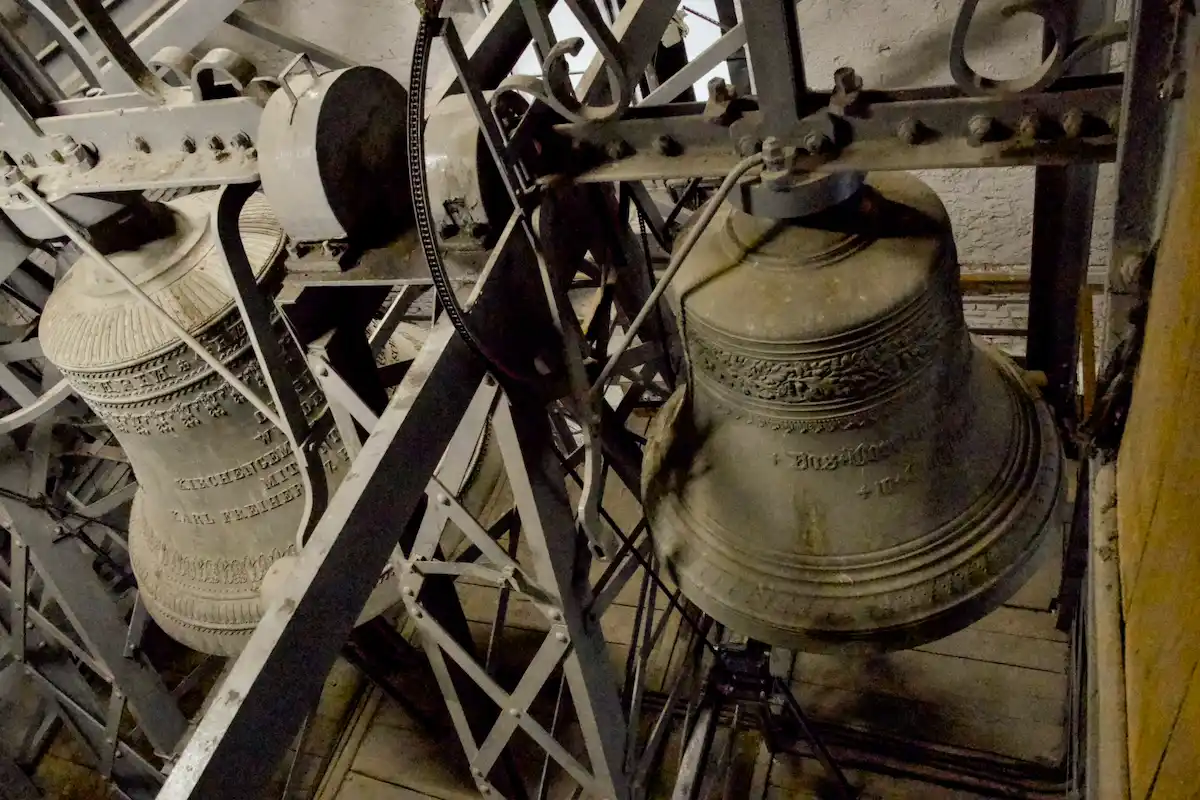
We fall in love with Sibiu because of its well-preserved houses, churches, and folk life. Starting with the churches, we need to mention our two must-see favourites: Starting with the Evangelical Santa Maria Cathedral, with its 74-meter-high tower and numerous protruding side aisles, is a complete experience. Built in the 14th century and the burial place of many local potentates, including Vlad the Impaler’s son Mihnea, known as “the Evil,” who was murdered outside the church in 1510.
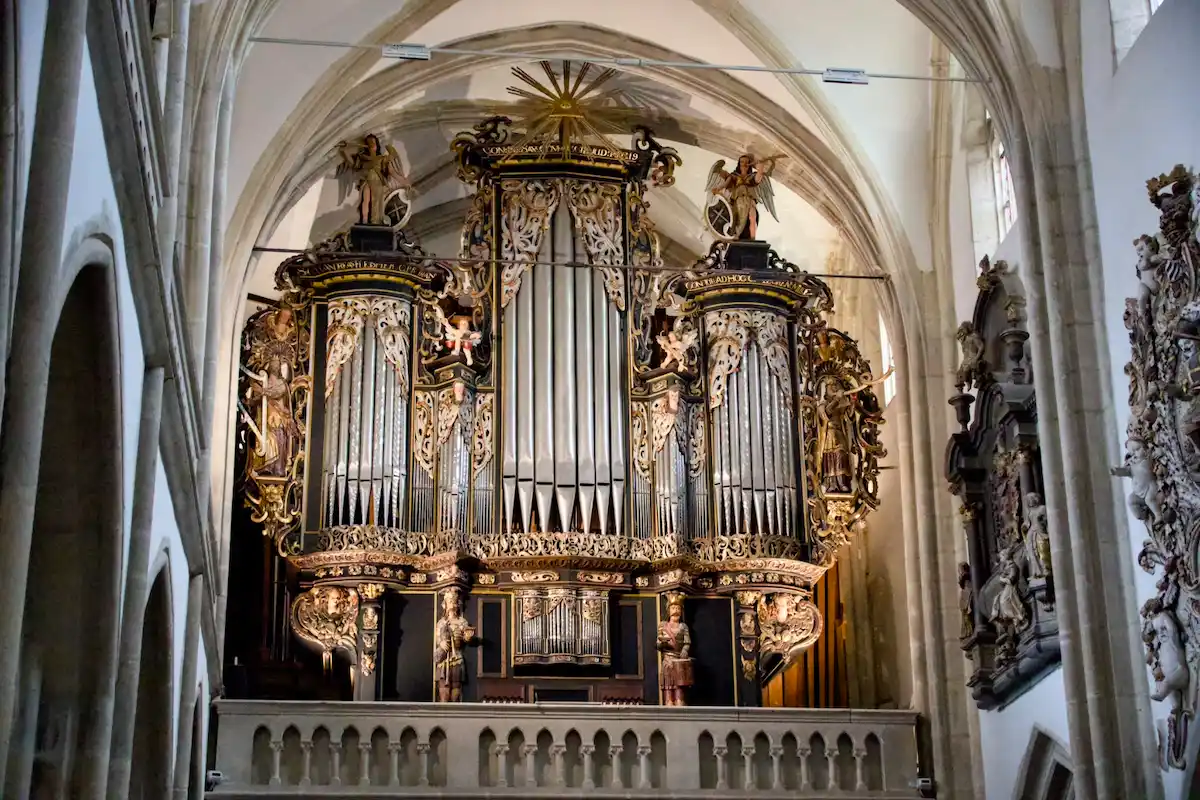
Inside the cathedral, we find Southeast Europe’s largest organ, a magnificent piece that illuminates the entire room. You can go up the tower, there are 200 steps, and look out over the city from the four small turrets placed around the main tower, which are said to signal to strangers that the death penalty can be imposed in this city.
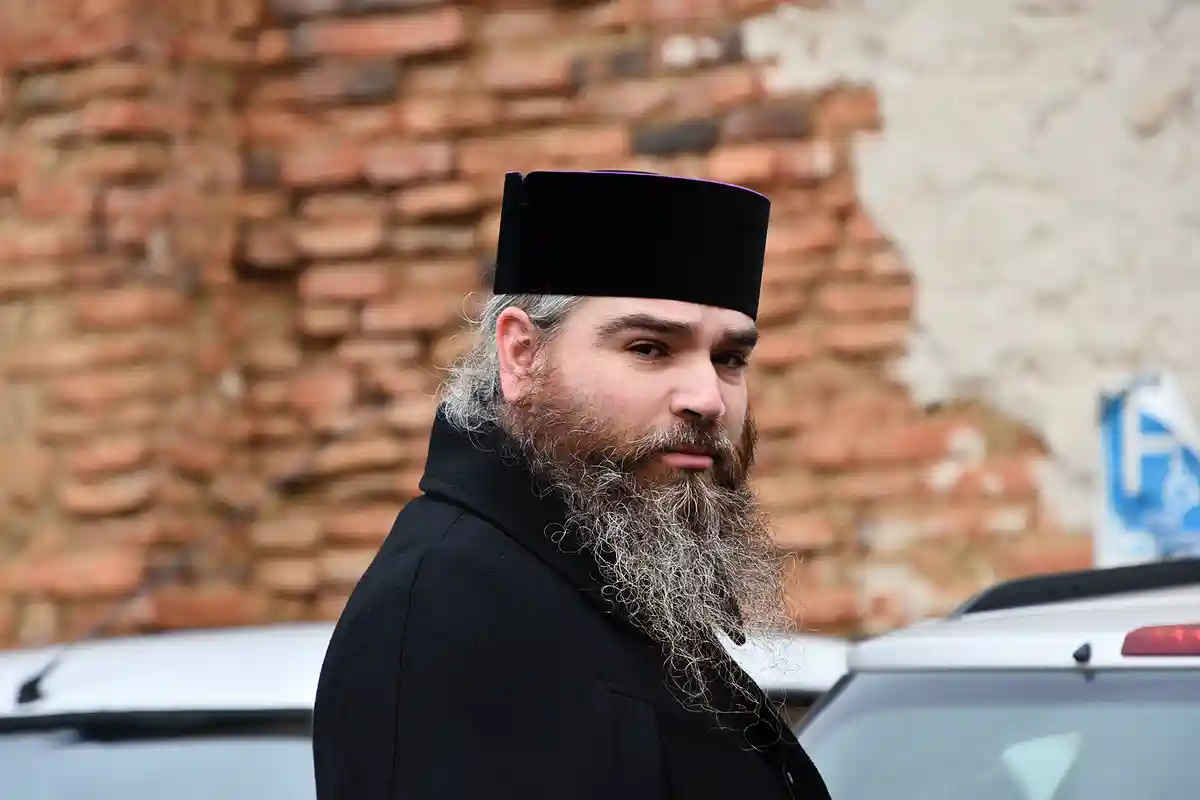
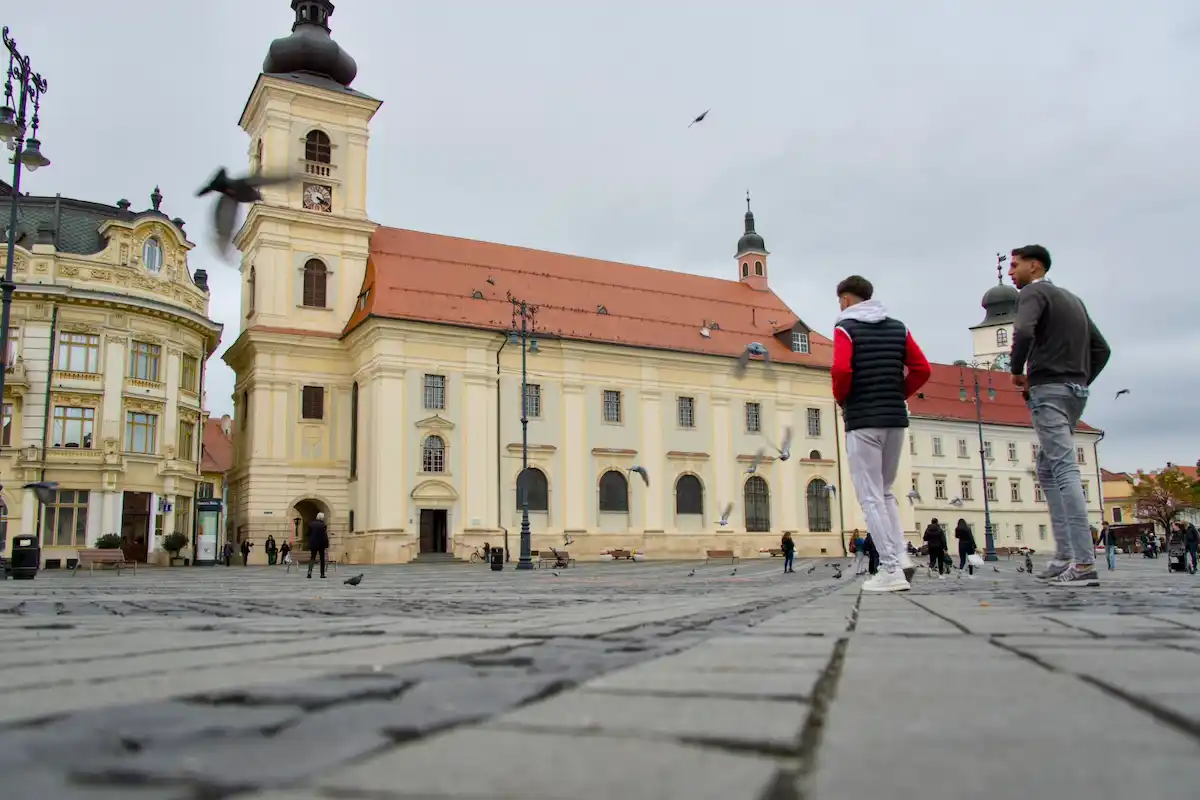
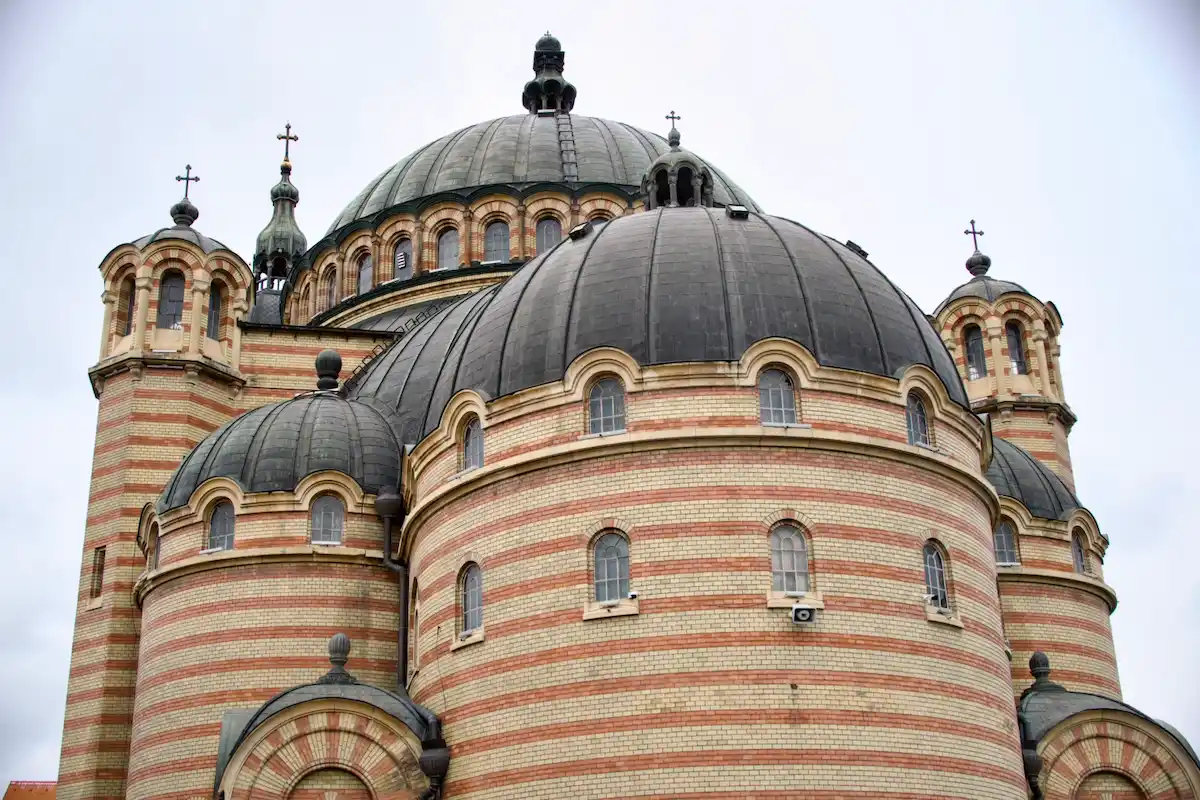
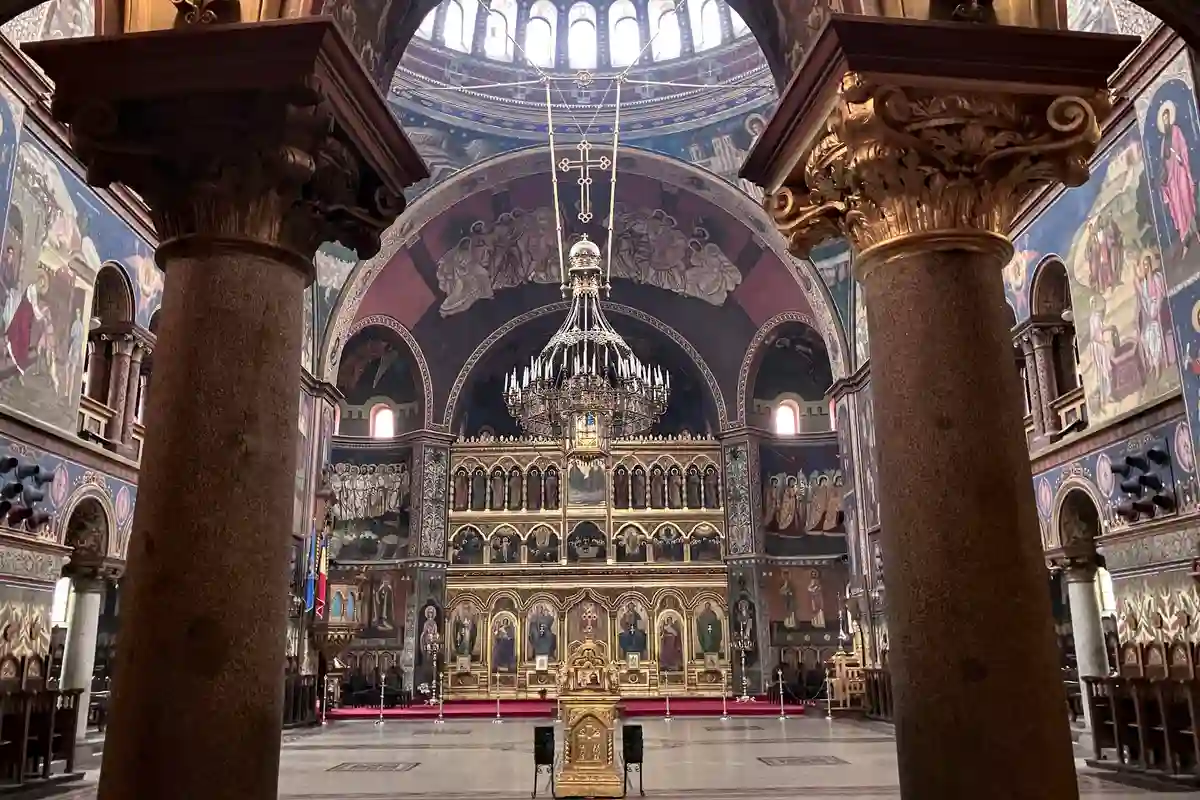
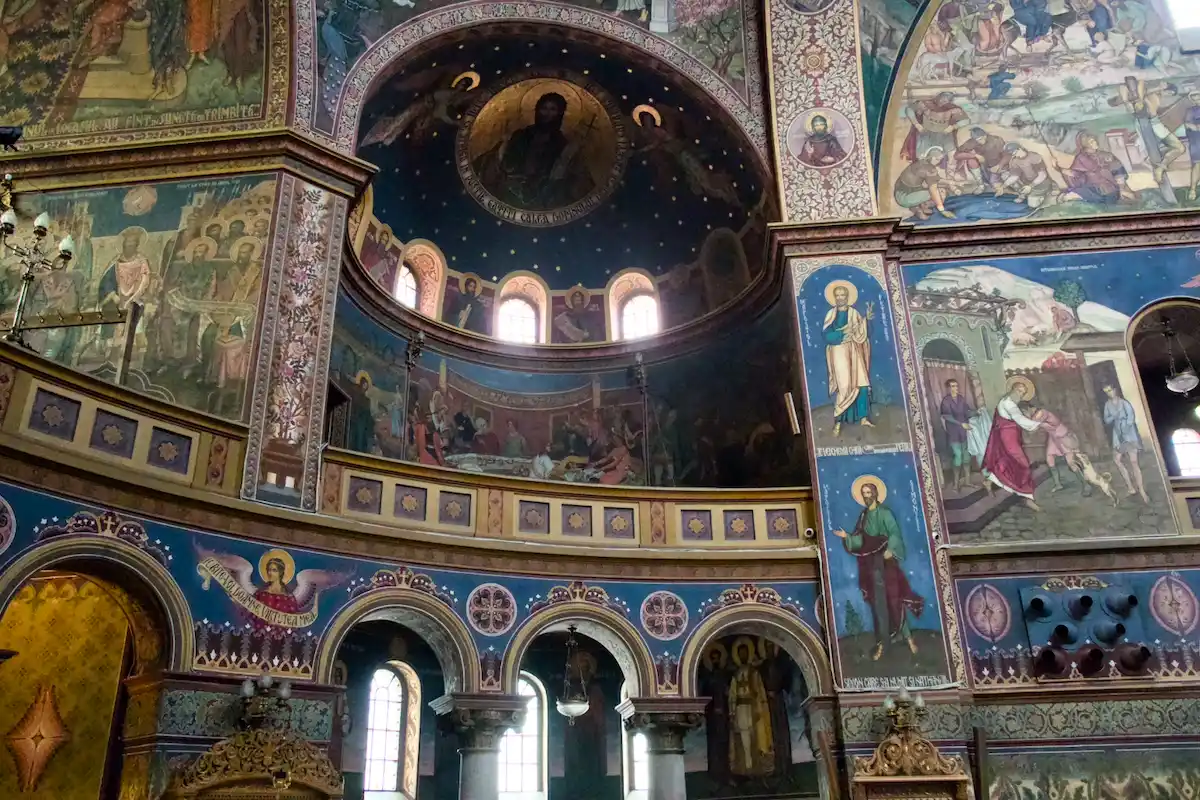
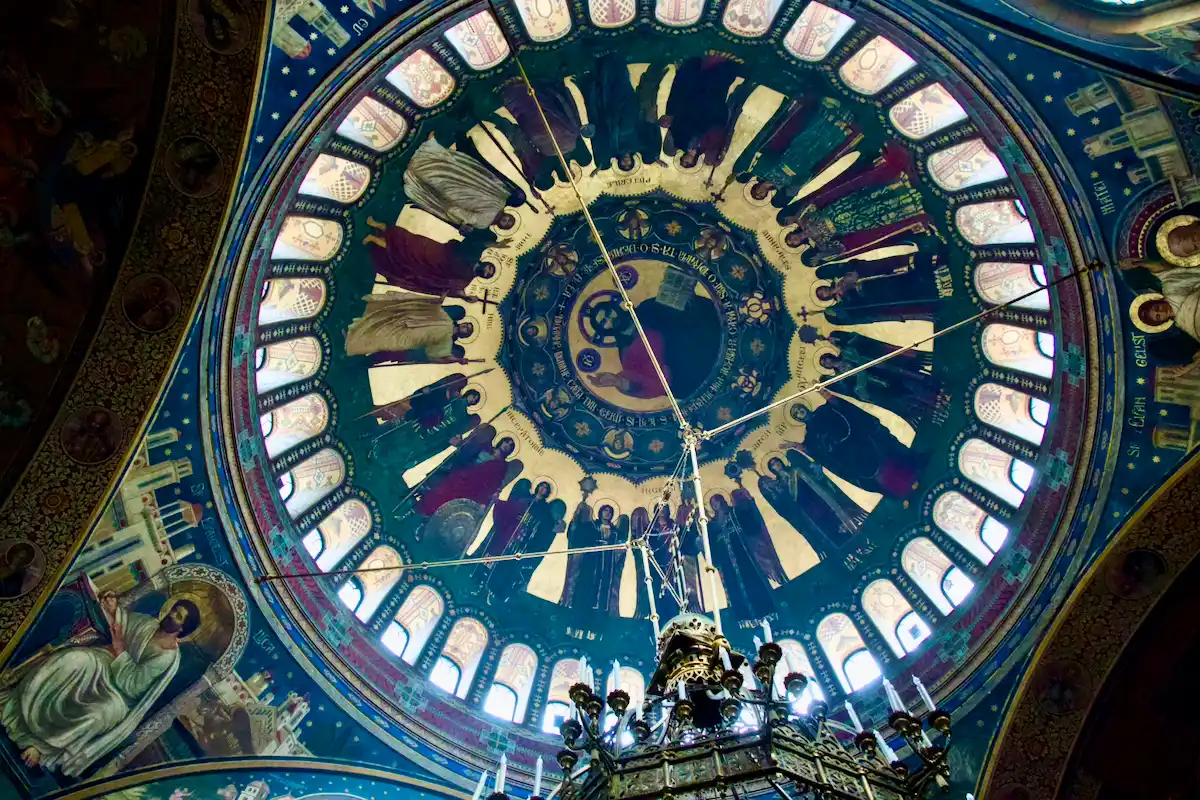
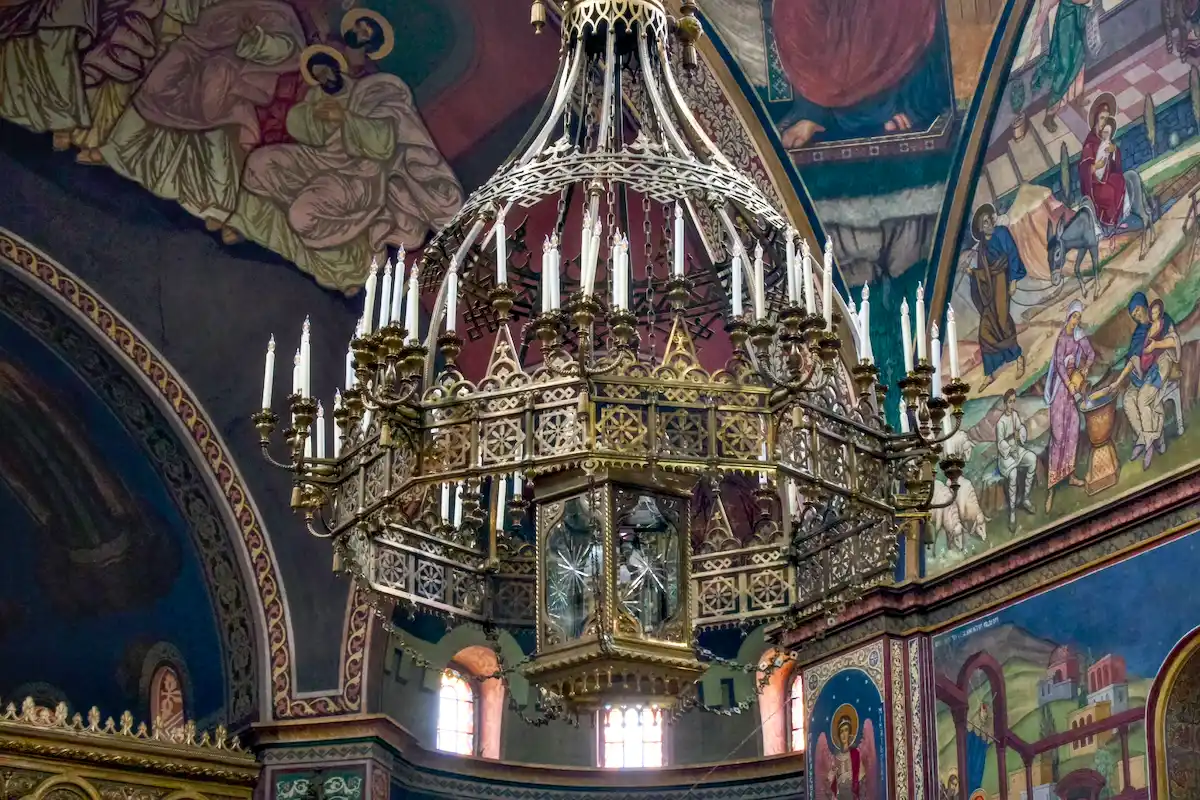
Our second favourite church is the Orthodox Holy Trinity Cathedral. Like all Orthodox churches, it is almost completely unfurnished, but the ceiling and wall paintings that cover every inch are magnificent. The names and texts are written in an archaic Cyrillic alphabet, and we can’t decipher it. But the pictures mostly depict holy figures with auras and sometimes with angel wings.
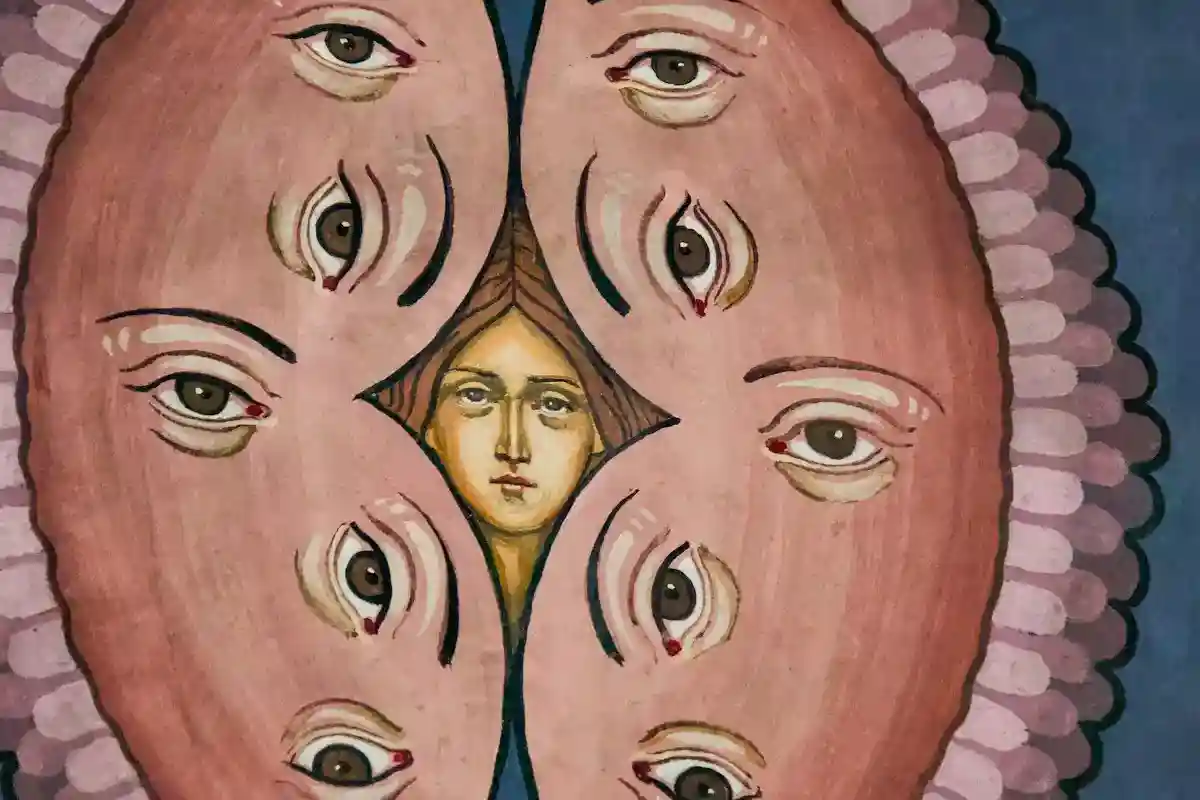
The church is said to be modelled after Istanbul’s Hagia Sophia, and from certain angles, you can see the resemblance. Inside, we are looking for the seraphim of the sanctuary, the highest angels with six wings, and we finally find them. But they look very different here, with lots of eyes instead of wings. Perhaps they are all-seeing?
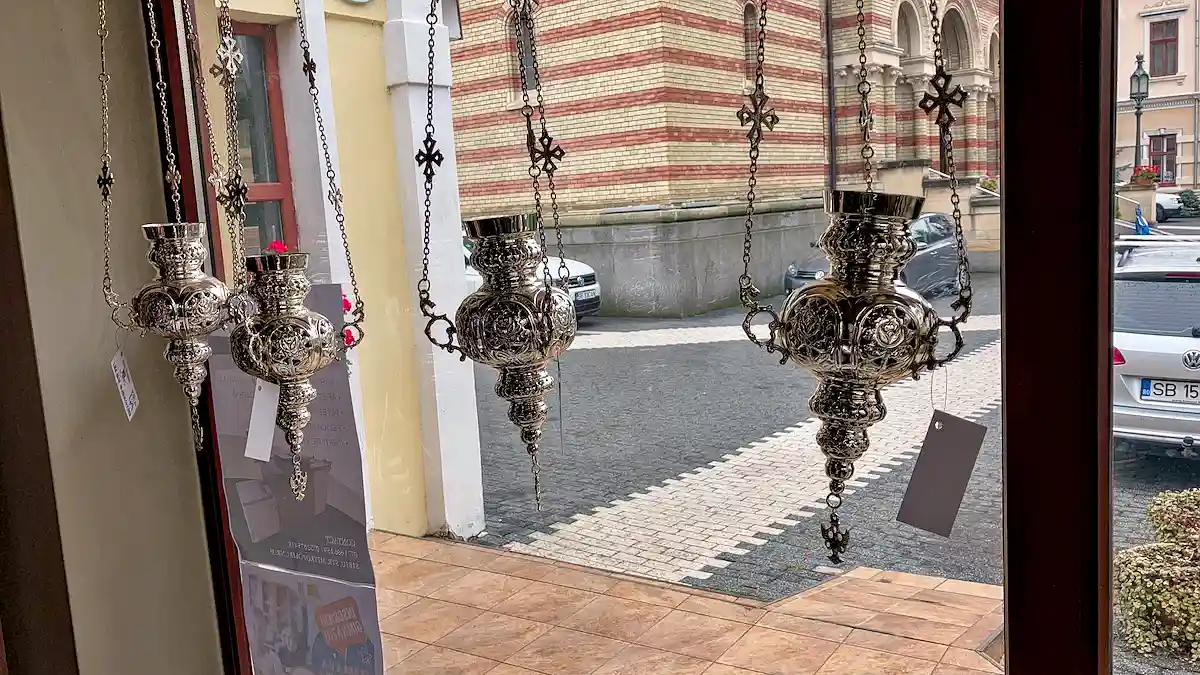
In a small house next to the church, we find a shop selling religious artefacts, probably mainly for priests, because here are vestments and icons for sale, and censers hang in the shop window. That’s hardly something you need at home, but V buys two small packages of myrrh and lavender.
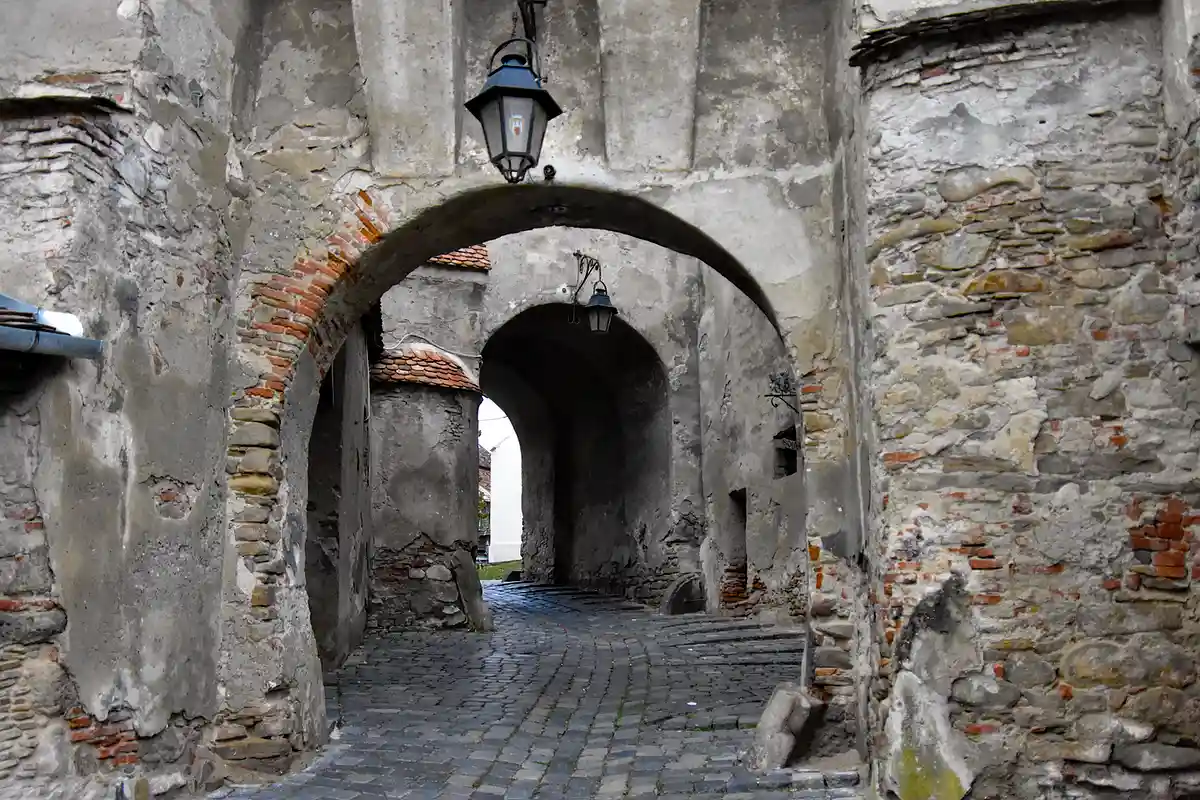
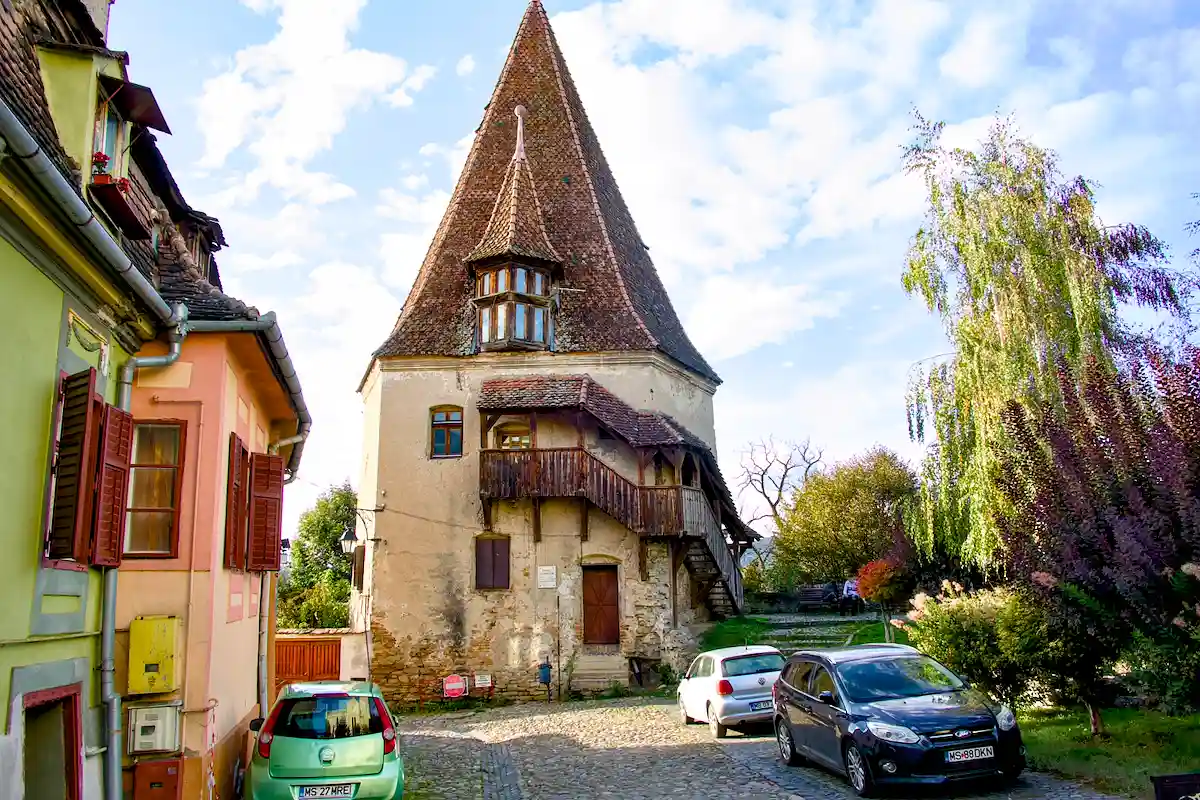
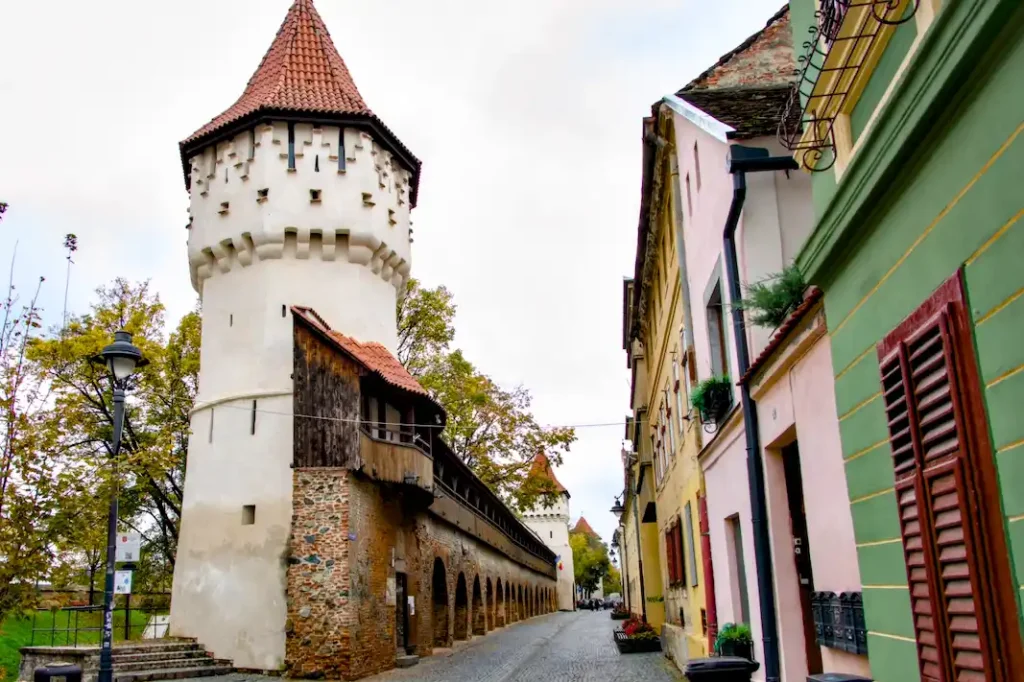
In Sibiu we also find some remains of defensive walls and watchtowers. A funny thing about the towers in all the cities we visit is that they are named after different craftsmen. They can be called “the blacksmiths’ tower” or “the tanners’ tower.”
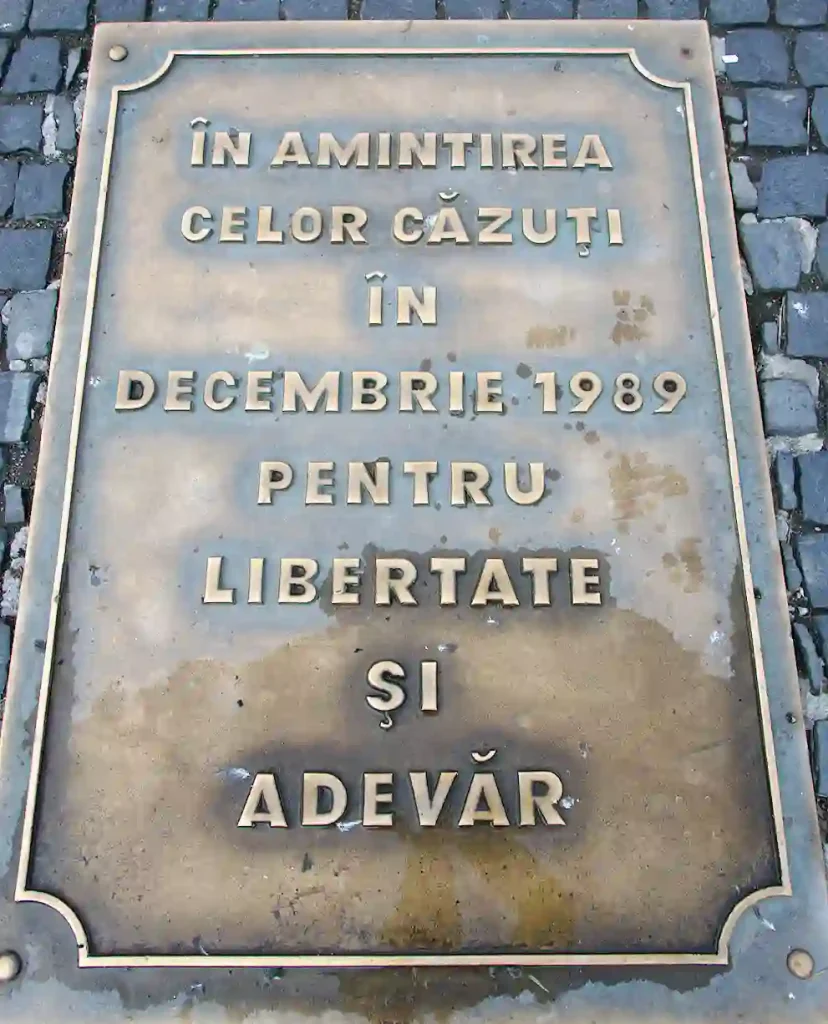
Just before we leave Sibiu, we discover a large memorial plaque in the middle of Piata Mare, the largest square. The text reads, “In memory of those who fell in December 1989 for freedom and truth.” More than a thousand people are estimated to have been killed during the unrest when dictator Ceausescu was overthrown.
In the next and last chapter we hope to be able to drive along the famous Transfagarasan road high up in the Carpatihian mountains.