From V’s diary:
“Romania, autumn 2025. We are travelling through a Central Europe preparing for winter. But there is still life, we are struck by a cascade of vibrant colours. I think no photo I take can do justice to what we see and experience, here and now.”
Say “Romania” and most people would probably have a rather vague idea about what that country can offer a visitor.
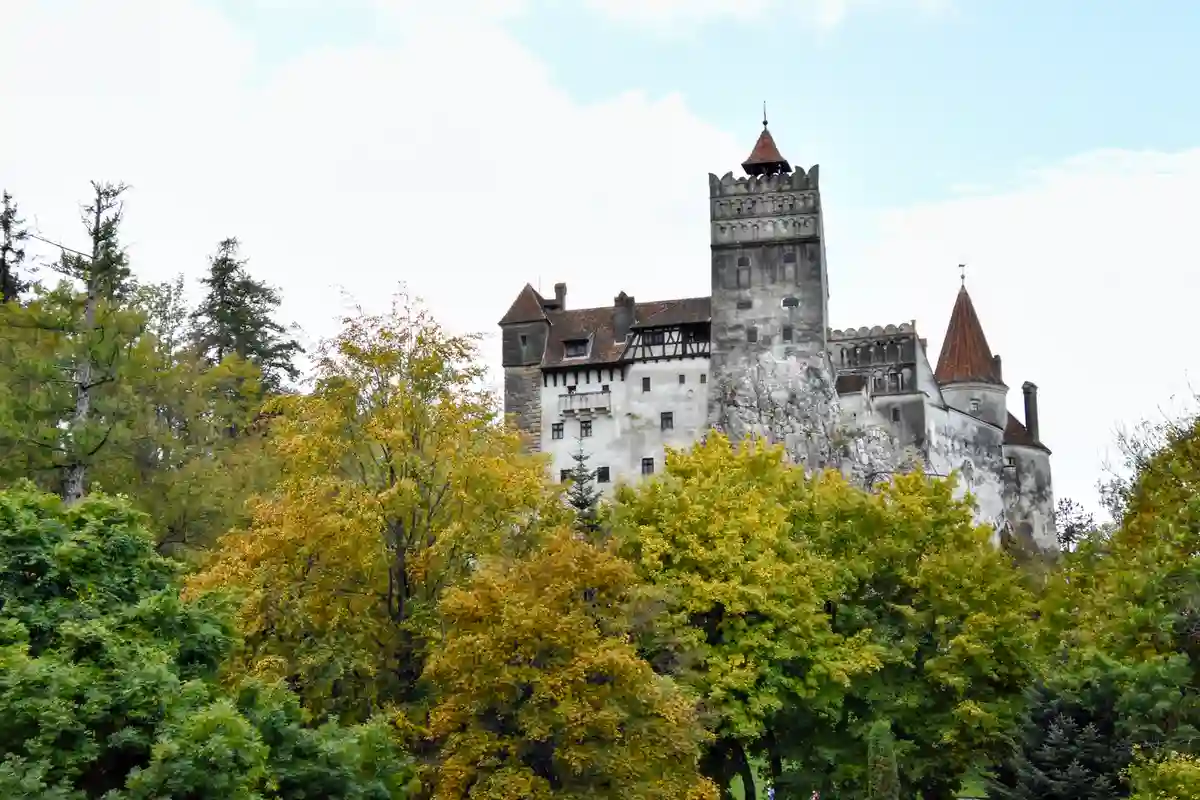
But instead, say “Transylvania,” and most people will probably picture dark forests and gloomy castles looming over huddled peasant villages. The evil Count Dracula’s homeland. And to some extent, that’s true; the tourism industry is doing everything it can to meet the needs of horror-seeking tourists, sometimes with completely unrealistic associations. Take, for example, the number one tourist attraction, Bran Castle outside Brasov, which is marketed as “Dracula’s Castle,” even though the real-life count, Vlad “Dracul” Tepes, never set foot there.
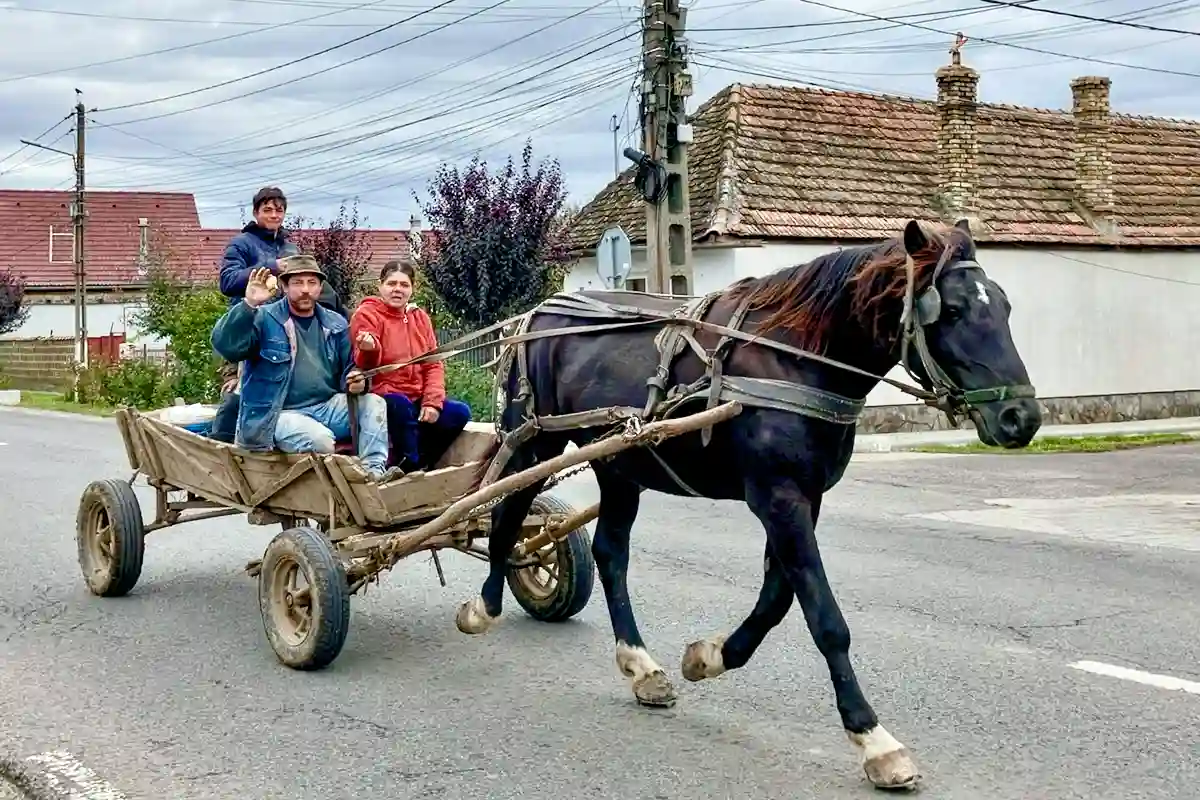
But we were curious about Romania, and especially Transylvania, for the nature, scenery, and history. Here, in the 14th century German knights invited to defend the people against. the turks, built their castles on inaccessible mountaintops. Here, rulers and borders have shifted countless times; the state of Romania itself is a quite recent creation. But at the same time, Transylvania’s small villages can still feel old, poor, and isolated. It’s not at all uncommon to encounter horse-drawn carts on the roads here; some even have license plates (!).
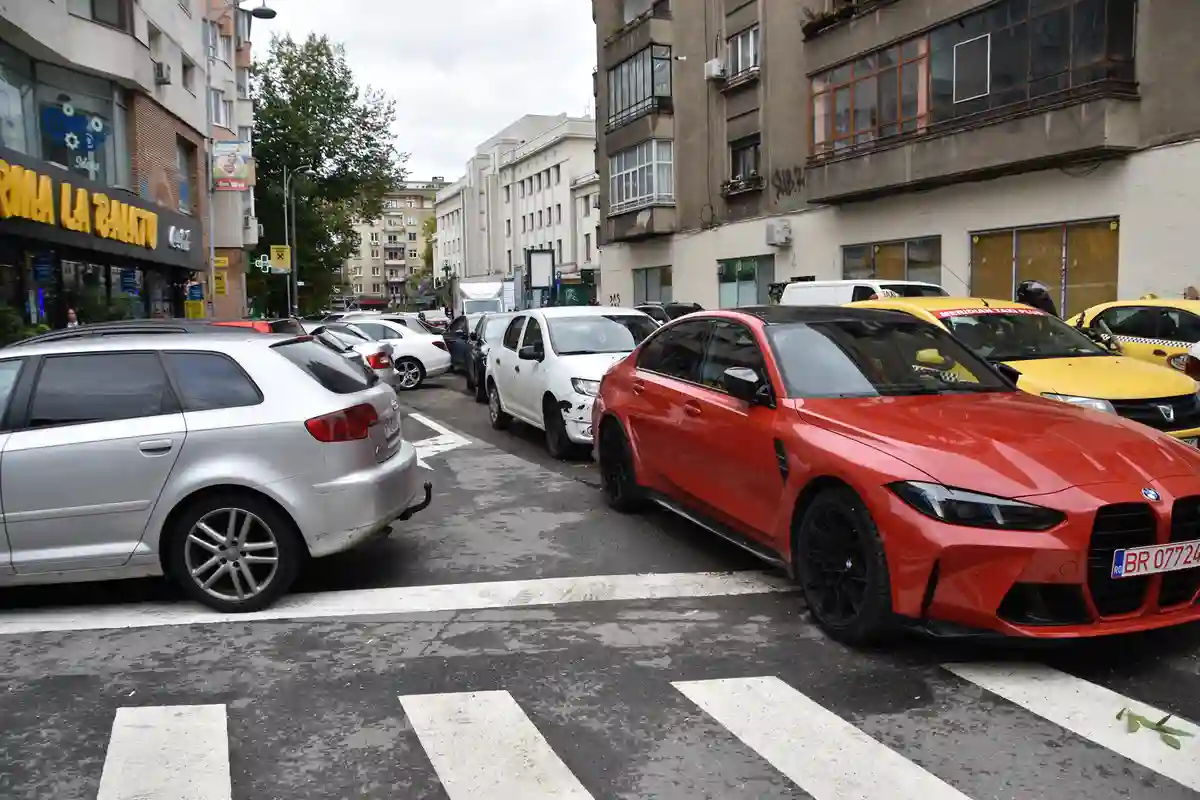
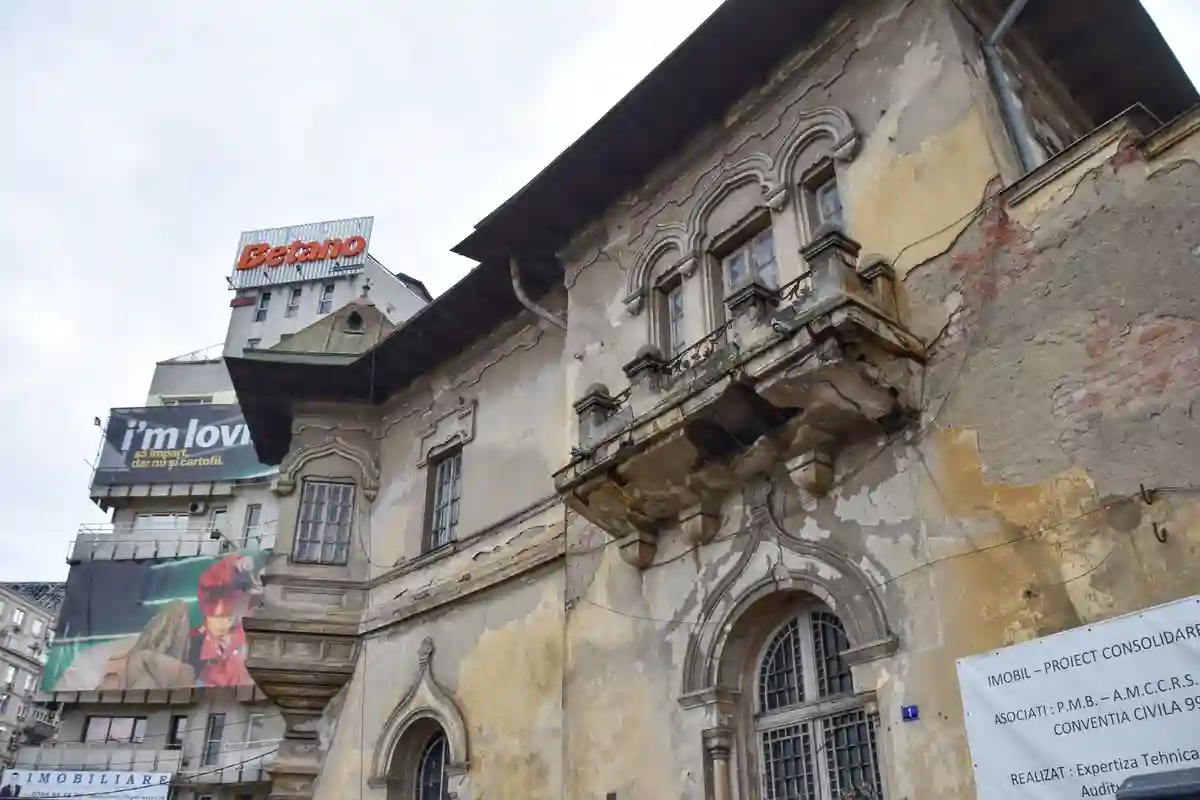
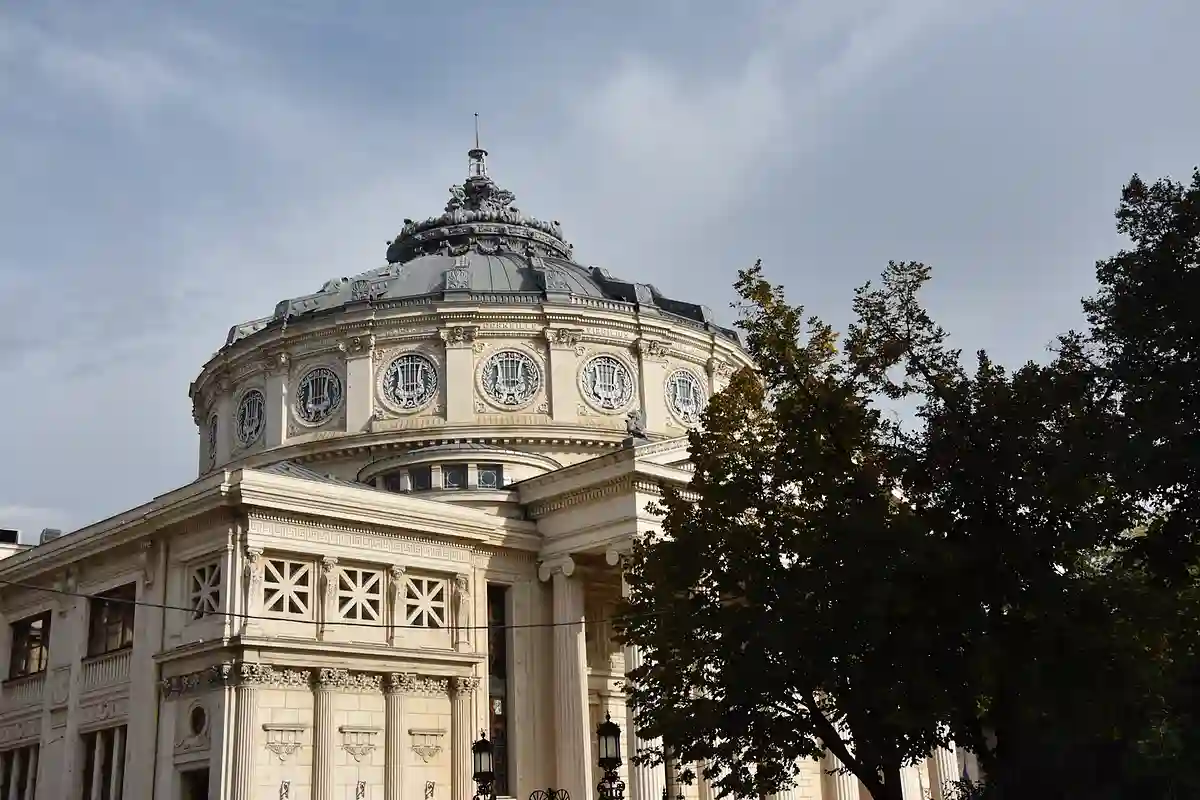
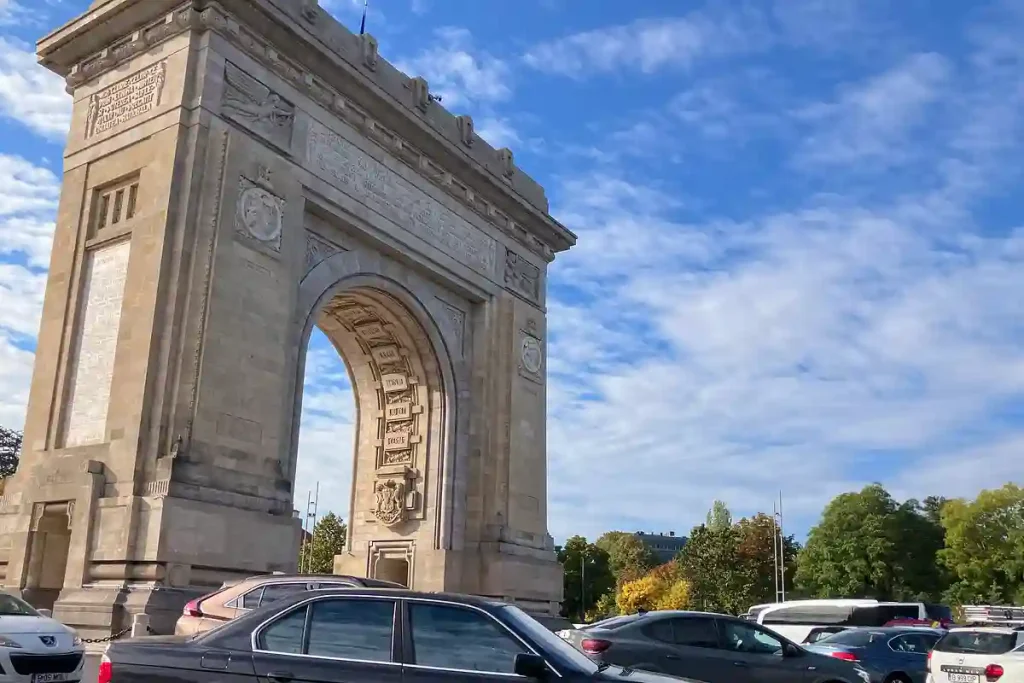
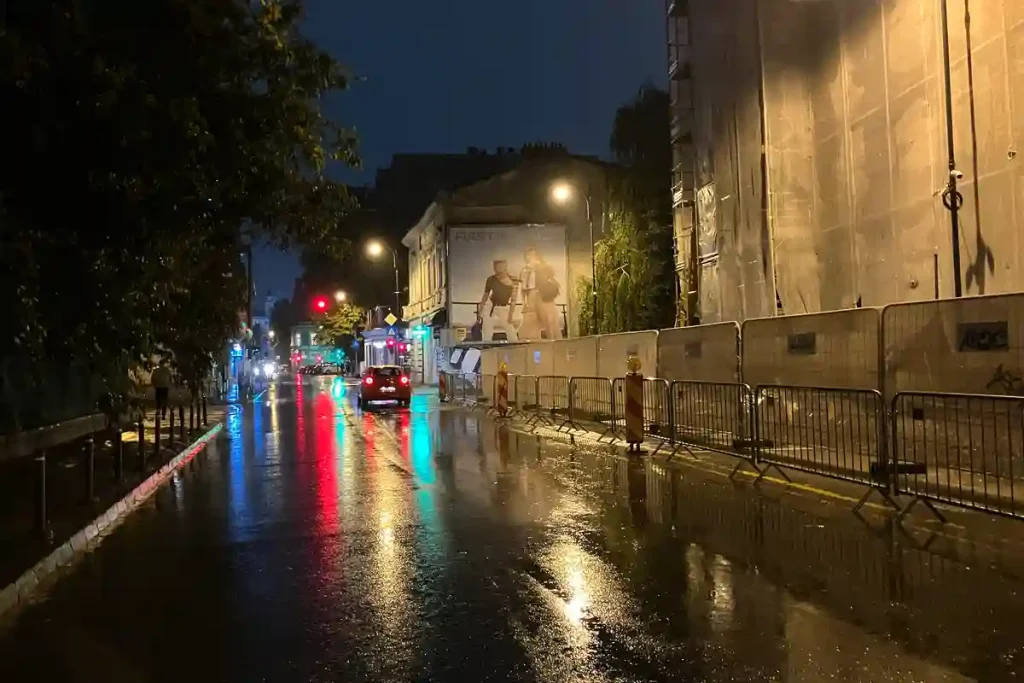
Romania’s capital, Bucharest, on the other hand, is a modern, car-congested metropolis, even though, in places, it’s quite run-down. The once elegant old palaces in the centre make us think of Vienna, albeit on a smaller scale. Many of them have been lovingly restored, others seem to be in some stage of repair, but several are so dilapidated that they seem beyond saving.
Sometimes, old and new have been structurally combined. Pronbably some people would be disgusted if they saw that. But we like the concept, and it definitely makes the cityscape more lively and dynamic.
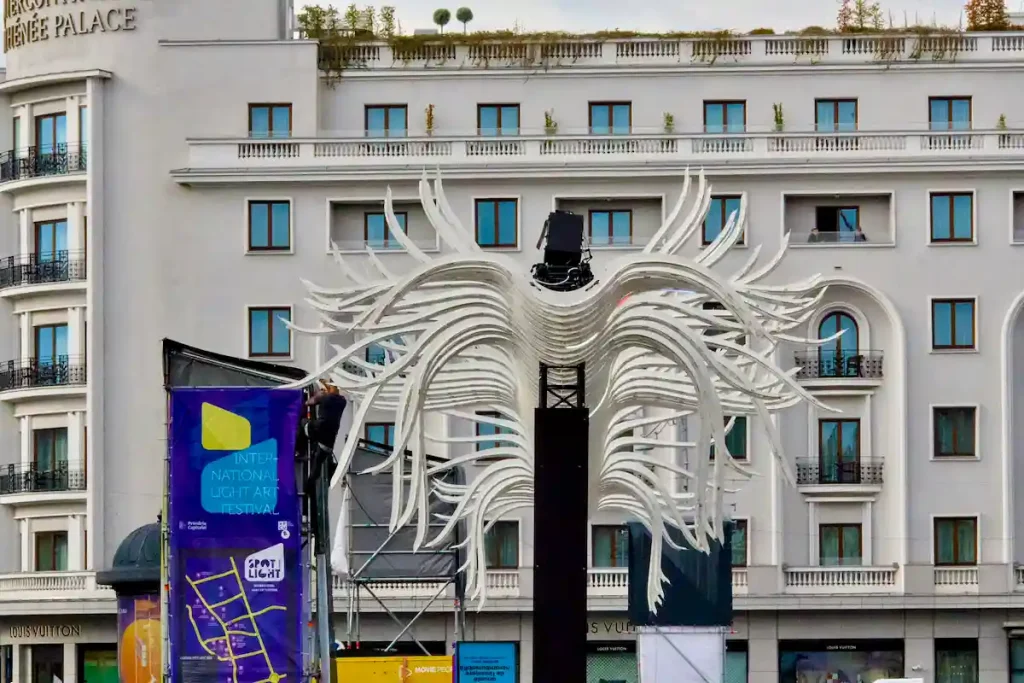
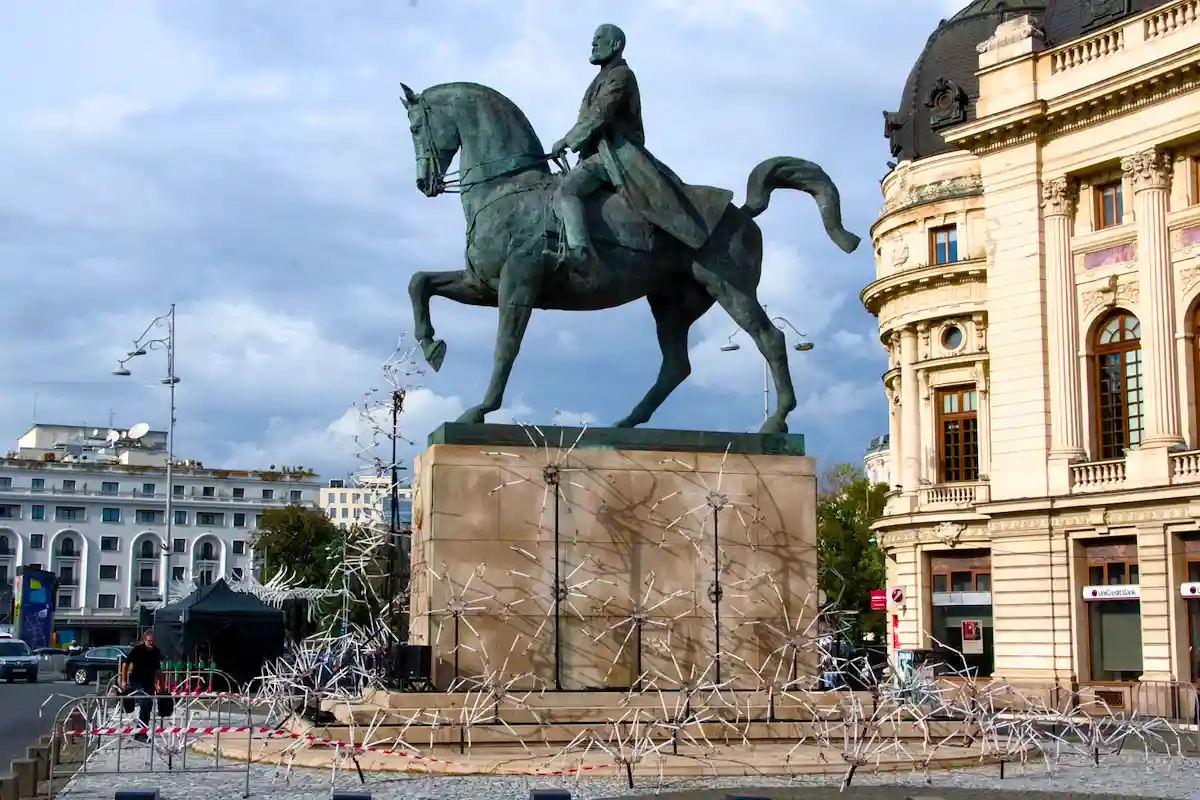
When we are in Bucharest, preparations are underway for a “light art festival,” and strange creatures are being built. In one square, something resembling a whale skeleton is floating. An equestrian statue of King Carol I next to it has been invaded by giant spiders.
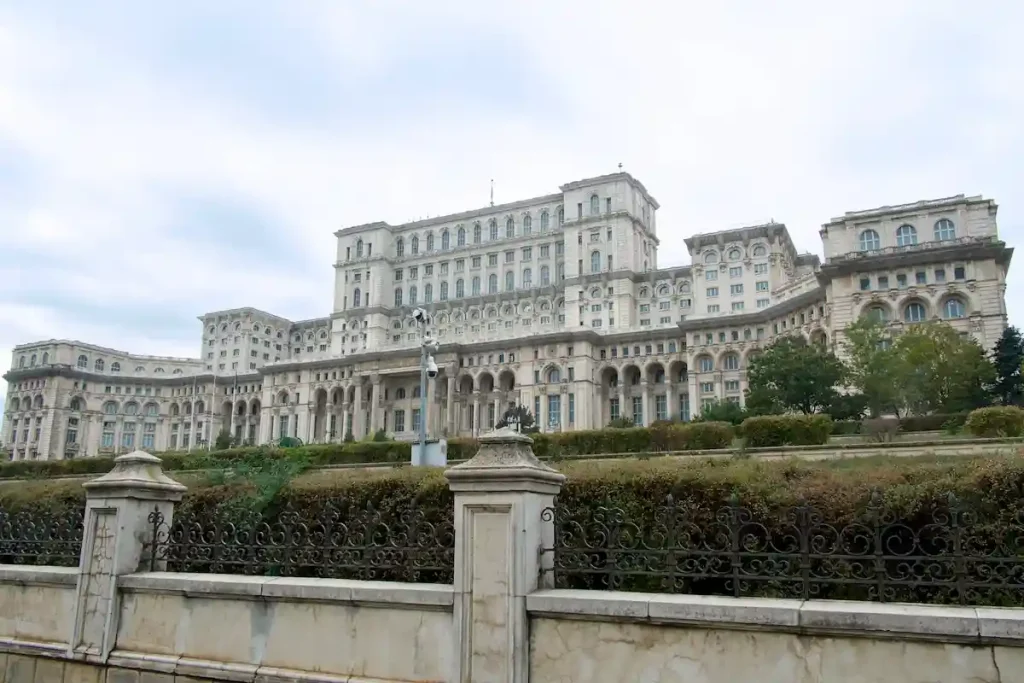
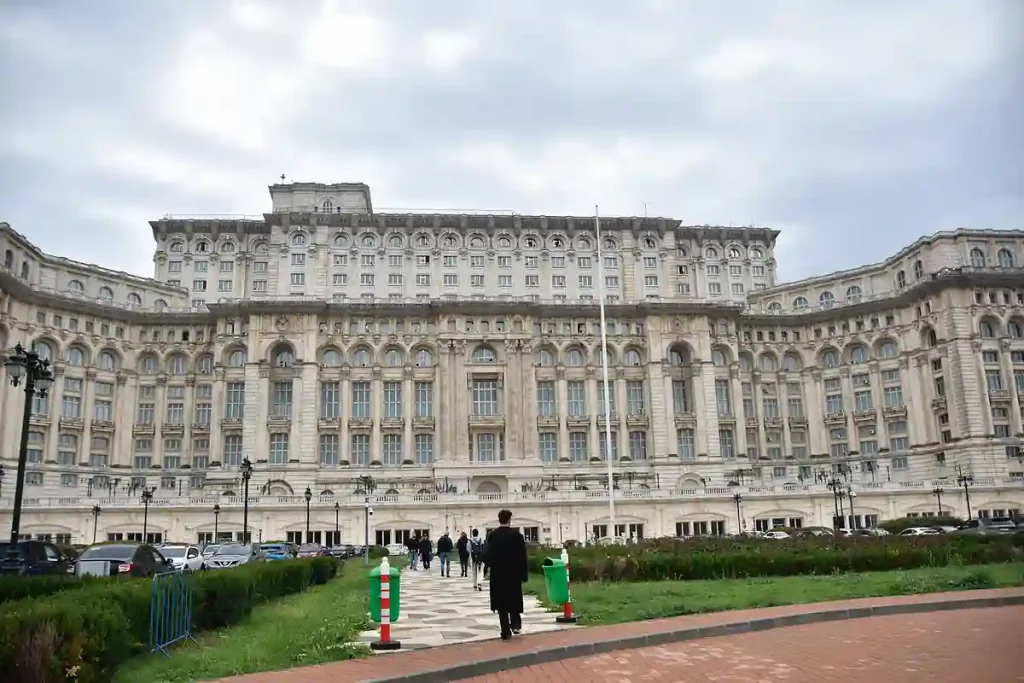
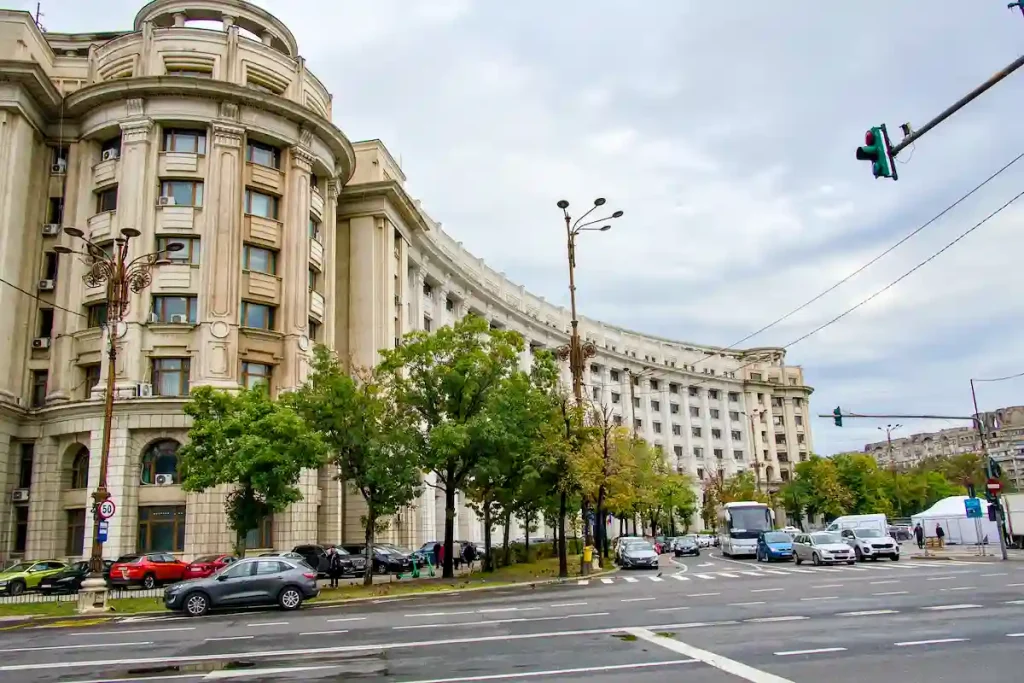
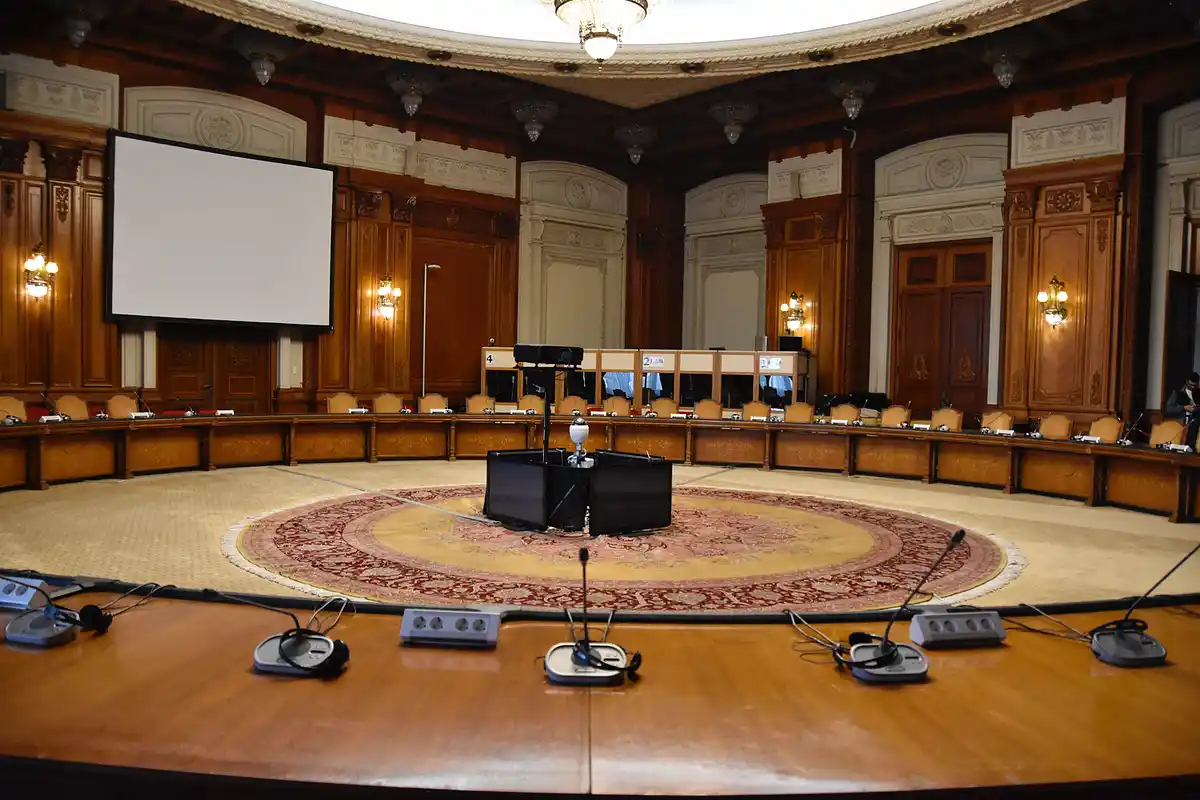
The most absurd building in Bucharest is probably the Palace of the Parliament, the dictator Nicolae Ceausescu’s megalomaniacal monster project with 1,100 rooms. It’s unlike anything else in the capital. in front of the palace there are other giant complexes in a kind of mutated classical style. The plan was to create an administrative city, and large parts of Bucharest were demolished to make way for it. This idea is said to have come to Ceausescu after a visit to his ideological comrade in North Korea. Even the architecture is the same as there.
But building the palace took a long time, and Ceausescu himself never got to see it completed. When what the Romanians call the “revolution” broke out and he and his wife Elena were executed on the spot after the fastest trial in history, the building was only half-finished. After the fall of the dictatorship, many romanians wanted to tear down the offensive showpiece, but in the end the decision was made to complete it. Today it is the seat of the country’s new democratic parliament.
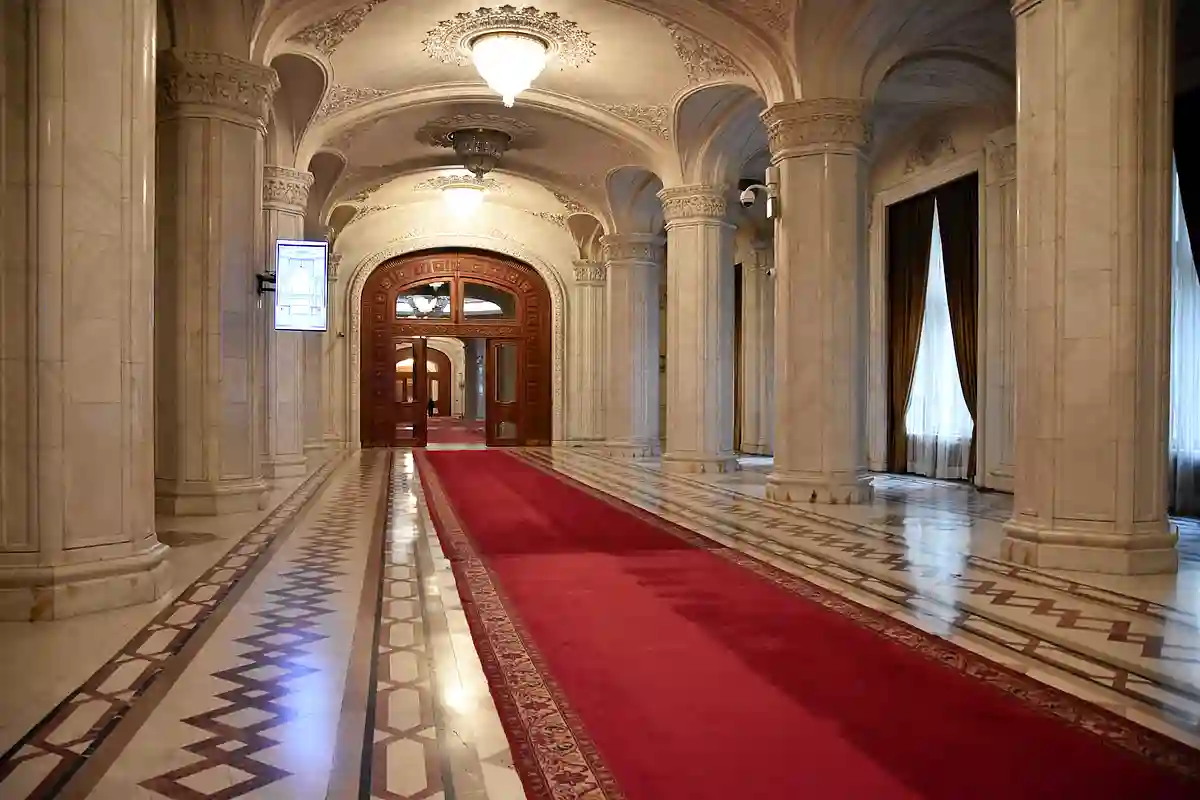
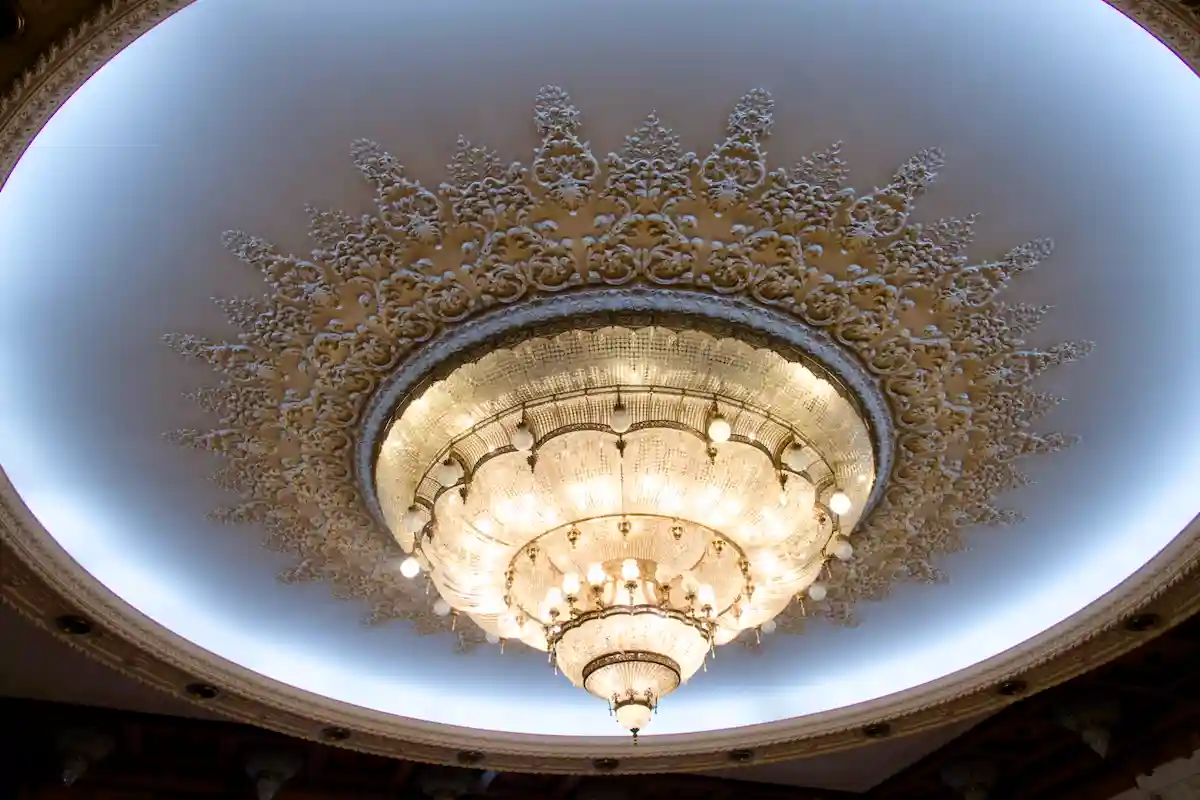
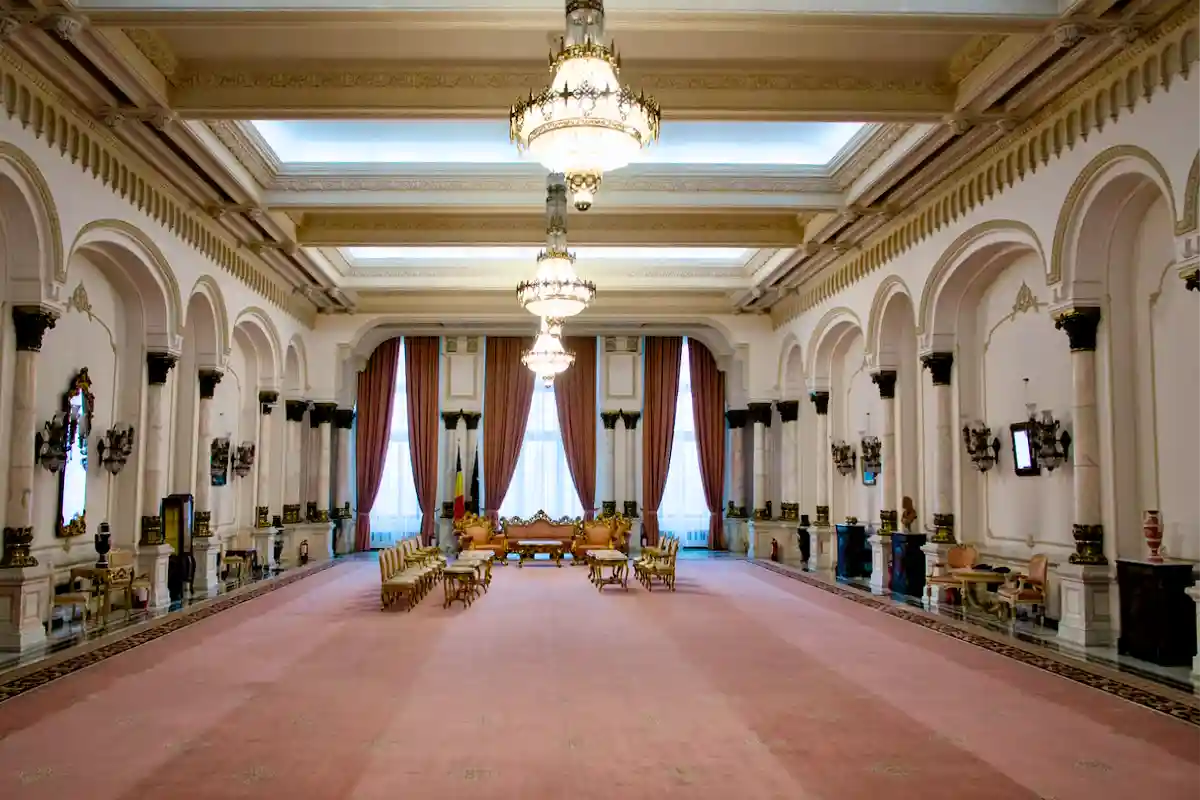
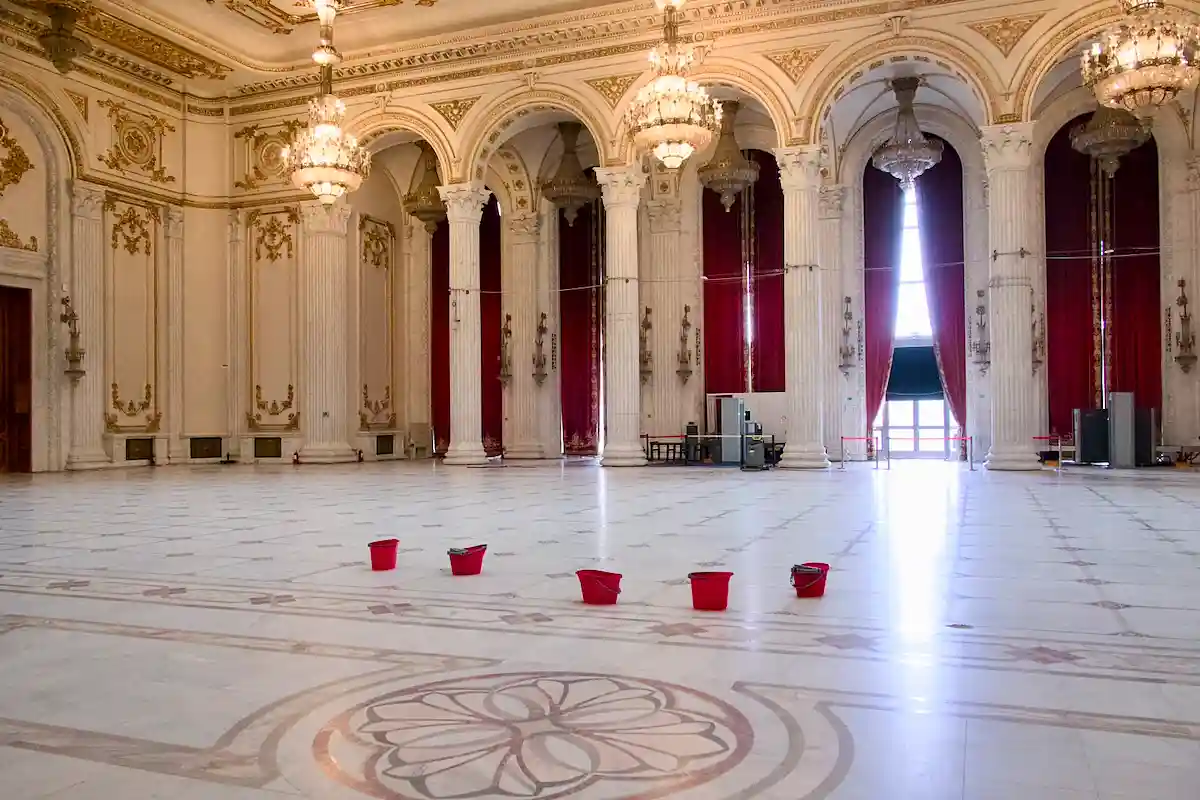
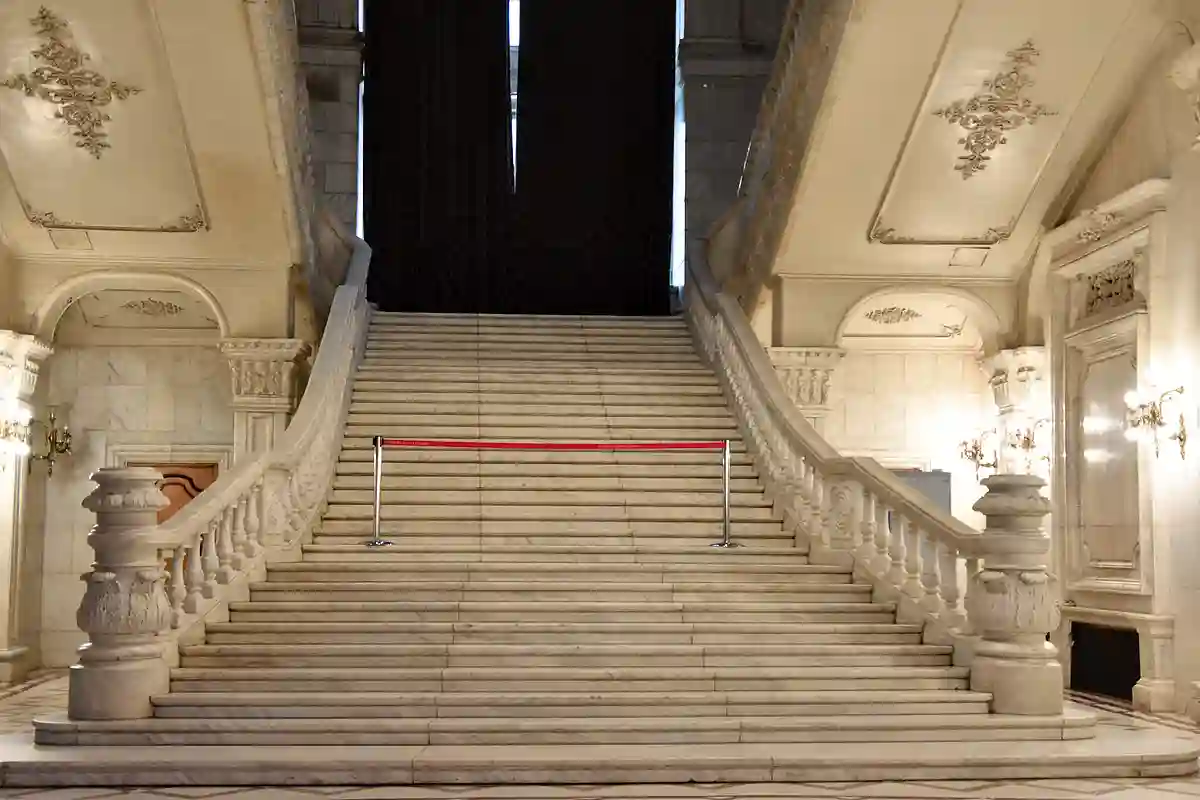
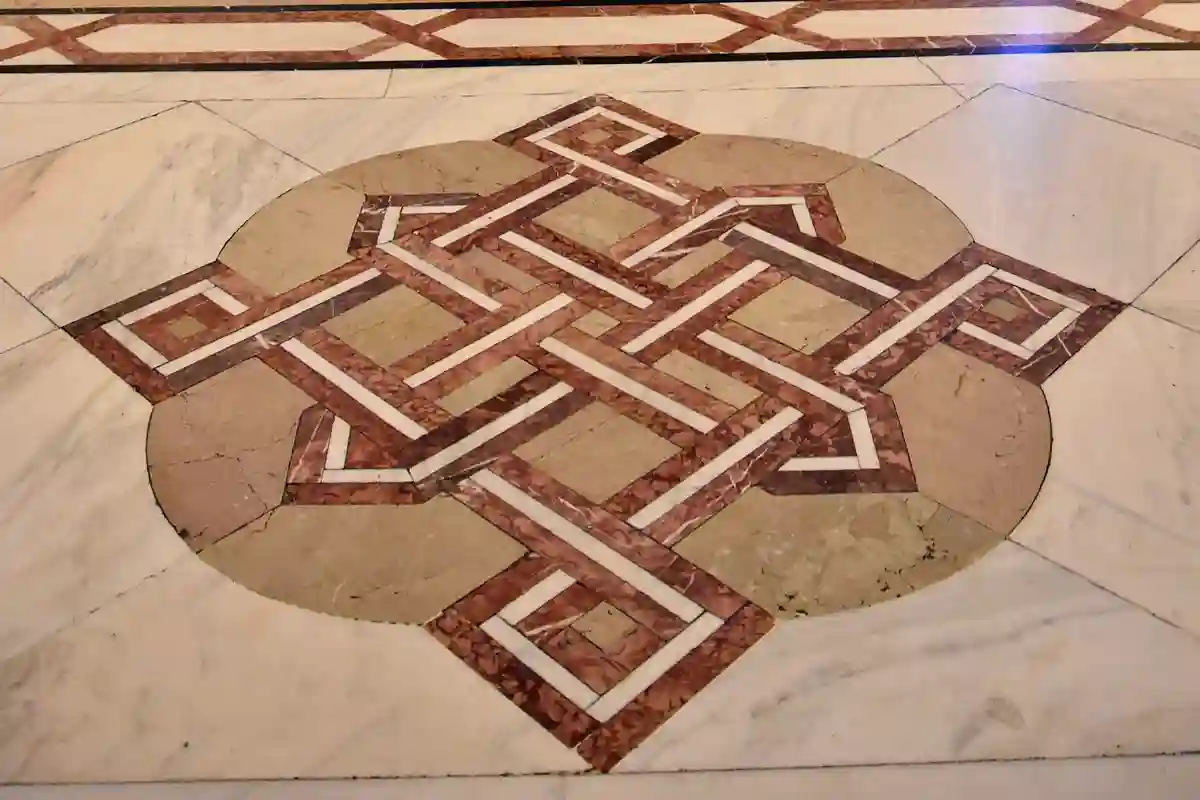
But large spaces in the palace are empty, and as a visitor, you can go in and out of many overwhelmingly large, elegant, and sterile rooms and yet you would only have seen a tiny part of it. Architecturally, it’s a neoclassical style with thick columns and marble floors, giant carpets, and heavy drapes. Everything is meant to signal power, great power, and absolutely nothing feels cosy.
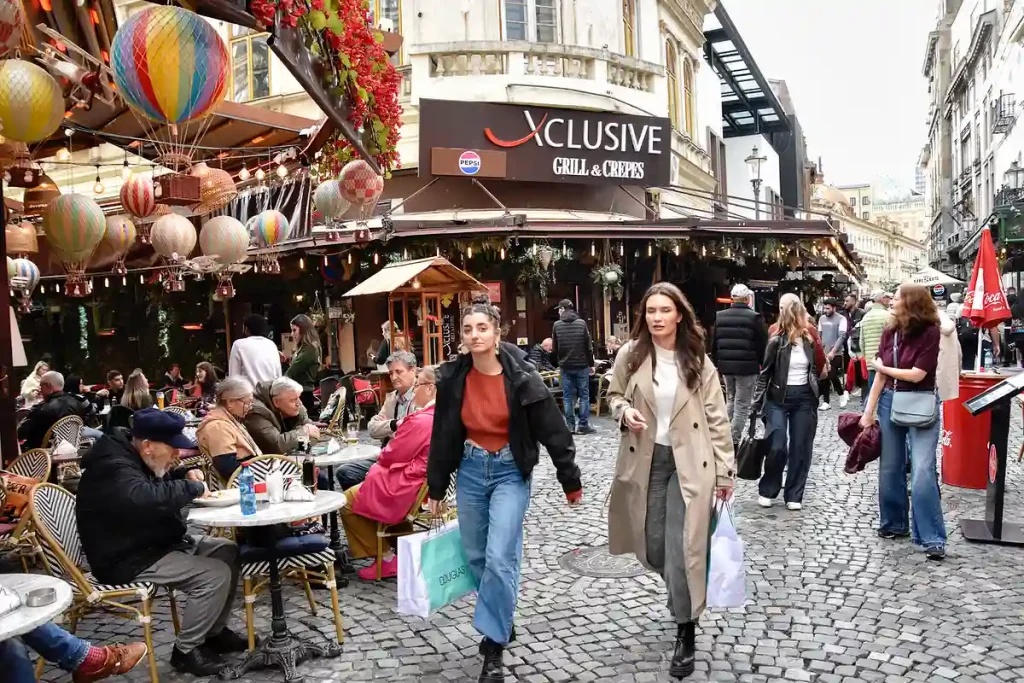
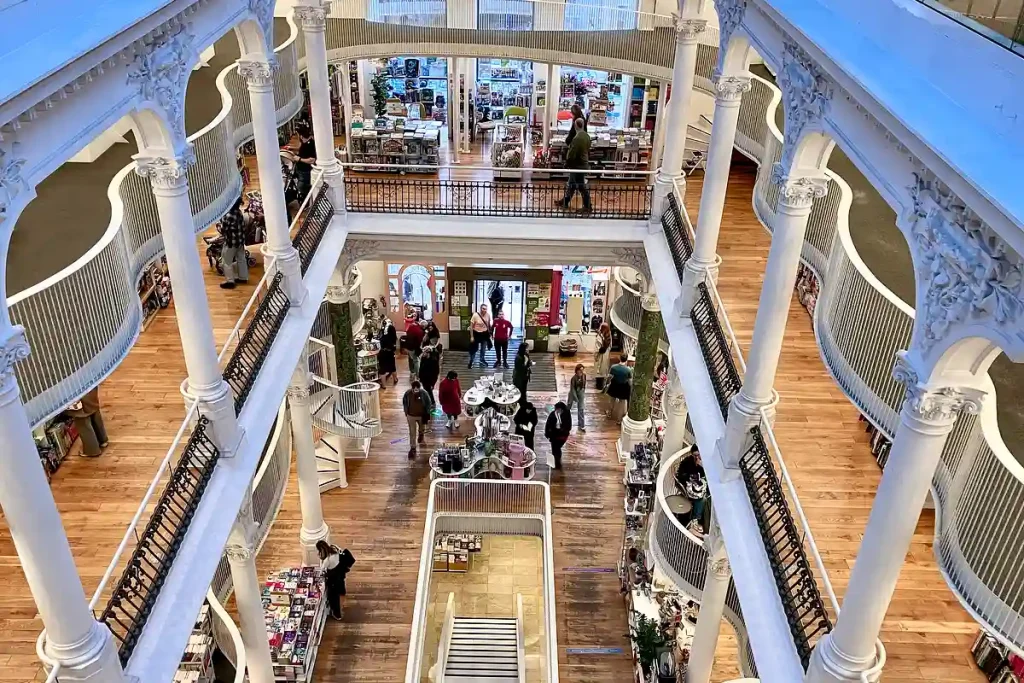
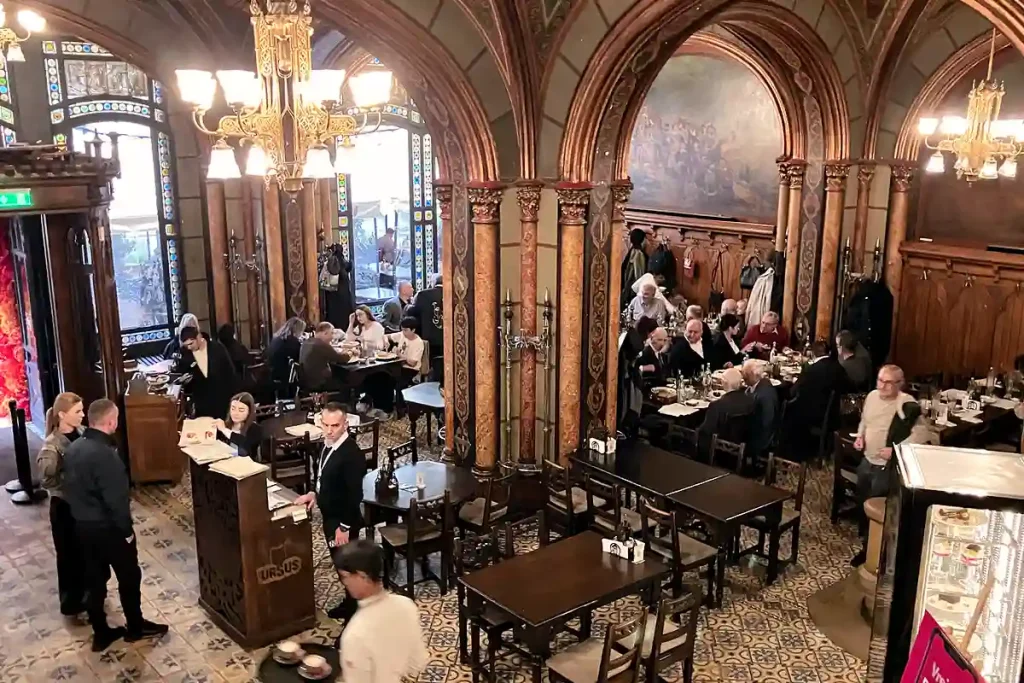
Bucharest has a small remnant of its old city centre, but mostly it appears to be a pub district where outdoor seating areas are crowded together and most of the people you meet are tourists. We still found some gems in the Romanian capital.
Next: We leave the capital to enter the mythical and wild Transylvania. And encounters bears, foxes, and wolves. And castles.