Hoi An is one of Vietnam’s oldest cities and is included in UNESCO’s World Heritage List because it is so well-preserved. Once, it was one of the most important trading cities in the so-called “Champas Kingdom.” It was founded by a people who are believed to have come from present-day Indonesia during the centuries around the birth of Christ. Champa were skilled traders and established trading posts in several places along the Southeast Asian coast. They became so powerful that they created their own kingdom in southern and central Vietnam, which lasted until 1832, when it was conquered by Vietnam.
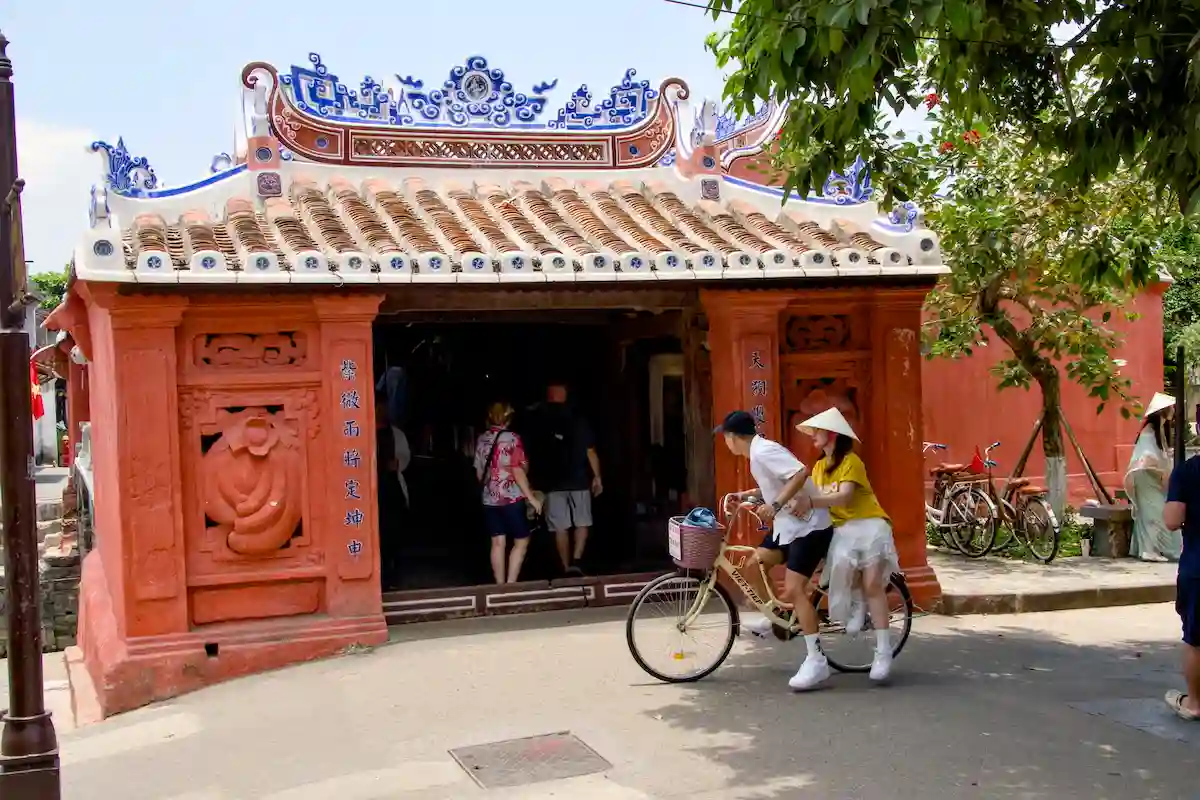
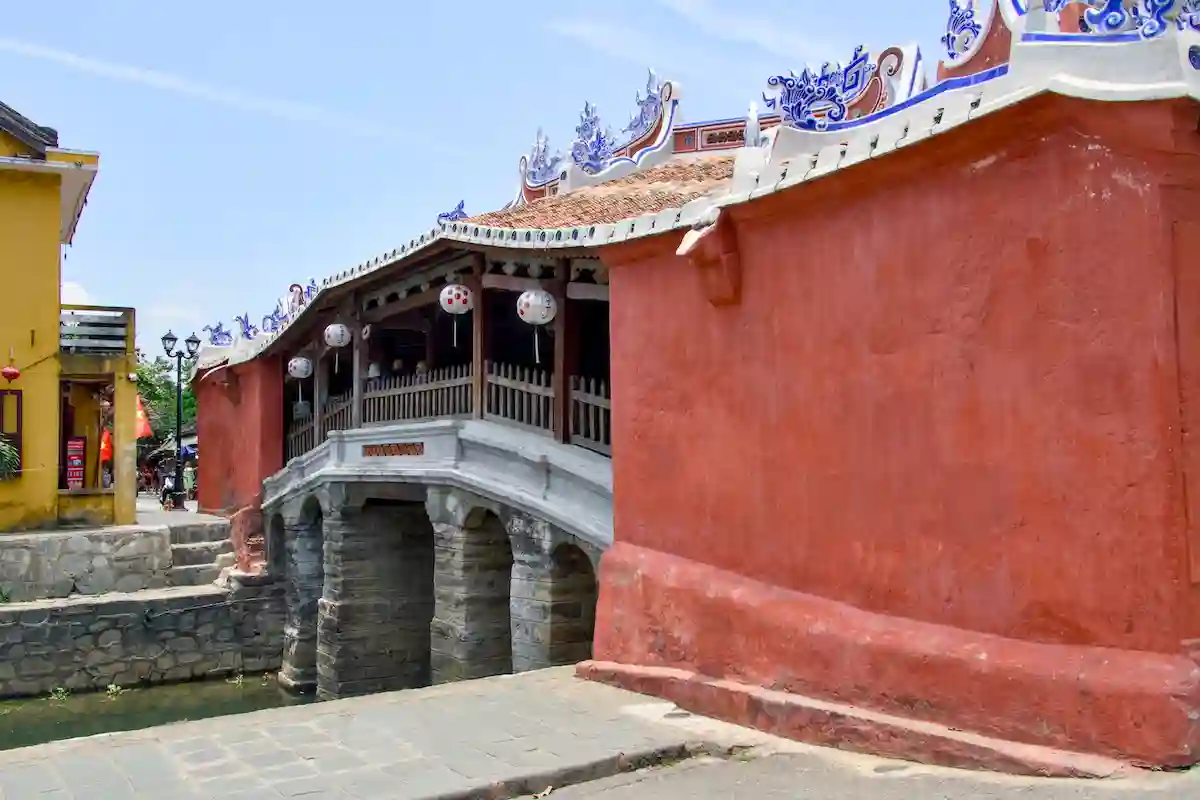
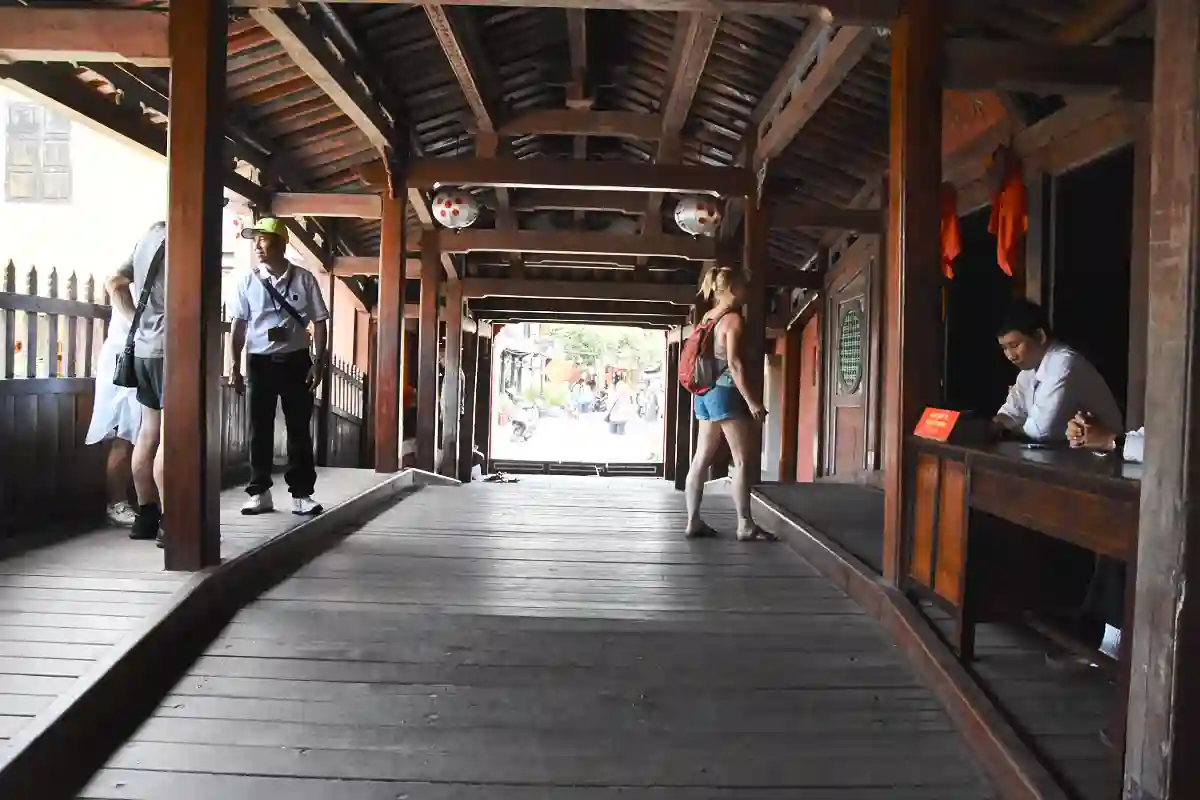
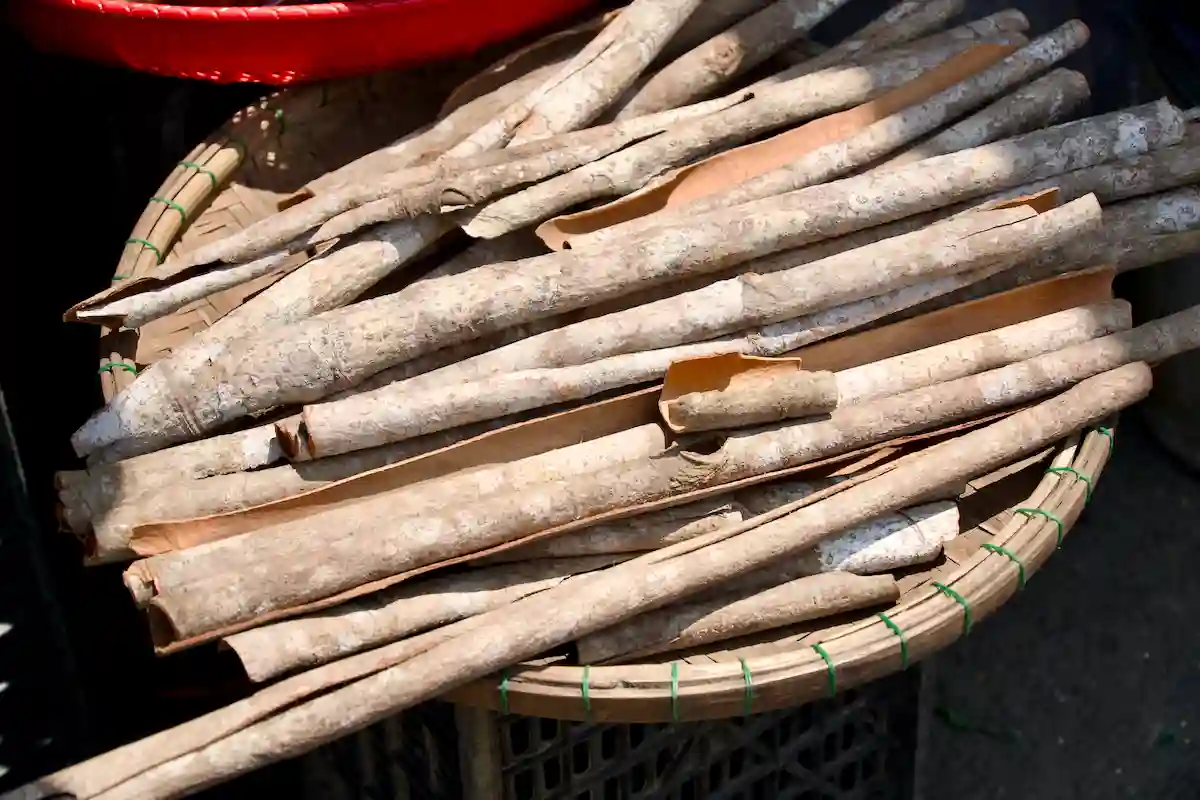
Hoi An was one of the most important cities in the Cham kingdom, with a strategic location for trade, especially with spices. Here, merchants from other countries, such as China, Japan, and India, eventually settled and built their own quarters. Even today, the so-called “Japanese Bridge” is a sight to see; it led over a canal to the Japanese colony.
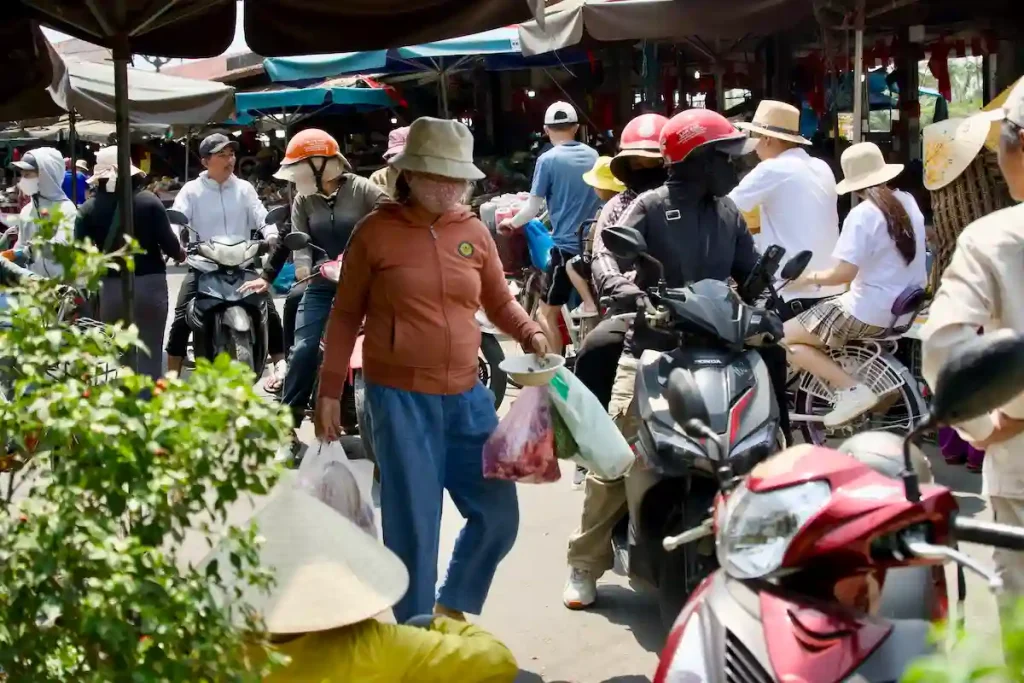
Hoi An’s centre is still today a district with low houses and narrow streets, which gives it a cosy atmosphere that you won’t find in many other places in Vietnam. Several blocks are or are said to be closed to motor traffic, but that doesn’t stop the motorcyclists who are very reluctant to get off their vehicles to walk. It sometimes becomes comically chaotic, especially in the narrow market streets.
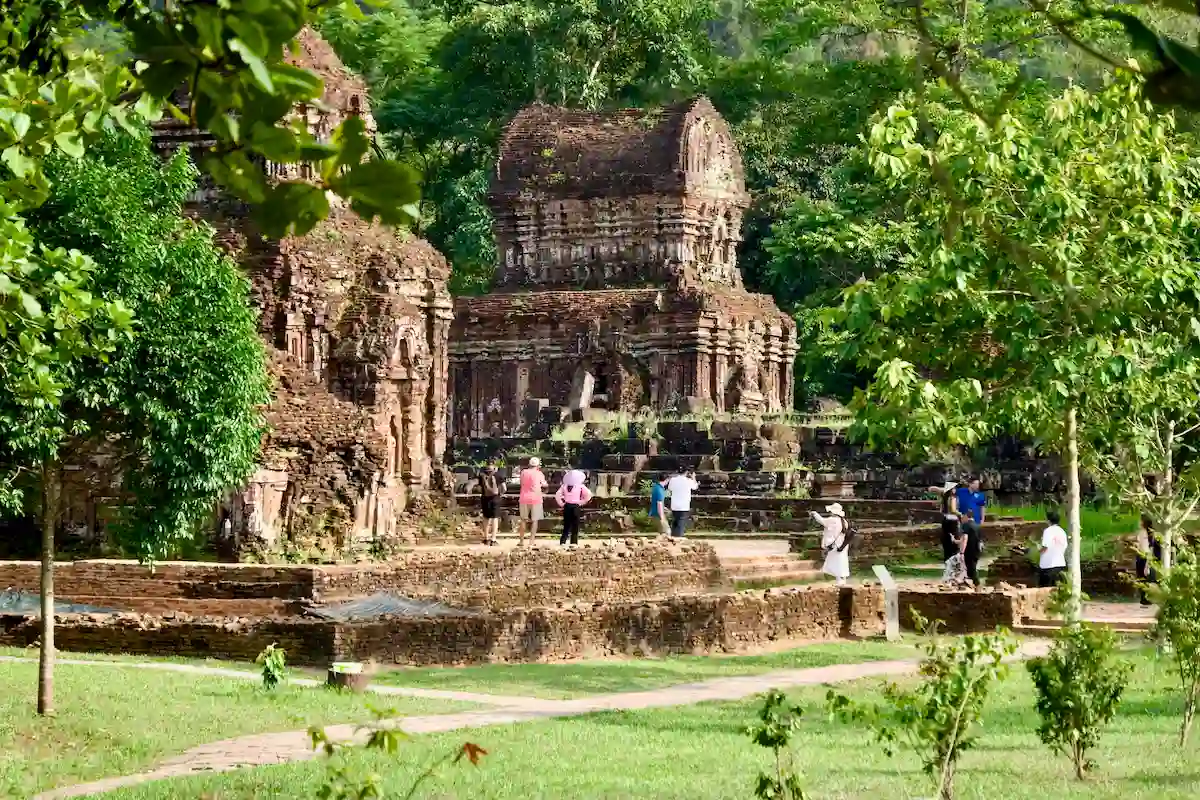
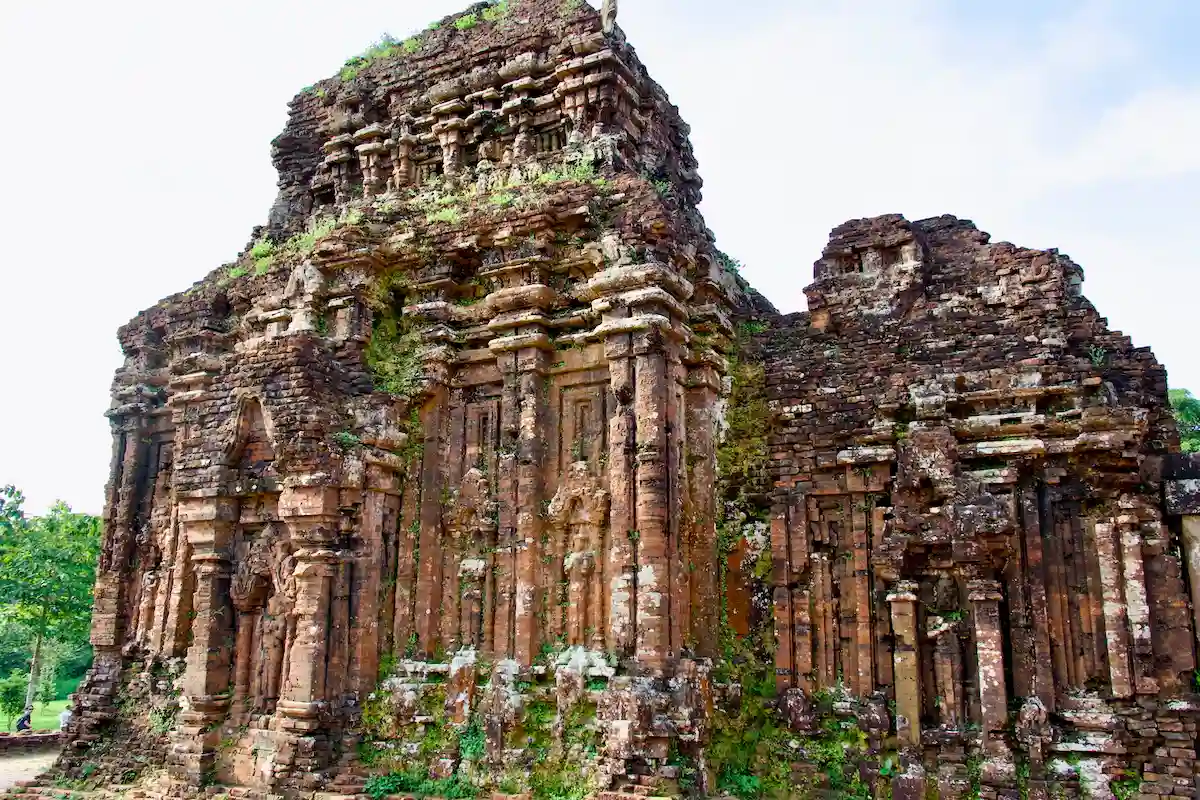
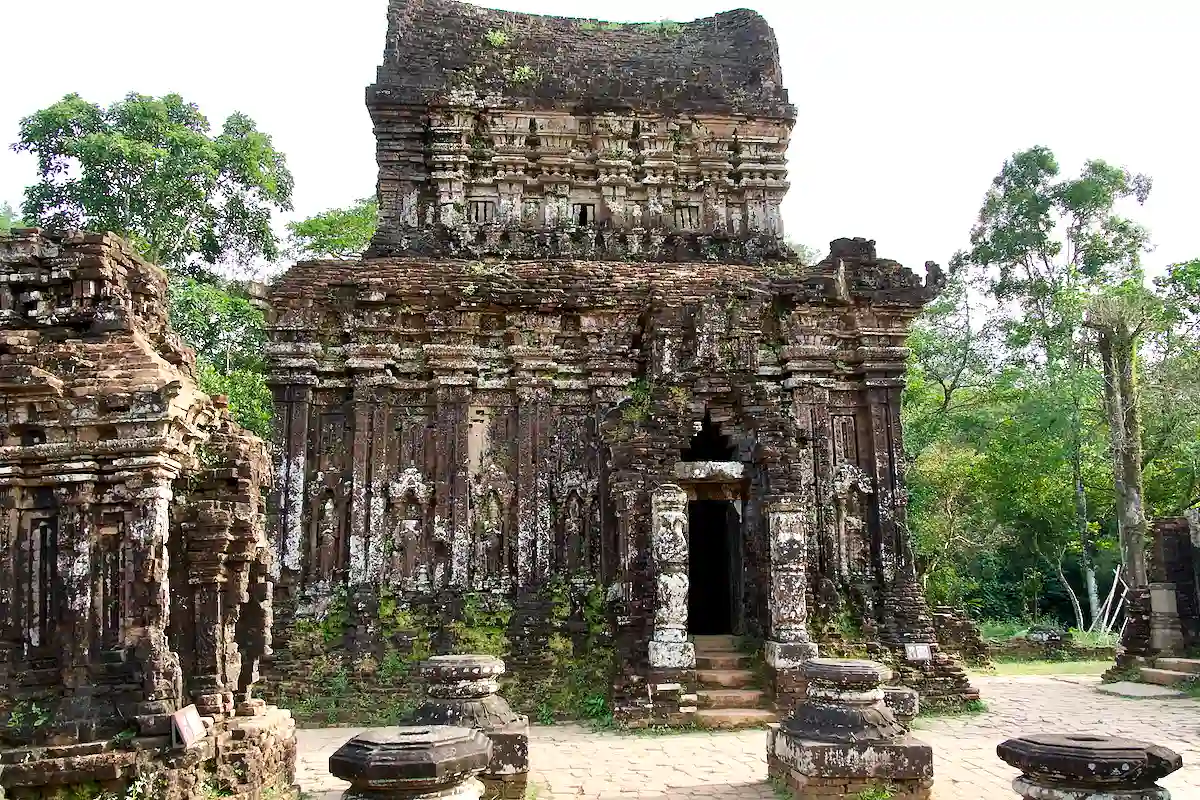
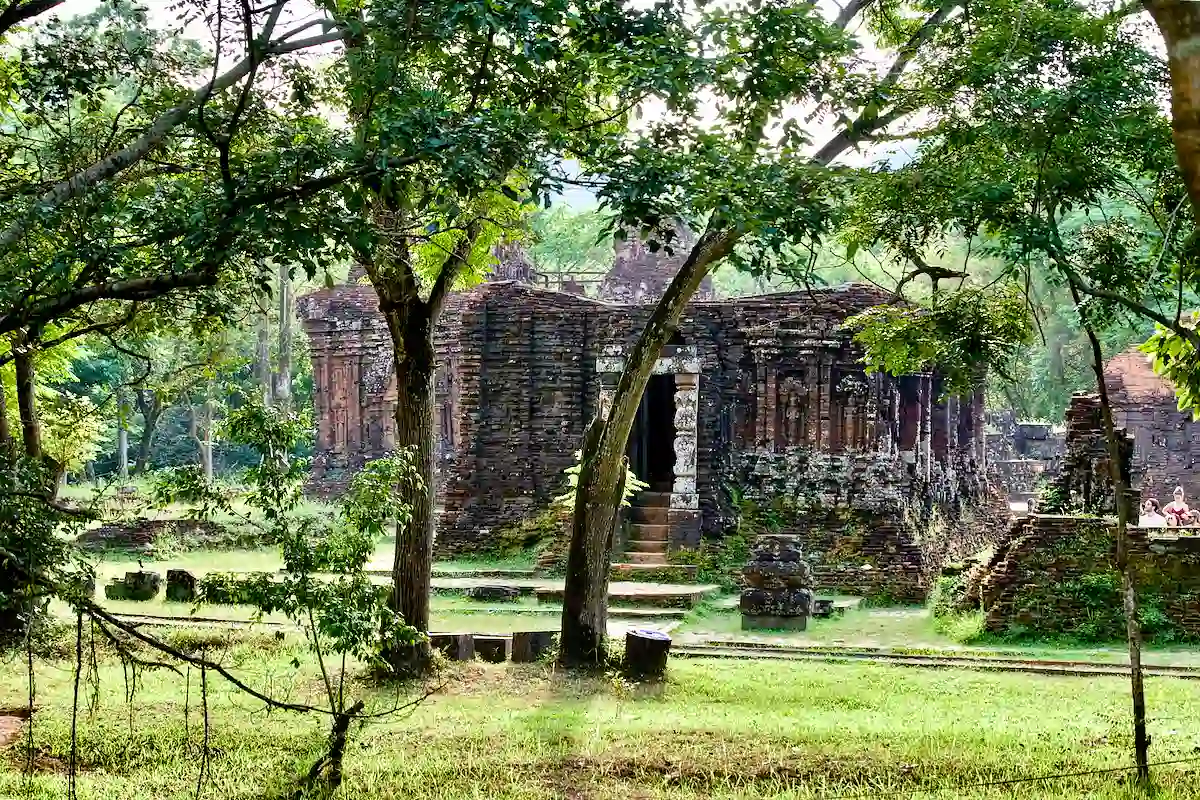
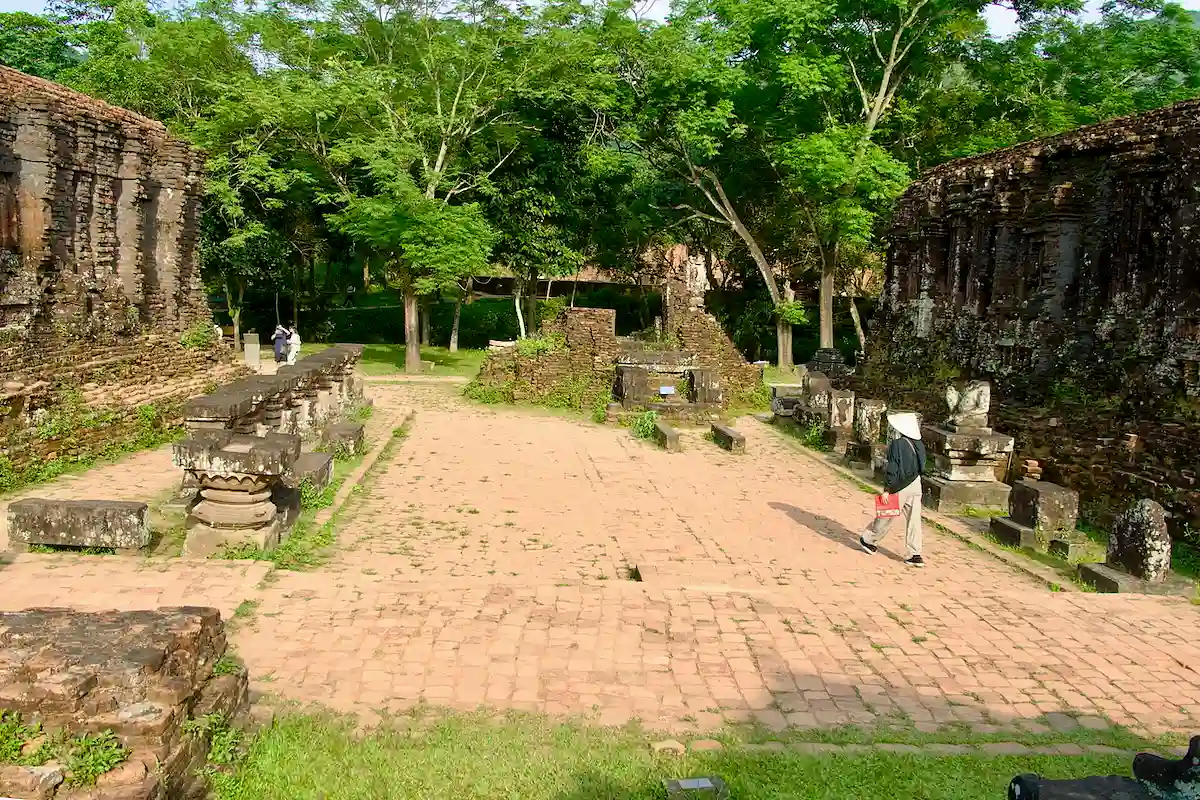
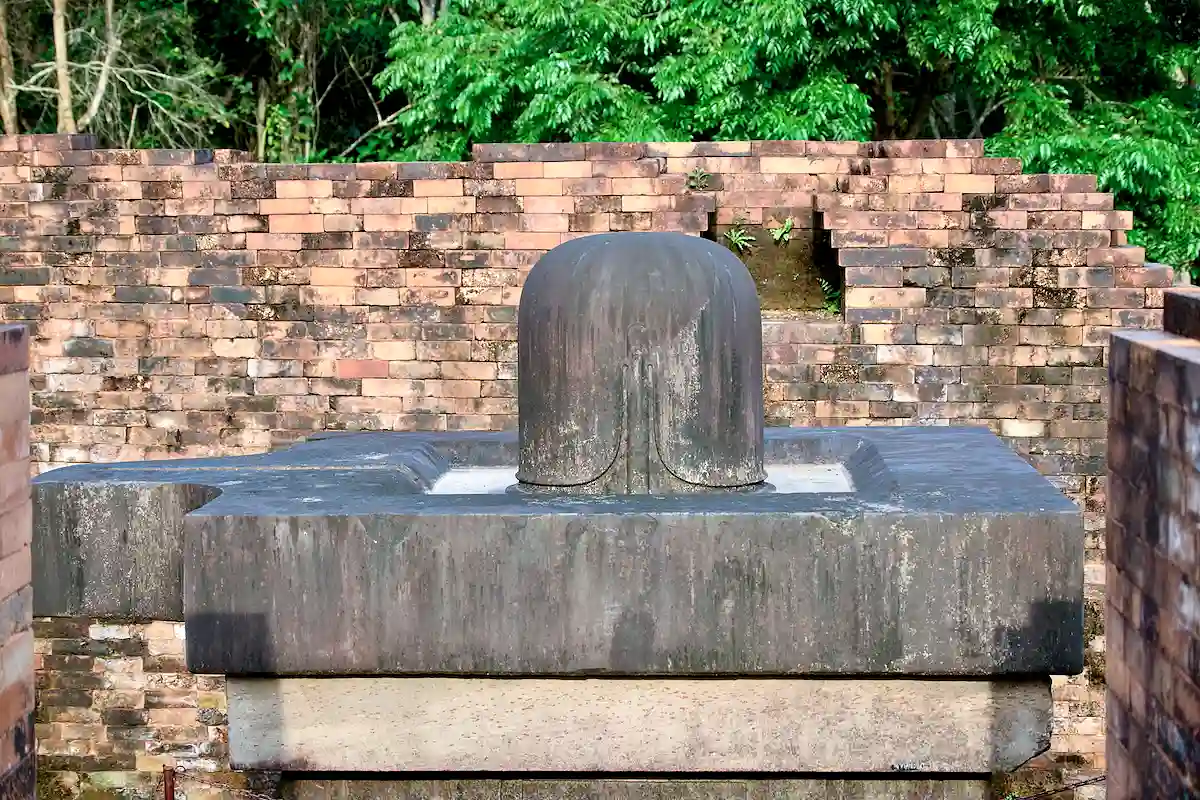
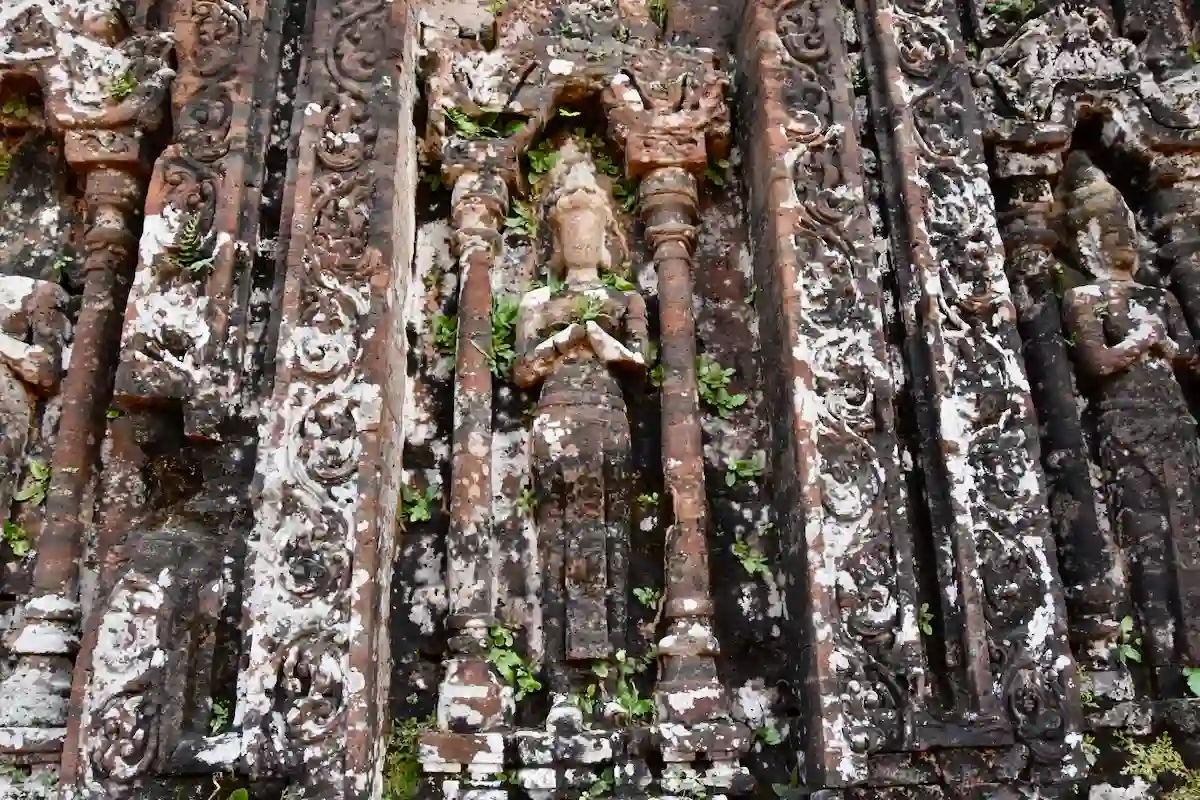
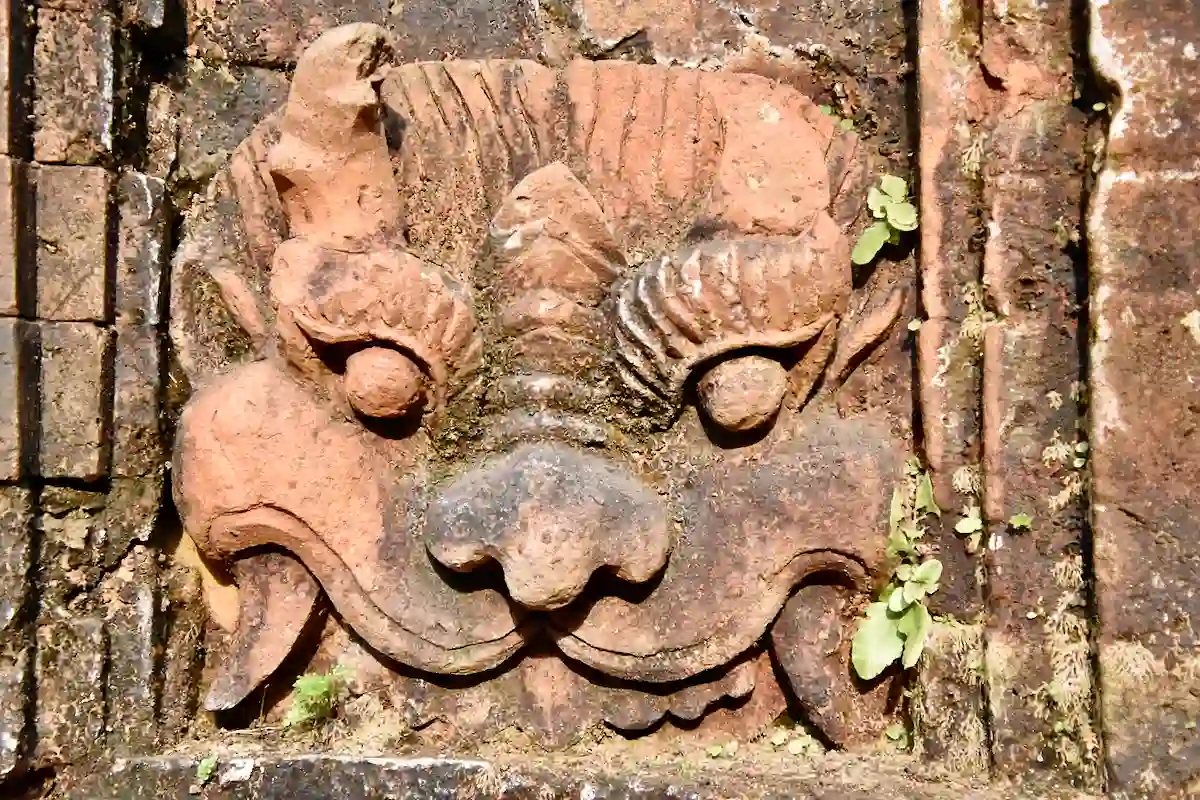
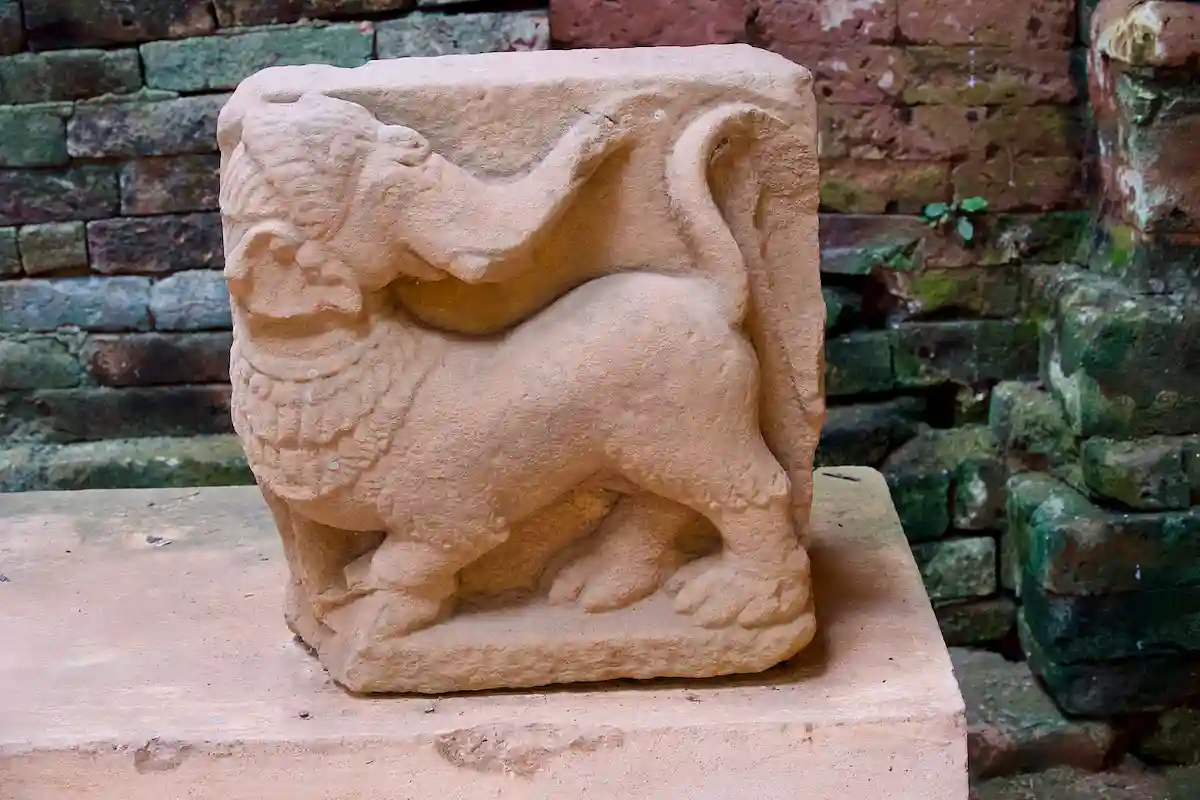
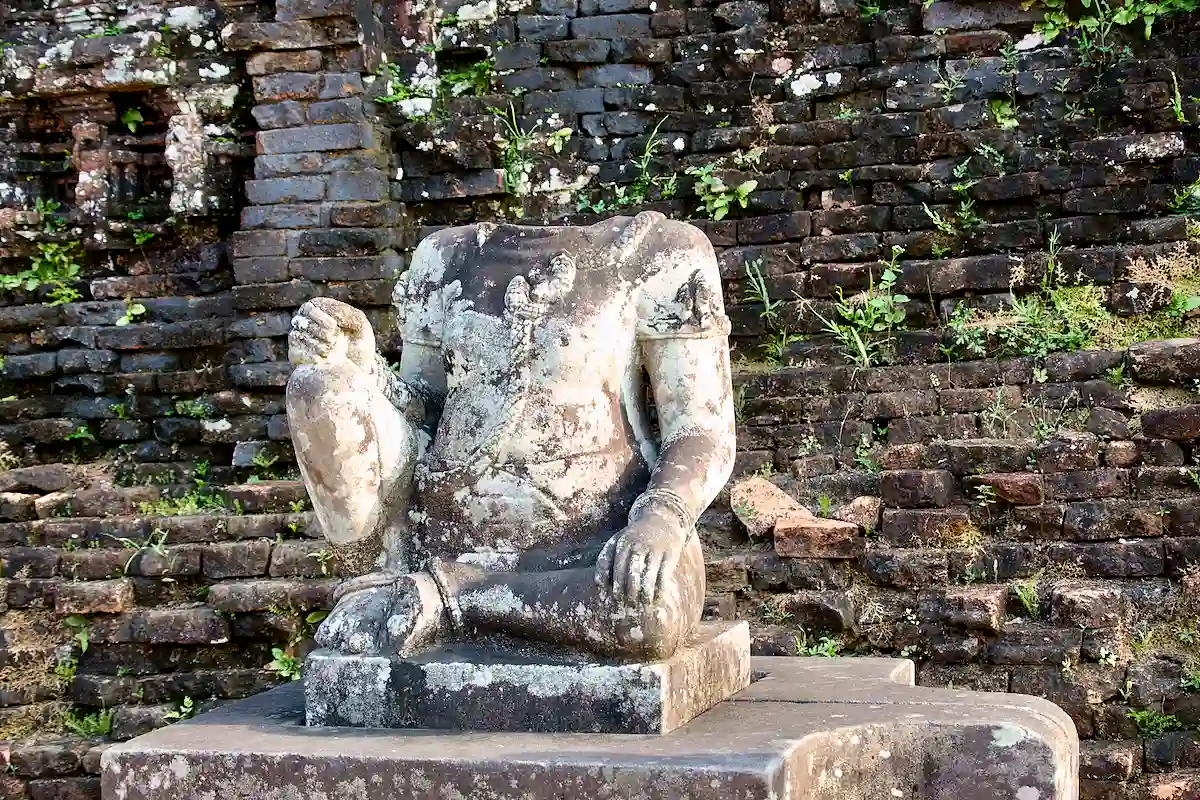
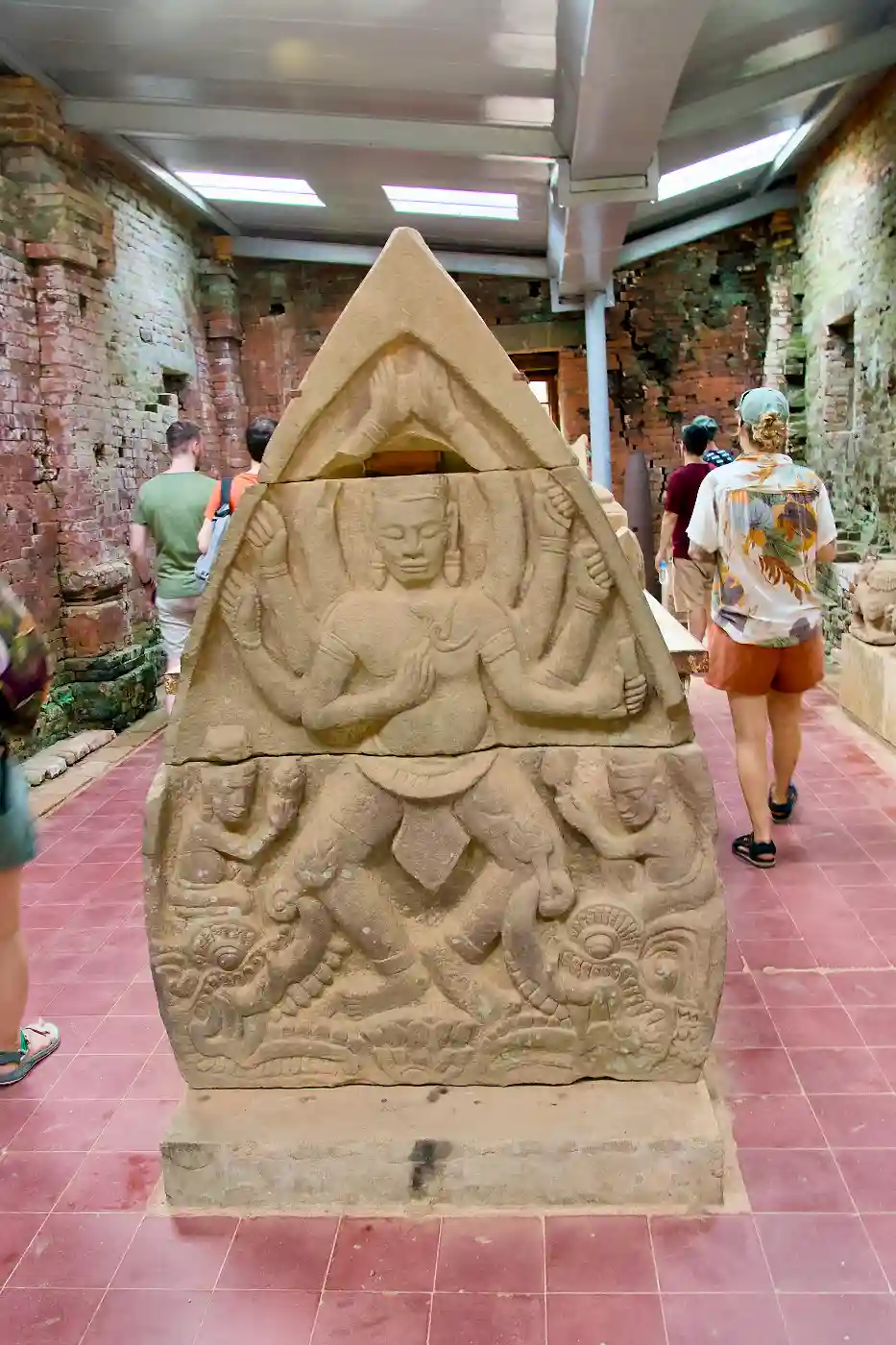
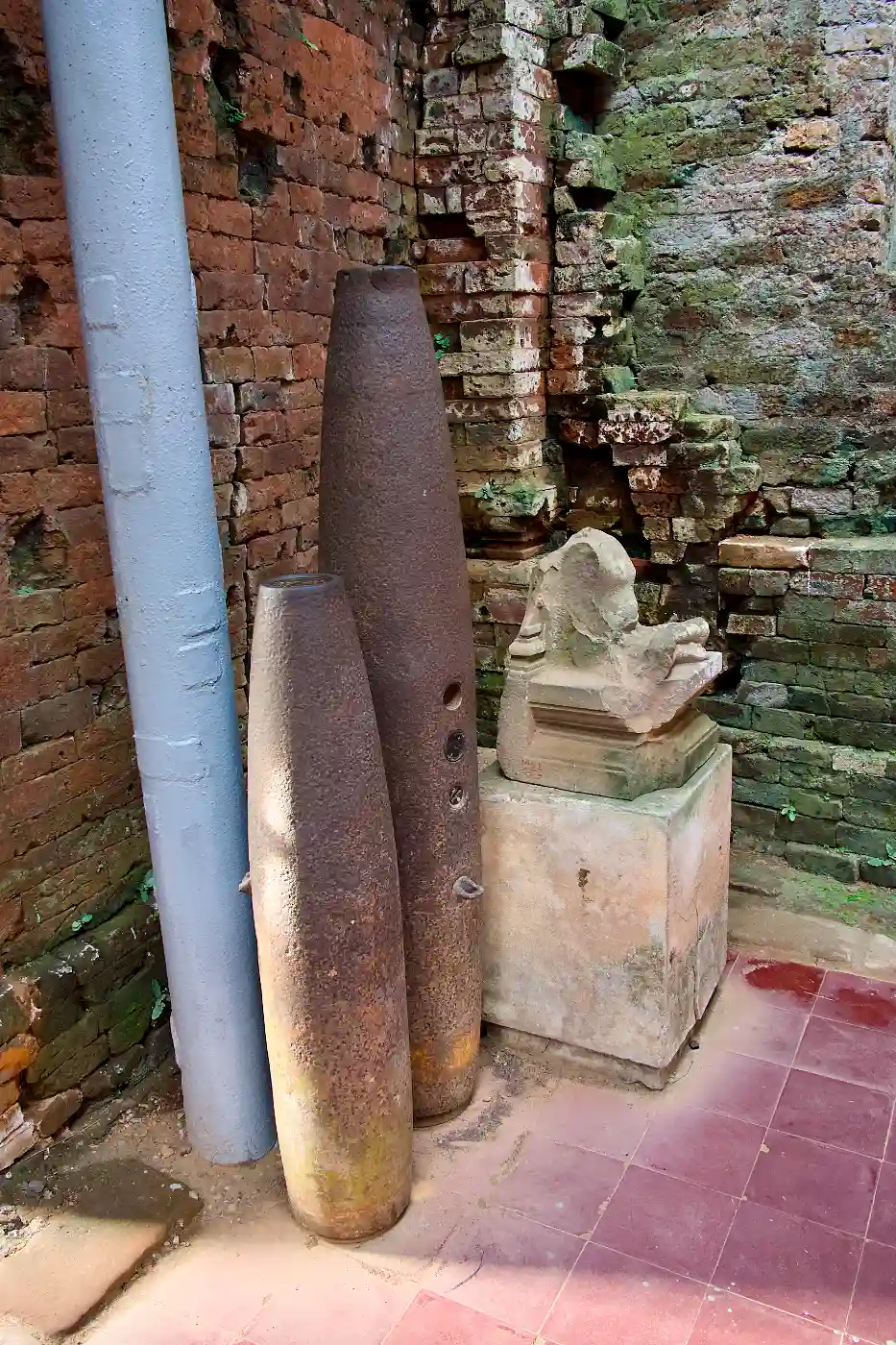
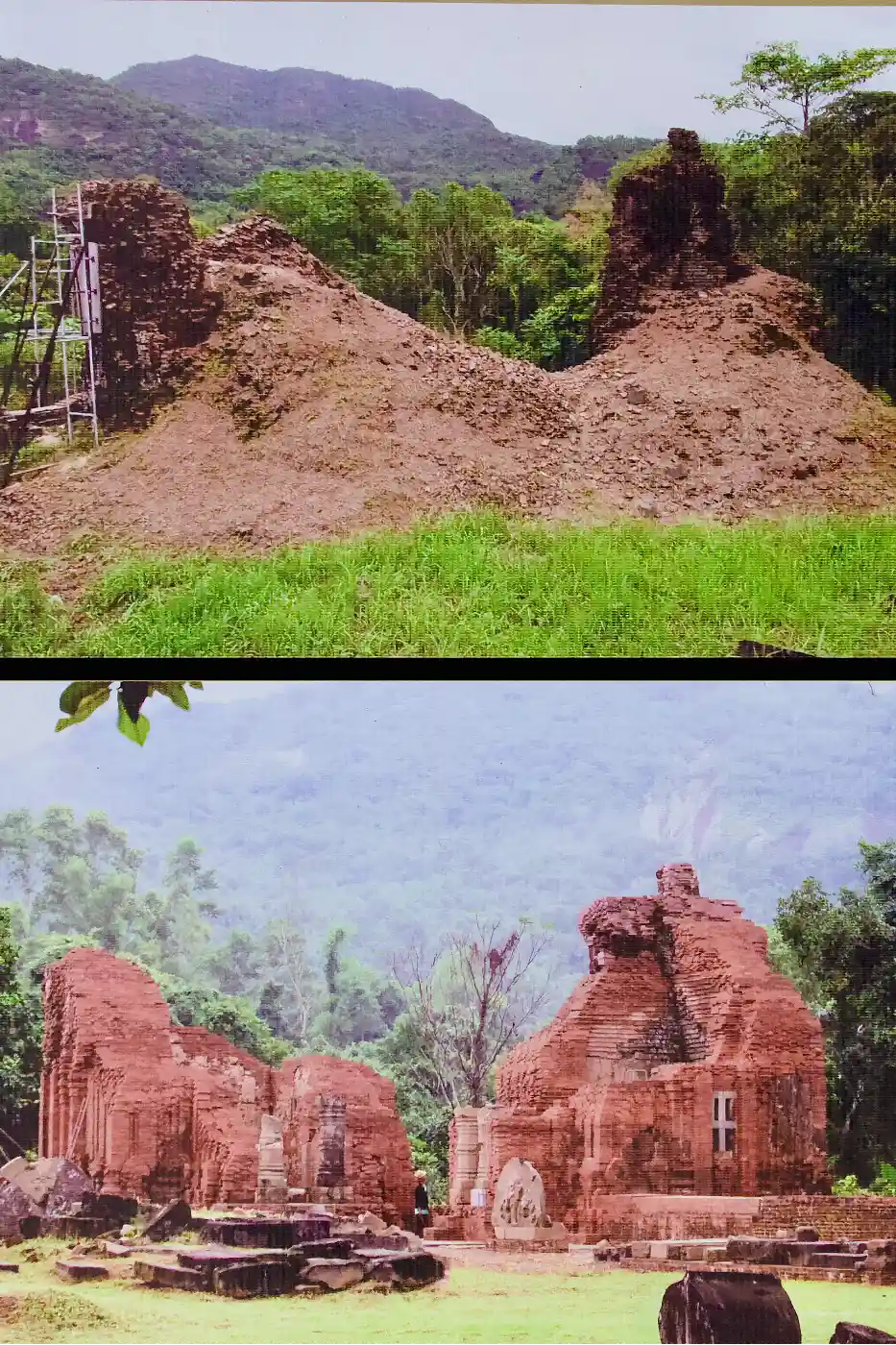
The Cham people were Hindus and they built many large temples in My Son, not far from Hoi An. My Son was the spiritual centre of the Cham kingdom, and not least because of its architectural style, it is sometimes referred to as “Vietnam’s Angkor Wat.” Unfortunately, large parts of My Son were destroyed during the Vietnam War when the USA bombed what they considered to be a Viet Cong stronghold. But for the past few years, restoration of the temples has been underway, with financial support from India.
At My Son, there is a small theatre where a music and dance troupe performs shows that are traditional for the Cham people. A people who today are spread across Vietnam, Cambodia, and Laos, but who are still aware of and proud of their culture and history.
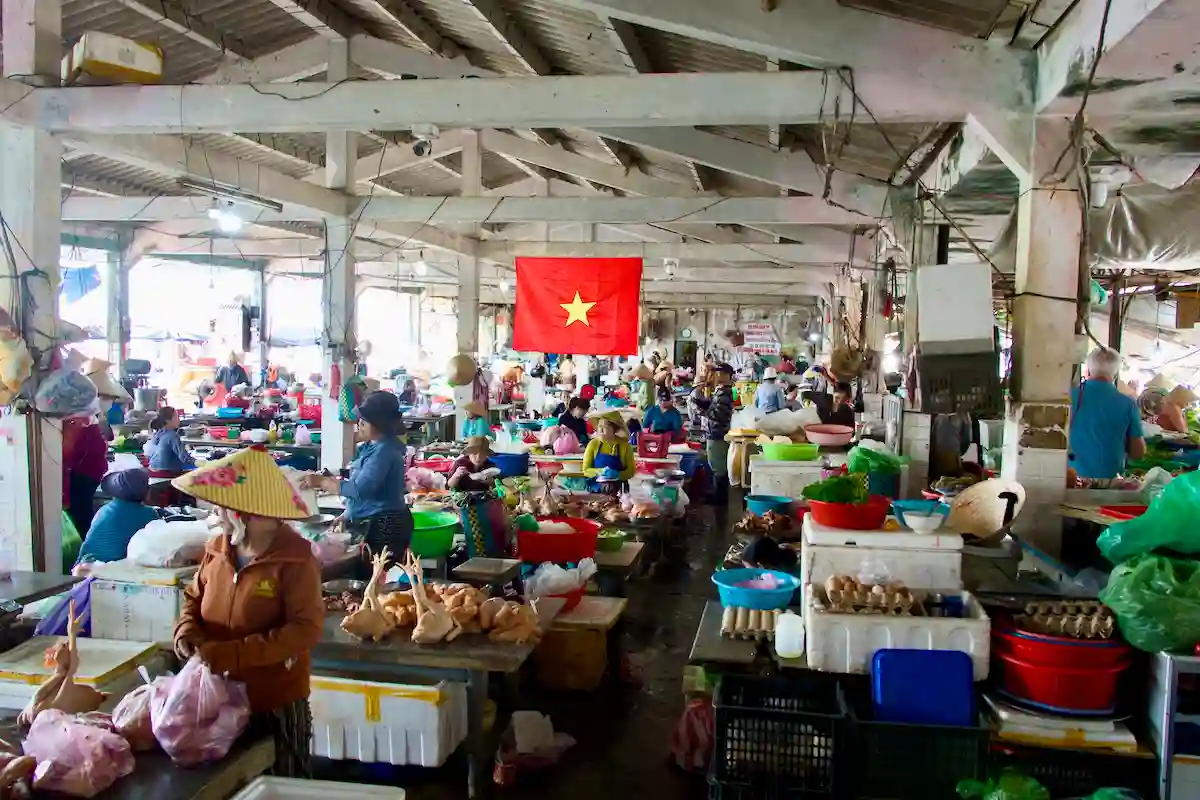
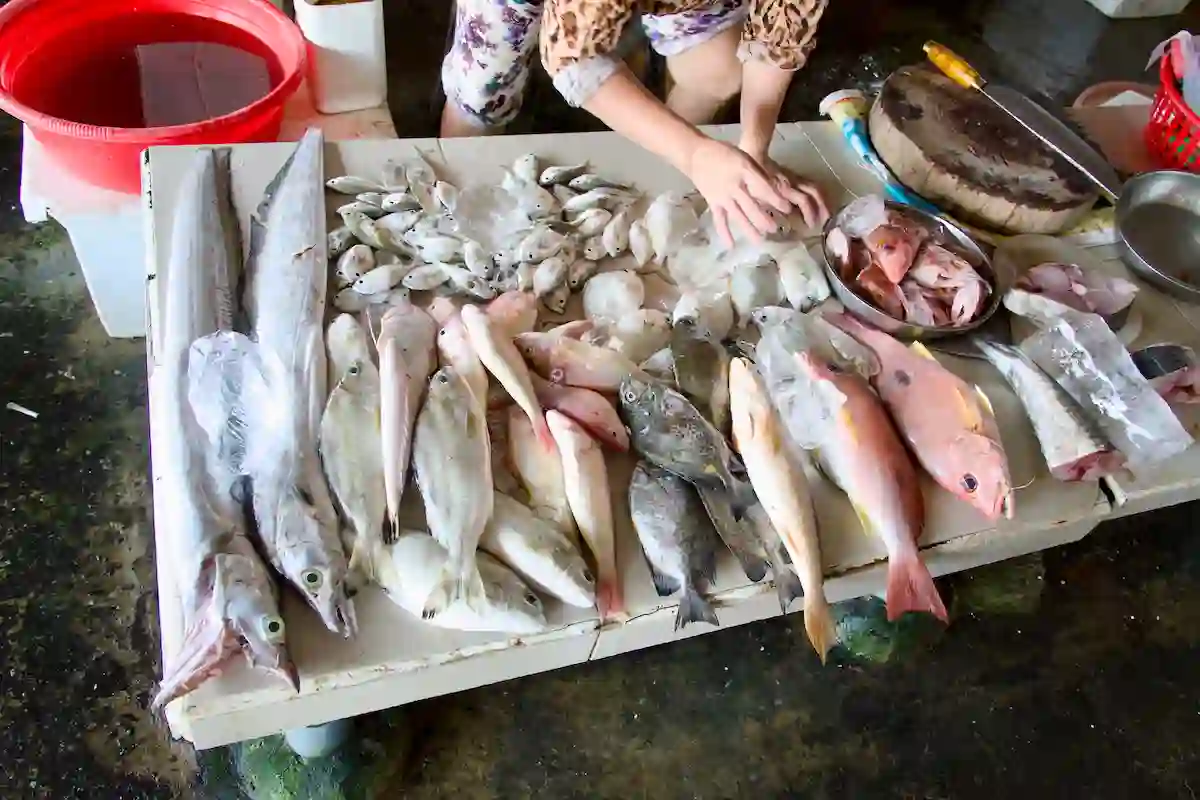
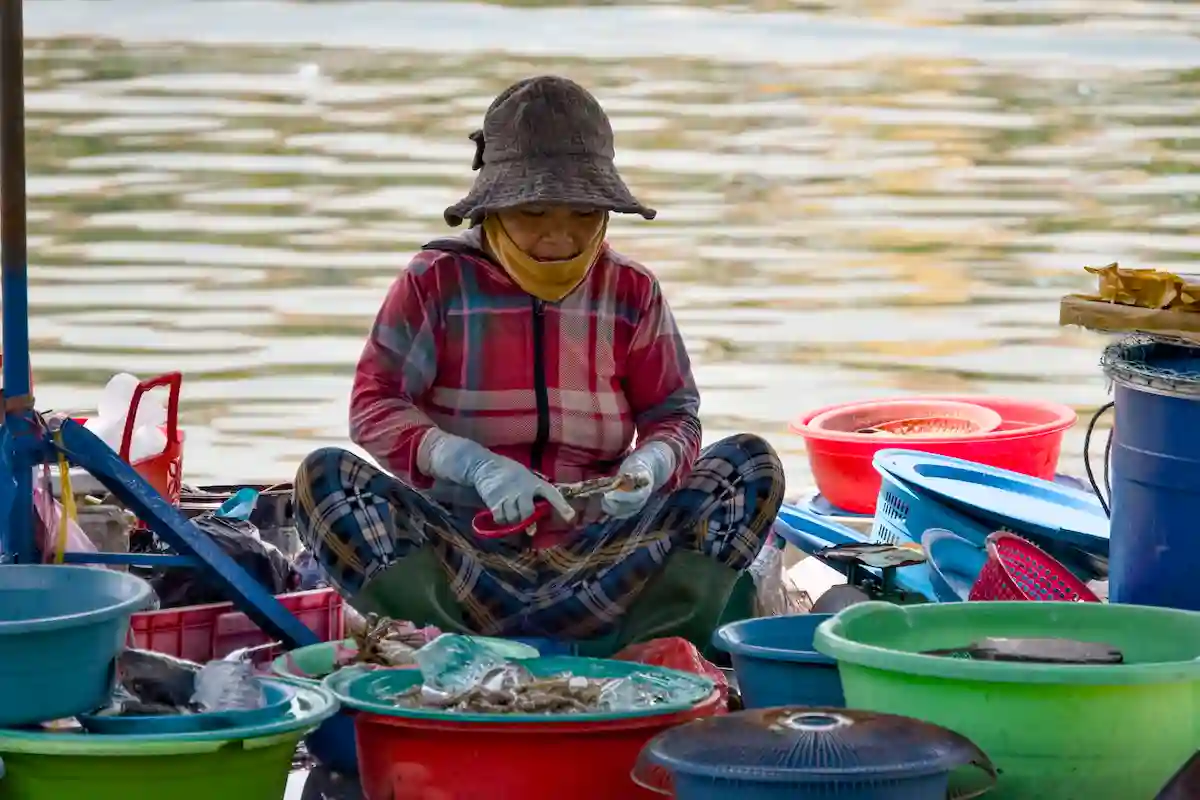
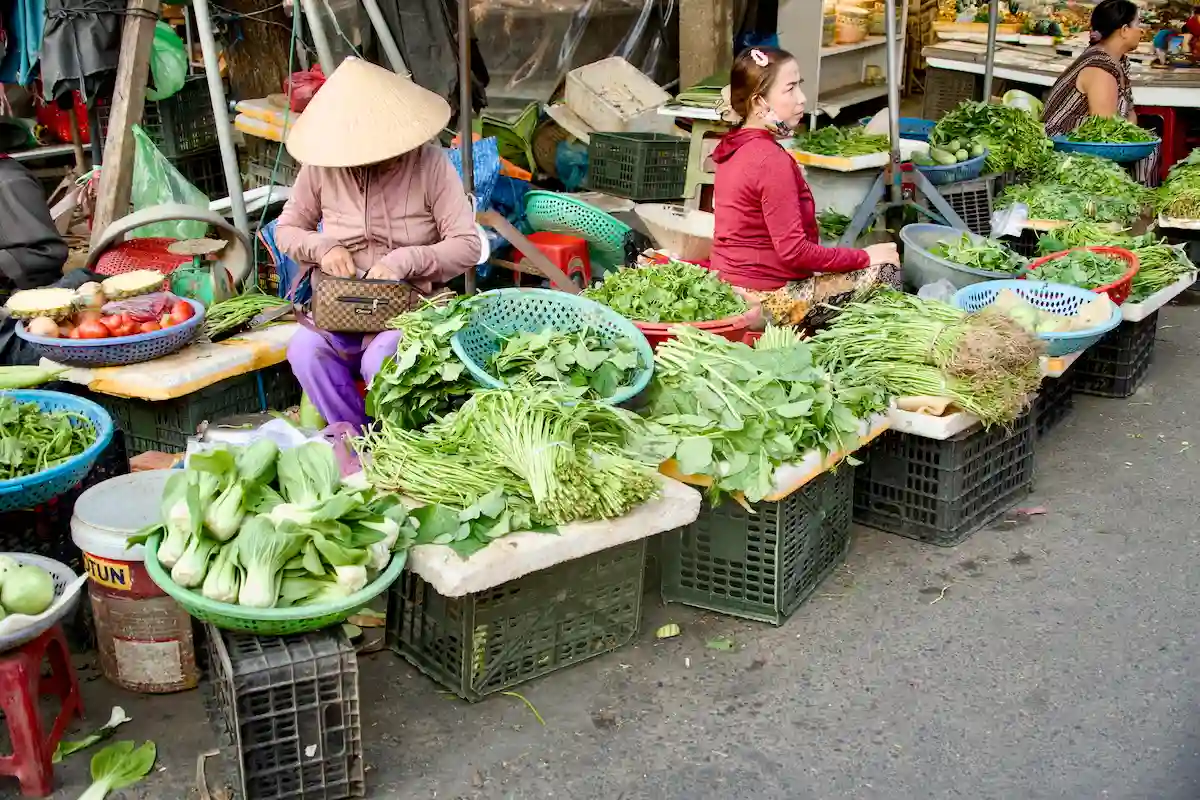
A large part of the social life in Hoi An takes place at and around the market, where there is always bustling activity, day and night. It is perhaps the tradition as a trading town that still lives on. Here, a lot of fish and vegetables, as well as spices and knick-knacks, are sold to tourists. Otherwise, Hoi An today is mainly known for its many clothing and fabric shops.
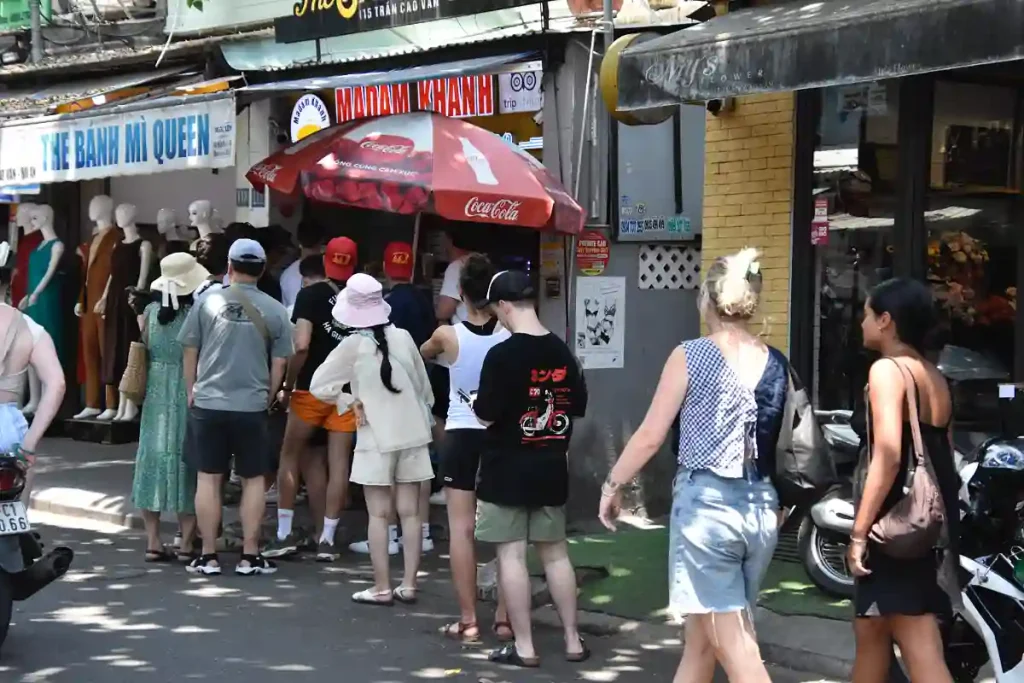
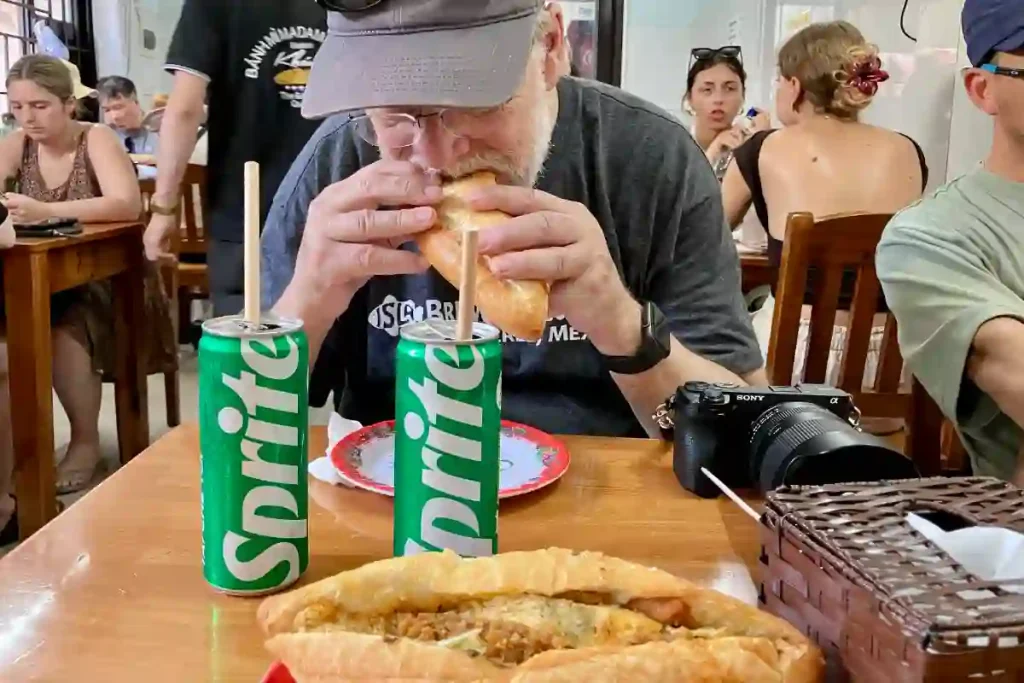
Now that we’re back on the topic of food, Hoi An is something of a restaurant mecca, with all imaginable culinary cultures represented. Here we indulge in banh mi, the Vietnamese stuffed baguette. So perfect as a lunch meal and so simple and appreciated. It is served everywhere, and in Hoi An, we go to the most famous one, “Banh Mi Queen Madame Khanh.” Here, the line stretches long outside, and we have to wait a while for our turn. But when we get ours, it’s definitely worth the wait.
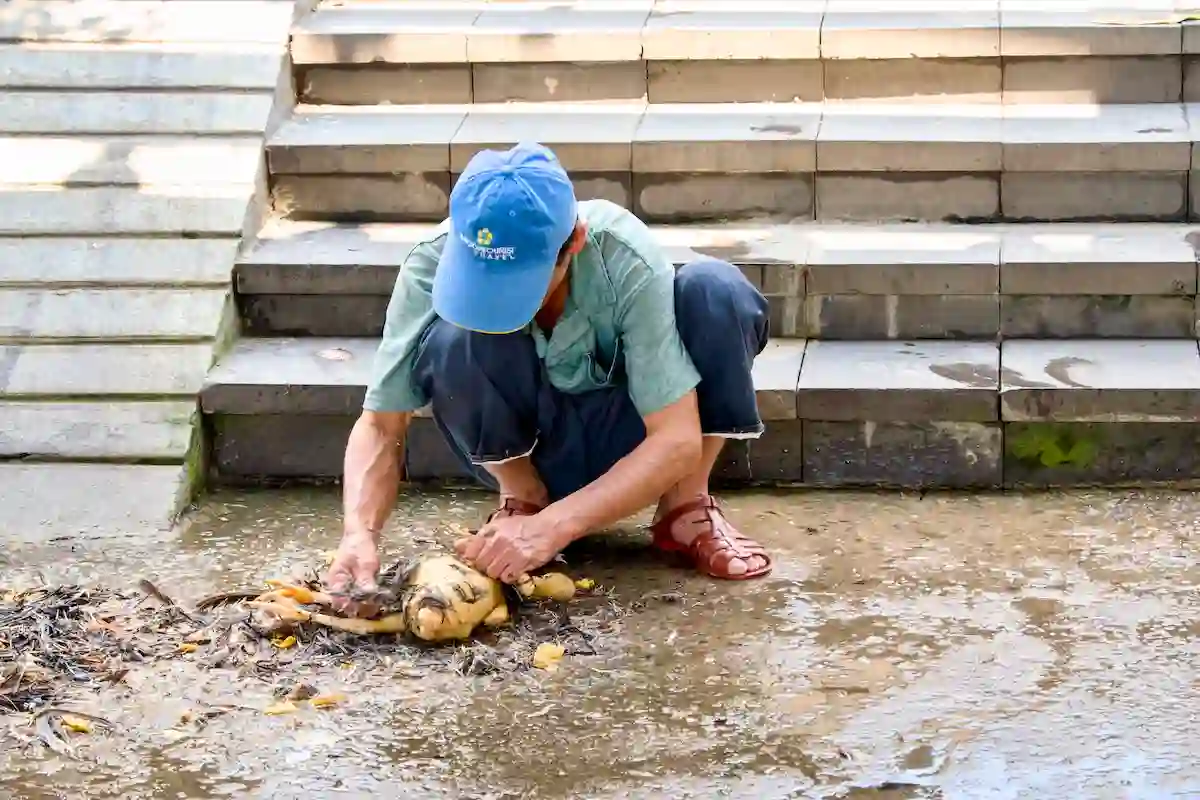
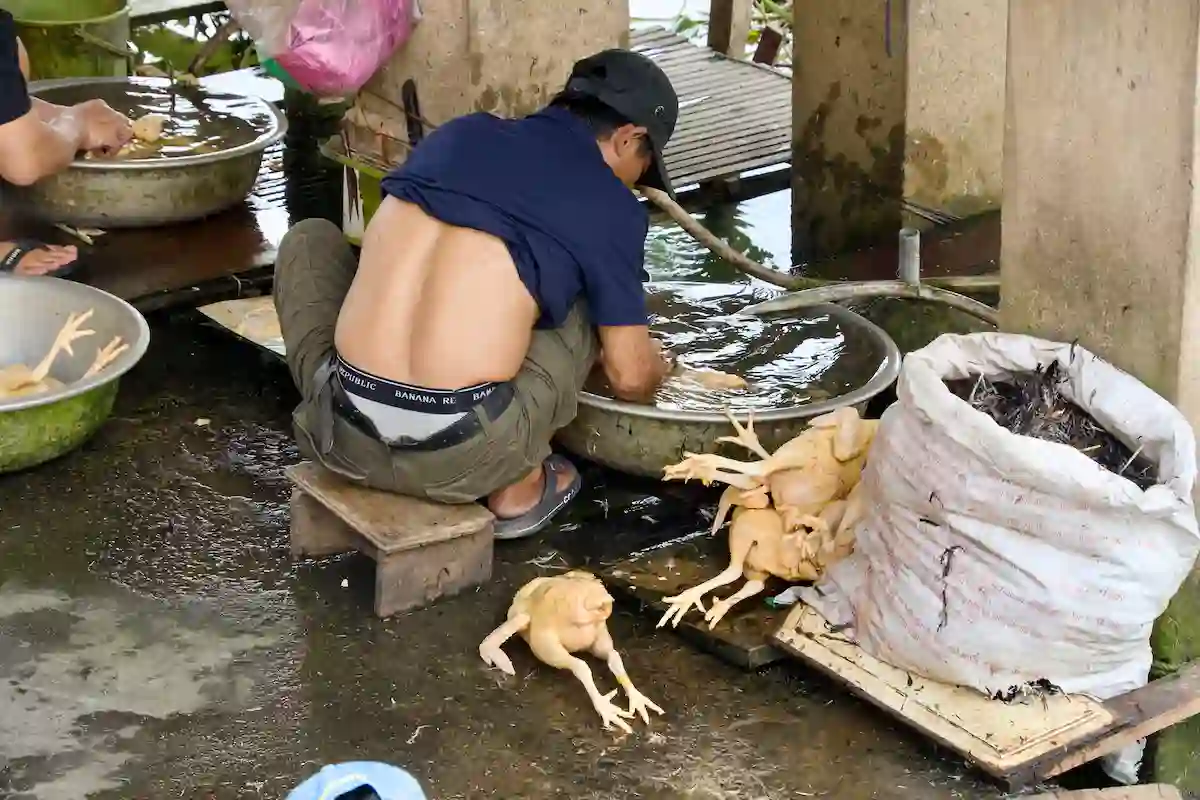
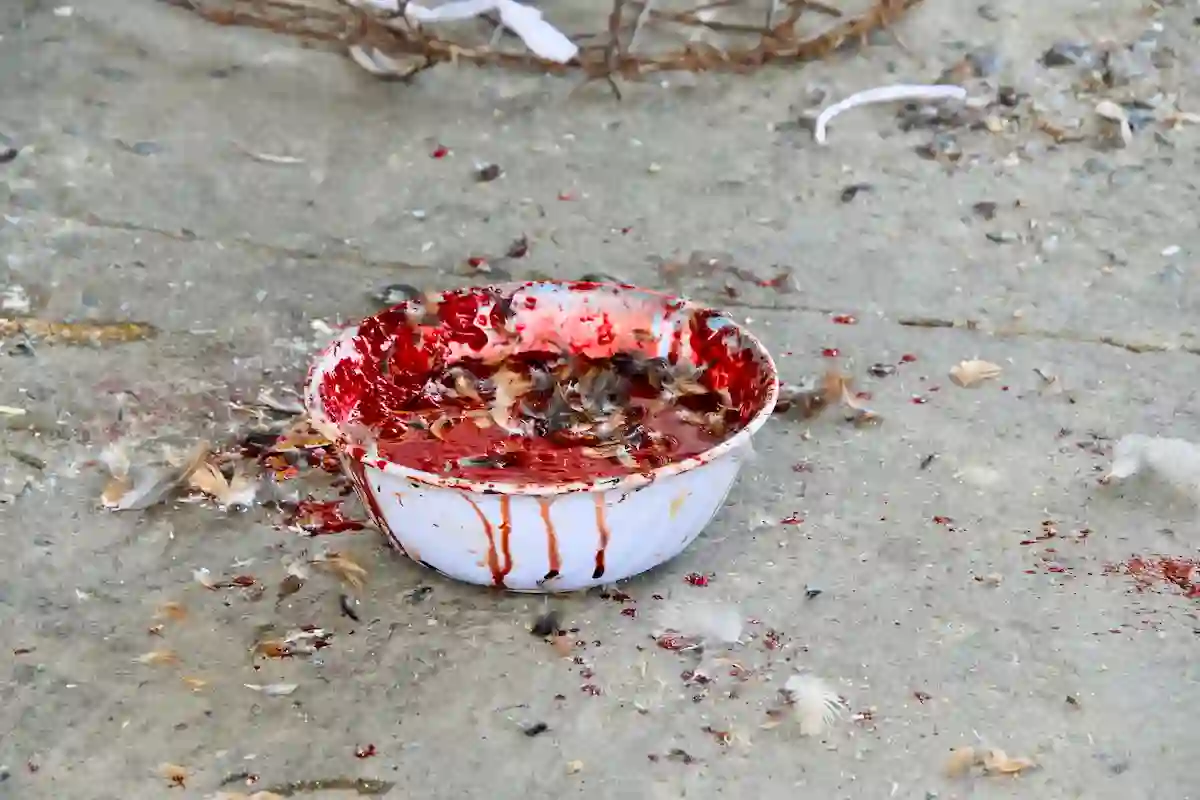
We encounter A rather disgusting activity when we take a shortcut under the An Hoi Bridge. There in the shadows four men slaughter chickens. One cuts their throats and drains the blood into a bowl. Another removes the feathers, a third takes out the entrails, and a fourth washes the carcasses. Most of it happens right on the ground, and I don’t feel like eating anything with chicken that day.
In Hoi An we also see a music and dance performance, but this one probably more Vietnamese, where the musicians play traditional instruments. It might sound a bit odd to Western ears, but the passion is unmistakable.
When South and North Vietnam were reunified, the old southern capital Saigon was renamed, and it has since been called Ho Chi Minh City. What has it meant for the city? We’ll see!