Edit Template
Edit Template

Who are we?

This travel blog is created by me, Lars Aldman, a Swedish journalist and traveller, always in the company of my wonderful wife V. who is also a journalist and a fantastic photographer.

I worked for many years for the Swedish National Radio and Television, as a reporter/producer/studio host and a bunch of other roles.but now I’m retired and do whatever I like.

We love to visit foreign countries and cultures and meet people all over the globe. So far we have been to Asia, Africa, South America and the Caribbean and of course Europe. And we’d like to share with You, dear reader, what we have experienced and seen. We hope You want to join us and possibly find ideas for Your own adventures.

PS. To see more of my photos from journeys far and near, head over to aldmangallery.com 

To contact us via mail: info@resormedv.se


Edit Template

More results…

Generic selectors
Exact matches only
Search in title
Search in content
Post Type Selectors
Search in pages

Travels with V

Cape Province, South Africa

Travels with V

Cape Province, South Africa

Wine, slavery and wild animals

Part 2 – Cape Province

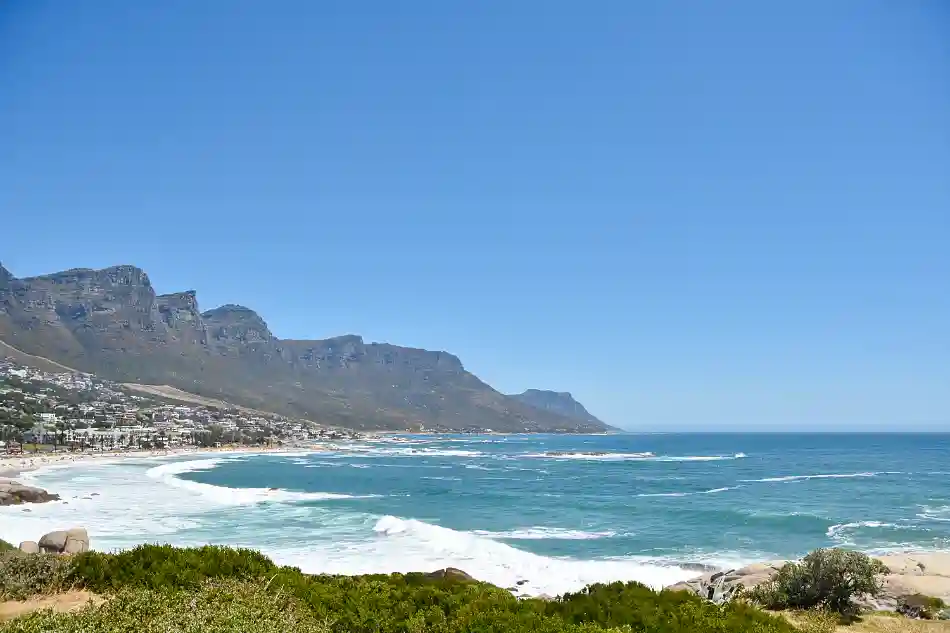
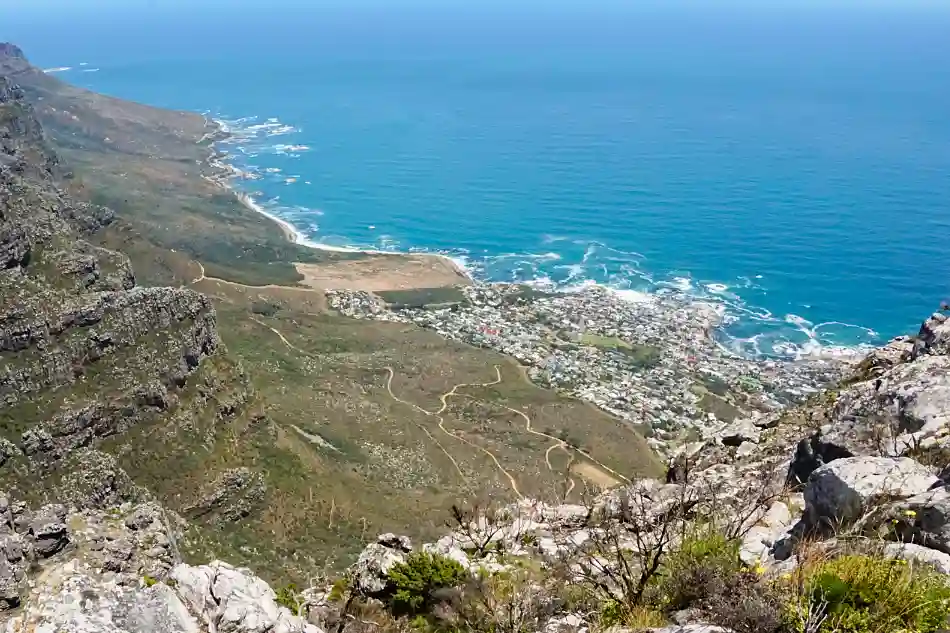
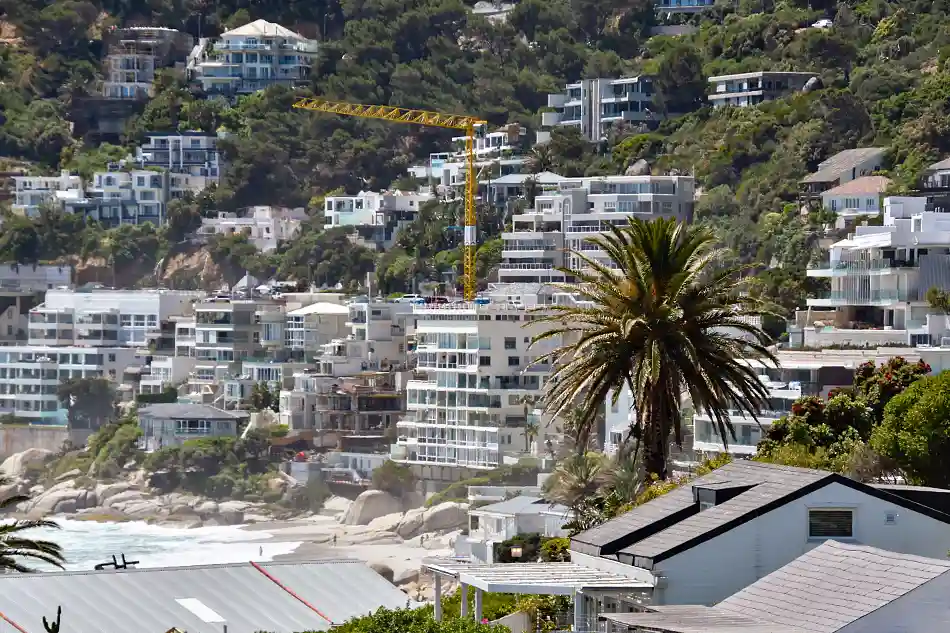
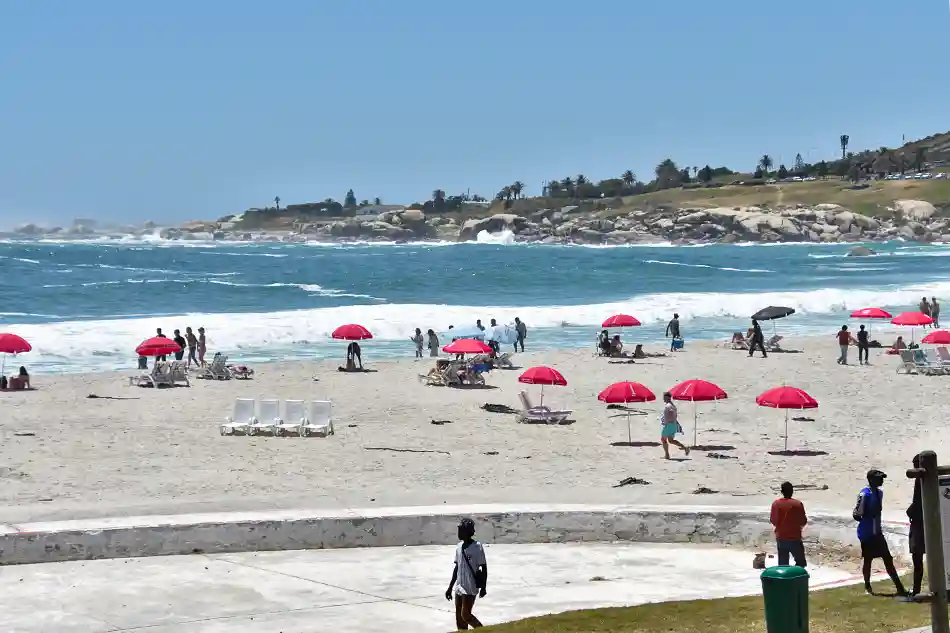
Maybe it’s a bit corny, but sometimes when we’re in a new city we hop on a sightseeing bus, just to see some different parts of where we are. We do it in Cape Town and get to see its “backside”, small well-kept villages like a string of pearls on a necklace along the west coast. Clifton and Camps Bay are two of them, climbing on slopes under the Table Mountain and with sandy beaches below where parents get a tan and kids play. These are the most attractive places to live in  the Cape Town area.

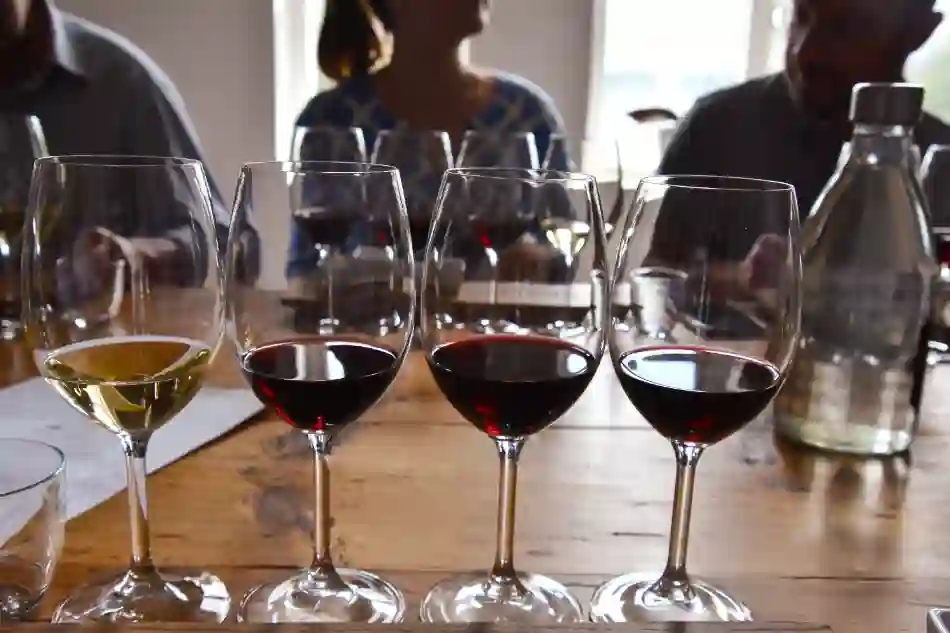
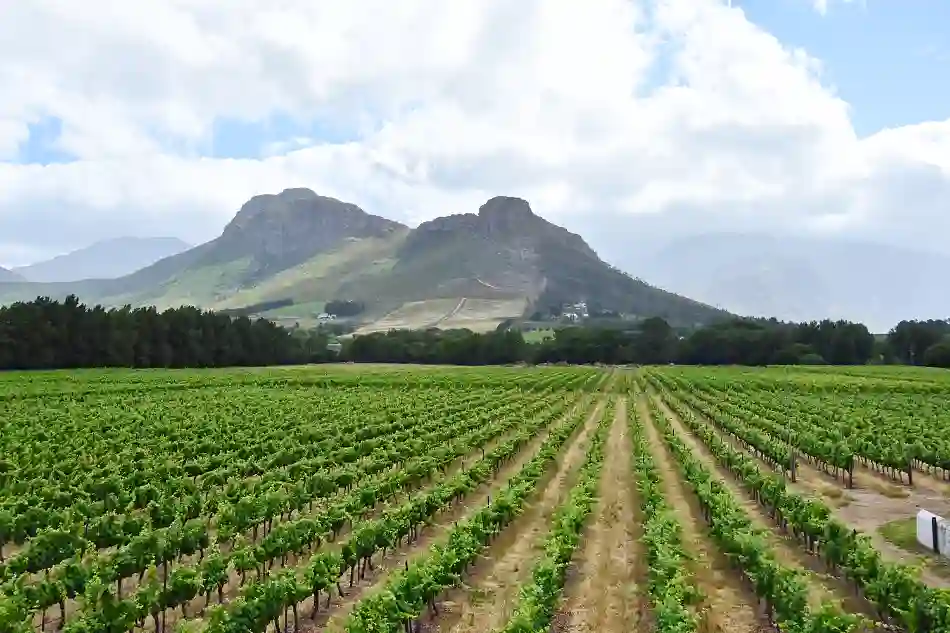
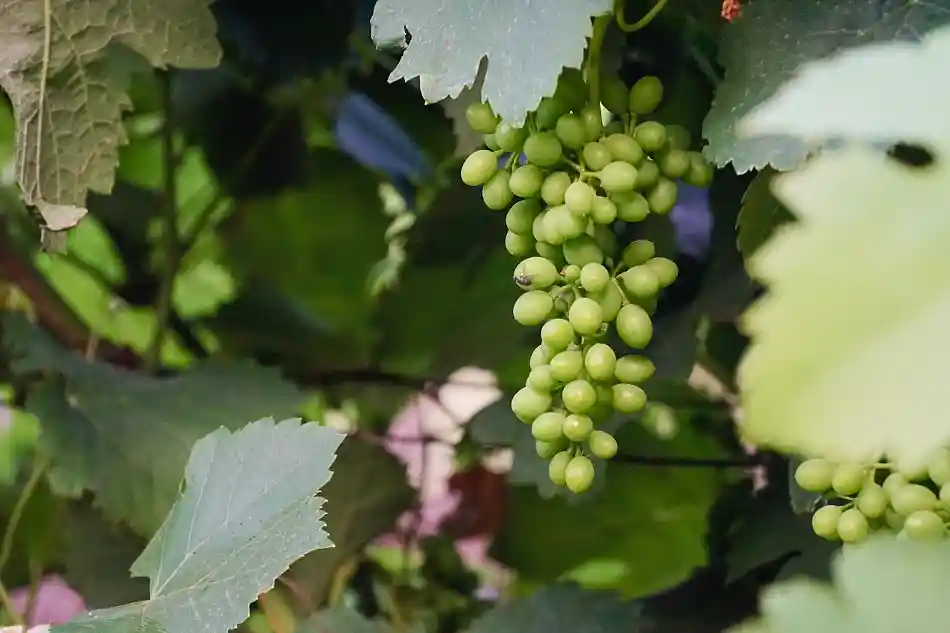
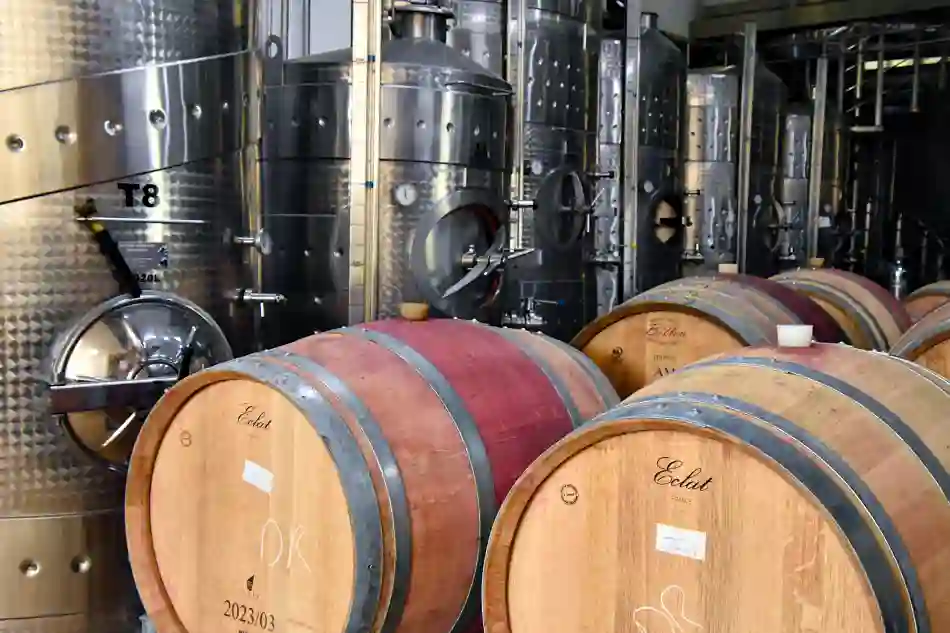
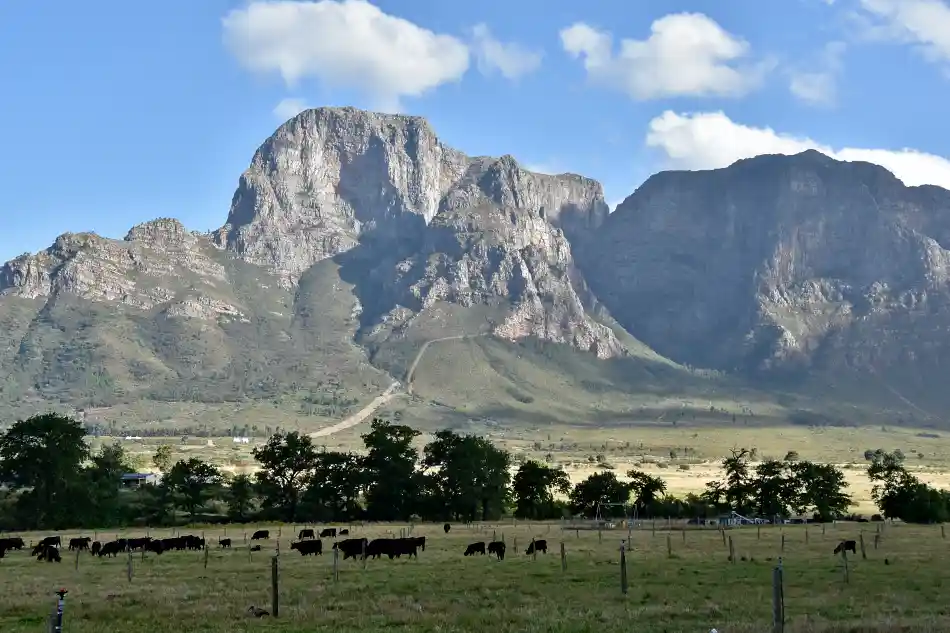
Later we join a wine tour to the famous wine districts Stellenbosch, Franschhoek and Paarl. Here french huguenots fleeing from persecution in the 17th century settled and brought the first vines to the african continent. Clever winemakers who started a development that today have made these quality wines world famous .

But this success story. has a dark background. The early wineries used slave labour, in the beginning with African slaves from the slave ships heading for America. But since these slaves often ran away, and got away because they were on their own continent, new slaves were  captured in Asia, in Malay, India and Indonesia. When slavery was abolished these Asians became a group exposed to racial discrimination and later apartheid. One man who struggled to secure citizen’s rights for these people was a young lawyer by the name of Mahatma Gandhi.

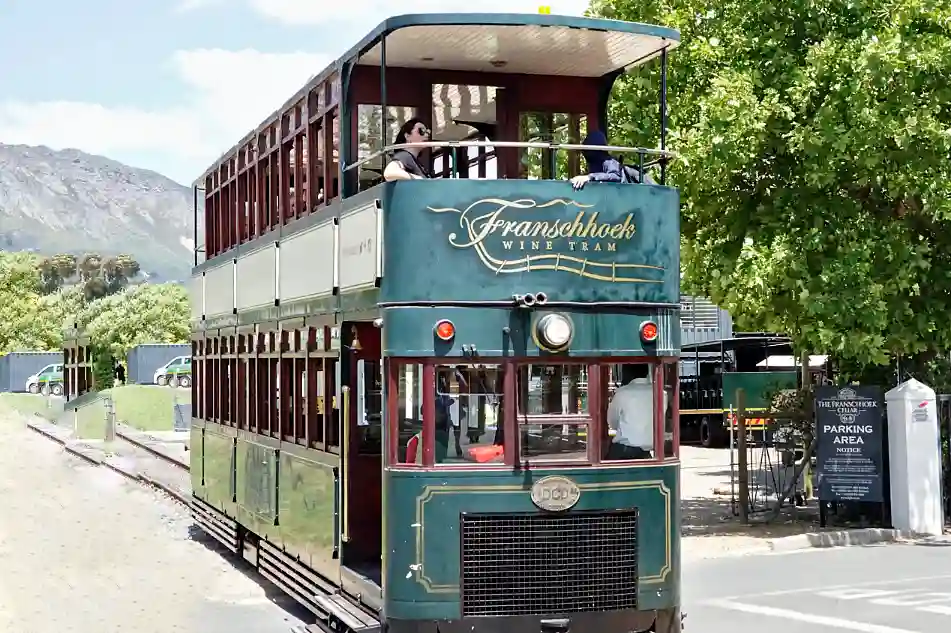
THE FRANSCHHOEK'S WINE TRAM

The abolition of slavery meant that the vineyards had to find workers somewhere else, and preferably cheap too. So they hired San people (the original inhabitants of the Cape) and payed them in alcohol. As an indigenous hunter-gatherer culture robbed of their lands they easily became addicted, and had to keep on working to earn more alcohol. The slavery continued with liquid chains.

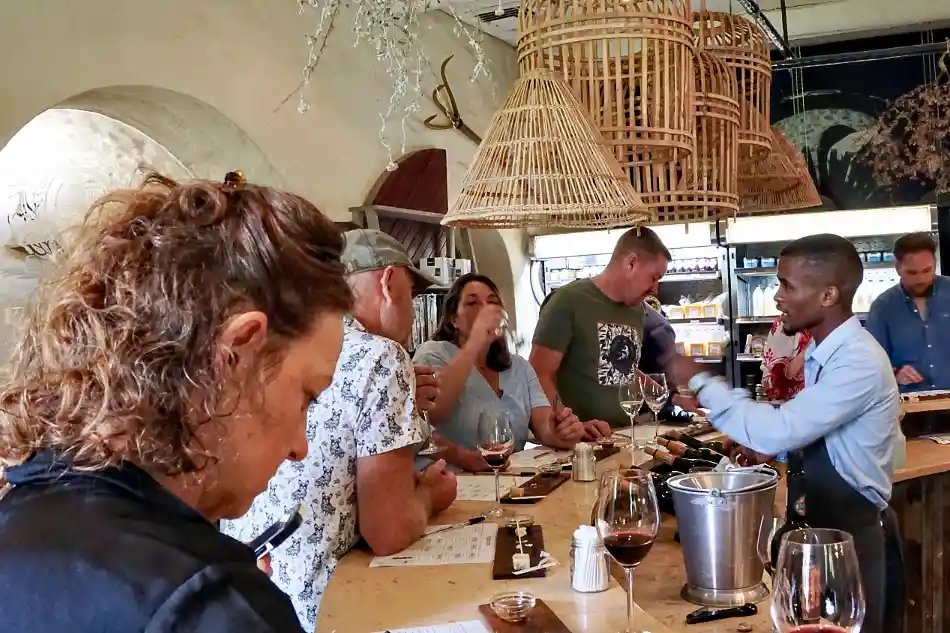
We visited three vineyards, but we couldn’t really enjoy any of their wines. Our guess is that the wine tour arrangers make deals with big and mainstream wineries, that regard the tourists as just another source of income. Wineries with more high quality products, like Kaapzicht or Kanonkop, were not included in any of the tours we checked. You have to go on your own to visit those. In our tour group however taste didn’t seem to be so important. Some people got really drunk, which was probably their intention from the start.

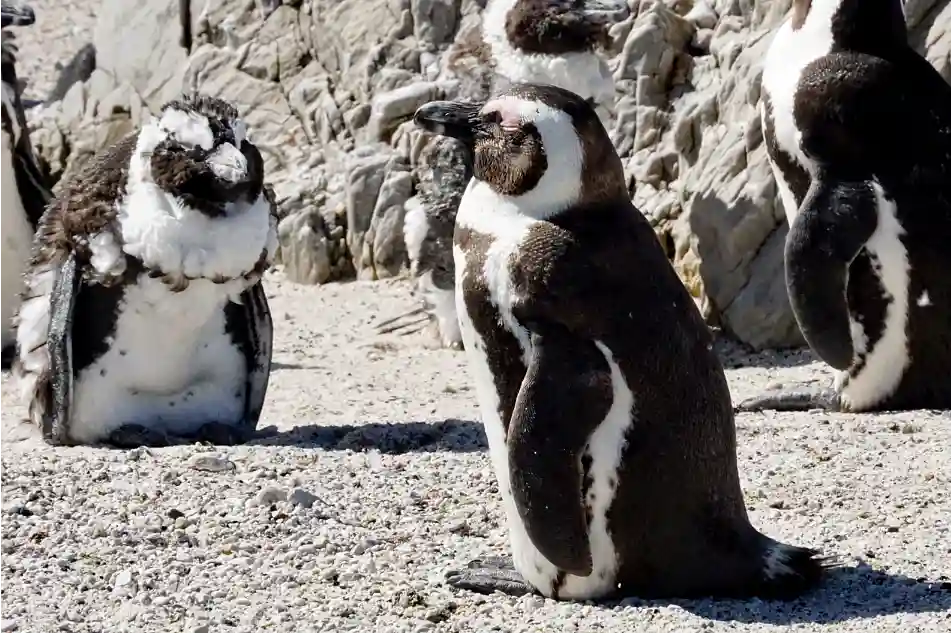
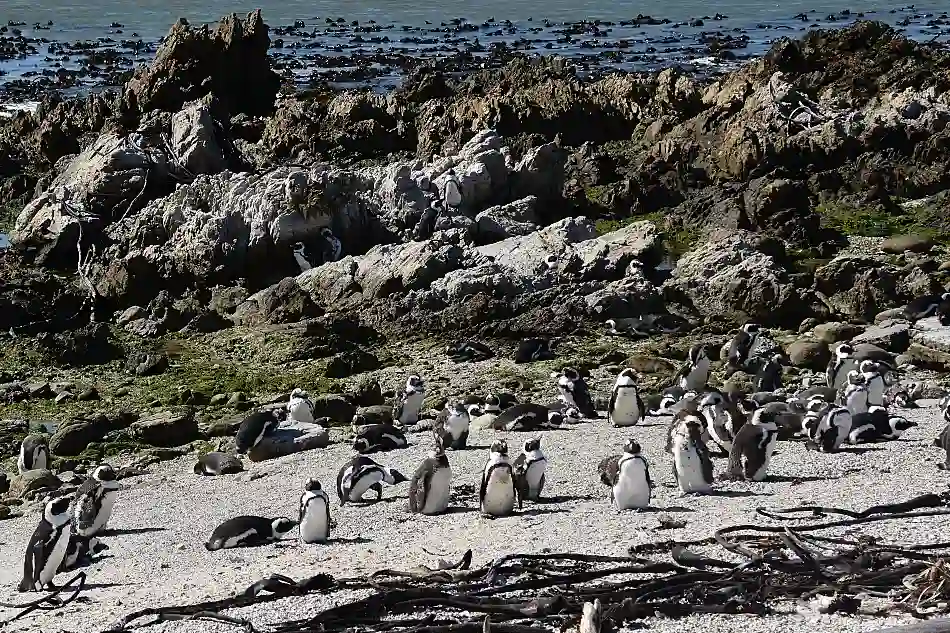
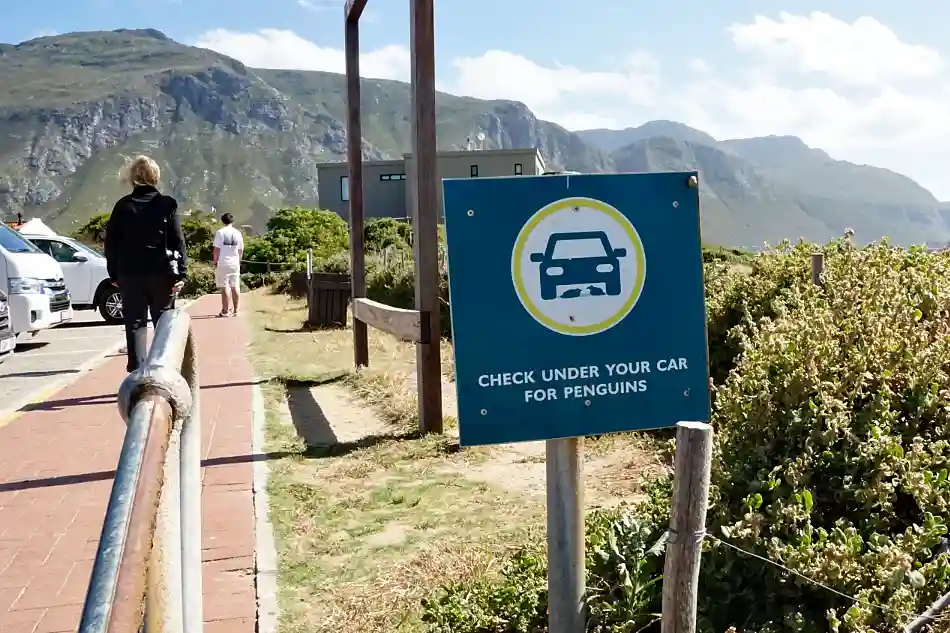
A much more enjoyable trip takes us south and east, through the so called “Garden route”. A trip through the small villages along the coast. But unfortunately we miss quite a lot of that because of a collapsed bridge that forces us to take an alternative route. But when we get to the coast we stop at Betty’s Bay. And by the remnants of what was once a whaling station we spot a colony of small and very cute Cape penguins.

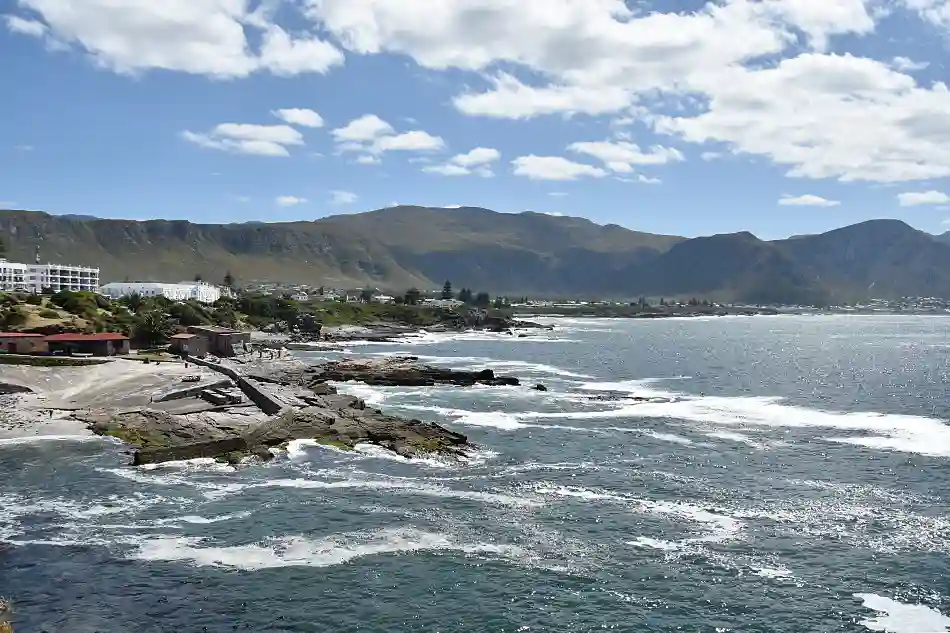
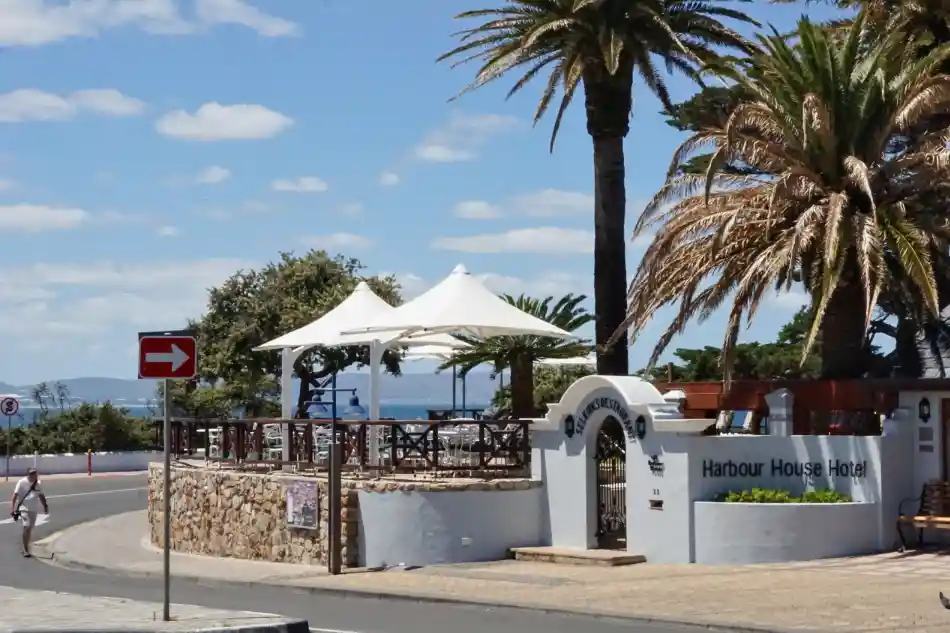
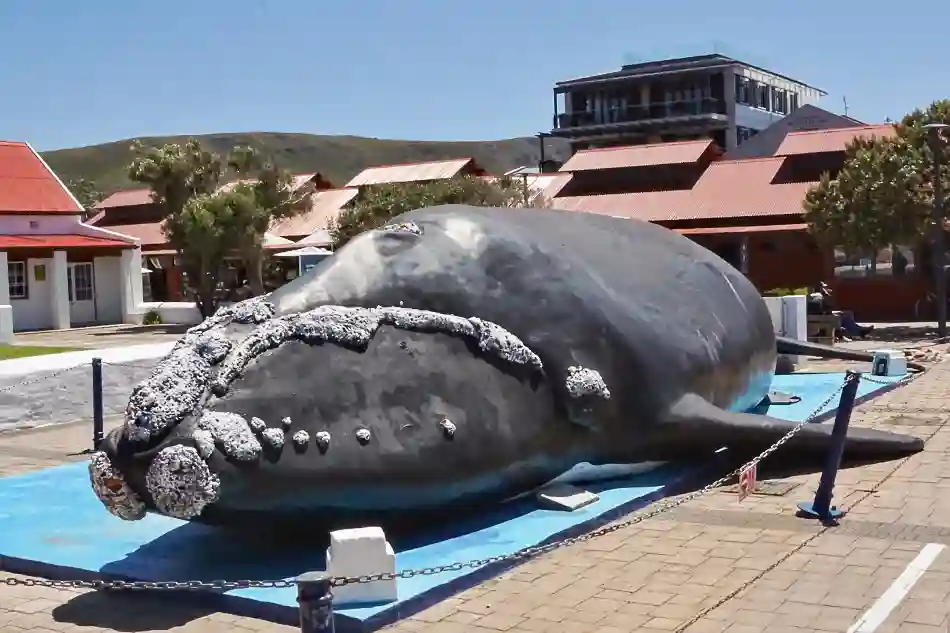
We have lunch in Hermanus, a pretty town hanging on a steep slope facing a sheltered bay. And sometimes in this bay right whales can be seen, but our guide says apologetically that the season is over and the whales have swum elsewhere. A whale sculpture by a parking lot in town will have to do for now. 

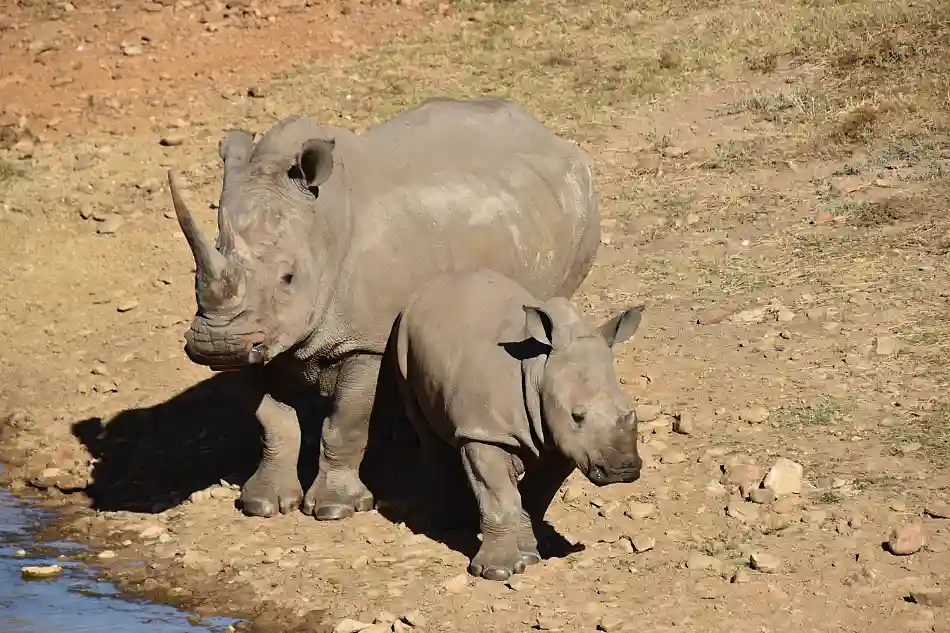
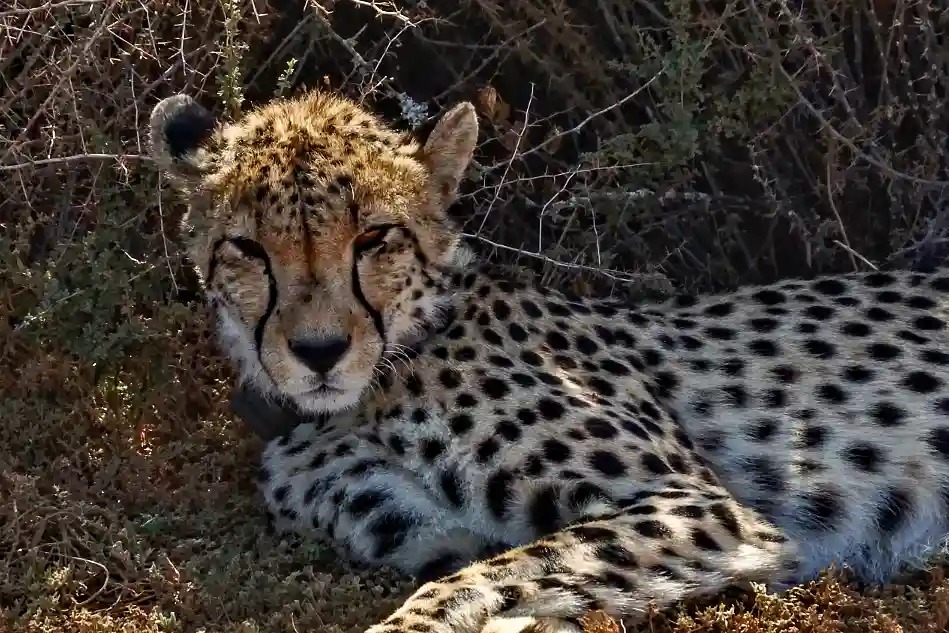
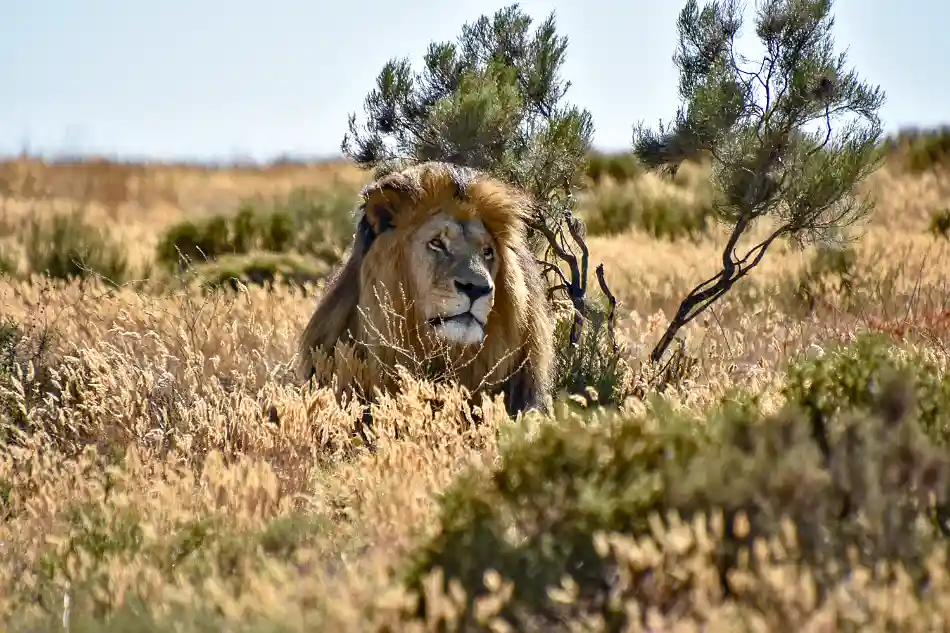
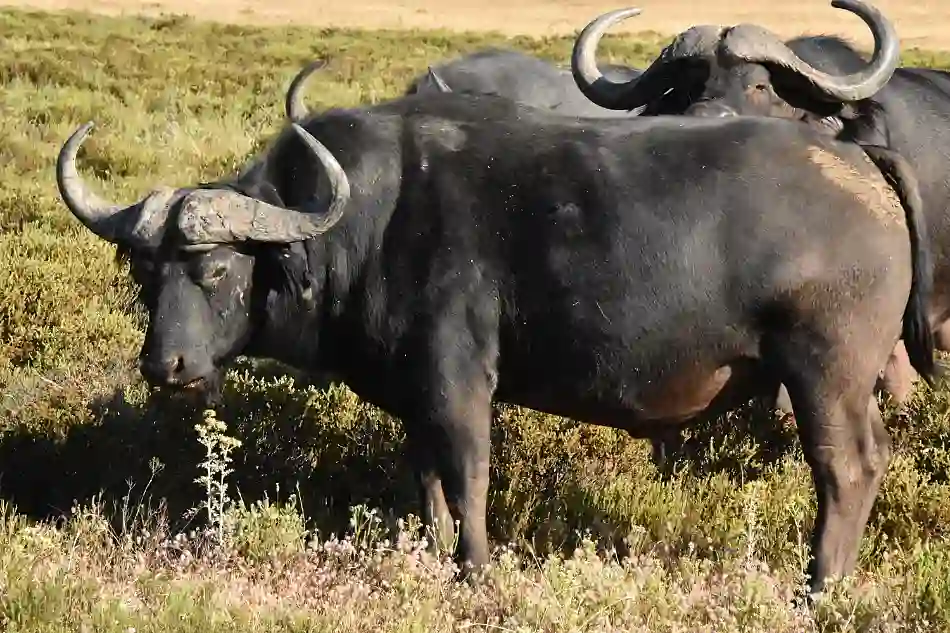
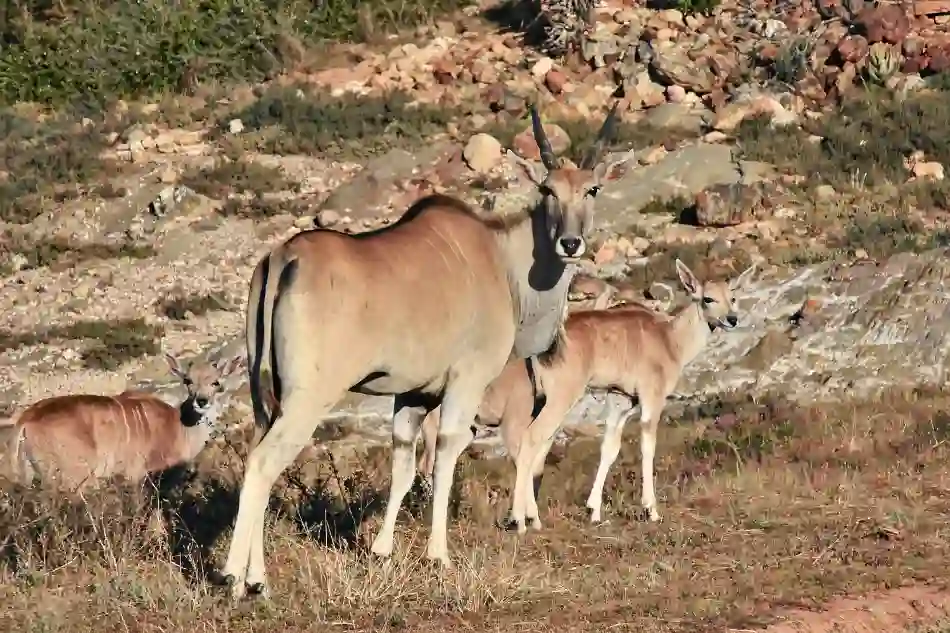
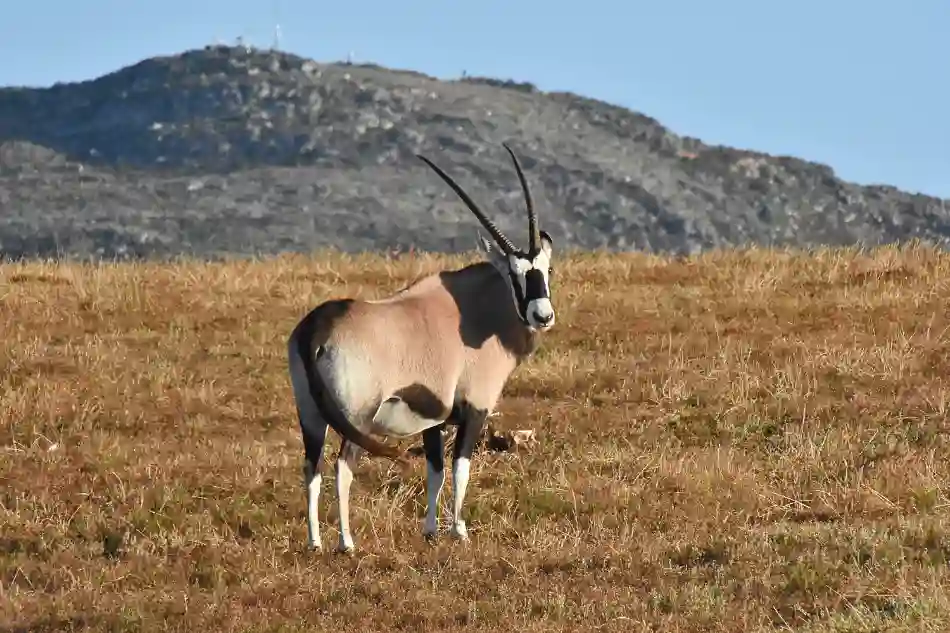
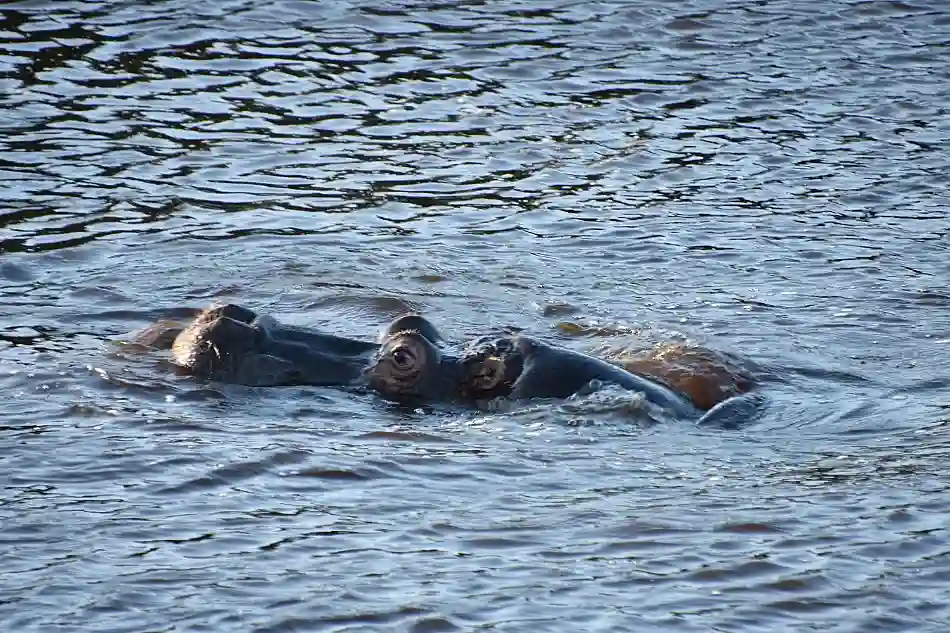
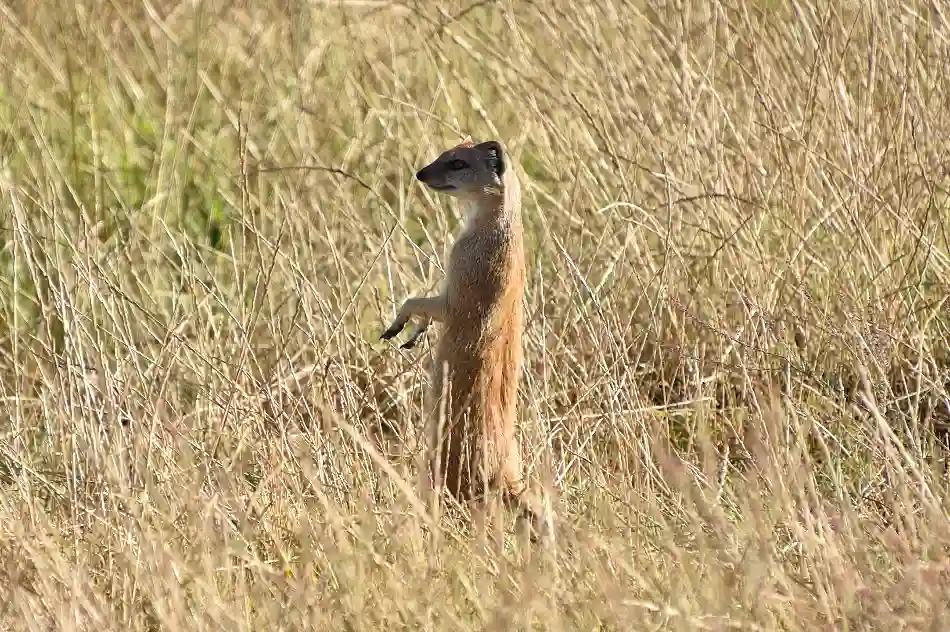
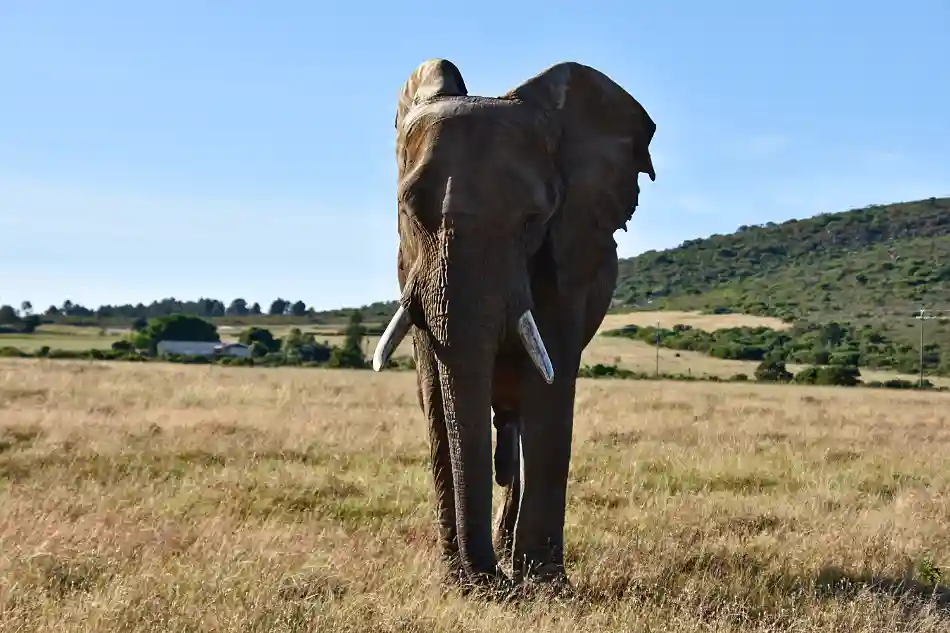
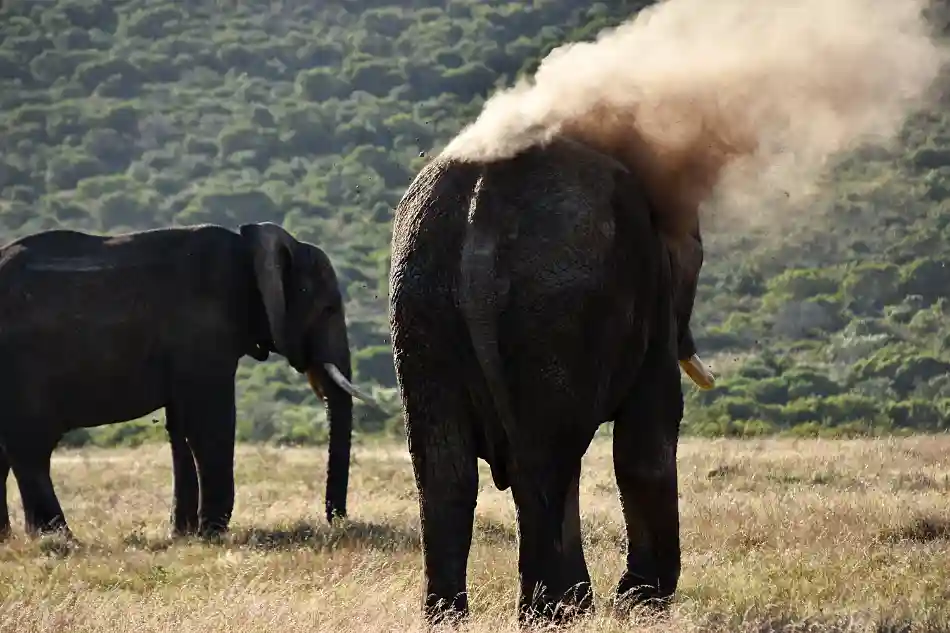
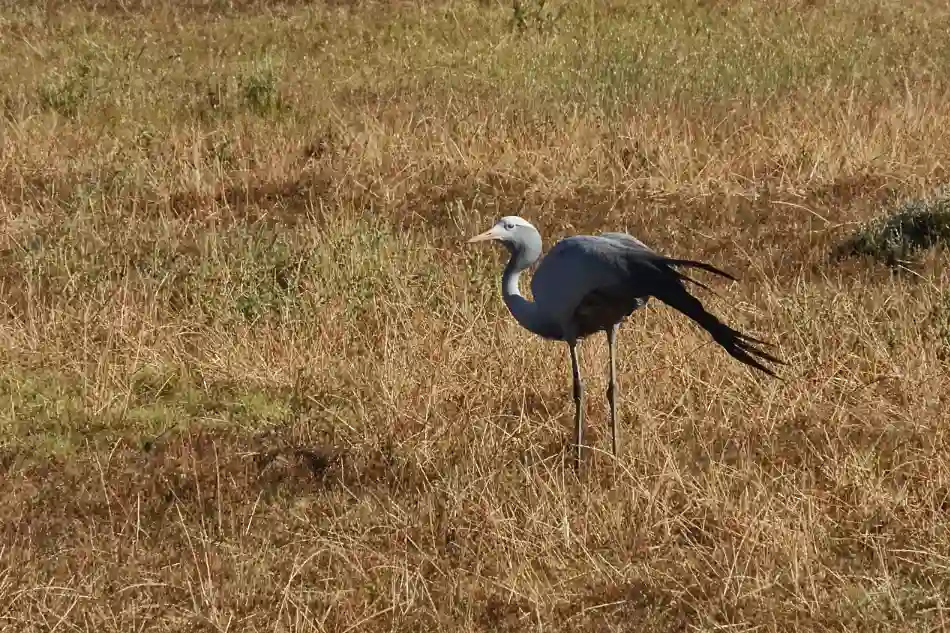
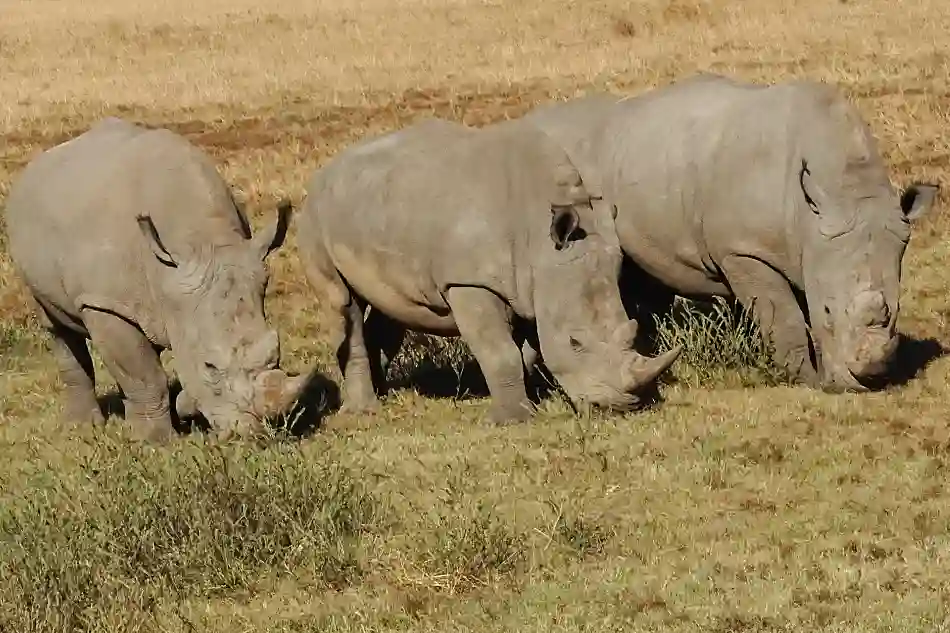
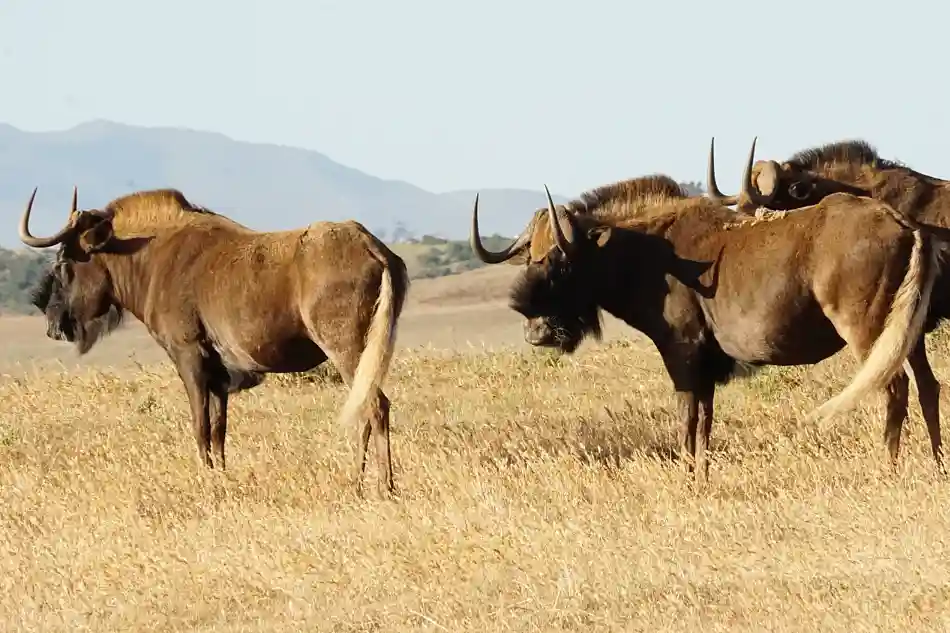
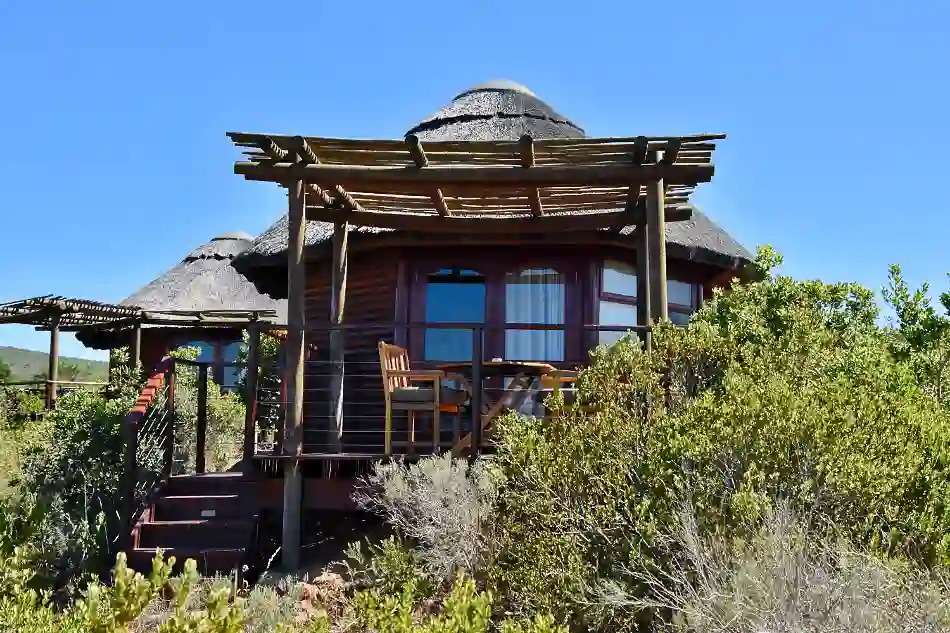
We continue travelling on a long route eastward. We pass Heidelberg (there’s one here too) and after several hours stop at a lodge somewhere near the town of Albertinia. This lodge is marvelous in all aspects and offer safaris in a game park that’s quite big, 1 400 hectares. The wild animals here are kept secure and sometimes rehabilitated after being freed from human owners. This is the situation for two elephants that are now adapting to life in the wild. Other animals like rhinos are for breeding and later sent to national parks like the Kruger Park. There are also cheetahs and lions here, and we get to see them really close.