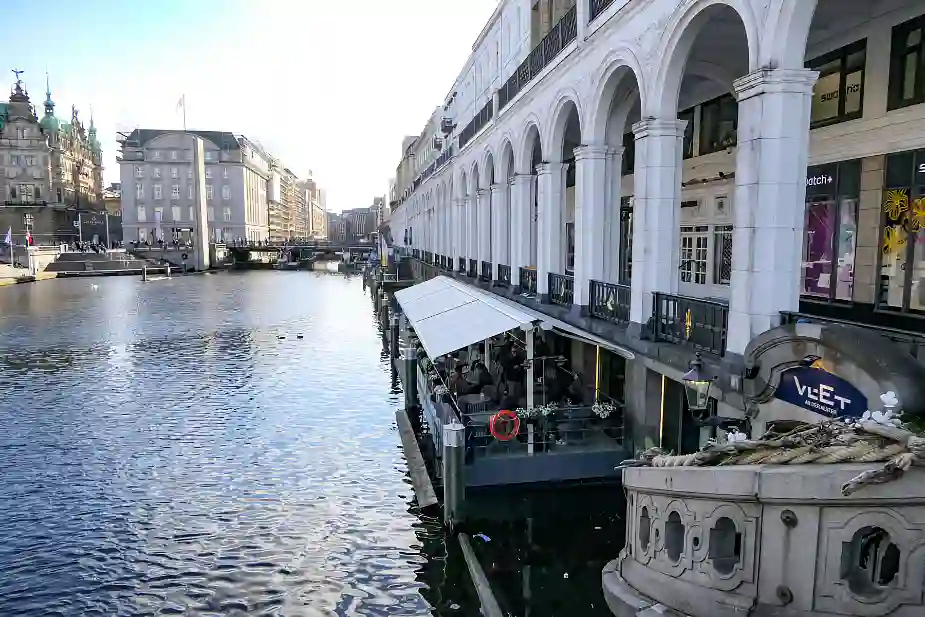
In April 2019 we visit the north German city of Hamburg, and this time we travel by car. This big North German city is perfectly reachable for us living in the south of Sweden. We just take the ferry to Elsinore, Denmark, drive south and via another ferry (with perfect timing for lunch), Rödby – Puttgarden, we reach Germany. A five-hour drive in all to reach Hamburg.
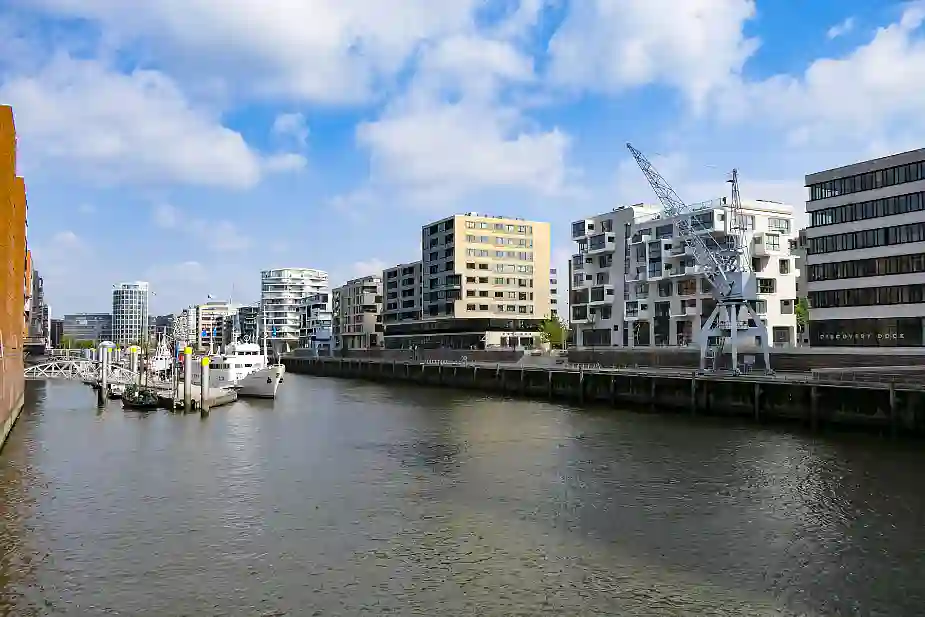
We have both been there before, but separately, for work. This time we will have time to see a Hamburg transformed. Just like in Liverpool, Copenhagen, Gothenburg and other old port cities the old harbour areas with empty warehouses and deserted docks has been replaced with modern buildings. Or completely rebuilt ones, with apartments, companies and institutions that enjoy the closeness to the water.
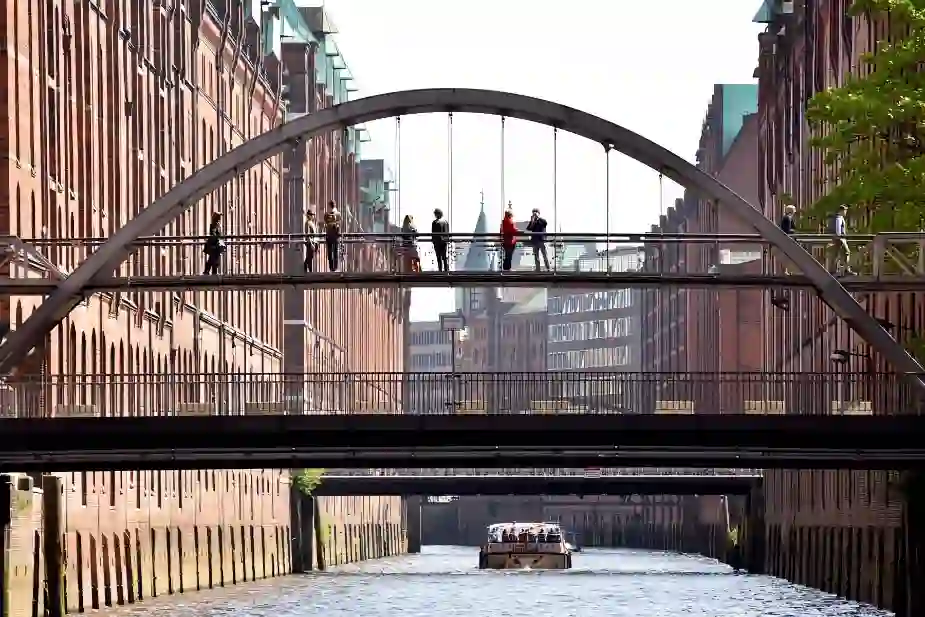
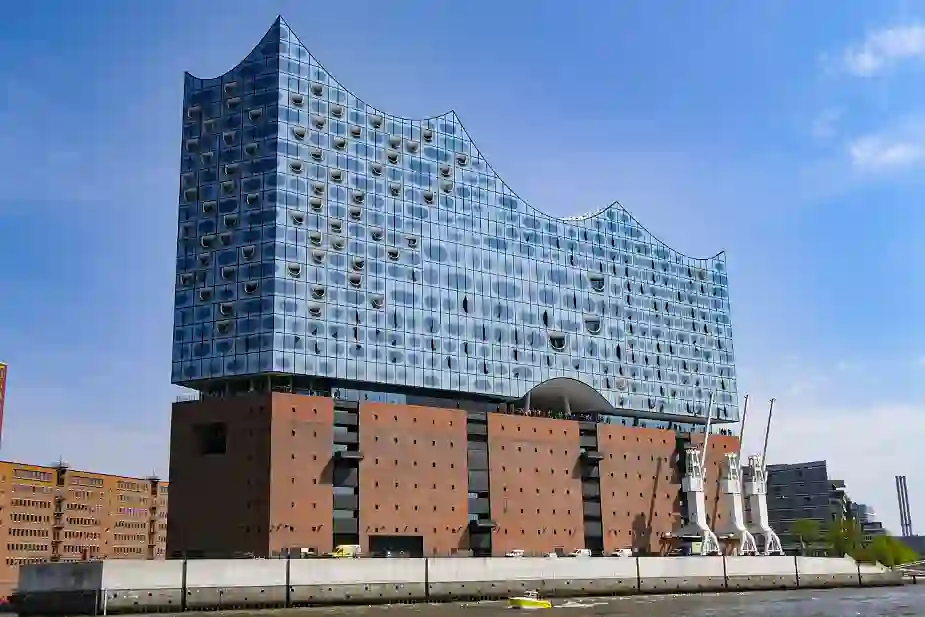
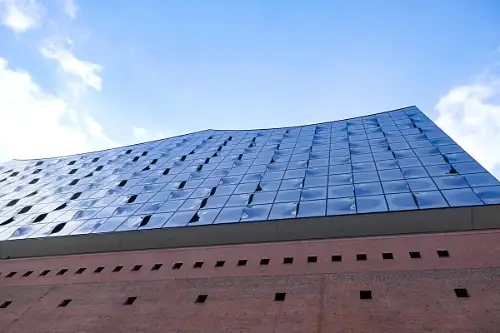
In Hamburg they now boast that they have more bridges than Venice. The old murky quarters in Speicherstadt are now light and teaming with new life, museums, cafés, restaurants and universities. And as the jewel in the crown, the utterly magnificent concert hall Elbephilarmonie. It took ten years to complete at a cost of almost 900 million Euro. It is built on top of an old warehouse (the lowest eight floors), and the new building (eighteen floors) lie behind a heavenly blue wavy shield. It sits right at the front of the Elbe river and dominates the new harbour.
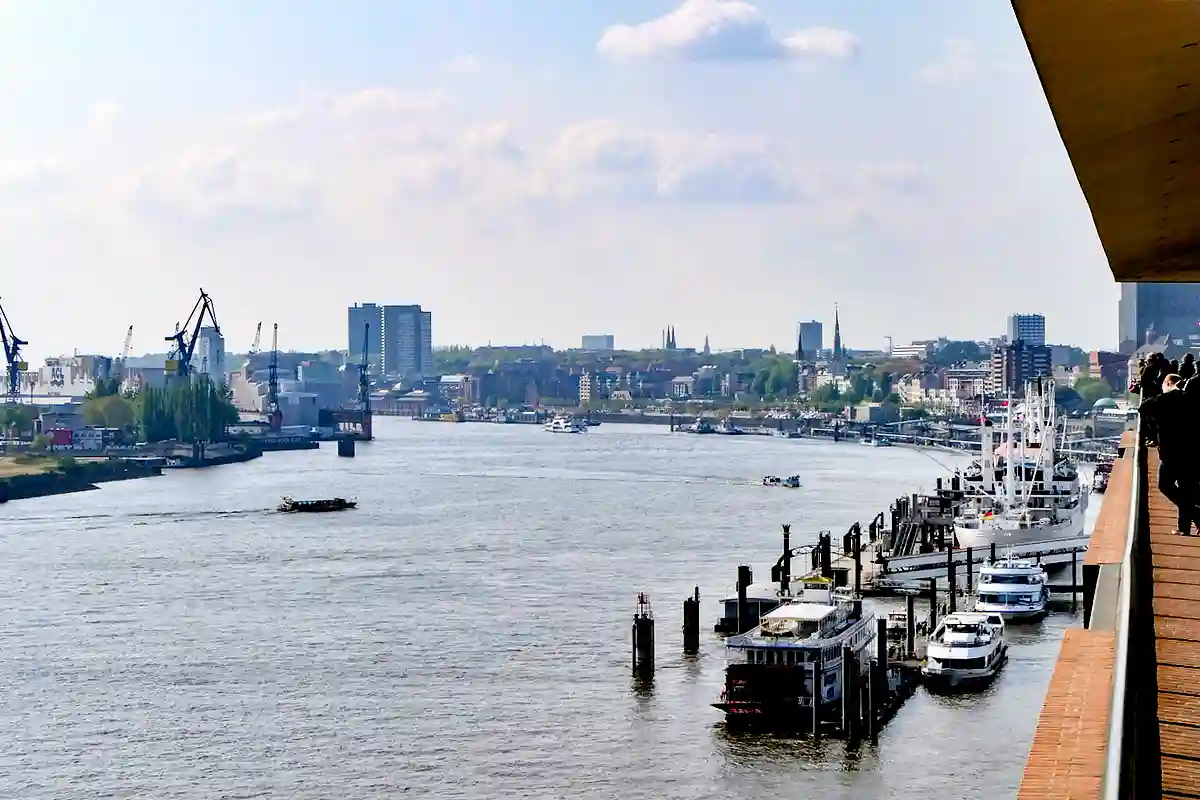
You can visit the building and via a very long escalator from the lobby get on top of the old foundation and walk out to a balcony that surrounds the entire building – and get a fantastic view of the city.
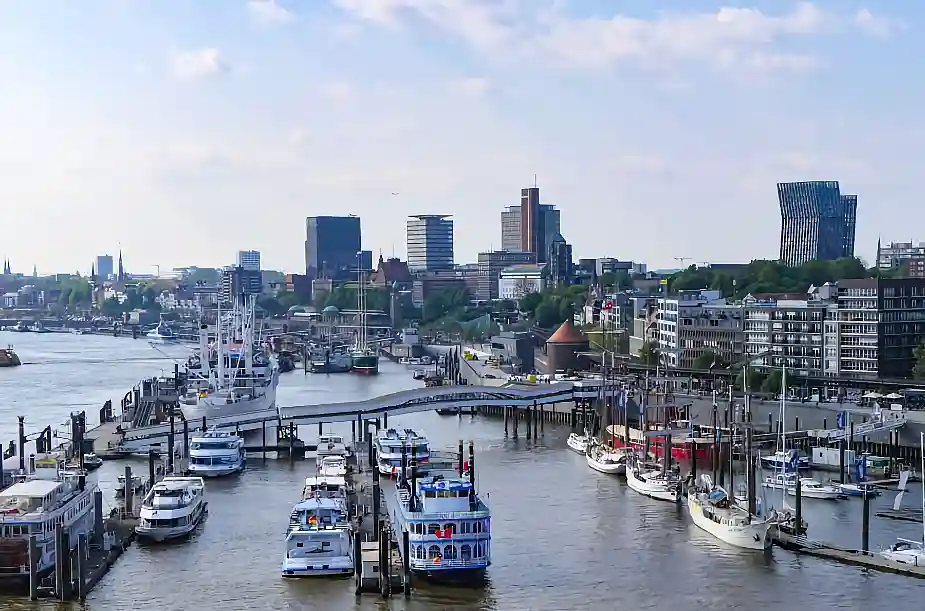
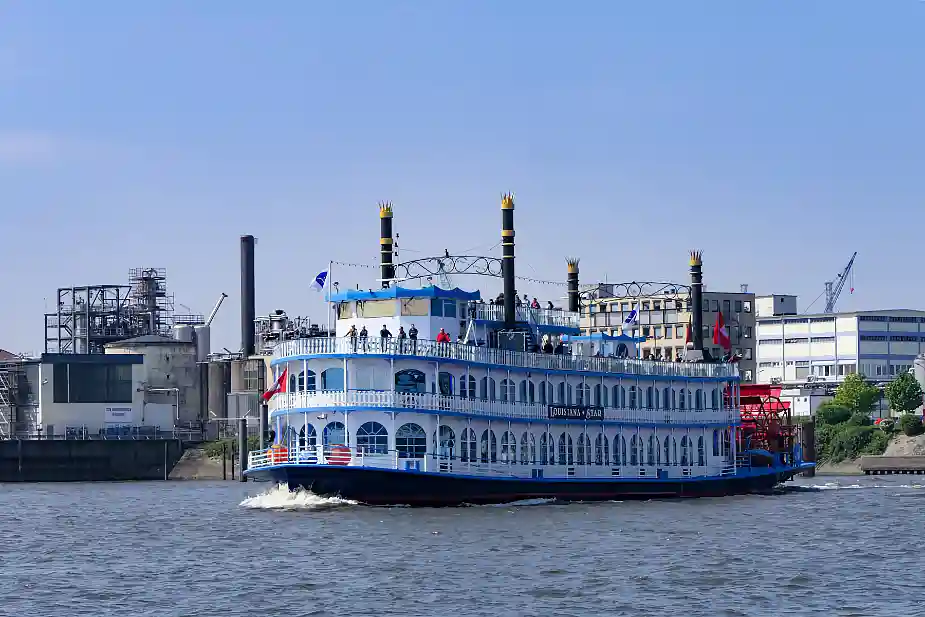
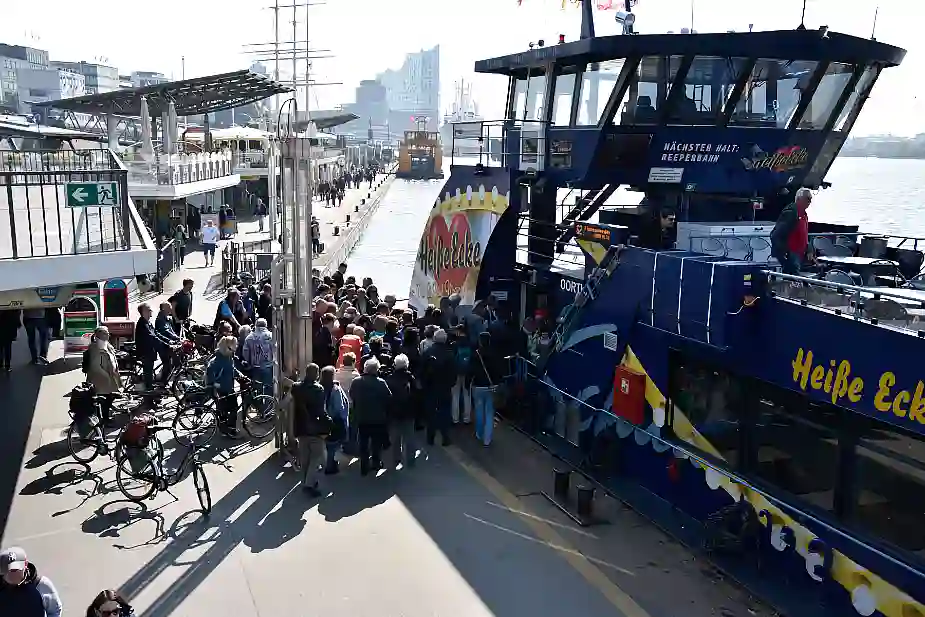
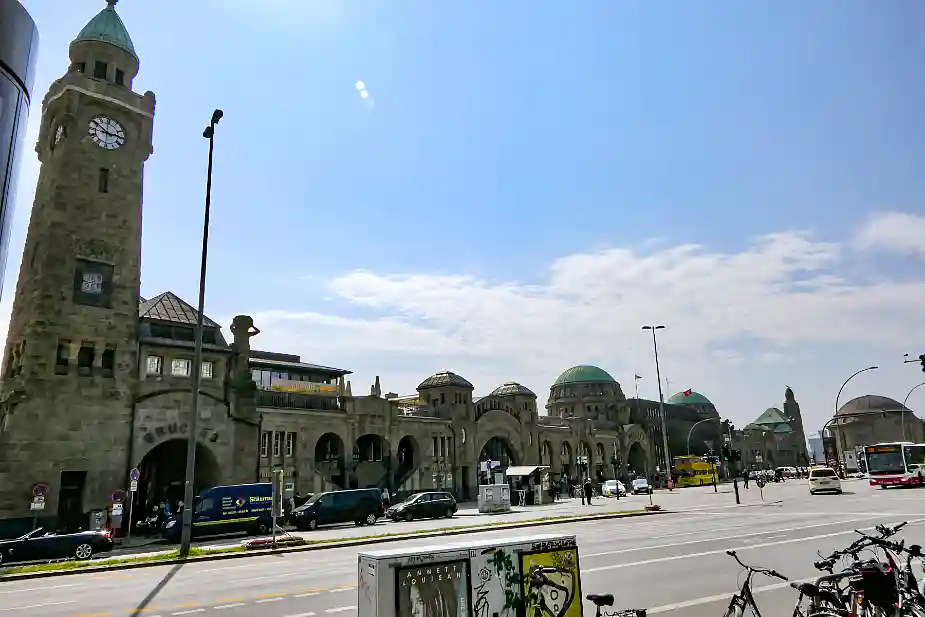
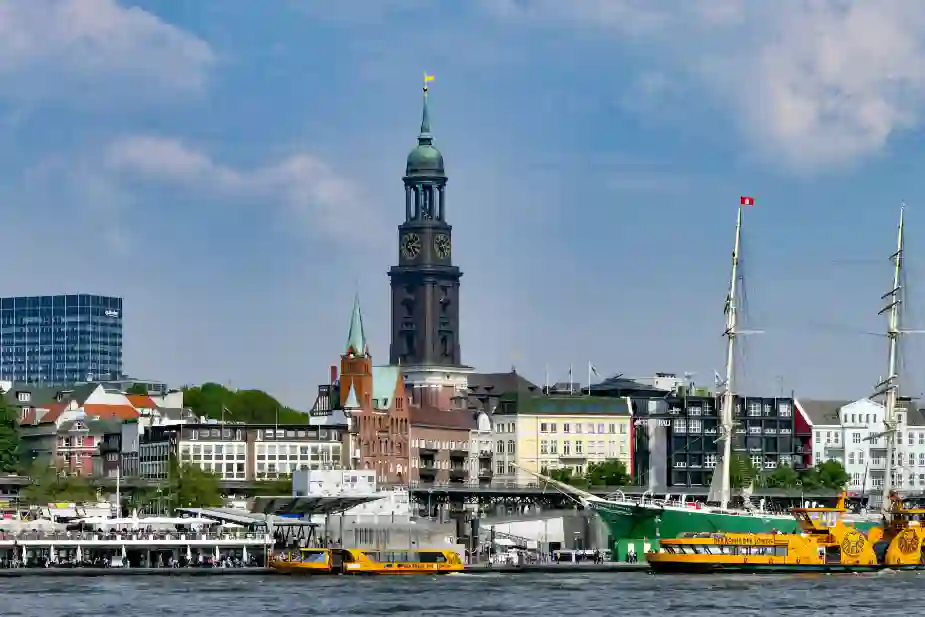
Right next to Elbephilarmonie you’ll find the impressive St Pauli docks, or St Pauli Landungsbrücken in German. Along the river’s edge there are some brick buildings in almost oriental stile with portals leading out to bridges lined with restaurants and cafés where you’ll have a great view of the bustling life on the docks. It’s from here You can go on cruises in the harbour or just be shuttled across the Elbe.
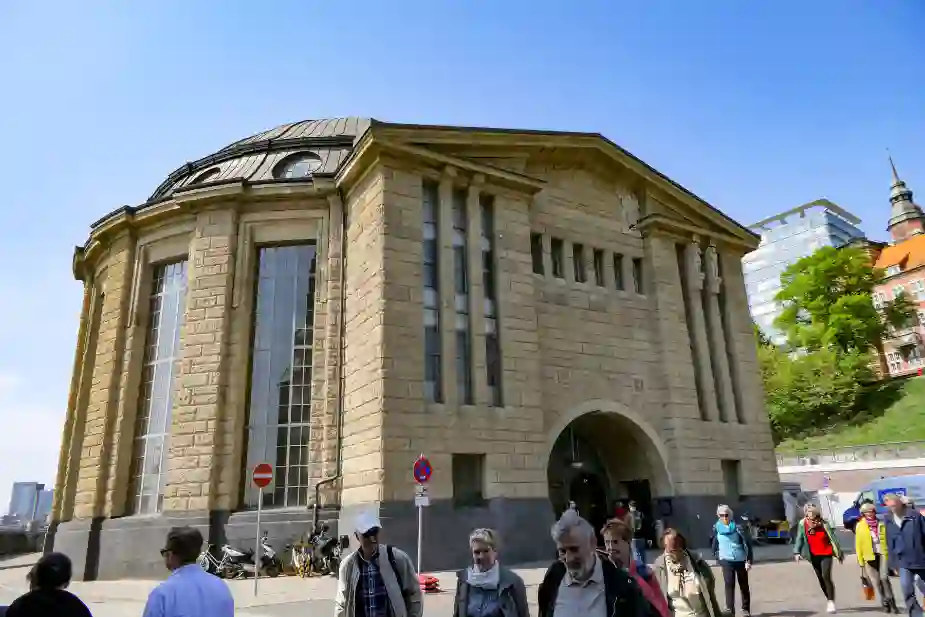
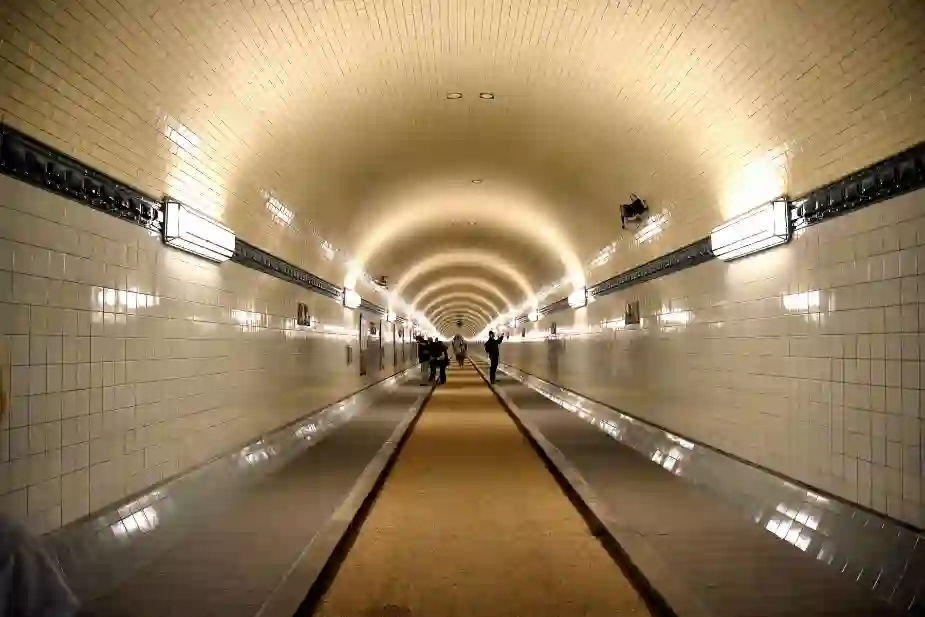
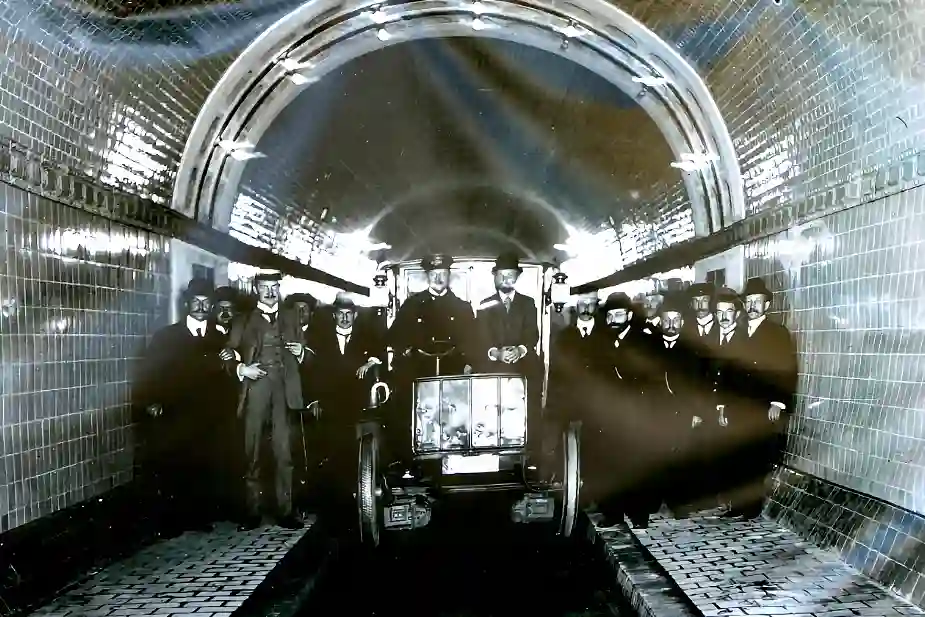
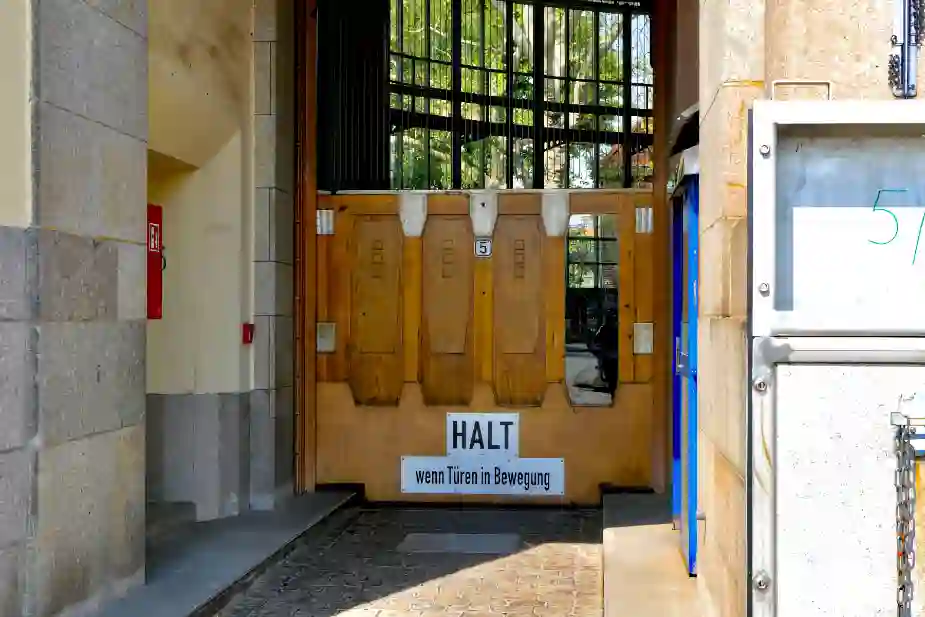
But if you don’t want to cross the Elbe on the water you can go under it. Close to the landing is the entrance to Elbetunnel, a fascinating construction from 1911. That year the 426 m long tunnel under the Elbe opened to pedestrians and bikes and even motorcars to transport mainly dock workers to their jobs on the river’s south side. On both sides elevators lifted or lowered people and vehicles.
Aerial bombings during WW2 destroyed parts of the tunnel, but it’s now restored to its former glory with tile decorations. Walk through, get up on the other side where a shuttle can take you back to the north side.
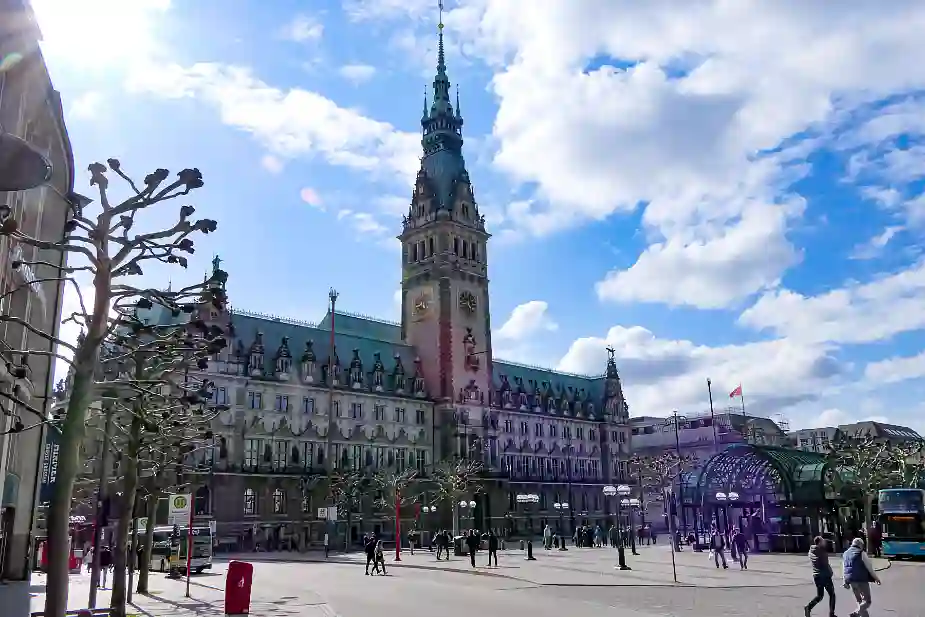
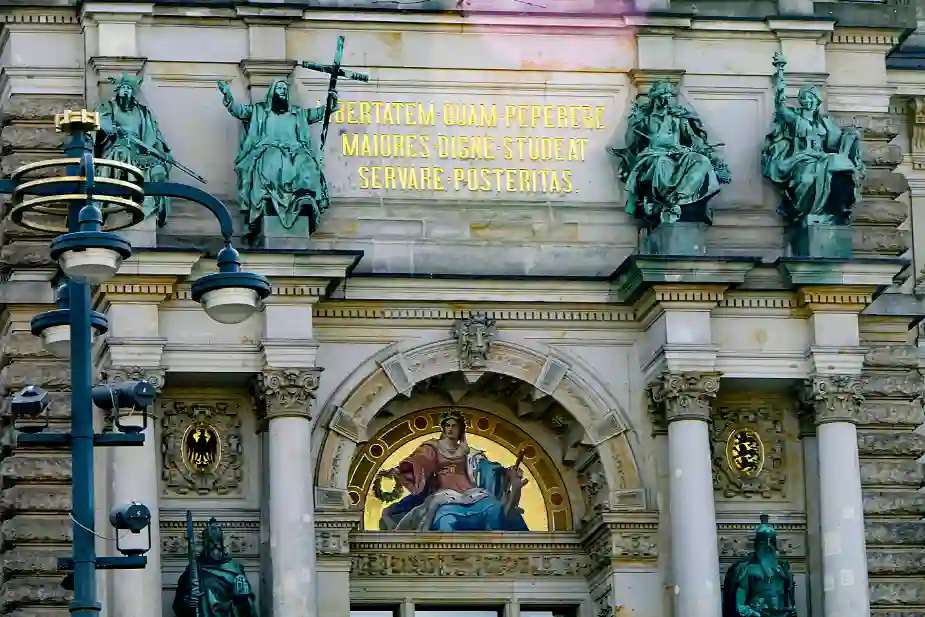
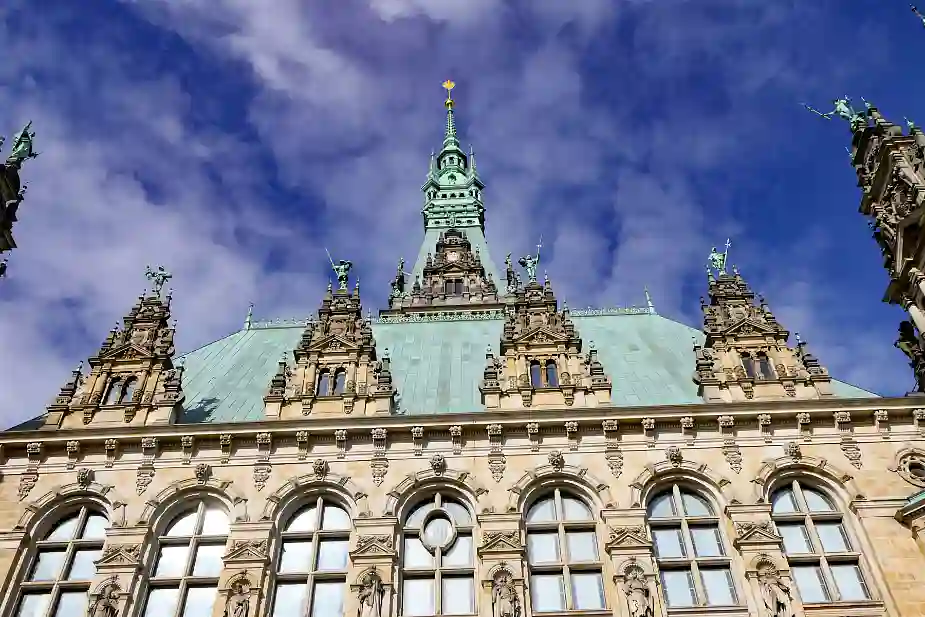
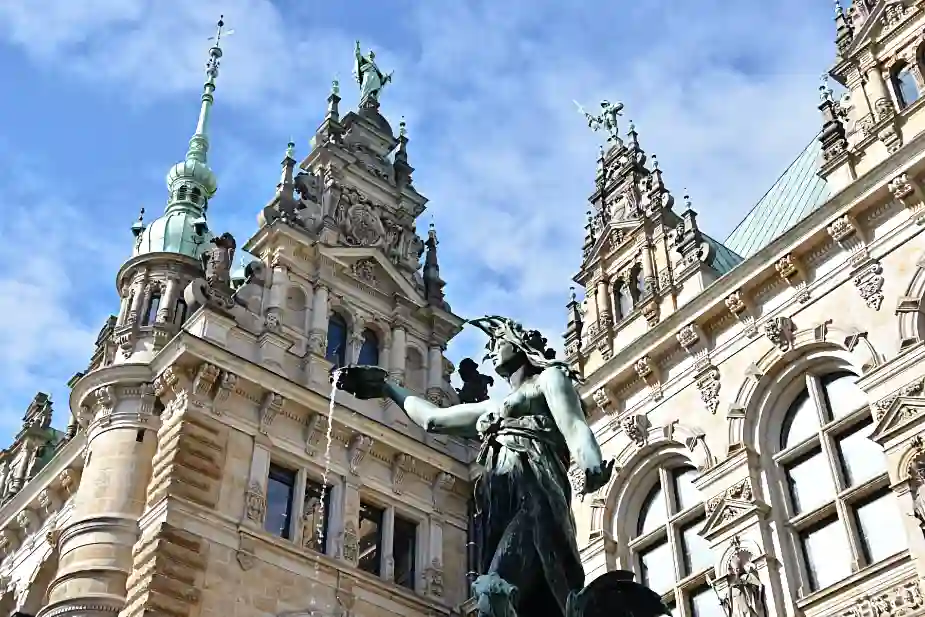
A city walk through Hamburg most likely starts by the City hall, the Rathaus. It’s a typical neo-romantic building richly decorated with statues and ornaments. Don’t miss the “back” of the building, it’s even more impressive!
In front of the Rathaus there’s a square with a canal (here called “vleet”) on the side. This particular one, Alstervleet, transports the water from the river Alster that just by the vleet’s north end widens to a lake. In the opposite direction the vleet runs down to the Elbe river. There are some nice restaurants along this vleet, sometimes on bridges on the water.