Edit Template
Edit Template

Who are we?

This travel blog is created by me, Lars Aldman, a Swedish journalist and traveller, always in the company of my wonderful wife V. who is also a journalist and a fantastic photographer.

I worked for many years for the Swedish National Radio and Television, as a reporter/producer/studio host and a bunch of other roles.but now I’m retired and do whatever I like.

We love to visit foreign countries and cultures and meet people all over the globe. So far we have been to Asia, Africa, South America and the Caribbean and of course Europe. And we’d like to share with You, dear reader, what we have experienced and seen. We hope You want to join us and possibly find ideas for Your own adventures.

PS. To see more of my photos from journeys far and near, head over to aldmangallery.com

To contact us via mail: info@resormedv.se

Edit Template

More results…

Generic selectors
Exact matches only
Search in title
Search in content
Post Type Selectors
Search in pages

Travels with V

Cape Province, South Africa

round-line-left-arrow
back

chapters

Land of milk and honey

Part 1 – Cape Town

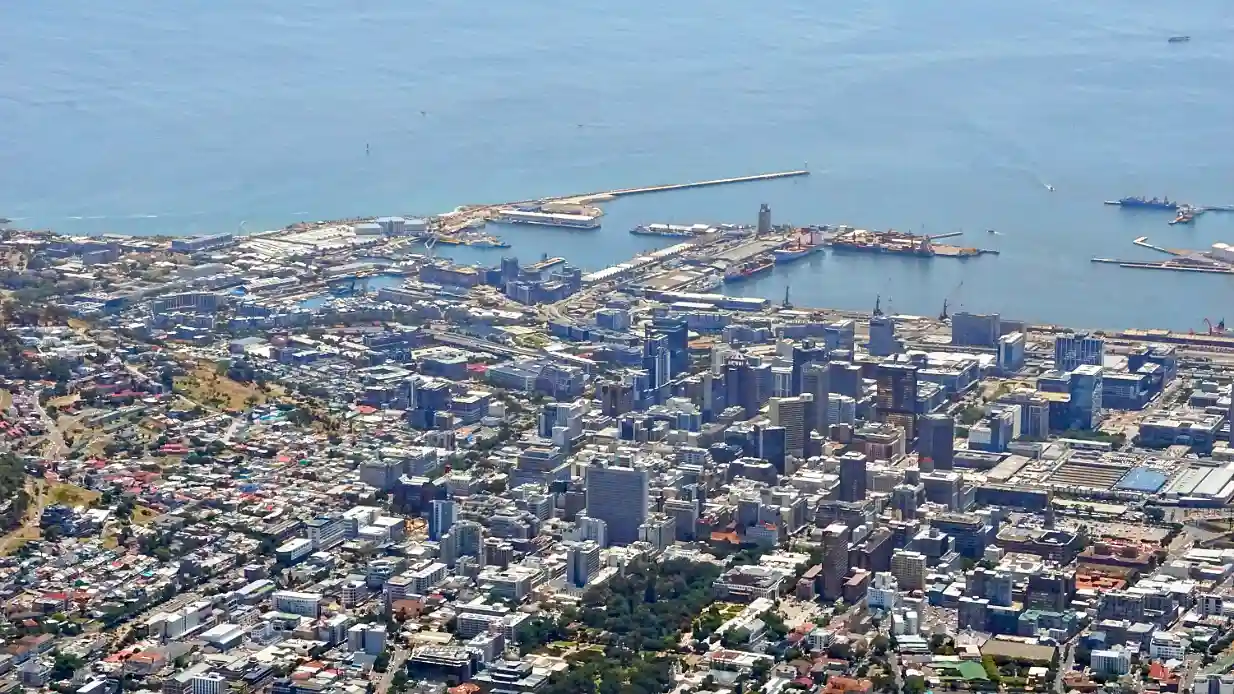
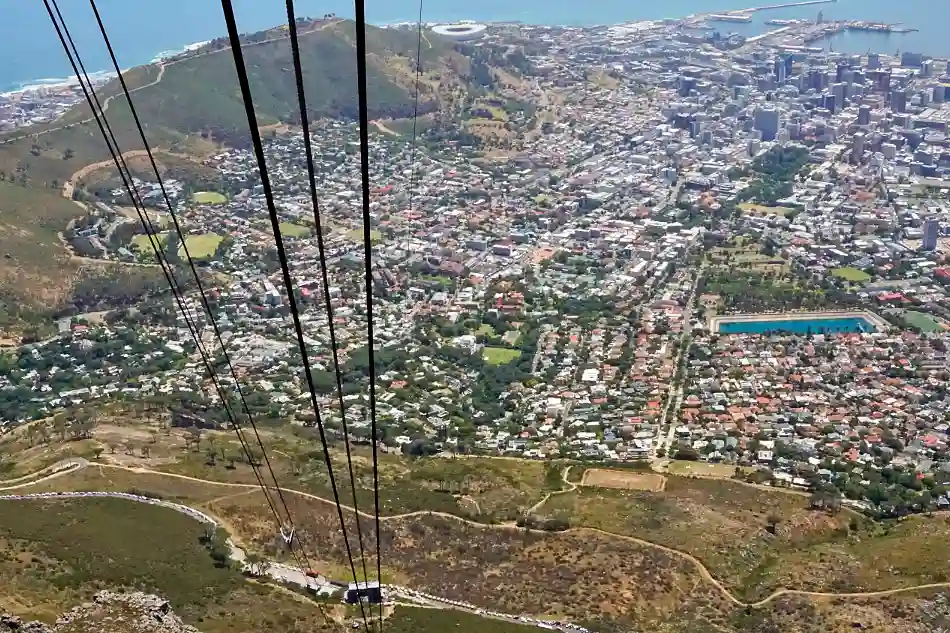
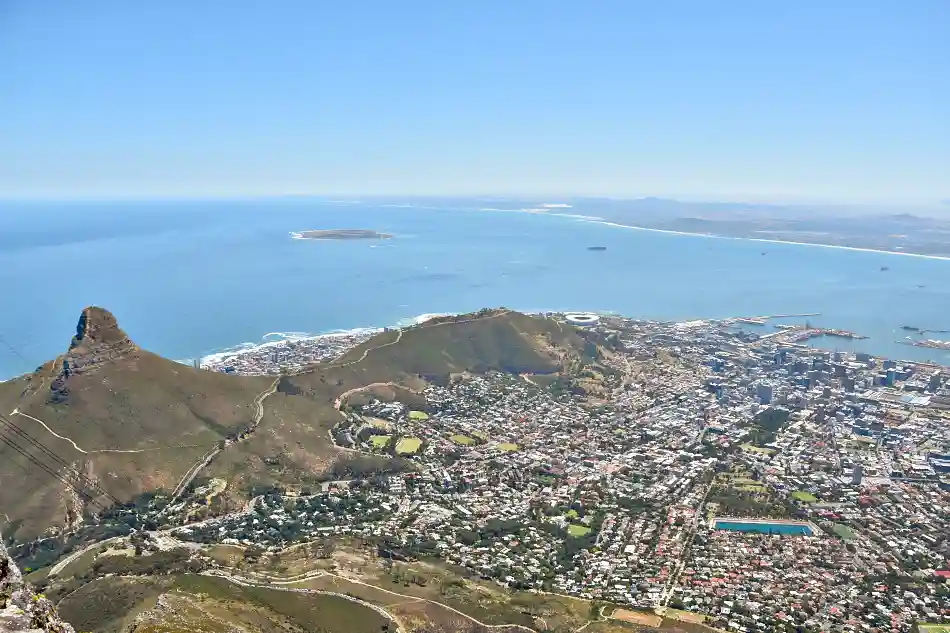
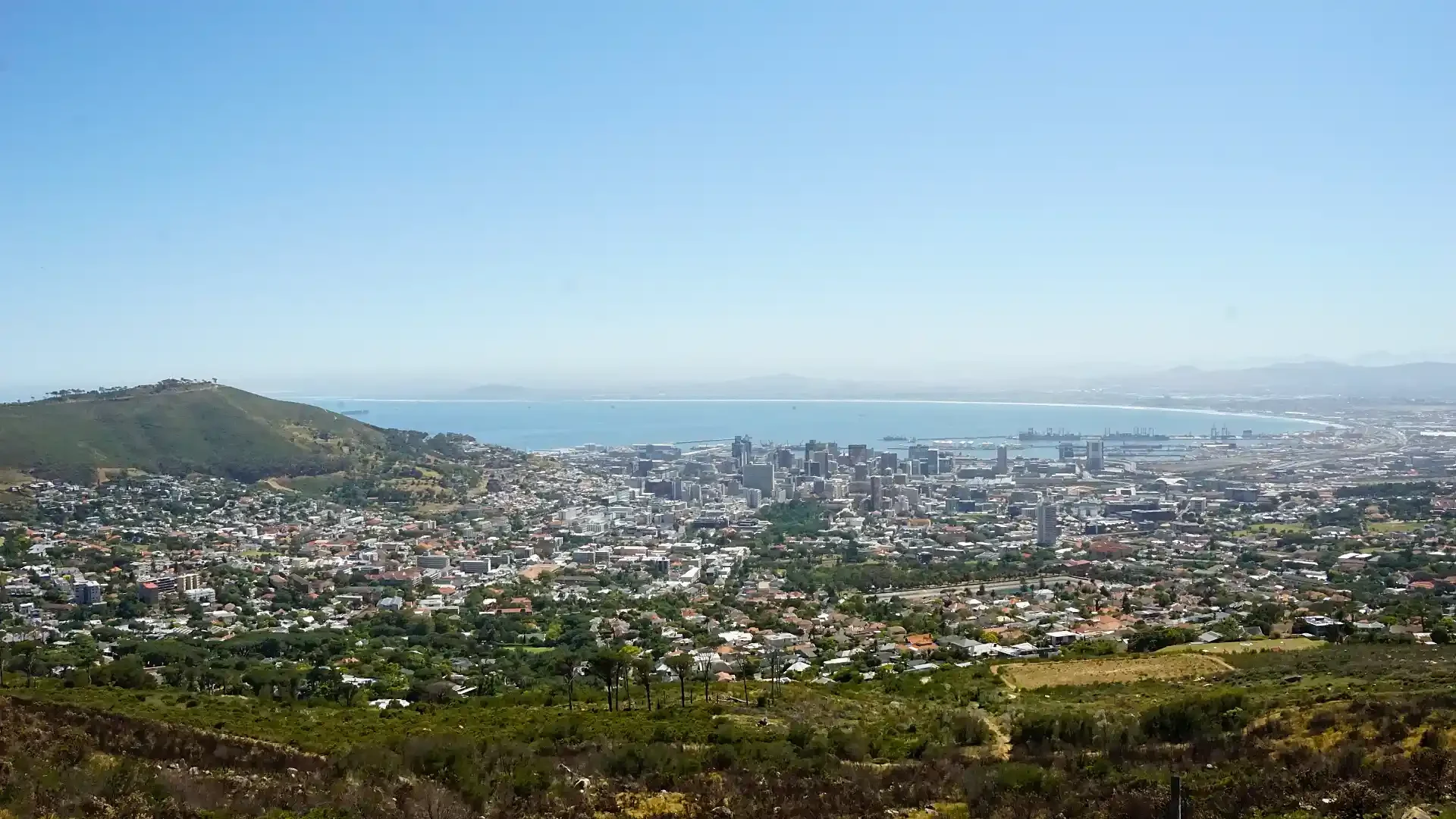
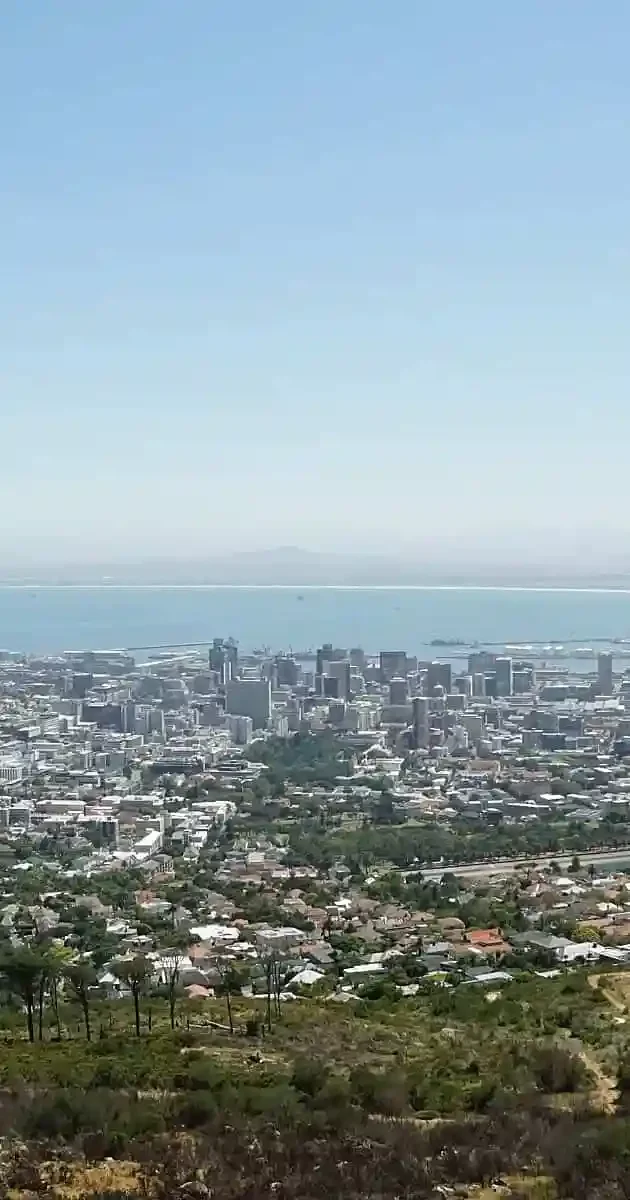
Cape Town with its iconic silhouette of the Table mountain in the background.  Main city of the Cape Province and one of the places you should visit in your life. And here in one of the richest cities in Africa the contrast to Windhoek or any other Namibian town couldn’t be greater. Here the center with tall buildings is a significant part of the city, here traffic runs smoothly on expressways, and here the weather is warm but it’s not hot.

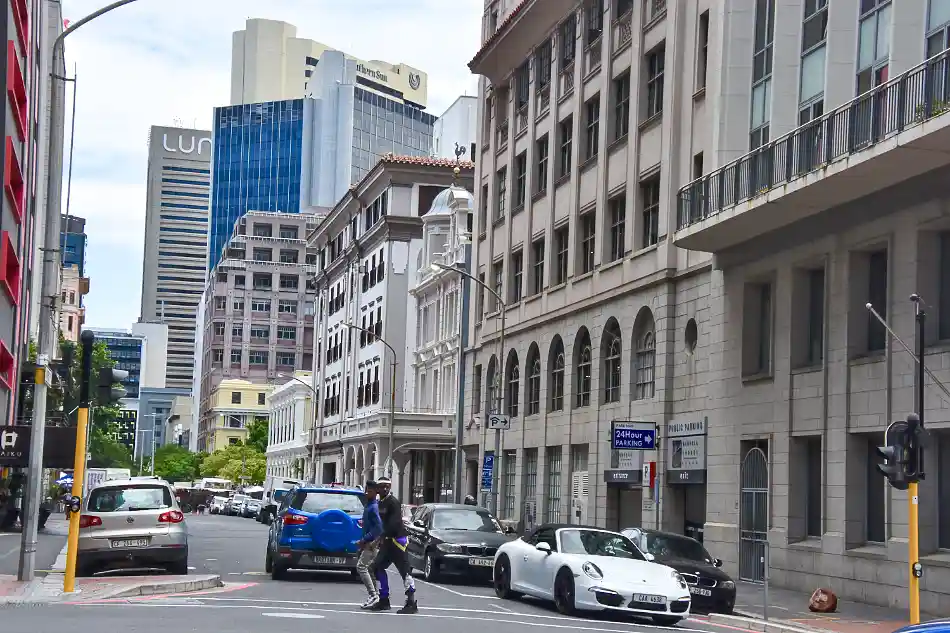
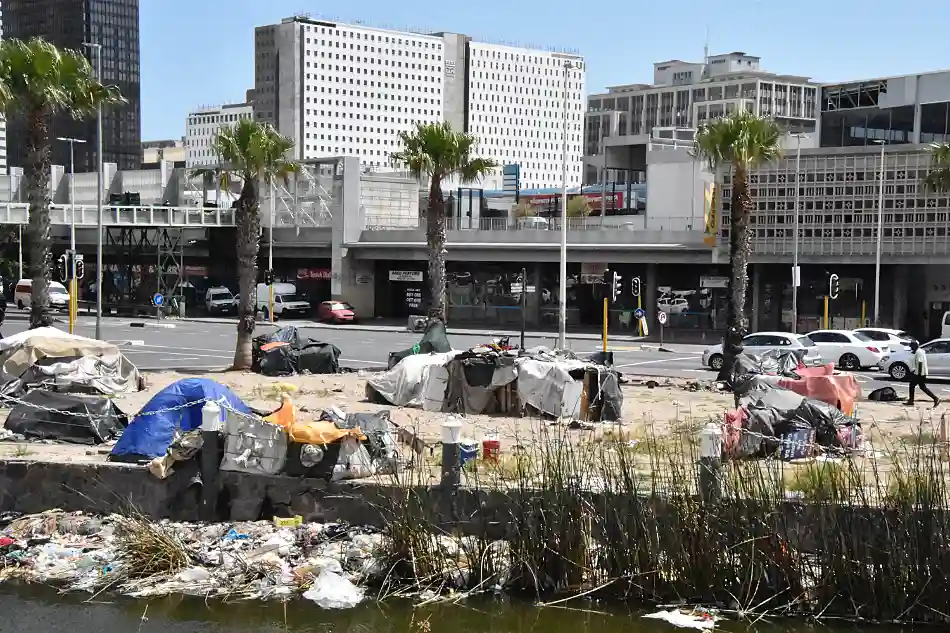
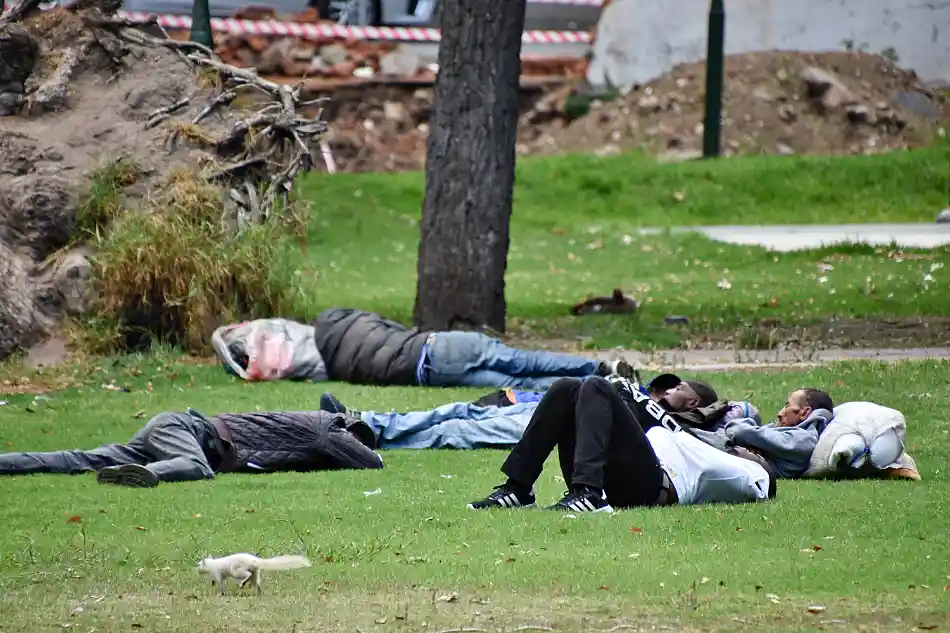
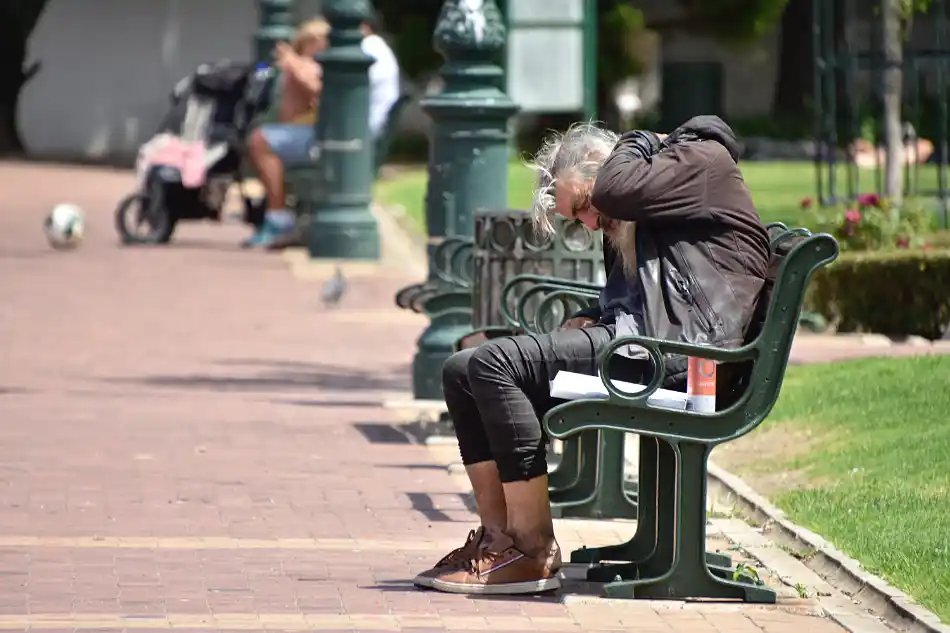
Seen from the air Cape Town looks like a shiny  modern megacity, but on the ground the perspective is a little different. People live in tents or makeshift huts on the sidewalks. Beggars and mentally unstable people, both black and white, circle the streets, and the general advice is to always take a taxi if you want to go somewhere. Even in daytime. Like most cities Cape Town attracts young and desperately poor people who seek possibilities in the shining city.

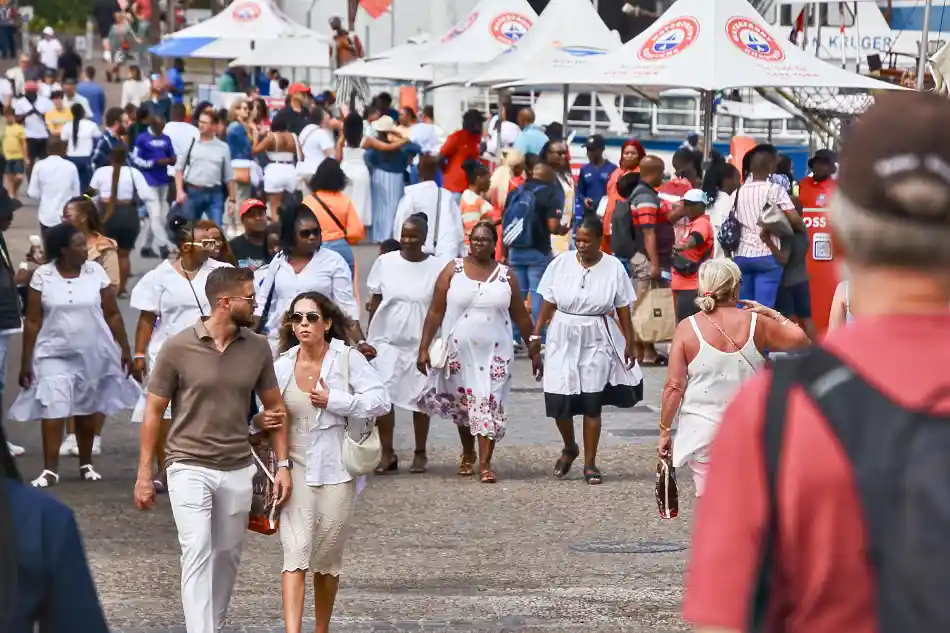
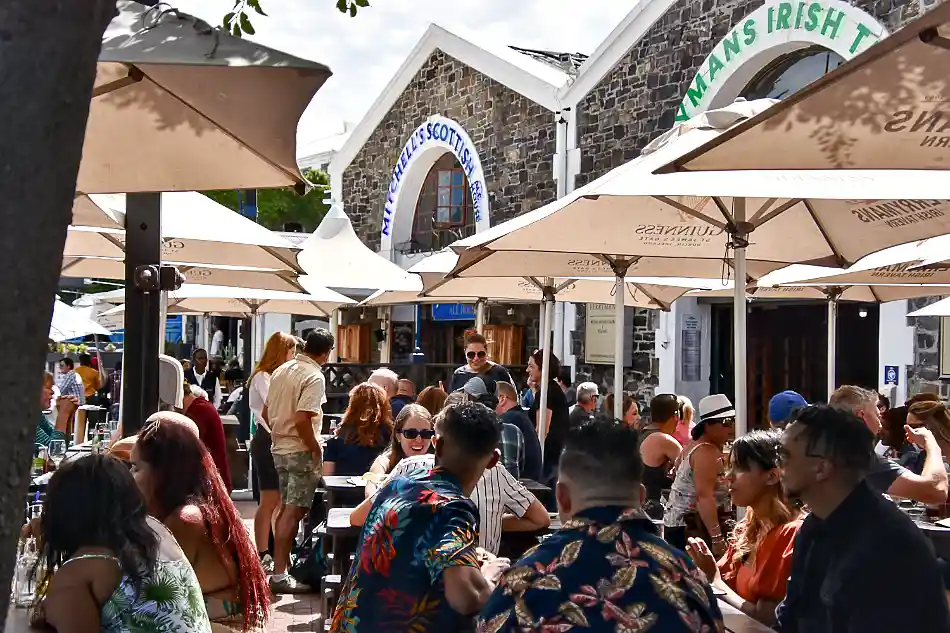
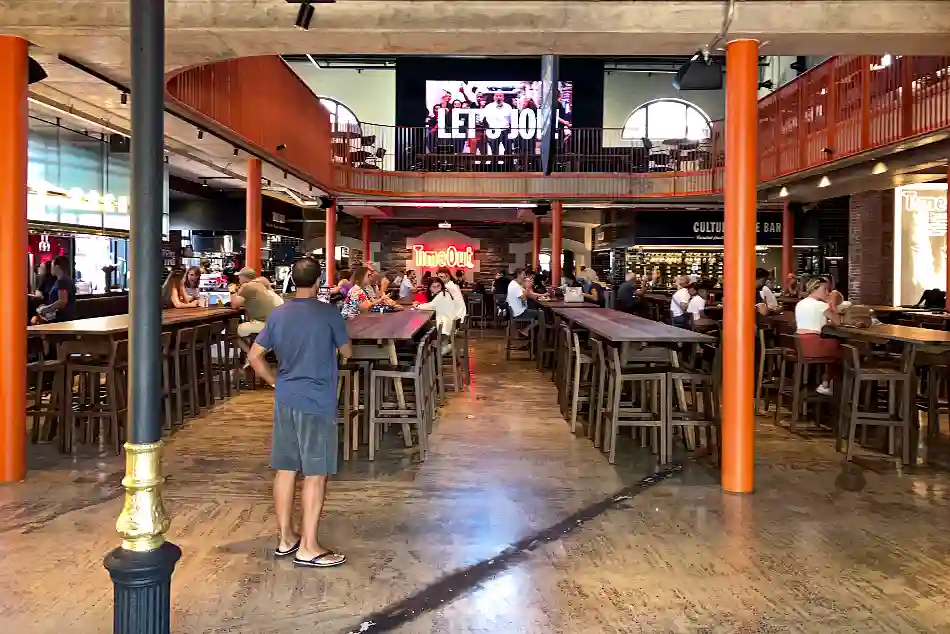
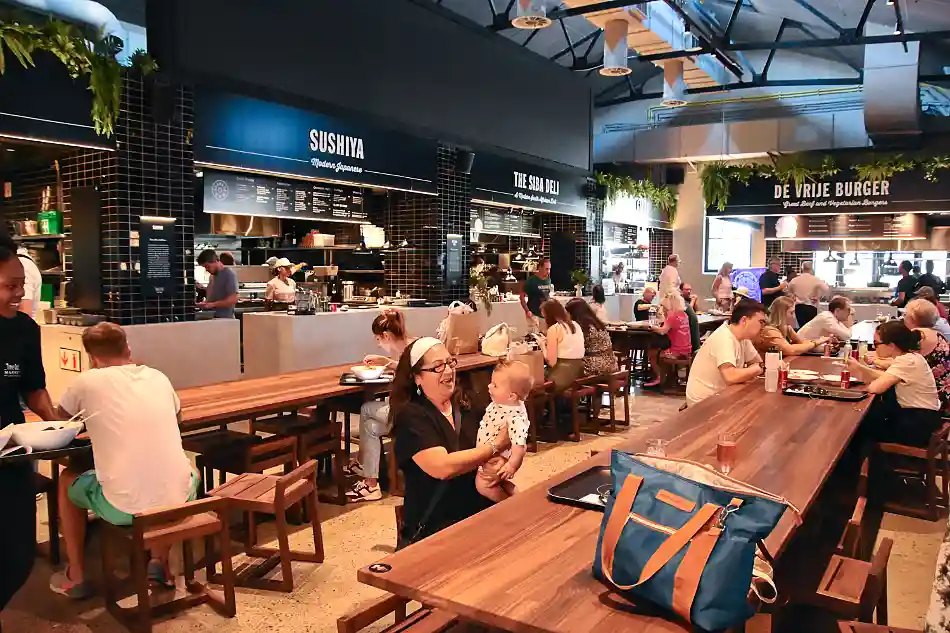
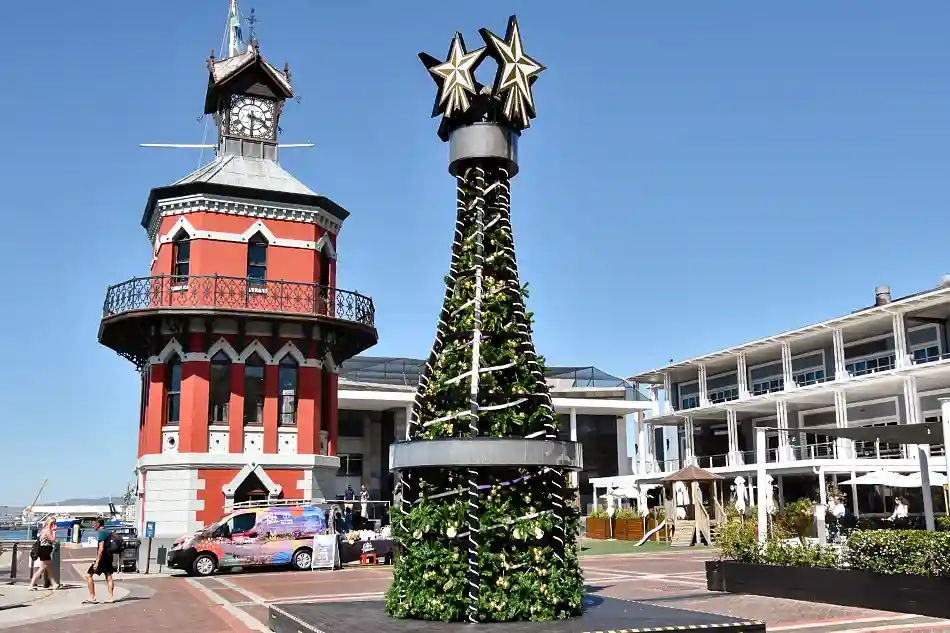
Our hotel is in what you might call midtown. Actually a little too mid one might say. The street outside is a pedestrian street, but there is a lot of noise, screams and crashes from down there, particularly in the evenings. But we do as we’re told and grab a taxi to Waterfront, an area that was once mooring for big ships. Cape Town was at that time the natural stop-over for all sea traffic between Europe and Asia. But when the Suez canal opened the place fell into disrepair. Then a few years ago a project to renew and upgrade started, and today it’s a busy tourist area with a giant supermarket, lots of bars and restaurants and an aquarium. Great for sauntering!

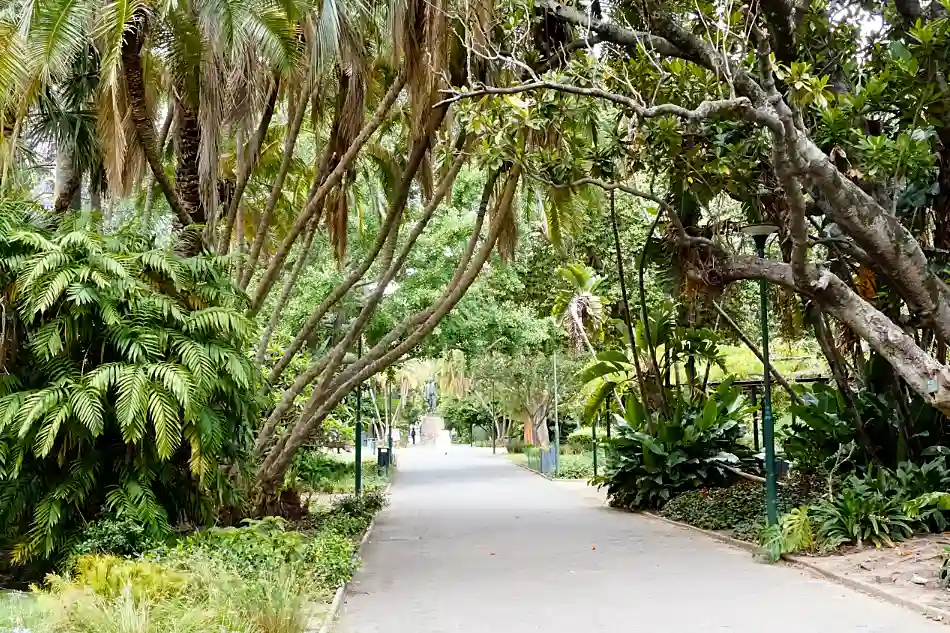
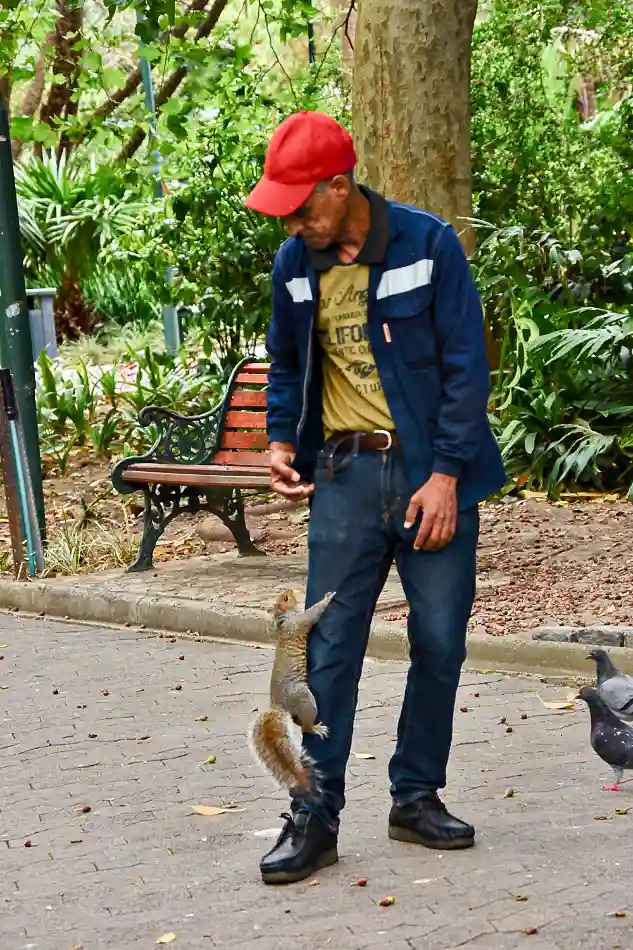
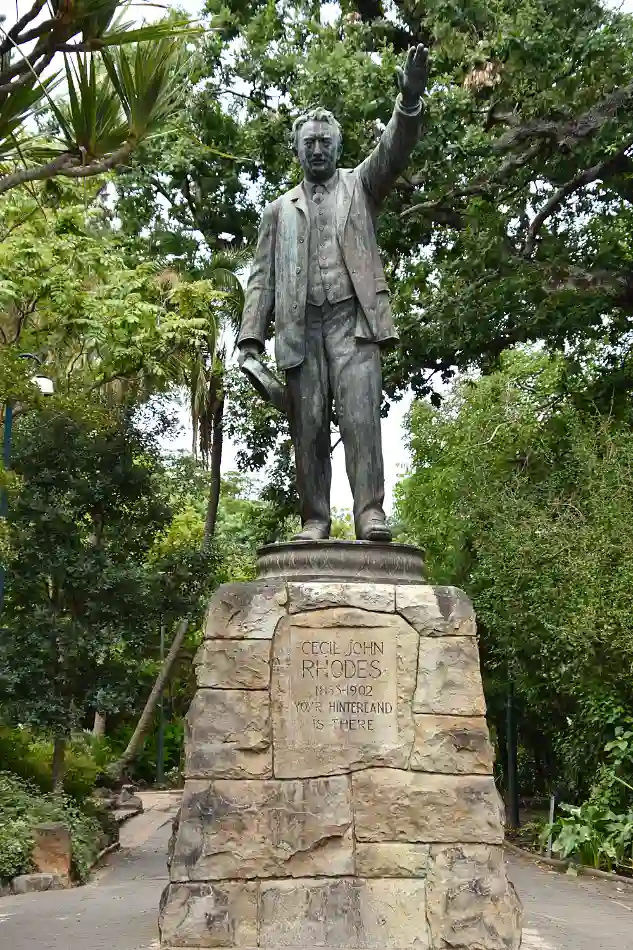
Right around the corner from our hotel we find an oasis, the narrow but long and lush Botanical Garden. At the sides are pompous palaces that were administration buildings, many now transformed into galleries and museums. The park is full of unafraid squirrels approaching from all directions begging for food. Strangely we also find a statue of the infamous colonialist Cecil Rhodes here. Why don’t they just demolish it?

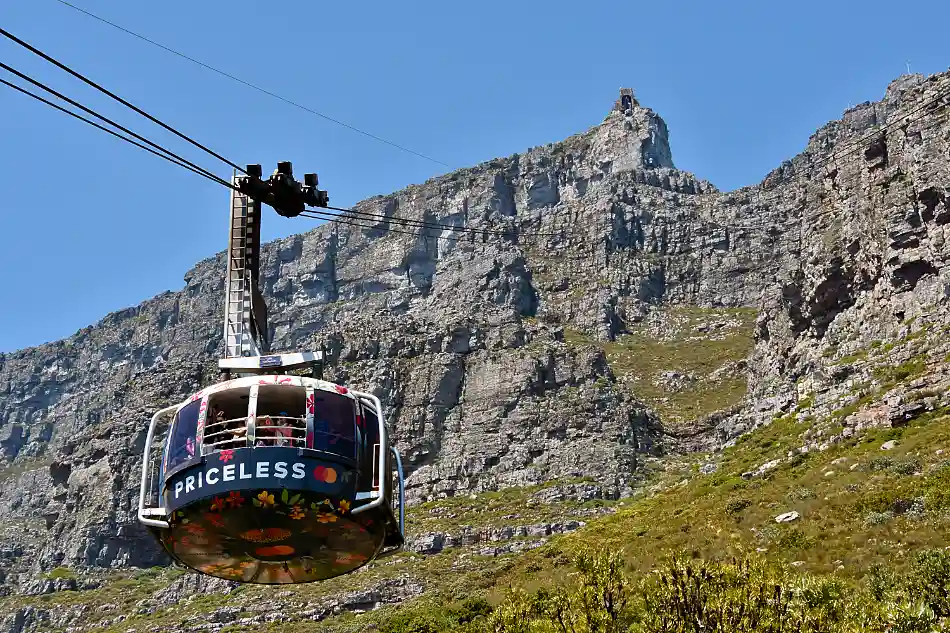
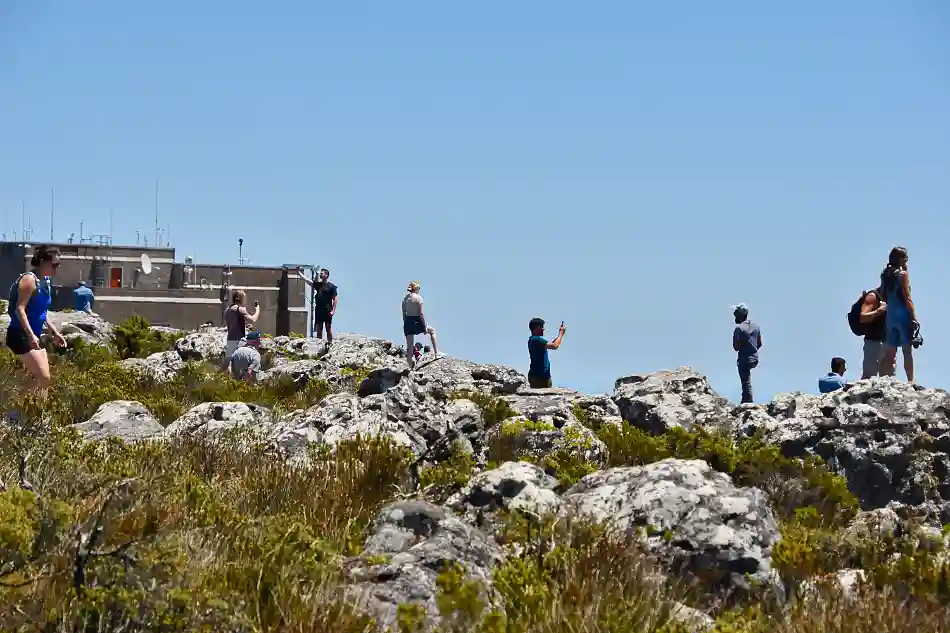
If there’s something here that you just have to do, it’s this: You just have to get up on that mountain. The Table mountain. There are two ways, one being an arduous climb up a narrow path, some people actually do this. Or you can go the easy way with the cable car, a circular thing that rotates while ascending. You queue for tickets first and then you queue for the ride, but eventually you get up there. Go early in the morning when the queues are shorter. But don’t go at all if the top is in a cloud, then all you will see is mist.

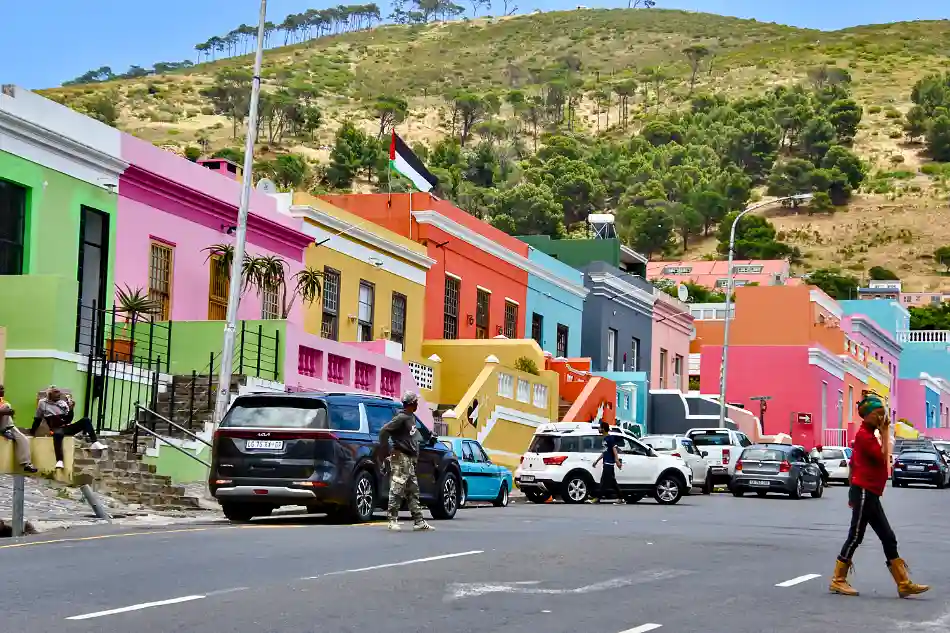
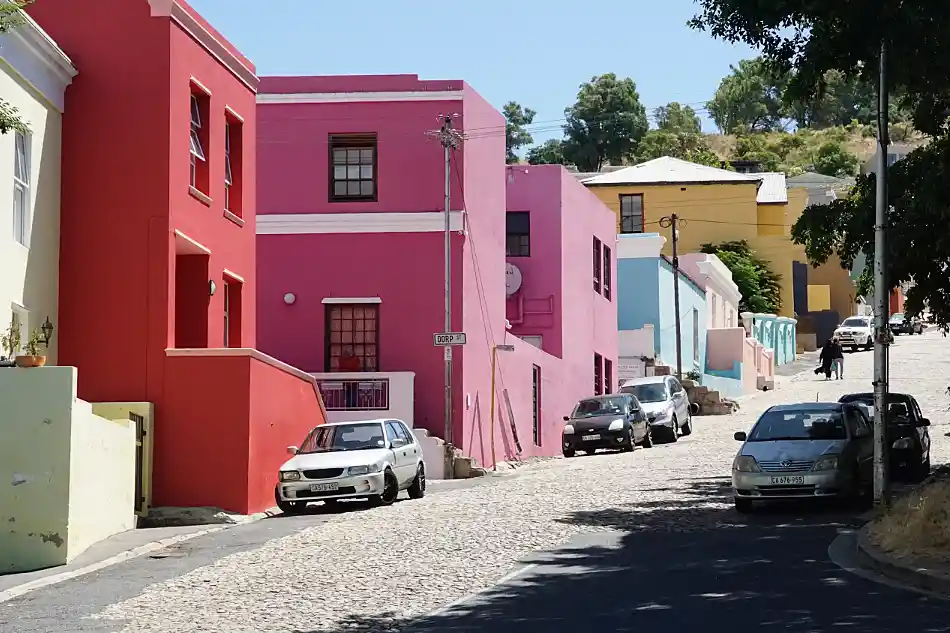
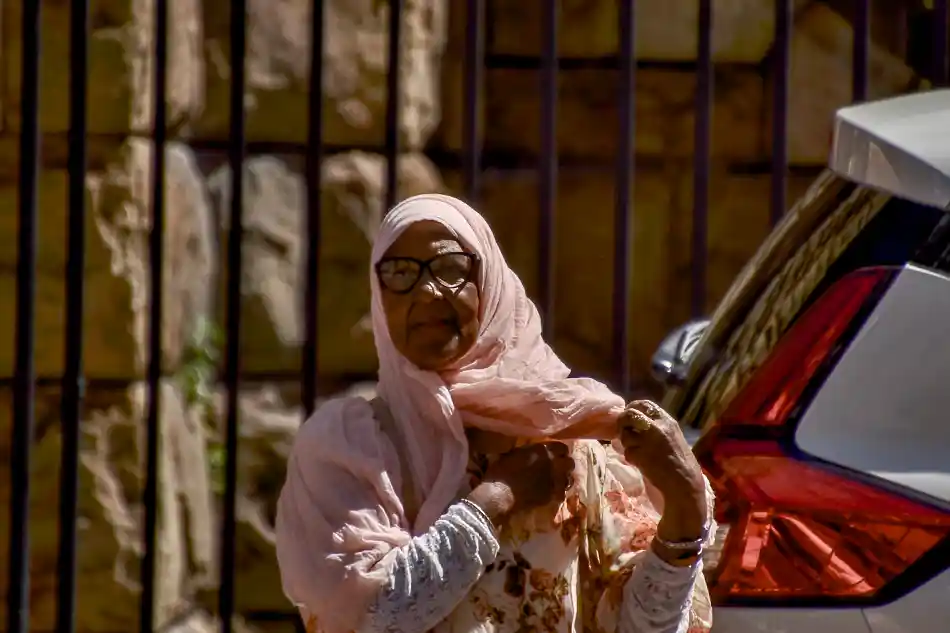
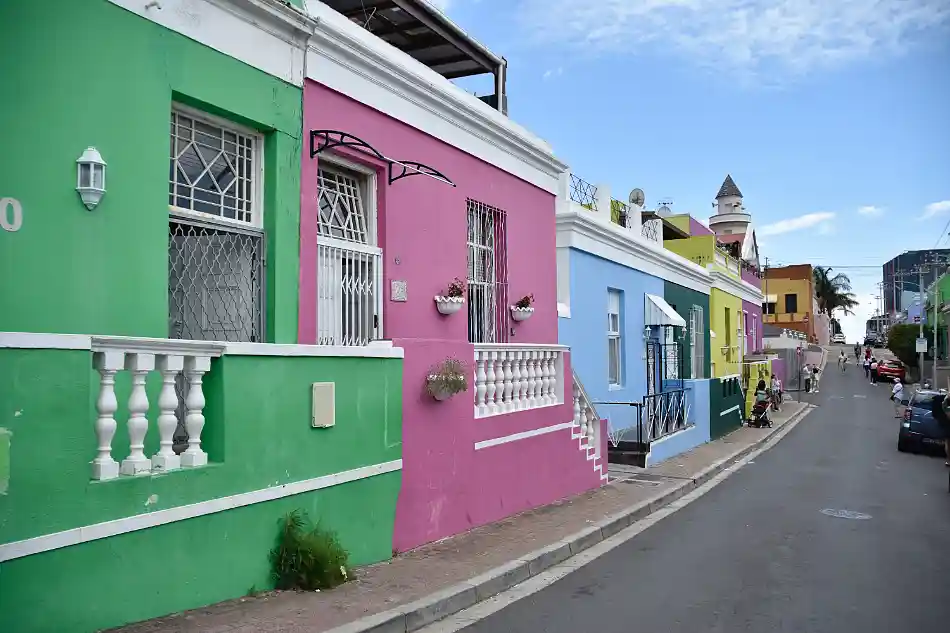
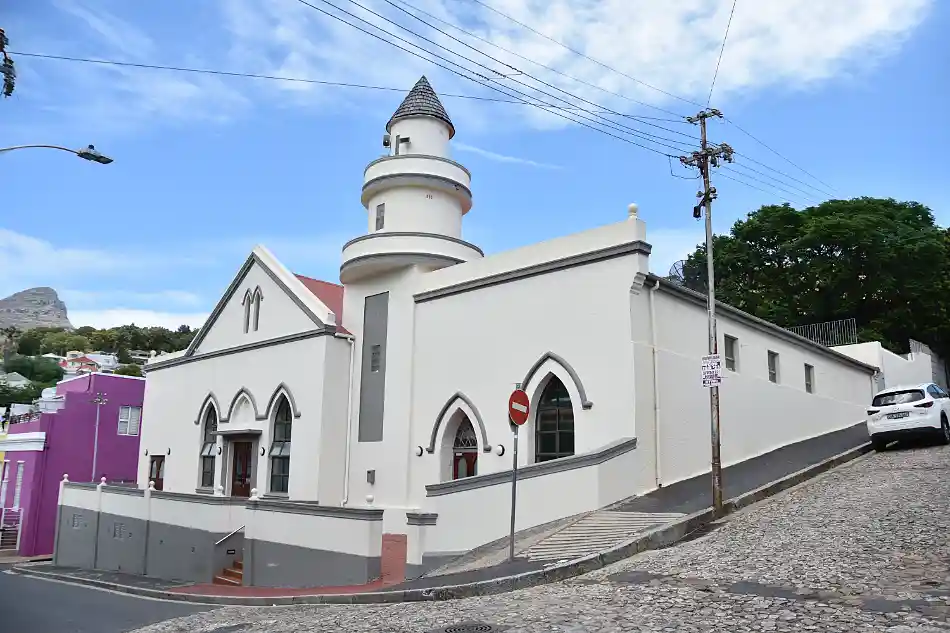
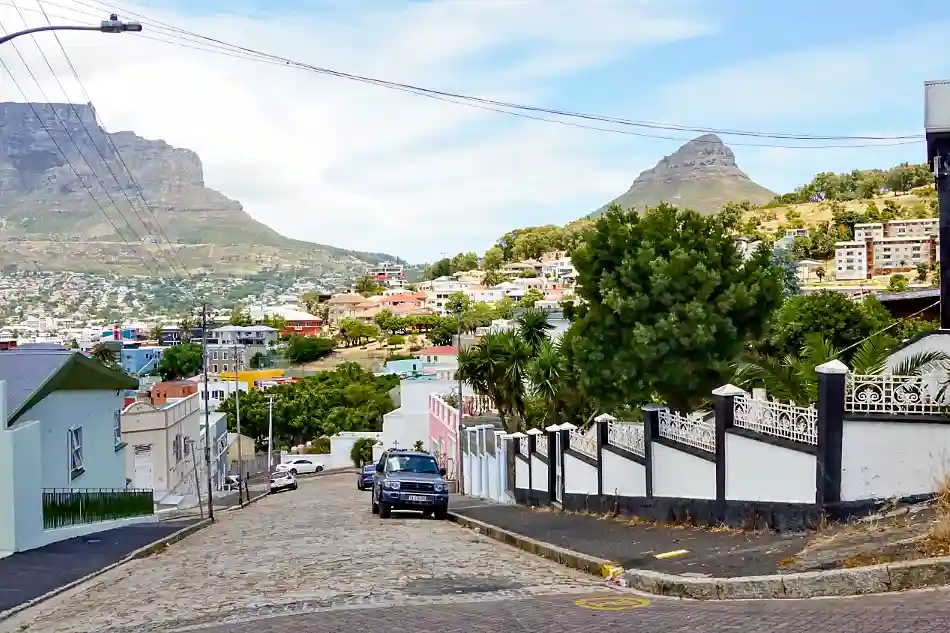
Circa two kilometers west from where we stay there is a very  picturesque district called Bo-Kaap. With colourful low houses and a small-town atmosphere, climbing up the slopes of Signal Hill. This is the area the apartheid laws reserved for people, many of them decendants of slaves from Asia. And this is still a part of town that is dominated by them, a large number being of islamic faith. These asians have created their own culture in the city. “Cape Malay” for instance is a distinct type of food with exciting spices and Asian touch.

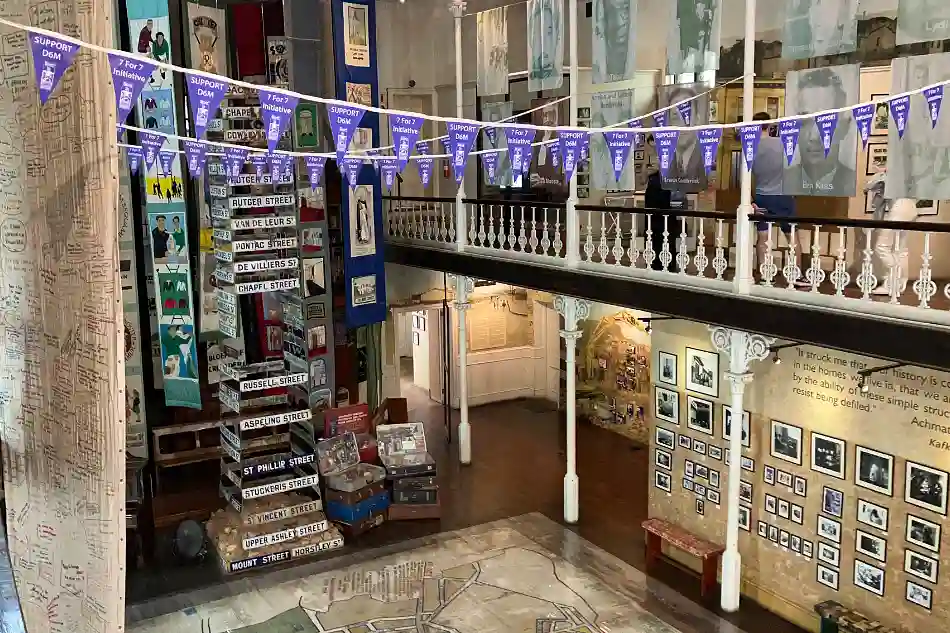
By a miracle Bo-Kaap avoided the demolition that hit its neighbour District Six, where an ethnic cleansing took place. The inhabitants were evicted and moved to townships, and their houses were demolished with the aim of creating an “all-white” city. Only one building i District Six was spared, a little church where there is now a museum depicting the lives and tragical fate of the original inhabitants.

THE DISTRICT-SIX MUSEUM

Walking around in the city you’ll see groups of young people performing, singing and dancing. Their peformances are  enormously colourful and strong, rooted in  the traditions of countless generations before them. It’s joyful and prod and it makes you happy to listen to and watch.

We leave the city for a couple of tours in the surroundings, the Cape Province. We taste wines in  beautiful Stellenbosch, we are on an overnight visit to a so called “Game park” and watch lots of wildlife. And we visit a township. In the next chapter!

_DSC4776stor
_DSC4776port